A traditional konoba on the stone lanes of Korčula's old town, Konoba Mareta follows the unhurried rhythm of Dalmatian coastal dining, grilled fish, local wine, and a terrace pace that resists the summary. It sits squarely in the neighbourhood-tavern tier, alongside places like Konoba Adio Mare, and earns its place through adherence to format rather than departure from it.
Pearl is the En Primeur Club membership app — saves, bookings, and concierge access live there. Same editors, same standards.
- Address
- Ul. Sv Roka 4, 20260, Korčula, Croatia
- Phone
- +385915662311
- Directions
- Get directions
 Saves & bookings on Pearl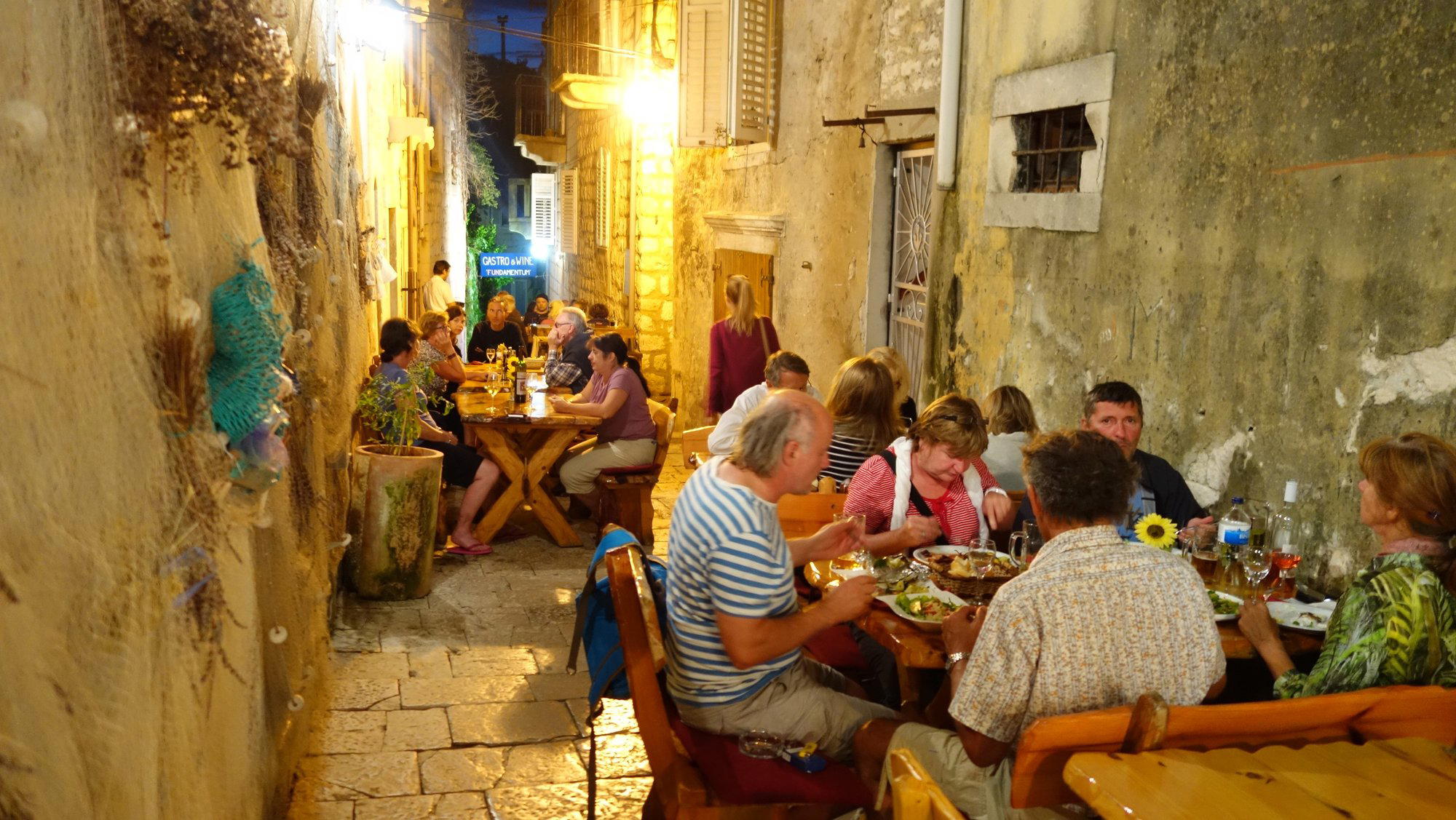
Stone Walls, Slow Meals: The Konoba Tradition in Korčula's Old Town
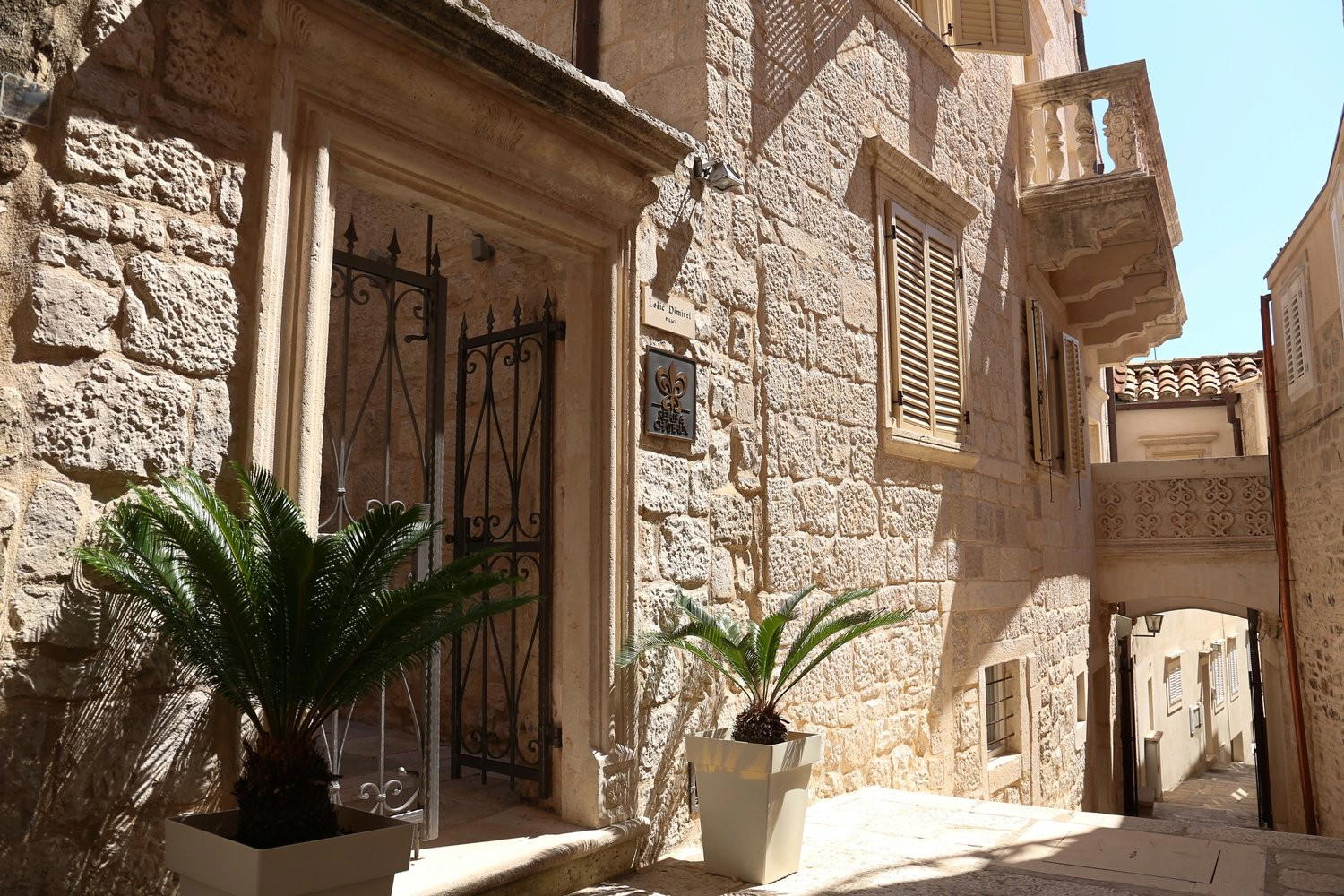
The old town of Korčula is one of the better-preserved medieval settlements on the Adriatic coast, a herringbone grid of limestone lanes built narrow enough to channel sea breezes and wide enough for a table or two outside a kitchen door. It is in this environment that the konoba format has always worked well. A konoba, in the Dalmatian tradition, is not quite a tavern and not quite a restaurant, it occupies an older category, closer to what French regional cooking calls an auberge: a place where the cooking follows the catch, the season, and the family larder rather than a designed menu. Konoba Mareta, on Ulica Sv Roka, operates inside that tradition.
Sv Roka is a lane inside the old town walls, the kind of location that rewards guests who arrive on foot and know roughly where they are going. That positioning separates it from the more tourist-visible restaurants along the harbour, aligning it instead with the neighbourhood-use category of Dalmatian eating, a comparable set that includes Konoba Adio Mare a short walk away. Both function as the architectural equivalent of eating in someone's extended dining room.
The Rhythm of a Konoba Meal
Understanding how to eat at a konoba is as important as understanding what to eat. The format is deliberate in its pacing, and that pacing is not a failure of service, it is the service. Dalmatian coastal dining at this level has never been built around theatrical sequencing or timed coursing. A meal here unfolds in the Mediterranean manner: bread arrives early, olive oil is poured without ceremony, and fish is presented whole because the whole presentation is understood to be more honest than the filleted plate. To rush any stage of this is to misread the contract.
That contract typically begins with pršut, dry-cured ham from the Dalmatian hinterland, or a plate of local cheeses, functioning as conversation food while the kitchen manages the grill. The middle of the meal is where the konoba earns its keep or does not: whole grilled fish, most commonly sea bass or sea bream from the local catch, prepared with olive oil, garlic, and herbs in the manner that has defined this coastline for centuries. The preparation is not complicated, and the quality depends almost entirely on the freshness of the fish and the restraint of the grill work. Overworking a fresh Adriatic sea bass is the single most common failure in Dalmatian casual dining.
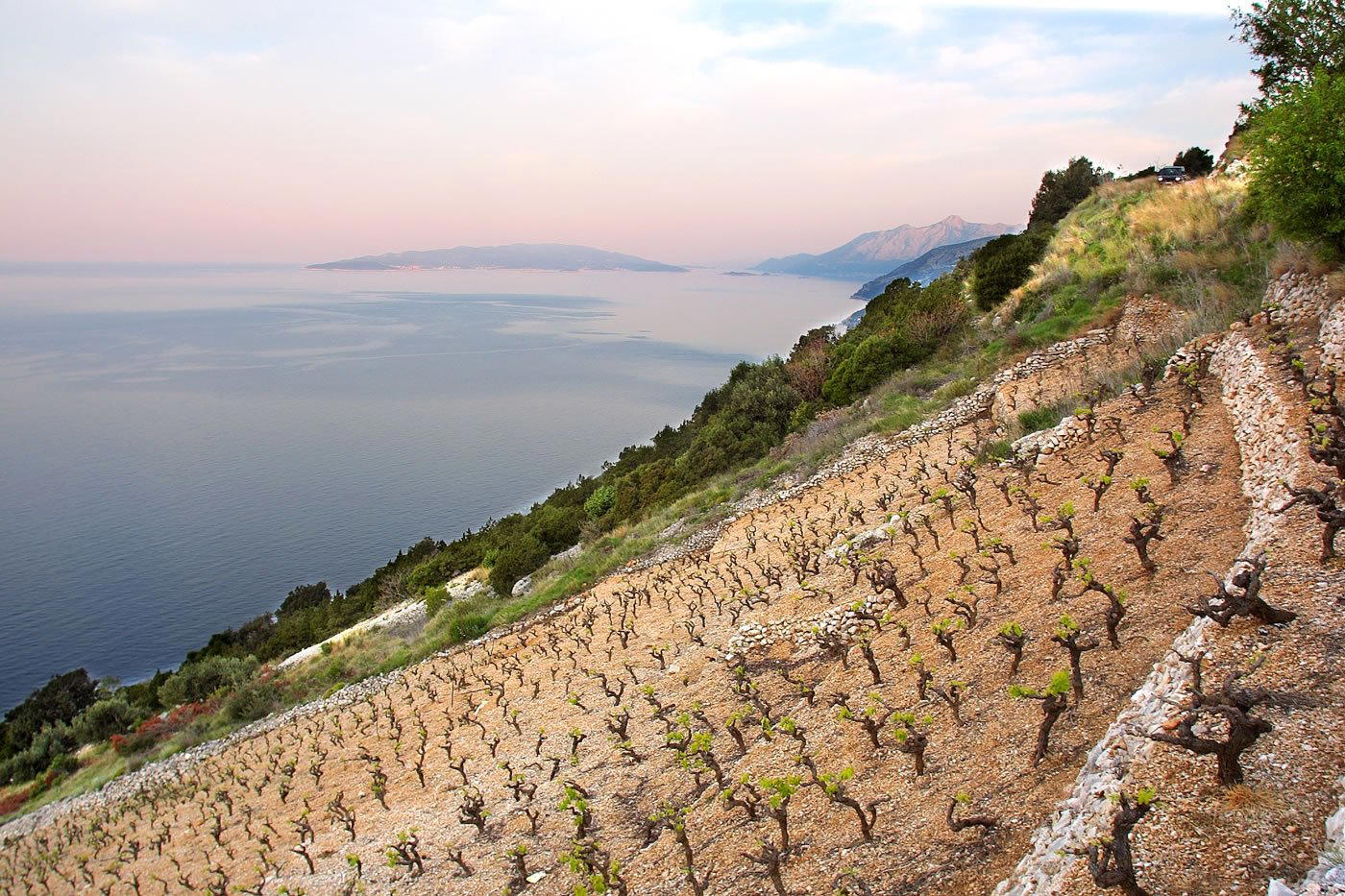
Wine at a konoba of this type is usually local, and on Korčula that means Pošip or Grk, two white varieties with meaningful production on the island. Pošip in particular has become one of Croatia's more internationally discussed indigenous whites, mineral-forward, moderate in weight, and well-suited to the iodine and olive-oil character of the food it accompanies. A glass poured from a local producer is as close to regional coherence as this format allows.
Where Konoba Mareta Sits in Korčula's Dining Tier
Korčula's restaurant offer has diversified considerably in recent seasons, driven partly by growing regional tourism and partly by a generation of Croatian chefs who trained abroad and returned. The upper end of the island's dining now includes modern-cuisine addresses like LD Restaurant, which operates at a different price and format tier entirely, and Mediterranean-leaning options like Filippi and De Canavellis.
Konoba Mareta does not compete with that tier and is not attempting to. It competes within the traditional-format konoba category, where the standard of comparison is not innovation but fidelity, to the season, the local ingredient base, and the unhurried manner of the meal. Within that peer group, a konoba in a well-preserved old town location, with a terrace and a kitchen producing grilled fish at honest quality, is exactly what it is supposed to be. Croatia's broader restaurant conversation, which at its higher end involves destinations like Pelegrini in Sibenik, Agli Amici Rovinj, and Restaurant 360 in Dubrovnik, is a different circuit entirely. The restaurant belongs to the grassroots layer beneath all of that, which is not a criticism, that layer feeds more people, more honestly, than the award tier above it.
Practical Considerations for Visiting
Korčula's old town is a pedestrian zone, so arriving on foot from the main gate is the standard approach regardless of where you are staying. The island is accessible by ferry from Split and Dubrovnik, and the old town itself is compact enough that Ulica Sv Roka is no more than a few minutes' walk from the main entry points. Summer evenings fill quickly at konobas of this type, walk-in is generally how these places operate, but arriving before the 8pm high-pressure window is the practical approach if you want a specific table or want to eat without waiting. Reservations, if accepted, are worth pursuing for groups; the absence of a listed booking method suggests the approach is informal, as it often is at this category of venue.
The address is Ulica Sv Roka 4, 20260, Korčula, Croatia. Inland, places like Dubravkin Put in Zagreb and Korak in Jastrebarsko show how the Croatian kitchen adapts away from the coast. For adriatic fish preparation at an international reference point, Le Bernardin in New York and Atomix represent entirely different registers.
- grilled calamari
- black risotto
- tuna tartare
- octopus carpaccio
- grilled meat
- mushroom risotto
What It’s Closest To
Comparable venues nearby, for context on price, style, and recognition.
| Venue | Cuisine | Price | Notes |
|---|---|---|---|
| Konoba MaretaThis venue — the venue you are viewing | Traditional Dalmatian Mediterranean | $$ | Not listed |
| Vrnik Arts Club | Modern Mediterranean Seafood | $$$ | Vrnik |
| De Canavellis | Neapolitan Pizza | $$ | Old Town |
| Konoba Adio Mare | Traditional Croatian Seafood | $$ | Korcula Town |
| Ignis | Modern Mediterranean Tapas | $$$ | Korcula Old Town |
| Maha | Mediterranean Gastropub | $$ | Korcula Town |

At a Glance
- Rustic
- Cozy
- Romantic
- Scenic
- Date Night
- Casual Hangout
- Group Dining
- Family
- Terrace
- Historic Building
- Standalone
- Extensive Wine List
- Local Sourcing
- Farm To Table
- Street Scene
Current opening hours
- Monday
- 5 PM–12 AM
- Tuesday
- 5 PM–12 AM
- Wednesday
- 5 PM–12 AM
- Thursday
- 5 PM–12 AM
- Friday
- 5 PM–12 AM
- Saturday
- 5 PM–12 AM
- Sunday
- 5 PM–12 AM
Hours can change for holidays and private events. Last verified .
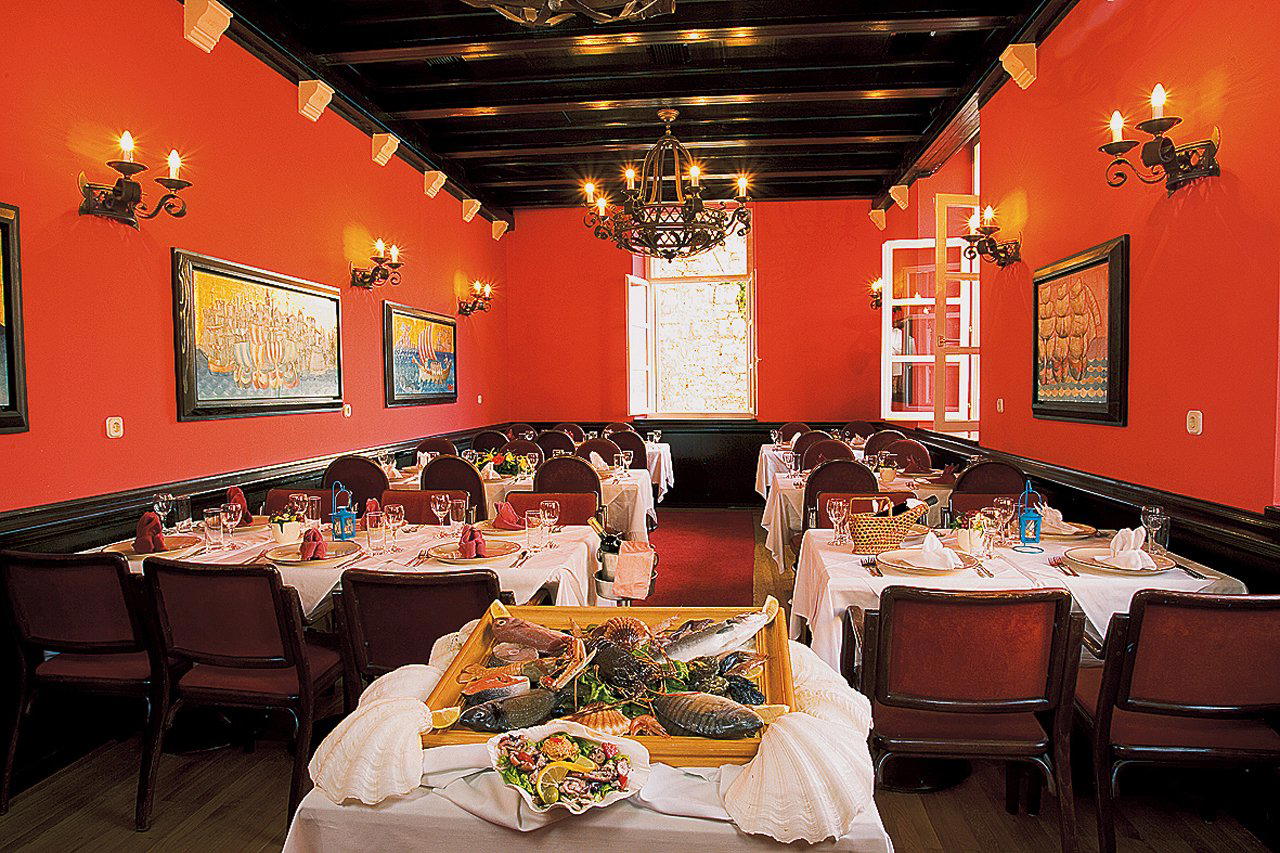
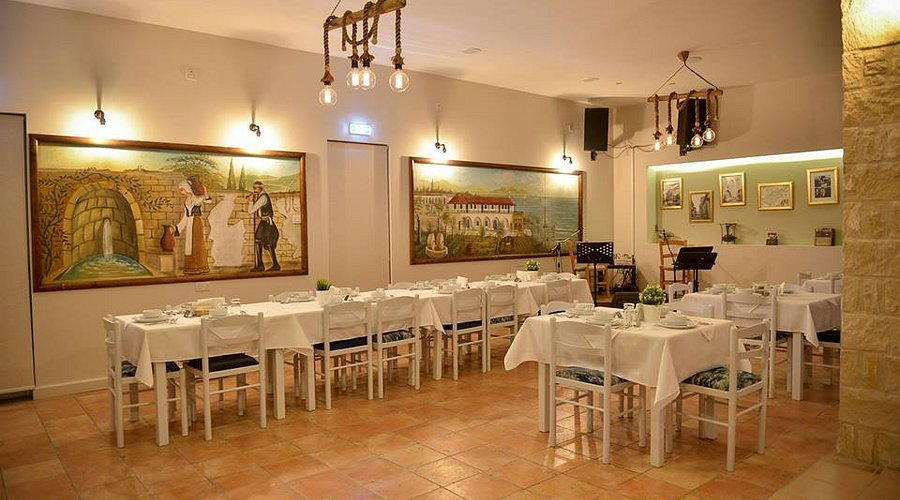
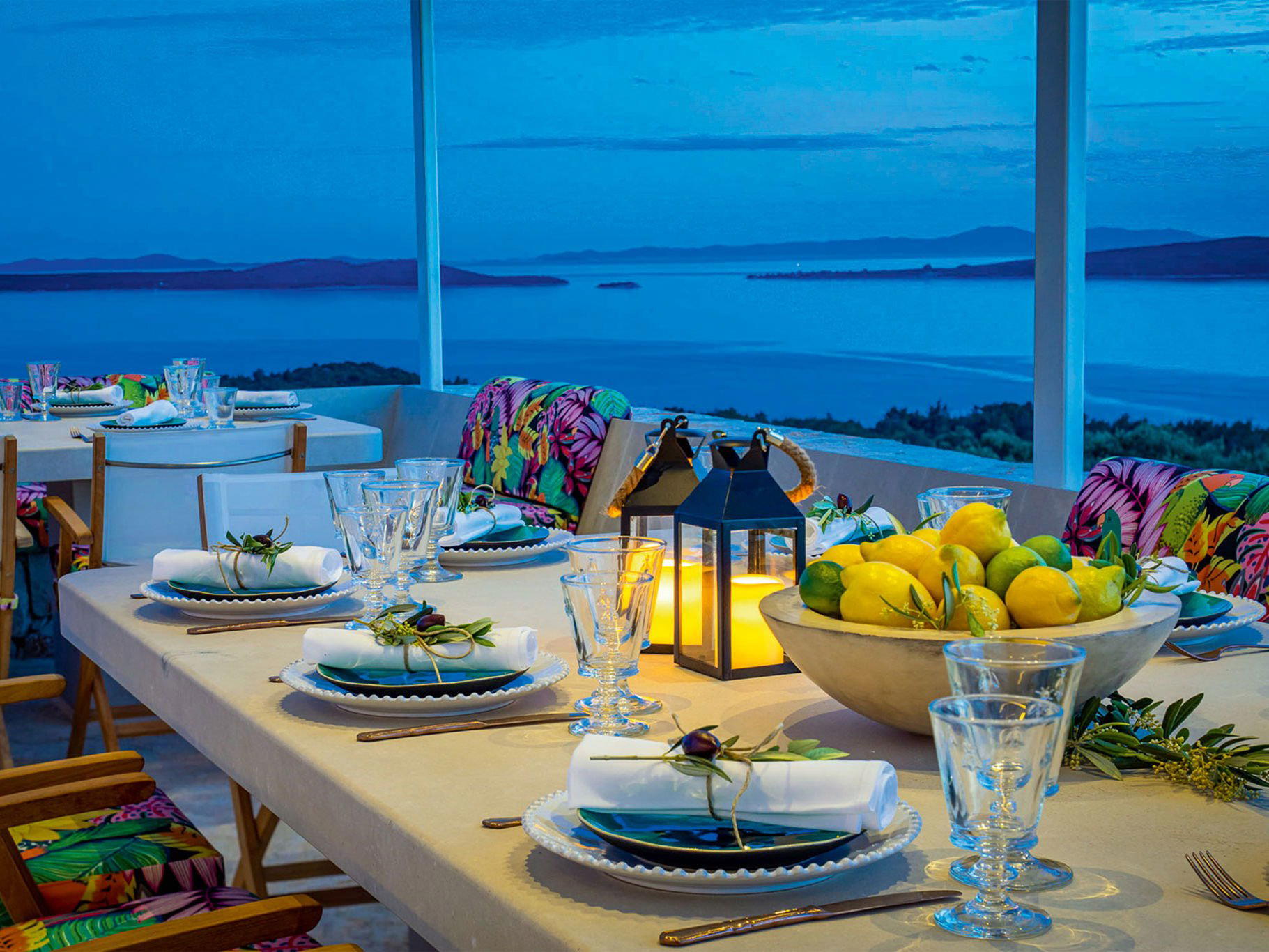
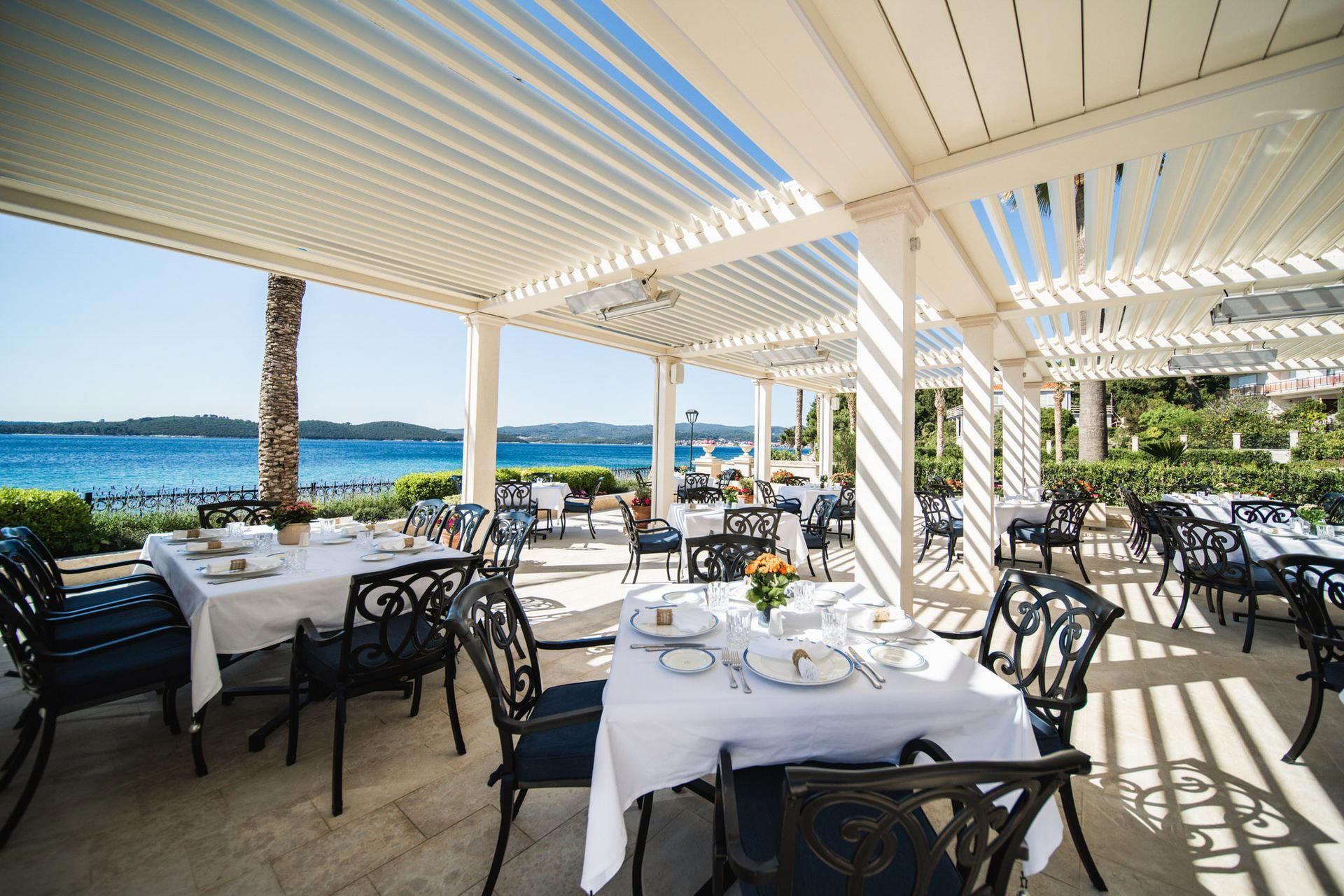
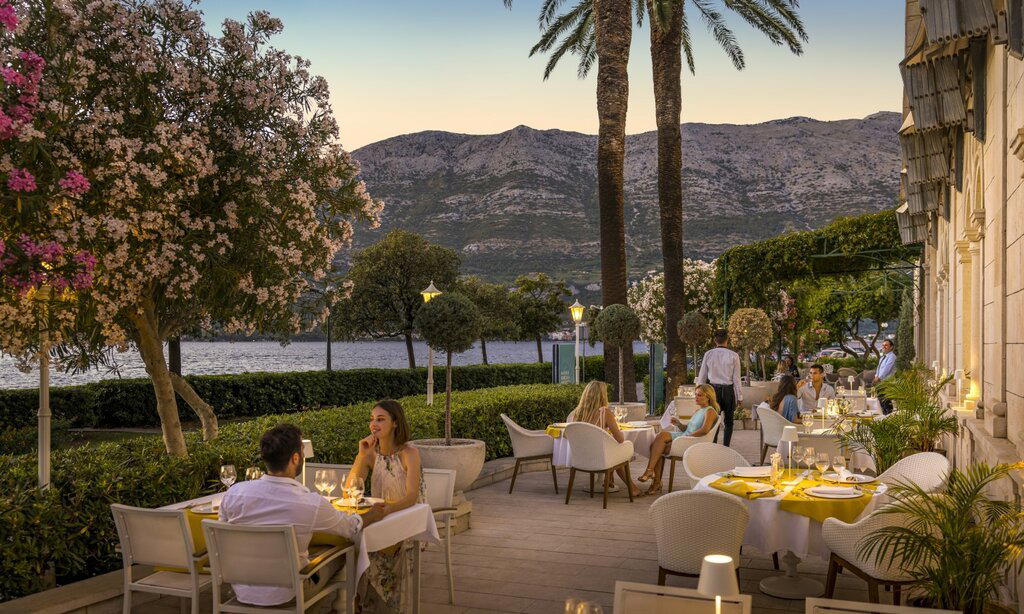
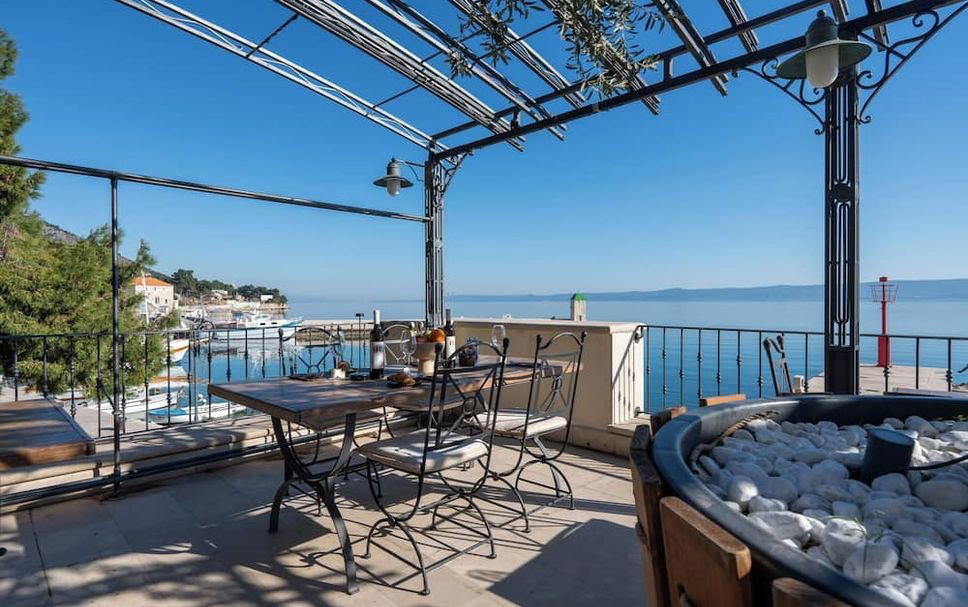
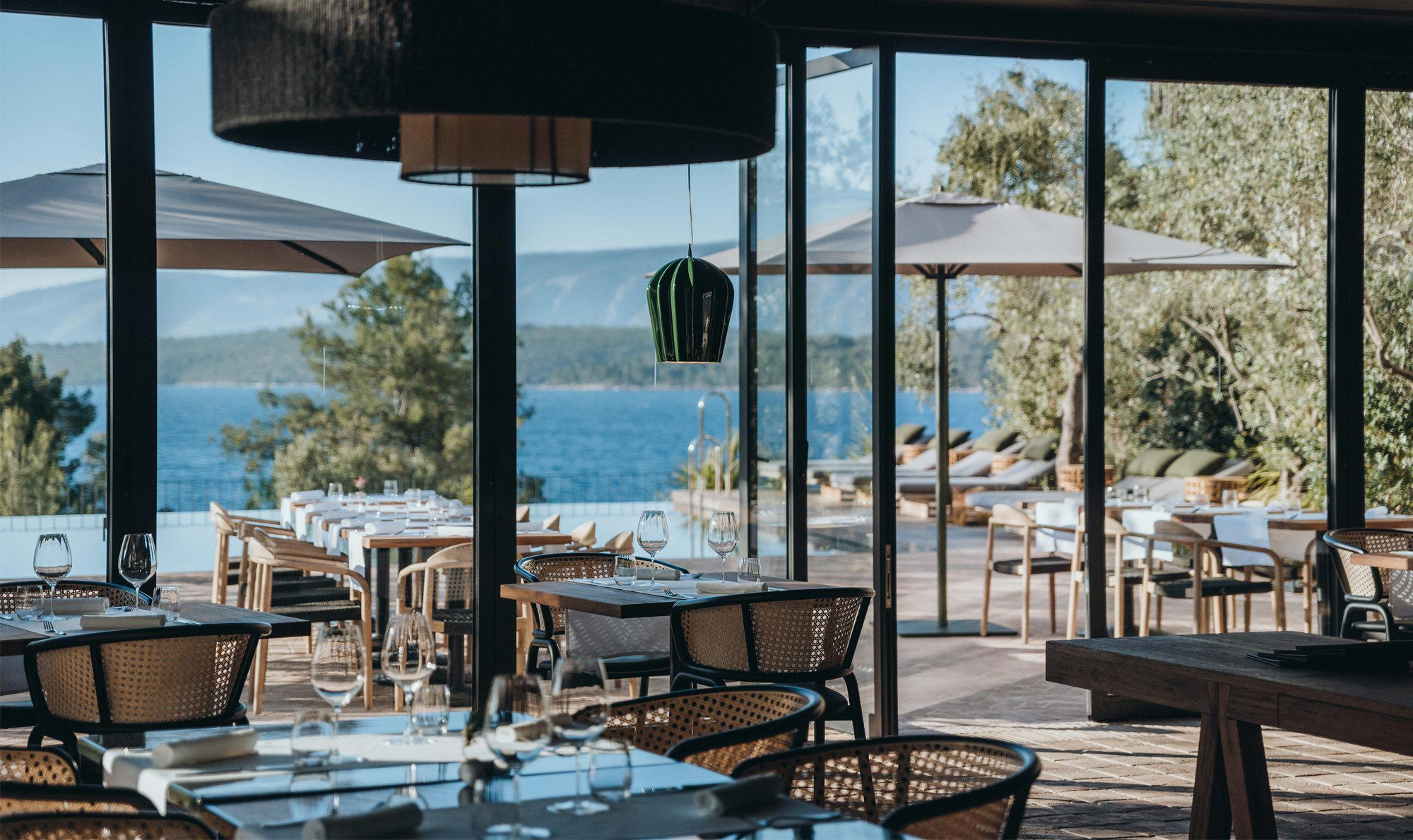
Warm and traditional with wooden benches and tables set outside to soak up the Old Town atmosphere; cozy interior decorated in traditional style with comfortable seating.