
The Dining Room Restaurant frames Pelješac cooking through a Croatian chef’s command of local recipes, ingredients, and contemporary technique. In Orebić, where seafood terraces and winery kitchens often define the meal, this address is better read as part of a terroir-led dining conversation than as a simple hotel-style restaurant.
Pearl is the En Primeur Club membership app — saves, bookings, and concierge access live there. Same editors, same standards.
- Address
- Ul. Bana Josipa Jelačića 3
- Phone
- +385 (0) 20
- Website
- menumodo.com
 Saves & bookings on Pearl
Orebić is a town of sea light, ferry movement, stone lanes, and Pelješac slopes rising behind the waterfront. Dining here often begins before the menu: the peninsula’s reputation is built on Adriatic fish, olive oil, salt, herbs, and the wine culture that runs inland from the coast. The Dining Room Restaurant belongs to that context, using the language of terroir rather than a generic Adriatic template. Its stated focus is Pelješac Peninsula cuisine, filtered through Croatian recipes, local ingredients, and newer cooking habits.
That matters in a town where restaurants can drift toward the same coastal shorthand. Seafood, grilled produce, terrace views, and local bottles are common currency along the Croatian shore; the stronger kitchens are the ones that make place legible without turning dinner into folklore. For a broader sense of the local circuit, compare it with The Captain's Terrace Restaurant, Villa Korta Katarina & Winery (Adriatic Seafood), and Winery Restaurant & Seaside Terrace. The shared thread is not sameness, but a peninsula argument: whether the meal is led by the sea, the vineyard, or the chef’s reading of regional memory.
Pelješac cuisine seen through a Croatian chef's local vocabulary
Chef Kristijan Feskov’s useful credential is not a long biographical arc, but proximity. As a Croatian chef working with local recipes and ingredients, he places the restaurant inside a practical tradition: cook what the peninsula gives you, then decide how far contemporary technique should push it. That is a different proposition from destination dining built around imported luxury markers. The stronger idea here is regional fluency, especially in a part of Croatia where food culture is tied to fishermen, small producers, family recipes, and the gravitational pull of local wine.
The restaurant describes its cuisine as an expression of the terroir, a phrase that can sound vague until Pelješac is placed on the table. This peninsula is one of Croatia’s more serious wine territories, and its cooking has long been shaped by the meeting of coast and hillside. A terroir-led kitchen in Orebić should therefore be judged less by theatrical plating and more by whether it clarifies where the meal is happening. Traditional dishes and newer cooking trends are part of the stated approach, but the editorial test is restraint: contemporary technique works when it sharpens the identity of the ingredient rather than disguising it.
Within Croatia’s coastal restaurant culture, this kind of cooking sits between the konoba and the tasting-menu room. The konoba preserves repetition, grilled fish, stews, simple vegetables, and house wine. The formal dining room often looks outward, borrowing structure from international fine dining. The Dining Room Restaurant occupies the middle lane: local enough to be anchored in Pelješac, composed enough to signal a chef-led kitchen. That middle lane is where many Adriatic restaurants are trying to operate in 2026, especially in smaller towns where guests want a sense of place without a museum-piece meal.
How Orebić's dining scene frames the table
Orebić does not behave like Dubrovnik, Split, or Hvar. Its appeal is quieter and more peninsula-specific: maritime history, ferries to Korčula, vineyards behind the road, and a dining rhythm that rewards attention to place. The town’s restaurant scene is correspondingly compact. The value is not breadth for its own sake, but the ability to move between seafood terraces, winery-linked dining, and kitchens that translate local repertoire into a more composed format. The Dining Room Restaurant is most interesting in that third category.
That also makes comparison useful. The Captain's Terrace Restaurant gives another Orebić reading of terroir, while Villa Korta Katarina & Winery (Adriatic Seafood) and Winery Restaurant & Seaside Terrace pull the conversation toward wine and the sea. Readers building a longer itinerary should use our full Orebić restaurants guide for the food route, then cross-reference our full Orebić hotels guide, our full Orebić bars guide, our full Orebić wineries guide, and our full Orebić experiences guide to understand how the peninsula fits together beyond dinner.
The wider Croatian map helps, too. Istria and Dalmatia each treat terroir differently: inland Istria often leans into truffles, game, and olive oil, while the coast is more direct in its relationship with fish, shellfish, and wine. Useful contrasts include "Kamene priče" rooms, music and food in Bale, 2. peron in Cerovlje, 4kantuna in Zadar, 7 Seas Restaurant & Bar in Curzola, 9 Bofora in Punat, A-Bay Beach Bar in Stari Grad, Above 5 in Dubrovnik, and Acquapura Spa Bistro in Petrčane. For a non-Croatian point of reference on terroir as a restaurant category, see 4 Sajons, Expression of the terroir in Ortisei Val Gardena and ALMA Restaurant, Expression of the terroir in Tr Na.
Who should choose this room
The Dining Room Restaurant is a stronger fit for travelers who want the Pelješac meal to read as interpretation rather than simple coastal repetition. It suits diners interested in Croatian ingredients, regional recipes, and a chef’s attempt to connect tradition with newer technique. It is less suited to anyone seeking a purely casual konoba meal or a restaurant chosen only for a view. The editorial reason to book is the kitchen’s stated commitment to peninsula cuisine: in Orebić, that is the difference between eating near the Adriatic and eating in a way that explains where the Adriatic meets Pelješac.
Comparable Spots, Quickly
Comparable venues by cuisine and price in the same metro.
| Venue | Cuisine | Price | Notes |
|---|---|---|---|
| The Dining Room RestaurantThis venue — the venue you are viewing | Mediterranean Fine Dining | $$$ | Not listed |
| Villa Korta Katarina & Winery | Dalmatian Fine Dining | $$$$ | Orebić |
| The Captain's Terrace Restaurant | Seaside Mediterranean & Seafood with Pelješac regional focus | $$$ | Orebić |
| Konoba Maslina | Traditional Dalmatian | $$$ | Vrisnik |
| Makarun | Dalmatian Mediterranean Seafood | $$$ | Diocletian's Palace |
| Bajamonti POP | Dalmatian Coastal | $$$ | Trg Republike |
Recognition history
Dated appearances from independent guides and award organizations, with the underlying list record or original source where available.
Relais Chateaux Award
Relais Chateaux
At a Glance
- Elegant
- Sophisticated
- Classic
- Scenic
- Intimate
- Date Night
- Special Occasion
- Business Dinner
- Waterfront
- Terrace
- Hotel Restaurant
- Extensive Wine List
- Sommelier Led
- Local Sourcing
- Waterfront
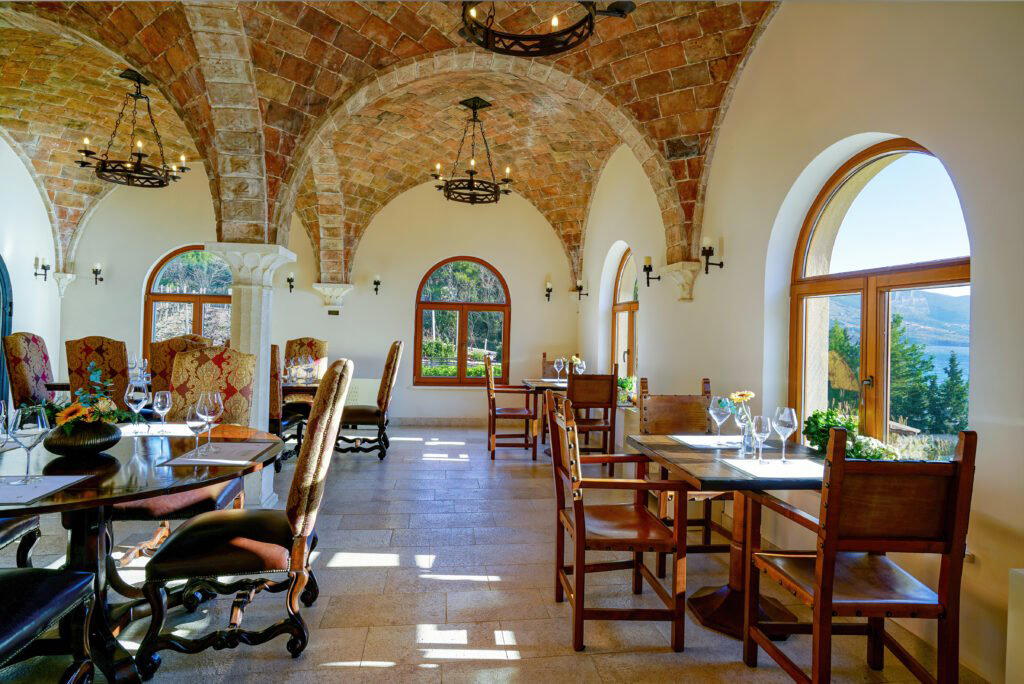
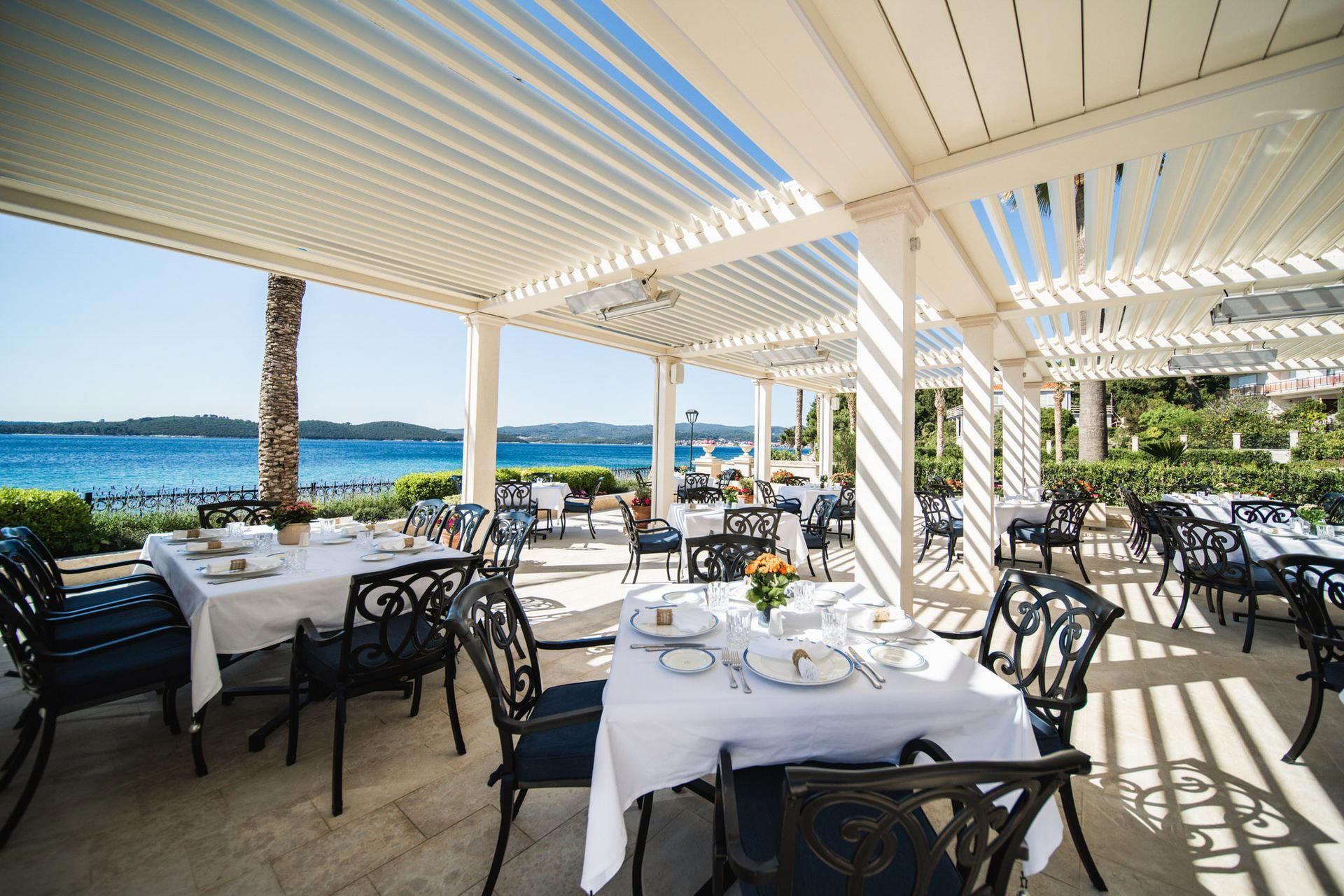
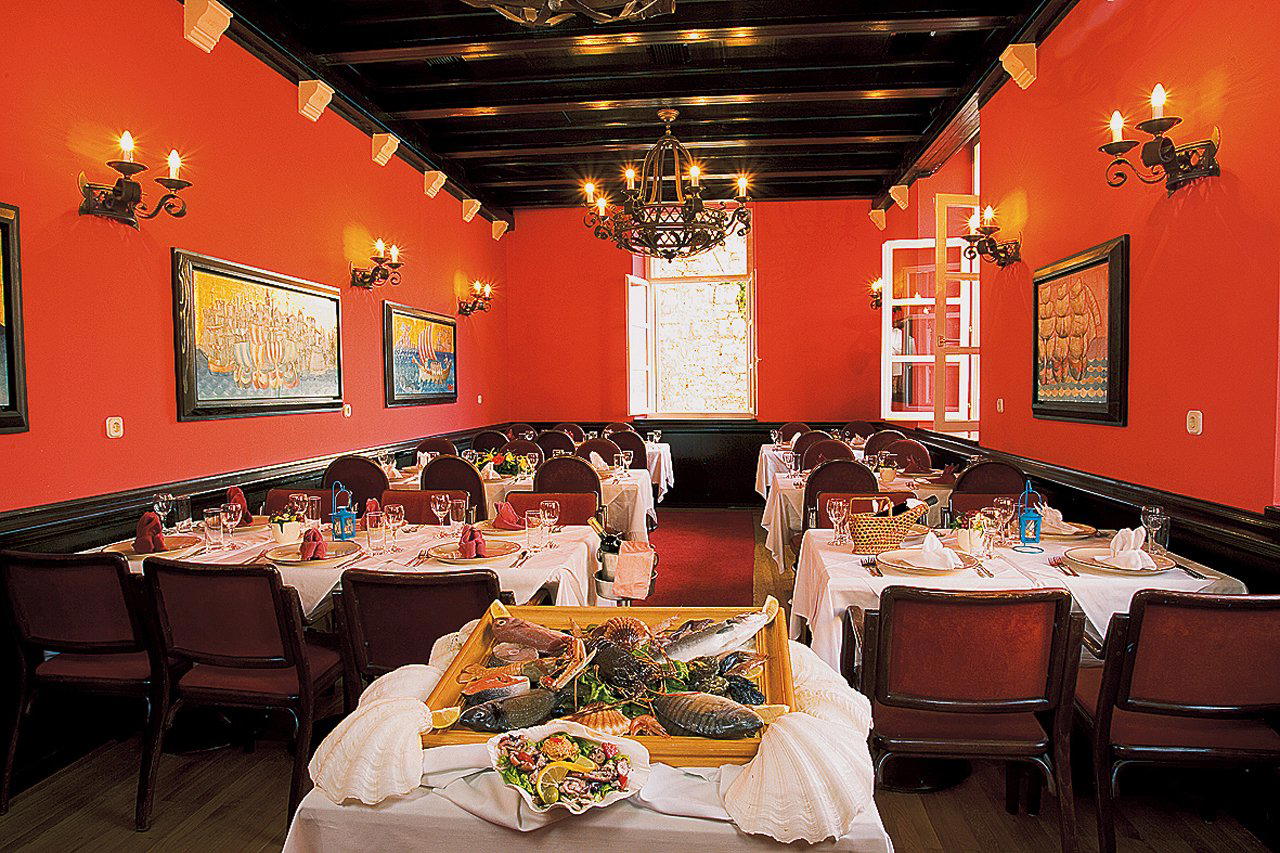
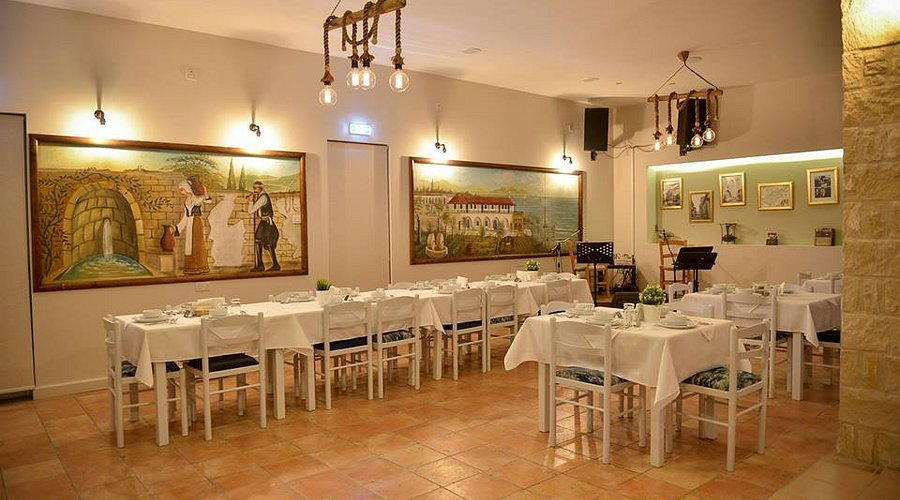
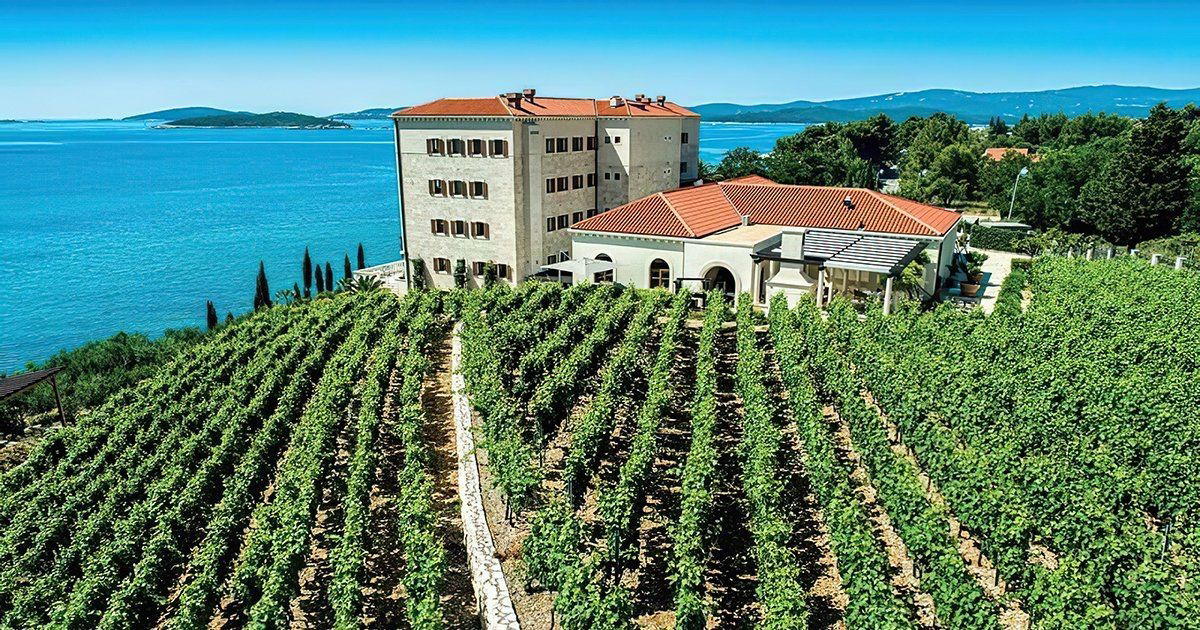
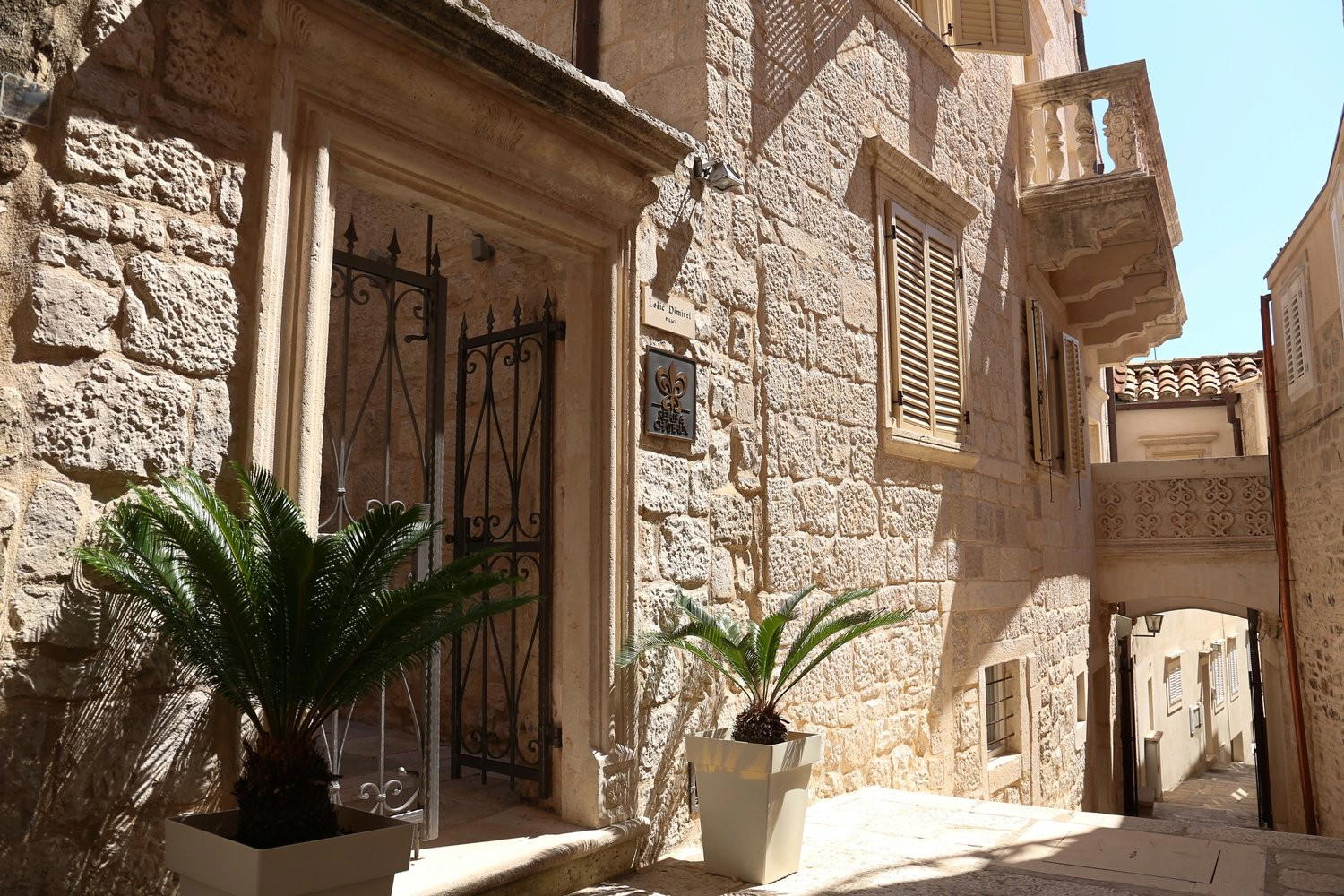
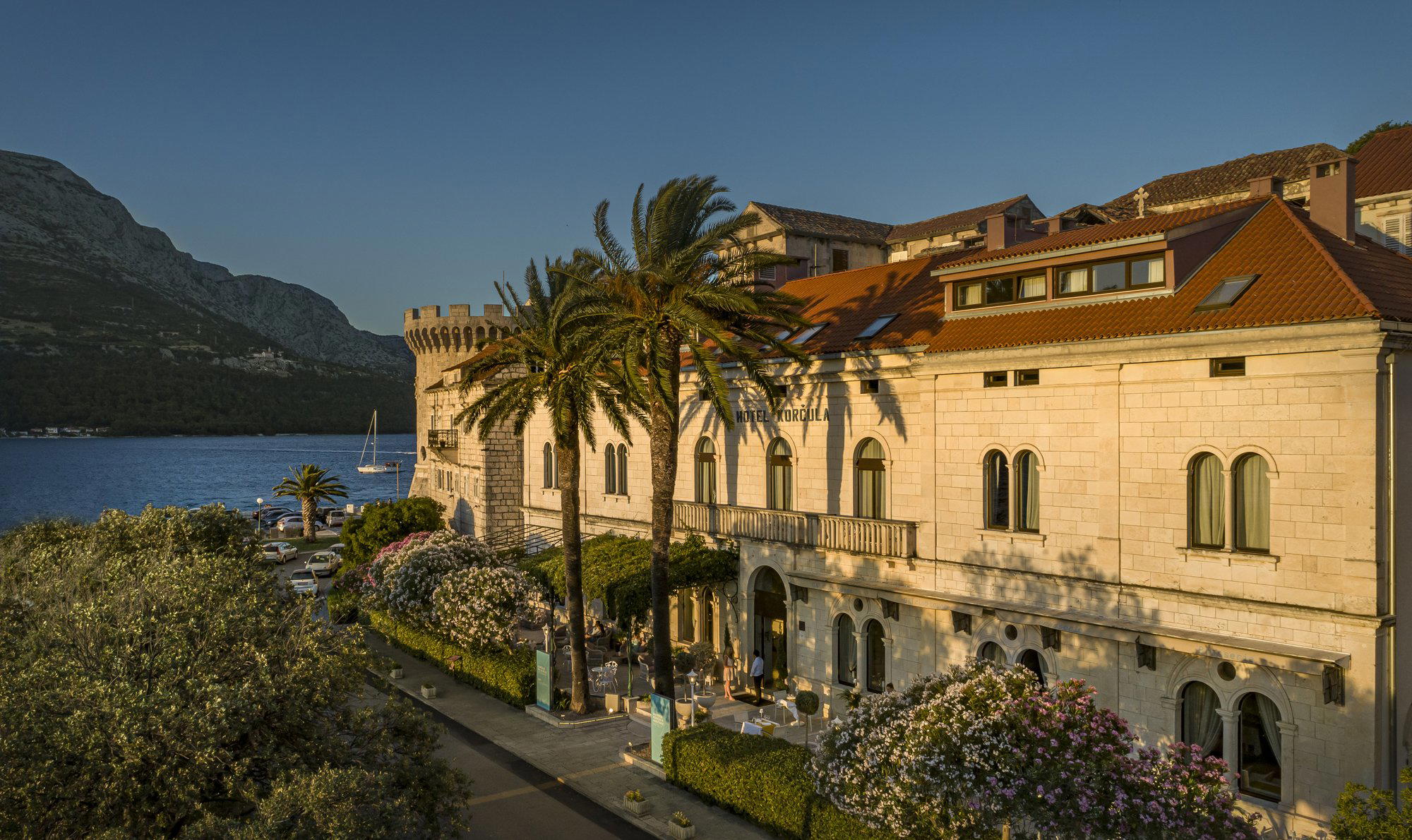
Classical elegance with a refined coastal atmosphere and a scenic seaside-terrace feel.