
Komorebi Shokudo + gives Saitama’s everyday dining culture a sharper health-conscious reading: cafeteria and cafe format, wine on the drinks side, and a registered-dietitian kitchen angle rather than luxury signaling. Its Tabelog 100 - Diner 2026 selection places it among Japan’s noted shokudo-style addresses, while the appeal remains grounded in Urawa’s neighborhood rhythm.
Pearl is the En Primeur Club membership app — saves, bookings, and concierge access live there. Same editors, same standards.
- Address
- Japan, 〒330-0062 Saitama, Urawa Ward, Nakacho, 2 Chome−16−15 ATビル 1階
- Phone
- +81 48-789-6834
- Website
- komorebi-plus.com
 Saves & bookings on Pearl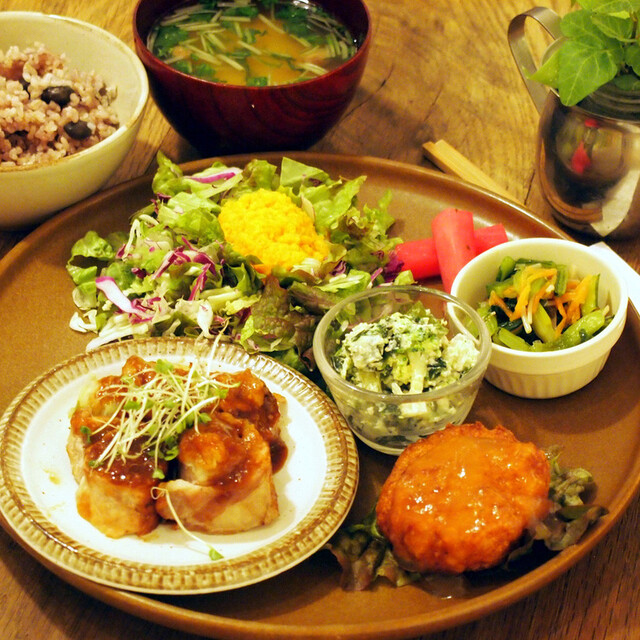
Urawa’s smaller dining rooms tend to announce themselves quietly: table seats rather than counter theatre, lunch traffic that moves with the neighborhood, and cooking built for repeat visits rather than spectacle. Komorebi Shokudo + belongs to that Saitama register. The room is listed as a cafeteria and cafe, but the more useful frame is the modern shokudo: everyday food with enough discipline to make ordinary eating feel considered.
That distinction matters in Japan, where the shokudo tradition sits between home cooking, staff canteens, neighborhood lunch rooms, and casual restaurants. In Tokyo, this category is often flattened into nostalgia or convenience. In Saitama, particularly around Urawa, it can read differently: less performative, more local, and more dependent on balance, sourcing, and portion logic than on luxury ingredients. Komorebi Shokudo + has earned selection in Tabelog 100 - Diner 2026, a useful signal because the recognition is category-specific rather than a generic fine-dining badge.
Health-conscious shokudo cooking, not wellness theatre
The kitchen’s stated direction is health and wellness, with the restaurant’s own concept built around the idea that food can be good for the body without becoming punitive. That is a narrow lane. Too much restraint and a meal becomes dietary instruction; too much comfort and the health claim becomes decorative. The more interesting reading is ingredient discipline: a registered dietitian is attached to the kitchen, and the format points toward balanced plates rather than tasting-menu progression.
This is where Komorebi Shokudo + separates itself from Saitama restaurants built around a single luxury product. Unagi Hamana, for instance, operates in a higher-spend eel lane, while Turkish Ryori Asena and Wataya sit in more occasion-driven brackets. The restaurant occupies a lighter, repeatable tier: cafeteria and cafe categories, table seating, wine available, and a menu identity tied to health rather than indulgence. The comparison is not about hierarchy; it is about decision-making. Choose eel, Turkish cooking, or a larger Japanese meal when the occasion needs weight. Choose this kind of shokudo when the point is calibrated everyday eating.
The health angle also explains why the ingredient question matters. In a casual Japanese dining room, sourcing is rarely advertised with the drama of a luxury counter, yet ingredient choice does more work. Vegetable volume, seasoning restraint, protein balance, and rice-or-bread structure define the meal more than rare product names. Since specific suppliers are not publicly listed here, the safer conclusion is format-based: the food is designed around balance and accessibility, not trophy sourcing. That makes it useful for travelers who want a meal that reflects local daily dining rather than another premium reservation chase.
Urawa's quieter food map rewards small-format specialists
Saitama’s dining identity is often misunderstood by visitors who treat the prefecture as a Tokyo overflow zone. Urawa complicates that assumption. The area supports compact, specialist addresses that work because locals return, not because the room has been engineered for destination dining. The nearby sweet-shop and bakery culture reinforces the point: Acacier Kitaurawa honten, Acacier Urawa ten, and Bagel Shop vivant all speak to a neighborhood where precision can live inside casual formats.
That casual-specialist pattern is a useful lens for the wider city. Aki Foods and Beach Story show how Saitama’s restaurant map resists a single cuisine narrative. For a broader read, Our full Saitama restaurants guide gives the restaurant context, while Our full Saitama hotels guide, Our full Saitama bars guide, Our full Saitama wineries guide, and Our full Saitama experiences guide map the surrounding travel decisions.
For readers comparing Japan’s casual dining categories across cities, the useful reference points are not always in the same cuisine family. -Grilled beef Sukiyaki- KAMAKURA TANUKIAN 鎌倉 たぬき庵 in Kamakura sits closer to a meat-focused occasion meal;. 鮪と炭火焼き うお炭 秋葉原店 in Tokyo points toward fish and charcoal;.cafe in Osaka and.know in Kumamoto show how cafe formats shift by city; (Shoku) Vietnam in Kawasaki and [Curry Senmon Ten] Maruyama Kyoju. in Sapporo sit in more cuisine-specific lanes. Across the Pacific, Jōdo Saké Bar in Los Angeles and Onigiri Time in Pasadena underline how Japanese casual formats travel, then become more specialized abroad.
Who should put it on a Saitama itinerary
This is not the room for diners chasing ceremony, private rooms, or a long-form chef’s counter. It is better suited to a traveler who wants a grounded Urawa meal with health-conscious structure and enough recognition to justify a detour within the city. The Tabelog 100 - Diner 2026 selection supplies the external trust signal; the 19-seat table format keeps expectations in the neighborhood-dining register.
The strongest case for the restaurant is not rarity. It is clarity. Saitama has more expensive restaurants, more formal restaurants, and more product-led restaurants. This address belongs to the smaller category of casual dining rooms where the kitchen’s organizing principle is balance. For a city meal between heavier reservations, that can be the smarter move.
Comparison Snapshot
Comparable venues by cuisine and price in the same metro.
| Venue | Cuisine | Price | Notes |
|---|---|---|---|
| Komorebi Shokudo +This venue — the venue you are viewing | Healthy Japanese Café & Teishoku | $$ | Not listed |
| Tan Shari Yakiniku Tantatan Musashiurawa | Beef tongue-focused Japanese yakiniku | $$ | Musashi-Urawa |
| Jikasei Temomimen Suzunoki | Handmade Flat Noodle Ramen | $$ | Sayamagaoka |
| Hibi Shushu | Creative Japanese Tachinomi & Small Plates | $$ | Omiya |
| Noroshi Honten | Tsukemen / Ramen | $ | Kita Ward, Saitama City |
| Ramen Jiro Koshigaya ten | Jiro-style Ramen Shop | $ | Koshigaya |
Recognition history
Dated appearances from independent guides and award organizations, with the underlying list record or original source where available.
Tabelog 100 #45 · No. 45
Tabelog · Tabelog 100 - Diner - 2026






At a Glance
- Cozy
- Quiet
- Rustic
- Solo
- Family
- Casual Hangout
- Standalone
Current opening hours
- Monday
- Closed
- Tuesday
- 5:30–7:30 PM
- Wednesday
- 11:15 AM–3:30 PM, 5:30–7:30 PM
- Thursday
- 11:15 AM–3:30 PM, 5:30–7:30 PM
- Friday
- 11:15 AM–3:30 PM, 5:30–7:30 PM
- Saturday
- 11:15 AM–3:30 PM, 5:30–7:30 PM
- Sunday
- Closed
Hours can change for holidays and private events. Last verified .
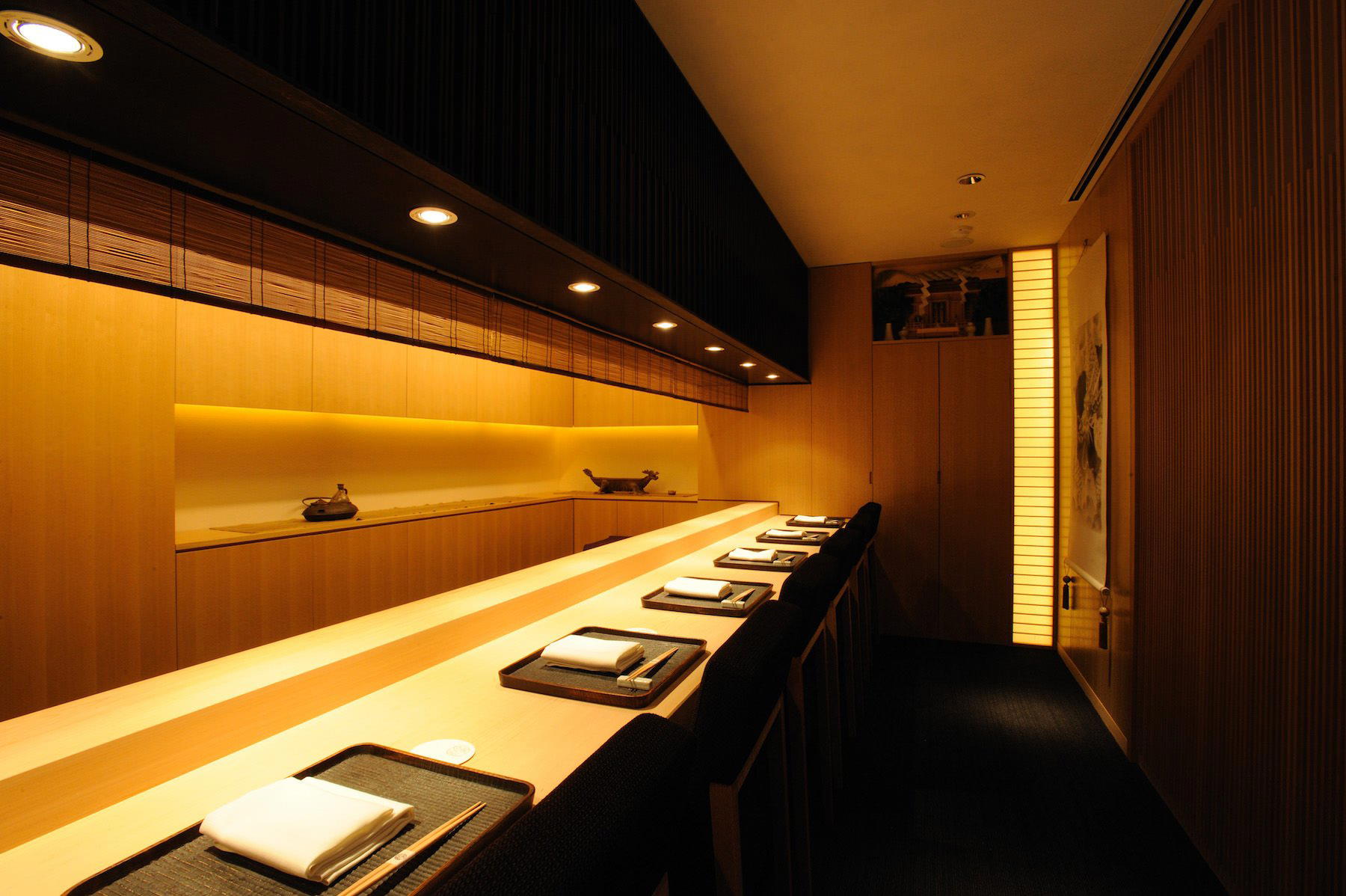
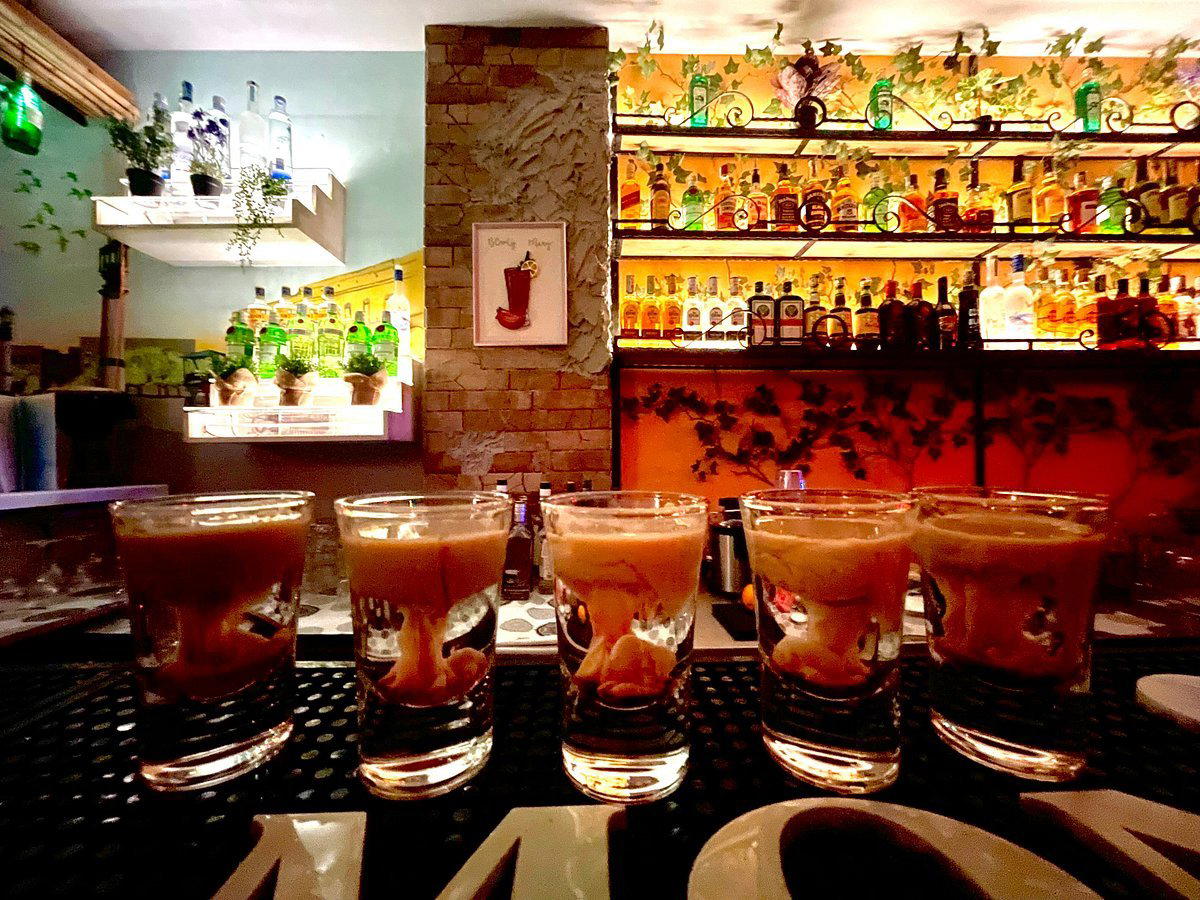
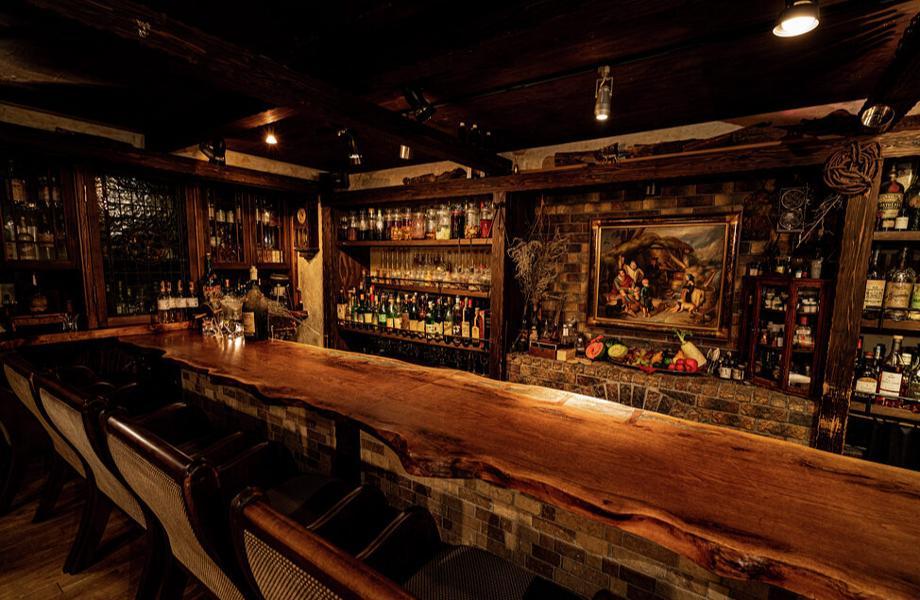
The atmosphere is that of a small, back-street neighborhood café: warm wood tones, simple and homely design, gentle lighting, and a calm, quiet feel that suits solo diners or relaxed lunches rather than loud groups.