

Omotesando’s polished shopping grid is not the obvious setting for a serious pork-cutlet specialist, which is exactly why this small counter matters. tonkatsu.jp Omotesando places regional-brand pork and the everyday tonkatsu tradition inside a compact Kita-Aoyama room, with Tabelog 100 Tonkatsu selections in 2024 and 2026 giving it a clear credential beyond neighbourhood convenience.
Pearl is the En Primeur Club membership app — saves, bookings, and concierge access live there. Same editors, same standards.
- Address
- 東京都港区北青山3-9-9 FNビル 1F
- Phone
- +81364274910
- Website
- tonkatsu.jp
 Saves & bookings on Pearl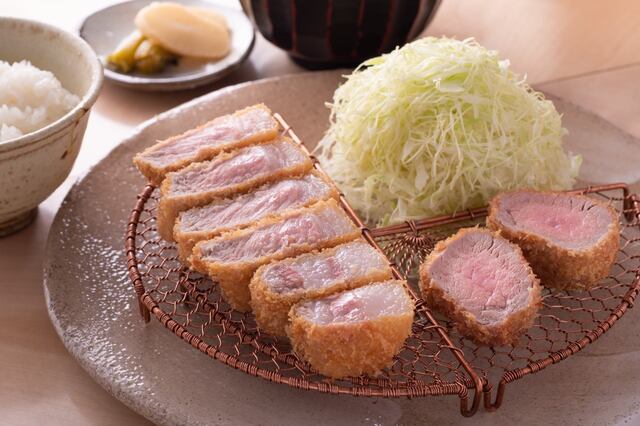
Approaching the side streets off Omotesando, the mood shifts from flagship retail to a smaller Tokyo rhythm: compact ground-floor restaurants, clipped service, and people waiting for lunch without making a performance of it. Here, tonkatsu makes cultural sense: one of Japan’s great adopted dishes, Western in origin, Japanese in discipline, and judged by details that need little explanation at the table: pork selection, frying control, rice, cabbage, sauce, and timing.
Tokyo has long treated tonkatsu as both comfort food and specialist craft. The category can look simple, but serious shops work within narrow technical margins. The cutlet must arrive before steam dulls the crust; the pork needs enough fat to justify the fry; the meal must feel complete without tasting-menu theatre. tonkatsu.jp Omotesando sits in that modern specialist tier, where a familiar set-meal format receives the focus associated with sushi counters or tempura bars.
Omotesando gives tonkatsu a sharper urban frame
Omotesando is better known for fashion, architecture, and café culture than deep-fried pork cutlets, but that contrast helps. Tokyo dining does not divide neatly between luxury districts and everyday food districts. Serious, narrow-focus restaurants often sit near retail corridors, serving customers who want precision without ceremony. Tonkatsu fits because it is democratic in form and exacting in execution.
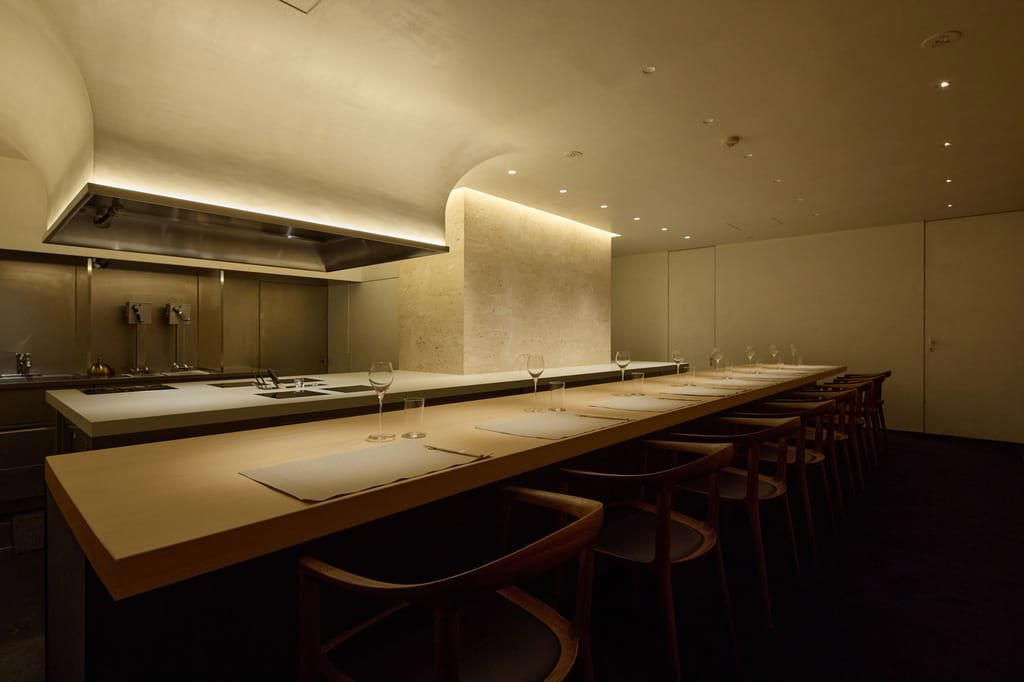
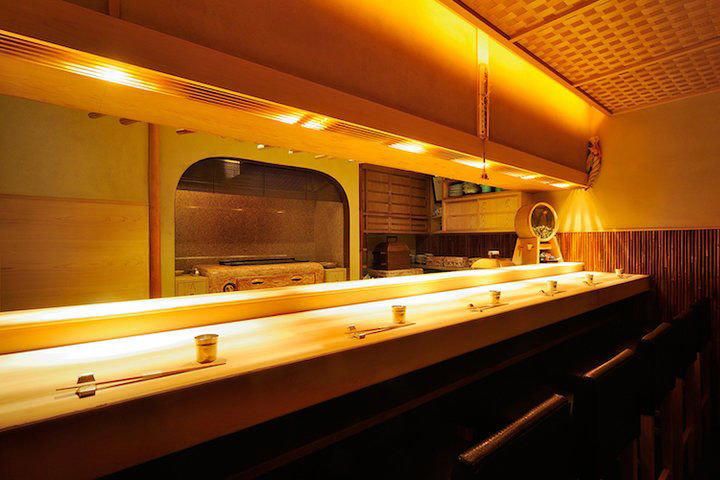
The room’s small scale matters because tonkatsu suffers as volume food. A compact counter-and-terrace setup keeps the experience closer to a specialist workshop than a casual chain meal. The public facts are telling: 13 seats, nine at the counter and four on the terrace, non-smoking service, take-out, and a waiting-board plus QR ticket system to manage flow. These place it in Tokyo’s practical, high-demand dining culture rather than the luxury reservation economy.
The Tabelog 100 Tonkatsu selections in 2024 and 2026 are the main trust signal. Tabelog’s Hyakumeiten lists are category-specific, useful for tonkatsu, ramen, curry, and soba, where local depth often matters more than international awards. A 3.70 Tabelog score here means the restaurant is being judged against other tonkatsu specialists, not broad casual dining.
The cultural point is pork, not spectacle
Tonkatsu’s roots sit in yoshoku, Japan’s adaptation of Western dishes during the modern era, but its current form is thoroughly Japanese: cutlet, rice, shredded cabbage, pickles or soup depending on house style, and a tempo built around frying to order. The pleasure is structural rather than decorative. A serious tonkatsu counter asks the diner to notice heat, fat, crumb, and proportion.
The category listing is direct: tonkatsu, cafeteria, and deep-fried foods. Plain as that sounds, it is part of the appeal. Tokyo has enough restaurants built around narrative and imported prestige. Tonkatsu makes skill legible without a speech from the kitchen. The name hints at a broader pork focus, and the public description references pork cutlets from 13 brands across Japan. In a country where regional pork branding can be watched as carefully as beef lineage, that matters, even when the meal remains casual in shape.
Compared with Tokyo’s formal dining rooms such as 124. KAGURAZAKA (Yakitori) or the kaiseki frame of Tagetsu, tonkatsu sits in another register: faster, less ceremonial, and more dependent on repetition. Against innovative dining rooms such as AO, the argument is not novelty but control within a narrow tradition. That makes it useful for travelers who want a serious Tokyo meal without an evening-long production.
The wider city comparison also matters. Tokyo’s casual-specialist scene runs from curry shops such as 3 Chome no Curry Ya San to fish-led counters like . 鮪と炭火焼き うお炭 秋葉原店, with cafés such as 2D Cafe occupying another side of the everyday dining map. The common thread is specialization: a tight premise, quick readability, and enough depth for repeat local use.
How to place it in a Tokyo eating day
This restaurant works better as a focused meal than a social set piece. The opening pattern, lunch restrictions on reservations, and small seat count all point to planning around the format rather than treating it as a flexible drop-in between appointments. Near Omotesando Station, it pairs easily with gallery time, retail, or a walk toward Aoyama, but its dining logic is closer to a specialist counter than a shopping-area convenience stop.
For visitors building a wider Tokyo itinerary, balance categories rather than chase prestige alone. A trip can move from tonkatsu to yakitori, curry, cafés, bars, and hotels without repeating the same version of Tokyo. Start with Our full Tokyo restaurants guide, then branch into Our full Tokyo bars guide, Our full Tokyo hotels guide, Our full Tokyo wineries guide, and Our full Tokyo experiences guide for the rest of the city’s planning grid.
Within Japan and beyond, the same appetite for precise casual formats appears differently: 12/10 Shinjuku ten in Tokyo, -Grilled beef Sukiyaki- KAMAKURA TANUKIAN 鎌倉 たぬき庵 in Kamakura.cafe in Osaka.know in Kumamoto, (Shoku) Vietnam in Kawasaki, [Curry Senmon Ten] Maruyama Kyoju. in Sapporo, [ki:] in Kyoto, Jōdo Saké Bar in Los Angeles, and Onigiri Time in Pasadena. These venues do not serve the same food; focused formats often explain a city better than broad menus.
The editorial read is clear: tonkatsu.jp Omotesando is strongest as a cultural counterpoint to Tokyo’s more formal dining reputation. It offers the grammar of a classic Japanese-Western dish, a compact room, category recognition, and a neighbourhood that makes the meal feel sharper rather than nostalgic. For travelers with sushi, tempura, or kaiseki already scheduled, this pork-cutlet specialist rounds out the argument for Tokyo as a city of disciplined everyday food.
Price and Recognition
Comparable venues to anchor price and recognition.
| Venue | Cuisine | Price | Notes |
|---|---|---|---|
| tonkatsu.jp Omotesando | Not listed | $$$ | Minato, Modern Tonkatsu & Rare Japanese Pork |
| Takasaki no Okan | Not listed | $$$ | Ikejiri Ohashi, Meguro, Hot Sake Pairing Omakase |
| Igarashi | Not listed | $$$ | Shibuya, Traditional Japanese Fugu Kaiseki |
| 焼肉トラジ新宿西口店 | Not listed | $$$ | Shinjuku, Premium Yakiniku (Japanese Grilled Beef) |
| Ranma | Minato, Teppanyaki Japanese | $$$ | Not listed |
| 香下 | Chiyoda, Modern Japanese Kaiseki | $$$ | Not listed |
Recognition history
Dated appearances from independent guides and award organizations, with the underlying list record or original source where available.
Opinionated About Dining Casual in Japan Ranked #144
Opinionated About Dining
Tabelog 100 #86 · No. 86
Tabelog · Tabelog 100 - Tonkatsu - 2026
Continue exploring
More in Tokyo
More from Chef Various
Browse all →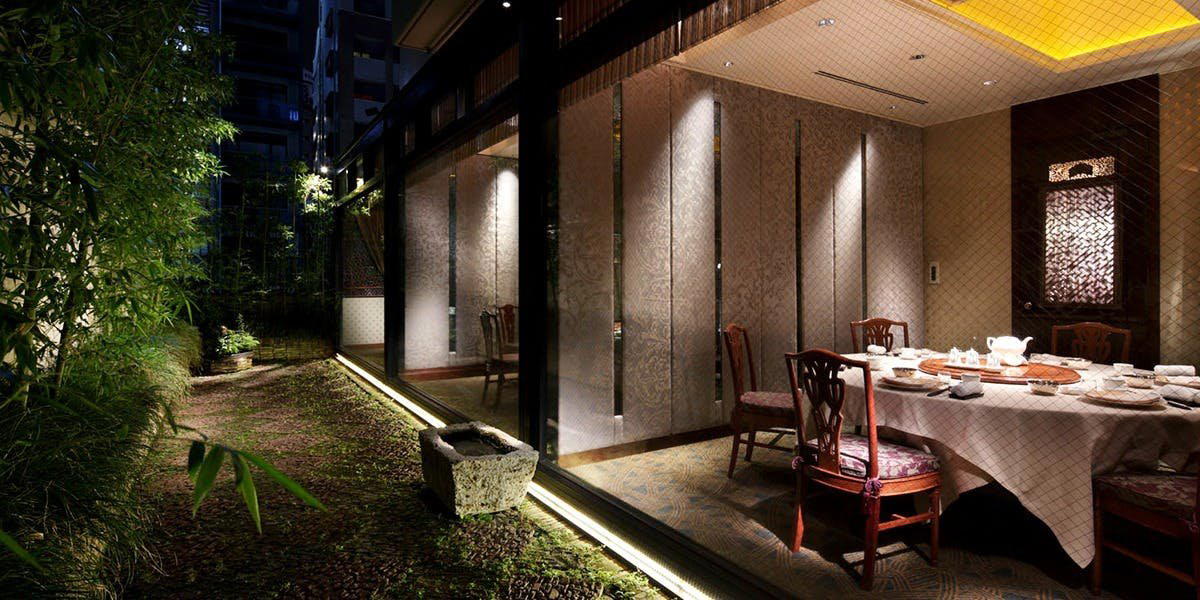
Restaurants in Tokyo
Browse all →


Bars in Tokyo
Browse all →









At a Glance
- Modern
- Trendy
- Intimate
- Cozy
- Solo
- Date Night
- After Work
- Casual Hangout
- Special Occasion
- Chefs Counter
- Standalone
- Design Destination
- Local Sourcing
- Zero Waste
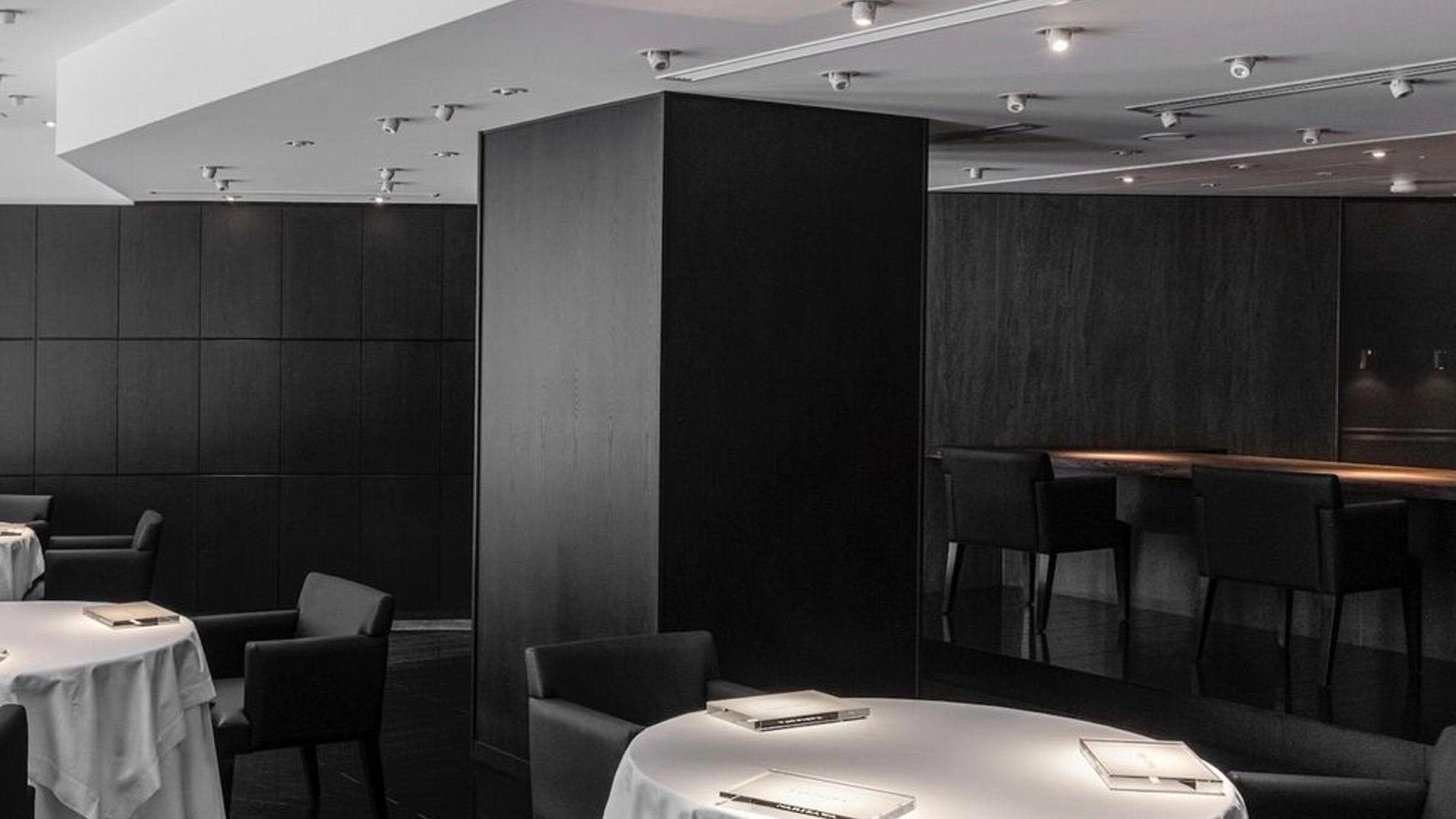
Minimal, modern counter-focused space with just 13 seats and warm, intimate lighting, creating a calm, almost gallery-like setting to focus on the tonkatsu.