
Tabelog Bronze #193
Our verdict
Yakitori Kohane holds Tabelog Bronze recognition for 2025 and 2026 and has appeared on the Tabelog Yakitori EAST 100 list three consecutive years, placing it among Japan's most recognised yakitori counters outside the major cities. The 10-seat omakase format centres on Amagi Shamo chicken, a heritage breed from Shizuoka's Amagi highlands. Dinner runs JPY 15,000–19,999 and requires advance booking through the OMAKASE platform.

Pearl is the En Primeur Club membership app — saves, bookings, and concierge access live there. Same editors, same standards.
- Address
- Japan, 〒430-0934 Shizuoka, Hamamatsu, 中区Chitosecho, 6 コートクビル 1階 3号室
- Website
- omakase.in
- Directions
- Get directions
- Booking
- Book on Omakase

Where Shizuoka's Yakitori Scene Concentrates
Japan's premium yakitori circuit has long been dominated by Tokyo counters, but a quieter tier of destination restaurants has been building in regional cities over the past decade. Hamamatsu sits in the middle of Shizuoka Prefecture, a region better known for green tea, unagi, and the agricultural output of the Enshunada coast than for high-end grilled chicken. Against that backdrop, the emergence of a counter earning consecutive Tabelog Bronze awards and three successive placements on the Tabelog Yakitori EAST 100 list speaks less to one restaurant's ambition and more to a broader shift: serious yakitori is no longer strictly a Tokyo or Kyoto proposition. For a fuller picture of where Kohane sits within the city's dining options, see our full Hamamatsu restaurants guide.
Kohane operates from a first-floor address in Chitosecho, a short walk from Shin-Hamamatsu Station and roughly ten minutes from JR Hamamatsu Station. The physical setting, a compact room configured around a 10-seat counter, belongs to the disciplined tradition of intimate Japanese tasting formats where proximity to the grill is architectural rather than incidental. The counter format signals a specific set of priorities: a single seating, a fixed pace, no à la carte variation. Approaching the room, the expectations are already set by the format before any skewer leaves the grill.
The Ingredient at the Centre: Amagi Shamo Chicken
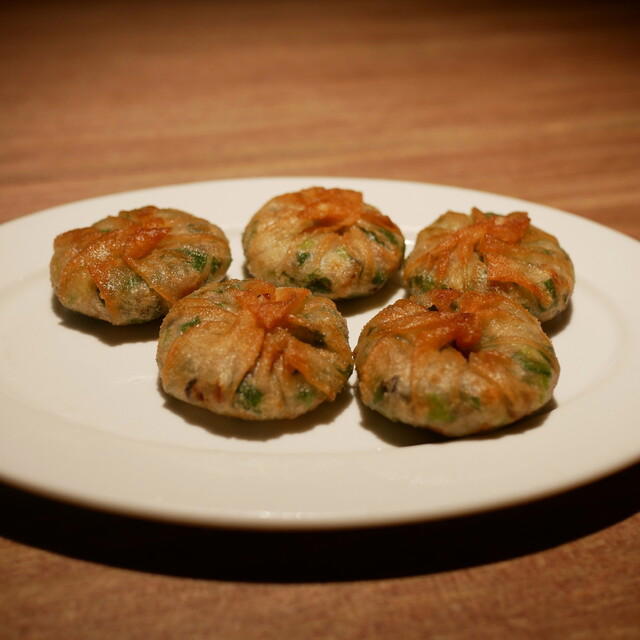
The editorial substance of Kohane's recognition is inseparable from its sourcing decision. The counter is built around Amagi Shamo, a heritage gamecock breed that has been raised in the Amagi highland area of Izu, Shizuoka Prefecture, for centuries. Shamo birds were historically bred for fighting, which means the musculature is denser and the fat distribution leaner than commercial broiler stock. The result, when applied to yakitori, is a texture and depth of flavour that standard chicken simply cannot replicate: the meat holds its structure under heat rather than compressing, and the natural umami of the bird carries through without relying on heavy seasoning.
This sourcing logic places Kohane within a well-established premium yakitori tradition. Top-tier counters in Tokyo have long used breed-specific chicken as the primary differentiator in a cuisine where the protein itself is often the only variable the grill master can control. What distinguishes the Hamamatsu context is that Amagi Shamo is locally adjacent, grown in the same prefecture, giving the counter a direct regional argument rather than a supply chain borrowed from elsewhere. For a comparison of how sourcing drives identity at the highest tier of Japanese dining more broadly, the approaches at Gion Sasaki in Kyoto and Harutaka in Tokyo offer instructive reference points in their respective disciplines.
What the Awards Record Confirms
The awards record here is worth reading carefully. Tabelog Bronze for 2025 and 2026, combined with a score of 4.15 and three consecutive years on the Tabelog Yakitori EAST 100 list (2023, 2024, 2025), establishes a sustained pattern rather than a single-year result. Tabelog's 100 lists in each cuisine category are assembled from a combination of reviewer score aggregates and editorial curation, and placement in the yakitori category is competitive precisely because the genre has one of the highest restaurant-per-capita densities in Japan. The EAST designation covers eastern Japan including the Tokai region, which means Kohane is benchmarked against counters in Tokyo, Nagoya, and across the Kanto corridor. For comparison, the award profiles of HAJIME in Osaka and Goh in Fukuoka illustrate how regional Japanese restaurants have earned national standing through sustained critical attention rather than metropolitan location.
Kohane opened on 16 December 2022, which means those three consecutive 100-list appearances arrived within the restaurant's first full year of operation and have continued since. That trajectory is unusual for any genre. In yakitori specifically, where the grill technique requires years of repetition to produce consistent results across varied cuts, an early and sustained critical response typically indicates a high degree of technical preparation before opening.
The Format and What It Asks of the Diner
The omakase format at Kohane functions as both a curatorial and logistical decision. With 10 seats and a single course, the kitchen can manage ingredient quality and pacing without the variance that à la carte service introduces. Dinner is priced at JPY 15,000–19,999 per person, which positions the counter in the upper-mid tier of Japan's regional restaurant pricing. For context, destination-level yakitori omakase in Tokyo often reaches JPY 20,000–30,000 or above; Kohane's pricing aligns it with serious regional counters rather than the leading metropolitan bracket, though the award profile argues for comparison with the latter. This places it in a different category than the highest-end kaiseki or sushi formats reviewed at venues like akordu in Nara or 1000 in Yokohama, but the precision of format is comparable.
The counter's house rules are specific and non-negotiable in ways that are consistent with serious Japanese tasting menus. A reservation cancelled if you arrive more than 15 minutes late. Service beginning at the time of reservation, not at the time of arrival if you are delayed. No accommodation for wide-ranging allergies or strong ingredient aversions. No strong scents, including perfume. These are not unusual conditions for the format, but they signal that the experience is calibrated around a fixed sequence and that deviation disrupts that calibration for every seat at the counter.
Planning Your Visit
Reservations are accepted exclusively through the OMAKASE website, and no phone reservation option is listed. The counter seats 10 and operates evenings only, from 18:00, with Sundays closed and additional irregular closures. Given the award recognition and limited capacity, advance booking is advisable. Credit cards are accepted (VISA, Mastercard, JCB, AMEX, Diners), and QR code payment via PayPay is available; electronic money is not accepted. The venue has no private rooms but can be booked for private use. Children below junior high school age are not admitted; those of junior high school age and above are welcome provided they take the same course as adults.
Hamamatsu is served by the Tokaido Shinkansen with direct connections to Tokyo (approximately 85 minutes), Nagoya (approximately 30 minutes), and Kyoto (approximately 60 minutes), making an evening at Kohane a practical proposition for a day-trip or as part of a broader Shizuoka itinerary. For further context on the city, including accommodation and bar options to build an evening around, see our full Hamamatsu hotels guide and our full Hamamatsu bars guide. Wineries and experiences in the region are catalogued in our Hamamatsu wineries guide and our Hamamatsu experiences guide.
Regional yakitori counters operating at this level remain relatively rare outside Japan's major cities. The combination of a breed-specific local sourcing argument, sustained Tabelog recognition across multiple award cycles, and a format discipline that rejects compromise on either ingredient quality or service pace makes Kohane a clear reference point for anyone tracking where Japanese yakitori is developing. Comparable award trajectories in other Japanese cities and disciplines can be explored at affetto akita in Akita, Aji Arai in Oita, Ajidocoro in Yubari District, and Abon in Ashiya. For international reference points on how tasting menu formats are applied at the highest level, Le Bernardin in New York City, Atomix in New York City, and 6 in Okinawa offer instructive comparisons across very different traditions.
Frequently asked questions
Is Kohane good for families?
Kohane accepts guests of junior high school age and above, provided they follow the same omakase course as adults. Younger children are not accommodated. Given the 10-seat counter format, the single course running from ¥15,000–¥19,999 per person, and the restaurant's strict punctuality policy, it suits older teenagers and adults rather than family groups with young children.
What should I expect atmosphere-wise at Kohane?
The counter seats 10, which makes this a close, quiet setting where the kitchen's work is the focal point. Strong fragrances — perfume, cologne — are explicitly prohibited, which signals how seriously the room takes the food rather than social theatre. Reservations are timed precisely: arriving more than 15 minutes late cancels the booking, and courses begin at the reservation hour regardless of when guests sit down.
Is Kohane award-winning?
Kohane has received recognition including: {"Year":"2026","Award Source":"Tabelog","Award Type":"The Tabelog Award","Award Group":"bronze","Award Group Rank":"193","Restaurant Name":"Yakitori Kohane","Score":"4.15","Budget":"Dinner: JPY 15,000 - JPY 19,999; Lunch: -","Budget Dinner"….
What's the best thing to order at Kohane?
Kohane runs a single omakase course with no à la carte option, so there is nothing to select: the menu is decided by the kitchen. The programme is built around Amagi Shamo, a heritage gamecock breed native to Shizuoka's Izu region, prized for its firm texture and pronounced flavour. Prices vary with seasonal ingredients and fall in the ¥15,000–¥19,999 range per person at dinner.
What days is Kohane closed?
Hours at Kohane: ■Business hoursFrom 18:00 onwards■Closed onSundays (and other irregular days).
Where is Kohane in Hamamatsu?
Kohane is located at Japan, 〒430-0934 Shizuoka, Hamamatsu, 中区Chitosecho, 6 コートクビル 1階 3号室, Hamamatsu.
Quick Comparison
Comparable venues nearby, for context on price, style, and recognition.
| Venue | Cuisine | Price | Awards | Notes |
|---|---|---|---|---|
| KohaneThis venue — the venue you are viewing | Yakitori Omakase | $500+ | Tabelog Bronze #193 | Not listed |
| Yoshitomo | High-end Tempura Omakase | $100–150 | Tabelog 100 #53 | Chuo Ward, Hamamatsu City |
| Kitanose | Upscale Japanese Kappo / Kaiseki | $50–100 | Tabelog 100 #51 | Tamachi, Chuo Ward |
| 焼き鳥幸羽(こはね) | Yakitori Omakase | $500+ | Tabelog Bronze #193 | Chiyoda Ward, near Shin-Hamamatsu Station |
| Sumiyaki Unagi Hajime | Charcoal-grilled Unagi Specialist | $30–50 | Tabelog 100 #54 | Nishi-ku |
| Ton Kara Ten | Tonkatsu & Oyako-don Specialist | $20–30 | Tabelog 100 #36 | Chuo Ward, Hamamatsu City |
Recognition history
Dated appearances from independent guides and award organizations, with the underlying list record or original source where available.
Tabelog Bronze #193
Tabelog
Full recognition history (3 entries)
Tabelog 100 #77 · No. 77
Tabelog · Tabelog 100 - Yakitori - EAST - 2025
Tabelog Bronze
Tabelog
Continue exploring
More in Hamamatsu
Restaurants in Hamamatsu
Browse all →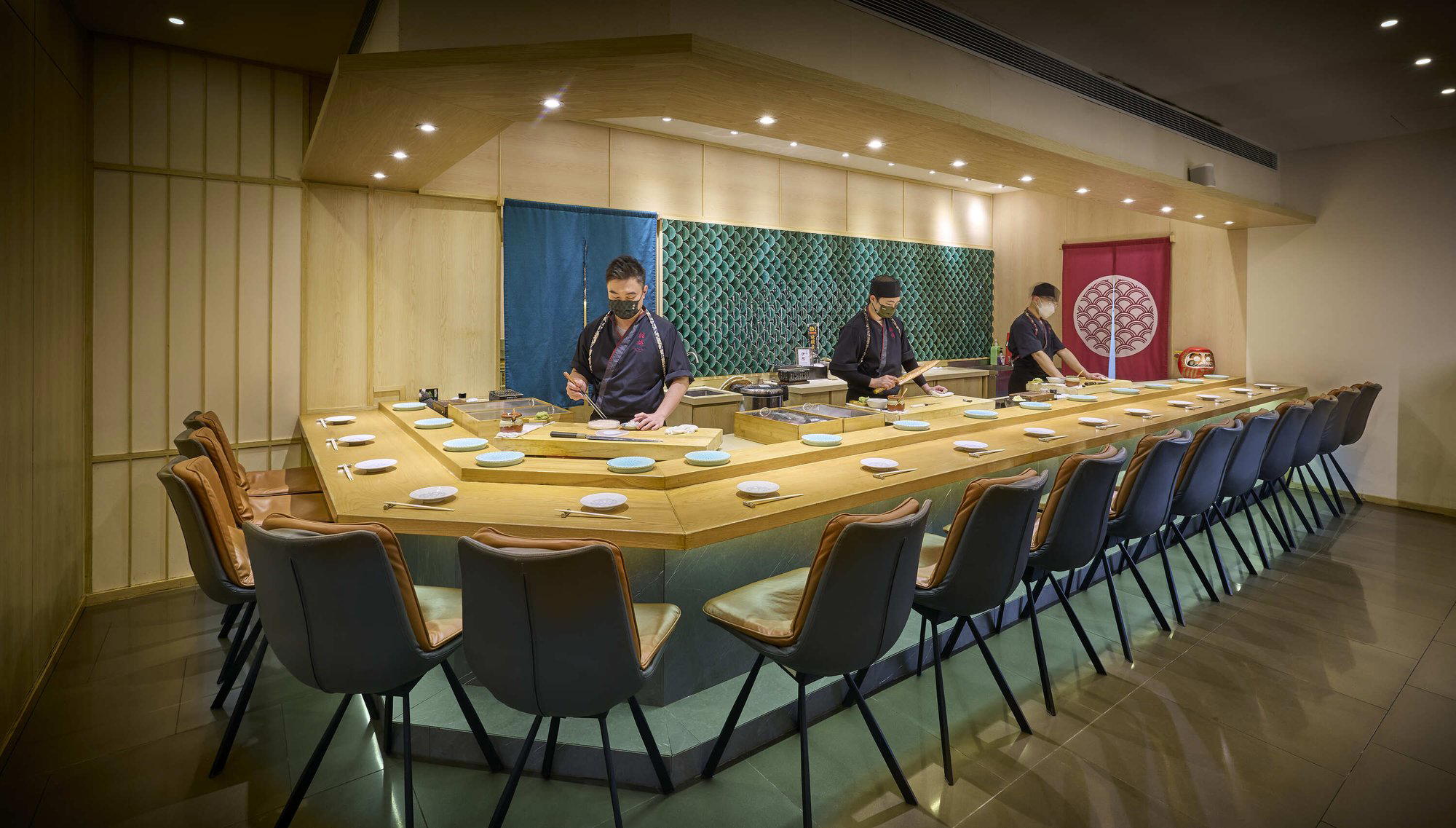
Details
- Intimate
- Elegant
- Special Occasion
- Chefs Counter
- Open Kitchen
- Sake Program
- Local Sourcing
- Omakase
Intimate 10-seat counter in narrow alley of traditional dining district, focused on chef's craft.