
Ton Kara Ten puts Hamamatsu into Japan’s serious tonkatsu conversation without the ceremony of a high-priced tasting counter. Its Tabelog Tonkatsu 100 selections in 2022, 2024 and 2026 point to a local shop operating in a national category where pork sourcing, frying discipline and rice-bowl comfort matter more than theatrics.
Pearl is the En Primeur Club membership app — saves, bookings, and concierge access live there. Same editors, same standards.
- Address
- 静岡県浜松市中央区高林2-8-30
- Phone
- +81534743335
- Website
- tabelog.com
 Saves & bookings on Pearl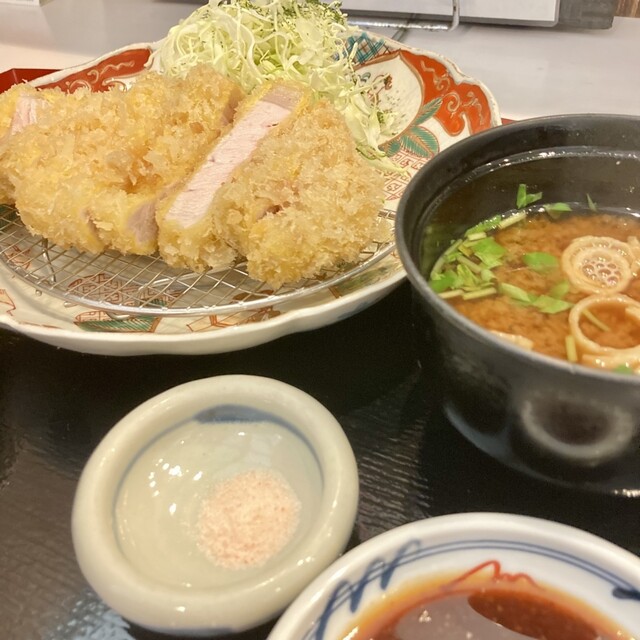
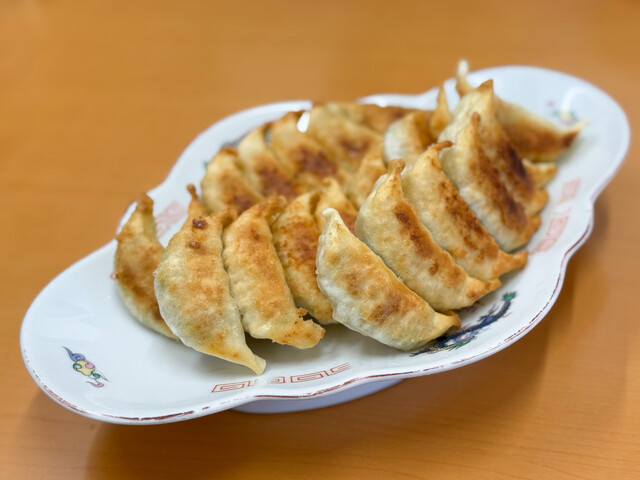
Approach the house-style restaurant in Takabayashi and the appeal is not architectural drama; it is the familiar Japanese promise of a fry counter taken seriously. Tonkatsu lives or dies by ordinary-looking decisions: the cut of pork, the thickness of the breading, the management of oil, and the timing between fryer and plate. Hamamatsu is better known to many travellers for eel and gyoza, but Ton Kara Ten makes the case for reading the city through a quieter everyday craft.
The national tonkatsu conversation has narrowed in recent years around specialist shops rather than broad yoshoku dining rooms. That matters because pork cutlet is not a dish that forgives vagueness. A good version separates itself through sourcing and handling before any sauce touches the plate. Ton Kara Ten’s selection for Tabelog Tonkatsu 100 in 2022, 2024 and 2026 places it among Japan’s recognized tonkatsu addresses, an unusually concrete signal in a category crowded with neighborhood regulars and lunch-counter loyalties.
Hamamatsu tonkatsu, measured by pork and restraint
The point of tonkatsu is not heaviness. At the sharper end of the craft, the pleasure comes from contrast: pork that retains juiciness, a crust that protects rather than smothers, cabbage and rice that reset the palate, and sauce used with judgment. Japan’s regional tonkatsu shops often compete less through spectacle than through consistency, which is why repeat recognition carries weight. A Tabelog score of 3.69 is not a casual number in this genre; it reflects a steady local consensus around a food that customers judge with little patience for inconsistency.
Ingredient question is central. Tonkatsu’s luxury is not only in branded pork, though many serious shops use breed and provenance as shorthand for quality. It is also in the less visible chain: trimming, resting, coating and frying. When a place is recognized specifically in a tonkatsu list rather than a general dining roundup, the implied comparison is with other pork-cutlet specialists, not with broader casual restaurants. That separates Ton Kara Ten from Hamamatsu’s wider affordable dining tier, where a similar spend can mean French-influenced sweets at Abondance, local comfort cooking at Fukumitsu, or the more open-ended neighborhood choices gathered in Our full Hamamatsu restaurants guide.
There is also a useful contrast inside Hamamatsu itself. Kitanose sits in a higher dinner budget band, while the restaurant belongs to the JPY 1,000 to JPY 1,999 range for both lunch and dinner. That price position changes the reader decision. This is not a ceremonial meal built around rare ingredients and long service. It is a specialist stop where the value proposition depends on how cleanly the kitchen turns pork, crumb and heat into a plate that can bear repetition.
Why the Tabelog Tonkatsu 100 signal matters
Tabelog’s Hyakumeiten lists are useful because they are category-specific. A tonkatsu selection does not reward a restaurant for wine service, room design or chef mythology; it points diners toward places that perform within a narrow Japanese comfort-food tradition. The restaurant appearing in the 2026 Tonkatsu 100, after earlier selections in 2024 and 2022, gives the restaurant a national reference point while keeping the experience grounded in local dining rather than destination formality.
That distinction is worth spelling out for travellers planning Hamamatsu. The city’s dining identity is not built around a single luxury corridor. Its better meals are scattered across practical neighborhoods and specific formats, from counter cooking to bakeries, soba and regional Japanese staples. A serious tonkatsu shop belongs in that map because it shows how the city eats on an ordinary day. For a broader route, nearby editorial entries such as Binshan Li, Kibori and Honkaku Teuchi Moriya Toukyou ten help frame how Japanese casual excellence often sits outside hotel-dining logic.
The comparison also travels beyond Shizuoka. Japan’s everyday-food specialists can be as exacting as formal restaurants because they reduce the menu’s margin for error. A curry counter such as [Curry Senmon Ten] Maruyama Kyoju. in Sapporo, a Vietnamese address like (Shoku) Vietnam in Kawasaki, or an onigiri specialist such as Onigiri Time in Pasadena asks the same question in different form: can a narrow format sustain attention without ornament? Tonkatsu answers that question through pork and frying.
A specialist meal in a practical city
The restaurant’s category listing includes tonkatsu and oyako-don, which gives the room a broader everyday-Japanese footing without diluting the main reason to go. Oyako-don belongs to the same grammar of rice, egg, stock and comfort, but the restaurant’s national recognition is attached to pork cutlet. That is the lens to use when deciding how it fits into a Hamamatsu itinerary.
The setting also clarifies expectations. A house restaurant in a local district is a different proposition from a station-front chain or a destination counter built for travelling diners. It rewards a diner who has time to leave the central hotel-and-station pattern and eat where local routines set the pace. The wider trip can then be shaped around the city rather than a single meal, using Our full Hamamatsu hotels guide, Our full Hamamatsu bars guide, Our full Hamamatsu wineries guide and Our full Hamamatsu experiences guide to keep the food stop in proportion.
For readers tracking Japanese dining across cities, the restaurant sits in the same editorial family as small-format specialists and focused regional addresses rather than grand dining rooms. That family can include beef sukiyaki at -Grilled beef Sukiyaki- KAMAKURA TANUKIAN 鎌倉 たぬき庵 in Kamakura, charcoal-led casual cooking at. 鮪と炭火焼き うお炭 秋葉原店 in Tokyo, café culture at.cafe in Osaka, contemporary local dining at.know in Kumamoto, and sake-bar cooking abroad at Jōdo Saké Bar in Los Angeles. The common thread is format discipline. In Hamamatsu, the discipline is breaded pork, rice-bowl comfort and a price tier that keeps the meal tied to daily life.
Side-by-Side Snapshot
Comparable venues by cuisine and price in the same metro.
| Venue | Cuisine | Price | Notes |
|---|---|---|---|
| Ton Kara TenThis venue — the venue you are viewing | Tonkatsu & Oyako-don Specialist | $$ | Not listed |
| Torihama | Traditional Japanese Chicken Specialty | $$ | Naka-ku |
| Sumiyaki Unagi Hajime | Charcoal-grilled Unagi Specialist | $$$ | Nishi-ku |
| Unagi Ryori Atsumi | Traditional Unagi (eel) Restaurant | $$ | Chuo-ku |
| Mutsugiku | Hamamatsu gyoza specialist | $ | Naka-ku |
| Sumiyaki Unagi Kamo | Traditional Kansai-style unagi (eel) restaurant | $$ | Hamana Ward |
Recognition history
Dated appearances from independent guides and award organizations, with the underlying list record or original source where available.
Tabelog 100 #36 · No. 36
Tabelog · Tabelog 100 - Tonkatsu - 2026
Continue exploring
More in Hamamatsu
Restaurants in Hamamatsu
Browse all →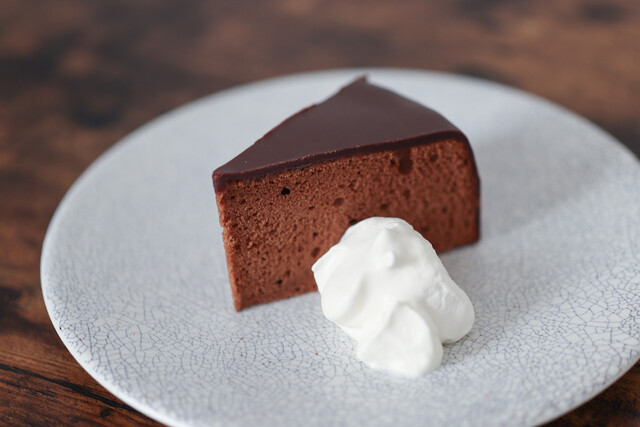
Hotels in Hamamatsu
Browse all →
At a Glance
- Cozy
- Classic
- Casual Hangout
- Group Dining
- Solo
- Family
- After Work
- Standalone
A cozy house-style restaurant with a simple, relaxed interior, non-smoking environment, and a comfortable, low-key atmosphere suited to casual meals with friends.