
Hamamatsu’s eel culture is built on proximity to Lake Hamana and a long habit of treating unagi as a local staple rather than a luxury imported from elsewhere. Sumiyaki Unagi Hajime belongs to the city’s serious charcoal-grilled tier, with Tabelog 100 Unagi selections in 2022 and 2024 giving it a clear quality signal for travelers comparing eel houses across Shizuoka.
Pearl is the En Primeur Club membership app — saves, bookings, and concierge access live there. Same editors, same standards.
- Address
- 静岡県浜松市中央区雄踏町宇布見9690
- Phone
- +81535708075
- Website
- unagi-hajime.com
 Saves & bookings on Pearl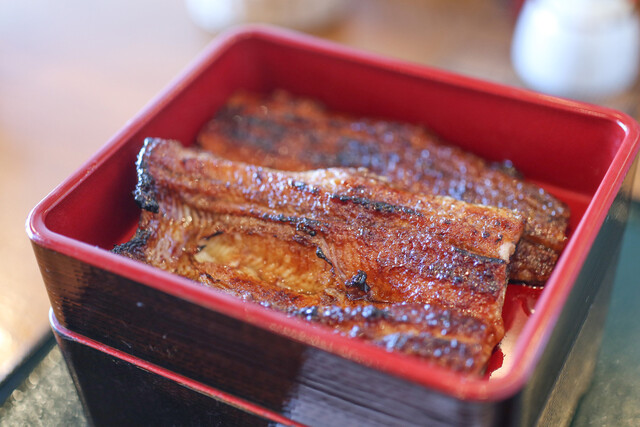
Approach the house-restaurant setting in Yutocho Ubumi and the appeal is not spectacle; it is scale. Hamamatsu has never needed to explain eel with theatrical dining-room language. The city sits by Lake Hamana, one of Japan’s historic eel-producing areas, and its unagi culture is strongest when the room feels close to the ingredient rather than dressed up for outsiders. Sumiyaki Unagi Hajime fits that register: compact, charcoal-focused, and closer to the local eel-house tradition than to the tasting-menu grammar that defines much of destination dining in Japan.
Hamamatsu eel culture rewards proximity, not embellishment
Unagi in Hamamatsu carries a different charge from eel in Tokyo or Kyoto. In larger cities, the dish often becomes an occasion food, framed by lineage, lacquerware, and long-standing urban reputations. Around Lake Hamana, the conversation starts earlier in the chain: where the eel comes from, how it is handled, and how grilling technique preserves fat without turning sweetness into heaviness. That ingredient-first logic is why a small charcoal-grilled unagi specialist can matter more to a traveler than a broader Japanese restaurant with a longer menu.
The 2024 Tabelog 100 Unagi selection places Sumiyaki Unagi Hajime in a national category rather than only a local one, and its earlier 2022 selection suggests the recognition was not a single-year spike. The Tabelog score of 3.72 also matters in context: eel restaurants are judged by diners who often compare texture, sauce balance, rice, and grilling across repeated visits, not by novelty. The useful reading is not that awards settle the question, but that they mark the restaurant as part of Japan’s more serious unagi conversation.
Within Hamamatsu, that puts the meal in a different lane from casual local options such as Kibori, which occupies a lower everyday-spend bracket, or Abondance and Binshan Li, where the frame moves away from eel specialization. The comparison is useful because Hamamatsu travelers often have one serious meal slot, and unagi has the strongest claim when the itinerary is built around regional food identity.
Charcoal grilling is the point of the format
Charcoal-grilled eel is a narrow craft. The pleasure depends on heat control, fat rendering, tare discipline, and rice that can take sauce without collapsing into sweetness. The name signals sumiyaki, and that matters because unagi loses its local specificity when treated as a generic grilled luxury. The strongest versions make the ingredient legible: the fish, the smoke, the sauce, and the rice stay in balance rather than competing for attention.
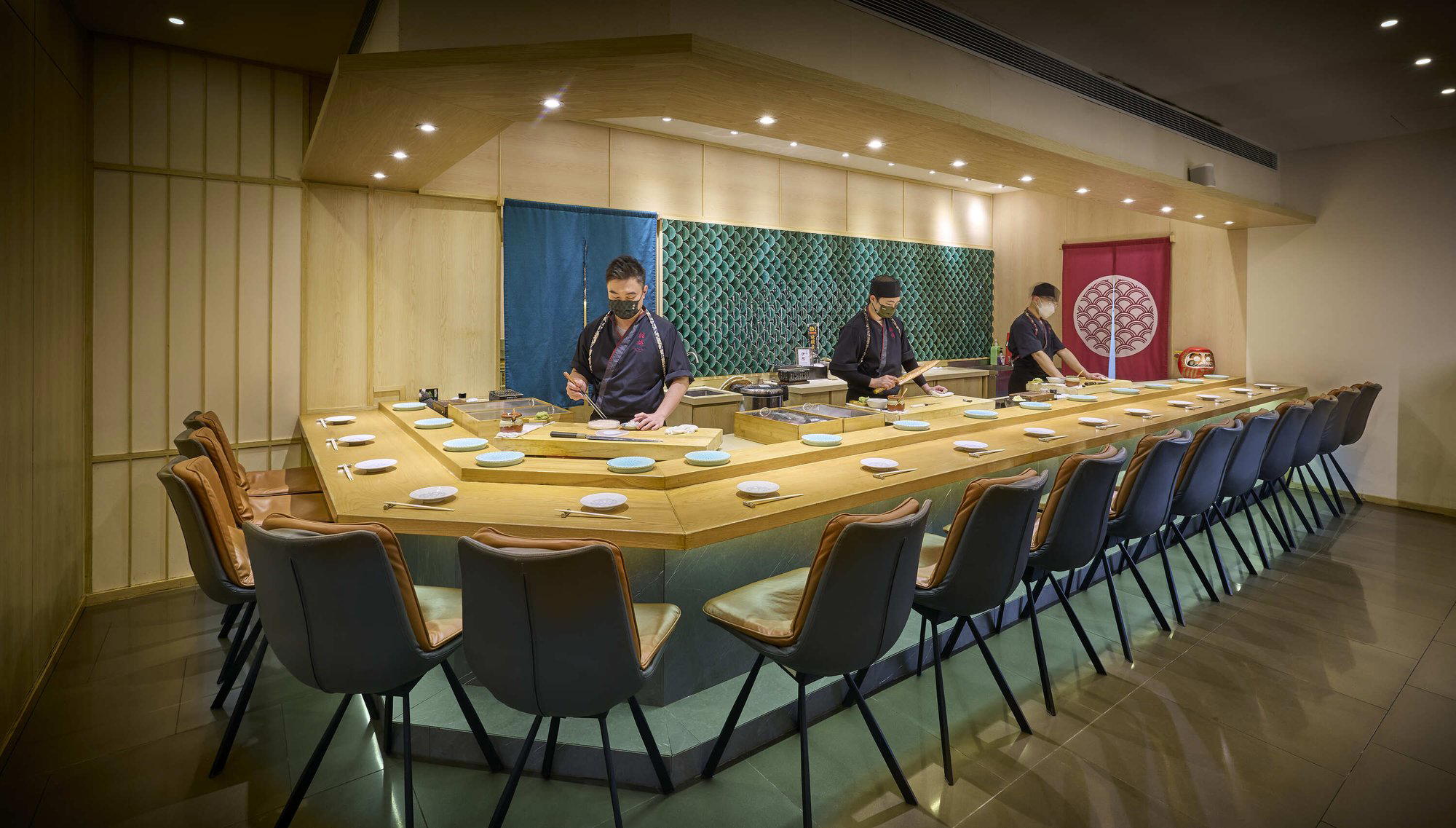
The room supports that reading. There are 23 seats divided among counter seating, tables, and a raised tatami platform, which gives the restaurant a house-like rhythm rather than a large dining-room cadence. Private rooms are available, and the space is non-smoking. Those details shape the experience more than decorative language would: this is a small-format eel house where the grill, seating layout, and local context do the editorial work.
For travelers building a broader Japan dining map, this is also a reminder that specialization in Japan is not limited to sushi counters and kaiseki rooms. Eel, soba, curry, onigiri, yakiniku, and sake bars each have their own standards of seriousness. A route that includes Fukumitsu, Honkaku Teuchi Moriya Toukyou ten, -Grilled beef Sukiyaki- KAMAKURA TANUKIAN 鎌倉 たぬき庵 in Kamakura,. 鮪と炭火焼き うお炭 秋葉原店 in Tokyo,.cafe in Osaka,.know in Kumamoto, (Shoku) Vietnam in Kawasaki, [Curry Senmon Ten] Maruyama Kyoju. in Sapporo, Jōdo Saké Bar in Los Angeles, and Onigiri Time in Pasadena shows how sharply single-subject restaurants can define a trip without needing a grand format.
Where it fits in a Hamamatsu itinerary
The practical case is simple: travelers who come to Hamamatsu for food should treat eel as the city’s anchor category, not as an interchangeable lunch. Sumiyaki Unagi Hajime is in Yutocho Ubumi, with Maisaka listed as the nearest station area, and parking is available, which makes it better suited to a planned stop than a casual walk-in between central-city appointments. Payment is cash-led, with credit cards, electronic money, and QR payments not accepted, so the logistics require the same old-fashioned discipline as the dining style.
Reservation rules also shape the decision. Weekday reservations are available, while Saturdays and Sundays run first-come, first-served. That weekend policy changes the calculus for visitors on tight schedules: arrive with slack in the day, or choose a weekday if the meal is the reason for crossing town. The restaurant opened in 2016, which makes its Tabelog 100 Unagi recognition in 2022 and 2024 a sign of relatively recent consolidation rather than inherited fame.
Hamamatsu is not only an eel stop, but eel is the category that most directly connects the city to place. Use Our full Hamamatsu restaurants guide for a wider dining plan, then build the rest of the trip around pacing rather than overbooking: Our full Hamamatsu hotels guide, Our full Hamamatsu bars guide, Our full Hamamatsu wineries guide, and Our full Hamamatsu experiences guide help keep the eel meal as the center of gravity rather than an afterthought.
Quick Comparison
Comparable venues by cuisine and price in the same metro.
| Venue | Cuisine | Price | Awards | Notes |
|---|---|---|---|---|
| Sumiyaki Unagi HajimeThis venue — the venue you are viewing | Charcoal-grilled Unagi Specialist | $$$ | , | |
| Kitanose | Upscale Japanese Kappo / Kaiseki | $$$ | , | Tamachi, Chuo Ward |
| Sumiyaki Unagi Aoiya | Kansai-style Charcoal-Grilled Unagi | $$ | , | Chuo Ward (Iidamachi) |
| Tenkin | Traditional Tempura & Tendon Counter | $$ | , | Tamachi, Chuo Ward |
| Ton Kara Ten | Tonkatsu & Oyako-don Specialist | $$ | , | Chuo Ward, Hamamatsu City |
| Kohane | Yakitori Omakase | $$$$ | Chitosecho |
Continue exploring
More in Hamamatsu
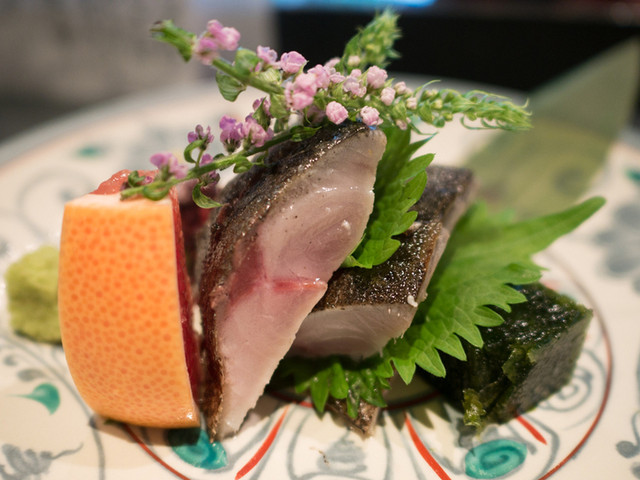
Restaurants in Hamamatsu
Browse all →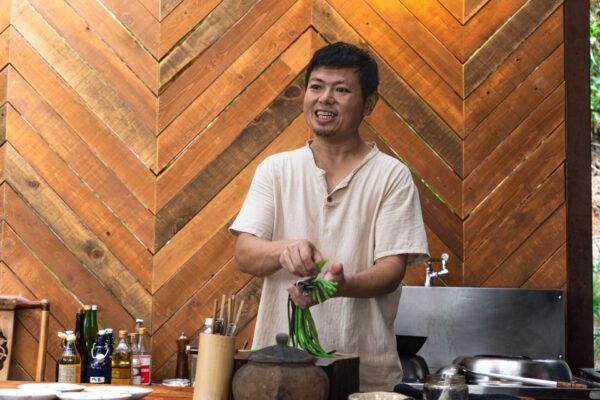

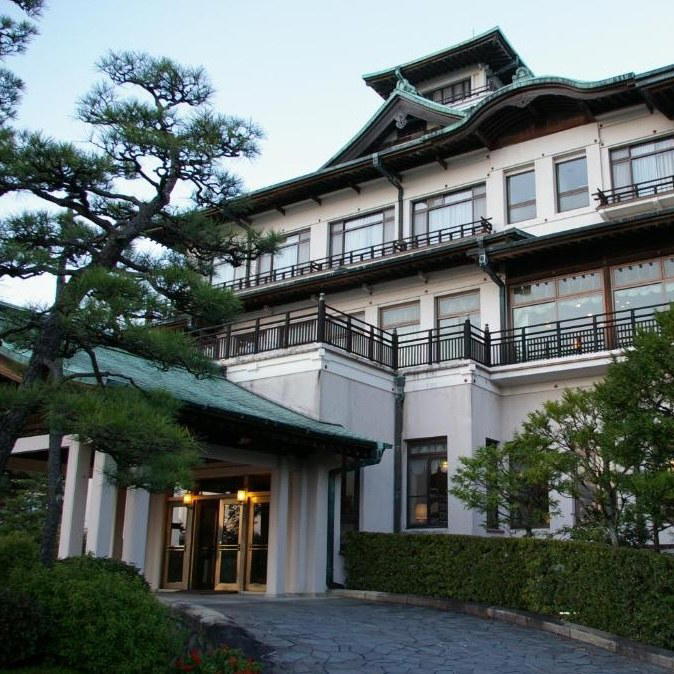
Hotels in Hamamatsu
Browse all →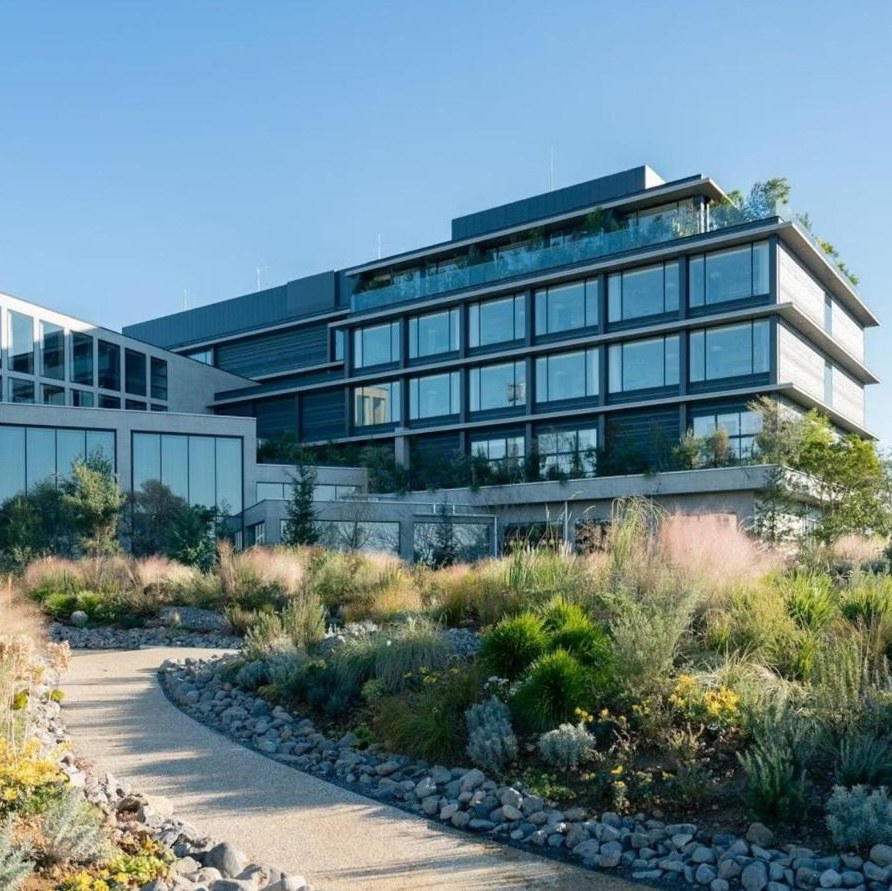
At a Glance
- Classic
- Cozy
- Rustic
- Hidden Gem
- Solo
- Family
- Group Dining
- Casual Hangout
- Chefs Counter
- Open Kitchen
- Standalone
- Local Sourcing
- Sustainable Seafood
Relaxed, traditional Japanese eel house with counter seats in front of the charcoal grill plus tatami and table seating, designed so solo diners and groups can eat calmly in a simple, comfortable setting.