Where the Adriatic Comes to the Table Hvar's old town has a particular quality in the early evening: the stone of Petra Hektorovića narrows until the harbour light catches it sideways, and the air carries salt and lavender in roughly equal...
Pearl is the En Primeur Club membership app — saves, bookings, and concierge access live there. Same editors, same standards.
- Address
- Petra Hektorovića 1, 21450, Hvar, Croatia
- Phone
- +38521741400
- Website
- i-host.gr
- Directions
- Get directions
 Saves & bookings on Pearl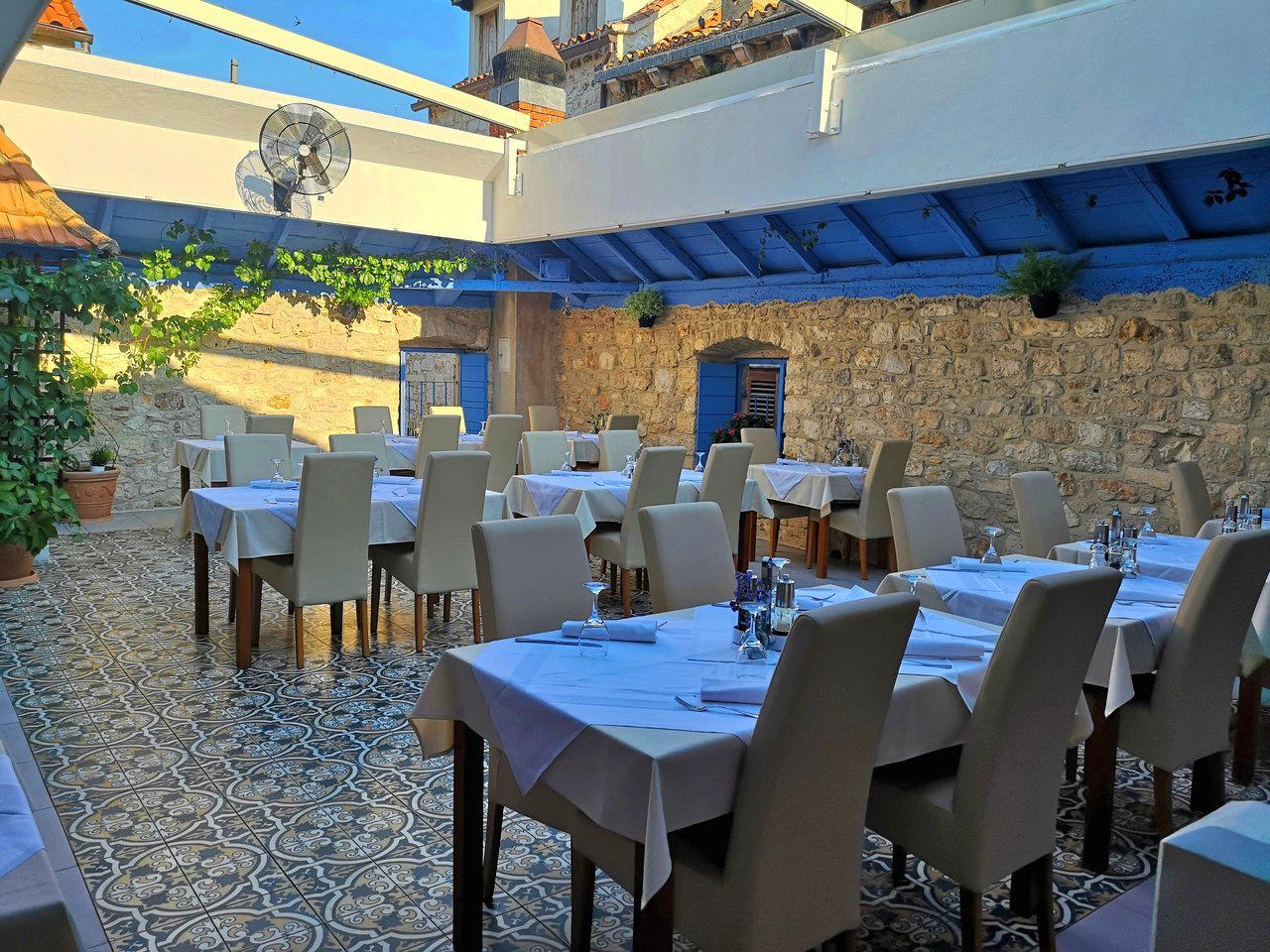
Where the Adriatic Comes to the Table
Hvar's old town has a particular quality in the early evening: the stone of Petra Hektorovića narrows until the harbour light catches it sideways, and the air carries salt and lavender in roughly equal measure. Grande Luna sits on this street, and the approach alone frames what kind of meal is coming. Dalmatian dining at its most considered is not about spectacle. It is about the proximity of sea to kitchen, and the discipline to not interrupt that relationship unnecessarily.
The island's position in the central Dalmatian archipelago has always defined what ends up on its tables. Hvar is close enough to the open Adriatic for pelagic fish and far enough from the mainland to maintain its own agricultural identity: lavender fields, olive groves, and vineyards planted on dry-stone terraced slopes that date back centuries. Restaurants that pay attention to that geography work from a different starting point than those importing standardised ingredients into a tourist economy. Grande Luna, set at this address in the heart of the old town, belongs to the former category.
The Ingredient Argument in Dalmatian Cooking
Croatian coastal cuisine makes a case that is easy to misread. On the surface it looks simple: fish, olive oil, herbs, a little wine. The argument is actually about provenance and timing. A branzino pulled from the Adriatic and cooked the same day presents differently from one that has travelled refrigerated across borders. The same logic applies to lamb from the Dalmatian hinterland, to hand-picked capers from the islands, to the quality of the olive oil pressed from groves that have been on these islands since Roman settlement.
Hvar's dining tier has sharpened considerably over the past decade. The island now sits within a Croatian restaurant conversation that includes Michelin-recognised addresses like Pelegrini in Sibenik and Restaurant 360 in Dubrovnik, as well as serious destination properties like Boskinac in Novalja. That broader context matters: it signals that Dalmatian cooking is no longer a regional footnote but a cuisine with its own critical infrastructure. Restaurants in Hvar now compete within that framework, and the better ones know it.
On Hvar specifically, the question of sourcing is not rhetorical. The island has its own fishing fleet. Local olive oil production is small but serious. The wines coming out of the Hvar wine culture, particularly Plavac Mali from the south-facing Dingač-adjacent slopes, have been gaining international attention for the better part of two decades. A kitchen that draws from these inputs is working with materials that are distinct to the region, which is what gives Dalmatian cooking its regional integrity when done well.
The Old Town Context
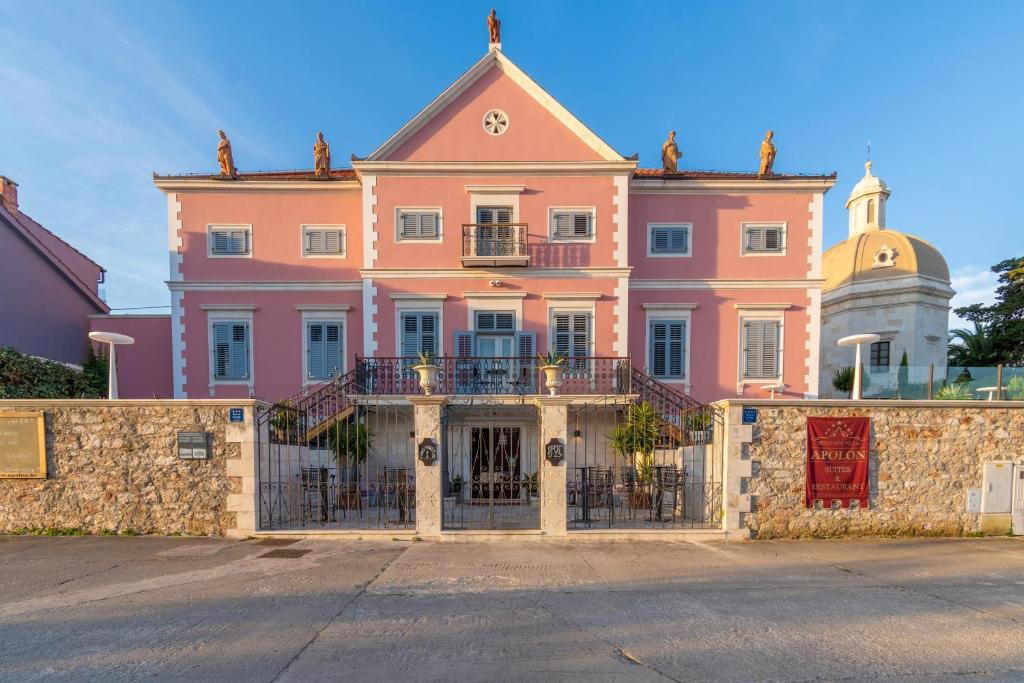
Petra Hektorovića is not the harbour promenade. It is quieter, more residential in feeling, a street that connects the tourist activity around the Piazza to the older residential fabric of the town. Dining here puts you inside the town rather than performing to it. That distinction matters in Hvar, where the high season can compress the harbour-facing restaurants into something resembling theatre, full, loud, fast, and pitched at a different kind of visitor.
Hvar's restaurant geography splits fairly cleanly between the performative waterfront tier and the more considered addresses a few streets back. Gariful holds the harbour with its seafood positioning. Dalmatino and Antonio - Patak represent different registers of the island's dining identity. Gojava has built a reputation as a reference point for the contemporary local approach. Grande Luna occupies a position in this geography that is neither aggressively visible nor obscure, it is where you eat when you have been to Hvar before and you know where to look.
Dalmatian Cooking in the Croatian Coastal Frame
The wider Croatian coastal restaurant conversation has developed a recognisable grammar in the past decade. Chefs at Agli Amici Rovinj and Nebo by Deni Srdoč in Rijeka have brought international technique to bear on Adriatic and continental Croatian ingredients. Alfred Keller in Mali Lošinj represents the island end of that conversation. Inland, Dubravkin Put in Zagreb and Korak in Jastrebarsko situate Croatian cuisine within a continental European fine dining framework. Even Krug in Split and LD Restaurant in Korčula have refined their approach to island ingredients. The reference point internationally remains places like Le Bernardin in New York City for the kind of precision seafood cooking that Adriatic cuisine aspires toward, or Atomix in New York City for what a clear editorial identity around regional ingredients looks like at the highest level.
The restaurant is relevant when it is honest about what Hvar's ingredients allow and executes within that frame with consistency. That is the standard against which the island's better tables are measured.
Planning a Visit
Hvar Town is accessible by catamaran from Split in roughly one hour, or by car ferry to Stari Grad with a drive across the island. The high season runs from late June through August, when both ferry frequency and restaurant demand peak. The shoulder months, May, June, and September, offer better conditions for a considered meal: the island's produce is in its leading state, the pace allows kitchens to work properly, and tables are easier to secure without weeks of advance planning. Petra Hektorovića is walkable from both the main harbour and the Piazza, placing the restaurant at a useful midpoint in the old town's geography.
At-a-Glance Comparison
Comparable venues nearby, for context on price, style, and recognition.
| Venue | Cuisine | Price | Notes |
|---|---|---|---|
| Grande LunaThis venue — the venue you are viewing | Traditional Dalmatian Seafood | $$ | Not listed |
| San Marco | Innovative Mediterranean | $$$ | Hvar Town |
| Meneghello | Traditional Croatian Seafood | $$$ | Pakleni Islands |
| Konoba Maestro | Traditional Croatian Seafood | $$ | Hvar Town |
| TOTO'S | Fresh Seafood Mediterranean | $$ | Palmižana |
| Dionis | Traditional Croatian Mediterranean | $$ | Stari Grad |
Continue exploring
More in Hvar
Restaurants in Hvar
Browse all →
At a Glance
- Romantic
- Cozy
- Scenic
- Intimate
- Date Night
- Group Dining
- Celebration
- Casual Hangout
- Rooftop
- Terrace
- Standalone
- Extensive Wine List
- Sommelier Led
- Local Sourcing
- Street Scene
Current opening hours
- Monday
- 12–11 PM
- Tuesday
- 12–11 PM
- Wednesday
- 12–11 PM
- Thursday
- 12–11 PM
- Friday
- 12–11 PM
- Saturday
- 12–11 PM
- Sunday
- 12–11 PM
Hours can change for holidays and private events. Last verified .
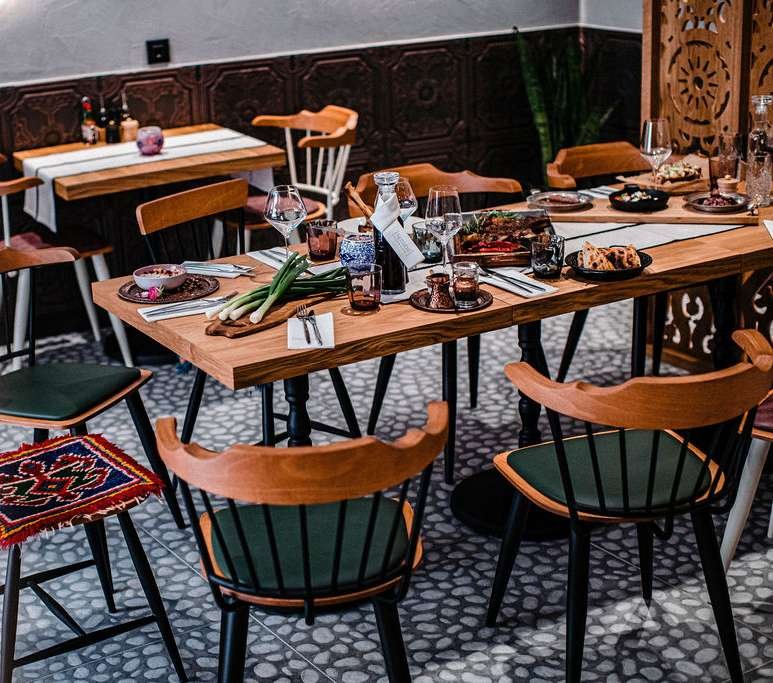
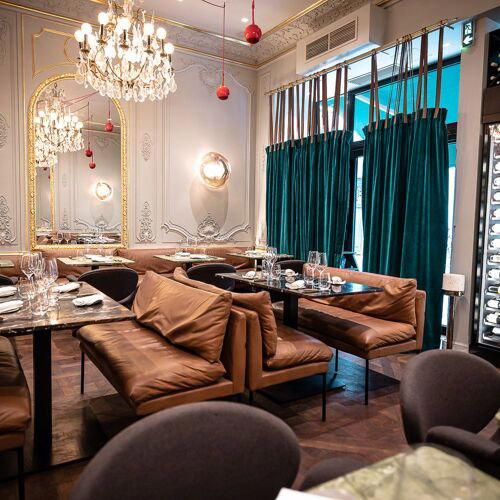
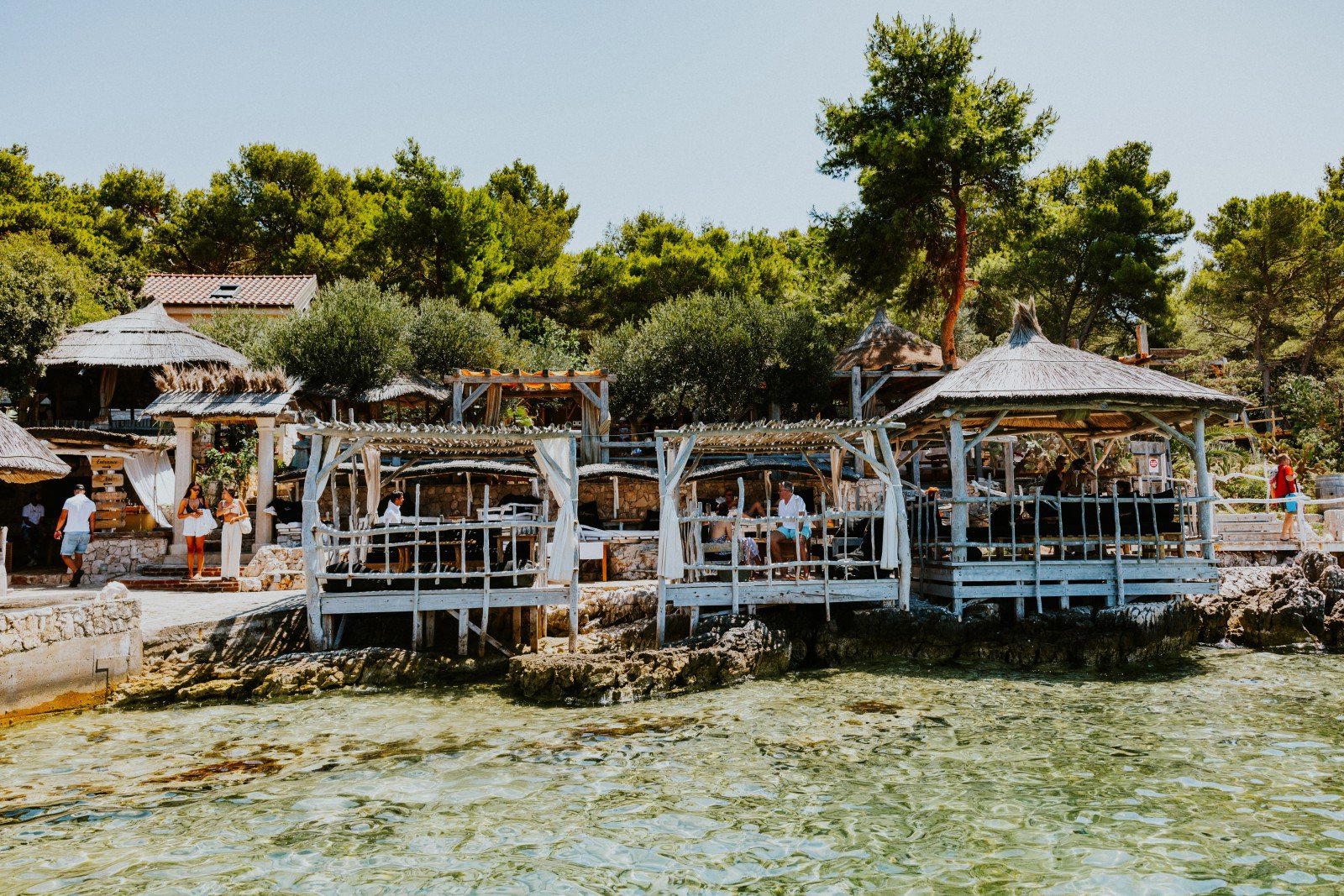
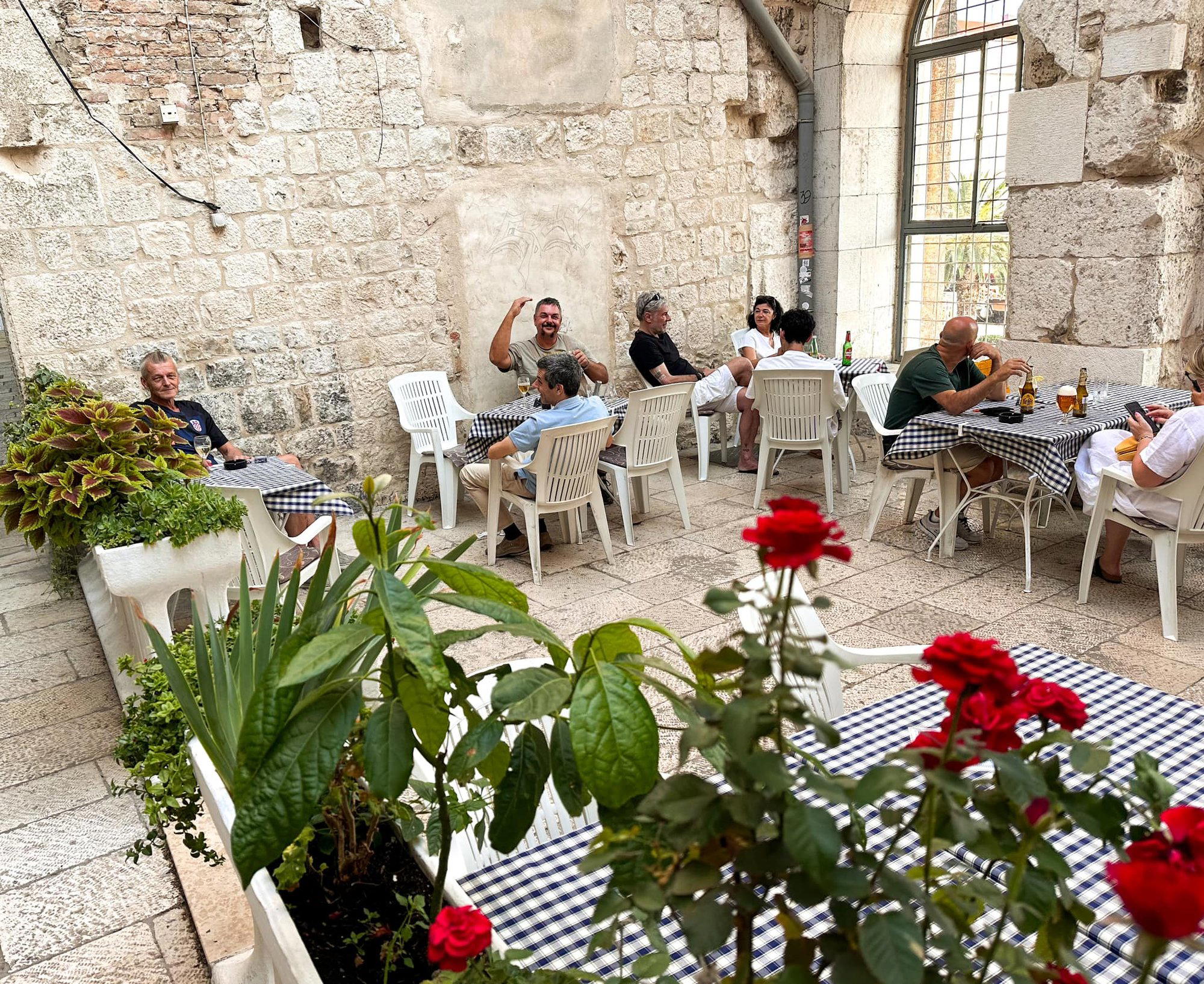
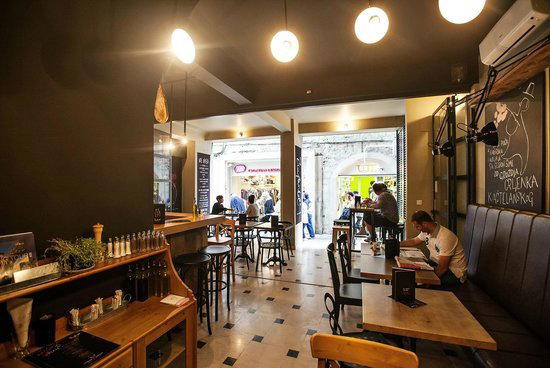
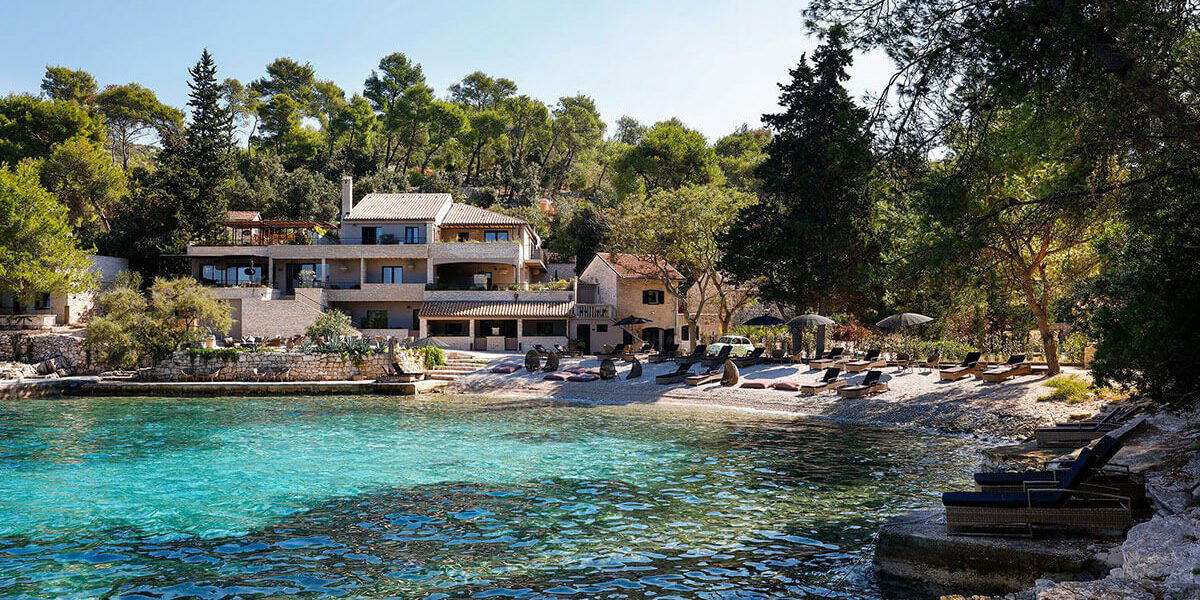
Warm and inviting with exposed honey-colored brickwork, stylish lighting, and a partially open rooftop with ceiling fans and misters; peaceful despite being full, with no tobacco smoke.