On Hvar's Riva waterfront, Gariful occupies one of the Adriatic's most recognisable dining positions: tables at the water's edge, a menu anchored in Dalmatian seafood tradition, and a reputation that draws a crowd well before peak summer. Among the island's better-known restaurants, it positions itself in the mid-to-upper tier of the Hvar dining scene, where location and longevity carry as much weight as the kitchen.
Pearl is the En Primeur Club membership app — saves, bookings, and concierge access live there. Same editors, same standards.
- Address
- Riva 21, 21450, Hvar, Croatia
- Phone
- +38521742999
- Website
- hvar-gariful.hr
- Directions
- Get directions
 Saves & bookings on Pearl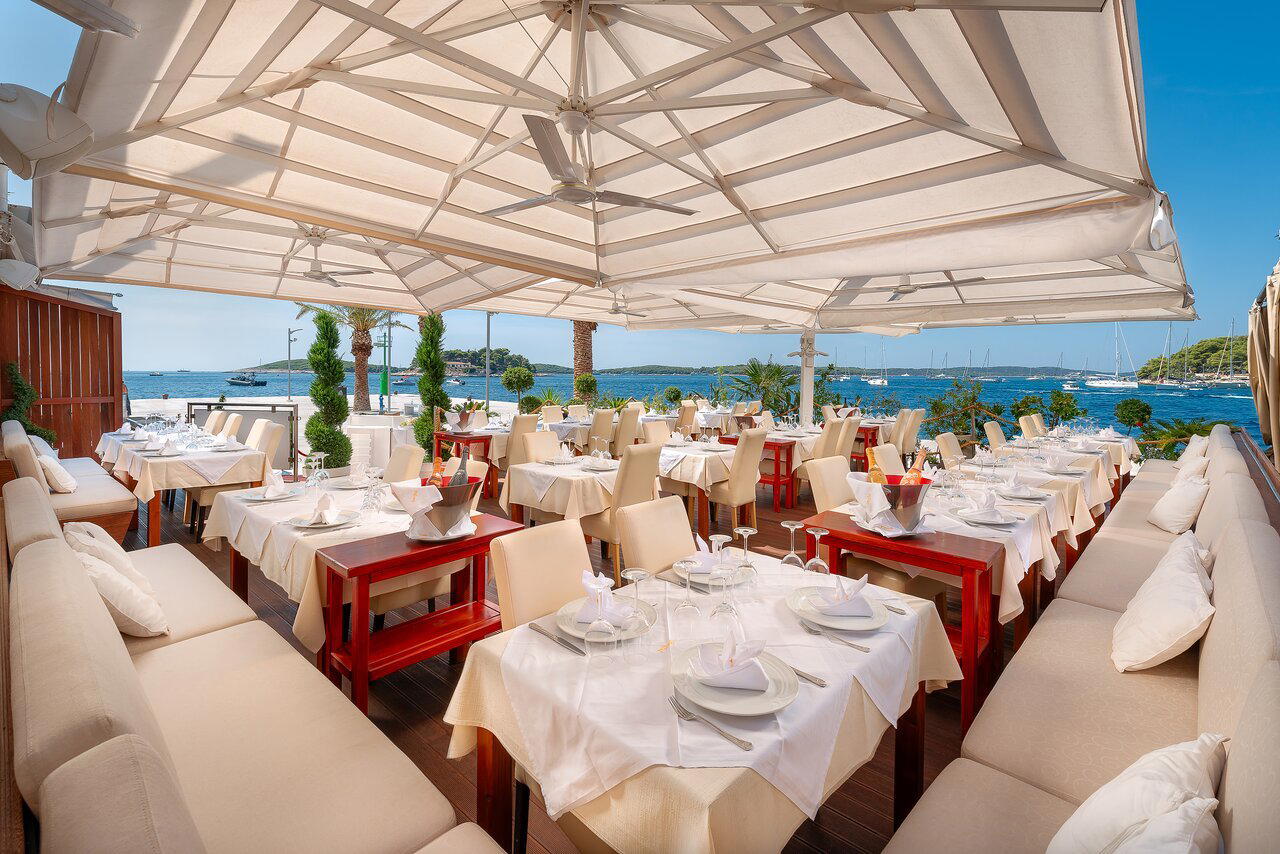
The Riva Table: What It Means to Eat on Hvar's Waterfront
Gariful is a restaurant in Hvar, Croatia, serving luxury Croatian seafood. It is the social and commercial spine of an island that has been receiving visitors since the Venetian trading era, and the restaurants that line it operate under a particular kind of scrutiny. Every table faces the harbour. Every course arrives in full view of the passing crowd. Eating here is a public act, and the leading addresses along this strip have learned to treat that exposure as a condition, not a disadvantage. Gariful, at Riva 21, is a longstanding waterfront address.
Hvar's restaurant scene has matured considerably over the past two decades. What was once a relatively thin offering of grilled fish and house wine has differentiated into tiers: casual konoba cooking in the lanes above the square, mid-range trattorias drawing on Dalmatian technique, and a handful of addresses making a more serious argument about Croatian coastal cuisine. These are the restaurants where location premium and kitchen quality have to justify each other.
Where Gariful Sits in the Hvar Dining Order
Positioned against its immediate Riva neighbours, Gariful operates in a competitive bracket where the waterfront setting is shared but the kitchen approach and reputation diverge. Places like Dalmatino and Dionis draw on similar Dalmatian seafood foundations but make different choices about format and formality. Grande Luna and Gojava occupy adjacent market positions with their own angles on Croatian coastal cooking. Antonio - Patak represents another strand of the island's seafood tradition. In this company, Gariful's longevity on the Riva is itself a form of credential: surviving multiple seasons in Hvar's increasingly competitive restaurant environment requires more than a good table.
Across the Croatian Adriatic more broadly, the benchmark for serious seafood cooking has risen sharply. Pelegrini in Sibenik and LD Restaurant in Korčula represent what Dalmatian cuisine looks like when it reaches toward fine-dining ambition. Agli Amici Rovinj in Rovinj and Nebo by Deni Srdoč in Rijeka show how the northern Adriatic coast is developing its own premium tier. Further inland, Korak in Jastrebarsko and Dubravkin Put in Zagreb demonstrate that Croatian culinary ambition extends well beyond the coast. On the islands, Boskinac in Novalja and Alfred Keller in Mali Lošinj have built reputations that travel nationally. Against this expanding field, Hvar's waterfront restaurants compete on atmosphere and accessibility as much as culinary distinction, and Gariful's durability in that environment is notable.
The Logic of Dalmatian Seafood at This Address
Dalmatian seafood cooking at its core is disciplined rather than elaborate. The tradition prizes ingredient quality and restraint: fish sourced from local waters, grilled or prepared simply, served with local olive oil, capers from Vis, and seasonal vegetables from the island hinterland. The leading addresses along the Croatian coast do not dress up their fish so much as select it carefully and leave it largely alone. This is a different philosophical register from the technical seafood cooking at places like Le Bernardin in New York City, where French technique drives the experience, or the collaborative tasting-menu format at Lazy Bear in San Francisco. The Dalmatian model is older and less mediated, and at its leading it makes a compelling argument for that directness.
A restaurant on the Hvar Riva operating in this tradition is working with genuine advantages. The island sits in one of the Adriatic's most productive fishing zones. The morning catch from local boats arrives with minimal transit time. Summer's extended light and warm evenings create conditions where outdoor waterfront dining is not a seasonal novelty but the natural state of things for four to five months of the year. The challenge for any Riva address is converting those material advantages into something that reads as a considered dining experience rather than a tourist convenience.
Timing, Access, and the Hvar Summer Equation
Hvar operates on a compressed seasonal calendar that concentrates significant visitor numbers into a relatively short window. July and August represent peak pressure across the island's entire hospitality infrastructure: ferries, accommodation, and restaurants all run at capacity simultaneously. The Riva specifically fills early on summer evenings, and waterfront tables at established addresses are typically claimed by 19:30. Arriving without a reservation during high season carries real risk of missing the waterfront entirely and retreating to less compelling alternatives in the lanes above the square.
The more considered timing for Hvar dining generally is late June or September, when the island retains its warmth and drops below the peak-season saturation. Tables are more available, the harbour has space to breathe, and the quality of the experience along the Riva tends to improve in proportion to the reduced pressure on kitchens and service.
Planning for Gariful
Frequently Asked Questions
What is the signature dish at Gariful?
Gariful's menu is rooted in Dalmatian seafood tradition, meaning the kitchen's focus falls on locally sourced fish and shellfish prepared according to regional technique. Gariful's menu is rooted in Dalmatian seafood tradition, with the kitchen's focus on locally sourced fish and shellfish prepared according to regional technique. For one current menu detail, contacting the restaurant directly or checking current guest reports close to your visit date is the reliable approach.
How far ahead should I plan for Gariful?
During July and August, Hvar's Riva restaurants operate at near-continuous capacity, and Gariful's profile on the waterfront means it draws attention from the island's considerable visitor base. Booking at least one to two weeks ahead during peak summer is a practical minimum; for weekend evenings in high season, further in advance is advisable. The shoulder months of late June and September allow for shorter lead times and generally offer a more comfortable table-securing process.
What is the signature at Gariful?
As noted above, Gariful's identity is shaped by its position within Dalmatian seafood cooking, a tradition that emphasises ingredient provenance and restraint over elaborate preparation. Without current confirmed menu data, accurate guidance is that the restaurant's waterfront standing on Hvar's Riva reflects a sustained reputation built on this regional approach rather than on a single signature item.
Is Gariful good for vegetarians?
Dalmatian cuisine is structurally seafood- and meat-forward, and Riva restaurants in Hvar reflect that foundation. Seasonal vegetable preparations, grilled vegetables with local olive oil, and salads are typically available as accompaniments or lighter options, but the menu's main emphasis at an address of this type sits firmly with fish and shellfish.
What makes Gariful different from other waterfront restaurants on the Hvar Riva?
Longevity is the clearest distinguishing factor among the Riva's competitive cluster. In a stretch where addresses turn over with seasonal pressure and visitor expectations shift year to year, an established name at a fixed Riva position like Riva 21 has built its standing through repeated seasons rather than a single strong year. The Croatian Adriatic dining scene now includes serious regional competition, from Pelegrini in Sibenik to LD Restaurant in Korčula, which means waterfront addresses on Hvar are evaluated against a sharper national benchmark than a decade ago. Gariful's continued presence in that context reflects something more than location alone.
The Minimal Set
Comparable venues nearby, for context on price, style, and recognition.
| Venue | Cuisine | Price | Notes |
|---|---|---|---|
| GarifulThis venue — the venue you are viewing | Hvar Town, Luxury Croatian Seafood | $$$$ | Not listed |
| Konoba Maestro | Hvar Town, Traditional Croatian Seafood | $$ | Not listed |
| KOGO | Not listed | $$ | Hvar town, Italian Pizza & Pasta with Croatian Influences |
| Kod Kapetana | Hvar Town, Traditional Croatian Seafood | $$ | Not listed |
| Laganini Lounge Bar & Fish House | Palmizana, Modern Croatian Seafood | $$$$ | Not listed |
| San Marco | Hvar Town, Innovative Mediterranean | $$$ | Not listed |
Continue exploring
More in Hvar
Restaurants in Hvar
Browse all →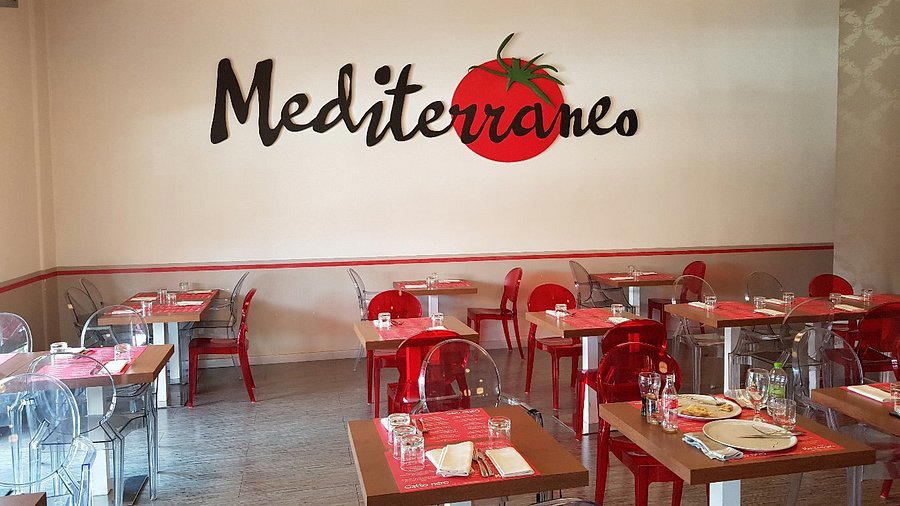
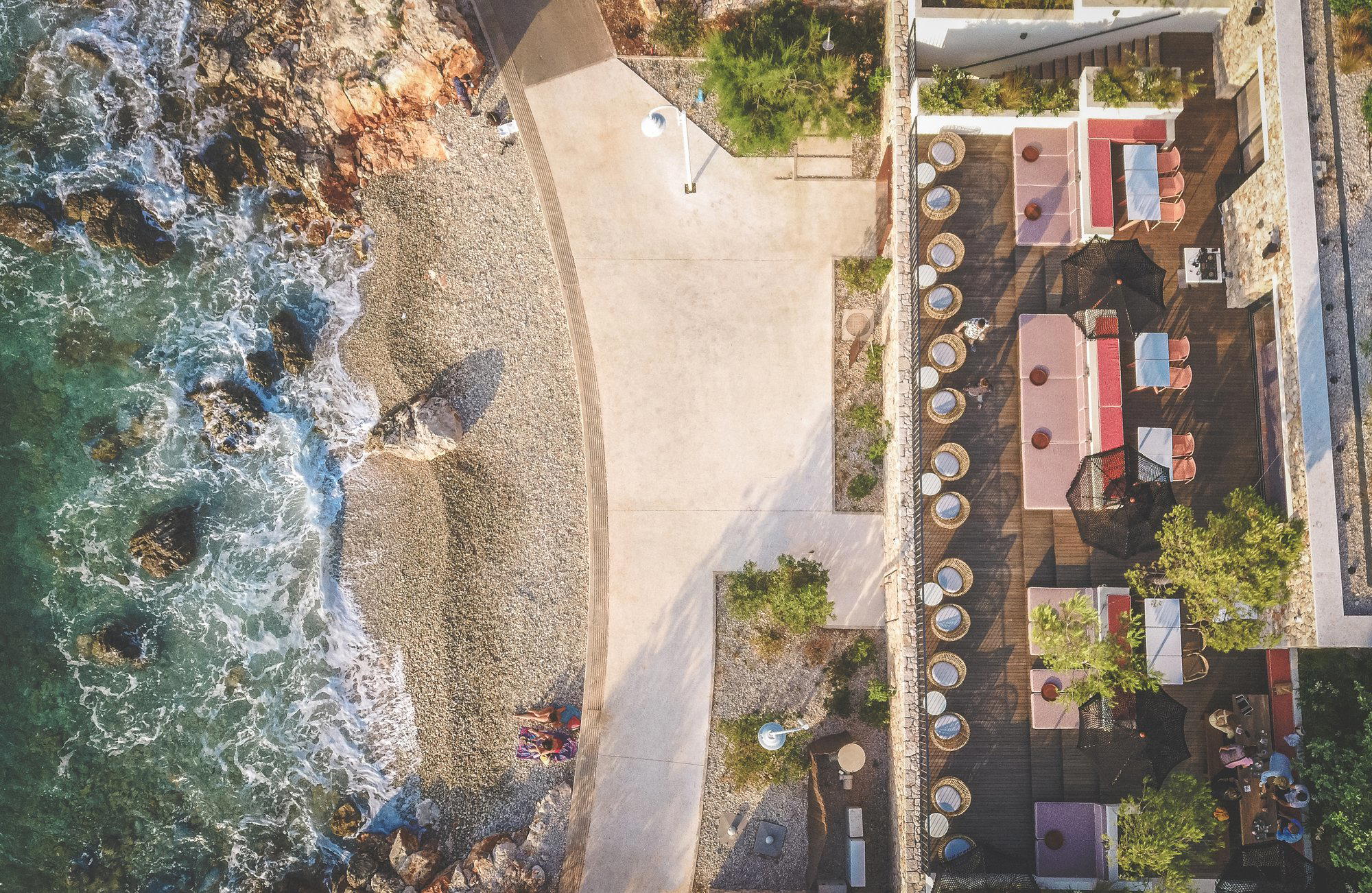
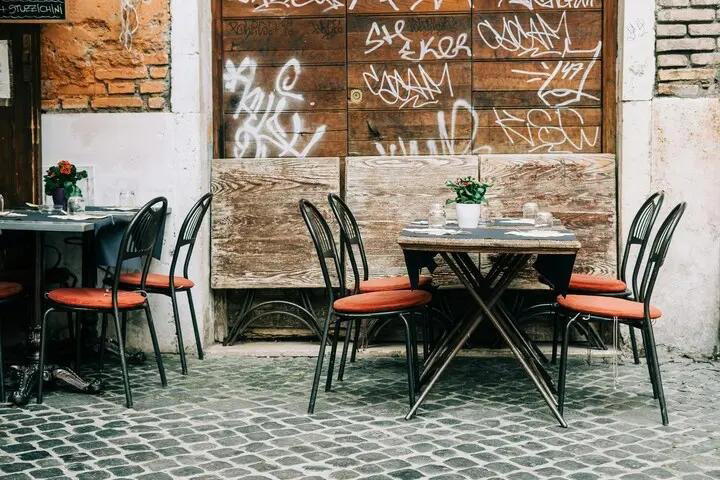
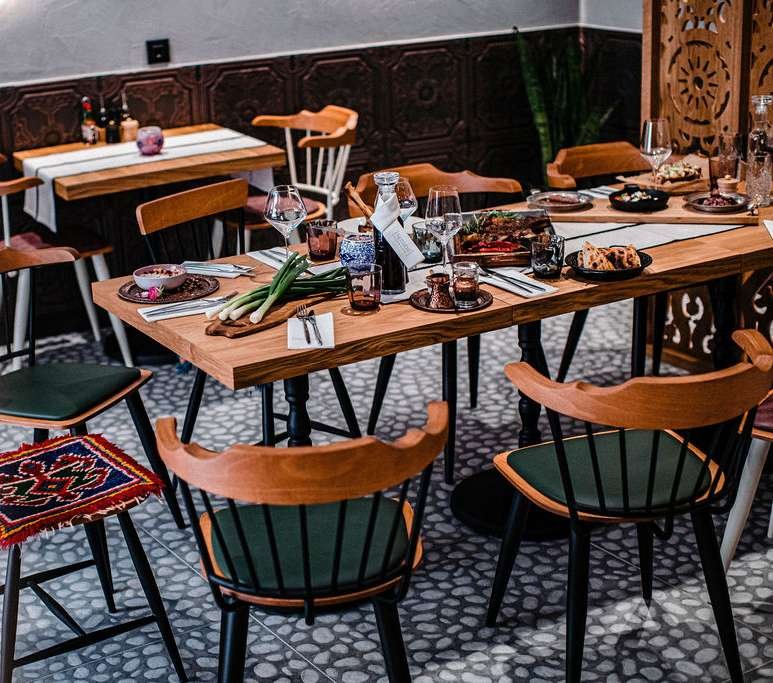
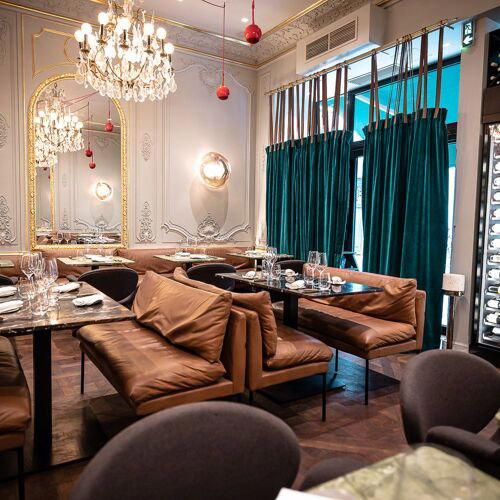
Bars in Hvar
Browse all →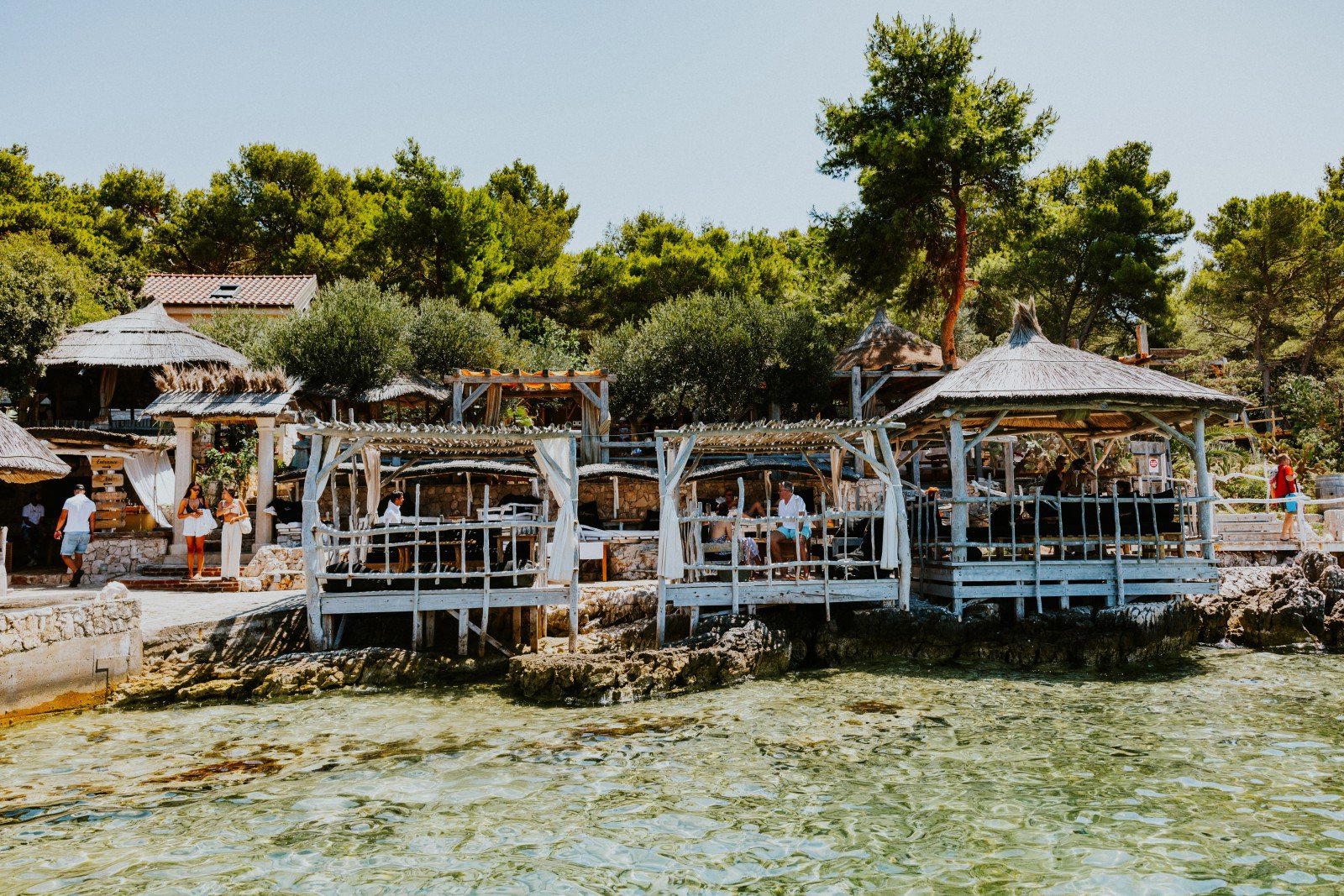
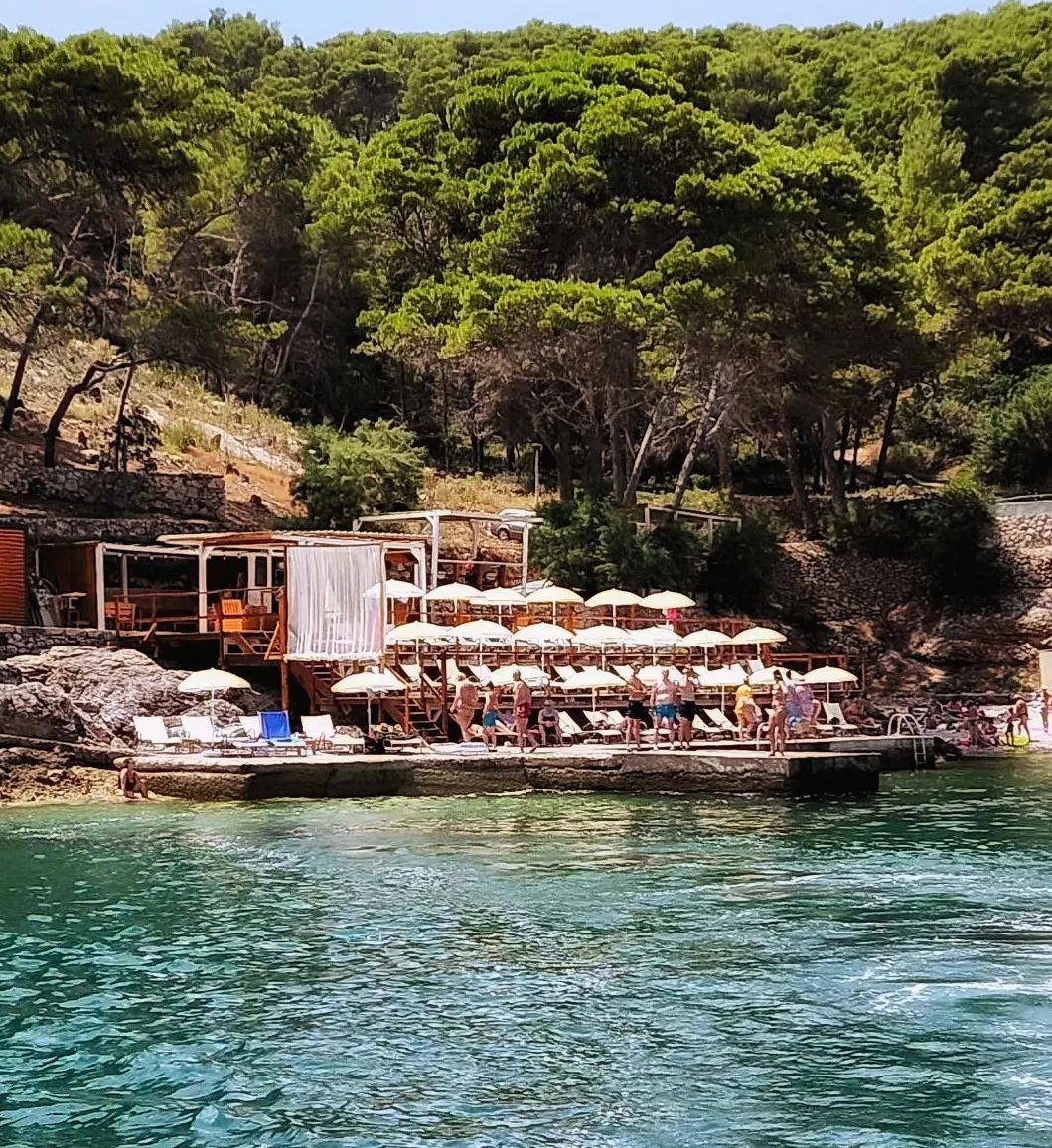
Hotels in Hvar
Browse all →

At a Glance
- Elegant
- Romantic
- Sophisticated
- Scenic
- Date Night
- Special Occasion
- Celebration
- Waterfront
- Terrace
- Live Music
- Extensive Wine List
- Local Sourcing
- Waterfront
Current opening hours
- Monday
- 12 PM–2 AM
- Tuesday
- 12 PM–2 AM
- Wednesday
- 12 PM–2 AM
- Thursday
- 12 PM–2 AM
- Friday
- 12 PM–2 AM
- Saturday
- 12 PM–2 AM
- Sunday
- 12 PM–2 AM
Hours can change for holidays and private events. Last verified .
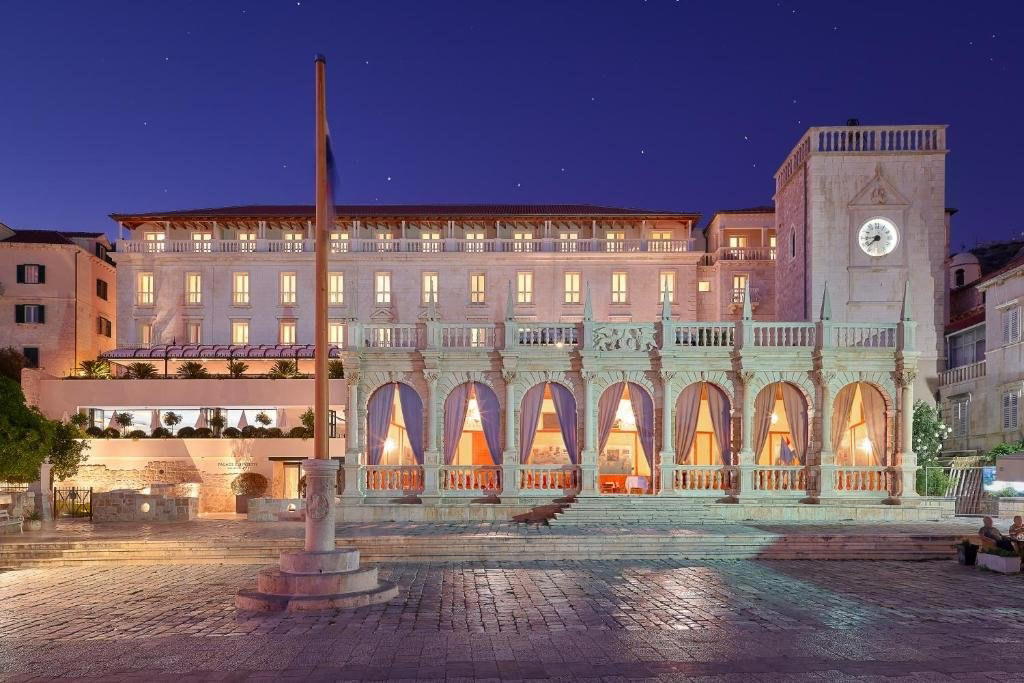
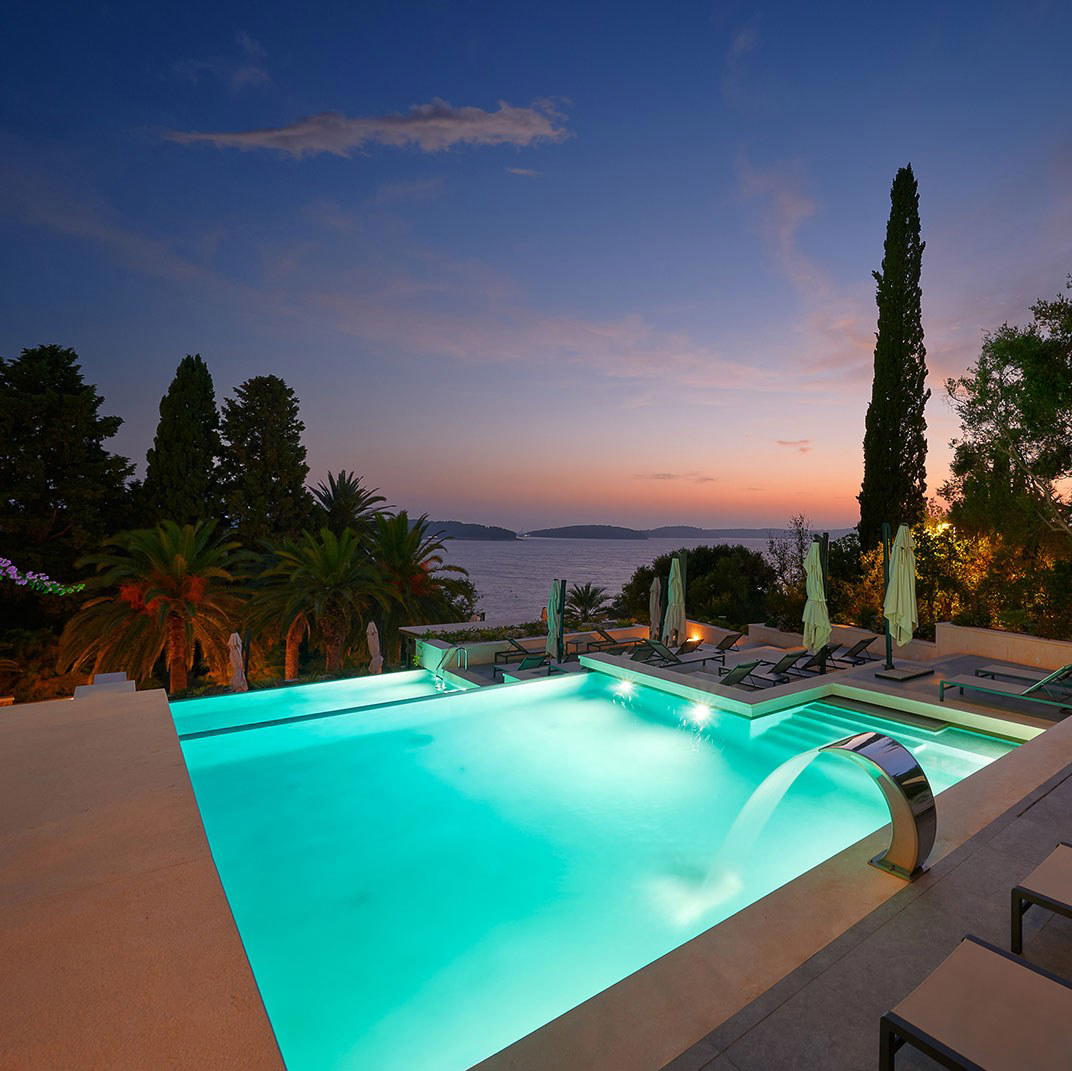
Elegant atmosphere with dramatic sea views, sunset vistas from the terrace, and a refined setting featuring an aquarium floor.