A konoba in the older, quieter quarter of Hvar town, Konoba Maestro operates within the Dalmatian tradition where the menu is short, seasonal, and built around what arrived that morning. The address on Jurja Novaka places it away from the harbour crowds, in the kind of stone-walled lane where cooking tends to be more considered and less theatrical.
Pearl is the En Primeur Club membership app — saves, bookings, and concierge access live there. Same editors, same standards.
- Address
- Jurja Novaka 12, 21450, Hvar, Croatia
- Phone
- +385977013798
- Website
- instagram.com
- Directions
- Get directions
 Saves & bookings on Pearl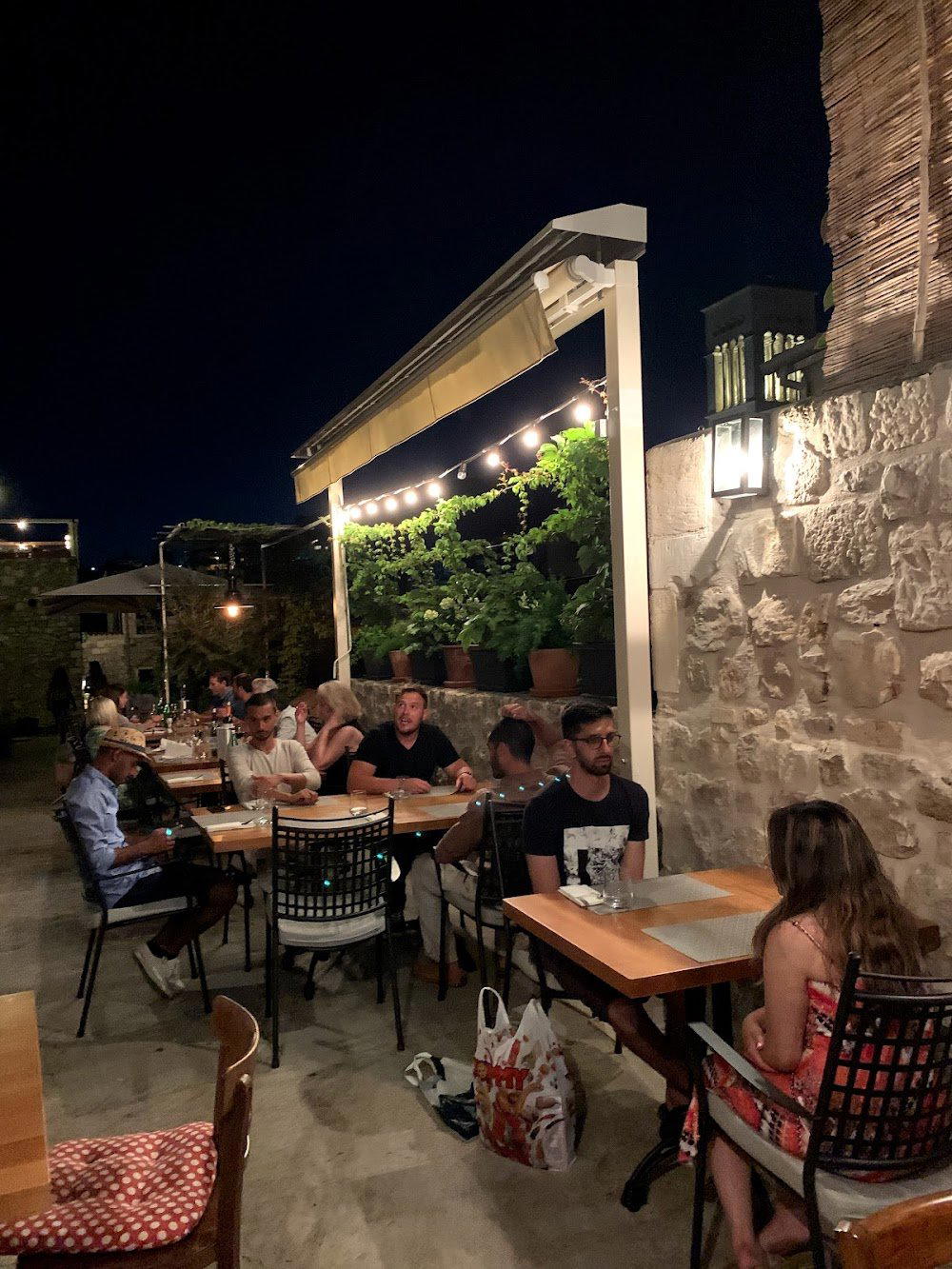
What the Address Tells You Before You Sit Down
In Hvar, geography is editorial. The restaurants that face the main piazza, with their laminated menus and trilingual staff, are optimised for turnover. The ones on the back lanes, the narrow, shade-cooled corridors of the old town that require a little searching, tend to operate on a different logic. Konoba Maestro sits on Jurja Novaka 12, which places it squarely in the second category. The walk from the waterfront takes you past sun-bleached stone walls and shuttered windows, away from the yachts and the aperitivo hour crowds, into the residential grain of the old town. That context matters, because a konoba is not a restaurant in the Italian-French sense: it is a format, a set of expectations, and a set of constraints. The kitchen is usually small. The menu is usually short. The cooking is usually honest. Those are features, not limitations.
The Konoba Format and What It Demands
The konoba tradition across Dalmatia resists the kind of menu architecture that characterises contemporary fine dining. There are no tasting menus with eleven courses, no intermezzo palate cleansers, no printed narratives about the producer behind each ingredient. Instead, the format organises itself around a handful of categories, cold starters, warm starters, grilled fish, meat from the peka, and leaves the work of distinction to execution and sourcing rather than structural complexity. This is a demanding format to do well precisely because there is nowhere to hide. A grilled branzino either arrives properly rested and seasoned, or it does not. A peka of lamb either carries the smoke and slow-cooking depth that the technique requires, or it is merely slow-cooked meat.
This is the tradition in which Konoba Maestro operates, and it is a tradition with considerable depth across the Croatian Adriatic. Venues like Gariful and Dalmatino have built recognisable reputations in Hvar by working within related formats, though each with different emphases on seafood sourcing, setting, and price positioning. Gojava has pursued a more contemporary interpretation of island cooking. Konoba Maestro's positioning on a quieter street suggests a more traditional orientation, which in this context means fewer concessions to tourist-season menus and a tighter, more ingredient-led approach.
Reading the Menu Structure
The konoba menu, at its leading, functions as a record of available ingredients rather than a fixed document. Seasonal produce from the island's interior, fish landed at the small harbour, local olive oil, Dalmatian wine from producers across the Hvar appellation: these are the variables that shape what a kitchen of this type can credibly offer on a given day. The short menu is therefore a signal of discipline. Compare it to longer operations across the island, venues covering fifteen fish preparations and twelve pasta formats, and the discipline becomes clearer. Fewer items means tighter purchasing, fresher product, and more concentrated kitchen attention per dish.
On Hvar specifically, the seasonal rhythm matters considerably. The island's dining scene runs from approximately May through early October, with the summer months of July and August representing peak capacity for almost every kitchen. A venue on a quieter street, away from the main harbour strip, typically draws a more considered visitor during those months, guests who have done some research, who are willing to walk a few minutes off the main drag, and who are less dependent on visual prompts like a menu board facing the water. The practical implication for visitors is that early-season and late-season visits, particularly in June and September, often offer better conditions: shorter waits, more kitchen attention per table, and ingredients at or near their peak.
Hvar's Dining Scene in Context
Hvar has more restaurant coverage per square metre than most comparable island towns in the Adriatic, a function of its popularity with the yacht circuit, the Split ferry connection, and a decade of international travel media attention. The result is a polarised dining market: a cluster of higher-investment operations with terrace views, sophisticated wine lists, and prices that compete with Zagreb's better tables, alongside a smaller number of traditional konobas that operate on lower margins and higher locality. The former tier includes places like Dionis and Antonio - Patak. The restaurant belongs to the latter, which is not a lesser category, it is a different one, with different strengths.
Across Croatia more broadly, critically recognised cooking tends to come from venues that have moved beyond the konoba format toward something more structured: Pelegrini in Sibenik, Agli Amici Rovinj in Rovinj, Nebo by Deni Srdoč in Rijeka, and Restaurant 360 in Dubrovnik all represent a more ambitious register. Further inland, Dubravkin Put in Zagreb and Korak in Jastrebarsko operate within a continental Croatian tradition. Island venues like LD Restaurant in Korčula, Boskinac in Novalja, and Alfred Keller in Mali Losinj occupy a middle position, formally ambitious but geographically rooted. Krug in Split is a useful mainland comparison for the same price tier.
The konoba, by contrast, is not competing with any of those. It is answering a different question: what does good, honest Dalmatian cooking look like when the format is stripped of ambition and returned to its local function? That question has value, particularly for visitors who have already experienced the more formal end of Croatian dining and want to understand what underpins it. For reference points entirely outside the Croatian context, the tightly focused, technique-forward discipline you find at places like Le Bernardin in New York City or the precision of Atomix in New York City points toward what focused kitchen discipline can achieve, the konoba achieves this through restraint rather than elaboration.
Planning Your Visit
The restaurant is on Jurja Novaka 12 in Hvar town. The address is in the old town's quieter upper quarter, reachable on foot from the main harbour square in a few minutes. Walk-in enquiry or a local hotel concierge contact is one reliable route to confirming availability. During peak summer weeks, arriving early, before 7pm, is advisable for a konoba at this scale. The surrounding streets are worth the short walk regardless.
Reputation Context
Comparable venues nearby, for context on price, style, and recognition.
| Venue | Cuisine | Price | Notes |
|---|---|---|---|
| Konoba MaestroThis venue — the venue you are viewing | Traditional Croatian Seafood | $$ | Not listed |
| Grande Luna | Traditional Dalmatian Seafood | $$ | Old Town Hvar |
| Meneghello | Traditional Croatian Seafood | $$$ | Pakleni Islands |
| Dalmatino | Dalmatian Steak & Fish House | $$$ | Hvar town |
| Dionis | Traditional Croatian Mediterranean | $$ | Stari Grad |
| San Marco | Innovative Mediterranean | $$$ | Hvar Town |
Continue exploring
More in Hvar
Restaurants in Hvar
Browse all →
Bars in Hvar
Browse all →
Hotels in Hvar
Browse all →

At a Glance
- Cozy
- Classic
- Rustic
- Intimate
- Date Night
- Casual Hangout
- Family
- Standalone
- Natural Wine
- Sommelier Led
- Local Sourcing
- Street Scene
- Garden
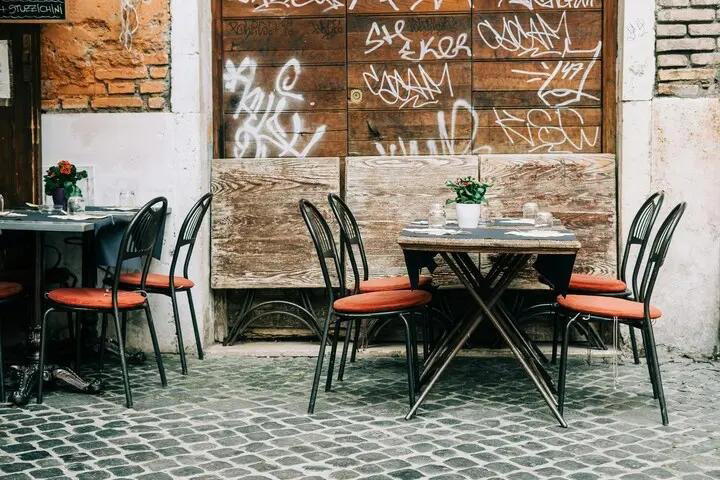
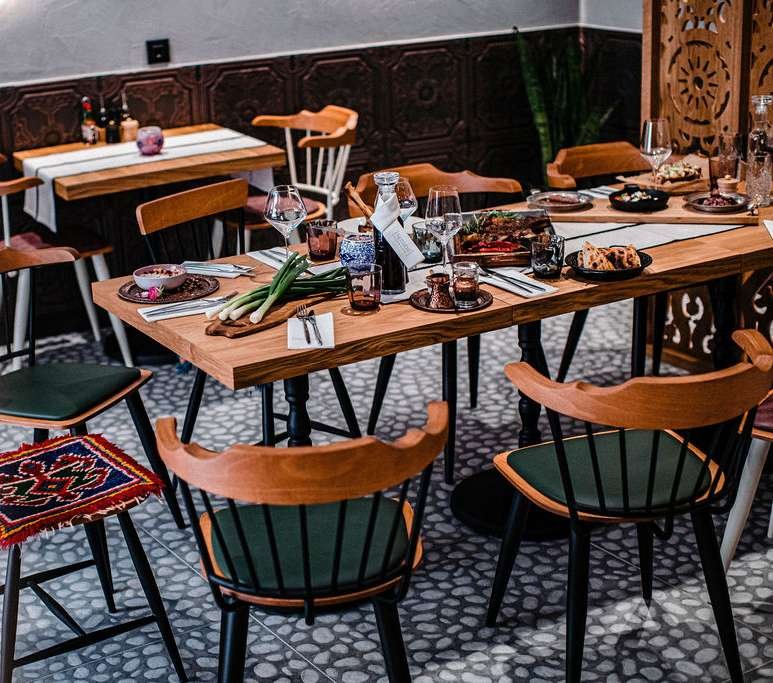
Warm, homely and cozy, with a quintessential old-town Croatian feel.