Dalmatino sits on Sveti Marak in Hvar's old town, operating within a dining tradition rooted in Dalmatian coastal cooking: seafood-led, wine-anchored, and shaped by centuries of Mediterranean exchange. The address places it among Hvar's established restaurant cluster, where the competition includes both harbour-front institutions and quieter inland tables drawing on the same Adriatic larder.
Pearl is the En Primeur Club membership app — saves, bookings, and concierge access live there. Same editors, same standards.
- Address
- Ul. Sveti Marak 1, 21450, Hvar, Croatia
- Website
- dalmatino-hvar.com
- Directions
- Get directions
 Saves & bookings on Pearl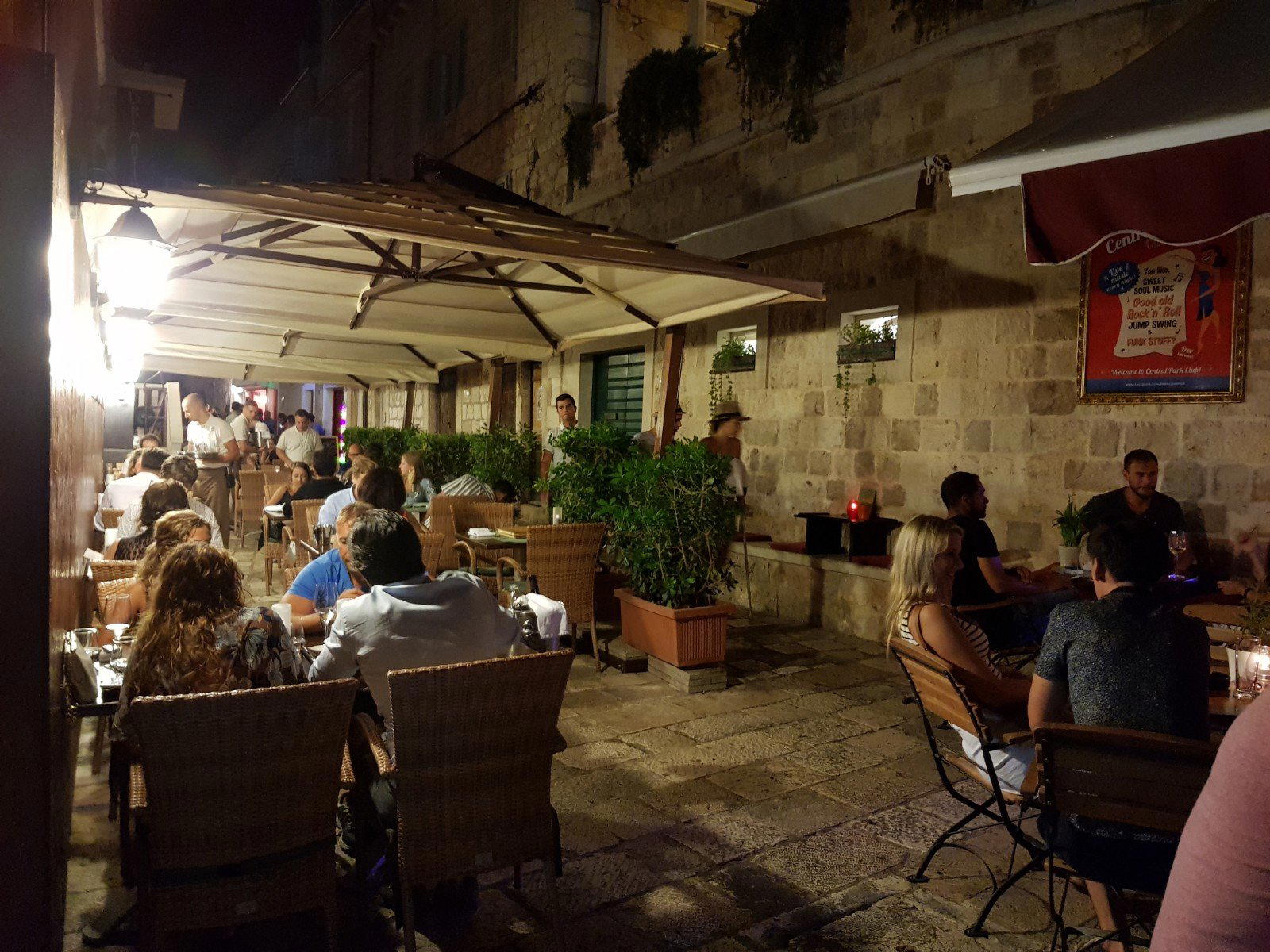
Stone, Salt, and the Dalmatian Table
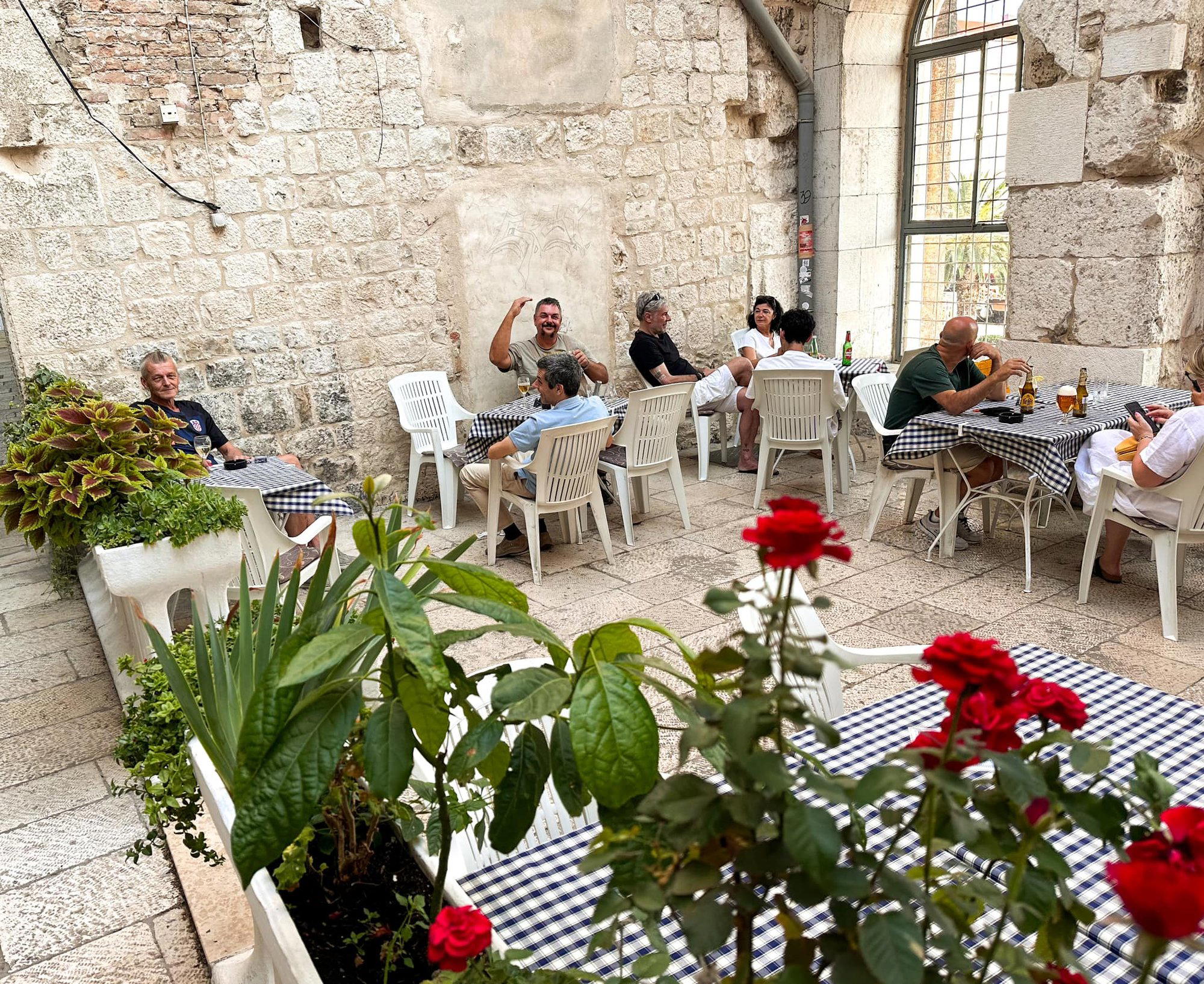
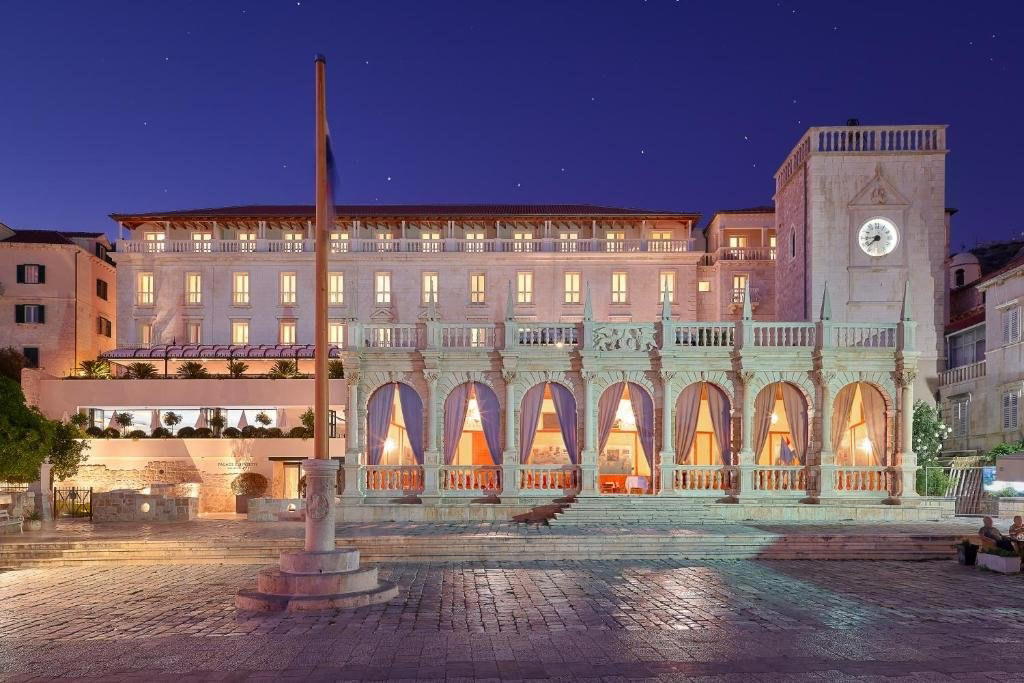
Dalmatino is a restaurant in Hvar, Croatia, serving Dalmatian Steak & Fish House cuisine at Ul. Sveti Marak 1. The streets narrow as you move away from the harbour, the limestone underfoot worn smooth by centuries of foot traffic, and the restaurants that fill the gaps between buildings inherit that same sense of accumulated time. Dalmatino sits on Sveti Marak 1, a short walk from the cathedral square, in a part of town where the evening crowd thins and the tables belong to people who came looking rather than people who wandered in from the waterfront promenade.
That geography matters in Hvar more than it might elsewhere. The island's dining scene has split broadly into two tiers: the harbour-facing establishments that trade heavily on location and foot traffic, and the inland addresses that rely on reputation and word of mouth to fill their seats. Dalmatino operates in that second category, which in practice means it draws a different kind of diner and demands a slightly more deliberate approach to the evening.
What Dalmatian Coastal Cooking Actually Means
The phrase "Dalmatian cuisine" gets applied loosely across the Adriatic coast, but the tradition it points to is specific and historically layered. This is cooking shaped by centuries of Venetian rule, Ottoman proximity, and the practical constraints of island life: a diet built around the sea, preserved by salt and olive oil, and supplemented by whatever the rocky interior could yield. Lamb slow-roasted under a peka, octopus dried in the sun before it reaches the pot, fish grilled over vine cuttings, these are not recent culinary inventions. They are techniques with centuries of continuous practice behind them.
Hvar sits at a particular point in this tradition. The island's climate, among the sunniest in the Adriatic, supports lavender fields and vineyards that feed directly into the local table. Plavac Mali, the indigenous red grape variety dominant along the Dalmatian coast and on the nearby Pelješac peninsula, produces wines with enough structure to sit alongside the assertive flavours of grilled fish and lamb. Any serious table on Hvar is, in effect, a conversation between the island's agriculture and its sea.
Restaurants like Gariful and Grande Luna have made their reputations on the harbour-front version of this tradition, where the spectacle of the boats and the bustle of the port form part of the experience. Dionis and Gojava occupy different registers, leaning into the island's quieter, more considered side. Dalmatino belongs somewhere in this constellation, defined by its old-town position and the expectations that come with an address set back from the water.
The Broader Croatian Fine Dining Picture
To understand where Hvar sits in Croatian dining, it helps to look at what is happening elsewhere along the coast and inland. Croatia's restaurant scene has gained serious international attention over the past decade, driven in part by Michelin's expansion into the country. Agli Amici Rovinj in Rovinj, Pelegrini in Sibenik, and Nebo by Deni Srdoč in Rijeka represent the upper tier of that recognition, while addresses like Alfred Keller in Mali Lošinj, LD Restaurant in Korčula, and Boskinac in Novalja demonstrate that ambitious cooking has spread well beyond the obvious urban centres.
Inland, Korak in Jastrebarsko and Dubravkin Put in Zagreb operate in a different culinary register, rooted in continental Croatian traditions rather than the Adriatic larder. And on the coast, Krug in Split and Restaurant 360 in Dubrovnik have set benchmarks for what serious dining looks like in the larger Dalmatian cities. Hvar, as an island with a compressed tourist season and a concentrated old-town dining district, operates under different pressures than any of these, but it is part of the same broader moment in Croatian hospitality.
For international context, the shift in Croatian fine dining mirrors patterns visible elsewhere: a move from cuisine defined purely by geography toward something more technique-conscious, without abandoning the primary materials that give Dalmatian cooking its identity. The comparison is not to Le Bernardin in New York City or Lazy Bear in San Francisco, but the underlying dynamic, local ingredients meeting trained ambition, reads the same across contexts.
Hvar's Dining Season and What It Means for Planning
Hvar operates on a compressed calendar. The island's restaurant scene runs at full capacity from June through September, with July and August representing the peak of both visitor numbers and kitchen ambition. During these months, tables at the better addresses fill quickly and reservation lead times extend substantially. Outside that window, the island quiets considerably, and many establishments reduce hours or close entirely through the winter months.
That seasonality shapes everything about dining on Hvar: the ingredients available, the pace of service, and the kind of experience a restaurant can realistically deliver. The shoulder months of May and early October offer a different calculus, fewer visitors, more attentive service, and the same fundamental larder, though with some seasonal items at the edge of their availability. Anyone planning a serious dining itinerary on the island would do well to time their reservations accordingly and to book well in advance of an August arrival.
Antonio - Patak is among the Hvar addresses that reflect this seasonal rhythm.
Finding Dalmatino
The address at Sveti Marak 1 places Dalmatino within walking distance of Hvar's main square, in the limestone-paved network of streets that makes up the old town. Hvar town is compact enough that most of its dining options are reachable on foot from the ferry landing, which arrives from Split and the mainland multiple times daily. Reservations are recommended.
Booking and Cost Snapshot
Comparable venues nearby, for context on price, style, and recognition.
| Venue | Cuisine | Price | Awards | Notes |
|---|---|---|---|---|
| DalmatinoThis venue — the venue you are viewing | Hvar town, Dalmatian Steak & Fish House | $$$ | Not listed | Not listed |
| Meneghello | Not listed | $$$ | Not listed | Pakleni Islands, Traditional Croatian Seafood |
| Kod Kapetana | Hvar Town, Traditional Croatian Seafood | $$ | Not listed | Not listed |
| Grande Luna | Not listed | $$ | Not listed | Old Town Hvar, Traditional Dalmatian Seafood |
| Mediterraneo | Not listed | $$$ | Michelin Plate | Hvar Old Town, Modern Mediterranean Fine Dining |
| San Marco | Hvar Town, Innovative Mediterranean | $$$ | Not listed | Not listed |
Continue exploring
More in Hvar
Restaurants in Hvar
Browse all →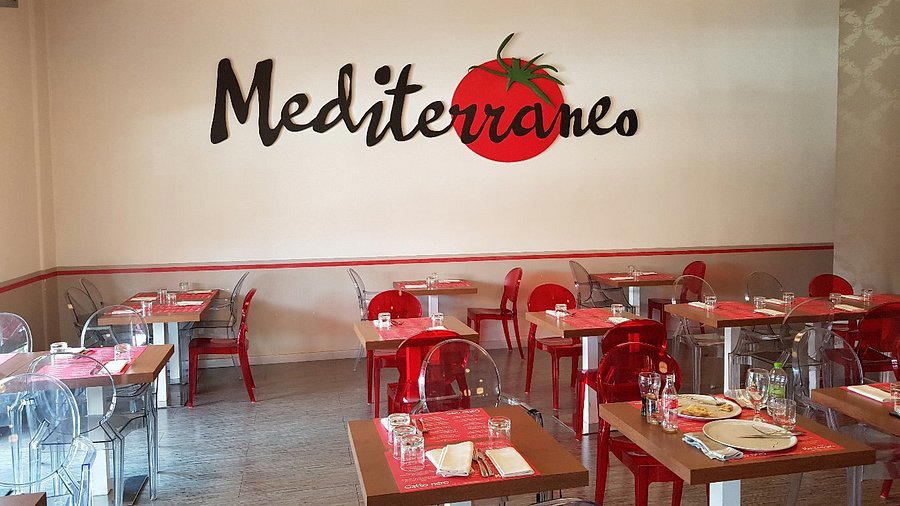
At a Glance
- Rustic
- Cozy
- Elegant
- Group Dining
- Family
- Special Occasion
- Terrace
- Open Kitchen
- Local Sourcing
- Street Scene
Current opening hours
- Monday
- 12–11 PM
- Tuesday
- 12–11 PM
- Wednesday
- 12–11 PM
- Thursday
- 12–11 PM
- Friday
- 12–11 PM
- Saturday
- 12–11 PM
- Sunday
- Closed
Hours can change for holidays and private events. Last verified .
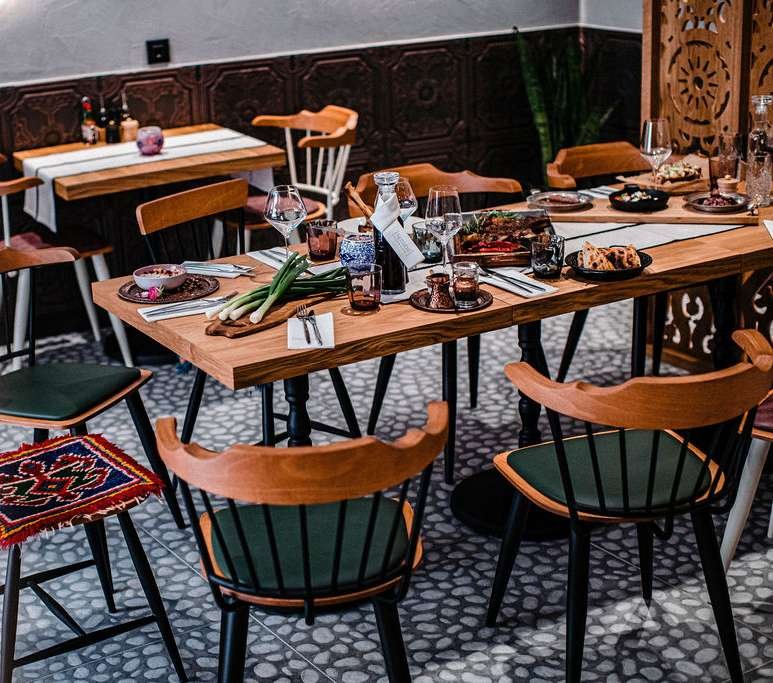
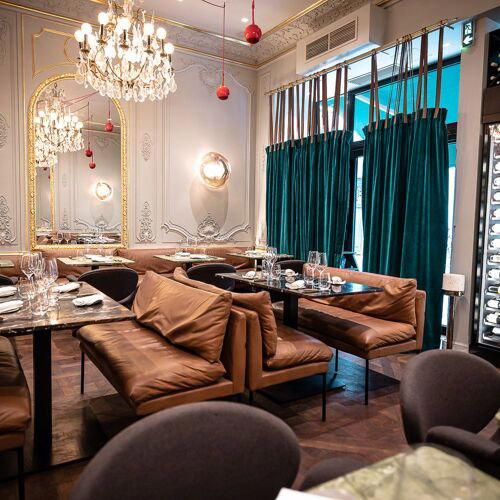
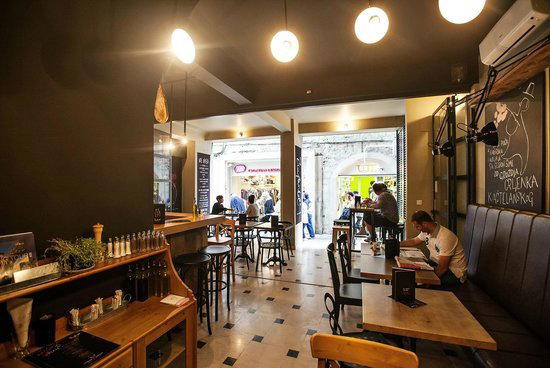
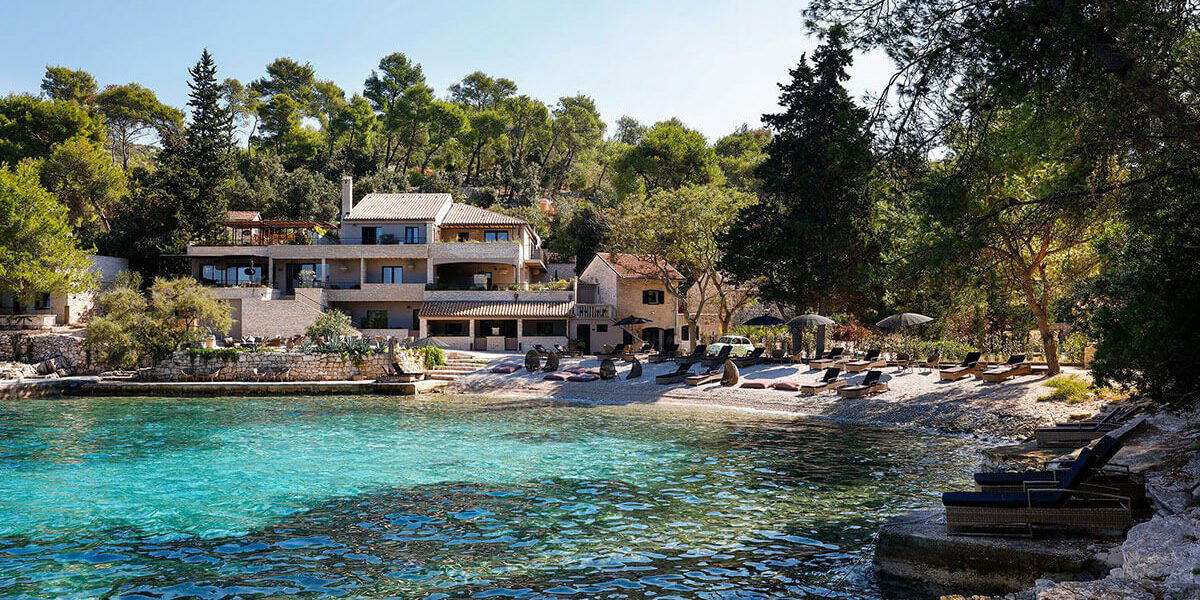
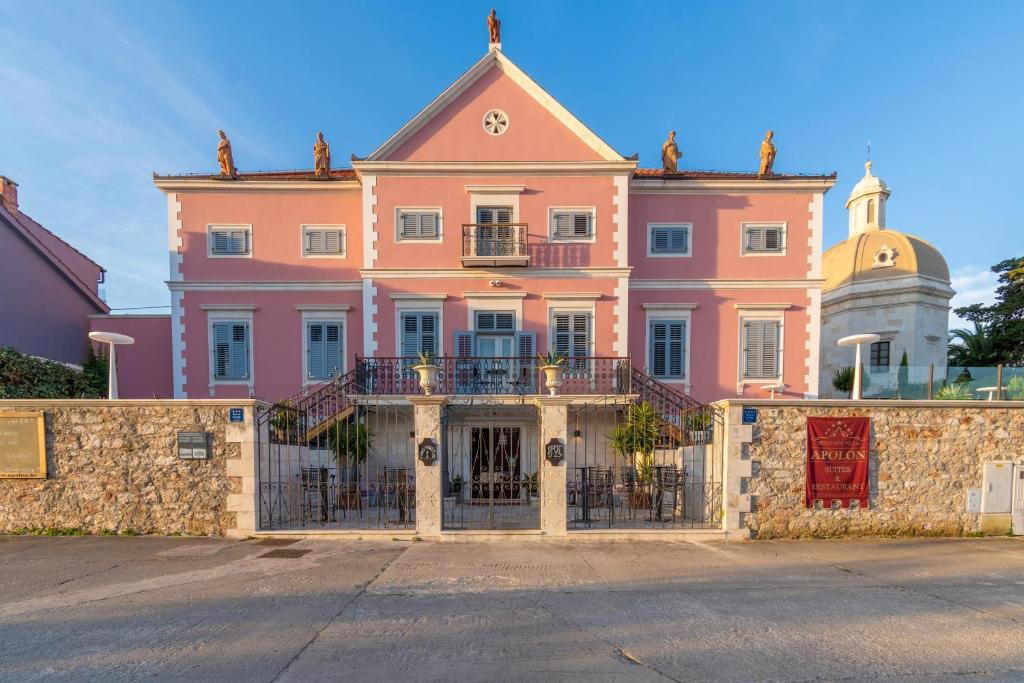
Relaxed yet professional atmosphere with modern interior and candlelit outdoor patio seating under white awnings amid town bustle.