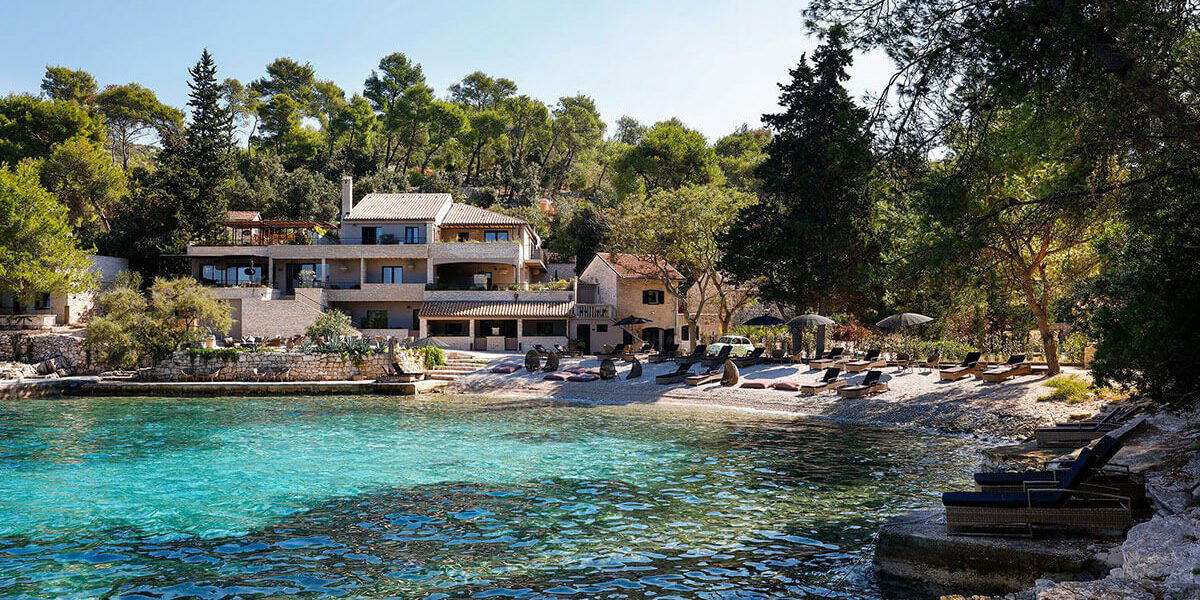
Antonio - Patak sits at Uvala Ždrilca on the Adriatic coast of Hvar, drawing on the island's fishing and agricultural heritage to anchor its approach to Dalmatian cooking. The setting positions it within Hvar's mid-to-upper dining tier, where the sourcing of local seafood and seasonal produce does more editorial work than any formal award. For visitors already planning around the island's table, it belongs on the shortlist alongside the town's stronger-documented alternatives.
 Discover on Pearl
Pearl is the En Primeur Club membership app — saves, bookings, and concierge access live there. Same editors, same standards.
- Address
- Uvala Ždrilca 1, 21450, Hvar, Croatia
- Phone
- +385958649544
- Website
- antoniopatak.com
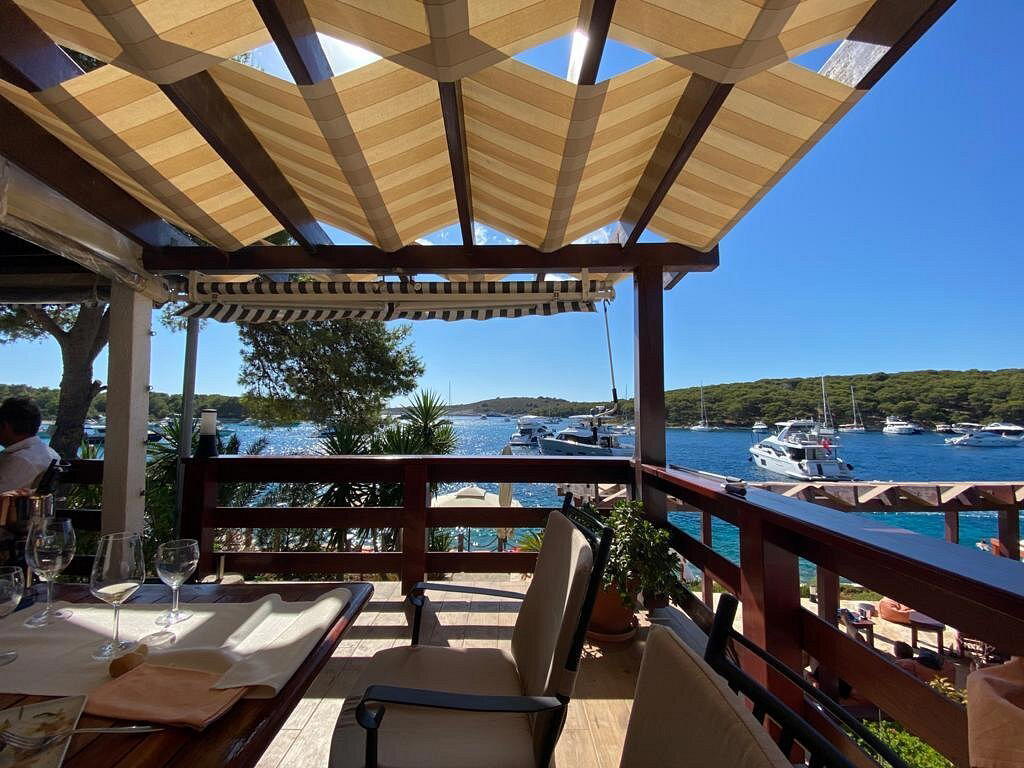
Where the Dalmatian Table Meets the Sea Directly
The approach to Uvala Ždrilca tells you something before the food arrives. This small cove on the island of Hvar sits outside the compressed theatre of Hvar Town's harbour, where the yachts and the celebrity-adjacent nightlife concentrate in summer. At this address, the Adriatic is closer in an operational sense: what arrives on the plate has a shorter distance to travel from the water than at restaurants in the town's central strip. That proximity is not a design choice so much as a geographic condition, and in Dalmatian cooking, geography remains the dominant variable.
Hvar's culinary identity has always been rooted in the interplay between the sea and the island's interior. The Adriatic supplies the protein, the bream, the sea bass, the shellfish, the cephalopods that run through Dalmatian menus from Rijeka to Dubrovnik. But the island's olive groves, its lavender fields, its small herb gardens and its localized winemaking tradition complete the picture. Antonio - Patak at Uvala Ždrilca 1 occupies this structural position: a coastal setting that points the kitchen toward ingredient sources rather than away from them.
Sourcing as the Organizing Principle
Across Croatia's Adriatic dining scene, the restaurants that have earned the most sustained critical attention share a consistent trait: they treat provenance as method rather than marketing. Pelegrini in Sibenik has built its Michelin recognition around Šibenik's agricultural and fishing networks. LD Restaurant in Korčula applies similar logic to the Pelješac peninsula's resources. Alfred Keller in Mali Lošinj draws on the Kvarner gulf's distinct marine environment. In each case, the dining room functions as the endpoint of a supply chain, not simply a place to eat.
Antonio - Patak's position in Uvala Ždrilca places it in the same structural argument. A restaurant at this cove address on Hvar is working with fishermen whose boats move through the same waters that define the island's coastal ecology. The Dalmatian approach to fish has not changed substantially in its essentials: whole fish grilled over wood, simply dressed with local olive oil, accompanied by seasonal greens cooked in their own liquor. What changes from one kitchen to the next is the quality and freshness of the raw material, and on that dimension, proximity to the source matters enormously.
Hvar's interior adds a secondary sourcing layer that distinguishes island cooking from its mainland equivalents. The island's limestone terrain produces olives with a mineral sharpness that differs from the broader Dalmatian average, and its micro-climate supports grape varieties tied to the island rather than the region. A kitchen working these ingredients properly is already doing something geographically specific, regardless of format or ambition level.
Hvar's Dining Tier and Where This Fits
Hvar Town concentrates the island's better-documented restaurants within walking distance of the main square and harbour. Dalmatino and Dionis operate with established reputations in the town's central dining zone. Gariful, positioned on the waterfront, draws the harbour crowd with its fish and shellfish offer. Grande Luna and Gojava occupy adjacent parts of the same competitive set. These venues share an audience that arrives primarily by sea in high summer, with the booking pressure and pricing that follows.
A restaurant in Uvala Ždrilca operates slightly outside this cluster. The cove location suggests a different rhythm from the harbour strip: quieter access, a more deliberate journey for the diner, and less dependence on the walk-in traffic that moves through the main square after dark in July and August. For a segment of Hvar's summer visitors, that distance from the centre is the point. Croatia's broader Adriatic circuit includes venues that have built their identity specifically around the effort required to reach them. Boskinac in Novalja on Pag is the most cited example of this model at work.
Within Croatia more broadly, the Dalmatian coast sits in a culinary conversation that extends to Agli Amici Rovinj in Rovinj in the north and Restaurant 360 in Dubrovnik in the south, each of which has formalized its sourcing credentials through awards and critical documentation. Hvar's mid-tier operates below that formal recognition tier but serves an audience that has often already experienced the higher-documented end of the Dalmatian table.
Planning a Visit to Uvala Ždrilca
Hvar's high season runs from late June through August, when the island's population expands sharply and table availability at any waterfront address compresses accordingly. Visitors arriving in this window should contact the restaurant directly to confirm access, as cove locations on Hvar can be reached by water taxi from the main harbour as well as by road. The shoulder months of May, early June, and September offer the same ingredient quality with significantly less competition for tables and more comfortable conditions for a long lunch.
For context on what Croatian coastal cooking can achieve at its most formally recognized, the work at Nebo by Deni Srdoč in Rijeka and the attention directed at Korak in Jastrebarsko illustrate the ceiling of the national dining conversation. Antonio - Patak does not operate in that formal tier, but the Adriatic's sourcing conditions are consistent enough that a kitchen working seriously with Hvar's marine and agricultural resources is working with genuinely strong raw material.
Side-by-Side Snapshot
Comparable venues nearby, for context on price, style, and recognition.
| Venue | Cuisine | Price | Awards | Notes |
|---|---|---|---|---|
| Antonio - PatakThis venue — the venue you are viewing | Traditional Croatian Seafood | $$$ | , | |
| Gariful | Luxury Croatian Seafood | $$$$ | , | Hvar Town |
| Dionis | Traditional Croatian Mediterranean | $$ | , | Stari Grad |
| Konoba Maestro | Traditional Croatian Seafood | $$ | , | Hvar Town |
| KOGO | Italian Pizza & Pasta with Croatian Influences | $$ | , | Hvar town |
| Štajun | Seasonal Mediterranean Seafood | $$$ | , | Hvar Old Town |
Continue exploring
More in Hvar
Restaurants in Hvar
Browse all →
At a Glance
- Scenic
- Rustic
- Intimate
- Family
- Group Dining
- Special Occasion
- Waterfront
- Terrace
- Local Sourcing
- Waterfront
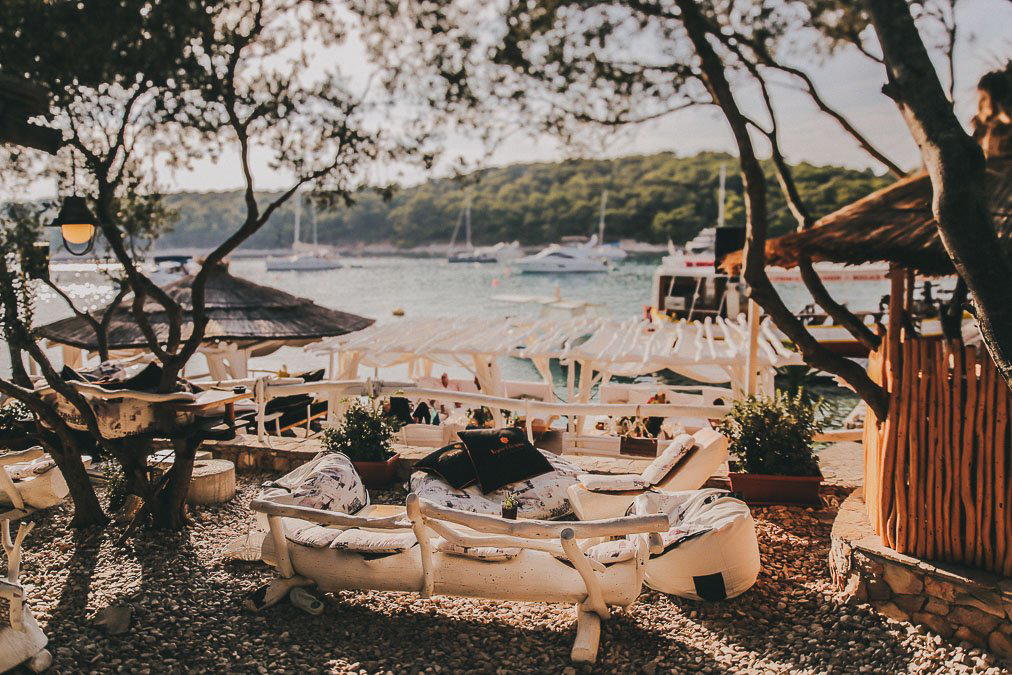
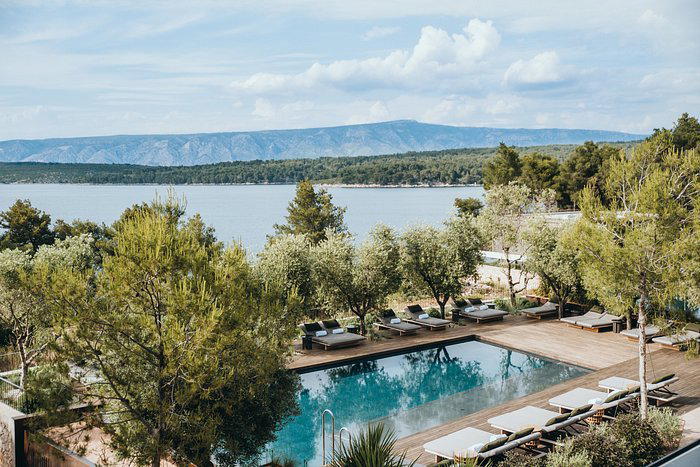
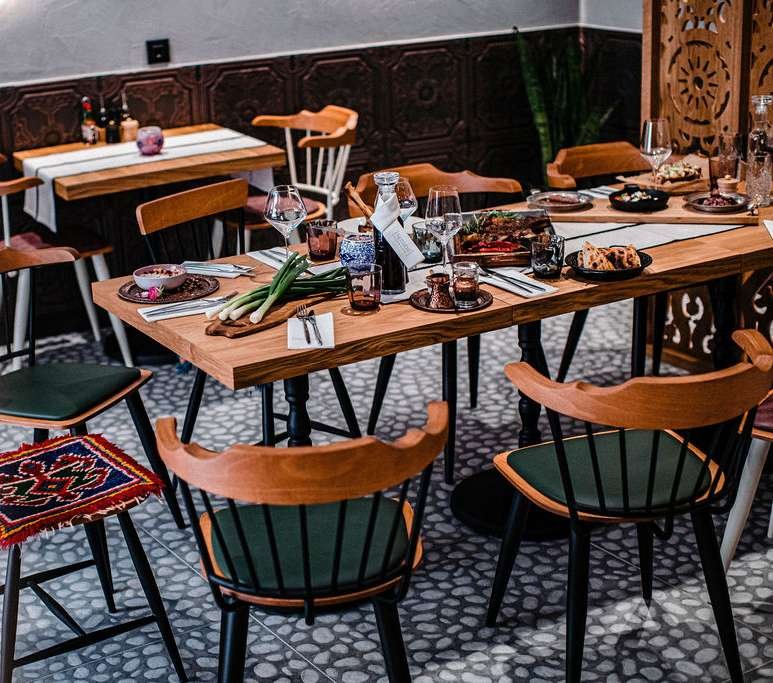
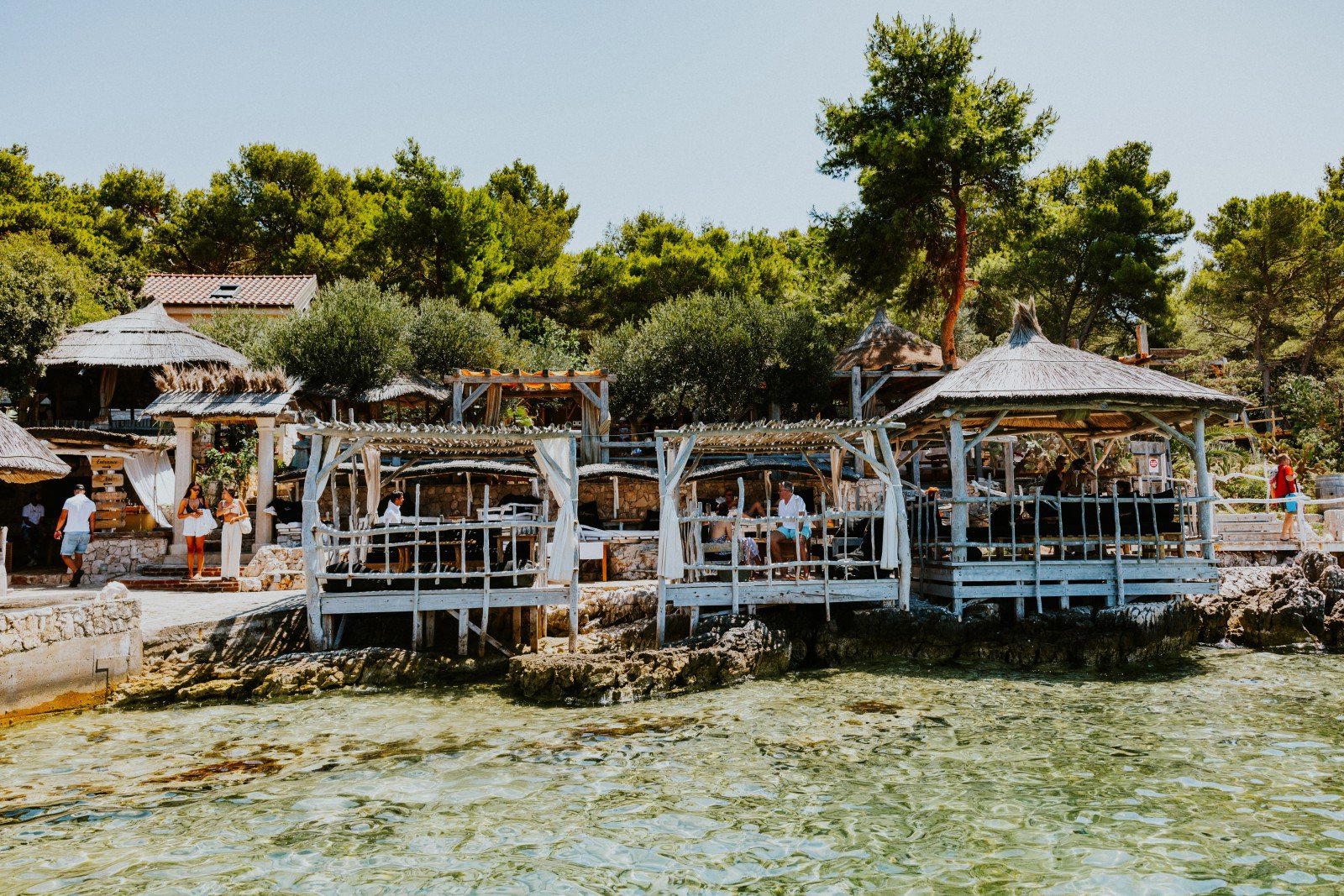
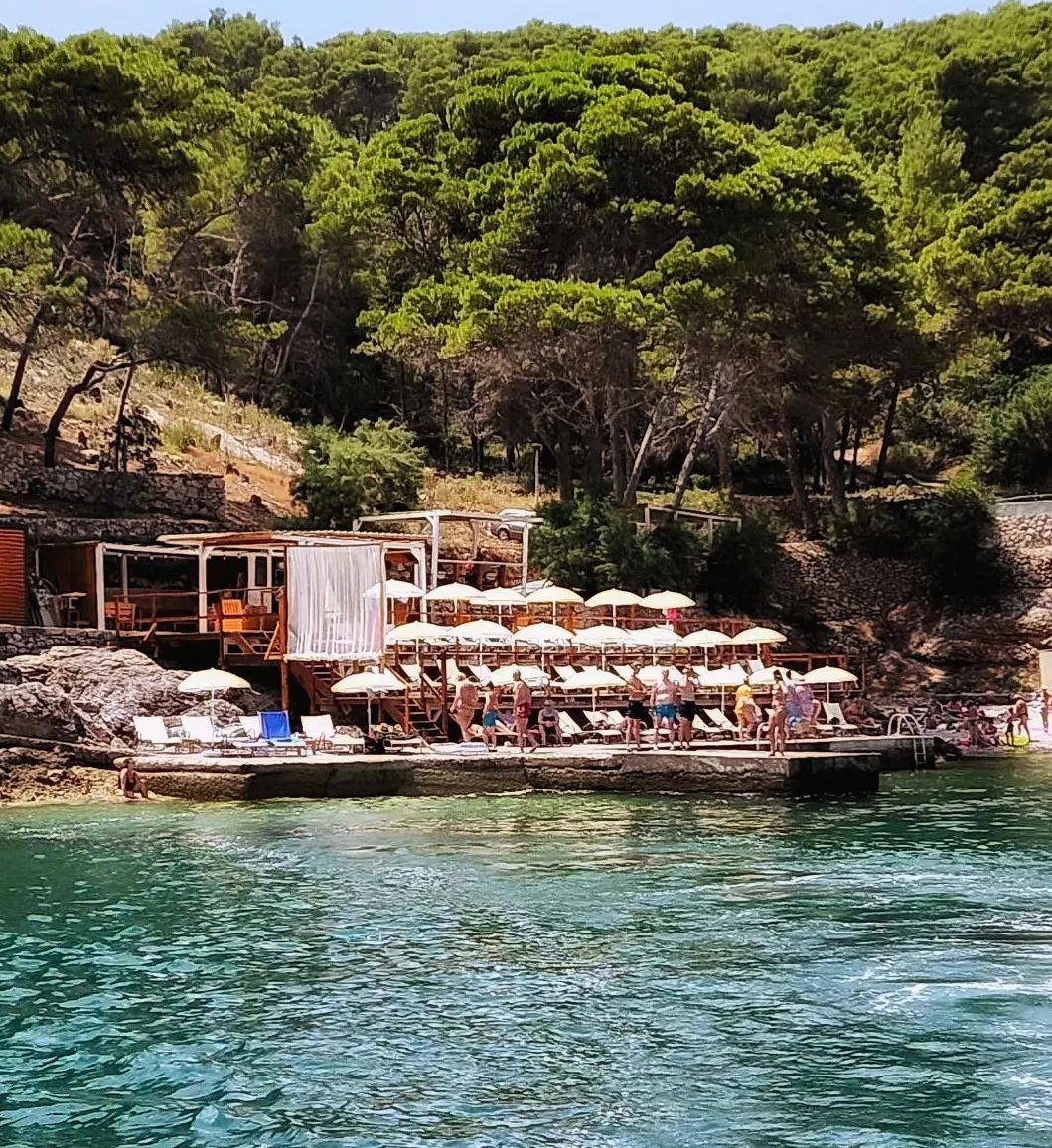
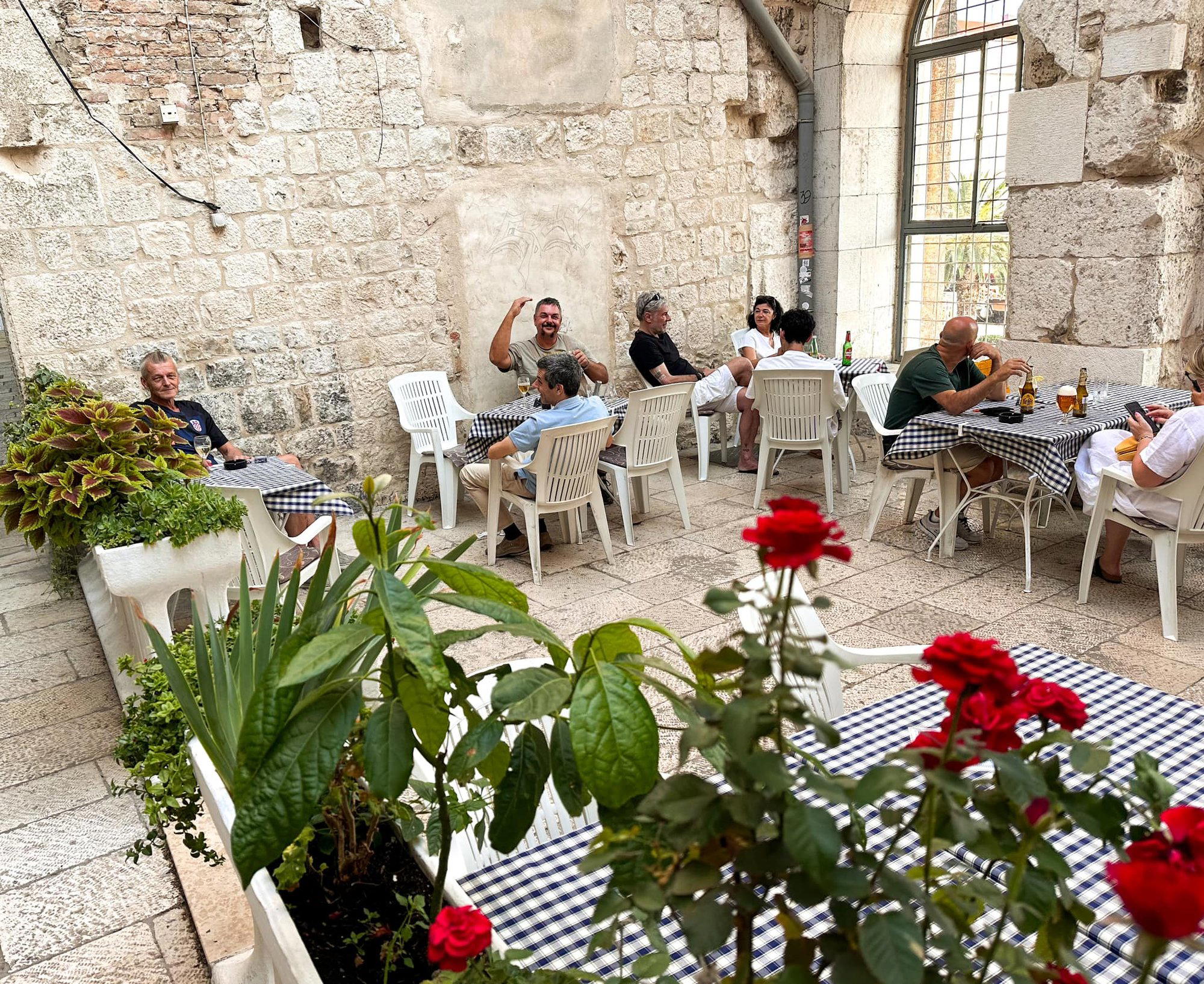
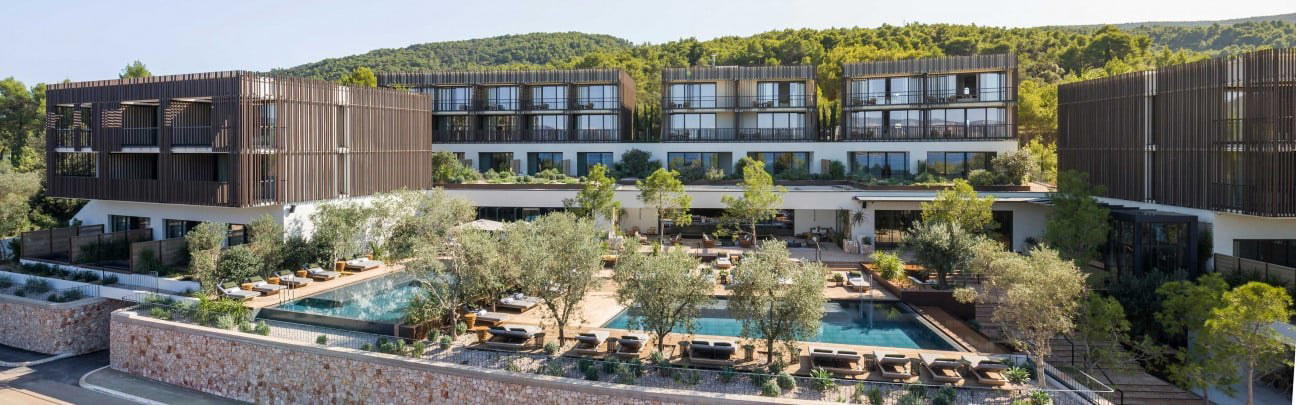
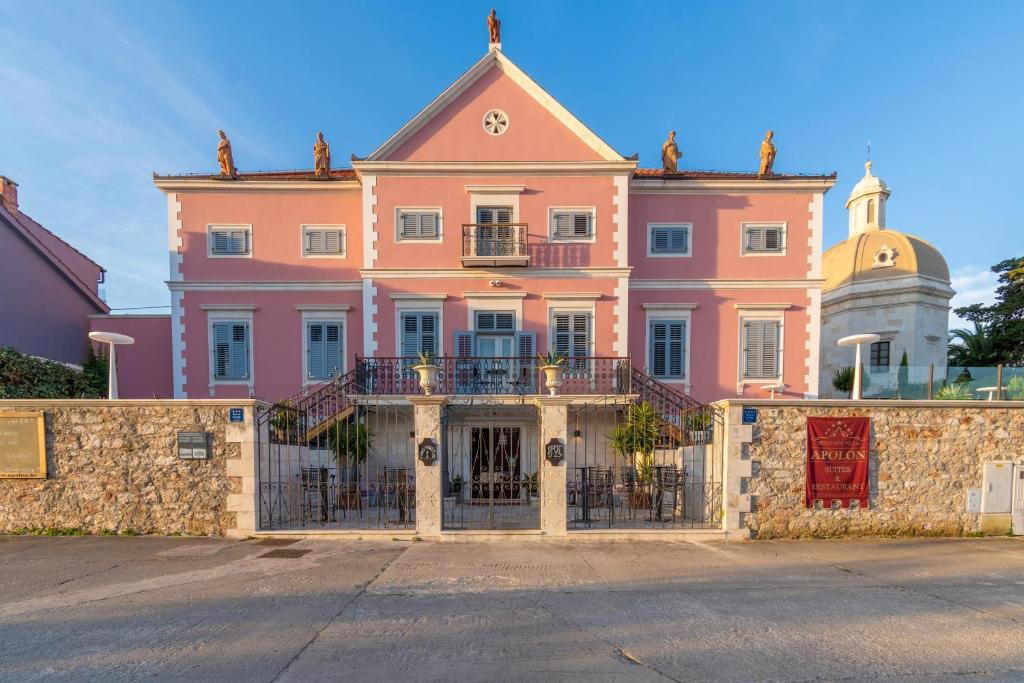
Relaxed terrace by crystal-clear sea with scenic views, offering a tranquil yet charming atmosphere.