Stori Komin serves Traditional Dalmatian Peka at 16, Malo Grablje, with natural wine, quiet pacing, and mountain and street-scene views.
Pearl is the En Primeur Club membership app — saves, bookings, and concierge access live there. Same editors, same standards.
- Address
- 16, Malo Grablje, Croatia
- Phone
- +385915276408
- Directions
- Get directions
 Saves & bookings on Pearl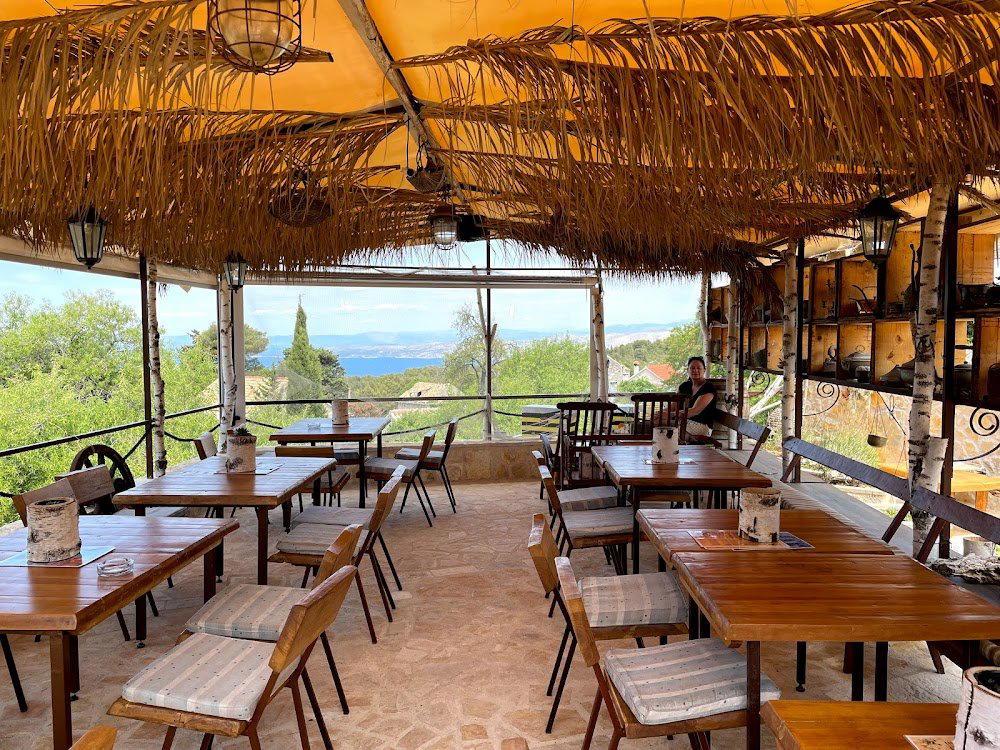
A Village Frozen in the Sixteenth Century
Stori Komin is a restaurant in Malo Grablje, Croatia, serving Traditional Dalmatian Peka at about $25 per person. Malo Grablje was depopulated in the mid-twentieth century when its residents relocated to the coast; today a handful of buildings have been quietly restored, and among them sits Stori Komin, operating within stone walls that have stood for centuries. The approach alone resets expectations: there is no harbour view, no marina backdrop, no tourist-row energy. What you find instead is silence, dry scrubland, and the particular quality of light that the Dalmatian interior holds at midday and again at dusk.
What Dalmatian Inland Dining Actually Looks Like
Croatia's Adriatic coast has built its dining reputation on seafood, and for good reason: the Adriatic supply chain feeds tables from Rovinj to Dubrovnik with a consistency that few Mediterranean regions match. But a separate tradition runs parallel to it, rooted in the island and mountain interiors, where lamb slow-cooked under a peka, foraged herbs, and preserved vegetables have always been the organising logic. Stori Komin sits squarely inside that inland tradition rather than the coastal one. The name itself gestures at this: translated loosely, it references the old hearth, the central fireplace that historically defined domestic Dalmatian cooking. For context, this positions the kitchen apart from harbourside venues like Gariful or Gojava.
Across Croatia, other restaurants working in this inland register include Boskinac in Novalja on Pag island and Korak in Jastrebarsko. The restaurant occupies an analogous position on Hvar: a place where the interior of the island rather than its waterline is the organising principle.
The Logic of a Restored Setting
Dining in a partly restored stone village is a format that carries its own set of editorial questions. Settings that lean on historical atmosphere risk letting the surroundings do the work that the food should be doing. The strongest versions of this format are those where the physical context and the cooking reinforce the same argument: that a specific place has a distinct food culture. At the restaurant, the stone walls and the old-hearth cooking method are not decorative. The peka technique, which involves slow-cooking meat and vegetables beneath an ember-covered bell, requires time, attentiveness, and an understanding of fire management that no amount of kitchen technology can shortcut. It is a genuinely labour-intensive approach, and the setting makes that legibility immediate.
For Hvar visitors accustomed to the more visible theatrics of open-water dining, this requires a small recalibration. The experience here is quieter, more deliberate. The service operates in a register that matches the surroundings: attentive rather than performative, rooted rather than polished. This kind of front-of-house approach, where the team's knowledge of local ingredients and local production shapes the hospitality, is something that operations like Dalmatino and Dionis handle in their own distinct ways within Hvar town proper. The restaurant's version of that hospitality is shaped by its location: off the tourist circuit, in a place you have to choose to go to.
Where Stori Komin Sits in the Hvar Picture
Hvar's dining scene has split over the past decade along predictable lines. The harbour-front and old-town restaurants, including Antonio - Patak, draw from a broad international visitor base and price accordingly. A second tier operates in the island's villages and interior, serving a more locally anchored menu to visitors who make the deliberate decision to leave the coast. The restaurant belongs to this second group, and that positioning matters for managing expectations. You are not arriving at a technically ambitious tasting-menu operation of the kind you might associate with Pelegrini in Sibenik, LD Restaurant in Korčula, or, further along the Adriatic, Agli Amici in Rovinj. You are arriving at a place that has made a different set of editorial decisions: depth over range, specificity over breadth, place over ambition in the conventional fine-dining sense.
That distinction does not make the restaurant lesser. It makes it a different kind of argument. Croatia's most interesting inland restaurants, from Dubravkin Put in Zagreb to Nebo by Deni Srdoč in Rijeka, have demonstrated that restraint in format can coexist with seriousness of intent. The restaurant makes a version of that case from a specific patch of limestone island.
Planning Your Visit
Malo Grablje is accessible by foot via a marked trail from Milna on Hvar's south coast, or by car on a road that requires patience more than technical skill. The drive from Hvar town takes roughly fifteen minutes but covers terrain that rewards going slowly. Arriving without prior contact during peak summer months, July and August in particular, carries real risk. Confirming arrangements before arrival is practical rather than optional. The summer season on Hvar runs from June through September; the island is substantially quieter in May and October, when the interior venues tend to have more availability and the light over the limestone hills is at its most interesting.
Price and Recognition
Comparable venues nearby, for context on price, style, and recognition.
| Venue | Cuisine | Price | Notes |
|---|---|---|---|
| Stori KominThis venue — the venue you are viewing | Malo Grablje, Traditional Dalmatian Peka | $$ | Not listed |
| Dionis | Not listed | $$ | Stari Grad, Traditional Croatian Mediterranean |
| Dalmatino | Hvar town, Dalmatian Steak & Fish House | $$$ | Not listed |
| San Marco | Hvar Town, Innovative Mediterranean | $$$ | Not listed |
| Štajun | Not listed | $$$ | Hvar Old Town, Seasonal Mediterranean Seafood |
| Grande Luna | Not listed | $$ | Old Town Hvar, Traditional Dalmatian Seafood |
Continue exploring
More in Hvar
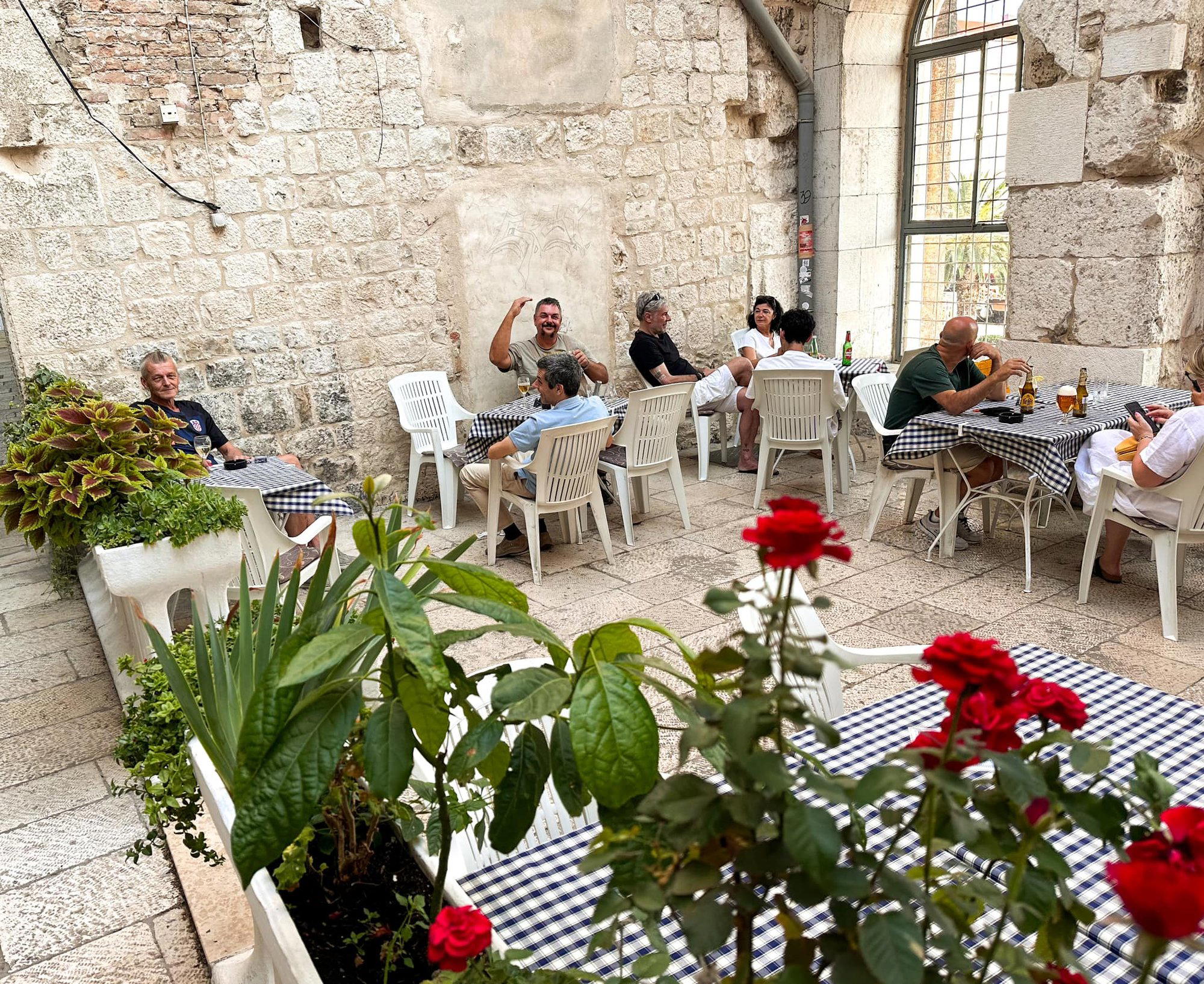
Restaurants in Hvar
Browse all →
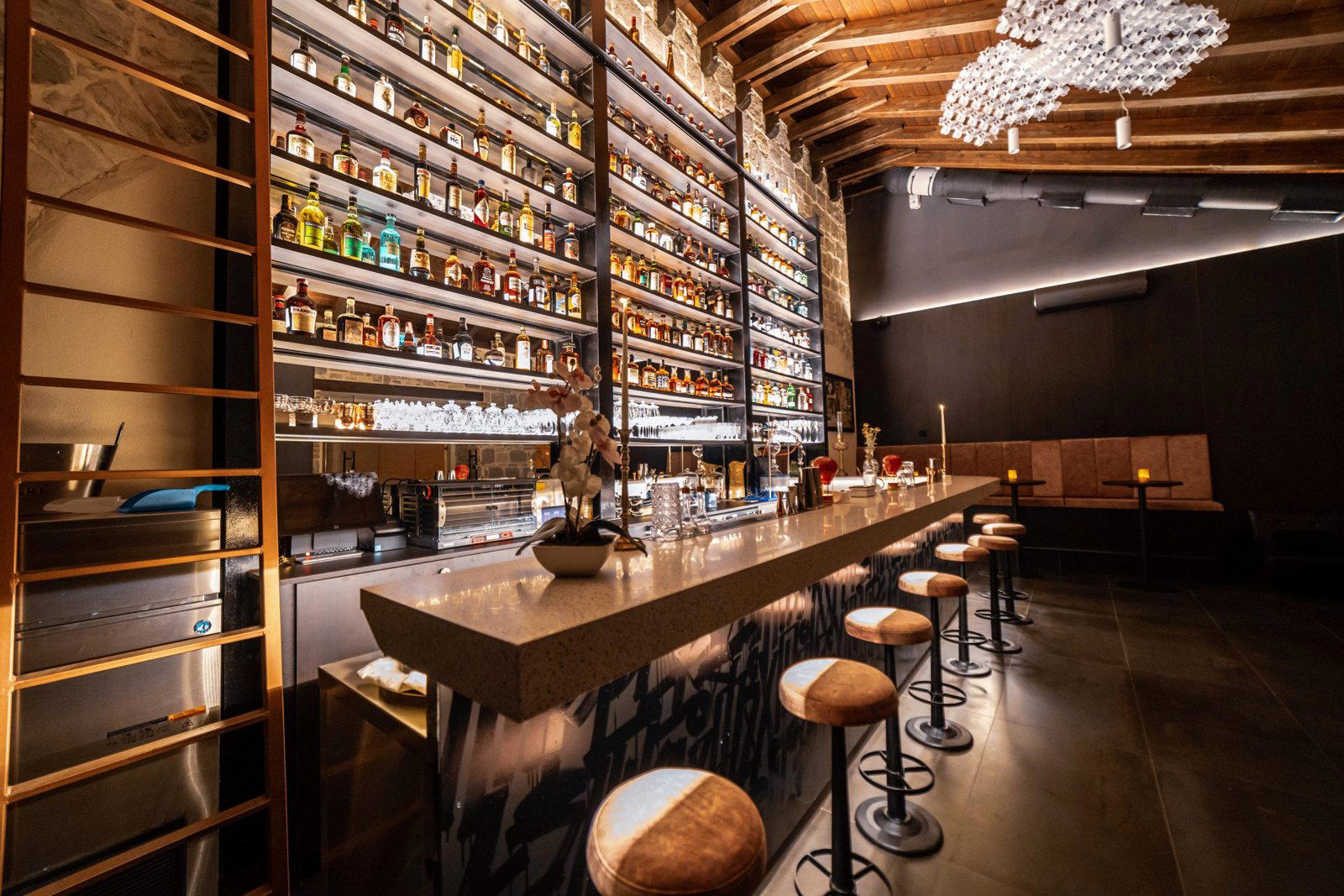
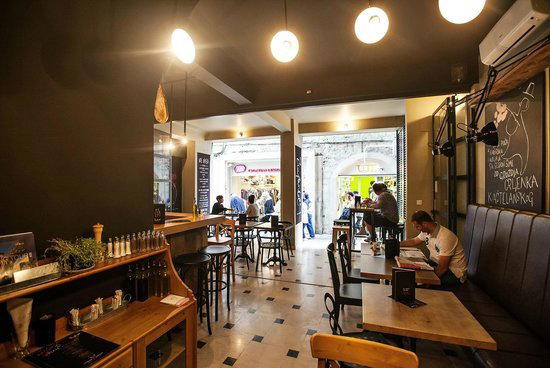
Bars in Hvar
Browse all →
Hotels in Hvar
Browse all →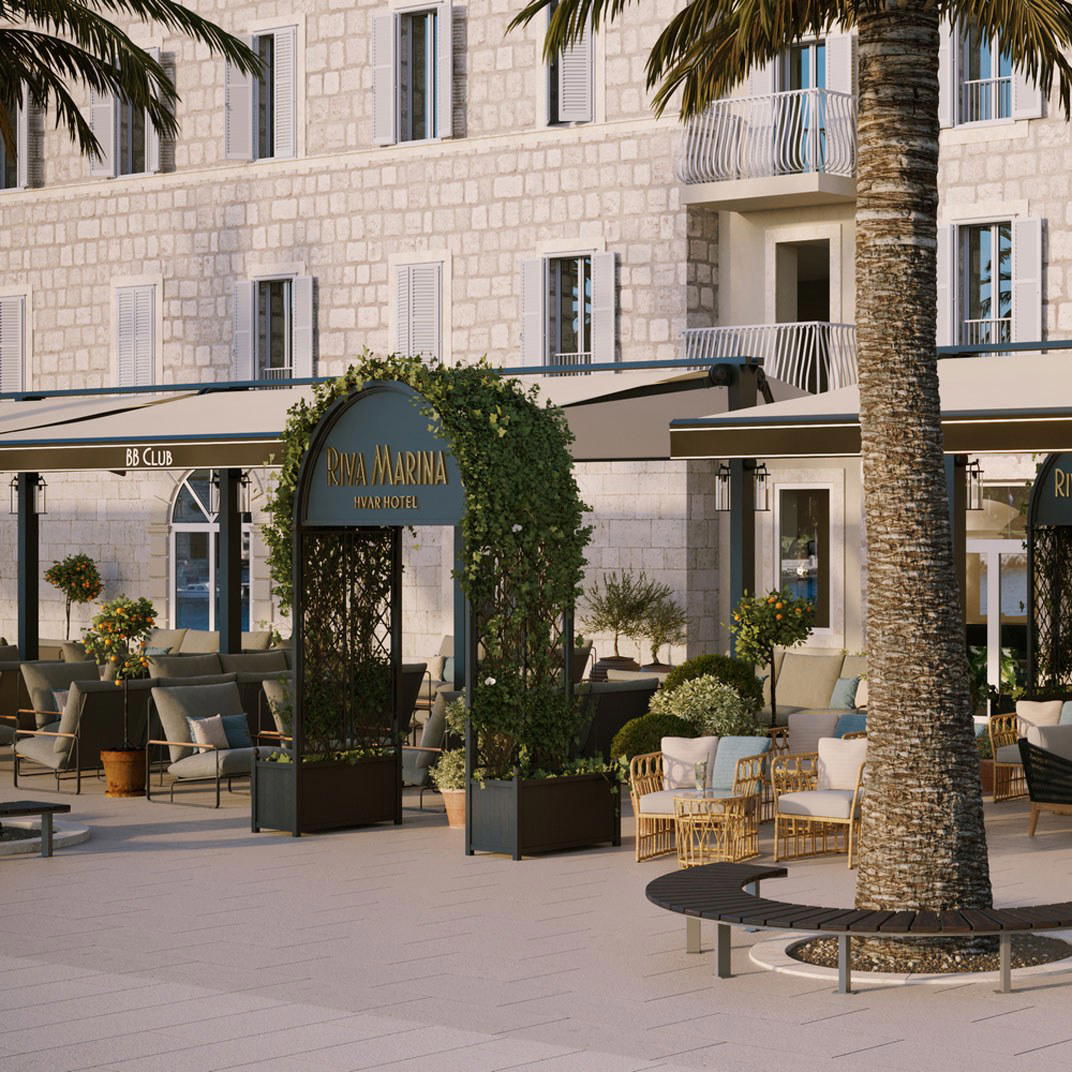

At a Glance
- Rustic
- Cozy
- Intimate
- Scenic
- Family
- Celebration
- Special Occasion
- Historic Building
- Natural Wine
- Local Sourcing
- Mountain
- Street Scene
Current opening hours
- Monday
- 6–10:30 PM
- Tuesday
- 6–10:30 PM
- Wednesday
- 6–10:30 PM
- Thursday
- 6–10:30 PM
- Friday
- 6–10:30 PM
- Saturday
- 6–10:30 PM
- Sunday
- Closed
Hours can change for holidays and private events. Last verified .
Cozy, homey atmosphere in a historic stone setting amidst olive trees and ruins.