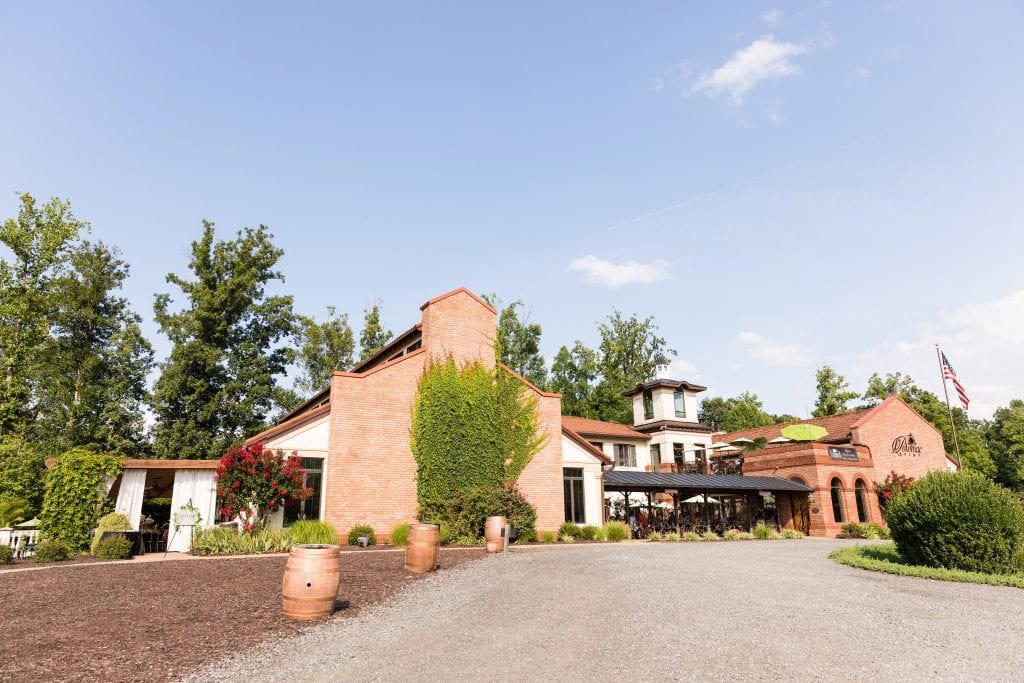
Kith/Kin
Our verdict
Kith/Kin sits on the Washington Wharf waterfront in Southwest D.C., bringing an Afro-Caribbean lens to a dining neighborhood that has matured significantly since the Wharf's 2017 opening. The kitchen draws on ingredient traditions rooted in the African diaspora, positioning it within a wider D.C. scene that has grown increasingly interested in cooking with documented cultural depth rather than vague fusion gestures.
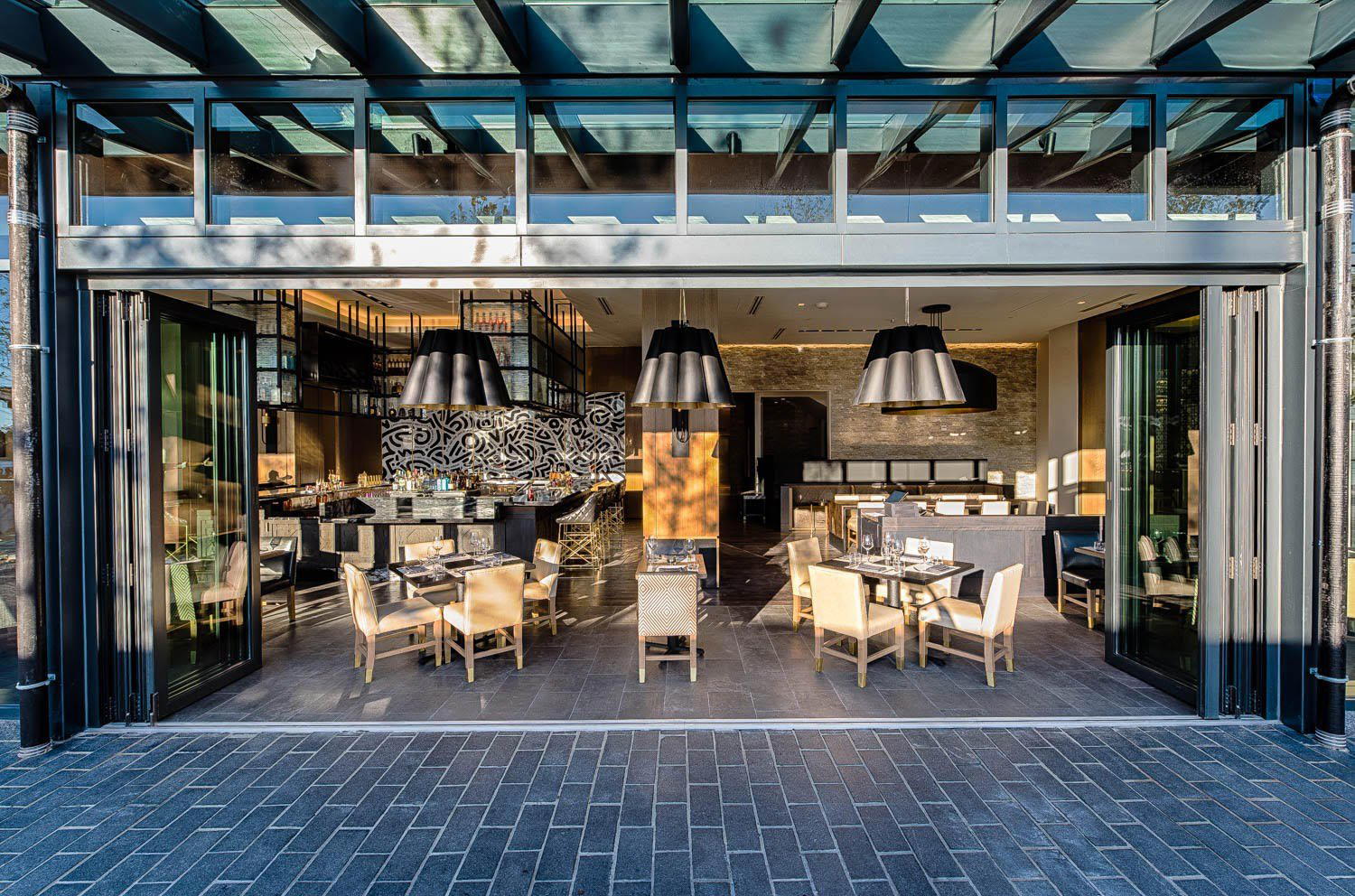
The menu
What to order
- Jollof Rice
- Chicken Liver Pate
- Jerk Duck Prosciutto
The Wharf and What It Changed
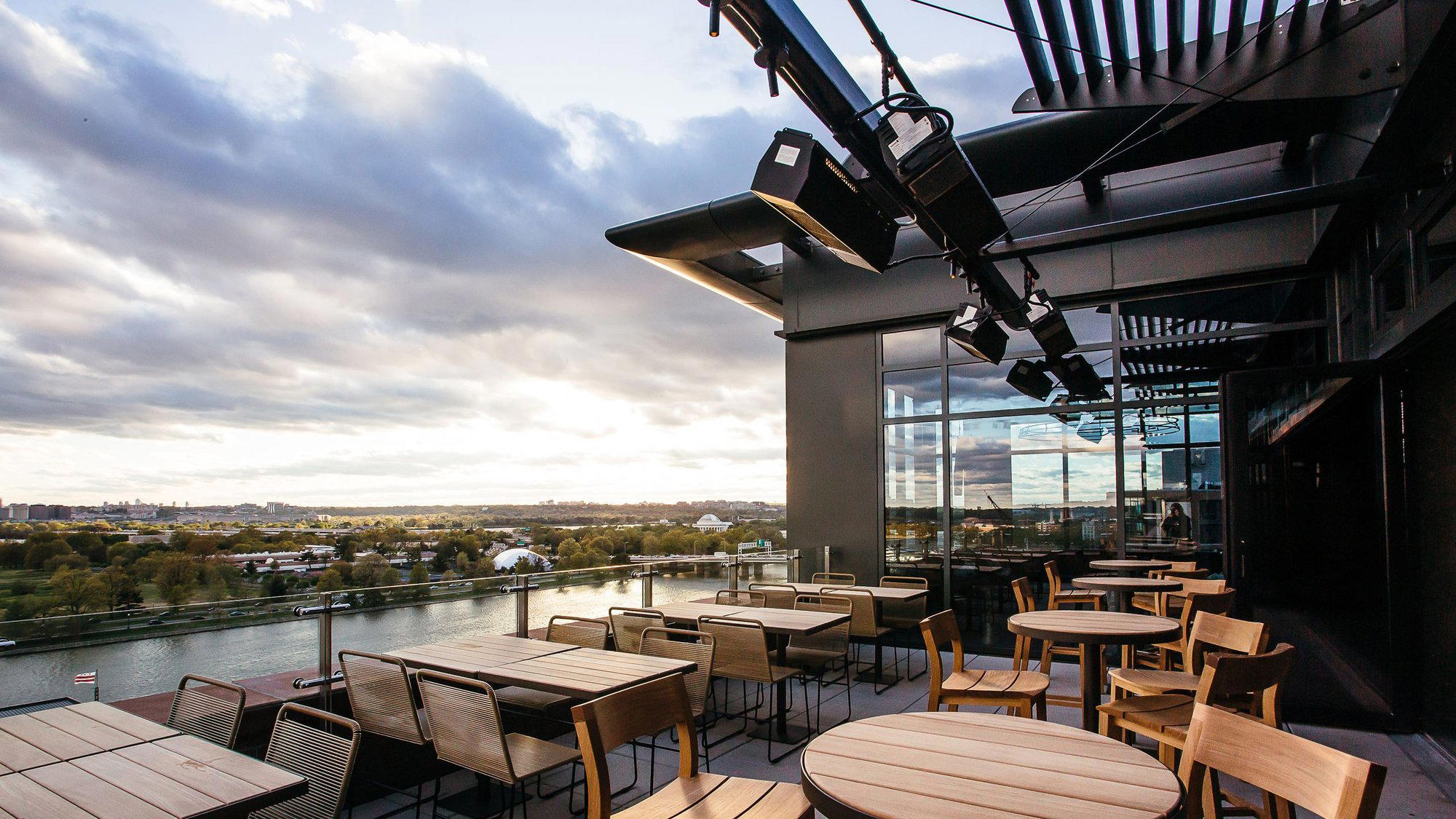
Southwest D.C.'s waterfront was, for decades, a stretch of city that most visitors passed rather than paused at. The Wharf development, which opened in phases from 2017 onward, reordered that entirely. A mixed-use corridor stretching along the Washington Channel now holds restaurants, concert venues, and hotels where there was previously little of culinary note. It is in this context that Kith/Kin, at 801 Wharf St SW, became part of the neighborhood's foundational dining identity rather than arriving into an established scene.
The waterfront address means the approach carries its own atmosphere: the smell of the channel, the rhythm of foot traffic that moves between performances and dinner, the sense that this corner of D.C. is still finding its register. For a restaurant built around Afro-Caribbean cooking, there is something fitting about that. The cuisine itself is part of a broader American dining reckoning with food traditions that European fine-dining frameworks historically underweighted.
An Ingredient Framework Rooted in the African Diaspora
The editorial lens that matters most for understanding Kith/Kin is sourcing: where the food comes from and what that provenance signals about a kitchen's priorities. Afro-Caribbean cooking, at its most rigorous, connects ingredient choices to specific diasporic routes. Plantains, scotch bonnets, callaloo, jerk spicing, and the slow-cooked proteins of West African tradition do not exist in a vacuum. They trace supply chains, growing regions, and cultural memories that are as document-dense as any Burgundy terroir narrative, even if American fine dining has been slower to frame them that way.
Restaurants working in this register, whether in D.C. New York, or London, face a shared challenge: communicating ingredient provenance and cultural specificity to rooms that may be encountering the tradition for the first time. The best of them let the ingredients carry the argument rather than relying on explanatory prose.
Within D.C.'s current dining conversation, this positions Kith/Kin alongside but distinct from other kitchens doing serious ingredient-sourcing work. Oyster Oyster sources through a sustainable-first, hyper-local lens rooted in New American vegetable cooking. Albi draws its sourcing priorities from Eastern Mediterranean and Middle Eastern traditions. Causa works through a Peruvian framework where ingredient geography is fundamental to the cuisine's identity. Each of these kitchens is making an argument about where flavor comes from. Kith/Kin's argument is African and Caribbean in origin, which makes it a category of one in D.C. at its price tier.
Where It Sits in the D.C. Dining Order
Washington D.C. has developed a serious fine-dining tier over the past decade. Jônt operates at the omakase-format high end with a globally sourced tasting menu. minibar sits in the molecular-technique bracket that defined a certain era of prestige dining. The Inn at Little Washington, about an hour outside the city, remains the region's anchor for classical fine dining. What the scene has developed more recently is a second tier of serious restaurants with distinct cultural points of view, less bound to European frameworks and more willing to let diaspora traditions drive the menu architecture.
Kith/Kin belongs to that second tier. It is not competing with The Inn at Little Washington for the same room, nor is it the same kind of proposition as Jônt's tasting-counter format.
Nationally, the sourcing-led, culture-specific restaurant has become one of the more interesting formats in American dining. Blue Hill at Stone Barns in Tarrytown built its identity around the provenance of every ingredient on the plate. Single Thread Farm in Healdsburg ties its menu explicitly to a specific farming operation. Smyth in Chicago and Providence in Los Angeles both work through ingredient-first frameworks tied to specific regional or cultural traditions. The through-line across all of them: the sourcing decision precedes the cooking decision, and the menu is the result of that sequence, not the reverse.
Kith/Kin applies that same logic to a cultural tradition that American fine dining has been slow to platform. That is, in itself, an editorial position worth noting.
Visiting: The Practical Case
The Wharf address is accessible by Metro via the Waterfront station on the Green Line, which makes Kith/Kin reachable without a car even for visitors staying in neighborhoods like Dupont Circle or Capitol Hill. The surrounding area has enough activity, from live music at The Anthem to other Wharf restaurants, that an early arrival to walk the waterfront before a reservation is a reasonable approach, particularly in warmer months when the channel-side promenade is at its most active. Spring and fall are the periods when D.C.'s outdoor dining culture is most rewarding; summer works but adds humidity to the equation.
For those building a broader D.C. itinerary around serious restaurants, the city's dining geography rewards some planning. Kith/Kin on the Wharf, Albi on Barracks Row, and Causa in Logan Circle are spread across distinct neighborhoods, each with their own character. Our full Washington, D.C. restaurants guide maps this across all neighborhoods and price tiers.
For comparable sourcing-forward, culture-specific restaurant experiences in other American cities, Lazy Bear in San Francisco, Emeril's in New Orleans, and Addison in San Diego each anchor their menus in specific regional or cultural frameworks. Internationally, Atelier Moessmer Norbert Niederkofler in Brunico and Atomix in New York represent what the highest tier of ingredient-sourcing discipline looks like when applied to specific culinary traditions. Kith/Kin occupies a comparable conceptual space for Afro-Caribbean cooking in the American capital.
Frequently asked questions
Where is Kith/Kin in Washington, D.C.?
Kith/Kin is located at 801 Wharf St SW, Washington, DC 20024, Washington, D.C.
How does Kith/Kin's location at The Wharf compare to other Washington D.C. fine-dining destinations?
Kith/Kin occupies 801 Wharf St SW in Southwest D.C. a neighborhood that was largely bypassed by the city's dining development until The Wharf project reshaped the waterfront. Unlike the Penn Quarter or Shaw corridors where most of D.C.'s fine-dining concentration sits, The Wharf positions Kith/Kin in a waterfront setting accessible via the Green Line's Waterfront Metro station. That geography makes it a distinct destination rather than a stop on a standard restaurant-row circuit.
What's the must-try dish at Kith/Kin?
The menu at Kith/Kin is built around an African diaspora ingredient framework, so the dishes that carry the most editorial weight are those that foreground provenance most directly. The kitchen's sourcing philosophy shapes every plate, which means the most telling orders tend to be those rooted in pantry staples and techniques drawn from West African and Caribbean culinary traditions. Check current offerings at the 801 Wharf St SW location, as the menu rotates with sourcing cycles.
Should I book Kith/Kin in advance?
Kith/Kin sits in Washington D.C.'s serious fine-dining tier, alongside restaurants like Jônt that operate on advance-booking schedules. At that level in the D.C. market, walk-in availability on weekends is limited, and reservations are advisable at least one to two weeks out. The Wharf location also draws visitors staying in the Southwest waterfront corridor, which adds to demand on Friday and Saturday evenings.
What's Kith/Kin best at?
Kith/Kin's clearest point of difference in the D.C. dining order is its editorial commitment to African diaspora sourcing as a structural framework rather than an accent. Where other fine-dining rooms in the city apply global influences at the garnish level, Kith/Kin organizes its kitchen around diaspora provenance from the base ingredient up. That positions it as the most substantively focused restaurant of its kind on the current D.C. waterfront.
Peers You’d Cross-Shop
| Venue | Cuisine | Price | Awards | Notes |
|---|---|---|---|---|
| Kith/KinThis venue (the venue you are viewing) | Afro-Caribbean | Not listed | Not listed | Not listed |
| Oyster Oyster | Modern Vegetable-Focused Tasting Menu | Not listed | 1 Michelin Star · James Beard Award Outstanding Chef #1 | New American, Vegetarian, Vegetarian (Sustainable) |
| Albi | Modern Levantine Fine Dining | $300–500 | 1 Michelin Star · World's 50 Best #6 | United States, Middle Eastern |
| Causa | Modern Peruvian Fine Dining | $150–200 | 1 Michelin Star · James Beard Award Best Chef: Mid-Atlantic | Peruvian |
| Rooster & Owl | Modern Global Fusion Fine Dining | $50–100 | 1 Michelin Star · Washingtonian 100 Very Best Restaurants #65 | Contemporary |
| Rose’s Luxury | Modern American Fine Dining | $200–300 | 1 Michelin Star · James Beard Award Best Chefs | New American, Contemporary |