
Kobe’s soba culture rarely gets the same travel attention as beef, but Kitanosaka Kobayashi gives the category a serious local anchor near Sannomiya. Its Tabelog Soba WEST 100 selections in 2024 and 2025, compact 18-seat room, sake focus, and modest JPY 2,000–2,999 range place it in a different register from the city’s high-spend tasting-menu circuit.
Pearl is the En Primeur Club membership app — saves, bookings, and concierge access live there. Same editors, same standards.
- Address
- Japan, 〒650-0004 Hyogo, Kobe, Chuo Ward, Nakayamatedori, 1 Chome−22−10 象ビル 1F
- Phone
- +81 78-252-0688
- Website
- tabelog.com
 Saves & bookings on Pearl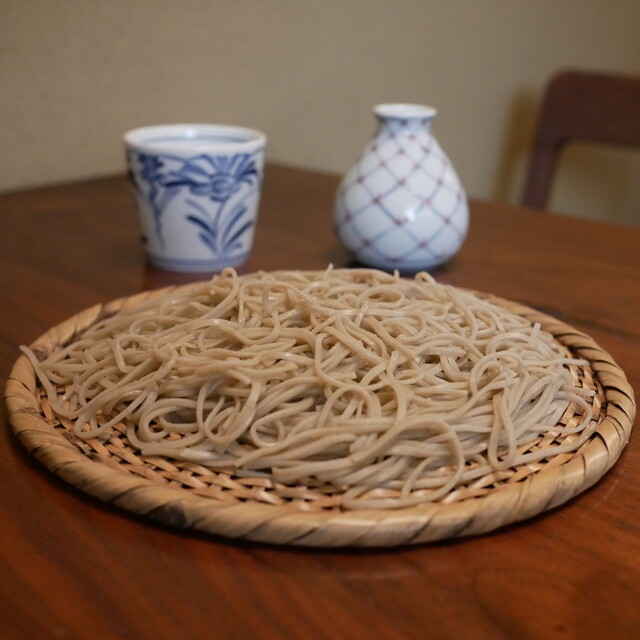
North of Sannomiya, the dining mood changes quickly: station energy gives way to smaller rooms, short menus, and the kind of specialist addresses that ask for less spectacle and more attention. In Kobe, where visitors often default to beef counters and hotel dining, soba works as a quieter measure of seriousness. Kitanosaka Kobayashi sits inside that register, a compact noodle house in Nakayamatedori with a reputation built around buckwheat rather than ceremony.
That matters in Kobe because the city’s restaurant identity is unusually split. One lane is expensive and protein-led, where beef rooms such as Aburi Niku Kobo Wakkoqu Kitano Sakamoto Ten and Aburi Niku Kobo Wakkoku Shinkobe ten speak to the inbound image of the city. Another lane is everyday but exacting: coffee counters, noodle shops, curry rooms, and izakaya-adjacent addresses that reveal how locals actually eat between bigger reservations. Soba belongs to the second lane, though the stronger examples are not casual in their standards.
Soba recognition in a city better known for beef
The Tabelog Soba WEST 100 selection in 2025 gives Kitanosaka Kobayashi a useful signal because it places the restaurant within a regional soba conversation, not merely a Kobe one. It was also selected in 2024, which is more persuasive than a single-year listing: repeat recognition suggests consistency in a category where small variations in noodle texture, broth balance, and service rhythm tend to define reputation. The listed Tabelog score of 3.68 reinforces that this is a specialist address with a sustained following rather than a broad tourist room.
The broader comparison is instructive. Kobe’s higher-spend dining can climb quickly, with comparison venues such as erre sitting in the JPY 15,000–19,999 dinner tier and Tonkatsu to Wine Nichigetsu in the JPY 10,000–14,999 dinner tier. Kitanosaka Kobayashi operates in a much lower price band, yet the award context keeps it from being filed as merely inexpensive. The point is not luxury; it is category discipline. Soba in Japan rewards restraint, sourcing sensitivity, and timing, and the better rooms make those values legible without turning the meal into a long-form performance.
Drink signal is also telling. Sake is listed as part of the offer, which fits the soba-ya tradition of drinking before noodles rather than treating noodles as a rushed lunch solution. In that context, the room belongs with Kobe’s more grounded specialist addresses: the coffee ritual of Akaneya Coffee Ten, the neighborhood pull of Akari, or the category-specific appeal of Ali's Halal Kitchen. These are not interchangeable experiences, but they share a useful trait: each narrows the brief and asks the diner to meet it on its own terms.
A small-room format with practical consequences
Room is listed at 18 seats, arranged around table seating, and that scale shapes the experience more than decorative language could. Small soba houses do not absorb indecision well. Meals move around noodle timing, and the note that service ends when sold out is not a throwaway detail; it is the clearest planning clue. The address runs lunch most operating days, dinner on several weekdays and Saturday, and closes Tuesday, with an additional fourth-Monday closure listed. For travelers, that makes this a plan-first stop rather than a fallback after a long afternoon.
There are other practical tells. Reservations are available, private rooms are not, and payment is cash-oriented, with credit cards, electronic money, and QR code payments listed as not accepted. Parking is not provided, though paid parking is available nearby, and the location is described as a short walk from JR and Hankyu Sannomiya. None of that is unusual for a compact Japanese specialist restaurant, but it does separate this from the frictionless hotel-dining model. Readers building a broader Kobe itinerary can place it alongside the city overview in our full Kobe restaurants guide, then use our full Kobe hotels guide, our full Kobe bars guide, our full Kobe wineries guide, and our full Kobe experiences guide to keep the day coherent rather than overbuilt.
Where it fits in a Japan-wide specialist itinerary
For travelers moving through Japan, the restaurant is useful because it represents a category Japan does especially well: narrow, repeatable, technically judged dining at a price that does not require an occasion. It occupies a different decision slot from destination counters in Tokyo or tasting-menu rooms in Kansai. The comparison is closer to the pleasure of choosing one exact format and letting that format define the meal.
That logic extends beyond Kobe. A food-focused Japan trip might include beef sukiyaki at -Grilled beef Sukiyaki- KAMAKURA TANUKIAN 鎌倉 たぬき庵 in Kamakura, casual seafood and charcoal cooking at. 鮪と炭火焼き うお炭 秋葉原店 in Tokyo, café culture at.cafe in Osaka, or contemporary dining at.know in Kumamoto. The value of a soba stop in Kobe is its contrast: less about breadth, more about a single craft held in focus.
Internationally, the same traveler might read the appeal alongside tightly defined specialists such as (Shoku) Vietnam in Kawasaki, [Curry Senmon Ten] Maruyama Kyoju. in Sapporo, Jōdo Saké Bar in Los Angeles, or Onigiri Time in Pasadena. The through-line is not cuisine type; it is editorial clarity. The restaurant is a Kobe answer to that question: where does a disciplined, modestly priced specialist meal carry enough recognition to justify planning around it?
Price Lens
Comparable options at the same price tier.
| Venue | Cuisine | Price | Notes |
|---|---|---|---|
| Kitanosaka KobayashiThis venue — the venue you are viewing | Not listed | $$ | Not listed |
| European Ryori Mon | Not listed | $$ | Chūō, Classic Yoshoku (Japanese Western-style) |
| Grill Ippei Shinkaiti honten | Not listed | $$ | Hyōgo, Yoshoku (Japanese-Style Western Cuisine) |
| Yakiniku Horumon Bar Bovin | Chūō, Yakiniku & Horumon Bar | $$ | Not listed |
| Yuzaburo | Chūō, Japanese Yakiniku & Wagyu Steak | $$$ | Not listed |
| Kinton Koube ten | Not listed | $ | Chūō, Tonkatsu (Japanese pork cutlet) |
Recognition history
Dated appearances from independent guides and award organizations, with the underlying list record or original source where available.
Tabelog 100 #35 · No. 35
Tabelog · Tabelog 100 - Soba - WEST - 2025
Continue exploring
More in Kobe
Restaurants in Kobe
Browse all →
Bars in Kobe
Browse all →
Hotels in Kobe
Browse all →


At a Glance
- Elegant
- Cozy
- Quiet
- Solo
- After Work
- Casual Hangout
- Group Dining
- Standalone
- Design Destination
- Sake Program
Current opening hours
- Monday
- 11:30 AM–3 PM
- Tuesday
- Closed
- Wednesday
- 11:30 AM–3 PM, 5:30–8 PM
- Thursday
- 11:30 AM–3 PM, 5:30–8 PM
- Friday
- 11:30 AM–3 PM, 5:30–8 PM
- Saturday
- 11:30 AM–3 PM, 5:30–8 PM
- Sunday
- 11:30 AM–3 PM
Hours can change for holidays and private events. Last verified .
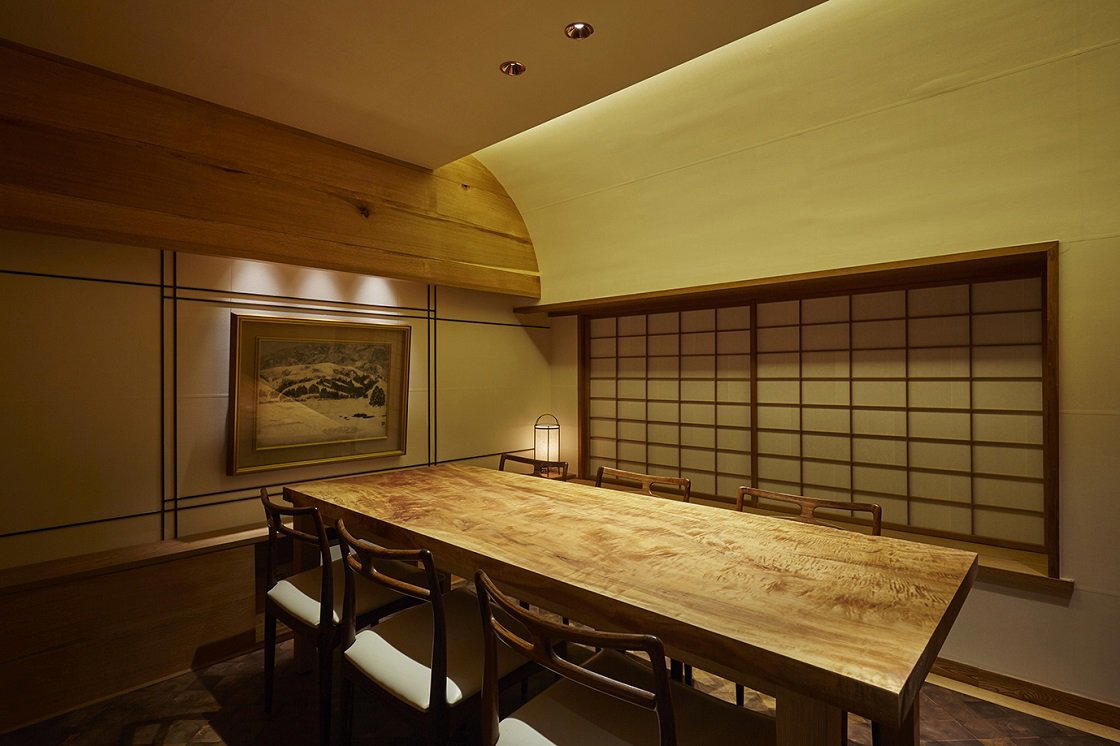
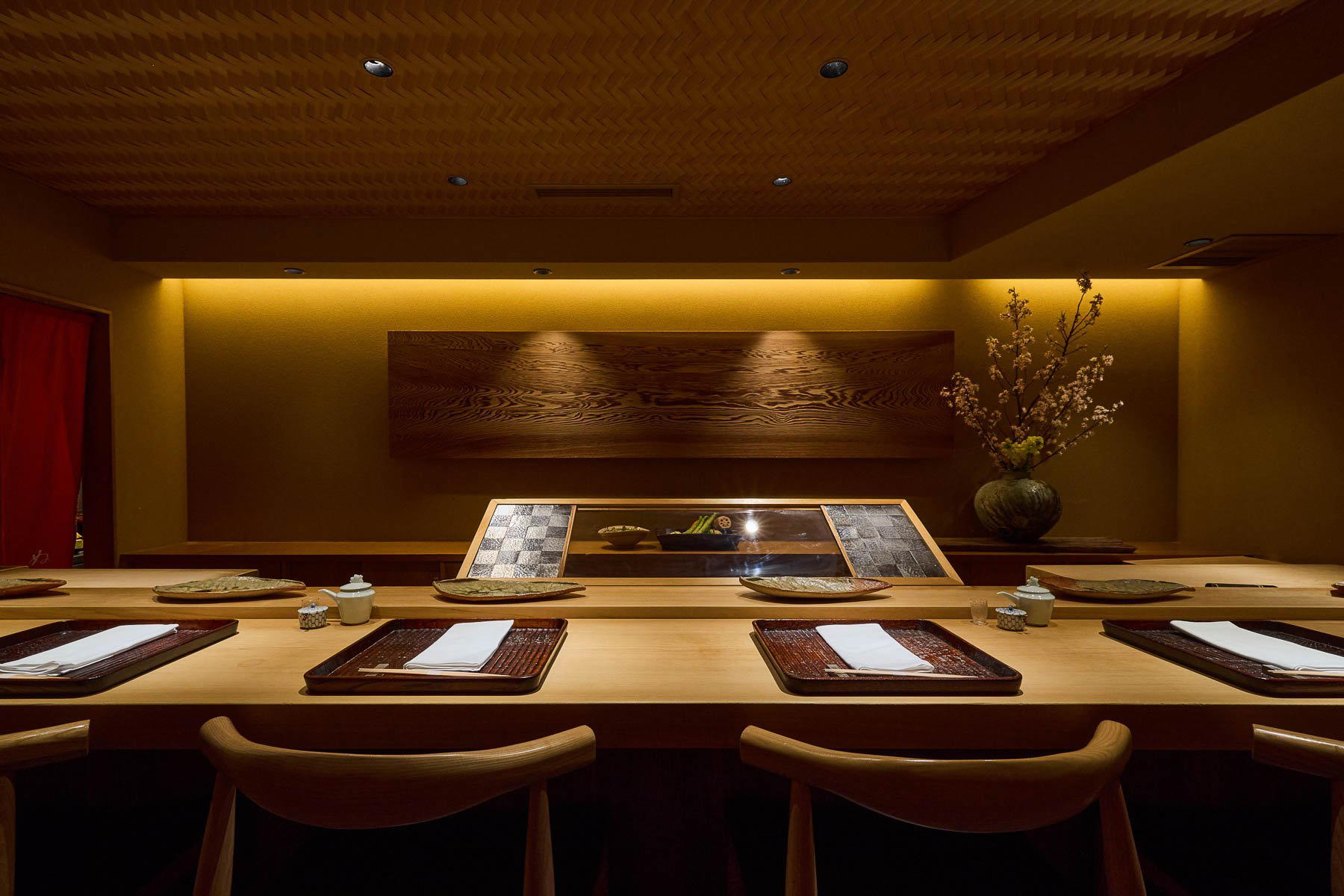
A small 18-seat soba restaurant with a stylish yet relaxing interior and an upscale entrance, offering a calm, Japanese-modern atmosphere suited to quiet meals.