
A compact Sannomiya yakiniku and horumon room with Tabelog 100 Yakiniku WEST 2025 recognition, Bovin belongs to Kobe’s less formal beef culture rather than its steakhouse pageant. The appeal is the grill ritual: ordering in waves, managing heat at the table, and treating offal, wagyu cuts, shochu, and wine as part of one evening rhythm.
Pearl is the En Primeur Club membership app — saves, bookings, and concierge access live there. Same editors, same standards.
- Address
- 1 Chome-5-3 Shimoyamatedori, Chuo Ward, Kobe, Hyogo 650-0011, Japan
- Phone
- +81 78-391-3733
- Website
- bovin-kobe.com
 Saves & bookings on Pearl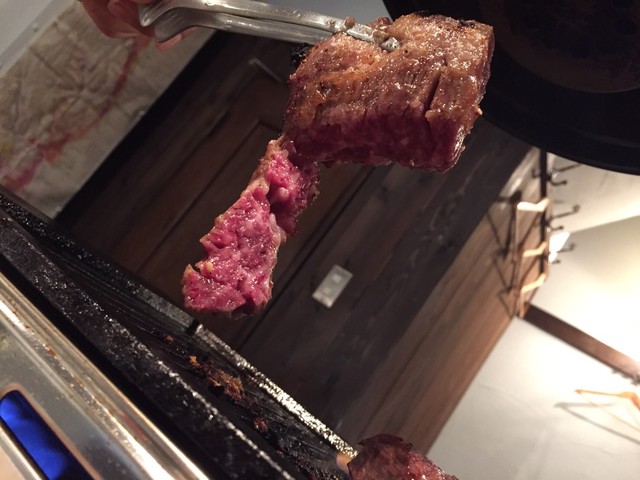
In Sannomiya, beef has two public faces. One is the polished Kobe steak counter, where theatre belongs to the chef and the iron plate. The other is yakiniku: smoke, pacing, table heat, and the small decisions that make dinner participatory rather than performed. Yakiniku Horumon Bar Bovin sits in that second tradition, a compact grill room where the meal is built cut by cut, glass by glass, and rarely in a rush.
That matters in Kobe because the city’s beef reputation can flatten everything into steak. Yakiniku offers a different grammar. Marbled beef is only part of the point; horumon brings texture, timing, and sharper appetite for the grill. The format rewards progressive ordering because different cuts behave differently over flame. A yakiniku meal is less about one centrepiece than control: how long to cook, when to turn, when to pause, and when to move from leaner beef into richer offal.
Horumon shifts Kobe beef culture away from steakhouse ceremony
Kobe’s premium beef circuit often points visitors toward set-course steak specialists, including nearby reference points such as Aburi Niku Kobo Wakkoku Shinkobe ten, Aburi Niku Kobo Wakkoqu Kitano Sakamoto Ten, Kobe Beef GENKICHI, and kobe-Beef Steak Ishida.sannomiya-Shop. Yakiniku starts elsewhere. Cooking is shared between kitchen and diner, the table has agency, and pleasure comes from sequencing: beef, tripe, offal, rice or soup, then another round if the room still has energy.
Bovin’s recognition on the Tabelog 100 Yakiniku WEST 2025 list places it in a regional field, not a tourist-only Kobe beef lane. Its Tabelog score of 3.60 is not the story alone, but it is a useful signal in Japan’s dining culture, where specialist categories often separate serious local demand from broad international name recognition. The restaurant also appeared in Tabelog Grill WEST 2024 recognition, reinforcing its position in a category where consistency and repeat local use matter.
The category mix explains the table: yakiniku, tripe, and motsu-nabe. That keeps the room closer to drinking-and-grilling tradition than luxury tasting-menu format. Shochu and wine both appear in the drinks profile, and a sommelier gives the meal a more considered beverage frame than many casual grill rooms. This is not a white-tablecloth argument for beef; it is a reminder that horumon culture has its own seriousness.
The table is the stage, and pacing is the skill
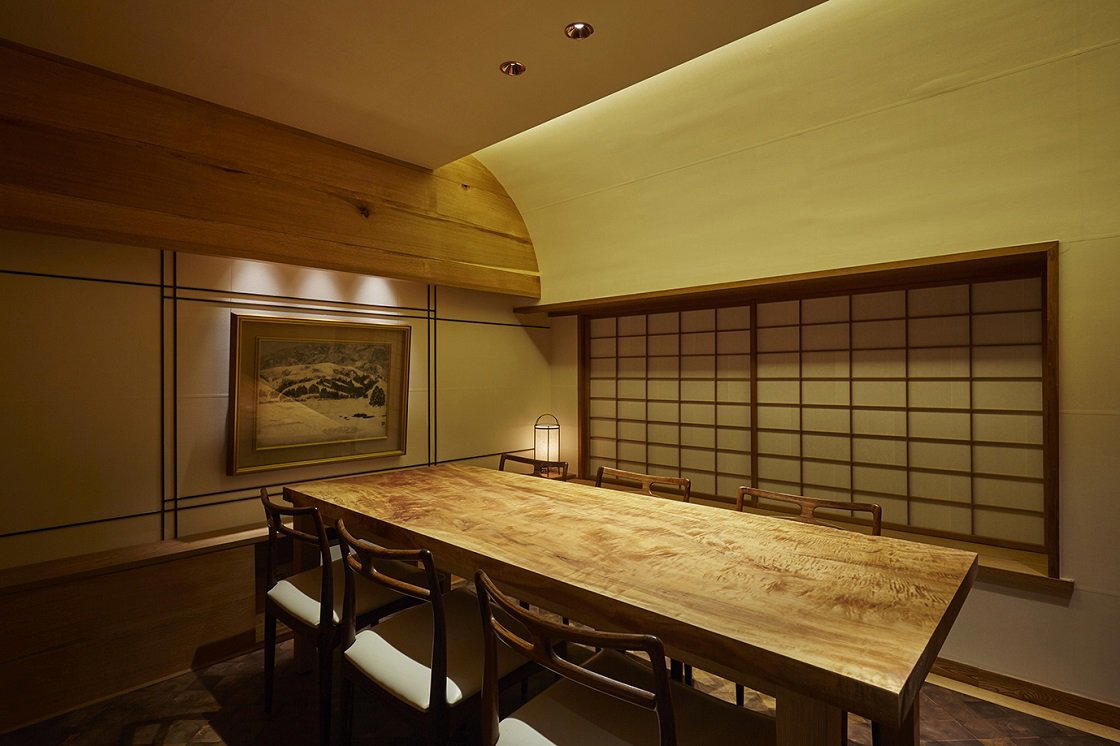
The yakiniku ritual starts before the first order reaches the grill. Diners decide whether the evening is a tight beef-focused progression, an offal-heavy session, or a broader izakaya-style table moving through several textures. In a 20-seat room, that choice affects tempo. Counter seats, table seating, and a small attic private room create different rhythms: counter dining is leaner and more observational, while a private room encourages a slower group meal.
Etiquette is practical. Do not overload the grill. Let the table breathe between rounds. Order rice or soup when richness needs a reset, not as afterthoughts. Horumon needs more attention than thin-sliced beef, so the table’s confidence improves through the meal. That is why yakiniku is often better as an evening with friends or a date that can handle shared responsibility. It is interactive without gimmickry.
Compared with Kanetatsu, another Kobe restaurant in a higher dinner budget band, Bovin is more compact and grill-specific. Compared with enoteca ber ber bar, also in a higher spending bracket, it asks a different question of the night: not how wine leads the meal, but how wine or shochu supports fat, char, and offal. The contrast helps plan Kobe dinners. A beef steakhouse clarifies provenance and cut; yakiniku clarifies appetite, timing, and company.
There is also a neighbourhood point. Sannomiya is Kobe’s working dining engine, not just a transit hub. Its restaurant mix supports quick meals, late dinners, coffee breaks, drinking rooms, and category specialists within walking distance. A day can move from Akaneya Coffee Ten to casual dinner at Akari, or into a specific craving at Ali's Halal Kitchen. Bovin belongs to that urban pattern: small-format, category-led, and better understood through the local evening circuit than the postcard idea of Kobe beef.
How to place Bovin in a Kobe dining plan
The strongest case for Bovin is not that it replaces a Kobe beef steak dinner. It should not. It answers a different appetite. Visitors wanting the choreographed steakhouse version of the city should choose that lane; diners wanting the grill on the table, a more conversational meal, and a horumon component should treat this as the sharper fit. Its scale also makes it feel like a planned stop rather than an anonymous walk-in dinner, especially for groups wanting the attic private room configuration.
For a broader Kobe itinerary, use Bovin as the meat-focused anchor in Sannomiya, then build around the city’s other categories instead of repeating beef nightly. The wider Kobe dining map includes gyoza specialists such as Jin Gyoza, steak counters, coffee houses, bars, and international kitchens. Start with Our full Kobe restaurants guide for the food side, then cross-check Our full Kobe hotels guide, Our full Kobe bars guide, Our full Kobe wineries guide, and Our full Kobe experiences guide if the trip extends beyond dinner.
Readers comparing beef-led meals elsewhere in Japan can look at -Grilled beef Sukiyaki- KAMAKURA TANUKIAN 鎌倉 たぬき庵 in Kamakura for another beef format, or. 鮪と炭火焼き うお炭 秋葉原店 in Tokyo for charcoal cooking in another urban register. For wider Japanese dining context.cafe in Osaka.know in Kumamoto, (Shoku) Vietnam in Kawasaki, and [Curry Senmon Ten] Maruyama Kyoju. in Sapporo show how category specialization travels across cities. Outside Japan, Jōdo Saké Bar in Los Angeles and Onigiri Time in Pasadena offer contrasts in how Japanese formats are translated abroad.
The editorial read is clear: choose Bovin when dinner is the ritual of grilling, not the ceremony of beef as spectacle. Its Tabelog 100 Yakiniku WEST 2025 selection, small room, horumon focus, and beverage seriousness put it in Kobe’s specialist dining tier. The meal asks diners to participate, and that participation is the reason to go.
Category Peers
Comparable venues for orientation by cuisine and category.
| Venue | Cuisine | Price | Notes |
|---|---|---|---|
| Yakiniku Horumon Bar BovinThis venue — the venue you are viewing | Yakiniku & Horumon Bar | $$ | Not listed |
| Yaoki | Traditional Soba & Japanese Small Plates | $$ | Chūō |
| Soba Mae Nakate Touha | Traditional soba & soba-mae counter | $$ | Chūō |
| Yoshoku SAEKI | Japanese Western-style yoshoku (hamburger steak & curry) | $$ | Nada |
| Tachinomi ZUTTO | Japanese Tachinomi Izakaya | $$ | Chūō |
| QUATTRO | Kobe yoshoku (Japanese-style Western) | $$ | Chūō |
Recognition history
Dated appearances from independent guides and award organizations, with the underlying list record or original source where available.
Tabelog 100 #85 · No. 85
Tabelog · Tabelog 100 - Yakiniku - WEST - 2025
Continue exploring
More in Kobe
Restaurants in Kobe
Browse all →
Bars in Kobe
Browse all →
Hotels in Kobe
Browse all →


At a Glance
- Lively
- Cozy
- Casual Hangout
- Group Dining
- Late Night
- After Work
- Date Night
- Solo
- Standalone
- Sake Program
- Beer Program
Current opening hours
- Monday
- 11:30 AM–2 PM, 5–10:30 PM
- Tuesday
- 11:30 AM–2 PM, 5–10:30 PM
- Wednesday
- 11:30 AM–2 PM, 5–10:30 PM
- Thursday
- 11:30 AM–2 PM, 5–10:30 PM
- Friday
- 11:30 AM–2 PM, 5–10:30 PM
- Saturday
- 11:30 AM–2 PM, 5–10:30 PM
- Sunday
- 5–10:30 PM
Hours can change for holidays and private events. Last verified .
Casual, bar-like yakiniku spot with closely spaced tables and counter seating, lively conversation, grill smoke, and warm lighting that feels like a cozy local hideout for meat and drinks rather than a formal Kobe beef house.