At Piazza Capranica in Rome's historic centre, Kisaki Ramen & Sushi occupies a city where Japanese cuisine has carved a distinct, if contested, place alongside trattorias and enotecas. Rome's appetite for ramen and omakase-style sushi has grown steadily over the past decade, and Kisaki sits within that emerging tier, a dual-format address that draws both neighbourhood regulars and visitors seeking Japanese cooking in an Italian capital context.
Pearl is the En Primeur Club membership app — saves, bookings, and concierge access live there. Same editors, same standards.
- Address
- Piazza Capranica, 75, 00186 Roma RM, Italy
- Phone
- +393966785838
- Website
- kisaki.it
- Directions
- Get directions
 Saves & bookings on Pearl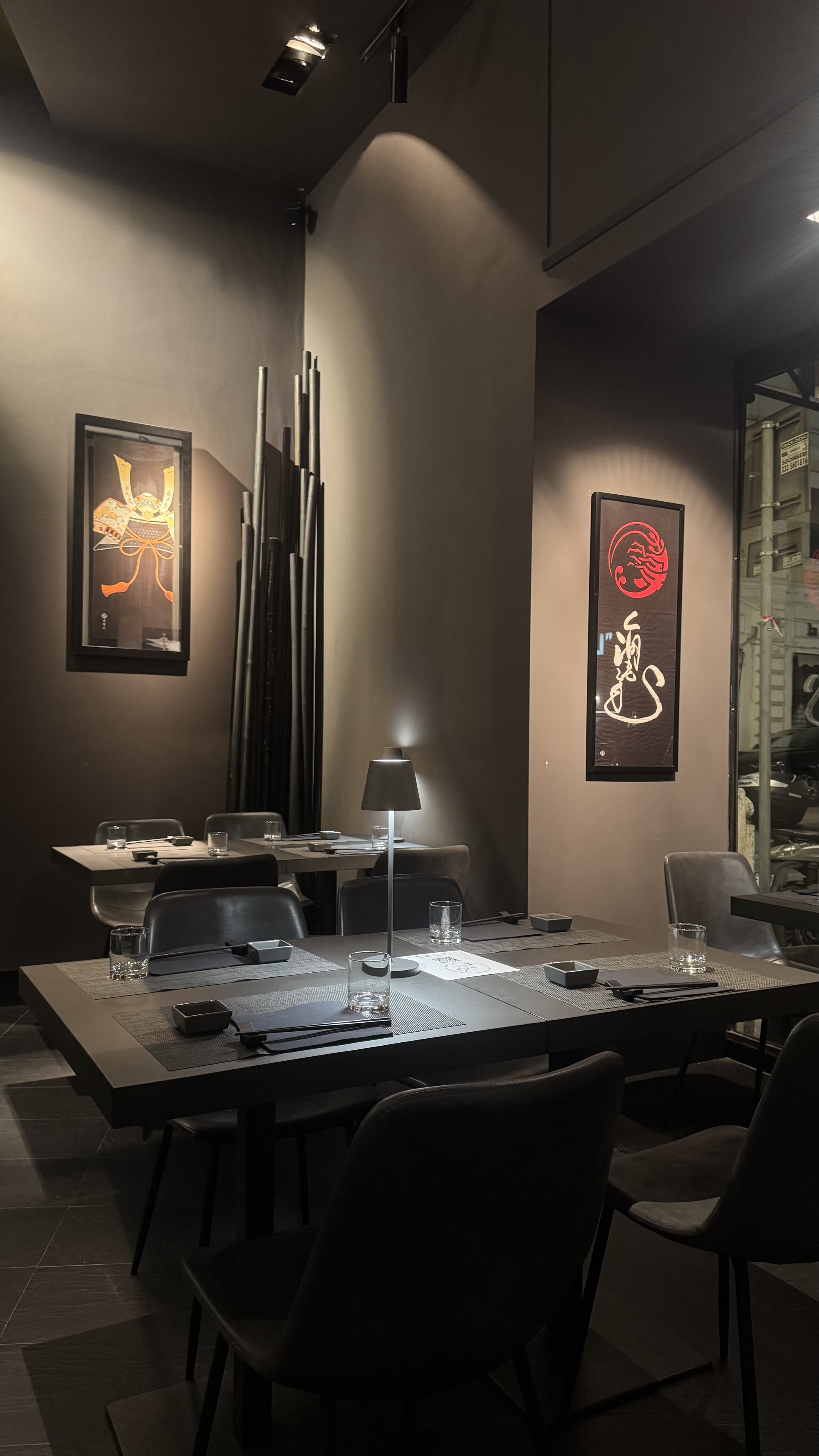
Japanese Cooking in the Capital: Where Kisaki Sits
Piazza Capranica is one of Rome's quieter historic squares, a short walk from the Pantheon and well inside the centro storico grid where rents are high and tourist traffic is constant. It is not the obvious address for Japanese cooking, and that tension is part of what makes Kisaki Ramen & Sushi an interesting reference point for understanding how Rome's non-Italian dining tier has developed. Over the past decade, Japanese cuisine in Rome has moved from novelty to genuine critical conversation. The city now supports a range of Japanese formats: conveyor-belt operations near major transit hubs, mid-market sushi bars in Prati and Testaccio, and a smaller group of more considered addresses that operate at a different register entirely. Kisaki's location at Piazza Capranica places it within easy reach of some of Rome's most visited fine-dining rooms, including La Pergola, Il Pagliaccio, and Acquolina, which signals something about the expectations of the clientele this neighbourhood draws.
The Dual Format Question
Ramen and sushi share a Japanese origin and little else. Ramen is a broth-forward, often long-cooked, deeply savoury tradition that rewards patience in preparation; sushi, at its considered end, is about temperature, texture, and the restraint of the chef's hand. Venues that present both formats under one roof are making an argument about accessibility and range rather than singular mastery, a common format across European capitals where Japanese cuisine is still consolidating its audience. In Paris, London, and Berlin, the ramen-plus-sushi model tends to attract a younger, more casual crowd than the dedicated omakase counter or the specialist ramen-ya. Rome's version of this pattern follows similar lines. The city's most decorated creative addresses, Enoteca La Torre and Achilli al Parlamento, operate within a tightly Italian idiom, which means Japanese formats occupy a different lane rather than competing directly for the same diner.
Team Dynamics in a Dual-Format Kitchen
The key question for a venue combining ramen and sushi is how the kitchen and front-of-house team manage the divide between two technically distinct disciplines. In Japanese restaurants operating at a serious level, venues like Atomix in New York City, where the team structure is a publicly documented part of the restaurant's identity, the relationship between the kitchen, the floor team, and any beverage program is the mechanism through which the experience either coheres or fragments. At a dual-format address, that coherence becomes more demanding: broth timing, fish temperature, and guest pacing are governed by different rhythms, and the front-of-house team carries a significant part of the burden of making both feel intentional rather than incidental. A ramen-sushi venue in Rome succeeds on this axis when the floor team communicates the logic of the menu to the guest rather than simply delivering dishes as ordered. Italy's broader fine-dining culture, as visible at addresses from Osteria Francescana in Modena to Le Calandre in Rubano, has long understood that service is editorial, that the floor shapes how a menu is read. Whether that sensibility has transferred into Rome's Japanese tier is an open question at most addresses in this segment.
Rome as Context for Japanese Cuisine
Rome does not have the Japanese diaspora density of London or Paris, nor the critical mass of Japanese-trained chefs that has shaped Tokyo-influenced dining in cities like New York or Copenhagen. What it does have is a sophisticated dining public with high expectations around product quality, a population that understands the difference between fresh and compromised fish because it eats Italian seafood-forward cooking at restaurants like Quattro Passi in Marina del Cantone and Uliassi in Senigallia and carries those expectations across cuisines. That standard is both an advantage and a pressure for Japanese venues in the capital. It means the audience, at least in the centro storico demographic, is not easily satisfied by form without substance. A bowl of ramen that does not demonstrate time and care in the broth, or a nigiri that does not show precision in the cut and the rice temperature, will register as inadequate to a Roman diner who has grown up eating cacio e pepe made correctly. This is the competitive pressure that separates the more considered Japanese addresses in Rome from the tourist-volume operations, and it is the pressure under which a venue at Piazza Capranica operates whether it seeks that comparison or not.
Seasonal Timing and When to Visit
Rome's centro storico changes character significantly across the year. Summer brings a dense concentration of international visitors to the Pantheon area, which affects both foot traffic and reservation dynamics at nearby restaurants. The window between late September and early December tends to offer one stable conditions for a meal in this neighbourhood. Ramen, specifically, reads differently across seasons: a long-cooked pork or chicken broth carries more appeal on a cool November evening than in August heat. Rome does not cool as dramatically as northern European cities, but evenings from October onward provide the temperature context in which ramen's warmth registers as intended. For sushi, the seasonal consideration is more about fish supply chains than ambient temperature, and in a city where Italian fish markets set a high baseline for freshness, a Japanese kitchen sourcing well will reflect that in the product regardless of season. For the broader context of Italy's most serious dining rooms and how to plan a culinary itinerary around them, the EP Club Rome guide covers the full range from high-concept creative addresses to neighbourhood-level precision.
Planning Your Visit
Kisaki Ramen & Sushi is located at Piazza Capranica, 75, in the centro storico, within a few minutes' walk of the Pantheon. The square is pedestrian-friendly and accessible from multiple directions, though parking in this zone is restricted and public transport or walking from nearby stops is the practical approach for most visitors. Booking is recommended, and the restaurant is open daily from 12 to 10:30 PM. For Rome's full range of Japanese and international dining options at equivalent or higher price points, the comparison set includes addresses across northern Italy and, internationally, benchmark Japanese-influenced creative venues like Le Bernardin in New York City.
Nearby-ish Comparables
Comparable venues nearby, for context on price, style, and recognition.
| Venue | Cuisine | Price | Notes |
|---|---|---|---|
| Kisaki Ramen & SushiThis venue — the venue you are viewing | Japanese Ramen & Sushi | $$ | Not listed |
| Ristorante La Tavernaccia Da Bruno | Traditional Roman Trattoria | $$ | Portuense |
| Metropolita | Italian Fusion Wine Bar | $$ | Flaminio |
| Ar Monte Testaccio | Roman-Salento Italian with Pizza | $$ | Testaccio |
| Ristorante dai Pupi | Sicilian Seafood | $$ | Campo Marzio |
| Nino Restaurant | Traditional Tuscan-Roman | $$ | Campo Marzio |






At a Glance
- Cozy
- Elegant
- Date Night
- Family
- Casual Hangout
- Open Kitchen
- Sake Program
Current opening hours
- Monday
- 12–10:30 PM
- Tuesday
- 12–10:30 PM
- Wednesday
- 12–10:30 PM
- Thursday
- 12–10:30 PM
- Friday
- 12–10:30 PM
- Saturday
- 12–10:30 PM
- Sunday
- 12–10:30 PM
Hours can change for holidays and private events. Last verified .
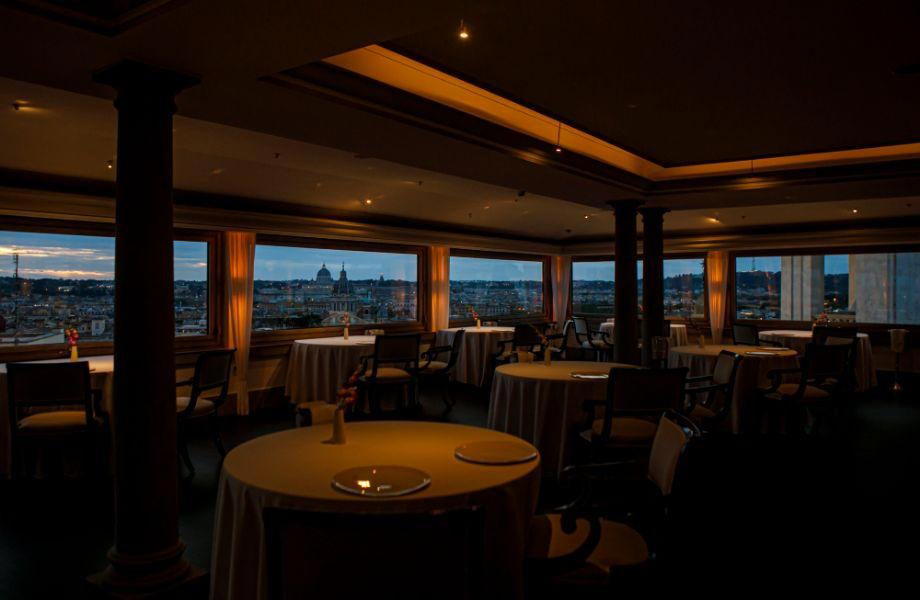
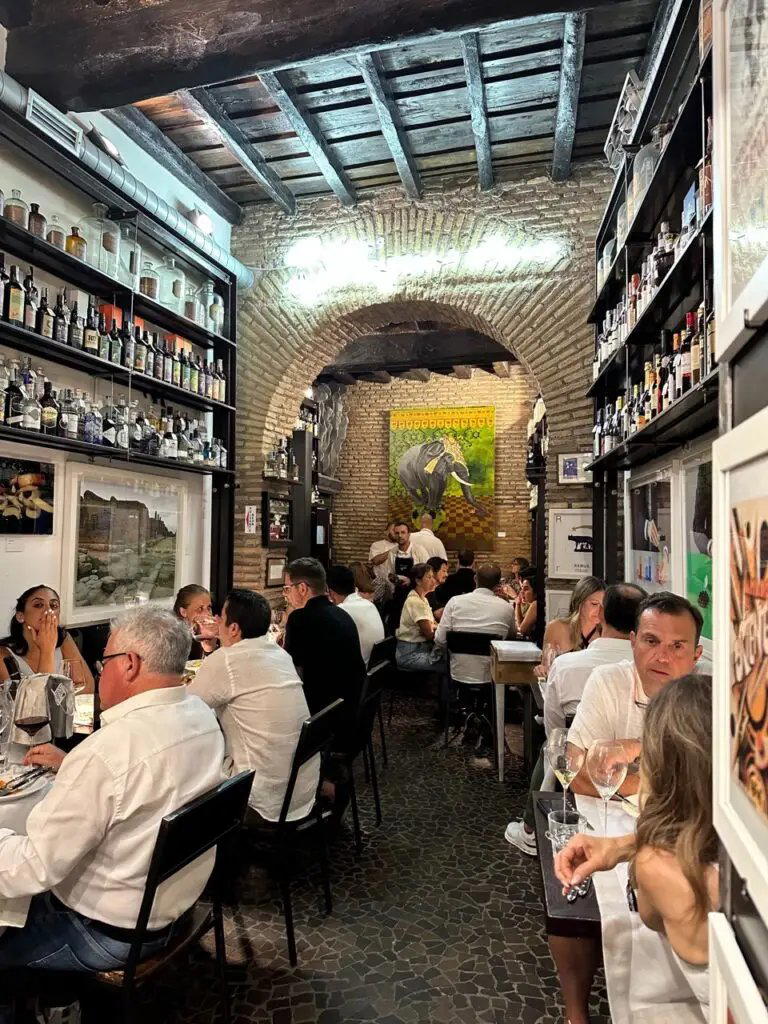
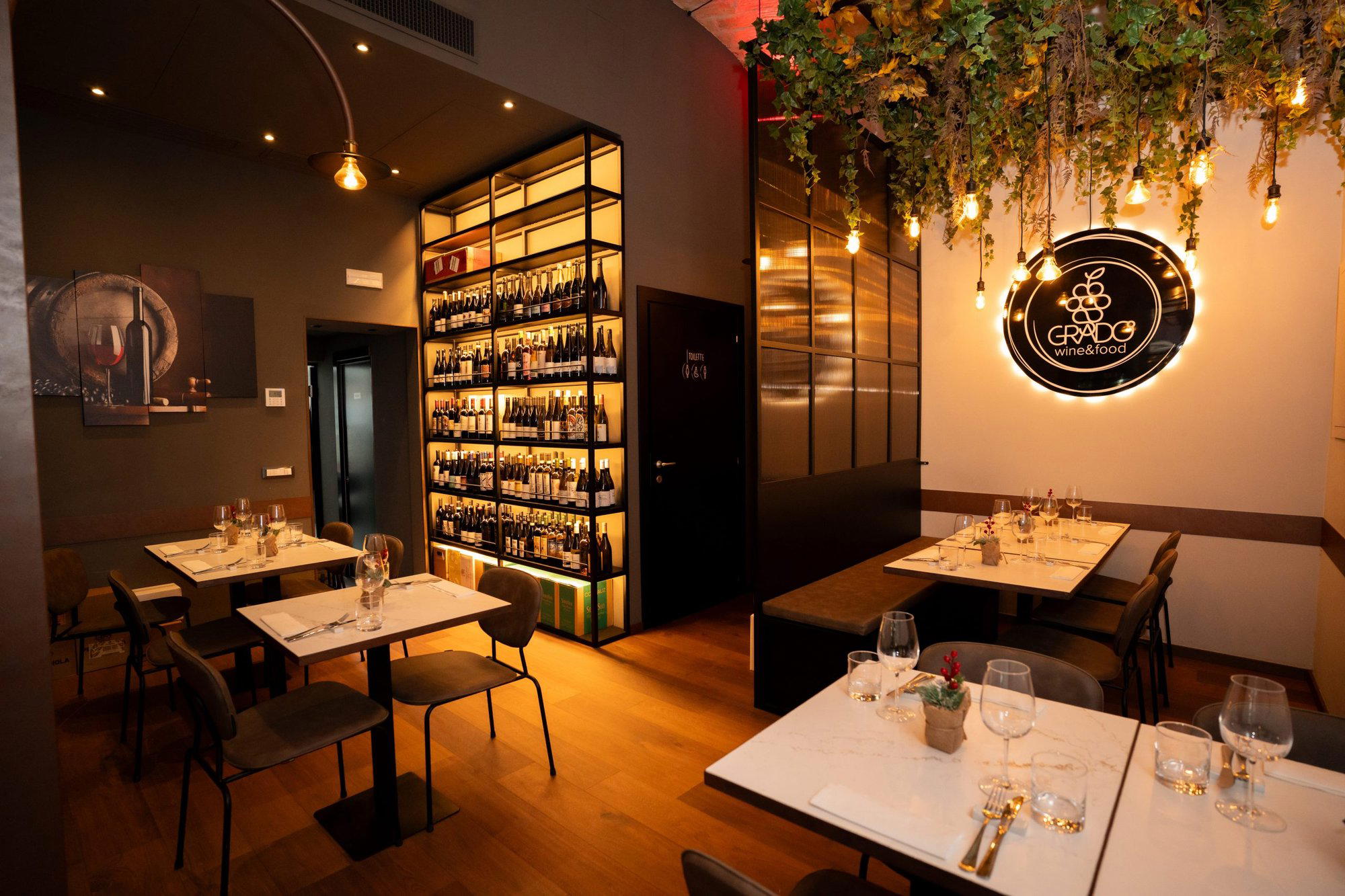
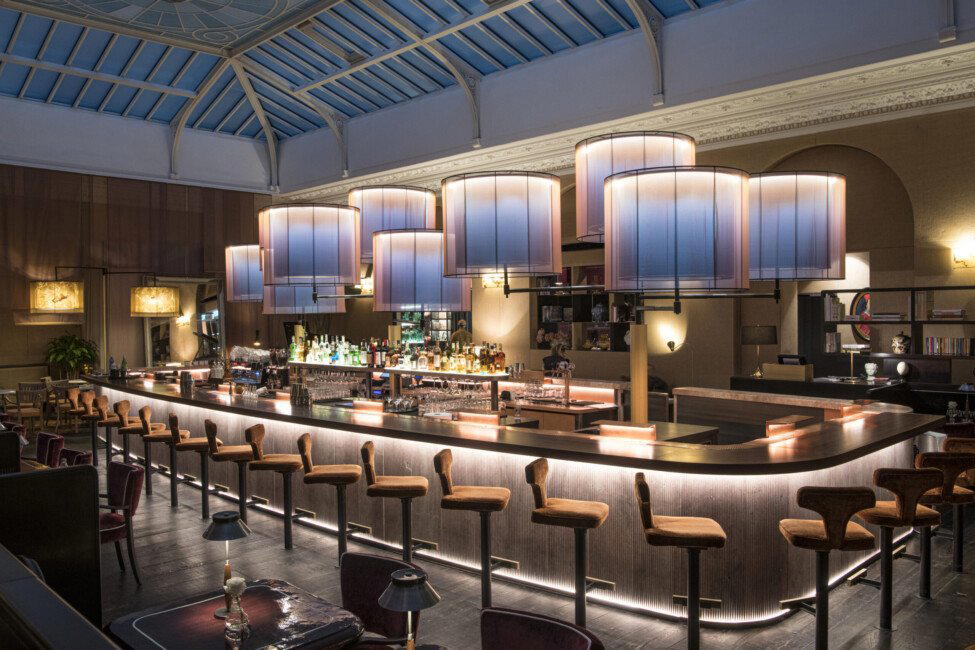
Cozy, refined, and quiet atmosphere with caring service, popular among couples and families.