Kicho occupies a quiet address on Jakobstraße in Stuttgart's Mitte district, positioning itself within a city that has quietly assembled one of Germany's more serious fine dining concentrations. The kitchen operates at the intersection of precision and restraint, with service and culinary direction working as a coordinated team rather than separate departments. For those tracking Stuttgart's upper dining tier, Kicho is a reference point worth holding.
Pearl is the En Primeur Club membership app — saves, bookings, and concierge access live there. Same editors, same standards.
- Address
- Jakobstraße 19, 70182 Stuttgart, Germany
- Phone
- +4949711247687
- Website
- kicho.de
- Directions
- Get directions
 Saves & bookings on Pearl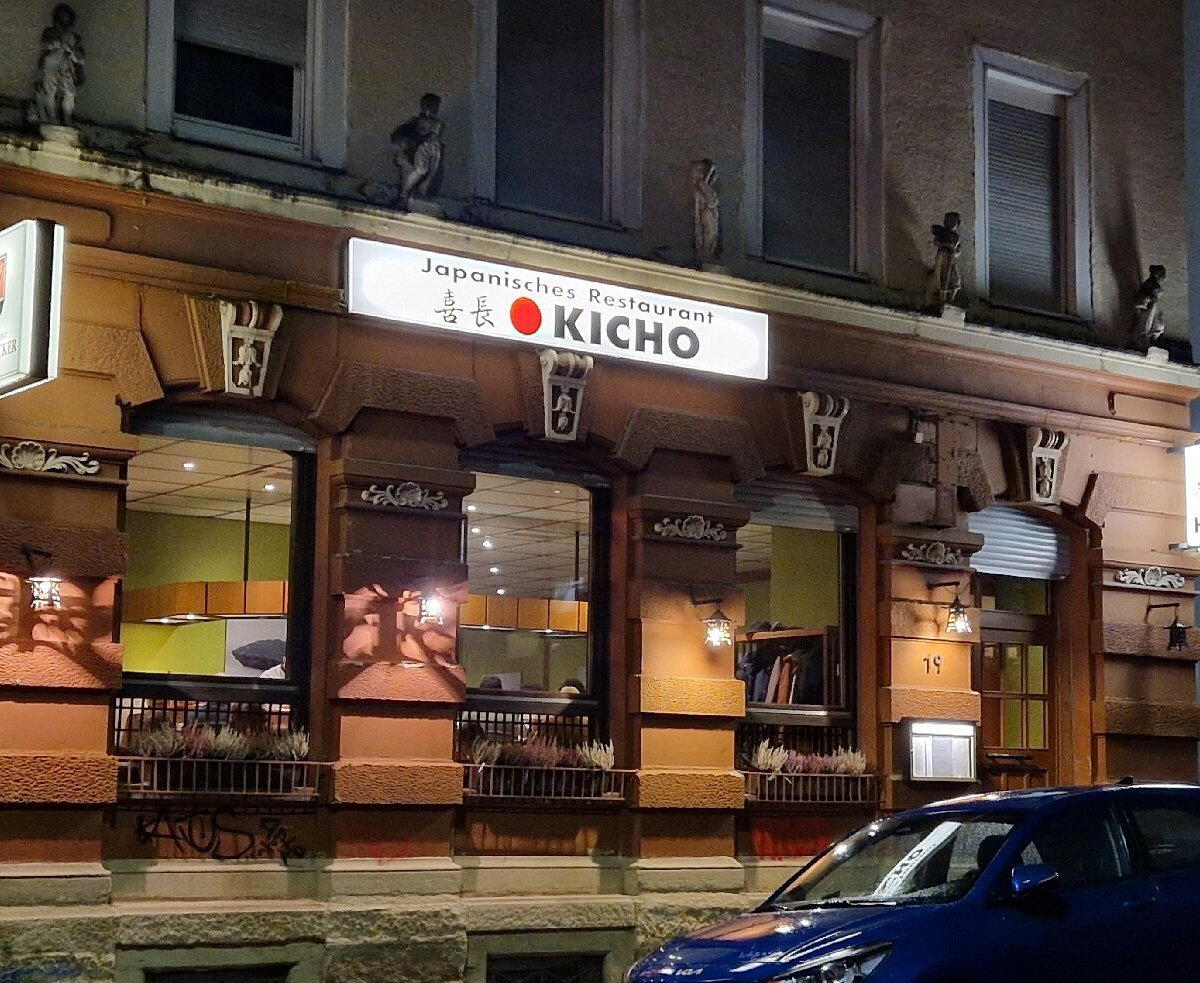
Where Stuttgart's Fine Dining Conversation Gets Specific
Germany's fine dining map is often read coast to coast, from Hamburg's grand hotel rooms to Munich's formal brigade kitchens. That reading has been quietly wrong for some time. Stuttgart has assembled a concentration of serious kitchens that sit comfortably alongside the country's more publicised addresses, and Jakobstraße 19, where Kicho operates, places the restaurant at the centre of that argument. The street address alone puts it within easy reach of the city's cultural and commercial core, which matters for a city where fine dining has historically spread across neighbourhoods rather than clustering in a single district.
Within Stuttgart's upper dining tier, the competitive reference points are worth naming. Speisemeisterei and Délice define the creative end of the city's premium spectrum at the €€€€ price tier, while Der Zauberlehrling holds a slightly more accessible position without sacrificing ambition. 5 and Hegel Eins operate in the modern cuisine register that has come to define the city's contemporary identity. Kicho's positioning within this set matters: Stuttgart rewards those who map it carefully rather than defaulting to the same two or three names.
The Room and What It Signals Before Service Begins
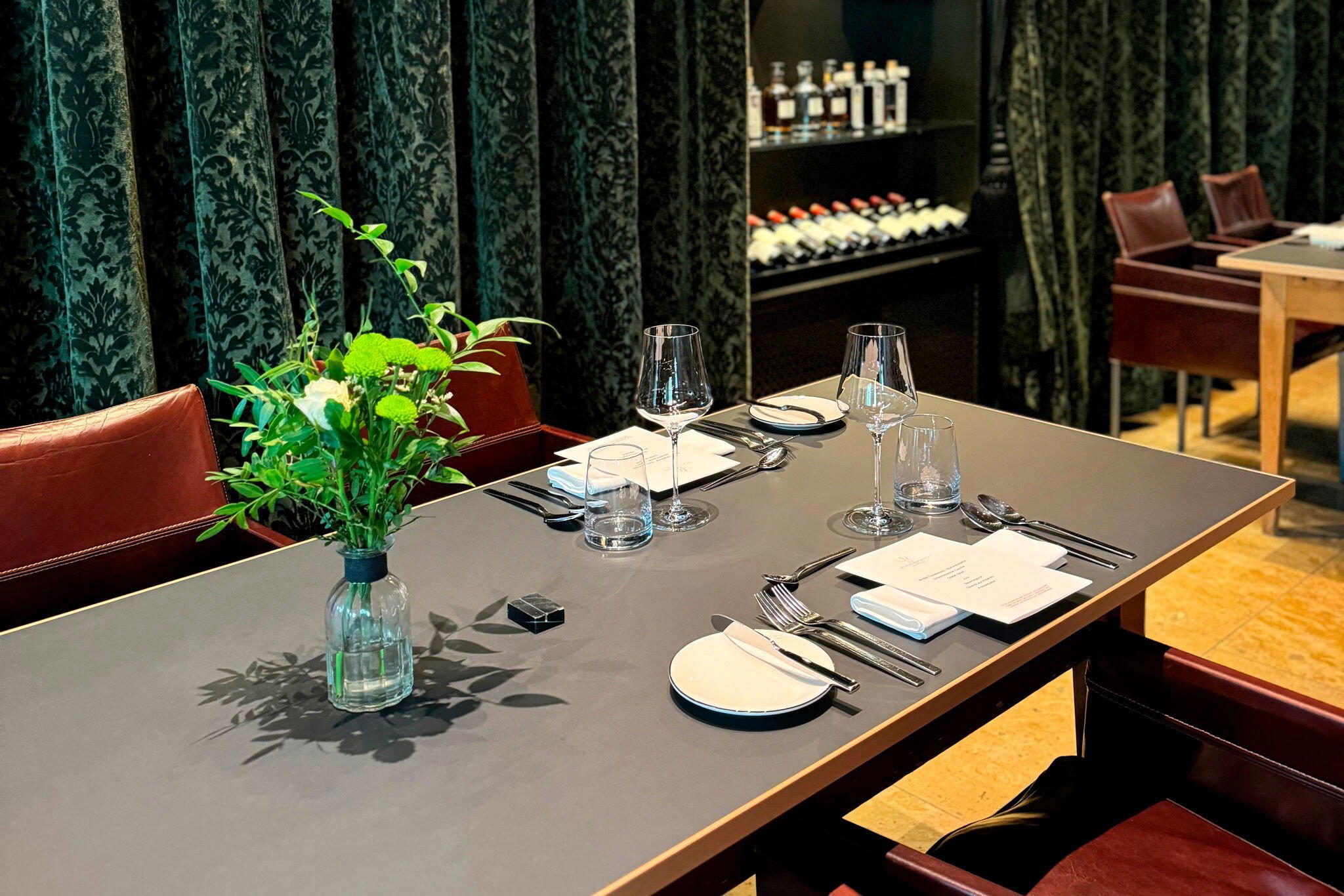
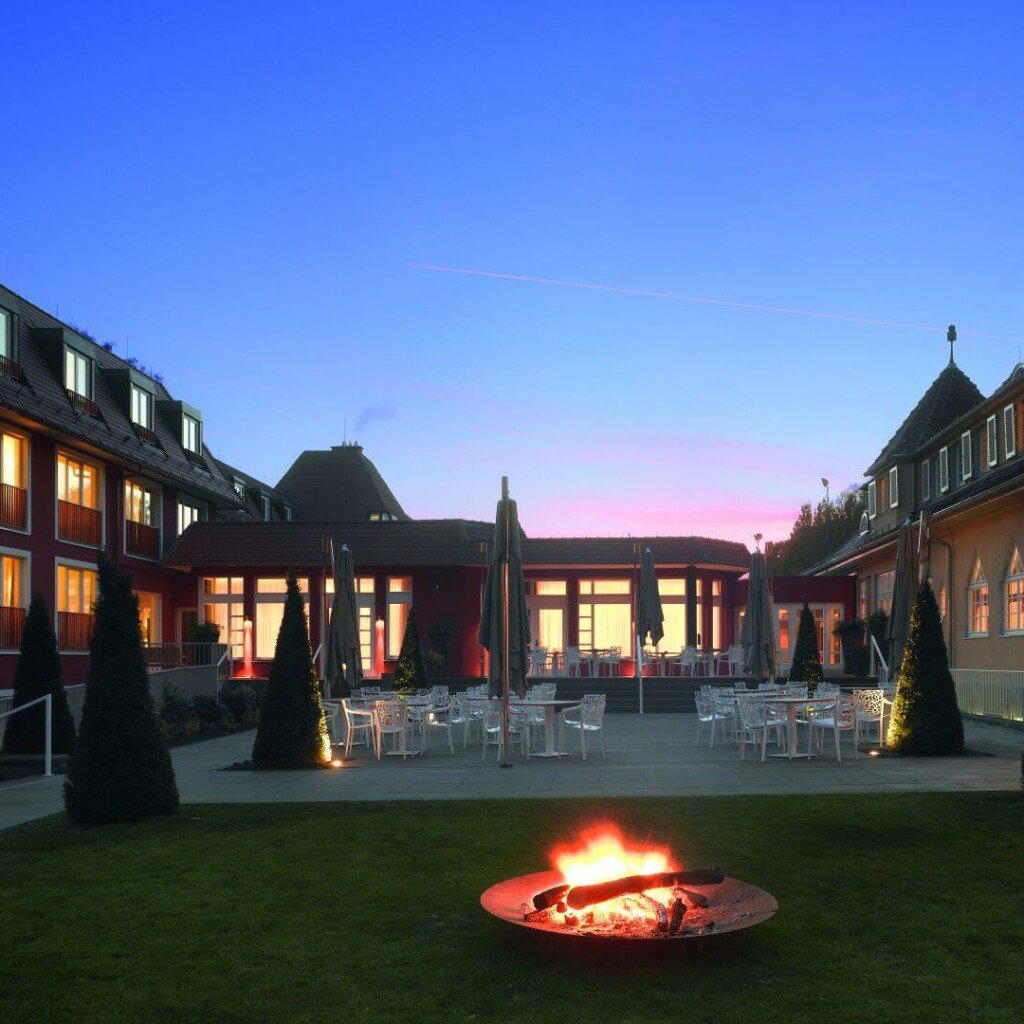
In fine dining, the physical environment does significant communicative work before a single dish or drink arrives. Jakobstraße 19 is a residential-scale address in Stuttgart's Mitte, which situates Kicho in a register distinct from the hotel dining rooms and converted industrial spaces that dominate the city's premium tier. This kind of address tends to produce a particular dining atmosphere: contained, deliberately paced, where the absence of lobby traffic or terrace crowds shapes the interaction between kitchen and table differently than larger, more theatrical venues.
Across Germany's serious restaurant scene, the trend toward smaller, quieter rooms has accelerated. Addresses like ES:SENZ in Grassau and Schanz in Piesport have demonstrated that culinary ambition does not require scale. The logic applies in Stuttgart: a smaller footprint tends to concentrate the team's attention and compress the distance between kitchen decisions and what arrives at the table.
The Team Architecture Behind a Coordinated Kitchen
The editorial angle that separates good restaurants from merely capable ones is rarely a single chef's technique or a signature dish. More often, it is how the kitchen, the sommelier's program, and the front-of-house team function as a single coordinated unit rather than three parallel departments occasionally communicating. This is particularly legible at smaller addresses, where team dynamics are less insulated by brigade size or corporate structure.
Germany's most coherent dining experiences share this quality. At Vendôme in Bergisch Gladbach and Victor's Fine Dining by Christian Bau in Perl, the integration between kitchen output and floor pacing has been as important to their reputations as any individual dish. At Schwarzwaldstube in Baiersbronn, the relationship between the wine program and the tasting menu has historically been one of the tightest in the country. These are the comparable venues against which team-driven kitchens are measured, and the standards they set are instructive for understanding what a coordinated service culture looks like at its most developed.
At Kicho, the Jakobstraße address and room scale suggest a kitchen that operates with the kind of team proximity where collaboration is structural rather than aspirational. Whether that translates into precise synchronisation is a question answered at the table.
Placing Kicho in the Broader German Fine Dining Context
Stuttgart is not an isolated case study. It sits within a federal state that has produced some of Germany's most consistent fine dining output, and understanding Kicho means placing it within that wider frame. Aqua in Wolfsburg represents the apex of what a formally structured German kitchen can achieve. Waldhotel Sonnora in Dreis demonstrates longevity and consistency over decades. Restaurant Haerlin in Hamburg shows how a hotel kitchen can sustain serious culinary ambition without being consumed by its institutional setting.
The international frame is equally instructive. Le Bernardin in New York City has long served as a benchmark for how a tightly disciplined kitchen can sustain a single culinary identity across decades of service. Atomix in New York City shows what happens when a kitchen marries cultural specificity to technical precision at the highest level. JAN in Munich and CODA Dessert Dining in Berlin have each found distinct ways to push German fine dining into conversations it was not previously part of. Kicho's address places it within a city that has the infrastructure to produce this kind of result, even if its specific register within that field requires a direct visit to fully assess.
How to Approach a Visit
Practical intelligence for Stuttgart's fine dining tier follows patterns consistent across Germany's serious restaurant circuit. Advance booking is standard at this level, and the more architecturally precise the kitchen, the less accommodating it tends to be to last-minute requests.
Dietary requirements at this level of kitchen are leading communicated at the time of booking rather than on arrival, which allows the team to integrate accommodations into the menu structure rather than working around it at service.
Budget and Context
Comparable venues nearby, for context on price, style, and recognition.
| Venue | Cuisine | Price | Notes |
|---|---|---|---|
| KichoThis venue — the venue you are viewing | Gablenberg, Authentic Japanese | $$$ | Not listed |
| Enso Sushi & Grill | Not listed | $$ | Gablenberg, Japanese Sushi & Grill Fusion |
| Mikoto | Gablenberg, Modern Japanese Sushi | $$$ | Not listed |
| Rotenberger Weingärtle | Obertuerkheim, Modern Swabian | $$$ | Not listed |
| Umami Ramen | Gablenberg, Authentic Japanese Ramen | $$ | Not listed |
| Suzuna | Not listed | $$ | Gablenberg, Traditional Japanese Izakaya & Ramen |
Continue exploring
More in Stuttgart
Restaurants in Stuttgart
Browse all →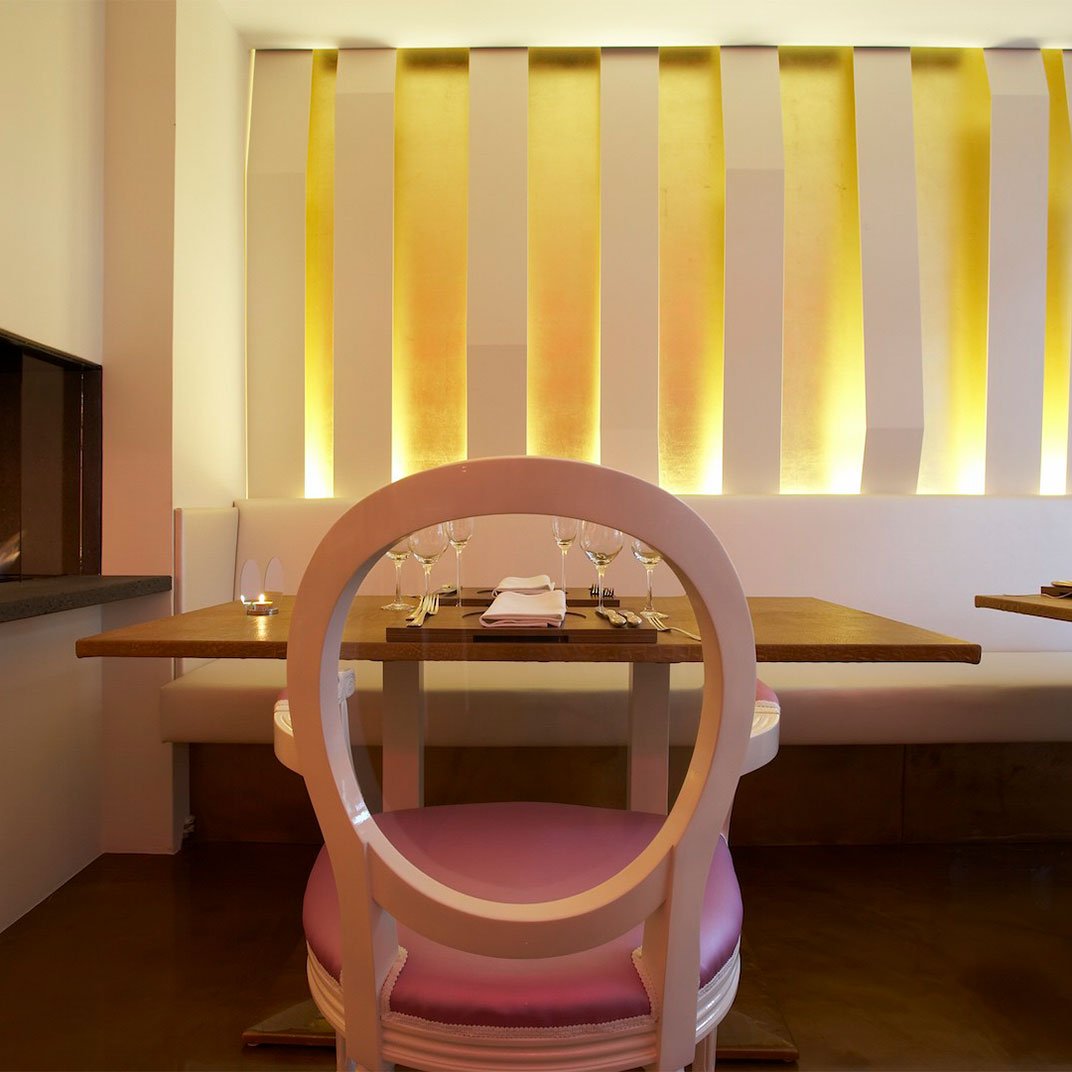
Bars in Stuttgart
Browse all →
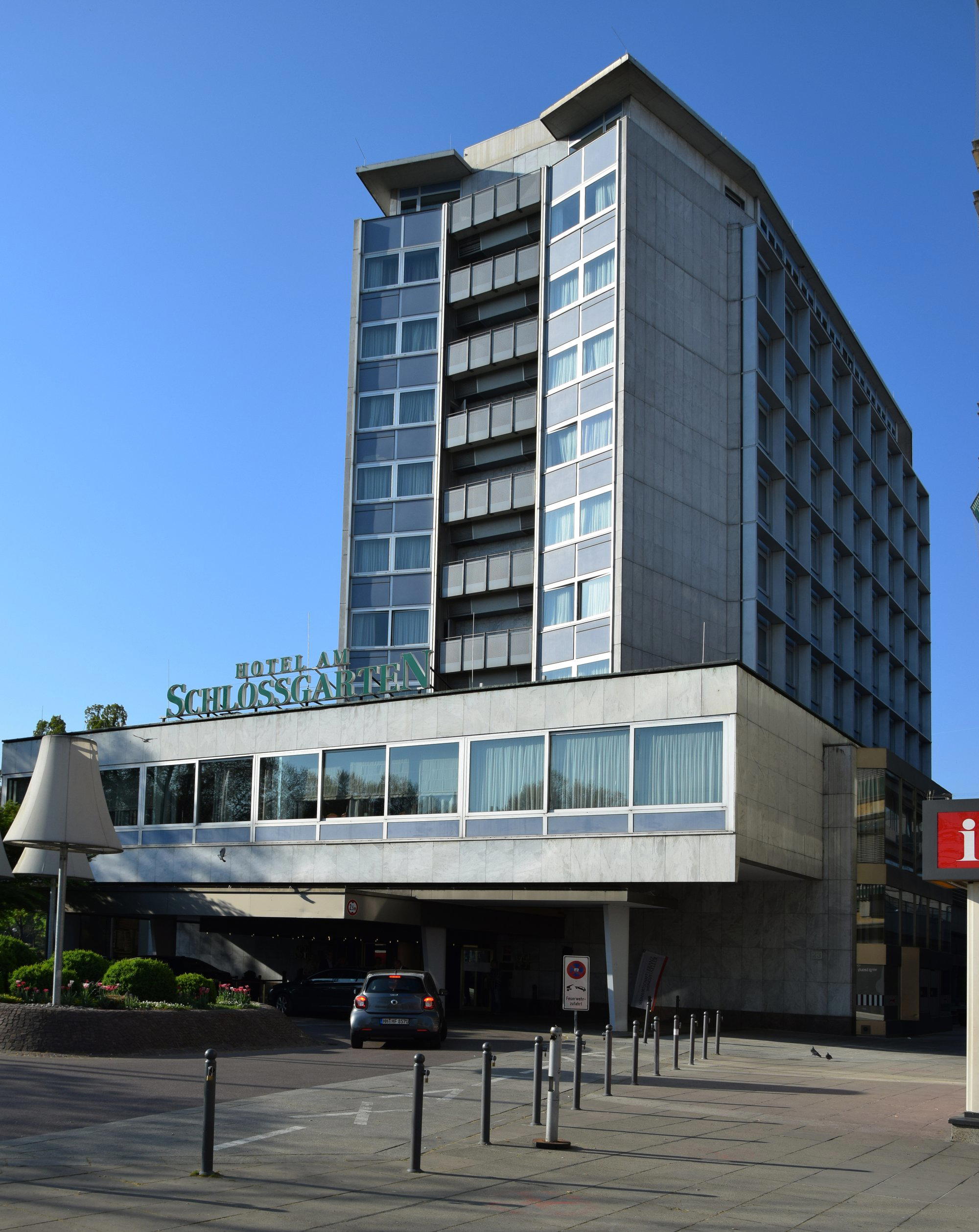
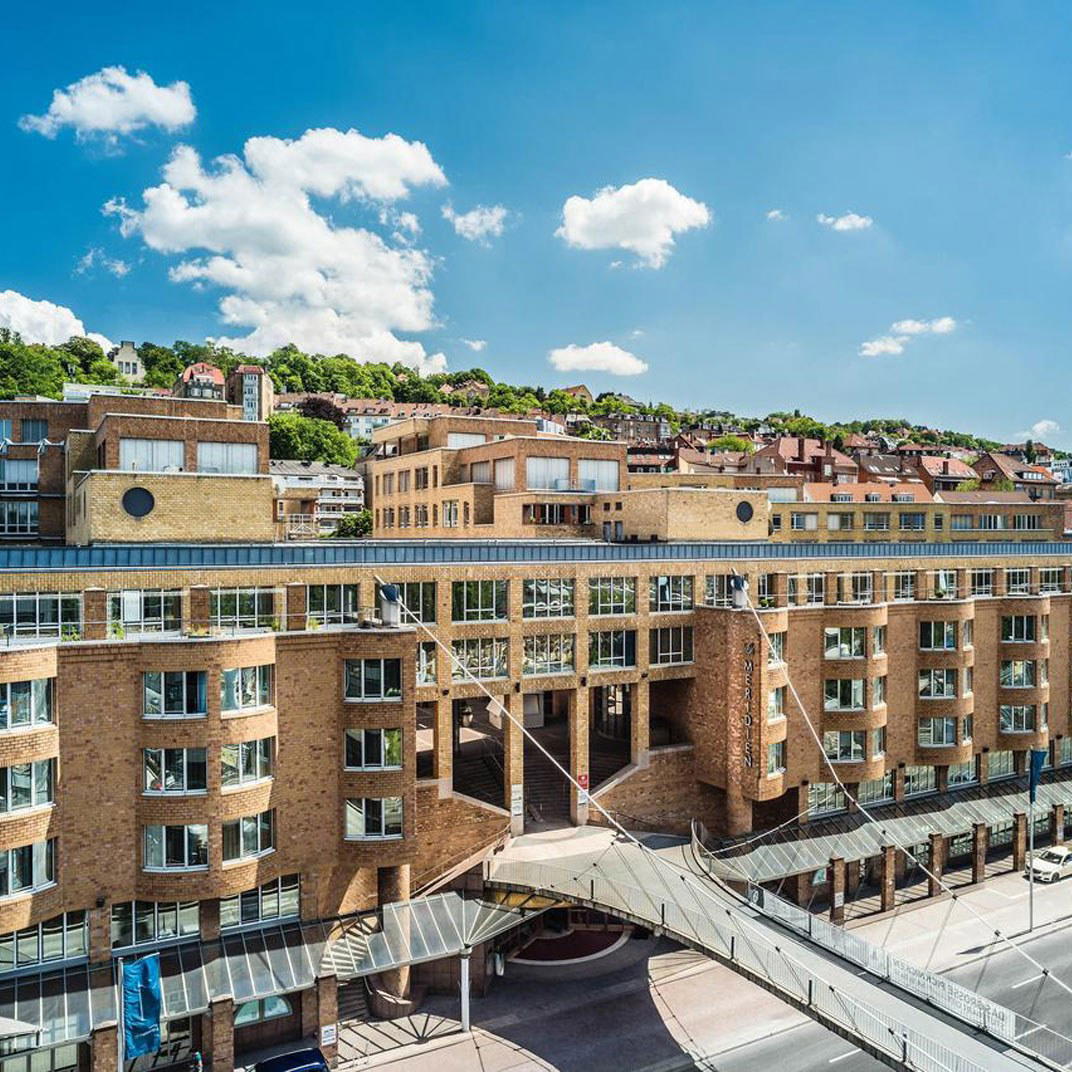
Hotels in Stuttgart
Browse all →

At a Glance
- Elegant
- Classic
- Intimate
- Date Night
- Special Occasion
Current opening hours
- Monday
- Closed
- Tuesday
- 12–2 PM, 6–11 PM
- Wednesday
- 12–2 PM, 6–11 PM
- Thursday
- 12–2 PM, 6–11 PM
- Friday
- 12–2 PM, 6–11 PM
- Saturday
- 12–2 PM, 6–11 PM
- Sunday
- 6–11 PM
Hours can change for holidays and private events. Last verified .
Schlichtes, elegantes Ambiente with air-conditioned comfort in the heart of Stuttgart.