On Eberhardstraße in central Stuttgart, Umami Ramen addresses a city whose restaurant scene skews heavily toward Swabian and fine-dining French traditions. The bowl format here represents a deliberate counterpoint: a Japanese broth-led menu in a city where ramen remains a minority proposition. For visitors mapping Stuttgart's broader eating options, it sits at the more casual, affordable end of a dining spectrum that reaches up to Michelin-starred creative kitchens.
Pearl is the En Primeur Club membership app — saves, bookings, and concierge access live there. Same editors, same standards.
- Address
- Eberhardstraße 47, 70173 Stuttgart, Germany
- Phone
- +4971139680769
- Website
- umamiramen.de
- Directions
- Get directions
 Saves & bookings on Pearl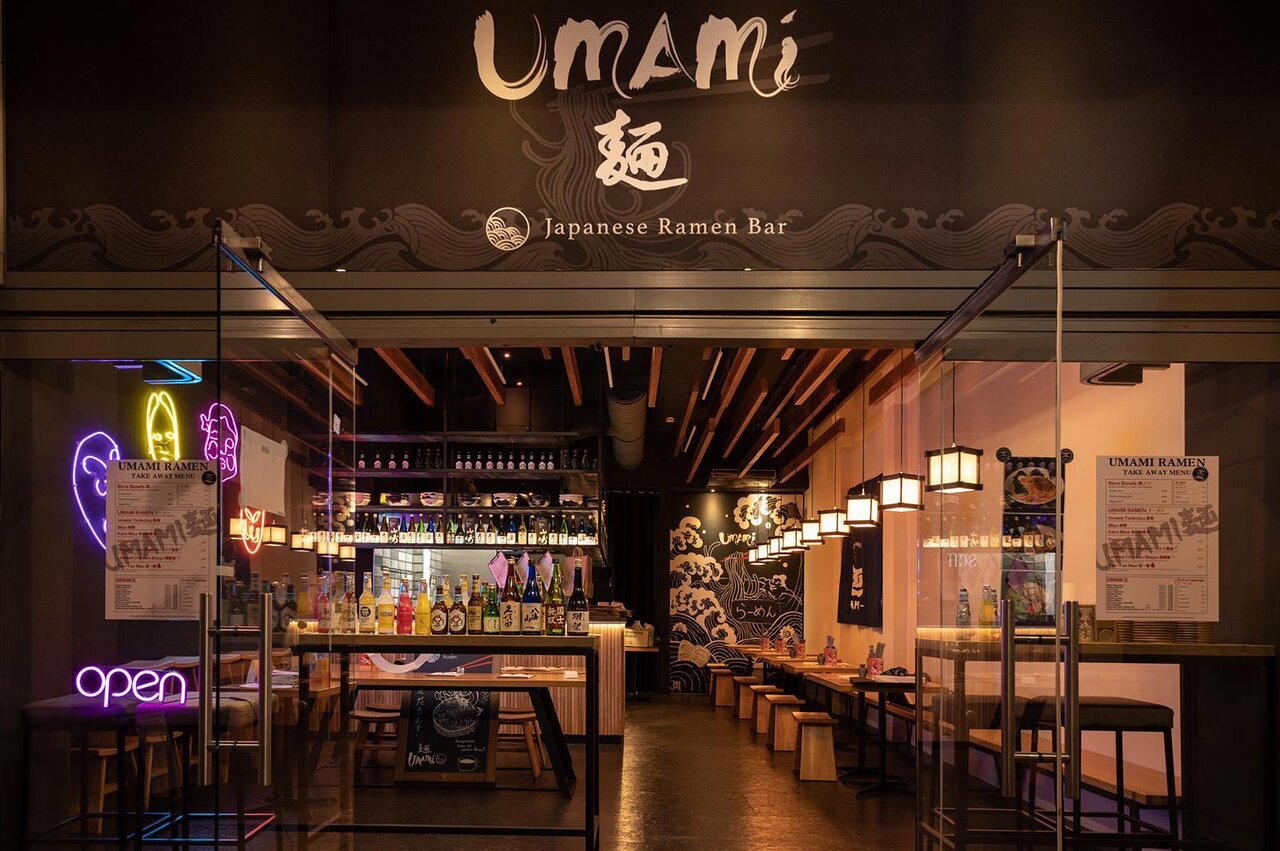
Ramen in a Fine-Dining City: What Stuttgart's Bowl Culture Looks Like
Stuttgart's restaurant identity is built around two pillars: Swabian tradition and high-end European fine dining. Japanese ramen, in this context, occupies a specific gap: a bowl-led format that bypasses both traditions entirely, offering something that neither Swabian kitchens nor tasting-menu restaurants attempt to provide.
Umami Ramen on Eberhardstraße 47 sits at the commercial heart of Stuttgart's city centre, on a street that connects the pedestrian shopping zone with the more characterful pockets of the Stadtmitte district. The address is direct and central, a practical stop for anyone moving through the city centre.
What a Ramen Menu Reveals About Its Kitchen
Ramen, as a menu format, is deceptively demanding to read correctly. The bowl appears simple: broth, noodle, topping. But the architecture of a ramen menu communicates kitchen philosophy more directly than many multi-course formats do. The number of broths on offer, whether the kitchen commits to a single tare or rotates them, how it handles vegetarian or vegan variants, and whether it lists supplementary toppings as optional additions or builds complete bowls from the outset: all of these are editorial choices that reveal how seriously the kitchen is engaging with the format.
Japanese ramen traditions split broadly into four regional styles, each defined by its base. Shoyu (soy-seasoned) broths tend toward clarity and umami depth. Shio (salt) broths are especially delicate, relying on notable stock quality because there is nowhere for imprecision to hide. Tonkotsu, the Fukuoka style, builds its signature opacity through extended pork bone reduction. Miso-based broths, associated with Hokkaido, can carry variation in character depending on the miso blend used. A kitchen that attempts all four simultaneously makes a different claim about its resources than one that focuses on one or two styles and executes them with precision.
Germany's ramen scene has matured considerably since the mid-2010s, when the format arrived with a wave of Japanese-influenced casual restaurants in Berlin and Hamburg. Cities like Stuttgart received the format later, and the gap between serious ramen kitchens and fast-casual bowl operations has widened as the format's German audience has become more knowledgeable. The question for any ramen address in a smaller German city is how it balances technique with accessibility.
Stuttgart's Position in German Dining
Stuttgart supports restaurants at the higher end of Germany's dining scene, alongside a growing modern-cuisine cohort represented by venues like Hegel Eins. That context is relevant for understanding where a casual Japanese restaurant fits: it is not competing with Stuttgart's fine-dining tier, but it benefits from a restaurant-literate audience that tends to apply more critical standards than the average city its size might produce.
Across Germany, the highest-rated restaurants occupy a different register entirely. Three-star addresses like Aqua in Wolfsburg, Schwarzwaldstube in Baiersbronn, and Vendôme in Bergisch Gladbach define one end of the spectrum. Two-star operations like Victor's Fine Dining by Christian Bau in Perl, Waldhotel Sonnora in Dreis, ES:SENZ in Grassau, and Restaurant Haerlin in Hamburg occupy another. At the format-specific end, addresses like CODA Dessert Dining in Berlin demonstrate that single-format specialisation can operate at the highest critical level. Umami Ramen occupies a different position in this hierarchy, one where the conversation is about consistency and value.
The Eberhardstraße Address: Practical Notes
Eberhardstraße 47 places Umami Ramen within easy walking distance of Stuttgart Hauptbahnhof and the S-Bahn network, making it practical for visitors moving through the city centre. The street's mix of retail, food, and service businesses keeps foot traffic consistent across lunch and dinner hours. For anyone spending time around the Königstraße shopping axis or crossing between the main station and the older city districts, the address requires no detour.
The restaurant is walk-in friendly, with daily opening hours from 11:30 AM to 10 PM.
For visitors planning a broader Stuttgart eating trip, the city's fine-dining corridor runs separately from its casual international options. A day that combines lunch at a bowl format and an evening at one of Stuttgart's creative-cuisine restaurants represents the kind of range the city's restaurant scene now supports. Germany's broader casual Japanese category has also produced technically focused operators: in Munich, JAN demonstrates how Japanese influence can express itself at a more formal level, while in New York, references like Atomix and Le Bernardin illustrate what the highest-precision end of the Asian-influenced fine-dining spectrum looks like internationally. The restaurant is not in that conversation, but understanding where the format sits globally helps calibrate expectations for what a city-centre ramen address in Stuttgart is attempting to do and for whom.
Accolades, Compared
Comparable venues nearby, for context on price, style, and recognition.
| Venue | Cuisine | Price | Notes |
|---|---|---|---|
| Umami RamenThis venue — the venue you are viewing | Authentic Japanese Ramen | $$ | Not listed |
| EArth Tokyo | Authentic Japanese Ramen | $$ | Gablenberg |
| N14 Restaurant | Asian Fusion Sushi | $$ | Gablenberg |
| I LOVE SUSHI | Japanese Sushi Bar | $$ | Heslach |
| Oishi Sushi | Japanese Sushi with Chinese Influences | $$ | Feuerbach |
| Nesenbach Brauhaus | Swabian Brauhaus with Bavarian Influences | $$ | Gablenberg |
Continue exploring
More in Stuttgart
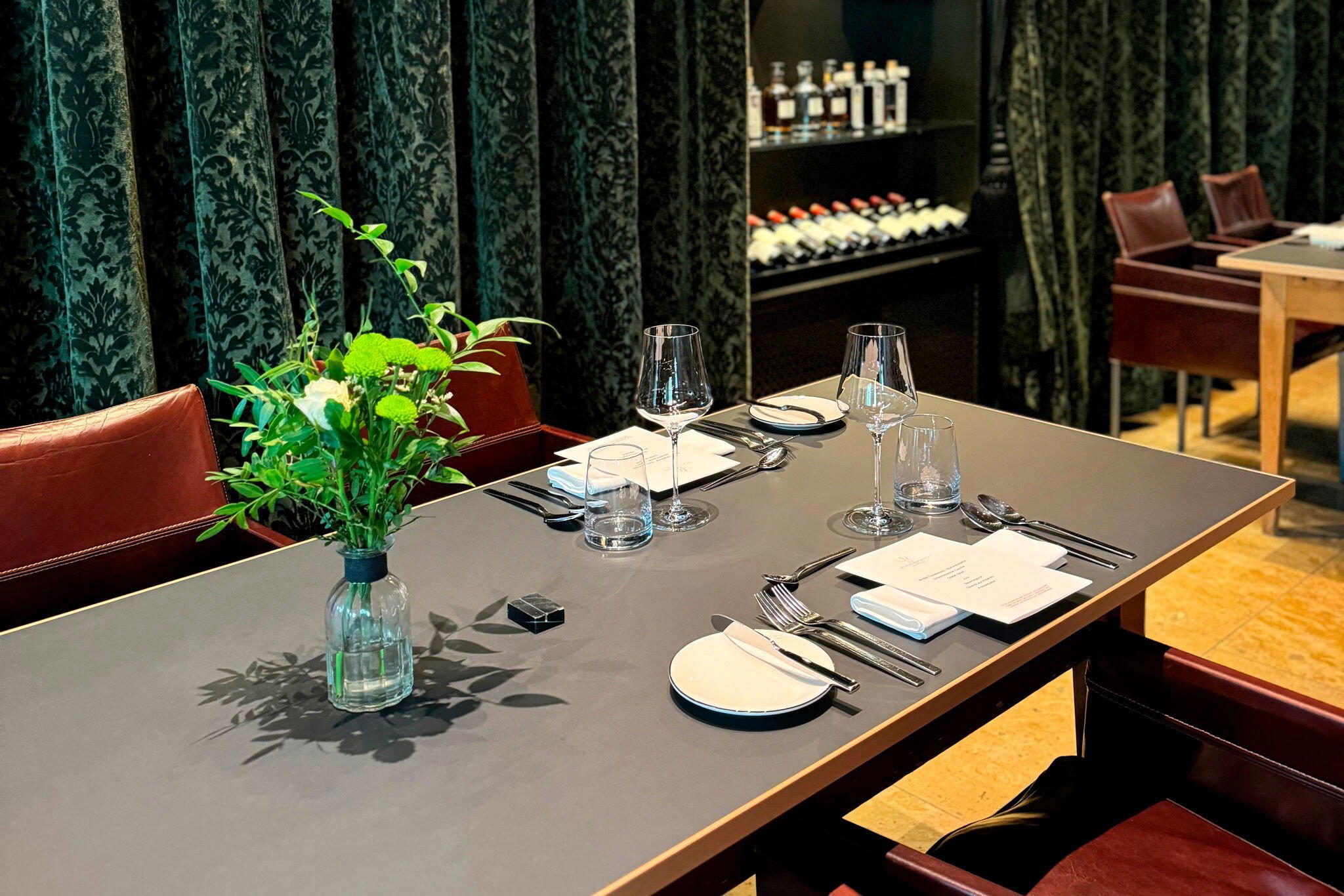
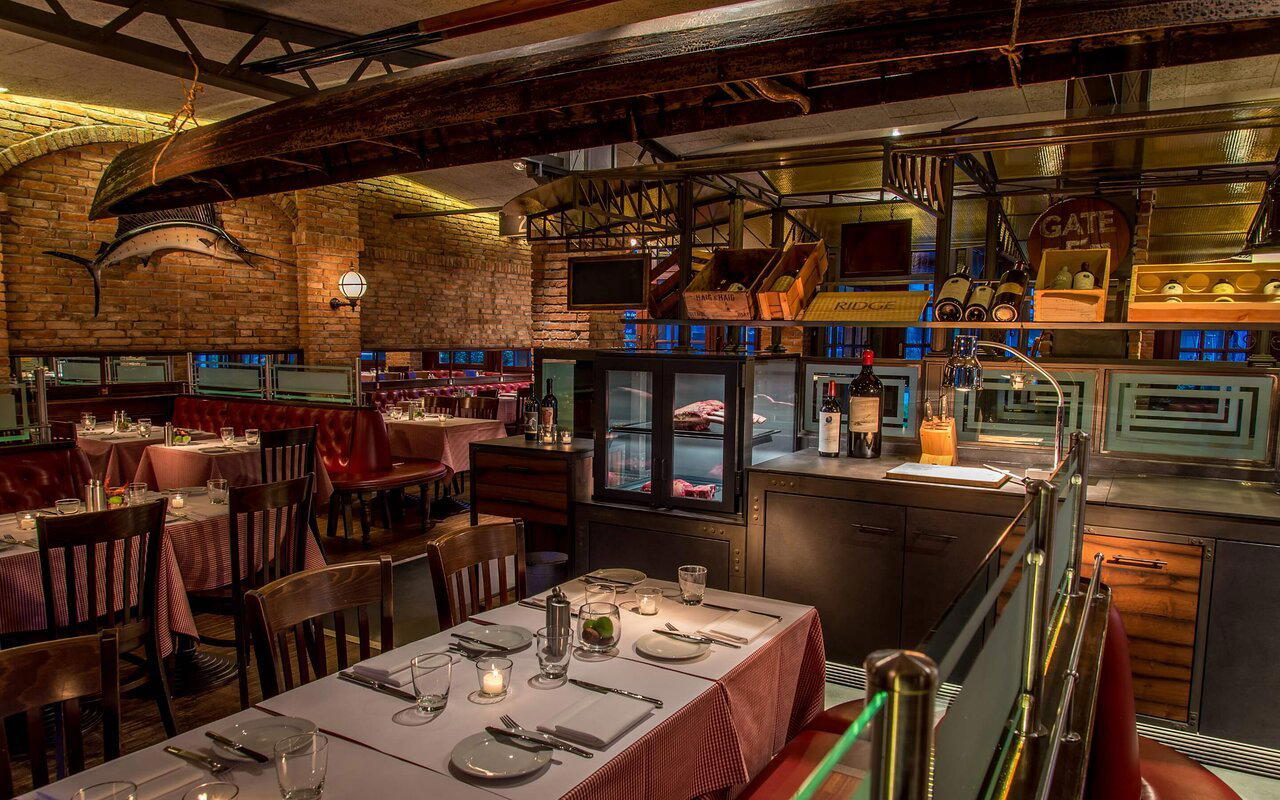
Restaurants in Stuttgart
Browse all →
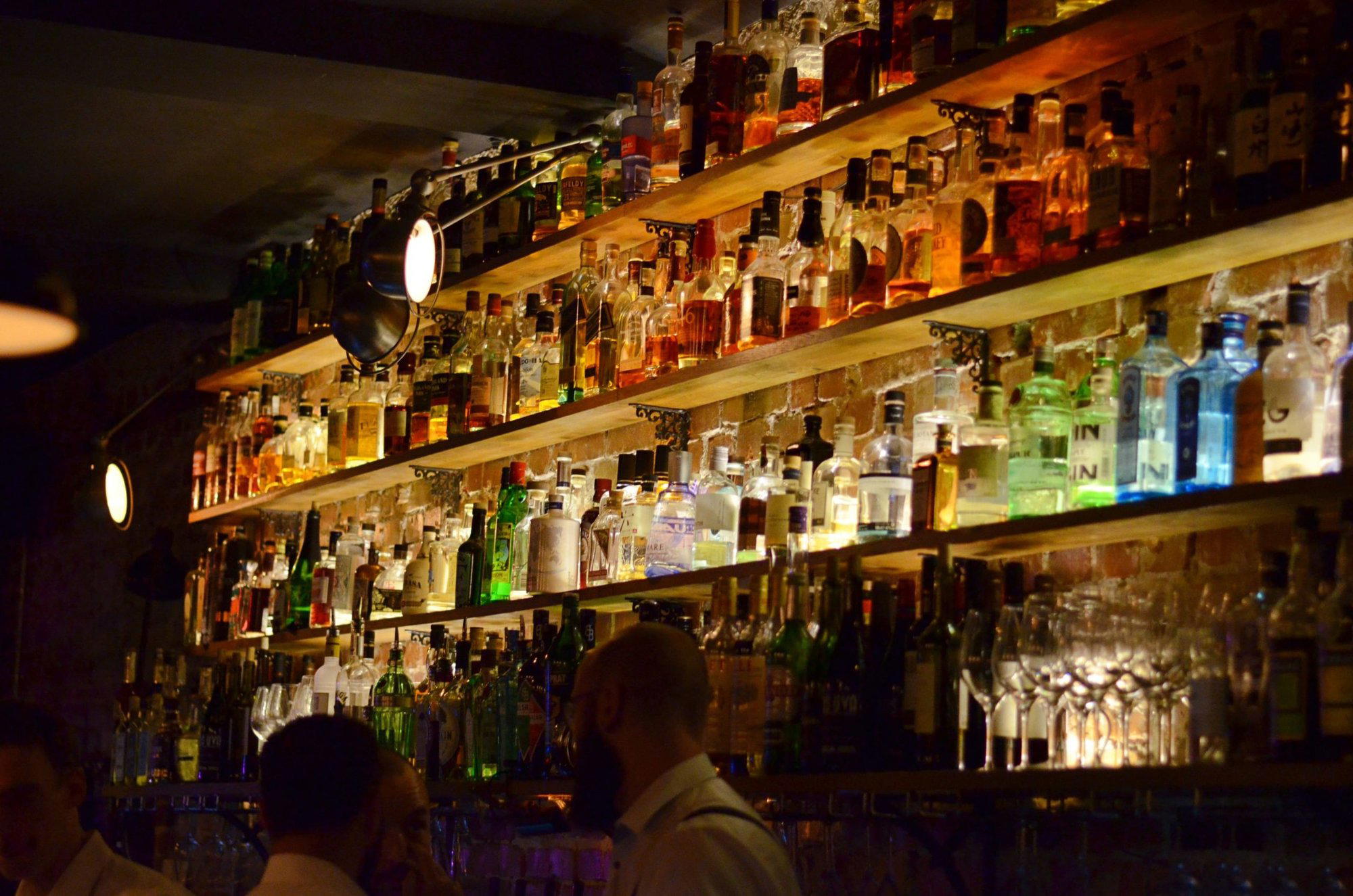
Bars in Stuttgart
Browse all →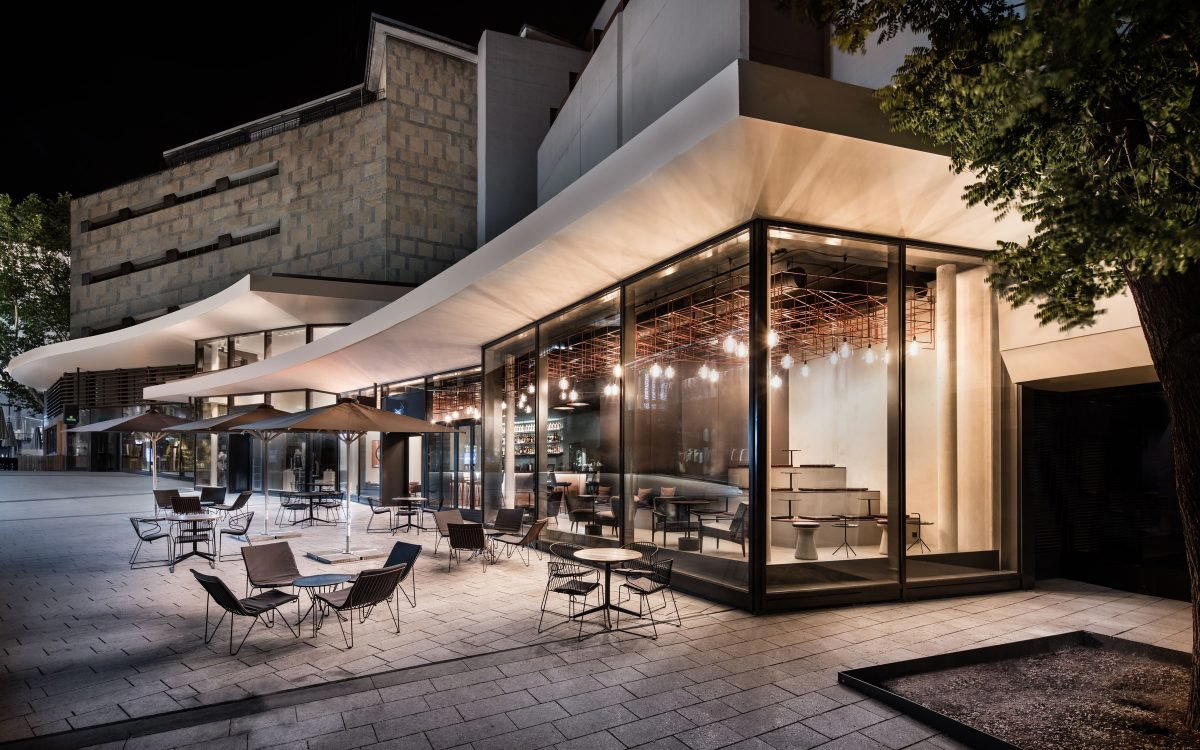
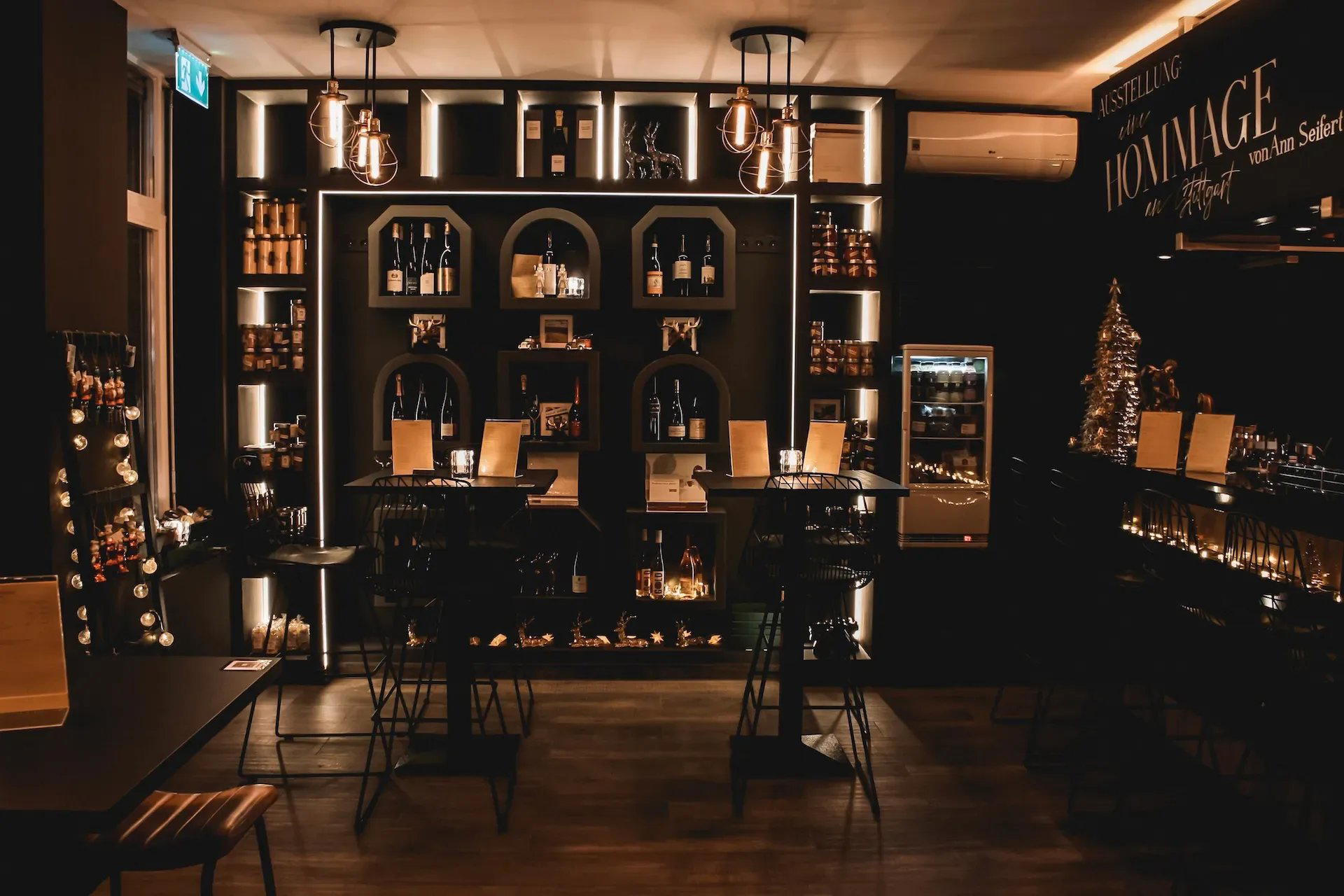

Hotels in Stuttgart
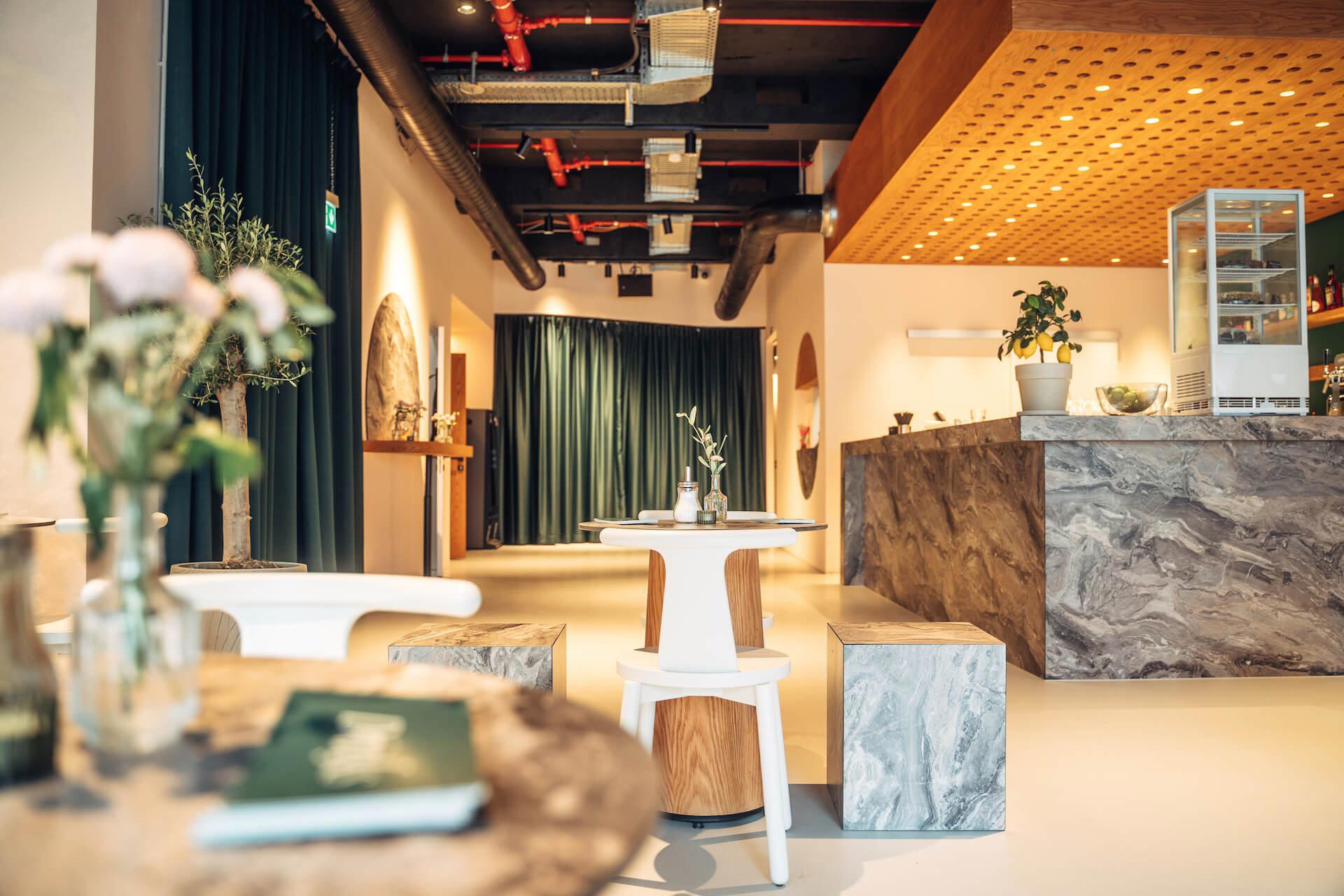
Browse all →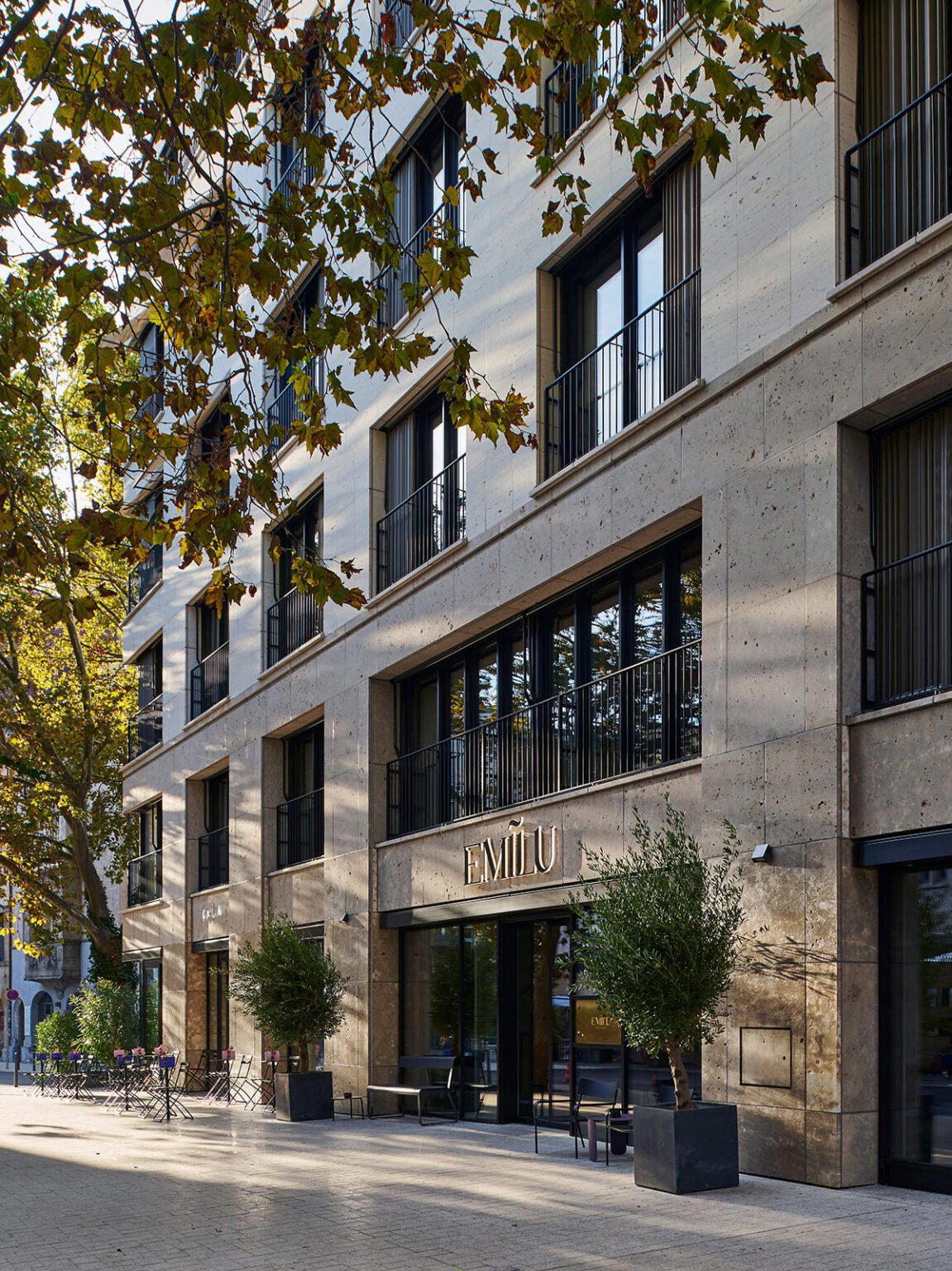
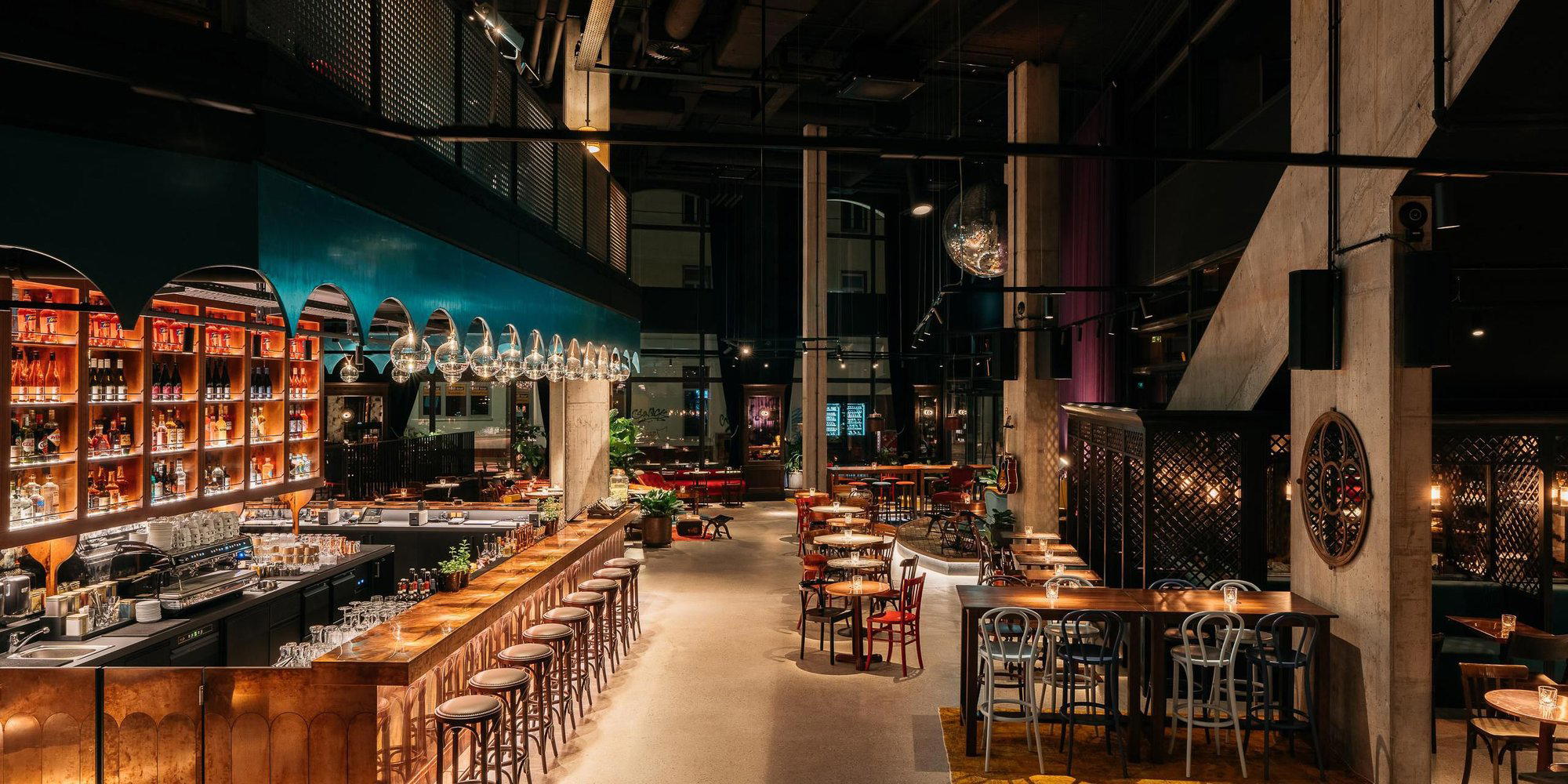

At a Glance
- Cozy
- Modern
- Trendy
- Casual Hangout
- Date Night
- Solo
- Open Kitchen
- Sake Program
Current opening hours
- Monday
- 11:30 AM–10 PM
- Tuesday
- 11:30 AM–10 PM
- Wednesday
- 11:30 AM–10 PM
- Thursday
- 11:30 AM–10 PM
- Friday
- 11:30 AM–10 PM
- Saturday
- 11:30 AM–10 PM
- Sunday
- 11:30 AM–10 PM
Hours can change for holidays and private events. Last verified .
Cozy wood-panelled atmosphere with a balance of tradition and modern innovation.