Enso Sushi & Grill positions itself within Stuttgart's expanding Asian dining tier, where the city's appetite for Japanese technique has grown well beyond conveyor-belt basics. Located at Else-Josenhans-Straße 6 in the city centre, Enso draws a regular crowd looking for sushi alongside grilled options in a format that sits between casual and considered. A practical choice for those working through Stuttgart's broader dining circuit.
Pearl is the En Primeur Club membership app — saves, bookings, and concierge access live there. Same editors, same standards.
- Address
- Else-Josenhans-Straße 6, 70173 Stuttgart, Germany
- Phone
- +4971199717718
- Website
- enso-stuttgart.de
- Directions
- Get directions
 Saves & bookings on Pearl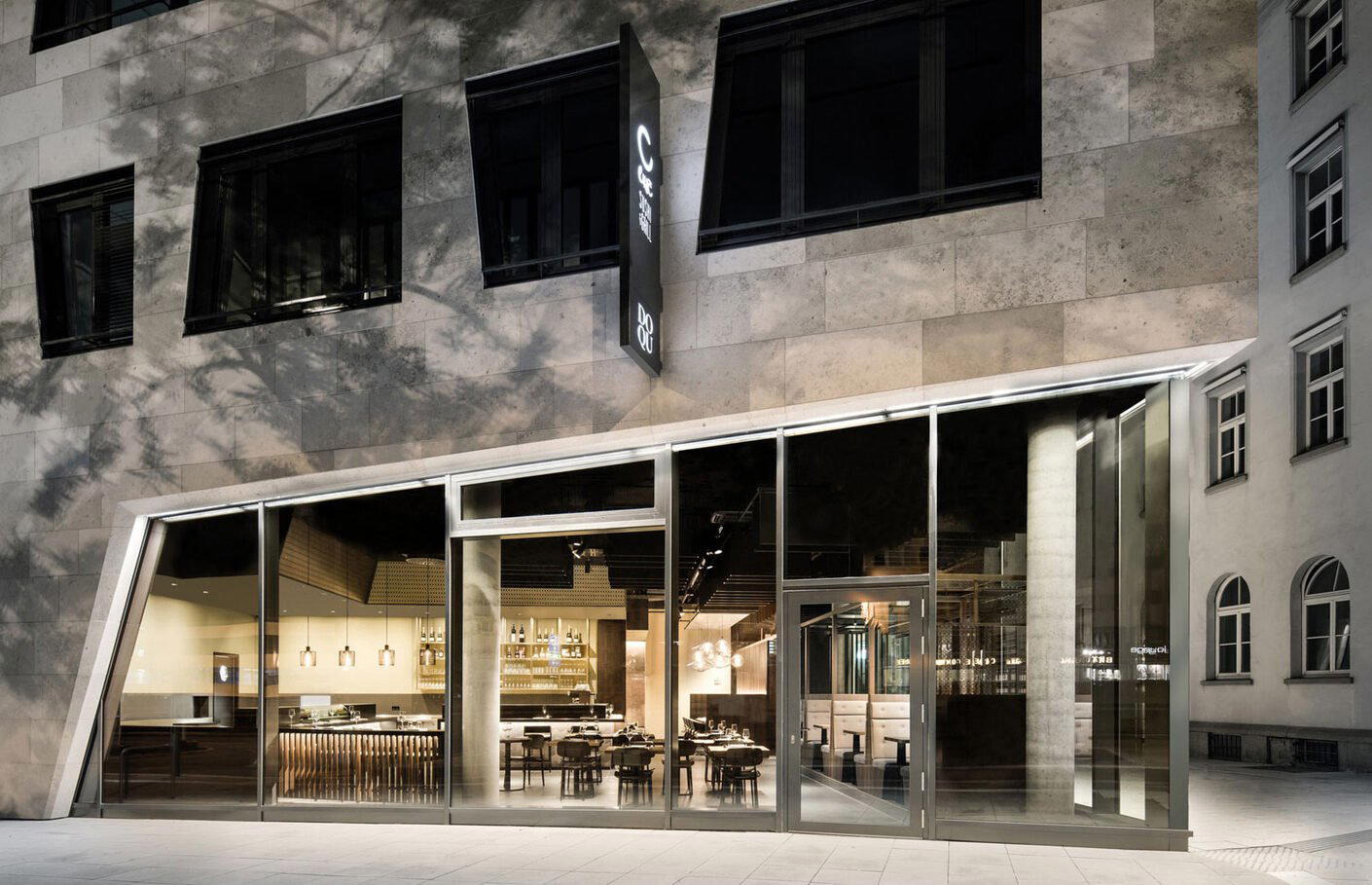
Where Stuttgart's Japanese Dining Sits Right Now
Stuttgart's restaurant scene is better known for its Swabian taverns and a cluster of Michelin-decorated tables, among them Speisemeisterei, Délice, and Der Zauberlehrling, than for Japanese cooking. Over the past decade, the city's appetite for sushi has matured from supermarket trays and all-you-can-eat conveyor belts toward formats that take sourcing and technique more seriously. Enso Sushi & Grill, on Else-Josenhans-Straße in the city's inner district, is part of that shift: a sit-down Japanese address that combines a sushi offer with grilled dishes, occupying a middle register between fast-casual and the kind of omakase formality you'd find in Frankfurt or Berlin.
That positioning is worth understanding before you go. Stuttgart's Japanese dining tier is not deep. The city does not yet have the density of specialist counters that Munich, Hamburg, or Berlin offer. JAN in Munich and Restaurant Haerlin in Hamburg represent how far the high end of German dining reaches; Stuttgart's comparable energy concentrates more around modern European formats like Hegel Eins and 5. Within that context, an address like Enso fills a specific gap: Japanese cooking that doesn't require the commitment of a tasting menu or the price floor of an omakase counter.
The Arc of the Meal
The logic of eating at a sushi-and-grill hybrid follows a recognisable progression, and it's worth thinking about how to sequence a visit rather than ordering reactively. In Japanese dining more broadly, the structure of a meal carries its own grammar. Cold preparations, whether sashimi or nigiri, belong at the front of the experience when the palate is sharpest and least fatigued by heat and fat. That principle applies here. Beginning with the raw preparations sets a cleaner reference point against which the grilled dishes, which arrive with more weight and char, can register properly.
At formats combining sushi and robata-style or grilled items, a common error is to reverse this order, moving from heavier cooked dishes into the more delicate fish preparations. The result is that the latter are effectively invisible to a palate already committed to smoke and rendered fat. A considered approach would move through lighter vinegared or dressed preparations first, then into nigiri with progressively fattier fish, before transitioning to grilled proteins or cooked rolls as the meal's later act. This is not a prescriptive sequence, but it reflects the logic embedded in traditional Japanese service and tends to produce a more satisfying overall arc.
Germany's better Japanese restaurants, including ambitious counters with Michelin recognition such as Aqua in Wolfsburg and conceptually experimental formats like CODA Dessert Dining in Berlin, have pushed the category toward more disciplined sequencing. At the accessible-tier level, that discipline is more often self-directed. Knowing how to move through the menu structure is part of getting full value from the visit.
Stuttgart's Broader Fine Dining Gravity
It helps to place Enso against the wider pull of Stuttgart's restaurant circuit. The city punches above its size in European fine dining terms. Baden-Württemberg as a region holds more Michelin stars per capita than most German states, with the Black Forest corridor, including Schwarzwaldstube in Baiersbronn, anchoring the region's highest-end offer. Within Stuttgart proper, the competition for dinner euros concentrates around French-influenced creative and modern cuisine. That makes a Japanese grill format something of a category apart rather than a direct competitor to the Speisemeisterei or Délice tier.
For travellers building a multi-night itinerary across Stuttgart's dining range, a practical approach is to anchor the serious investment in the city's European fine dining circuit and use a Japanese address for the meal that doesn't demand that level of planning or spend. The broader German fine dining map, which stretches from Vendôme in Bergisch Gladbach to Victor's Fine Dining by Christian Bau in Perl, ES:SENZ in Grassau, Schanz in Piesport, and Waldhotel Sonnora in Dreis, makes clear how much the country's high-end dining energy clusters outside its major cities. Stuttgart follows that pattern: its leading European tables are genuinely competitive nationally, but the Asian dining tier remains developing.
Eating Japanese in Germany: The Technical Context
One structural reality of Japanese dining in Germany is fish supply. The upper tier of sushi in Japan draws on proximity to Tsukiji-successor markets, daily auctions, and supplier networks that German kitchens simply cannot replicate at the same cost point. German sushi restaurants, except a small number of high-end counters sourcing directly from Japan through specialist importers, operate with European-caught or farmed fish that behaves differently on the palate. This is not a failure of ambition but a structural constraint of geography. Formats that combine sushi with grilled preparations are partly a response to this reality: grilling creates its own flavour logic that is less dependent on the kind of fish provenance that makes or breaks a pure omakase counter.
At formats like Lazy Bear in San Francisco, where the communal tasting structure reorients the meal entirely, or Le Bernardin in New York City, where French seafood technique is pushed to its outer edge, the relationship between sourcing and format is direct and explicit. At a mid-tier Japanese grill in a mid-sized German city, the relationship is more pragmatic. Recognising that is part of calibrating expectations correctly.
Planning a Visit
Enso Sushi & Grill is located at Else-Josenhans-Straße 6, in Stuttgart's central district 70173, accessible from the main rail hub at Stuttgart Hauptbahnhof within a short walk or tram connection. The restaurant recommends reservations, and its regular hours run Monday to Friday from 11:30 AM to 3 PM and 5:30 PM to 10 PM, Saturday from 12 PM to 11 PM, and Sunday is closed. Stuttgart's restaurant circuit is navigable on foot across much of the centre, which makes combining an evening here with a look at the surrounding neighbourhood practical without requiring a taxi or transit commitment.
The Quick Read
Comparable venues nearby, for context on price, style, and recognition.
| Venue | Cuisine | Price | Notes |
|---|---|---|---|
| Enso Sushi & GrillThis venue — the venue you are viewing | Not listed | $$ | Not listed |
| Suzuna | Not listed | $$ | Gablenberg, Traditional Japanese Izakaya & Ramen |
| Umami Ramen | Gablenberg, Authentic Japanese Ramen | $$ | Not listed |
| Kicho | Gablenberg, Authentic Japanese | $$$ | Not listed |
| Okyu | Gablenberg, Contemporary Japanese Sushi | $$ | Not listed |
| Claus | Gablenberg, Healthy Deli & Ice Cream | $$ | Not listed |
Continue exploring
More in Stuttgart
Restaurants in Stuttgart
Browse all →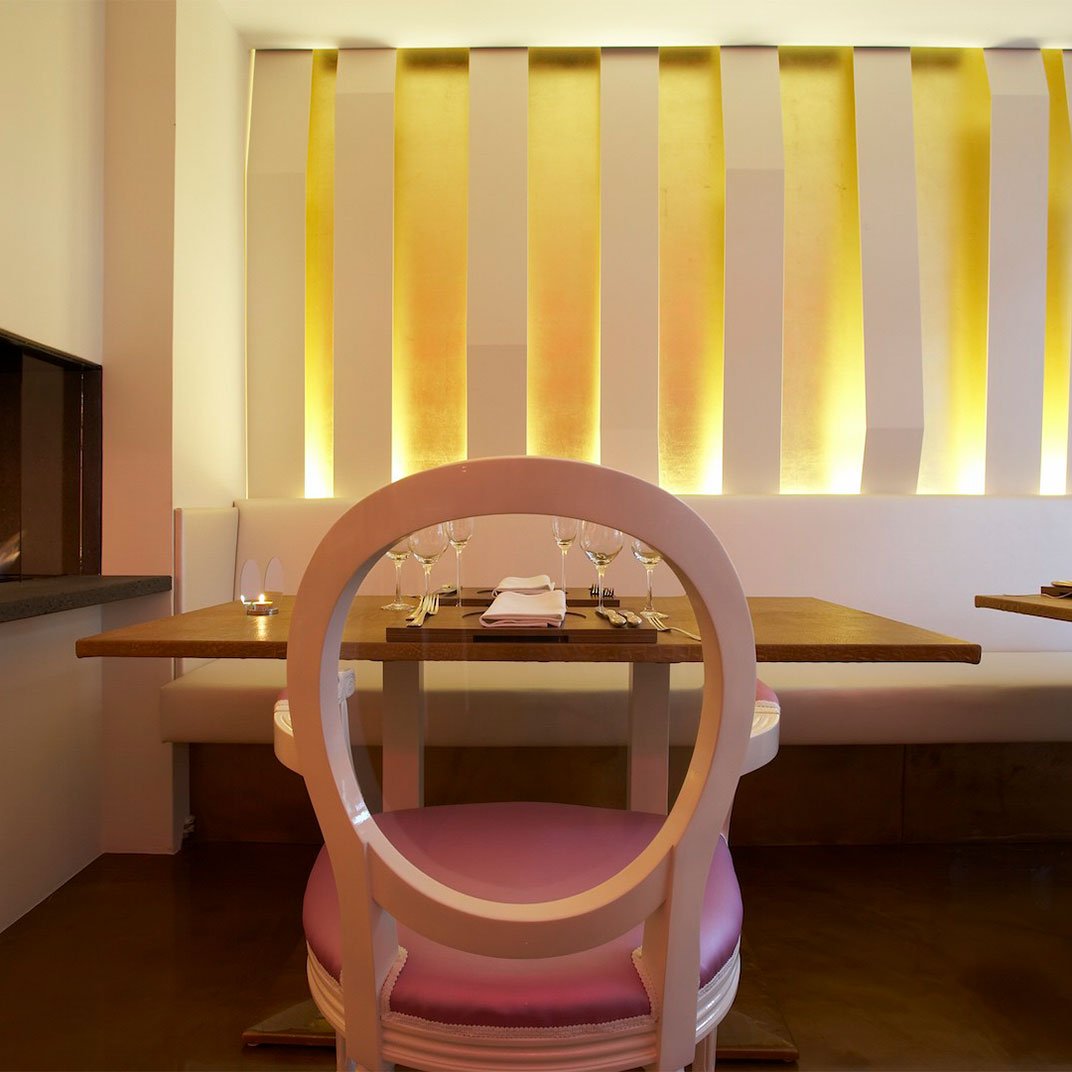
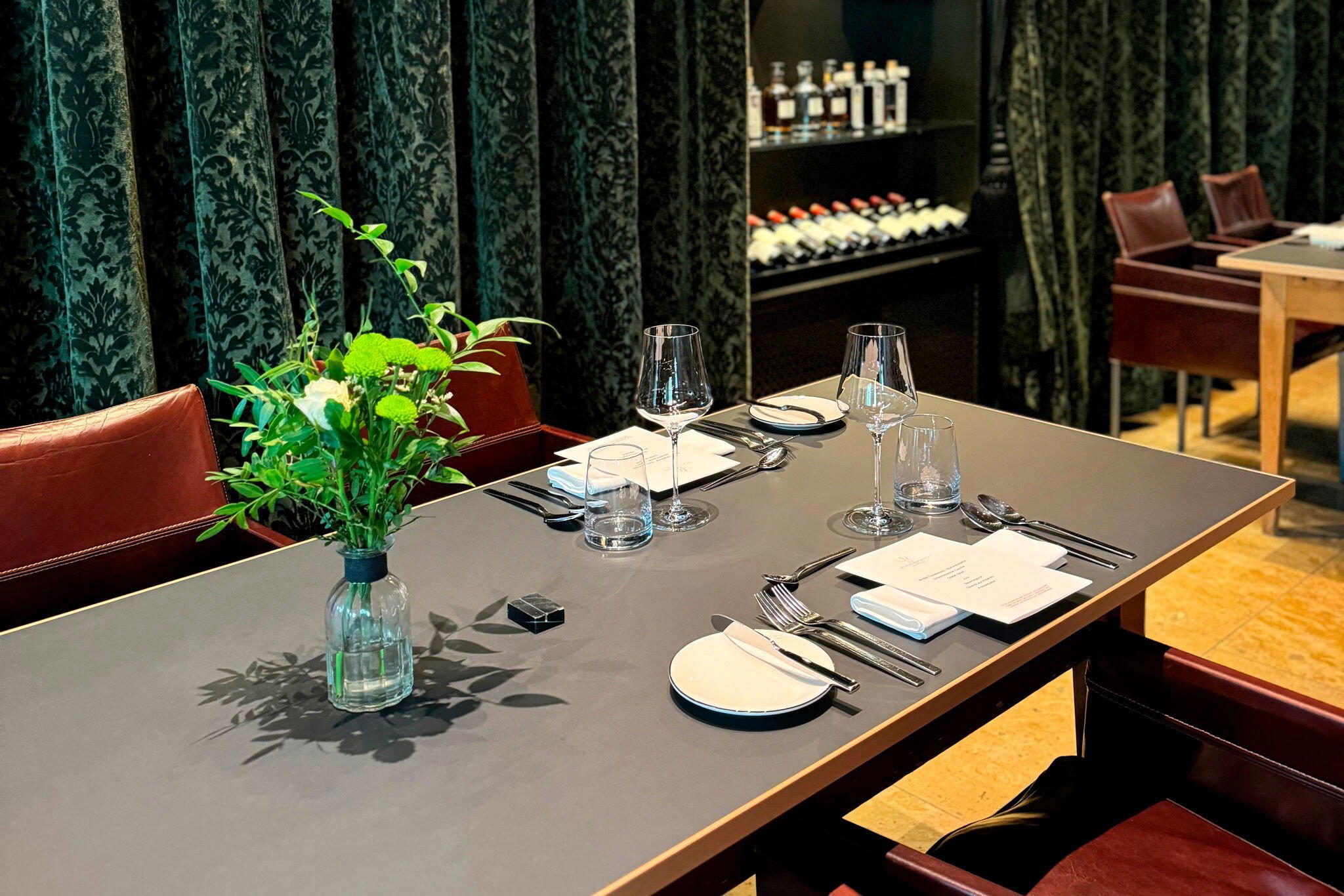
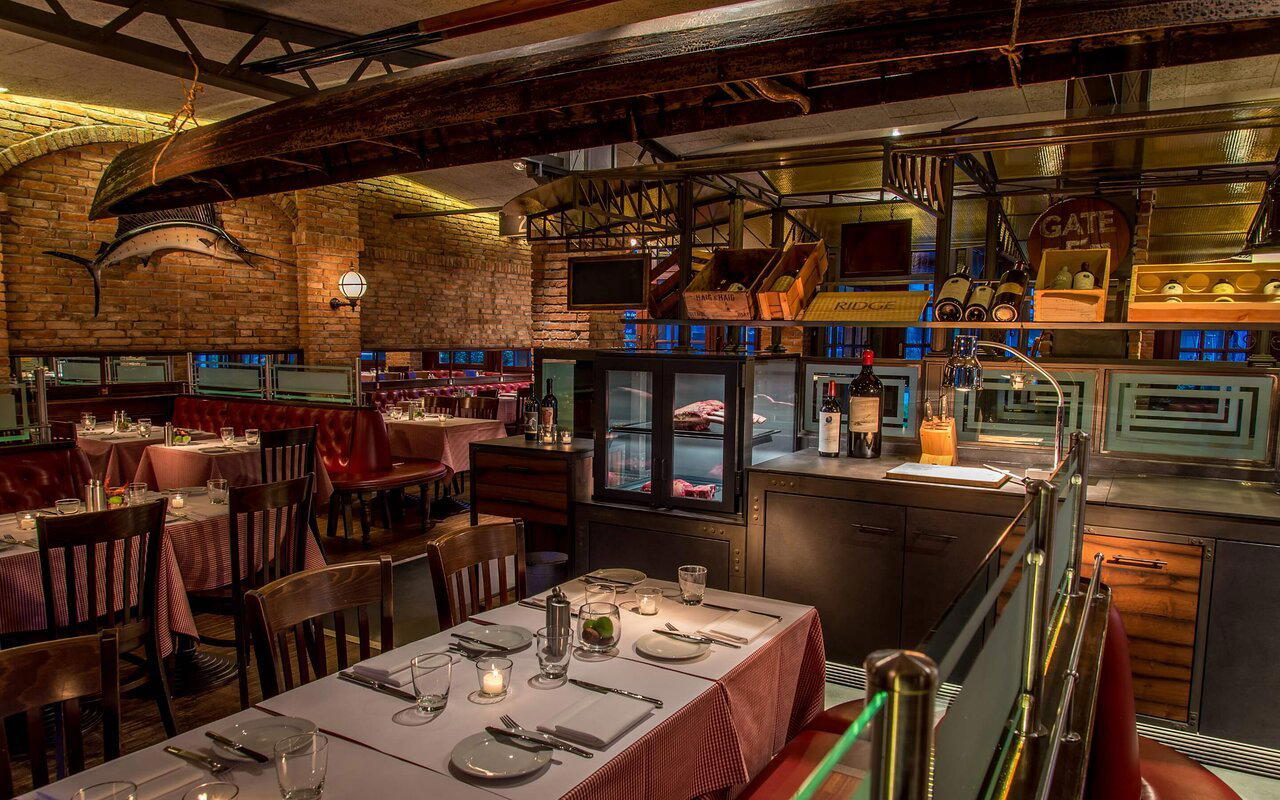
Bars in Stuttgart
Browse all →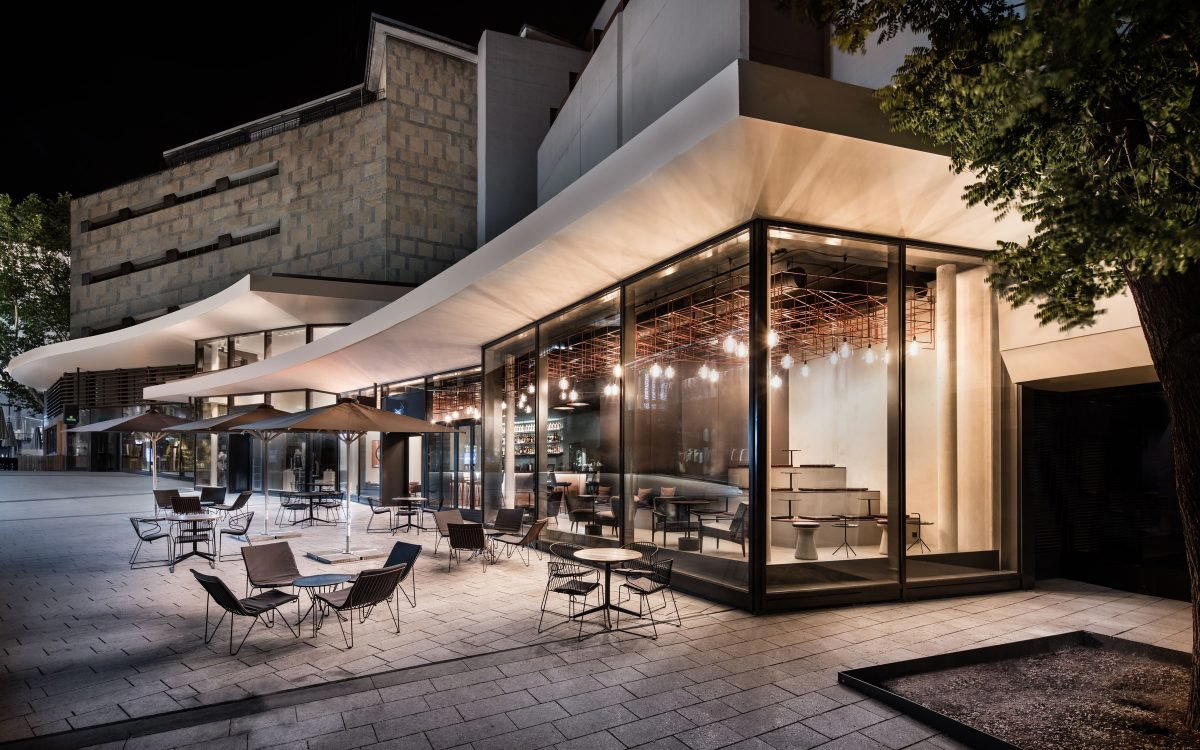

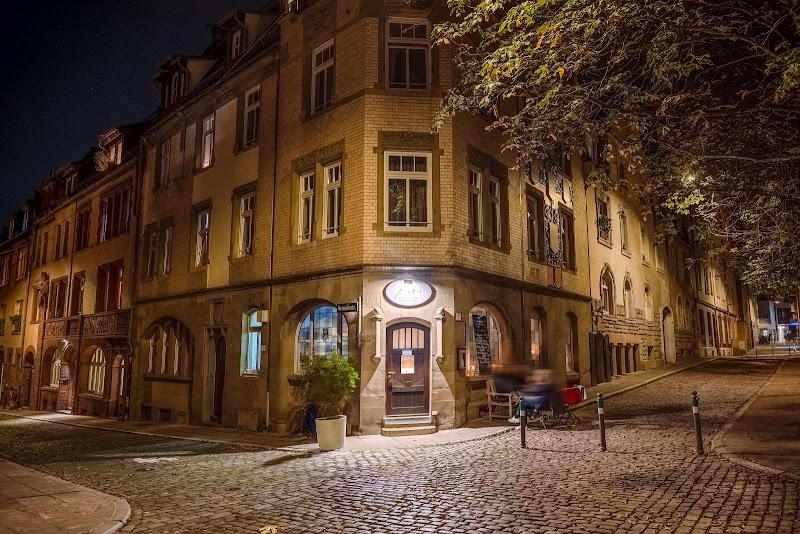
Hotels in Stuttgart
Browse all →

At a Glance
- Modern
- Trendy
- Sophisticated
- Date Night
- Group Dining
- Casual Hangout
- Open Kitchen
- Sake Program
- Local Sourcing
Current opening hours
- Monday
- 11:30 AM–3 PM, 5:30–10 PM
- Tuesday
- 11:30 AM–3 PM, 5:30–10 PM
- Wednesday
- 11:30 AM–3 PM, 5:30–10 PM
- Thursday
- 11:30 AM–3 PM, 5:30–10 PM
- Friday
- 11:30 AM–3 PM, 5:30–10 PM
- Saturday
- 12–11 PM
- Sunday
- Closed
Hours can change for holidays and private events. Last verified .
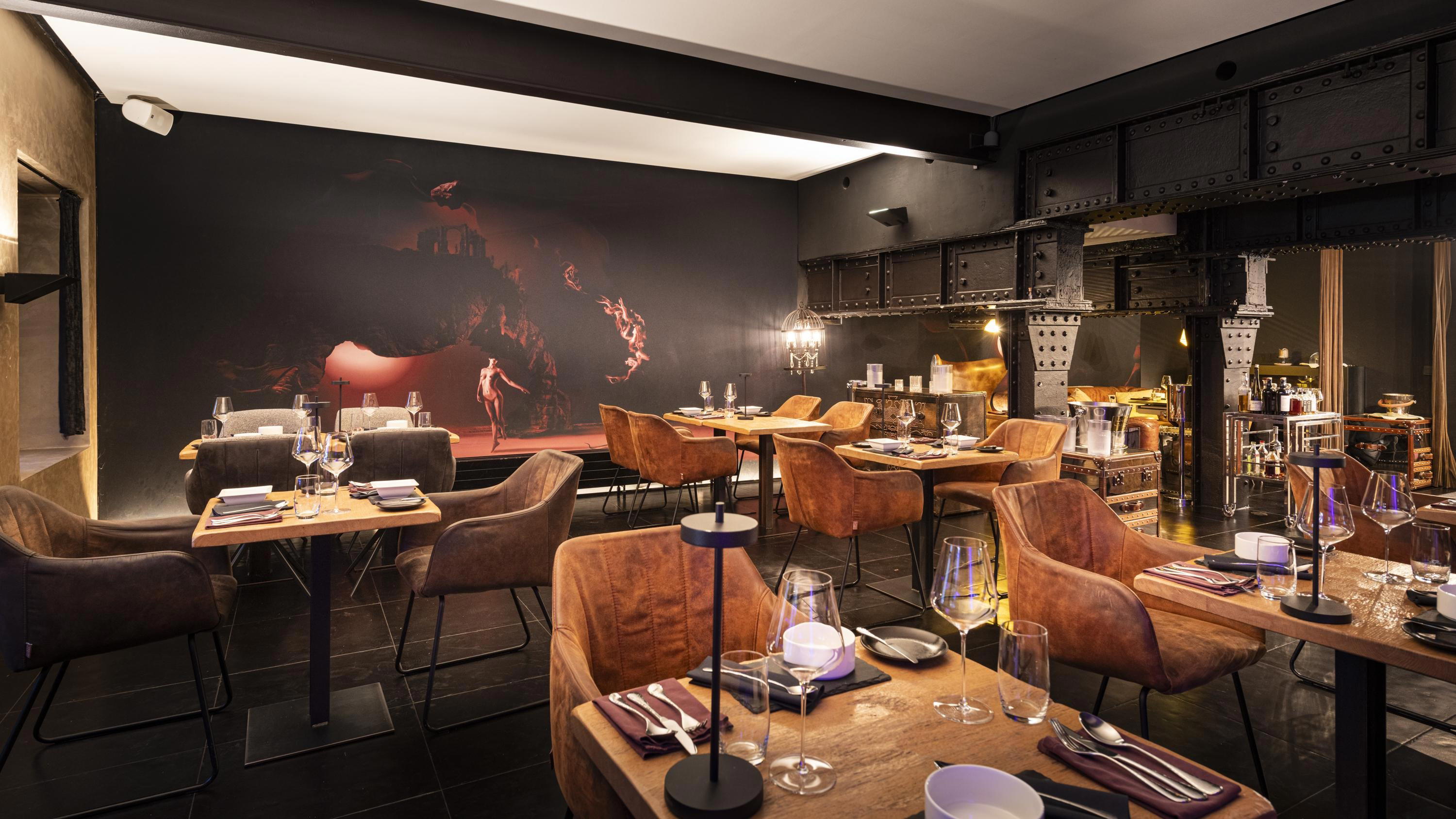
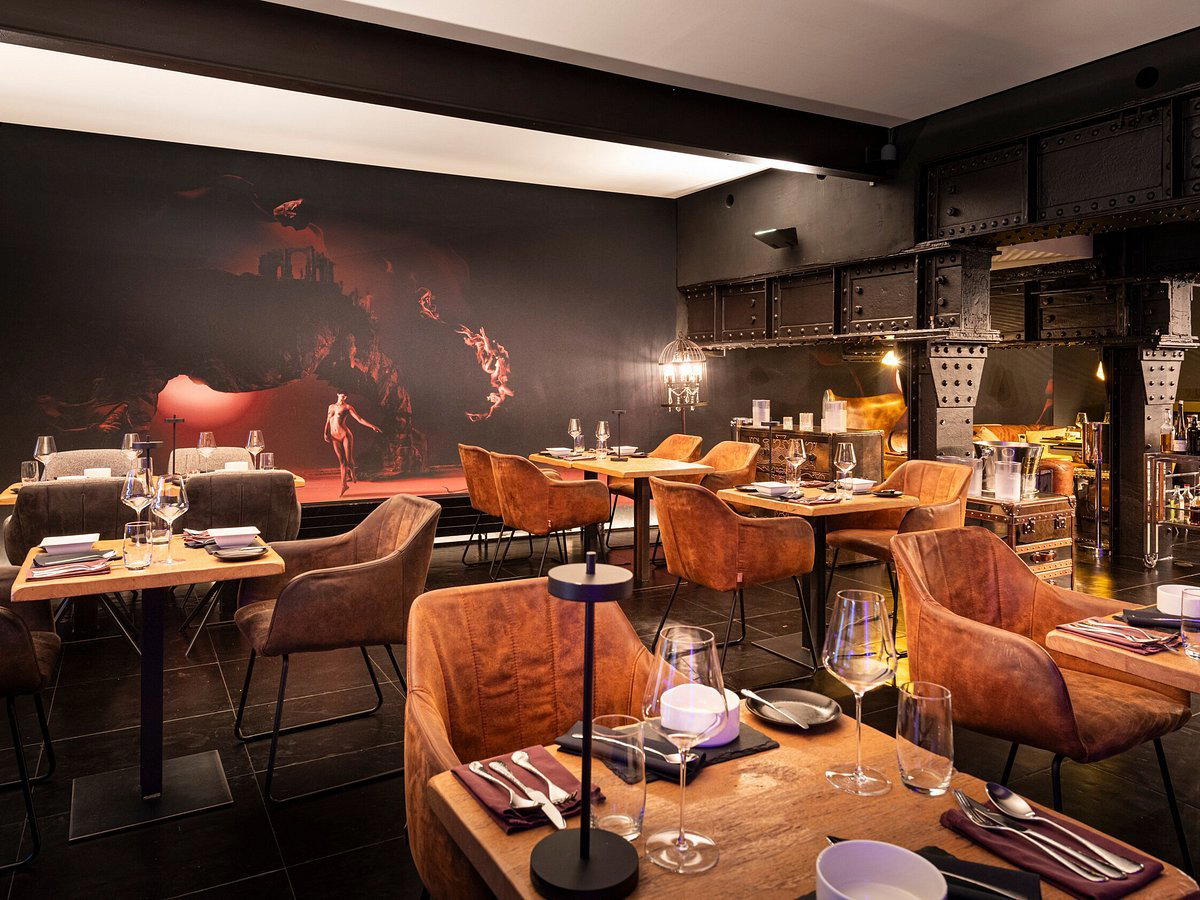
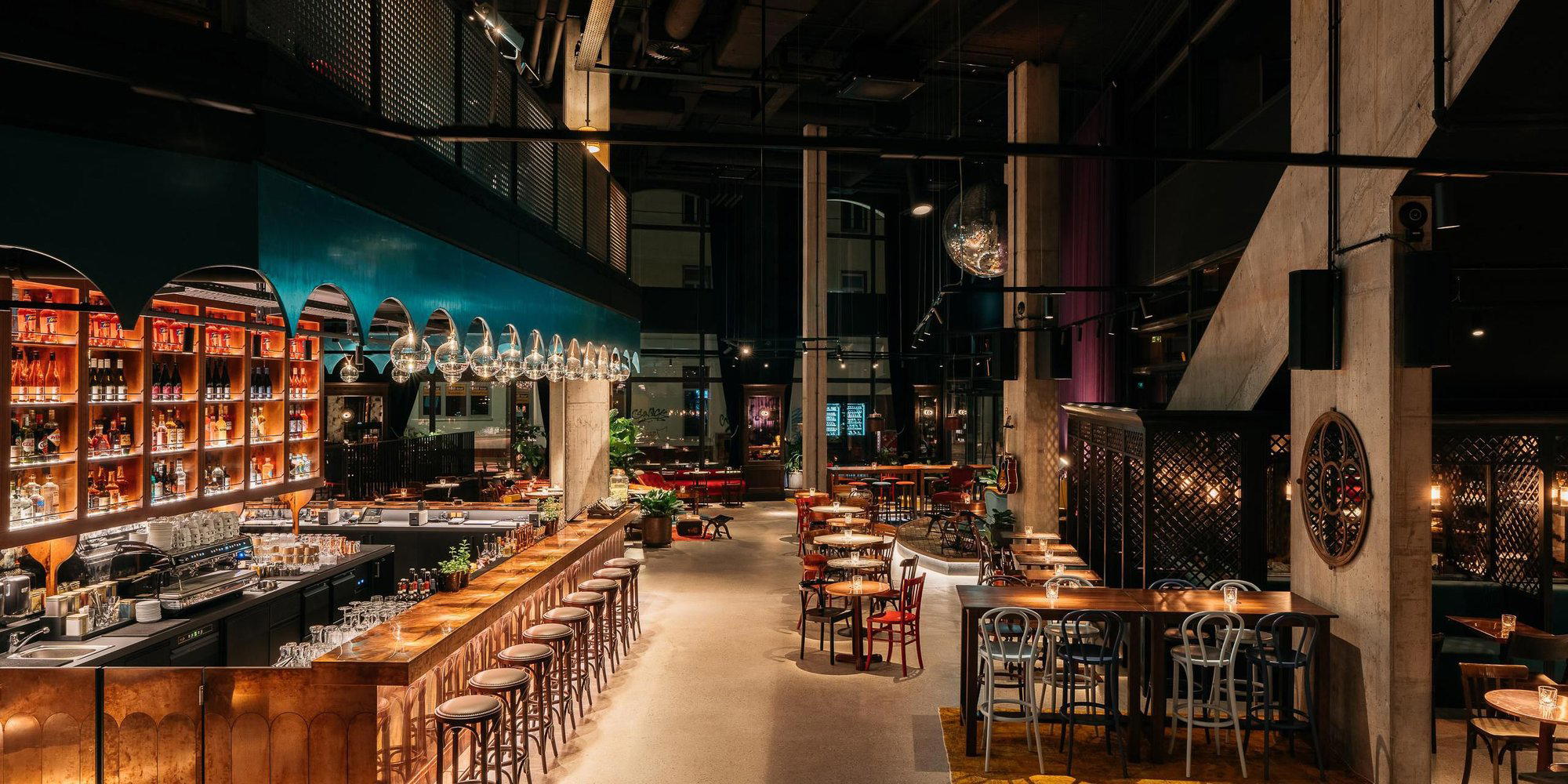
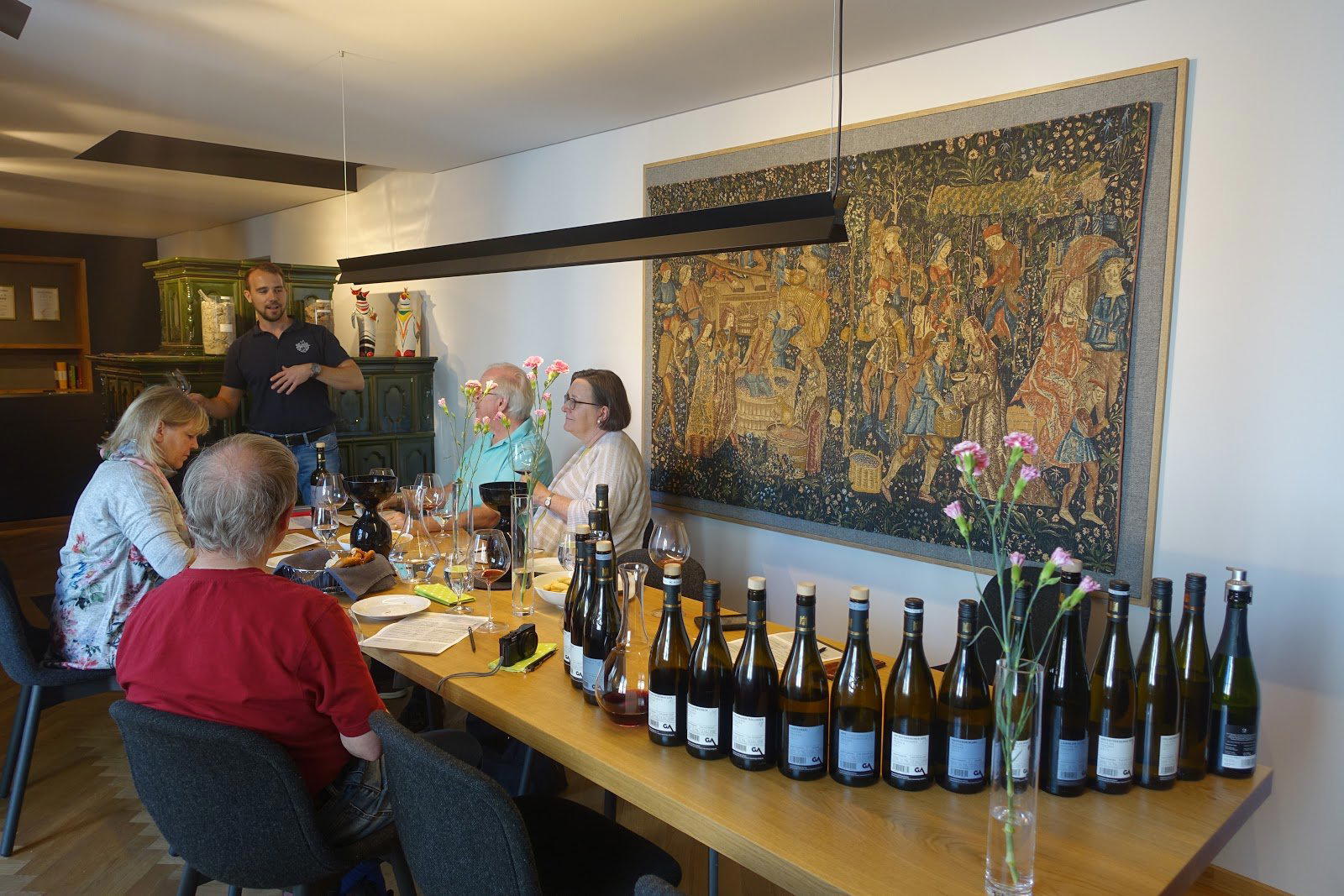
Stylish modern ambiance with warm wood tones, subtle Japanese influences, and private seating nisches, though some find it loud and cramped.