Our verdict
Mikoto occupies a corner of Stuttgart's Südstadt at Tübinger Str. 41-43, operating in a city where serious dining increasingly rewards ethical sourcing and producer transparency. The address places it within walking distance of the Böblingerstrasse corridor, where a younger cohort of restaurants has been quietly building a case for conscientious cooking. Details on price and format are best confirmed directly with the venue.

Pearl is the En Primeur Club membership app, where members save venues, book tables and use the concierge.

Stuttgart's Ethical Dining Shift, and Where Mikoto Sits Within It
Stuttgart has never fitted neatly into Germany's fine dining map. Overshadowed by Munich to the east and the three-star density of the Black Forest to the west, the city has spent years building a serious restaurant culture that gets less international press than it warrants. Venues like Speisemeisterei and Délice anchor the creative and modern end of the market, while Der Zauberlehrling has maintained a loyal following on the strength of creative cooking at a slightly lower price point. Within this context, a newer address like Mikoto arrives during a period when Stuttgart diners are asking different questions: not just how good is the cooking, but where the ingredients come from and what the kitchen's relationship with waste looks like.
That shift is not unique to Stuttgart. Across Germany's mid-tier dining cities, sustainability has moved from a marketing footnote to a genuine operational commitment at restaurants that take themselves seriously. The kitchens that have earned lasting critical attention, from ES:SENZ in Grassau to CODA Dessert Dining in Berlin, tend to treat ethical sourcing as a structural decision, not a seasonal campaign. Mikoto operates in that broader current.
The Address and What It Signals
Tübinger Strasse runs through Stuttgart's Südstadt, a neighbourhood that carries more residential texture than the pedestrianised centre, and a dining scene that skews towards places with a point of view rather than places chasing tourist footfall. The street number, 41-43, places Mikoto in a stretch of the road that has seen gradual commercial development without losing its neighbourhood character. Arriving from the city centre, the walk takes you through a part of Stuttgart that feels genuinely local, which is either exactly the right setting for a restaurant with a conscientious sourcing philosophy, or an interesting contrast to it, depending on how the interior registers.
For visitors combining Mikoto with other Stuttgart dining, the Südstadt location pairs naturally with a broader evening in the neighbourhood. For those cross-referencing against Stuttgart's more established addresses, Hegel Eins and 5 both operate at the modern cuisine end of the market and provide a useful point of comparison for anyone benchmarking price tier and format. Our full Stuttgart restaurants guide maps the city's dining options across neighbourhoods and price points.
Sourcing, Sustainability, and What Conscientious Cooking Actually Requires
The sustainability story in German fine dining has developed along two distinct lines. One group of restaurants treats it as a supply chain question: shorter routes from farm to kitchen, named producers on the menu, seasonal rotation as an operational constraint rather than a styling choice. The other group treats it as a culinary methodology: fermentation programs that extend ingredient life, nose-to-tail or root-to-leaf discipline that reduces discard, and menus that are built around what is available rather than what is conventionally expected.
The most convincing practitioners tend to combine both approaches. Schwarzwaldstube in Baiersbronn has long operated within a regional sourcing framework that the Black Forest geography makes relatively natural. Further afield, Aqua in Wolfsburg and Vendôme in Bergisch Gladbach represent the upper end of the market where ethical sourcing intersects with technical ambition at the three-star level. What matters at every price point is whether the commitment is structural or cosmetic, whether it changes what is on the plate, or merely what is in the press release.
Mikoto's position in Stuttgart's Südstadt, away from the city's more prominent dining addresses, suggests a kitchen more interested in the former. Restaurants that build around genuine sourcing discipline tend to avoid the city-centre locations where rent structures push menus toward higher volumes and more predictable formats. That is a pattern visible in Stuttgart and replicated in comparable German cities: the more ethically rigorous operations often occupy secondary postcodes with lower overhead, which in turn allows them to pay premium prices to producers without passing unsustainable costs to diners.
The German Dining Context Mikoto Enters
Germany's restaurant conversation in the current period is shaped by a handful of structural tensions. Inflation in food costs has put pressure on mid-market operators. Energy costs have changed kitchen economics. And the Michelin inspection cycle, which expanded its German coverage over the past decade, has raised the scrutiny applied to restaurants outside the traditional prestige cities.
For international diners who use restaurants like Le Bernardin in New York City or Atomix in New York City as reference points, the Stuttgart scene offers a materially different proposition: lower average price points, a stronger connection to regional produce, and a dining culture that is less performance-oriented than the prestige addresses in either London or New York. Waldhotel Sonnora in Dreis remains the example most often cited when discussing Germany's capacity for cooking that matches international three-star ambition without adopting the conventions of international fine dining. Mikoto operates several tiers below that conversation, but the underlying question, what does a kitchen owe its ingredients, its producers, and its local food system, is shared across the range.
Planning a Visit
Mikoto is located at Tübinger Str. 41-43, 70178 Stuttgart, in the Südstadt district. Given the limited publicly available information on booking method, hours, and pricing, contacting the venue directly before visiting is advisable. Stuttgart's Südstadt is accessible from the city centre by tram, making the location practical for visitors staying in the central hotel corridor. Given the restaurant's apparent positioning within the neighbourhood dining tier, booking ahead is sensible regardless of format, smaller operations in residential Stuttgart neighbourhoods tend to run at capacity on weekends without the buffer of walk-in tourist trade that city-centre venues rely on. For context on where Mikoto sits relative to Stuttgart's broader dining options, the city's serious restaurant tier currently spans from creative tasting-menu formats to more relaxed neighbourhood operations, with price points ranging from €€€ to €€€€ depending on format and ambition.
Frequently asked questions
Can I bring kids to Mikoto?
In Stuttgart's Südstadt, restaurants operating at the serious end of the neighbourhood dining market tend to work better with older children who are comfortable with a longer, more structured meal. If the format skews toward a tasting menu or counter-style service, common in Stuttgart's current creative tier, that is worth factoring into the decision.
How would you describe the vibe at Mikoto?
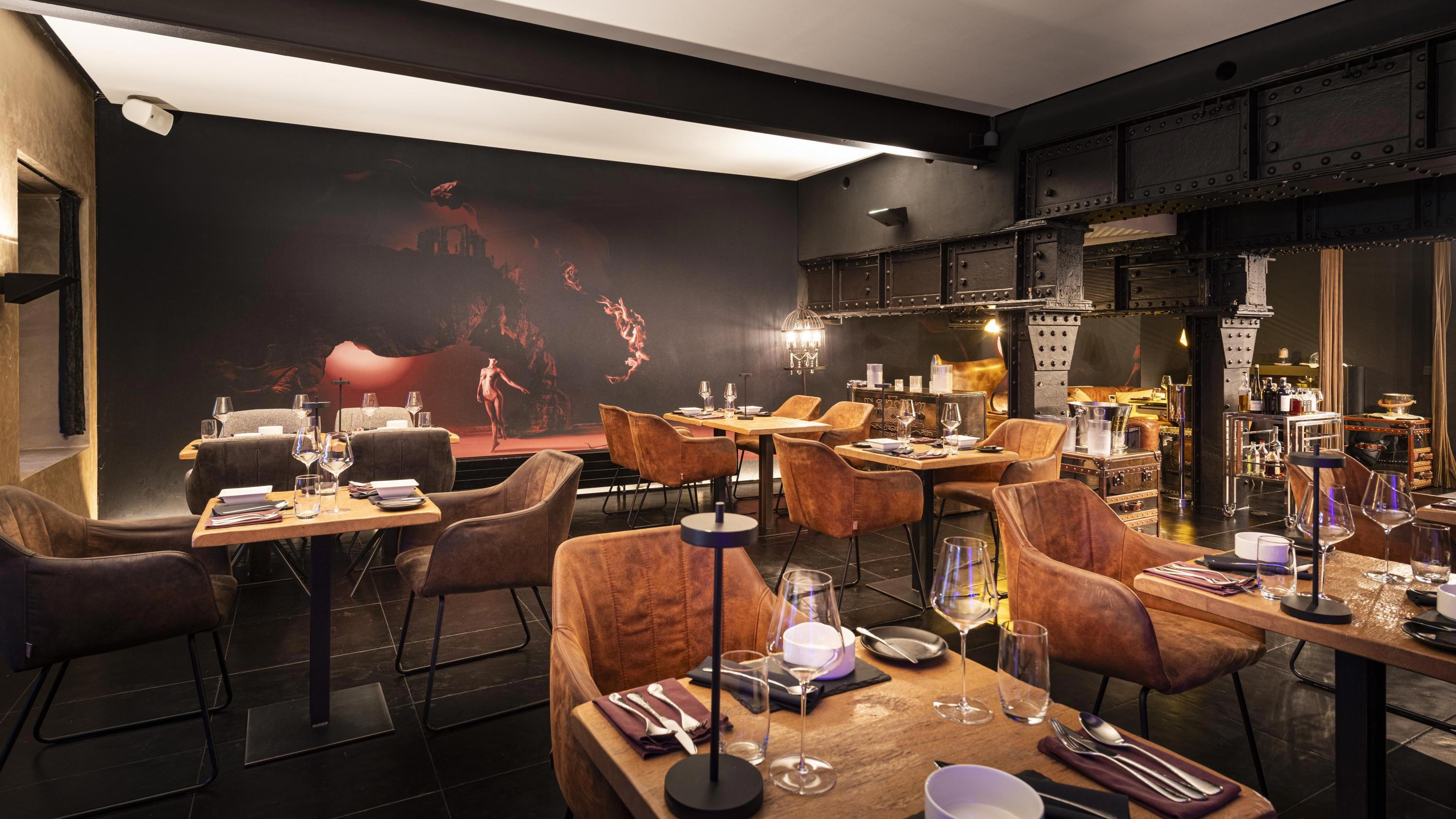
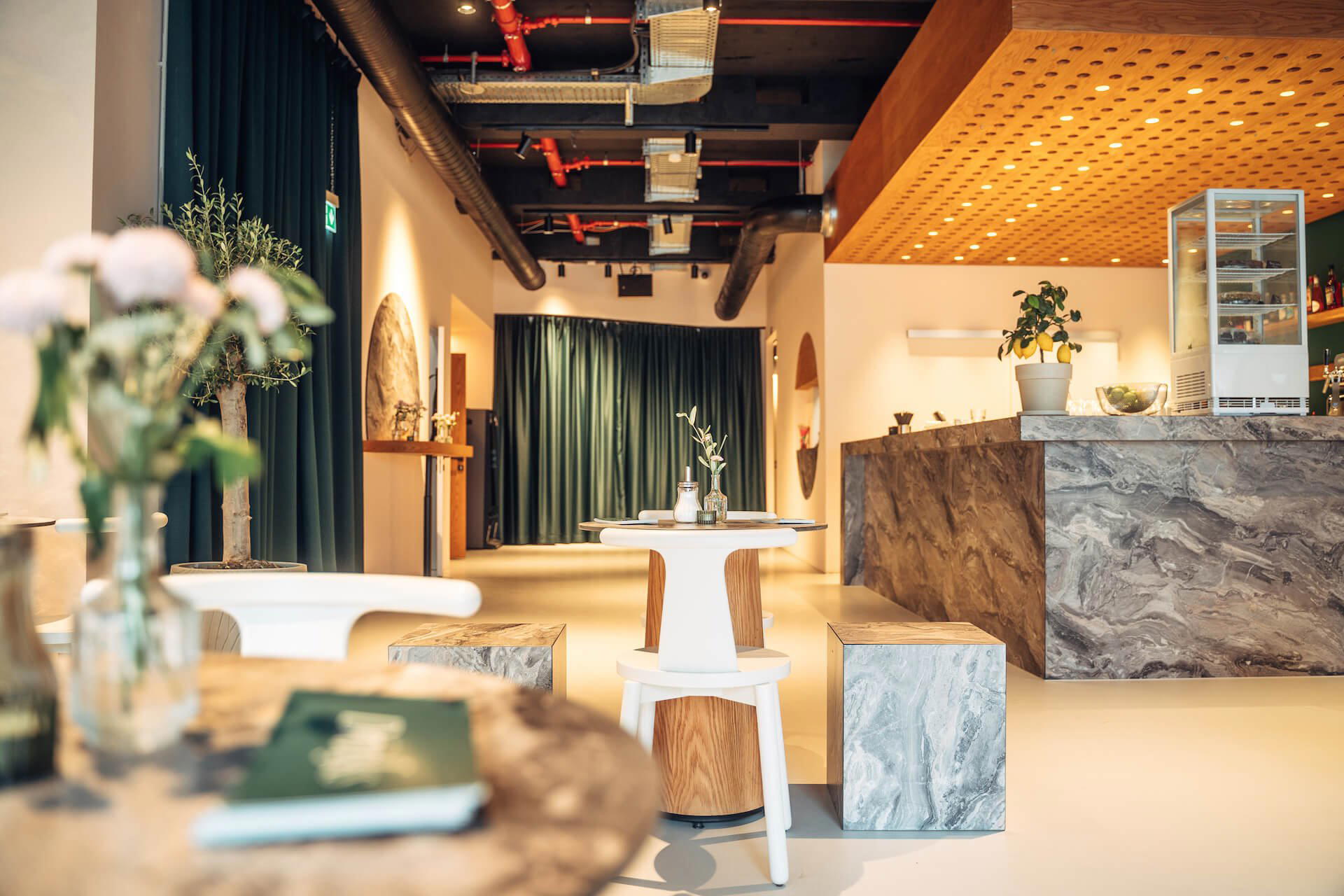
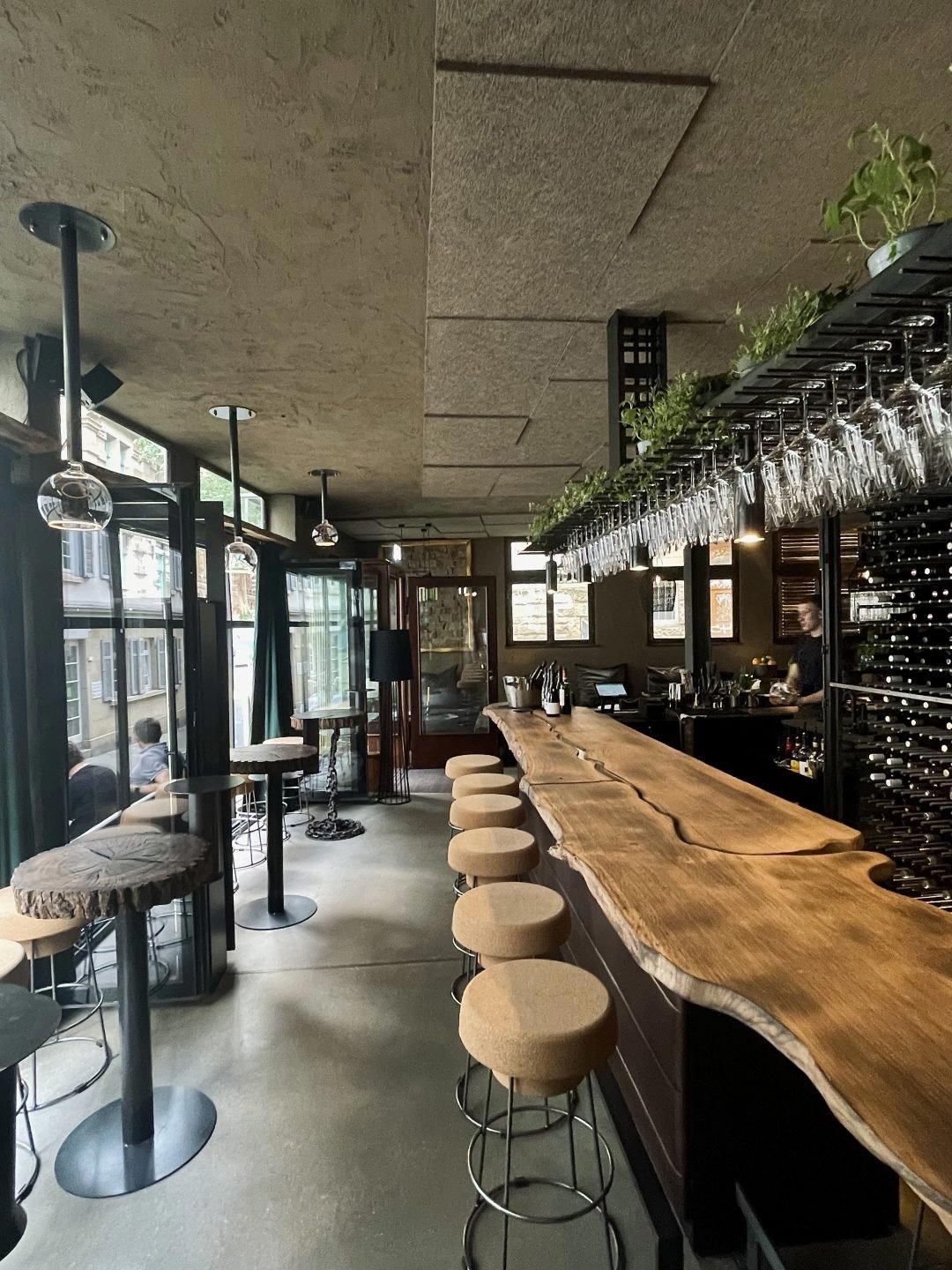
Stuttgart's Südstadt sets a particular tone: residential, low-key, less concerned with being seen than the city-centre addresses. Restaurants in this part of the city, including those operating at serious price points, tend to carry a quieter atmosphere than comparable venues in Munich or Hamburg. For a city where the dining culture values substance over spectacle, that register fits the neighbourhood.
What should I eat at Mikoto?
What can be said is that restaurants in Stuttgart's current serious dining tier, across creative and modern cuisine formats, are placing increasing weight on seasonal and regional produce. Asking the kitchen what is driving the menu on a given evening tends to yield better results than arriving with fixed expectations, a principle that applies across the German restaurant scene at this level.
Is Mikoto reservation-only?
In Stuttgart's neighbourhood dining tier, particularly for operations in residential areas like the Südstadt, walk-in availability on busy evenings is not reliable. Contacting the venue ahead of your visit is the practical approach, especially on weekends when local demand tends to absorb capacity quickly without the tourist footfall that supplements city-centre restaurants.
Does Mikoto have a focus on Japanese cuisine, and how does that fit into Stuttgart's dining scene?
The name Mikoto carries Japanese resonance, and Stuttgart has seen gradual growth in its Japanese and Japanese-influenced dining options over the past decade, reflecting a broader national trend in Germany toward precision-led, produce-focused cooking from that tradition. For anyone researching Japanese dining in Stuttgart specifically, confirming the cuisine type directly with the venue before booking is the cleaner approach given the range of formats that operate under Japanese-inflected names in German cities.
Pricing, Compared
Comparable venues nearby, for context on price, style, and recognition.
| Venue | Cuisine | Price | Notes |
|---|---|---|---|
| MikotoThis venue (the venue you are viewing) | Modern Japanese Sushi | $30–50 | Not listed |
| Kicho | Authentic Japanese | $30–50 | Gablenberg, Authentic Japanese |
| Umami Ramen | Authentic Japanese Ramen | $10–20 | Gablenberg, Authentic Japanese Ramen |
| I LOVE SUSHI | Japanese Sushi Bar | Not listed | Heslach, Japanese Sushi Bar |
| Rotenberger Weingärtle | Modern Swabian | $30–50 | Obertuerkheim, Modern Swabian |
| La Fenice | Modern Traditional Italian | $50–100 | Gablenberg, Modern Traditional Italian |
Continue exploring
More in Stuttgart
Restaurants in Stuttgart
All restaurants in Stuttgart →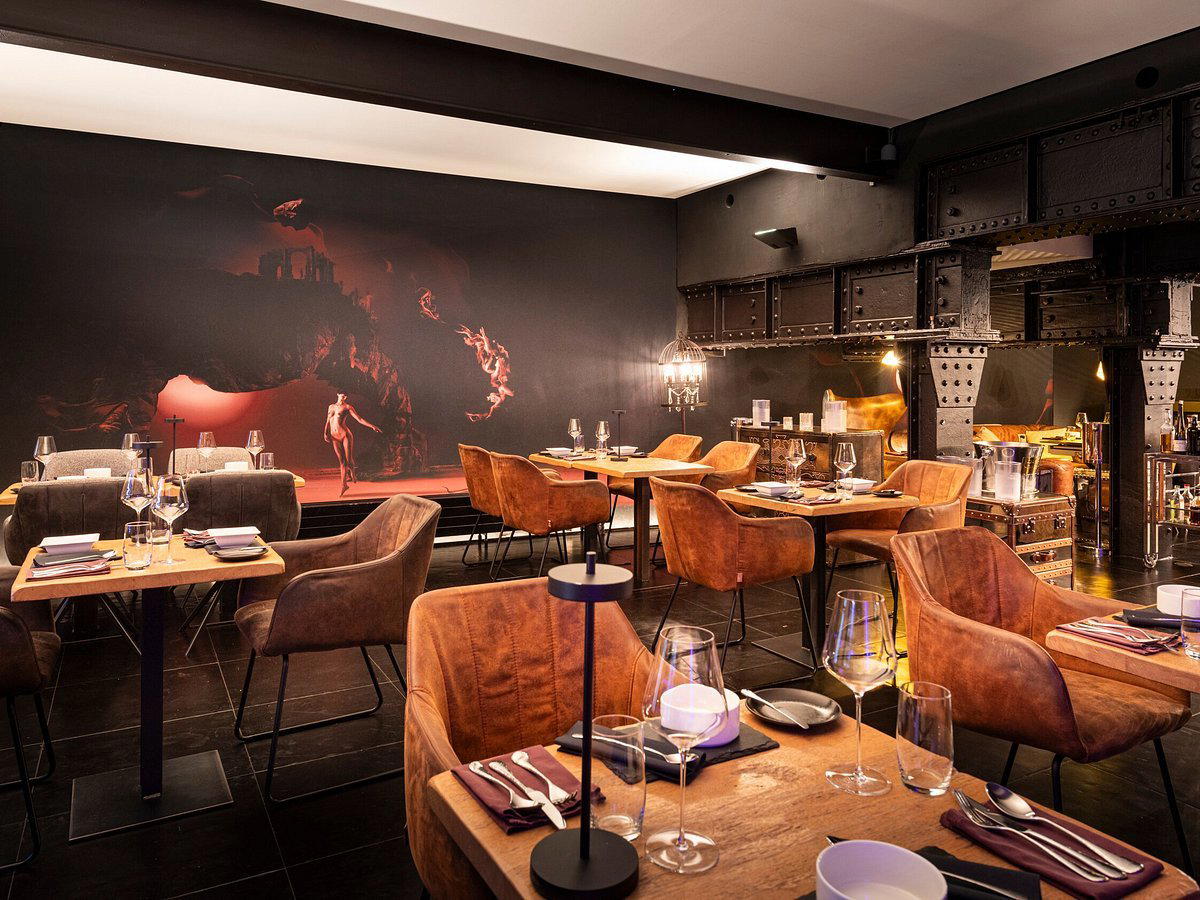
Bars in Stuttgart
All bars in Stuttgart →

Details
- Romantic
- Modern
- Elegant
- Date Night
- Open Kitchen
- Sake Program
- Craft Cocktails
- A La Carte
- Sake Program
- Vegetarian Friendly
- Vegan Options
- Gluten Free Options
Current opening hours
- Monday
- 12–3 PM, 5–11 PM
- Tuesday
- 12–3 PM, 5–11 PM
- Wednesday
- 12–3 PM, 5–11 PM
- Thursday
- 12–3 PM, 5–11 PM
- Friday
- 12–3 PM, 5–11 PM
- Saturday
- 12 PM–12 AM
- Sunday
- 12–11 PM
Hours can change for holidays and private events. Hours as of .
A little dark with a romantic vibe, providing a moody and sophisticated atmosphere.