
Grill & Coffee Hasegawa puts Kyoto’s yōshoku tradition in a house-restaurant setting near Kitaoji, with hamburger steak and steak anchoring a low-priced, family-friendly format. Its Tabelog 100 Yoshoku WEST 2025 selection places it among the region’s more closely watched Japanese-Western kitchens, without pushing the experience into formal dining territory.
Pearl is the En Primeur Club membership app — saves, bookings, and concierge access live there. Same editors, same standards.
- Address
- 68 Koyamashimouchikawaracho, Kita Ward, Kyoto, 603-8132, Japan
- Phone
- +81 75-491-8835
- Website
- grill-hasegawa.jp
 Saves & bookings on Pearl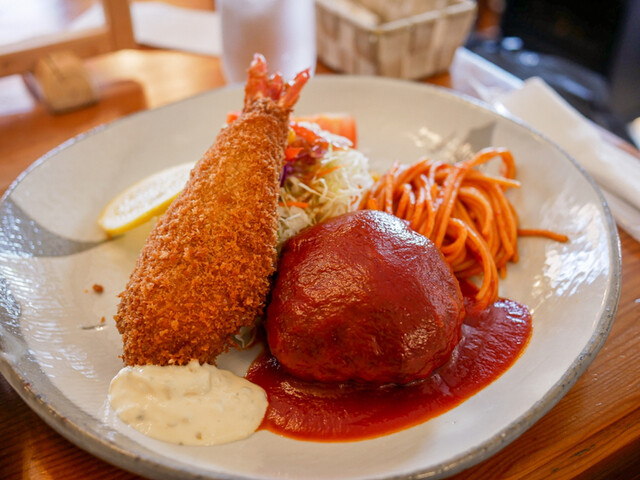
Approaching Kitaoji from the river side, Kyoto changes register. The temple-city image gives way to residential blocks, bus stops, family errands, and practical dining rooms sustaining local routines. Here yōshoku makes sense: not Western cuisine transplanted whole, but a Japanese urban grammar of grills, sauces, rice plates, steaks, and hamburger steak. Grill & Coffee Hasegawa is an everyday restaurant whose room matters as much as the menu: domestic rather than ceremonial, structured but not stiff, familiar without carelessness.
Kyoto dining is often reduced to kaiseki, counter sushi, and tea-house aesthetics. Its quieter strength is preserving ordinary formats with obsessive consistency. Yōshoku turns imported Western techniques local through rice, demi-glace, cutlets, omelets, gratins, and griddle work. The point is repetition done so well that a weekday lunch can carry the cultural weight of a formal dinner elsewhere.
A house restaurant format for Kyoto yōshoku, not a hotel-grill performance
The useful Kyoto comparison is not luxury dining rooms, but restaurants turning a narrow format into a full identity. Doppo and middle work in contemporary or higher-priced registers, while Shogetsu belongs to wagashi tradition; together they show how Kyoto rewards specialization across price and formality bands. Grill & Coffee Hasegawa’s lane is narrower and more democratic: yōshoku, hamburger steak, and steak in a house restaurant, not a designed dining stage.
That distinction matters. A house restaurant sets expectations before any plate arrives. Tables, family groups, compact service rhythms, and a room scaled for repeat use create authority different from a chef’s counter. The food can be serious without asking diners to perform seriousness. In a city where sought-after meals often depend on scarcity, ceremony, or introduction, this dining room keeps another tradition visible: restaurant as neighborhood infrastructure.
The Tabelog 100 Yoshoku WEST 2025 selection gives the address an external marker, as did its appearance in the Tabelog 100 Yoshoku selection in 2022. These signals matter because yōshoku excellence can be hard to read from outside: menus look familiar, prices stay modest, and service avoids luxury cues. Category-specific recognition points to consistency within the genre rather than citywide spectacle.
The listing’s 3.66 score adds context. Japanese review culture compresses ratings, especially for restaurants with steady local traffic rather than destination-only attention. A mid-three Tabelog score can signal real credibility, particularly with a category award. Travelers used to Western rating inflation should read the number with local calibration, not as a casual average.
The room explains the price tier as much as the menu does
Yōshoku has always lived between aspiration and routine. It borrows Western dining’s visual language, then returns it to Japanese lunch and dinner rhythms. The appeal is partly architectural: booths or tables instead of counter choreography, multi-generational groups instead of hushed tasting-menu pacing, and a room absorbing children, friends, solo diners, and repeat customers without changing character.
That room logic separates Hasegawa from Kyoto’s polished hotel grills and contemporary restaurants using Western technique experimentally. Its attraction is the middle register: category-recognized food served in a space requiring no occasion. For a Kyoto itinerary, it is a corrective meal, resetting the palate after multi-course precision and before another reservation-driven evening.
The menu categories tell the story: Japanese-style Western cuisine, hamburger steak, and steak. In Japan, hamburger steak is its own comfort form, closer to a codified domestic restaurant staple than a bunless burger. Steak here belongs less to luxury beef theater than to the yōshoku grill tradition. Together they explain why the restaurant can be family-friendly and critically visible within its genre.
Design is not decoration alone. The seat mix, with group tables and smaller settings, suggests turnover across different party sizes rather than one scripted service. Private rooms are absent, so the meal happens in the shared room. Kyoto has ample dining built around separation, screens, counters, and reserved intimacy; this is the other side, where the collective dining room carries the atmosphere.
For travelers mapping Kyoto through food rather than monuments, it pairs well with a broader city cross-section. A compact crawl might place it against casual and specialist addresses such as 3TOKU6MI Shijo karasuma ten, 551蓬莱, [ki:], Abbesses, and Aburi Mochi Honke Nemoto Kazariya. The point is contrast: Kyoto’s dining identity sharpens when yōshoku, sweets, casual Chinese-Japanese staples, contemporary cooking, and old local snack traditions are read together, not ranked against one another.
How to place it in a Kyoto trip
The practical value is its low-pressure format. Reservations are not part of the main dining setup, so place it in a flexible day rather than anchoring a tightly sequenced evening. It is near Kitaoji Station on the Karasuma Line, with bus access around Karasuma Kitaoji, making it more useful for northern Kyoto itineraries than for travelers staying only around Gion or Kyoto Station. English menu availability reduces friction; cash-only payment keeps it in the older local-restaurant rhythm.
Its JPY 1,000 to JPY 1,999 price band for both lunch and dinner is part of the editorial argument. Kyoto’s restaurant economy can make serious cooking seem tied to ceremony or cost. Yōshoku undercuts that assumption. A recognized grill room at this range tells a value story: not cheapness as compromise, but a format built for frequent use.
Takeout fits the neighborhood logic. A Western-style bento operation associated with Hasegawa runs separately nearby, reinforcing the restaurant as everyday infrastructure rather than a single fixed ritual. In Kitaoji, the meal can function within a residential day around the Kamo River, local transit, and northern temple routes.
For broader planning, use Our full Kyoto restaurants guide to place yōshoku beside kaiseki, ramen, wagashi, and contemporary kitchens. Travelers building a fuller stay can cross-reference Our full Kyoto hotels guide, Our full Kyoto bars guide, Our full Kyoto wineries guide, and Our full Kyoto experiences guide. For context beyond Kyoto, compare how specialist comfort formats travel across Japan and abroad through addresses such as -Grilled beef Sukiyaki- KAMAKURA TANUKIAN 鎌倉 たぬき庵 in Kamakura. 鮪と炭火焼き うお炭 秋葉原店 in Tokyo.cafe in Osaka.know in Kumamoto, (Shoku) Vietnam in Kawasaki, [Curry Senmon Ten] Maruyama Kyoju. in Sapporo, Jōdo Saké Bar in Los Angeles, and Onigiri Time in Pasadena.
The verdict is clear: Grill & Coffee Hasegawa matters because it refuses the visitor’s usual Kyoto hierarchy. It is not competing with tea rooms, temple-adjacent luxury, or formal counters. It preserves a civic style of dining: low-priced, category-recognized, and physically grounded in a shared house-restaurant room. For a city often sold through refinement, that ordinariness is the substance.
Nearby-ish Comparables
Comparable venues at similar price and category levels.
| Venue | Cuisine | Price | Notes |
|---|---|---|---|
| Grill & Coffee HasegawaThis venue — the venue you are viewing | Kyoto yoshoku hamburger steak grill | $$ | Not listed |
| SPICE GATE | Japanese-style spice curry & dashi curry café | $$ | Shimogyō |
| Nakamura Tokichi Honten Kyoto eki ten | Matcha sweets & soba café | $$ | Shimogyō |
| GYUKATSU Kyoto Katsugyu Fushimi Inari | Japanese Gyukatsu | $$ | Fushimi |
| Wagashi Mise Seiyo | Seasonal Japanese Wagashi Sweets Shop | $$ | Kita |
| Kyoto Curry Seisakusho Kariru | Japanese spice curry house | $$ | Kamigyō |
Recognition history
Dated appearances from independent guides and award organizations, with the underlying list record or original source where available.
Tabelog 100 #48 · No. 48
Tabelog · Tabelog 100 - Yoshoku - WEST - 2025
Continue exploring
More in Kyoto
Restaurants in Kyoto
Browse all →

Bars in Kyoto
Browse all →

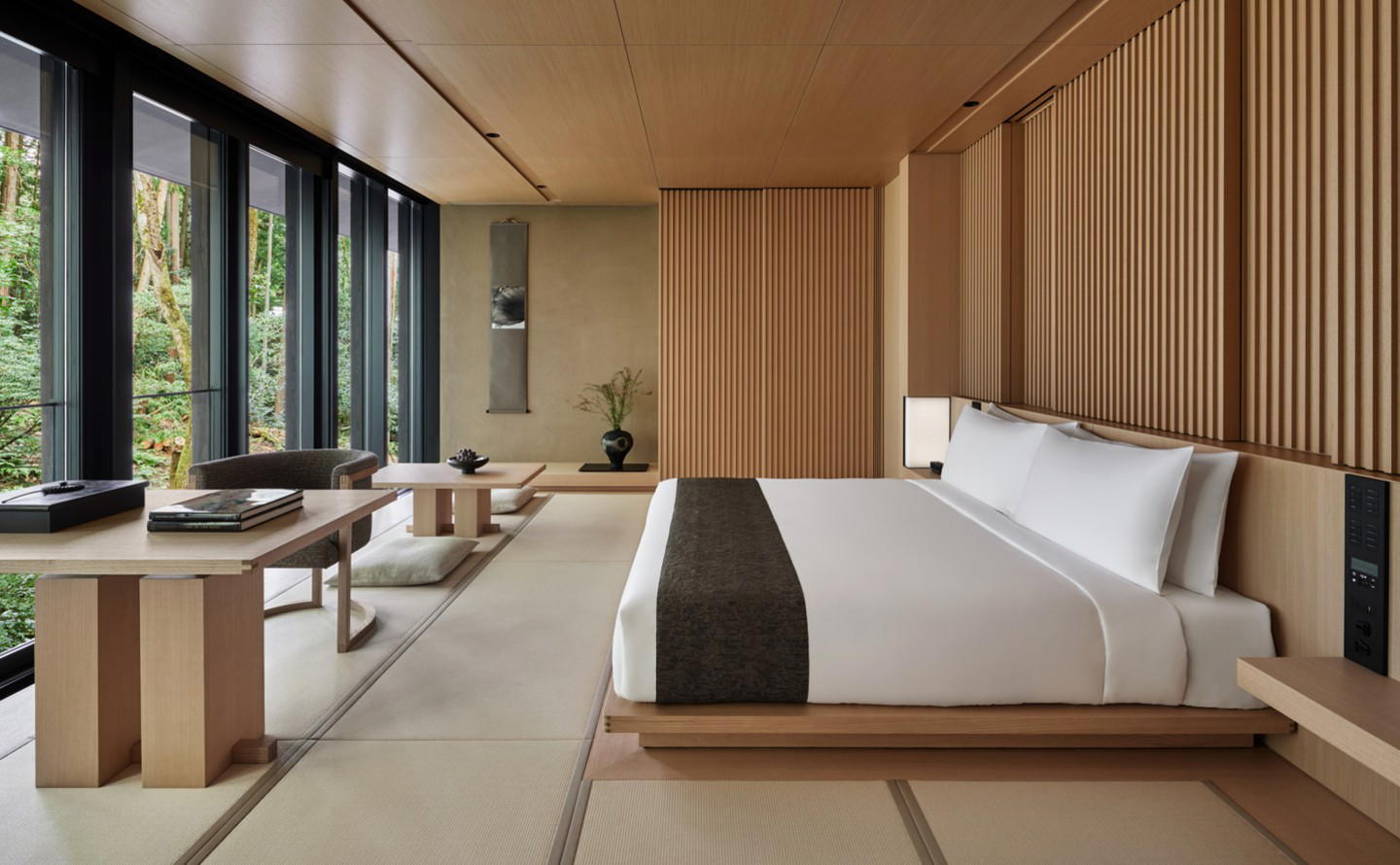
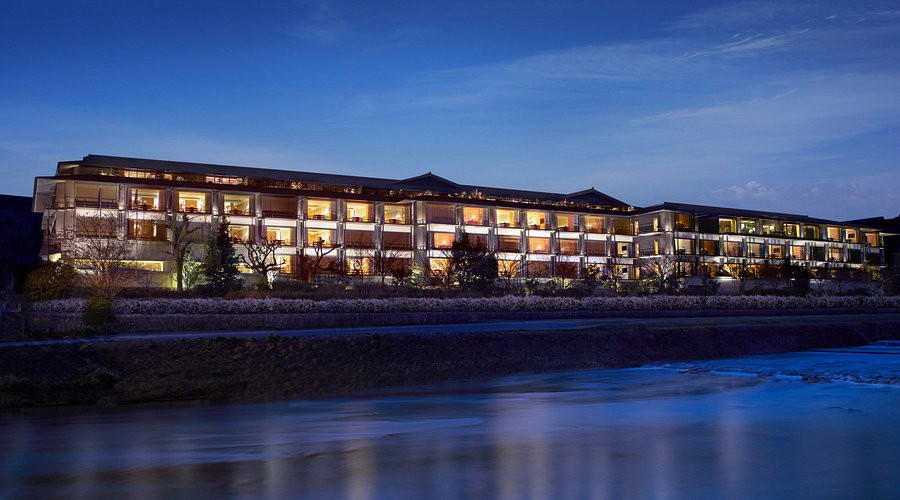
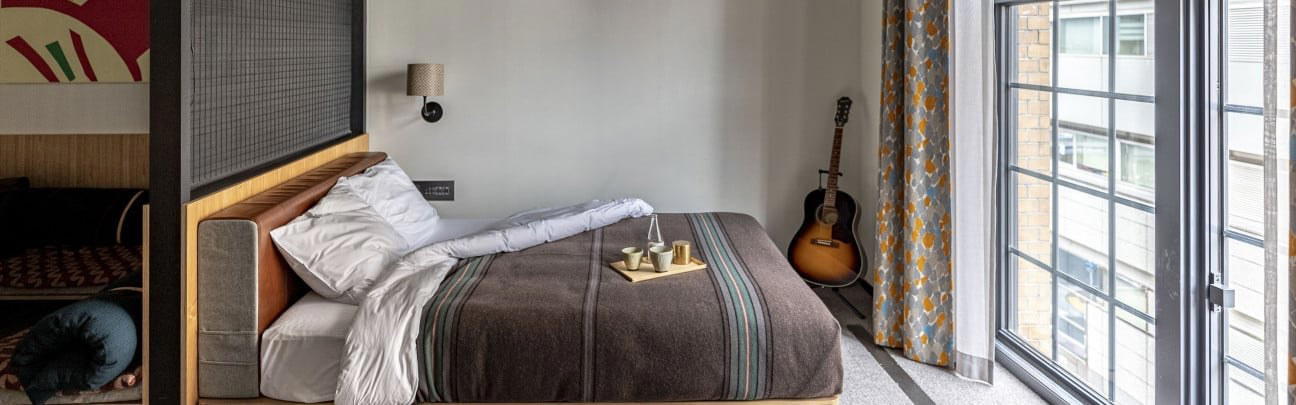
Hotels in Kyoto
Browse all →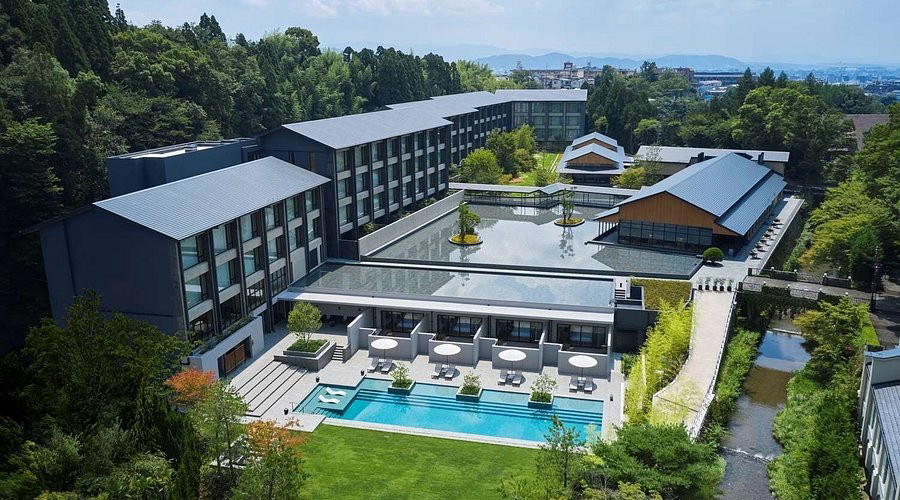

Wineries in Kyoto
Browse all →
At a Glance
- Classic
- Cozy
- Lively
- Well Known
- Family
- Casual Hangout
- Solo
- Group Dining
- After Work
- Standalone
- Local Sourcing
- Street Scene
Current opening hours
- Monday
- Closed
- Tuesday
- Closed
- Wednesday
- 11 AM–3 PM, 5–9 PM
- Thursday
- 11 AM–3 PM, 5–9 PM
- Friday
- 11 AM–3 PM, 5–9 PM
- Saturday
- 11 AM–3 PM, 5–9 PM
- Sunday
- 11 AM–3 PM, 5–9 PM
Hours can change for holidays and private events. Last verified .
A retro, South European-inspired yoshoku dining room with warm, relaxed lighting, simple tables, and a casual neighborhood feel, busy but comfortable for everyday meals and family visits.