
1 Michelin Star
Our verdict
The Kitashinchi branch of the Kashiwaya group brings ryotei-grade counter dining to one of Osaka's most concentrated fine-dining corridors. Holding a Michelin star since 2024, it offers the theatrical precision of open counter preparation, including straw-fire cooking visible through heat-resistant glass, at a price point a tier below the three-starred Senriyama flagship. A considered entry point into the Kashiwaya tradition.

Pearl is the En Primeur Club membership app, where members save venues, book tables and use the concierge.
The menu
What to order
- Grilled miso-marinated black cod
- Sashimi platter
Counter Dining in Kitashinchi: Where Ryotei Discipline Meets Open Theatre
Kitashinchi is Osaka's most compressed high-end dining district, a few city blocks north of Umeda where French tasting menus, kaiseki rooms, and counter restaurants compete at close quarters. The neighbourhood has long operated as the city's proving ground for serious Japanese cooking, and the concentration of Michelin-recognised addresses here is higher than almost anywhere else in the Kansai region. Within that context, the counter format occupies a particular niche: it removes the screens and private rooms of traditional ryotei service and places the kitchen's discipline in full view of the guest.
Kashiwaya Osaka Kitashinchi works precisely within that format. Situated on the fifth floor of the YAMANA K-2 building in Sōnezaki Shinchi, it is the satellite address of the Kashiwaya Osaka Senriyama flagship in Senriyama, which holds three Michelin stars and operates in the classic ryotei tradition of private rooms and seasonal kaiseki. The Kitashinchi branch translates that same standard of preparation into a counter setting, making the craft visible rather than concealed behind closed doors.
The Kitchen as Stage: Straw Fire and Knife Work
In Kansai kaiseki, the separation between kitchen and dining room has historically been deliberate. The ryotei tradition prizes a kind of seamless presentation where the labour of cooking is edited out and only the finished dish arrives. Counter restaurants invert that relationship, and the best of them in Osaka use the exposure to strengthen the guest's sense of occasion rather than undermine it.
At Kashiwaya Kitashinchi, the knife work is the first thing that registers: the chef's technique is precise enough that watching it is genuinely absorbing, not merely ambient. More distinctive is the use of straw cooking, a technique associated with the vigorous, high-heat searing of ingredients like bonito and some cuts of meat. When straw is used here, guests can observe the flames through a small window in the counter, the blaze contained behind heat-resistant glass. The arrangement is practically clever: it delivers the theatre of fire without the discomfort of smoke reaching the dining space. It is the kind of operational detail that distinguishes a kitchen built for observation from one simply made visible by removing a wall.
The overall approach remains ryotei in its care, every item prepared to the standard of a formal kaiseki house, regardless of format. That continuity with the Senriyama parent is the clearest signal of what the Kitashinchi branch is trying to do: extend rigorous technique into a setting that is more immediate and, at the ¥¥¥¥ tier, positioned differently within the Kashiwaya range.
Beverage Integration: Sake as Structural Element
In kaiseki, the beverage programme is rarely treated as secondary. The progression of a formal Japanese meal, from light, delicate early courses through richer, more assertive dishes, maps naturally onto sake's own range, from low-polishing-ratio junmai to fragrant ginjo and daiginjo expressions. Counter formats tend to sharpen this pairing logic because the proximity between chef and guest allows for more responsive service: the pour adjusts to what is being prepared, not just what has already arrived.
Kitashinchi's position within the Osaka fine-dining scene means it operates in a city where sake culture is taken seriously at the leading end. Osaka has historically been a commercial city with strong merchant-class drinking traditions, and its leading counter restaurants tend to maintain sake lists that reflect the seasonal and regional range of Japanese brewing rather than simply offering safe national benchmarks. The expectation at the ¥¥¥¥ level is a programme that mirrors the kitchen's specificity: producers chosen for provenance and character, not just recognition.
For guests approaching the meal as an integrated experience rather than food and drink in parallel, the counter format at Kashiwaya Kitashinchi is well-suited to that kind of sequential engagement. The open setting means there is no invisible hand managing pairings in an adjacent service corridor; the relationship between what is being poured and what is being prepared is visible and readable. That transparency is part of what makes the counter format compelling in kaiseki contexts, and it is where the Kitashinchi branch most clearly differentiates itself from the private-room experience at Senriyama.
Placement in Osaka's Fine-Dining Tier
Osaka's current Michelin-recognised restaurant pool divides into two broad price brackets at the leading end. The three-starred addresses, including Kashiwaya Senriyama and Taian at ¥¥¥, sit in the formal kaiseki register, while the ¥¥¥¥ addresses such as HAJIME (three stars, French-innovative) and La Cime (two stars, French) operate at a higher price point, often in more contemporary or Western-influenced formats. Kashiwaya Kitashinchi, with its 2024 Michelin star, slots into the ¥¥¥¥ bracket while remaining firmly within the Japanese tradition, making it a different kind of proposition from both its three-starred Osaka peers and the high-end French houses nearby.
Comparative context across the Kansai region is also useful. Gion Sasaki in Kyoto represents the Kyoto school of kaiseki at a comparable award level; akordu in Nara operates in an entirely different register. In Tokyo, counter-format kaiseki and haute Japanese cooking at the ¥¥¥¥ tier includes addresses like Azabu Kadowaki and Myojaku, which operate in comparable price-and-precision territory. Osaka's counter scene, anchored in the city's more direct, commercial sensibility, has its own character distinct from both Kyoto's ceremonial tradition and Tokyo's density of options.
Within Kitashinchi specifically, peer addresses in Japanese cuisine include Miyamoto, Oimatsu Hisano, Tenjimbashi Aoki, and Yugen, each representing a different point on the spectrum between classical and contemporary Japanese cooking. For guests building a broader picture of the city's restaurant culture, our full Osaka restaurants guide maps the range in detail.
Know Before You Go
Location: YAMANA K-2 Building, 5F, Sōnezaki Shinchi 1-7-4, Kita Ward, Osaka 530-0002
Cuisine: Japanese / Ryotei counter (Kashiwaya group)
Price: ¥¥¥¥
Awards: Michelin 1 Star (2024)
Reservations: Advance booking strongly advised; contact directly or via your hotel concierge. At the ¥¥¥¥ Michelin-starred level in Kitashinchi, walk-in availability is uncommon.
Getting There: Kitashinchi station (Osaka Tōzai Line) is the closest rail access point. The address is within the Sōnezaki Shinchi entertainment and dining district.
Related Guides: Osaka hotels · Osaka bars · Osaka experiences · Osaka wineries
Frequently asked questions
What do people recommend at Kashiwaya Osaka Kitashinchi?
The counter format is the central draw: guests consistently highlight the open knife-work display and the straw-fire cooking sequences, visible through heat-resistant glass that screens smoke from the dining area. These are not incidental flourishes, they are the ryotei discipline made visible in real time. The Michelin panel awarded the restaurant a star in 2024, which aligns with what repeat visitors describe as the kitchen's consistency.
What should I budget for a meal at Kashiwaya Osaka Kitashinchi?
Pricing at Kashiwaya Osaka Kitashinchi is listed as ¥¥¥¥.
Where exactly is Kashiwaya Osaka Kitashinchi?
Kashiwaya Osaka Kitashinchi is located at Japan, 〒530-0002 Osaka, Kita Ward, 曽根崎新地1丁目7番4号 YAMANA K-2 BLDG. 5F, Osaka.
Is Kashiwaya Osaka Kitashinchi reservation-only?
At the ¥¥¥¥ price point with a 2024 Michelin star in Kitashinchi, Osaka's most concentrated corridor of high-end restaurants, walk-in seating is not a realistic option. The counter-restaurant format inherently limits covers, so advance booking is the only practical approach. Contact should be made well ahead, particularly for weekend evenings.
What's Kashiwaya Osaka Kitashinchi best at?
It delivers ryotei-grade kaiseki in a counter setting, which is a structural rarity: the formality and meticulous preparation of a traditional ryotei combined with the visibility of an open kitchen. The straw-fire technique, staged behind glass for guest viewing without smoke exposure, is the most discussed single element. That combination, disciplined Japanese service codes alongside active kitchen theatre, defines what separates this address from conventional Osaka counter restaurants.
The Minimal Set
A short peer table to compare basics side-by-side.
| Venue | Cuisine | Price | Awards | Notes |
|---|---|---|---|---|
| Kashiwaya Osaka KitashinchiThis venue (the venue you are viewing) | Traditional Kaiseki | $200–300 | 1 Michelin Star | Not listed |
| HAJIME | Avant-Garde Japanese Fine Dining | $300–500 | 3 Michelin Stars · World's 50 Best #83 | French, Innovative |
| La Cime | Modern French with Japanese Ingredients | $150–200 | 2 Michelin Stars · World's 50 Best #13 | French |
| Kashiwaya Osaka Senriyama | Seasonal Kaiseki Omakase | $200–300 | 3 Michelin Stars · La Liste Top Restaurants | Japanese |
| Taian | Traditional Japanese Kaiseki Omakase | $150–200 | 3 Michelin Stars · La Liste Top Restaurants | Kaiseki, Japanese |
| Fujiya 1935 | Modern Japanese with European influences | $100–150 | 2 Michelin Stars · La Liste Top Restaurants | Innovative |
Recognition history
Dated appearances from independent guides and award organizations, with the underlying list record or original source where available.
Michelin 1 Star
Michelin
Full recognition history (3 entries)
Michelin Plate
Michelin
Michelin 1 Star
Michelin
Continue exploring
More in Osaka
Restaurants in Osaka
All restaurants in Osaka →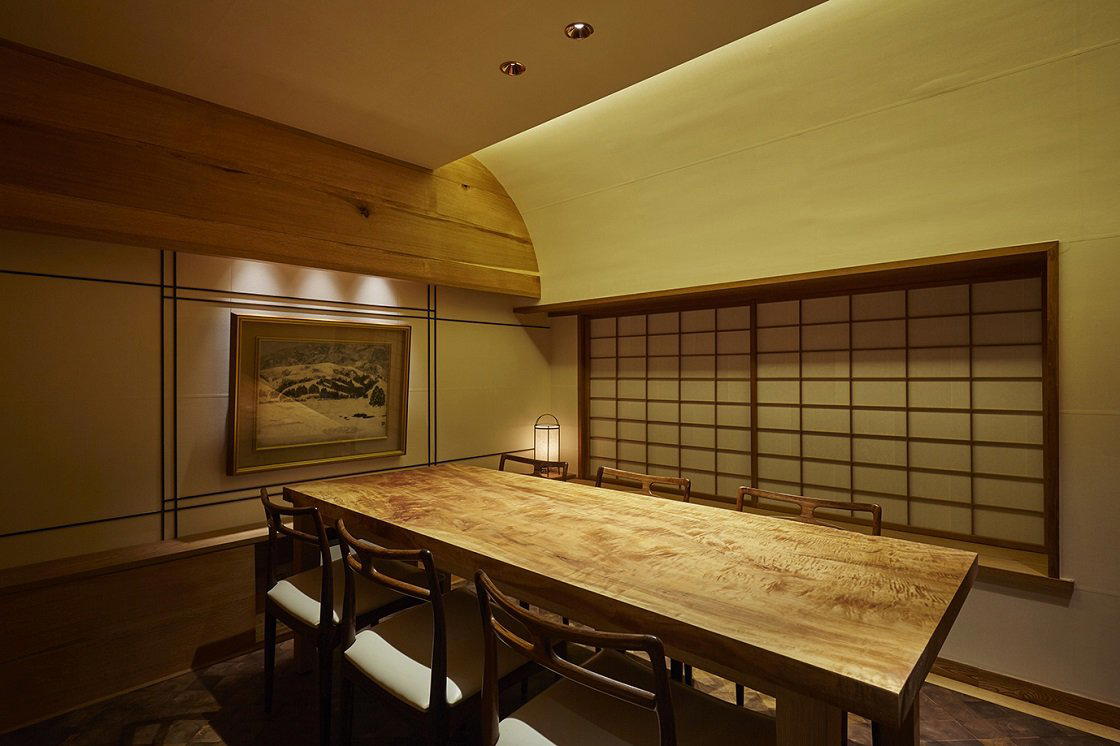

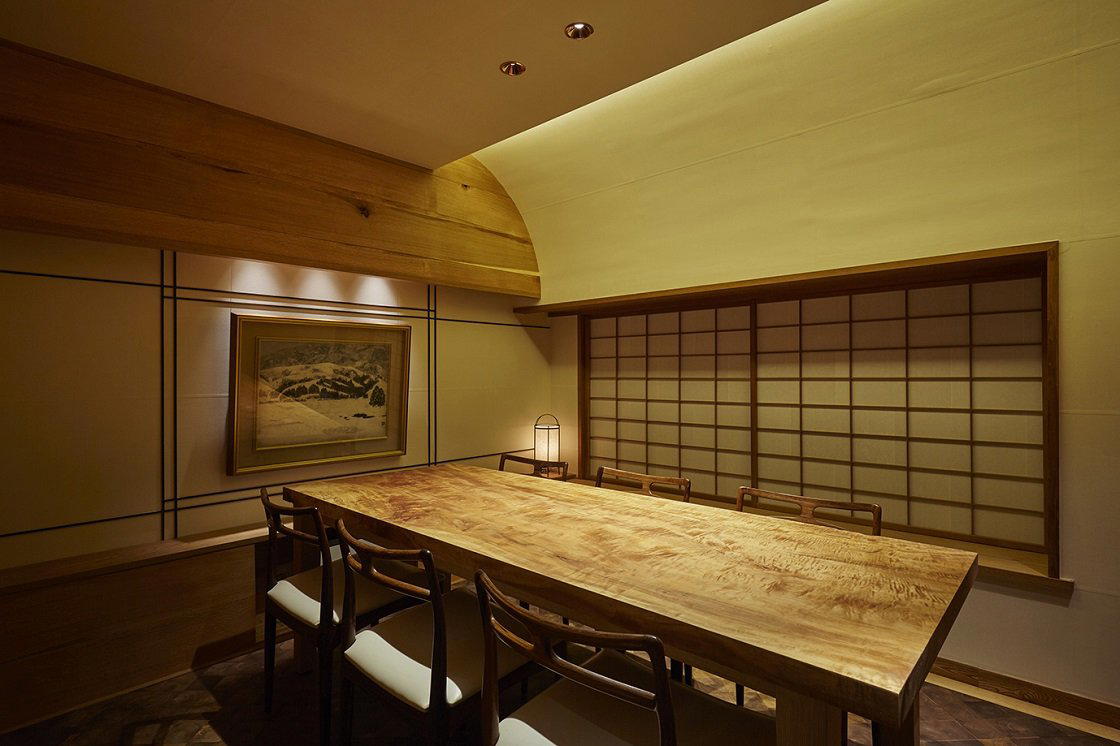
Bars in Osaka
All bars in Osaka →
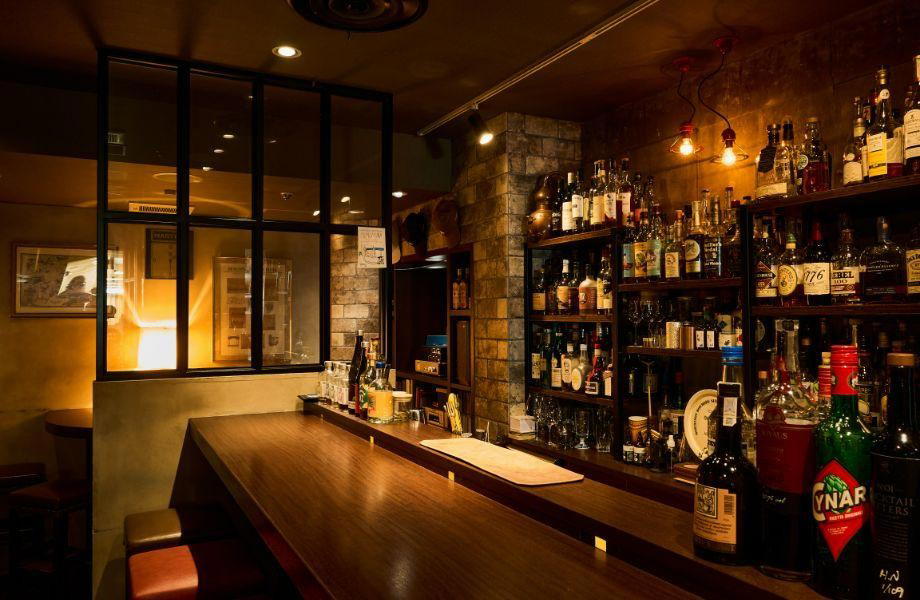
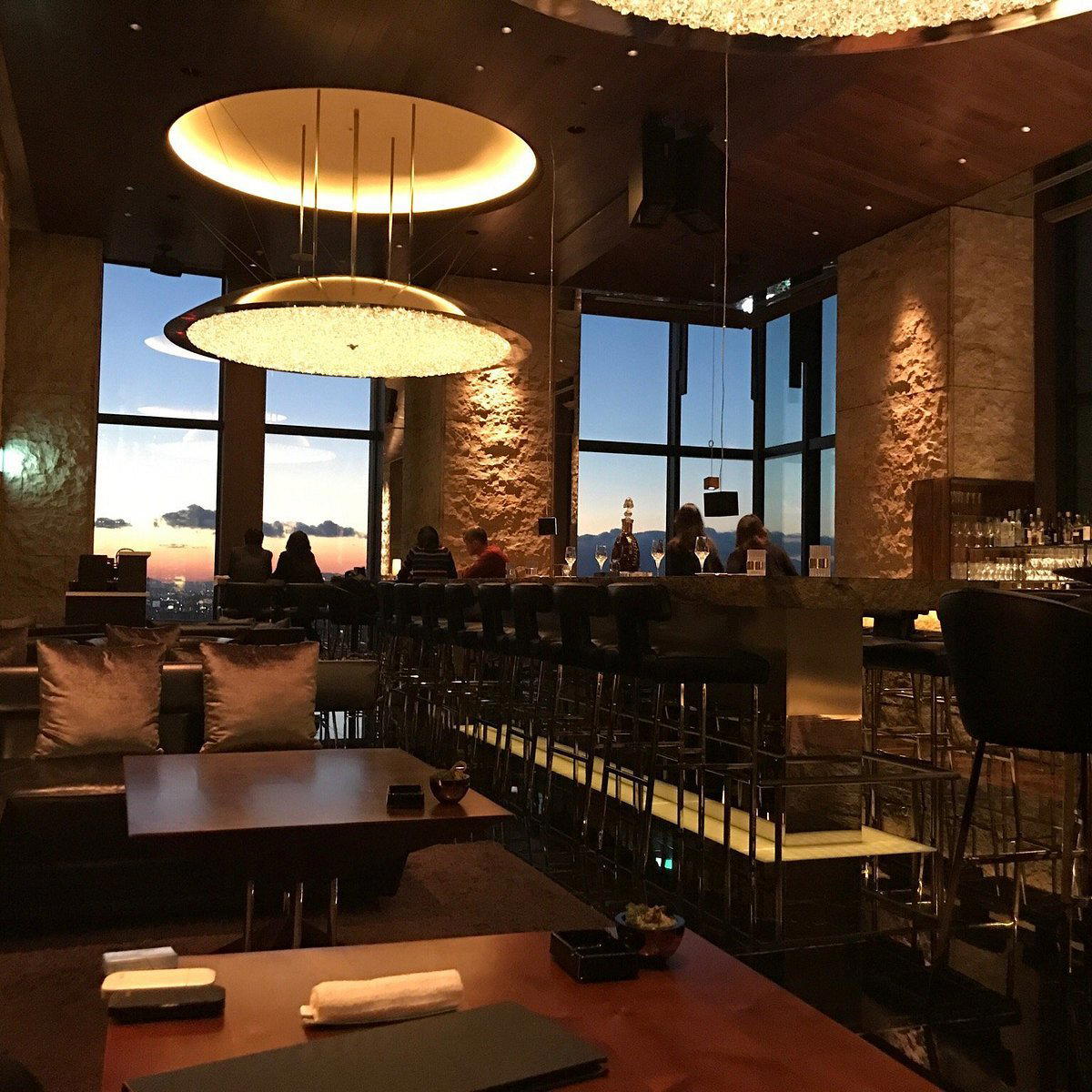
Hotels in Osaka
All hotels in Osaka →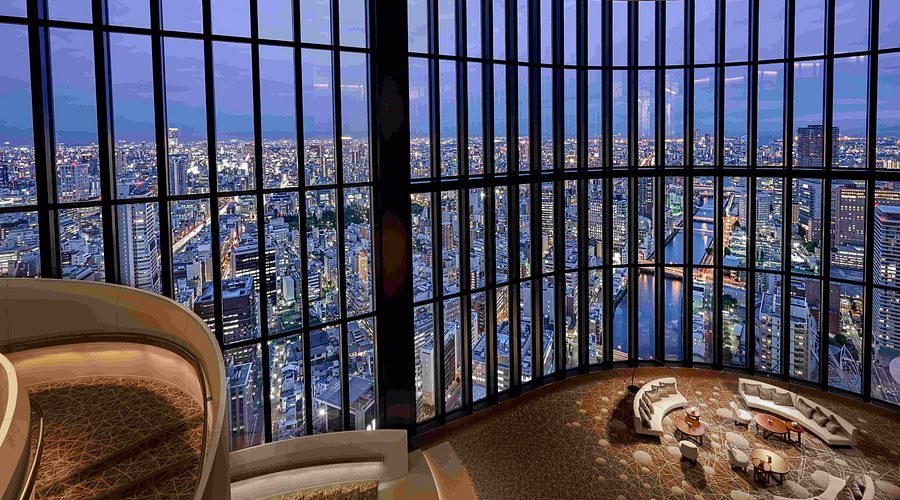


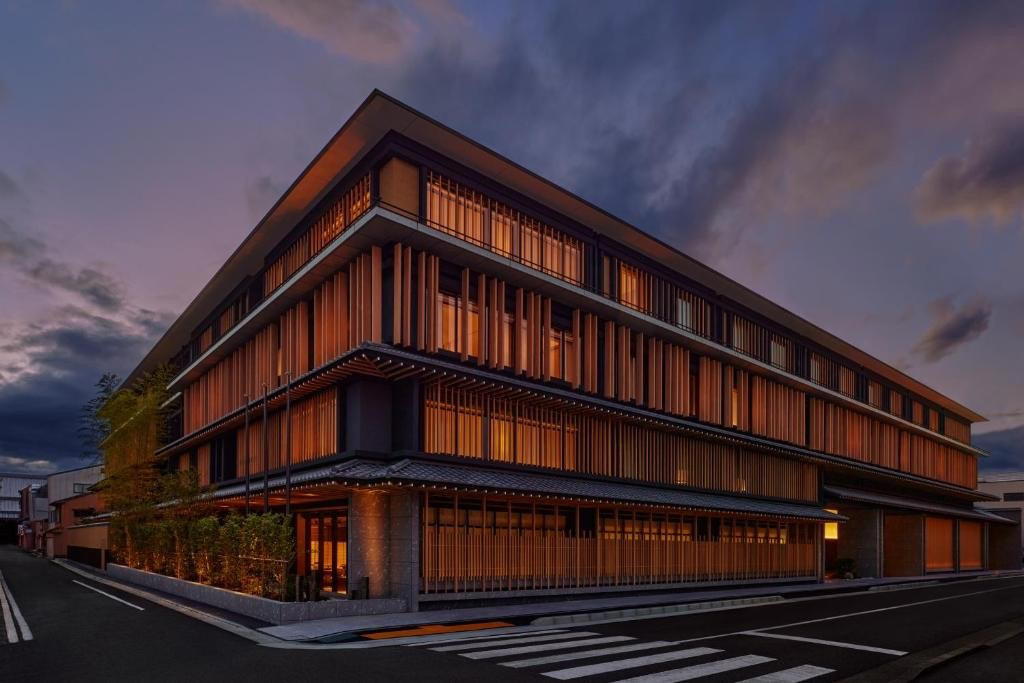
Wineries in Osaka
Browse all →
Details
- Elegant
- Sophisticated
- Intimate
- Special Occasion
- Business Dinner
- Chefs Counter
- Open Kitchen
- Sake Program
- Tasting Menu
- Omakase
- Sake Program
Current opening hours
- Monday
- 6–11 PM
- Tuesday
- 6–11 PM
- Wednesday
- 6–11 PM
- Thursday
- 6–11 PM
- Friday
- 6–11 PM
- Saturday
- 6–11 PM
- Sunday
- Closed
Hours can change for holidays and private events. Hours as of .
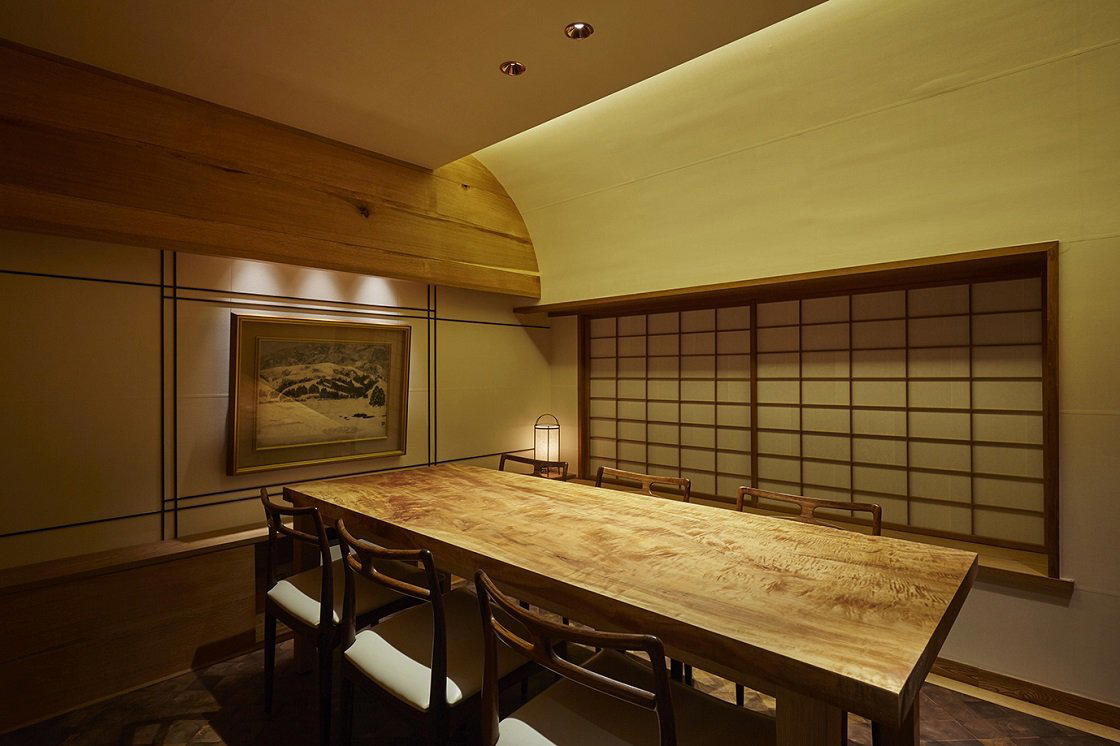
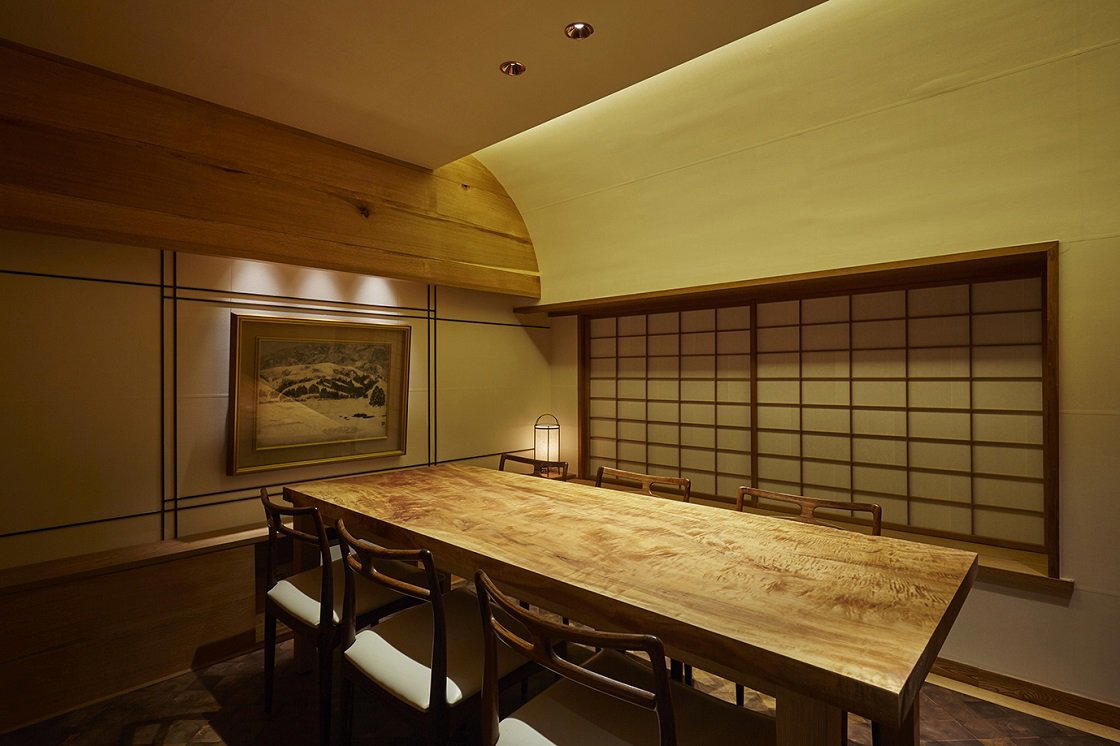
Serene and warm with traditional Japanese aesthetics blended with modern elegance, offering a peaceful escape.