Karo Fisch occupies a corner of Hamburg's Schanzenviertel that takes fish seriously on its own terms, without the harbour-postcard theatrics common elsewhere in the city. The address on Feldstraße places it squarely in one of Hamburg's most culturally layered neighbourhoods, where the local appetite for straightforward, well-sourced seafood has sustained dedicated fish restaurants long before the current Nordic-influence wave arrived.
Pearl is the En Primeur Club membership app — saves, bookings, and concierge access live there. Same editors, same standards.
- Address
- Feldstraße 32, 20357 Hamburg, Germany
- Phone
- +49 40 60008768
- Website
- karofisch.website
- Directions
- Get directions
 Saves & bookings on Pearl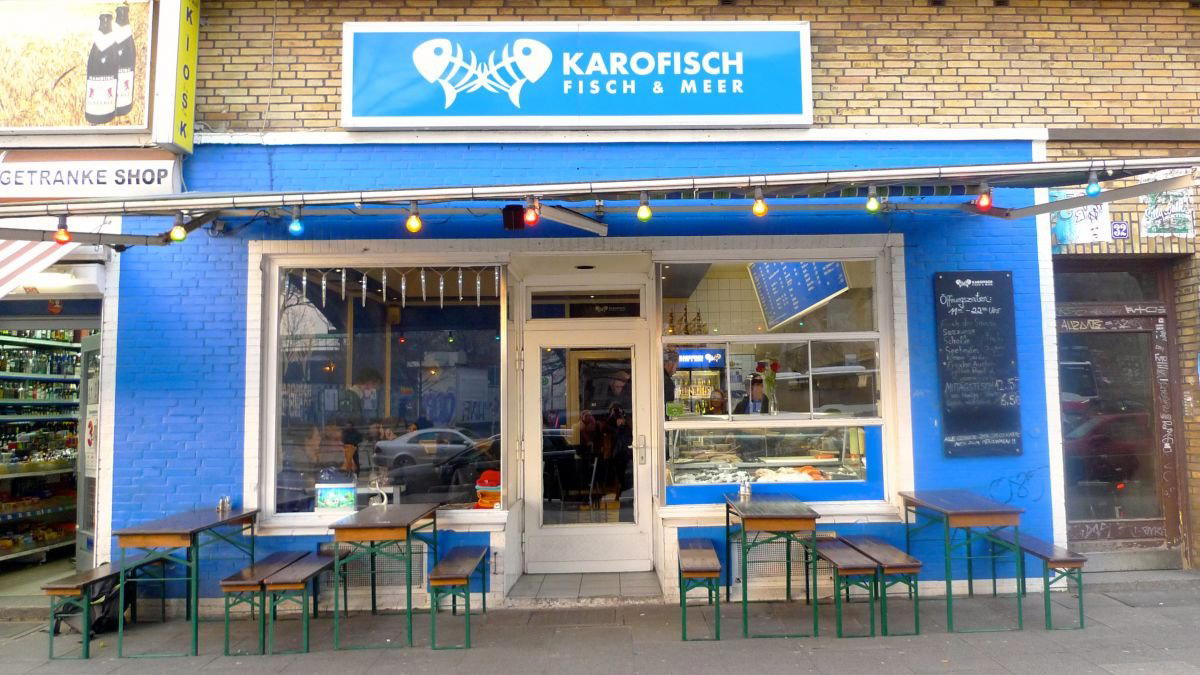
Fish Cooking in the Schanzenviertel: What Karo Fisch Represents
Hamburg has always maintained a particular relationship with fish that goes well beyond geography. As a major North Sea port city, the tradition of eating fish here is not trend-driven but structural, embedded in daily neighbourhood life as much as in the white-tablecloth dining rooms along the Alster. The Schanzenviertel, where Karo Fisch sits at Feldstraße 32, is a useful lens through which to read that tradition: this is a quarter where residents have historically expected serious cooking without ceremony, and where restaurants that outlast their hype tend to be those anchored in a specific culinary discipline rather than in mood-board aesthetics.
Fish restaurants in Hamburg split into roughly two categories. The first tilts toward the harbour-facing tourist circuit, offering smoked fish and fried plaice in settings designed around a particular idea of maritime nostalgia. The second, smaller category operates on the assumption that the diner already knows what they want and simply needs it cooked well. Karo Fisch occupies an address consistent with the latter approach, sitting in a neighbourhood that has historically supported independent, category-focused restaurants over concept-heavy openings. That context shapes expectations before you walk through the door.
The Schanzenviertel's Role in Hamburg's Dining Geography
Understanding where Karo Fisch sits requires understanding what the Schanzenviertel is and is not. It is not Eppendorf, with its formal dining rooms and lengthy wine lists designed for a longer-established bourgeois clientele. It is not HafenCity, where newer restaurant openings often arrive already packaged for international attention. The Schanzenviertel developed its food character across decades as a neighbourhood for independent operators serving a local base that valued specificity and price-consciousness in equal measure. Feldstraße itself runs through the heart of this, close enough to the Rote Flora and the cultural density of the Karolinenviertel to attract a genuinely mixed crowd.
Within Hamburg's wider restaurant map, the Schanzenviertel sits at a different point from the concentrated fine-dining tier found at venues like Restaurant Haerlin or The Table Kevin Fehling, both of which operate at the top end of the city's creative and formal dining spectrum. Equally, it differs in register from the Mediterranean-influenced approaches at bianc or the lakeside setting explored at Lakeside. Fish-focused neighbourhood restaurants in this quarter serve a different function in the city's dining ecology: they are the places Hamburgers return to on a Tuesday rather than reserve six weeks in advance for a birthday dinner.
The Cultural Weight of Seafood in Northern Germany
Germany's relationship with fish cookery is sometimes underestimated from the outside, particularly in comparison with the country's meat-heavy culinary reputation. But in Hamburg, Bremen, and the North Sea coastal towns, fish has always been the operative protein, and the cooking traditions that grew around it are distinct, regional, and in some respects more technically demanding than they appear. North Sea plaice, sole, and herring each require a different hand; the Matjes traditions of the region represent a curing discipline as sophisticated as anything in Scandinavian preservation culture.
The leading fish restaurants in northern Germany, including those that operate in the mid-market neighbourhood bracket, tend to source from established suppliers with direct relationships to specific fishing operations. This is partly practical, given the short shelf-life tolerances involved, and partly cultural, in that the clientele in these areas tends to be knowledgeable and will notice the difference. Hamburg's proximity to Cuxhaven and the Elbe estuary gives restaurants in the city a logistical advantage that coastal-themed restaurants in inland cities cannot replicate. That proximity matters most to the restaurants that take it seriously.
For context on how northern European fish-focused restaurants position themselves in relation to the French technique tradition, it is worth noting how places like Le Bernardin in New York City built their identity around the claim that fish could be treated with the same rigour and precision applied to meat cookery in classical kitchens. That argument, now broadly accepted, filters down into how serious neighbourhood fish restaurants in Hamburg approach their own menus, even without the Michelin infrastructure around them.
Planning a Visit: Practical Notes
Feldstraße 32 is accessible via the U3 line at the Feldstraße station, making it direct to reach from central Hamburg without a car. The Schanzenviertel is a walkable neighbourhood, and the restaurant is within easy reach of several other independently operated dining venues that share the same neighbourhood-specific character. The neighbourhood itself is worth building an evening around regardless, given the concentration of independent bars and cafés along the adjacent streets.
For those building a Hamburg itinerary around fine dining at the upper tier, options like 100/200 Kitchen and The Table Kevin Fehling represent the city's most formally structured creative cooking. But Hamburg's food character across all price tiers is worth engaging with, and neighbourhood fish restaurants in the Schanzenviertel are as representative of how the city actually eats as any tasting menu counter. A broader sense of Germany's fine-dining range can be found through venues like Schwarzwaldstube in Baiersbronn, Aqua in Wolfsburg, Vendôme in Bergisch Gladbach, JAN in Munich, CODA Dessert Dining in Berlin, Victor's Fine Dining by christian bau in Perl, ES:SENZ in Grassau, Schanz in Piesport, Waldhotel Sonnora in Dreis, and Bagatelle in Trier. For those whose appetite for seafood-focused precision extends to the US West Coast, Lazy Bear in San Francisco represents a different but instructive approach to ingredient-led tasting menus. Our full Hamburg restaurants guide covers the broader range of the city's dining across neighbourhoods and price points.
Booking and Cost Snapshot
| Venue | Cuisine | Price | Awards | Notes |
|---|---|---|---|---|
| Karo FischThis venue — the venue you are viewing | Not listed | This venue | Not listed | Not listed |
| The Table Kevin Fehling | Creative | €€€€ | Michelin 3 Star | Not listed |
| bianc | Not listed | €€€€ | Michelin 2 Star | Modern Mediterranean, Mediterranean Cuisine |
| Lakeside | German Lakeside | €€€€ | Michelin 2 Star | Not listed |
| Heimatjuwel | German, Creative | €€€ | Michelin 1 Star | Not listed |
| Landhaus Scherrer | Modern European, Classic Cuisine | €€€€ | Michelin 1 Star | Not listed |
Continue exploring
More in Hamburg
Restaurants in Hamburg
Browse all →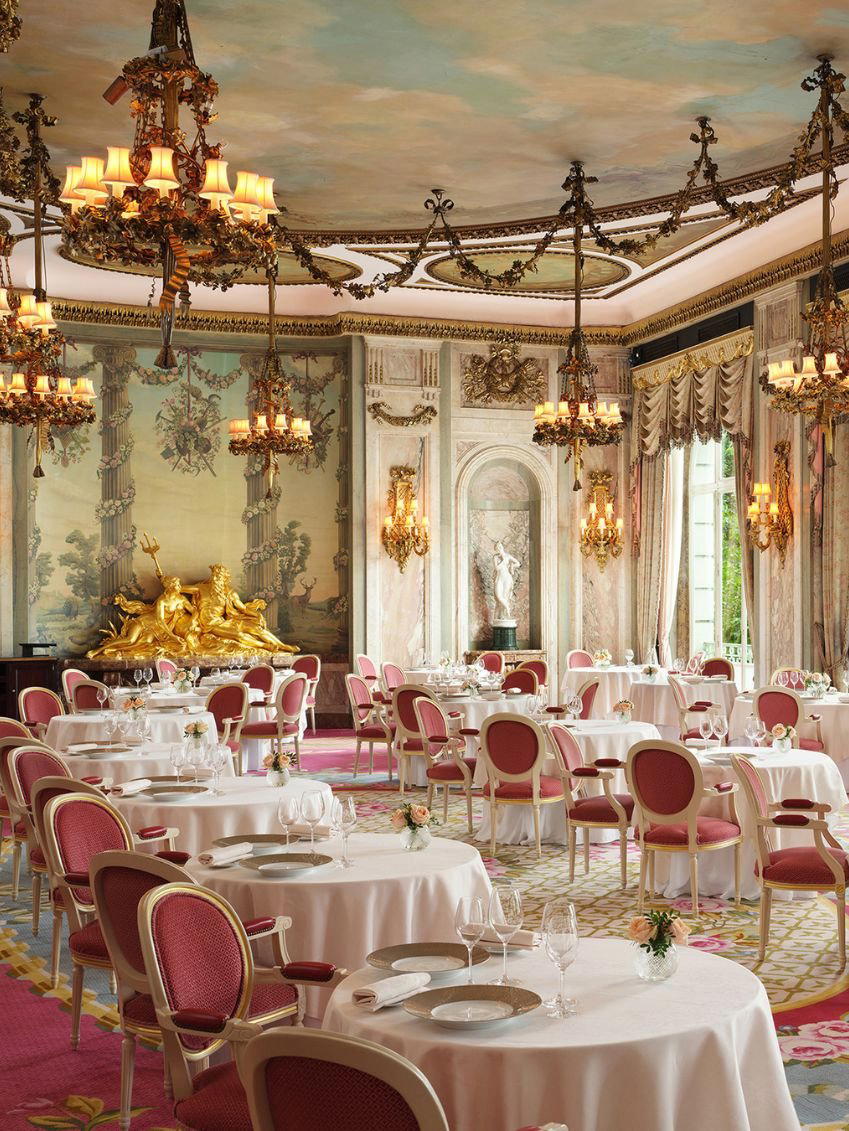
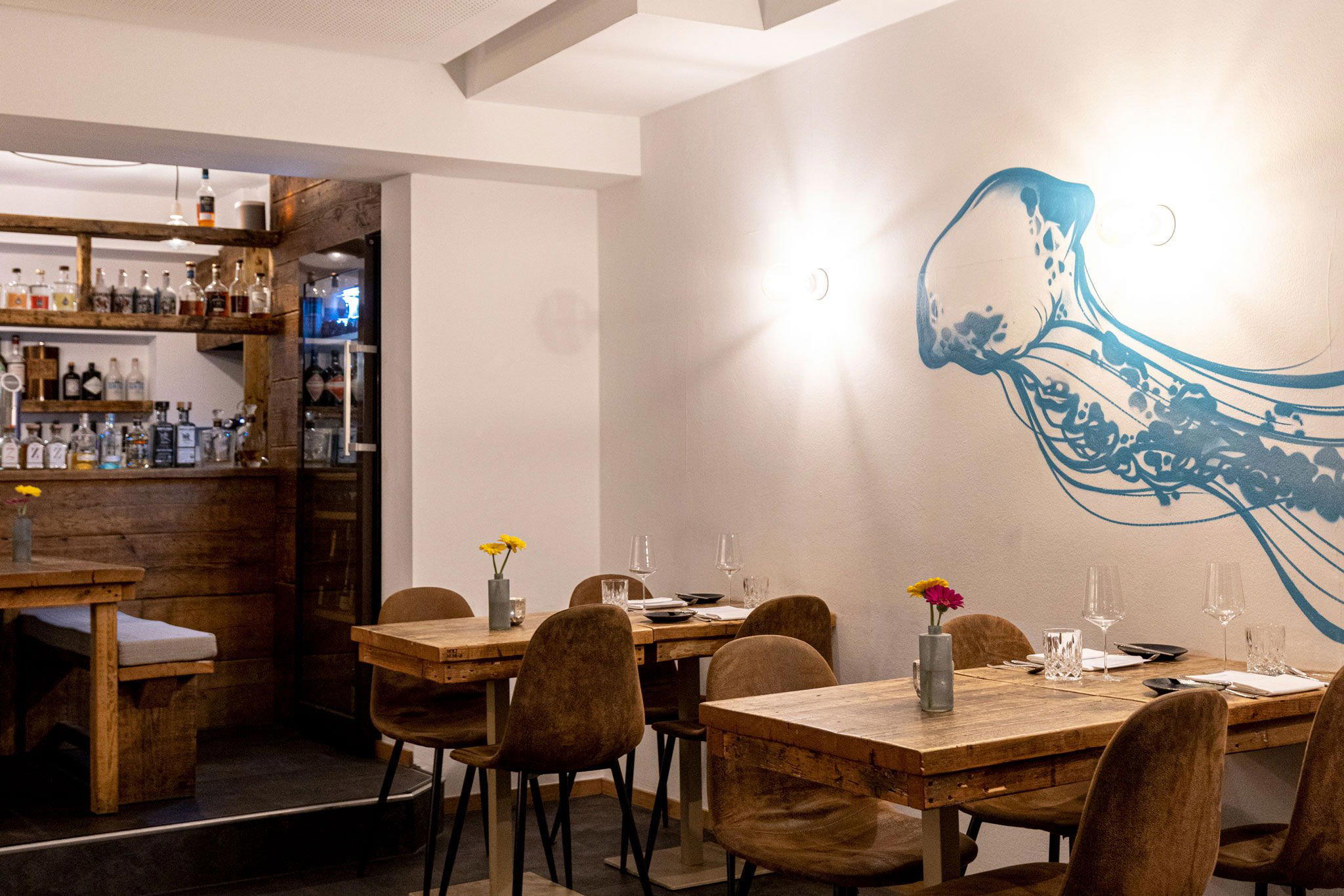
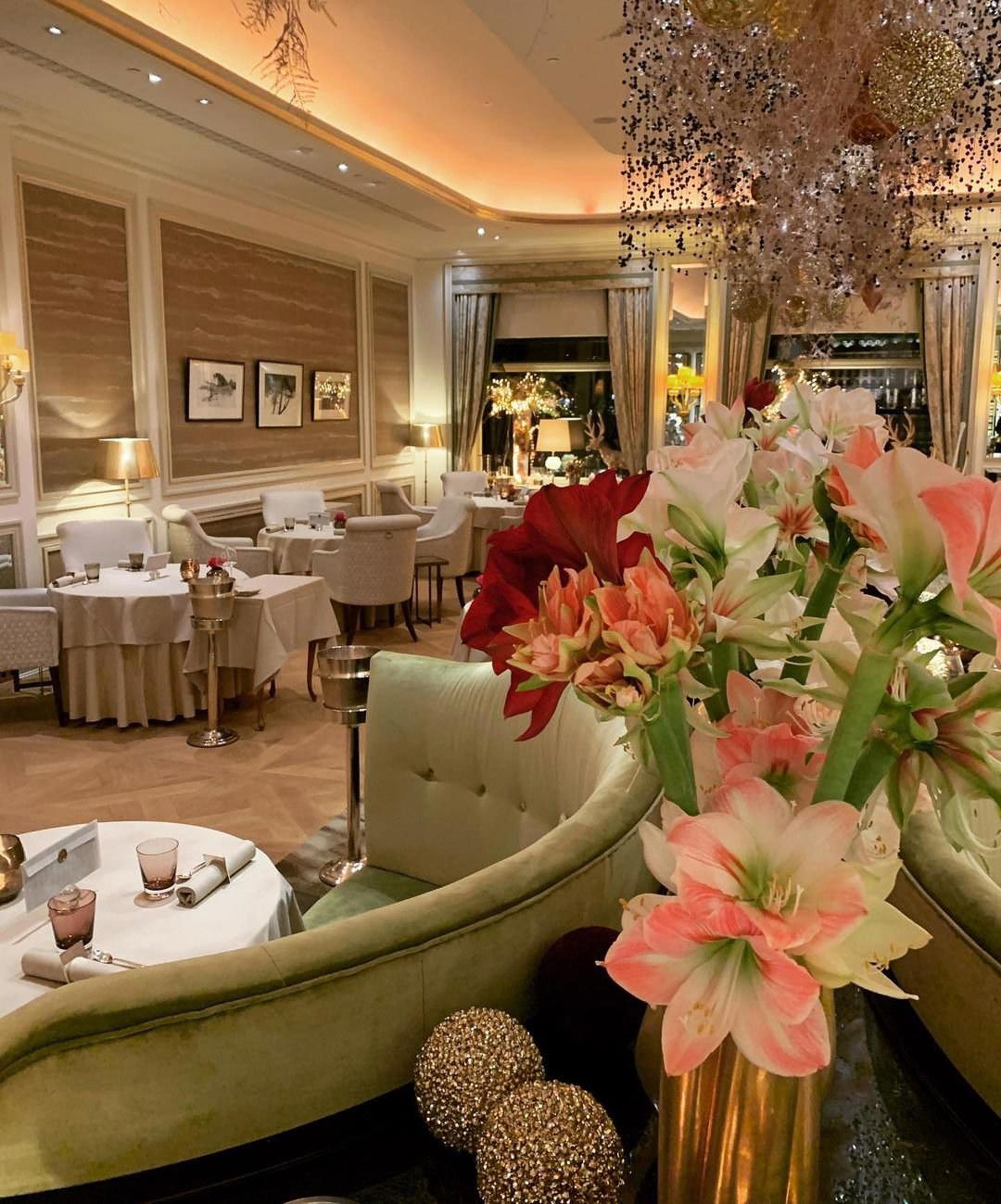
Bars in Hamburg
Browse all →

Hotels in Hamburg
Browse all →
Wineries in Hamburg
Browse all →
At a Glance
- Cozy
- Casual
- Casual Hangout
- Terrace
Current opening hours
- Monday
- Closed
- Tuesday
- 12–10 PM
- Wednesday
- 12–10 PM
- Thursday
- 12–10 PM
- Friday
- 12–10 PM
- Saturday
- 12–10 PM
- Sunday
- 12–10 PM
Hours can change for holidays and private events. Last verified .
Laid-back and casual atmosphere with indoor and terrace seating, friendly service, though can be busy and noisy at times.
Know Before You Go
- Getting there
- Feldstraße 32, 20357 Hamburg, Germany