TRUDE sits on Maurienstraße in Hamburg's Barmbek-Süd district, a neighbourhood where neighbourhood restaurants increasingly operate with an eye on sourcing ethics and seasonal discipline. With Hamburg's fine dining tier shifting toward ingredient-led formats, TRUDE occupies a mid-to-upper bracket worth tracking for those prioritising provenance alongside cooking craft.
Pearl is the En Primeur Club membership app — saves, bookings, and concierge access live there. Same editors, same standards.
- Address
- Maurienstraße 13-15, 22305 Hamburg, Germany
- Phone
- +494020006931
- Website
- trude-hh.de
- Directions
- Get directions
 Saves & bookings on Pearl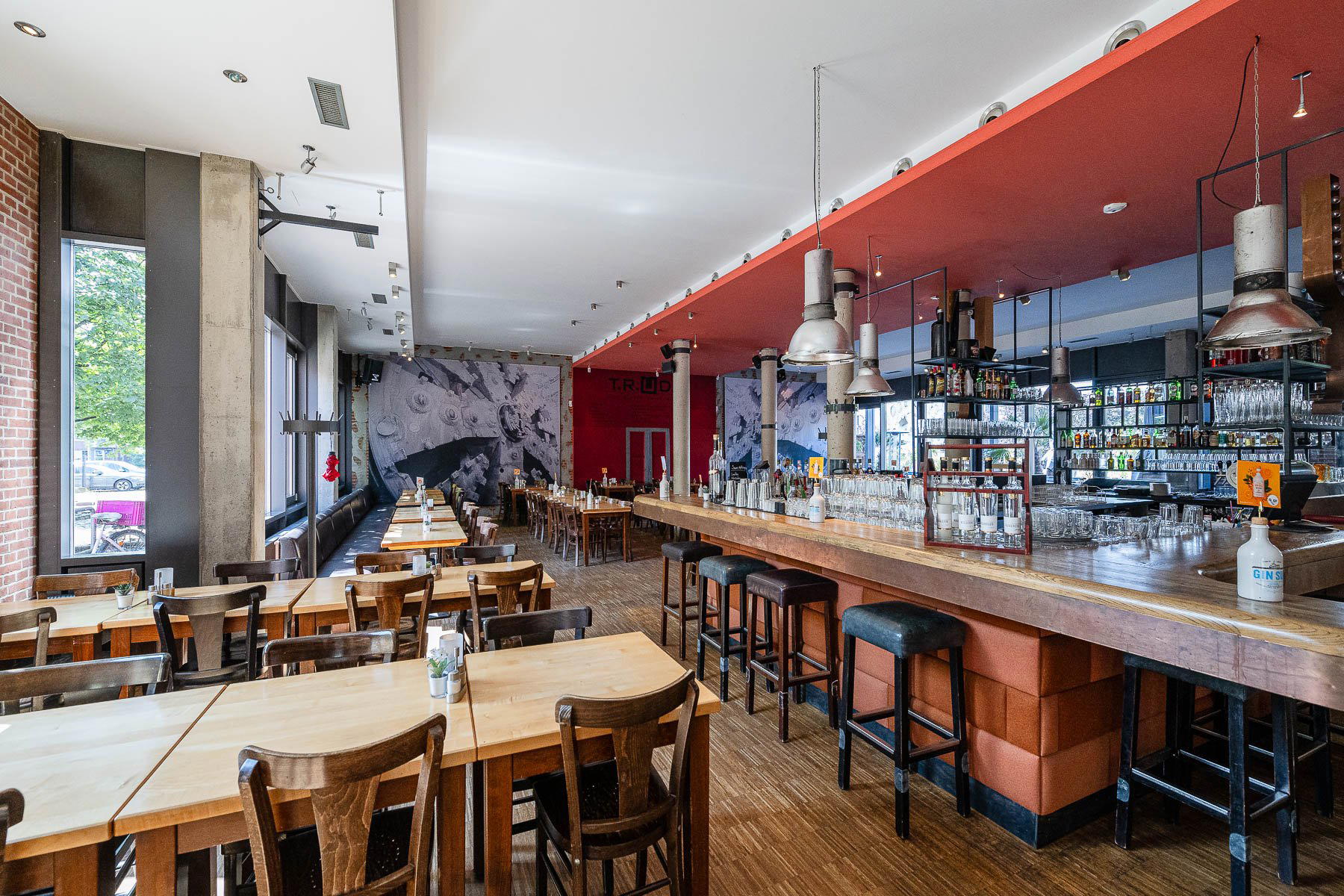
Where Barmbek Meets the Ingredient
Hamburg's restaurant conversation has long centred on the harbour-adjacent postcodes, HafenCity, the Altstadt fringe, the Elbchaussee corridor. Barmbek-Süd, where Maurienstraße runs through a residential area of prewar apartment blocks and local trade shops, sits at a remove from that gravitational pull. That distance, rather than diminishing a restaurant's position, increasingly defines a particular kind of seriousness: the kitchen that doesn't need a waterfront view to justify the cover charge, because the work on the plate does the arguing.
TRUDE is a restaurant at Maurienstraße 13-15 in Hamburg, serving European soul food with a vegetarian focus. In a city where The Table Kevin Fehling and Restaurant Haerlin anchor the formal, award-weighted leading end, and where properties like bianc and Lakeside compete in the €€€€ Mediterranean and lakeside German formats, TRUDE operates in a neighbourhood register that prioritises consistency of sourcing over spectacle of setting.
The Sustainability Frame: Sourcing as the Story
Across Germany's serious restaurant tier, environmental responsibility has shifted from peripheral footnote to structural principle. Where a restaurant sources and how it reduces waste now functions as a proxy signal for kitchen seriousness. This shift is visible at the national level in restaurants such as ES:SENZ in Grassau and CODA Dessert Dining in Berlin.
In Hamburg, the geography creates both opportunity and obligation. The North Sea is close enough that responsible fish sourcing is a live question for every kitchen that puts seafood on the menu. The German interior, accessible through established distribution networks, gives chefs access to small-farm producers whose output rarely reaches supermarket shelves. A restaurant in a residential neighbourhood has a different relationship with its local supply chain, and repeat customers from the surrounding streets incentivise ingredient consistency.
Hamburg's Broader Ingredient-Led Moment
The German fine dining scene has, over the past decade, developed a coherent alternative to the Franco-classical tradition. Schwarzwaldstube in Baiersbronn, Vendôme in Bergisch Gladbach, and Waldhotel Sonnora in Dreis each represent a strand of that tradition rooted in regional ingredient identity. Schanz in Piesport and Victor's Fine Dining by Christian Bau in Perl extend the conversation into wine-region dining. Bagatelle in Trier shows how a border-city position shapes a kitchen's sourcing logic differently from an urban centre.
Hamburg's contribution to this national pattern is less defined by geography than the Black Forest or Moselle Valley kitchens. The city's identity as a port and trading centre means its ingredient access is broad rather than rooted, a strength that cuts both ways. Kitchens here can source globally but must choose discipline to make local sourcing a coherent editorial stance rather than an afterthought. That discipline often speaks most clearly through the menu's relationship with local producers.
Internationally, the ethical sourcing conversation has produced particularly focused cooking in the world. Le Bernardin in New York City has built its reputation in part on supplier relationships that predate the current sustainability discourse. Atomix in New York City demonstrates how Korean fine dining can address seasonality and waste through a cultural lens rather than a green-marketing one. The lesson from these international reference points is consistent: ingredient discipline shows up in the cooking itself.
The Neighbourhood as Context
Barmbek-Süd is not a dining destination in the way that Hamburg's Portugiesenviertel or the Schanzenviertel attract visitors with a preconceived itinerary. It is a lived neighbourhood, and its restaurants answer primarily to residents rather than reviewers. This demographic creates a different pressure: consistency across the week. A restaurant that operates in this register and maintains quality does so through supply discipline and kitchen rhythm rather than through the set-piece moments that drive award campaigns.
For a traveller willing to move beyond Hamburg's more legible restaurant geography, the residential neighbourhoods offer a different reading of the city's food culture. 100/200 Kitchen and Hamburg's broader restaurant scene show how the city's upper tier has become genuinely plural in format and location, no longer confined to hotel dining rooms and waterfront addresses.
Planning a Visit
TRUDE recommends reservations and is open Mon 11:30 AM to 12 AM, Tue 11:30 AM to 12 AM, Wed 11:30 AM to 12 AM, Thu 11:30 AM to 12 AM, Fri 11:30 AM to 1 AM, Sat 10 AM to 1 AM, and Sun 10 AM to 10 PM. For Hamburg visits, pairing a meal at a neighbourhood restaurant like TRUDE with one of the city's upper-tier formal experiences creates a more complete picture of where the city's cooking actually sits.
Logistics at a Glance
| Venue | Format | Price Tier | Location |
|---|---|---|---|
| TRUDE | Neighbourhood restaurant | Not confirmed | Barmbek-Süd |
| The Table Kevin Fehling | Creative tasting menu | €€€€ | HafenCity |
| bianc | Modern Mediterranean | €€€€ | City centre |
| Lakeside | German lakeside | €€€€ | Outer Hamburg |
Cuisine and Credentials
Comparable venues nearby, for context on price, style, and recognition.
| Venue | Cuisine | Price | Notes |
|---|---|---|---|
| TRUDEThis venue — the venue you are viewing | European Soul Food with Vegetarian Focus | $$ | Not listed |
| Chingu | Korean Street Food | $$ | Hamburg-Altstadt |
| La Quesadilla | Mexican & Caribbean | $$ | Neu Lokstedt |
| BLOCKBRÄU | Traditional German Brewery Cuisine | $$ | St. Pauli |
| CYN CYN | Hand-Pulled Shaanxi Noodles | $$ | Neu Lokstedt |
| Spaccaforno | Authentic Neapolitan Pizza | $$ | Barmbek |
Continue exploring
More in Hamburg
Restaurants in Hamburg
Browse all →
Bars in Hamburg
Browse all →
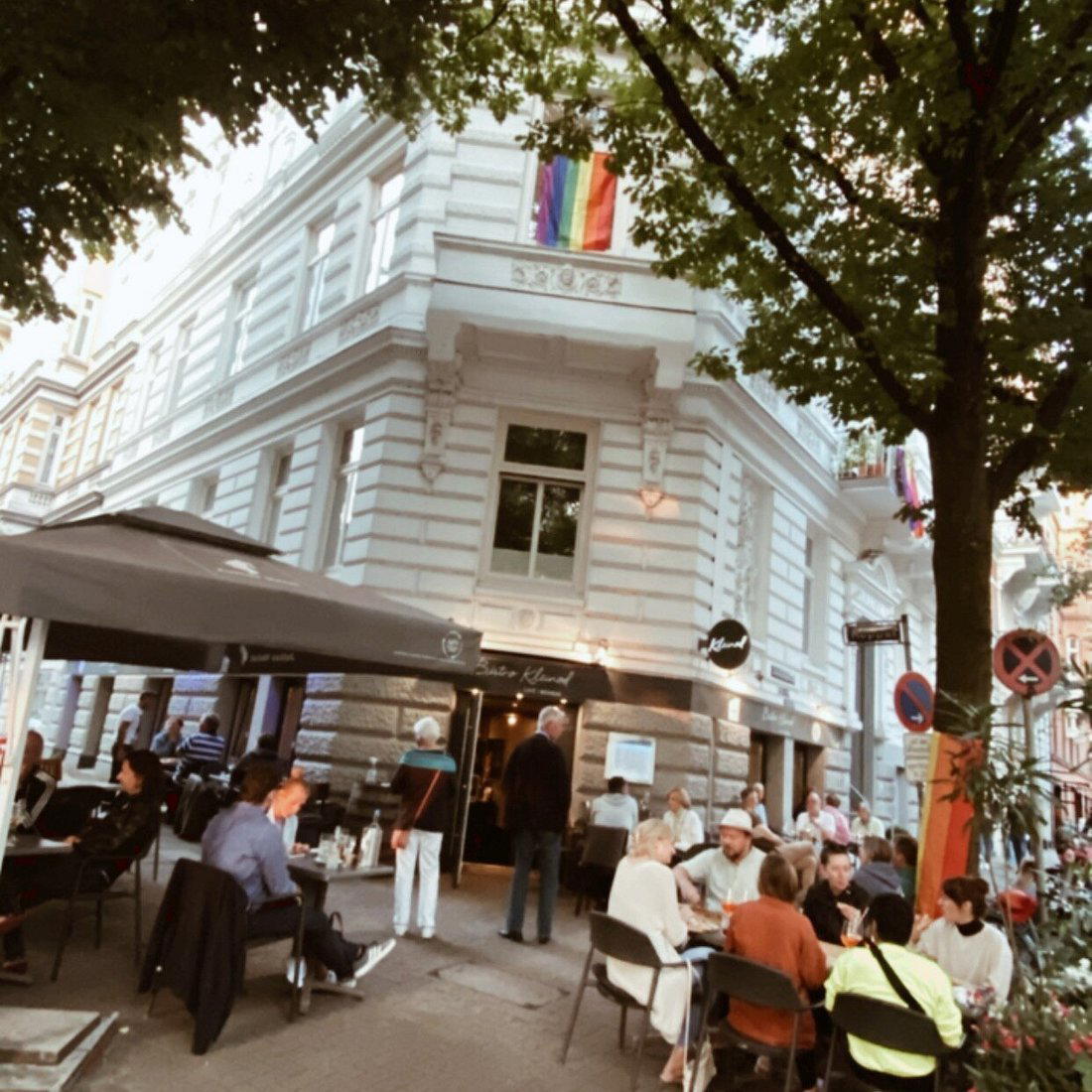
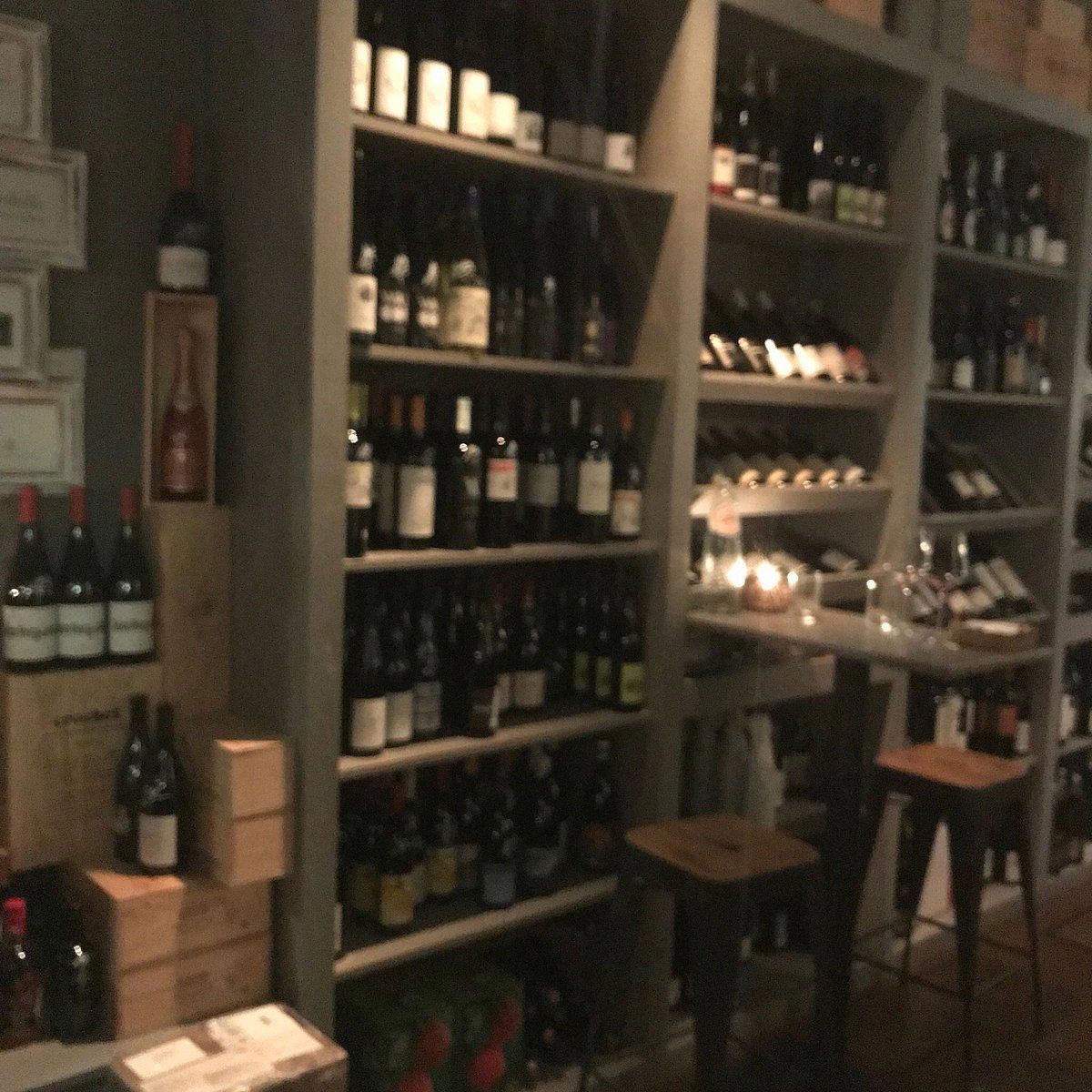
Hotels in Hamburg
Browse all →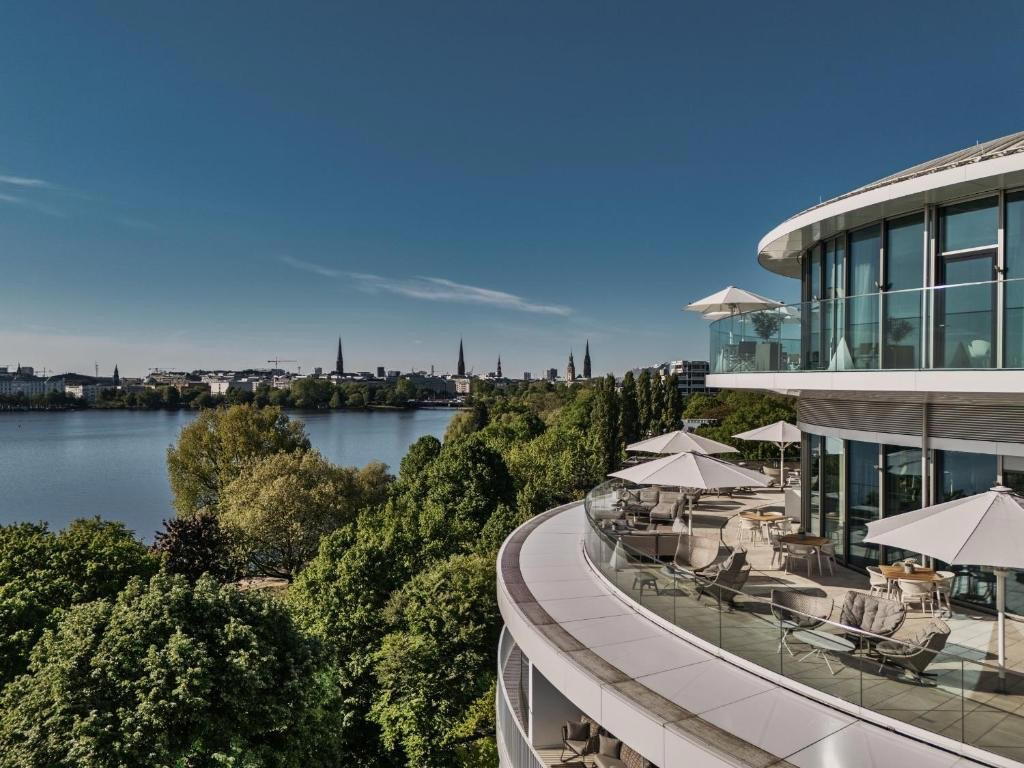
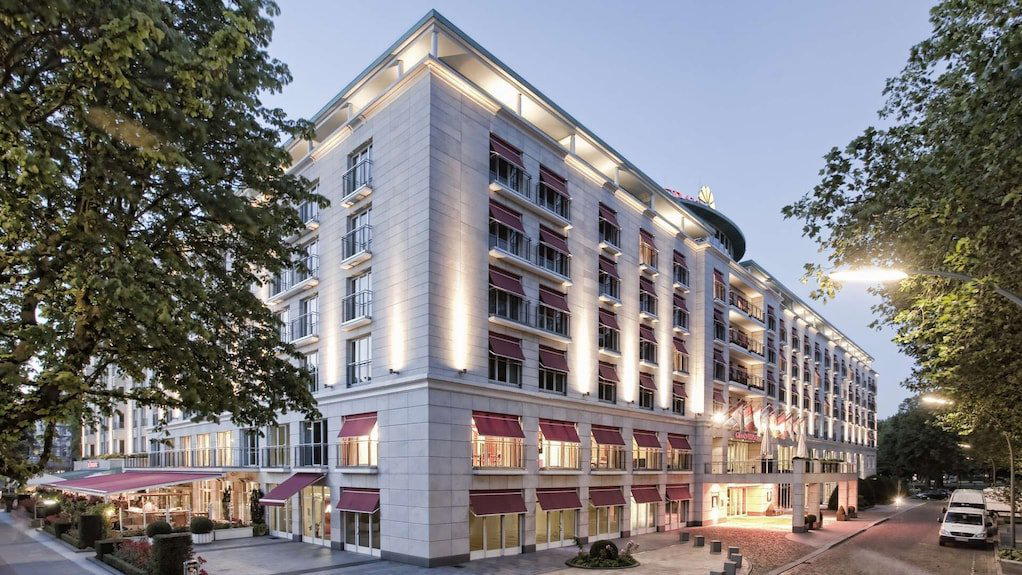
Wineries in Hamburg
Browse all →
At a Glance
- Industrial
- Cozy
- Rustic
- Modern
- Group Dining
- Brunch
- Casual Hangout
- Open Kitchen
- Terrace
- Historic Building
- Beer Program
- Local Sourcing
Current opening hours
- Monday
- 11:30 AM–12 AM
- Tuesday
- 11:30 AM–12 AM
- Wednesday
- 11:30 AM–12 AM
- Thursday
- 11:30 AM–12 AM
- Friday
- 11:30 AM–1 AM
- Saturday
- 10 AM–1 AM
- Sunday
- 10 AM–10 PM
Hours can change for holidays and private events. Last verified .
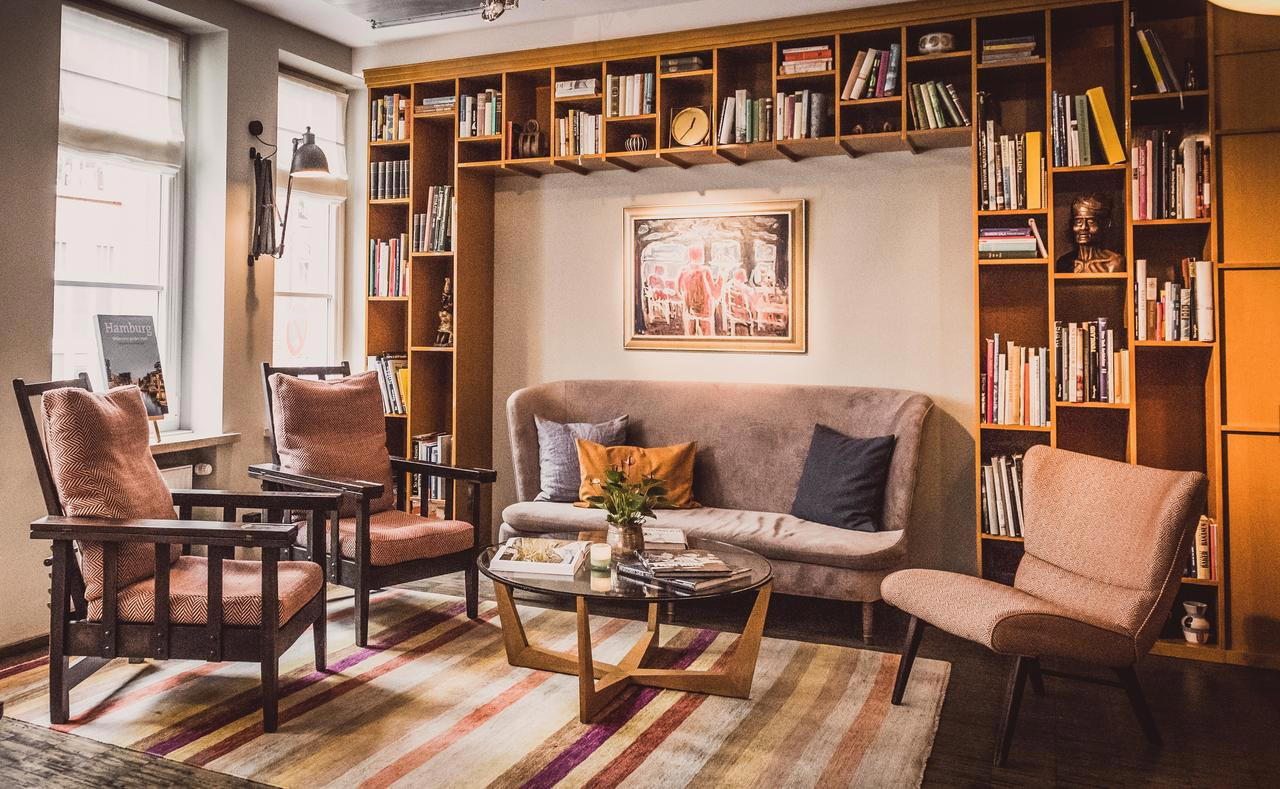
Rustic industrial charm with historic brick walls, high ceilings, open layout, and warm lighting creating a modern yet cozy historical atmosphere.