Berliner Bahnhof occupies the Nordhalle of Hamburg's Deichtorstraße complex, one of the city's most architecturally charged spaces. The venue sits in a tier where setting does much of the heavy lifting — raw industrial scale meeting considered hospitality. For occasion dining in Hamburg, few addresses carry the same spatial authority.
Pearl is the En Primeur Club membership app — saves, bookings, and concierge access live there. Same editors, same standards.
- Address
- Deichtorstraße 1/Deichtorhallen, Nordhalle, Deichtorstraße 1/Halle Nord, 20095 Hamburg, Germany
- Phone
- +494020982392
- Website
- berlinerbahnhof.com
- Directions
- Get directions
 Saves & bookings on Pearl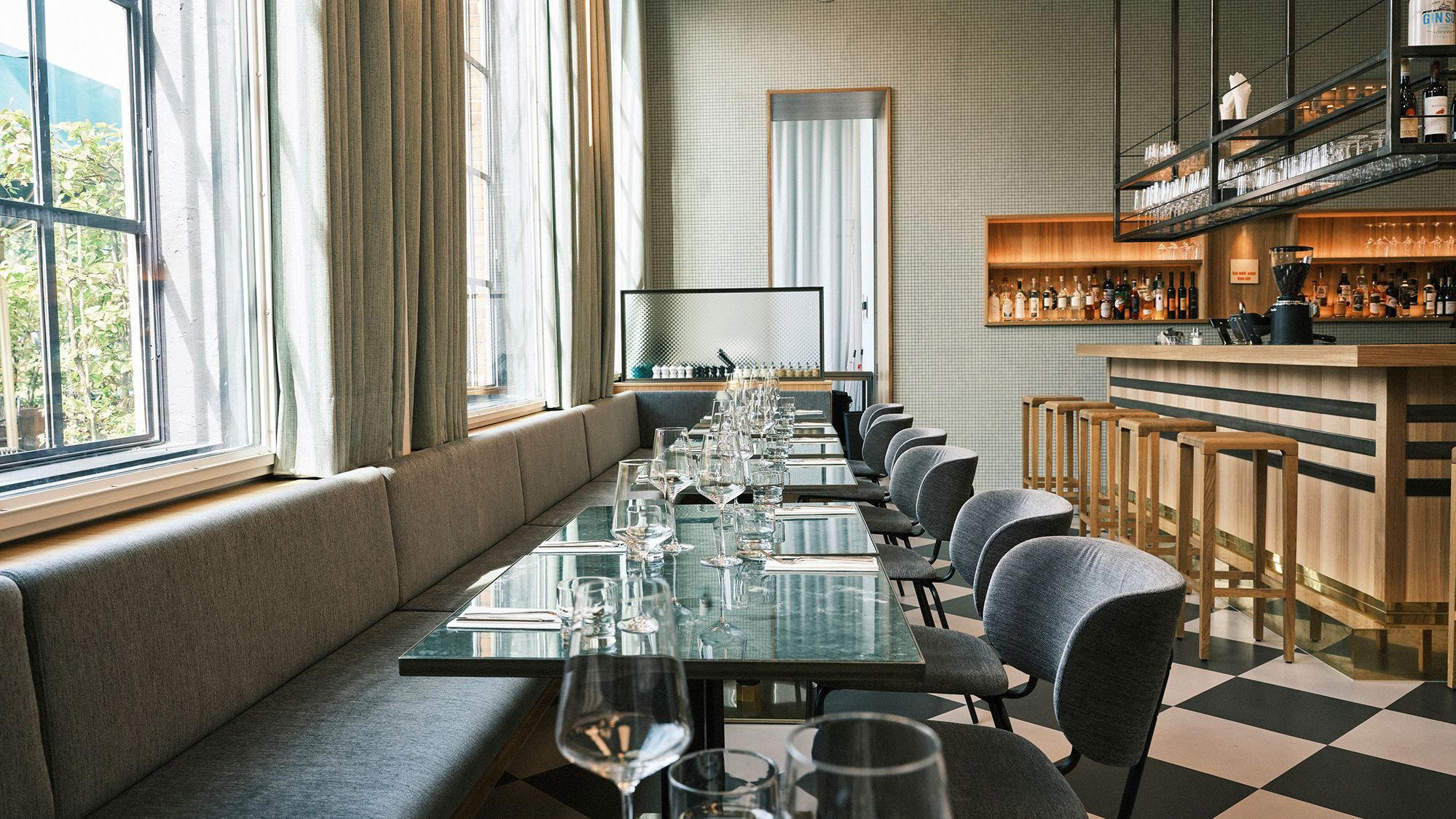
Where Industrial Hamburg Becomes the Room
Hamburg has long kept its finest dining experiences at a remove from its most dramatic architecture. The city's Michelin-starred kitchens — among them Restaurant Haerlin and The Table Kevin Fehling — tend to occupy tight, considered rooms where the food commands all the attention. Berliner Bahnhof takes a different position. It occupies the Nordhalle of the Deichtorstraße complex, a nineteenth-century iron-and-glass market hall that survived wartime Hamburg and has since become one of the city's more compelling architectural anchors. The scale here is not incidental. High vaulted ceilings, exposed structural ironwork, and light that moves through the space in ways no designer could manufacture on a blank canvas all combine to make the room itself a significant part of the proposition.
That kind of spatial drama has an effect on why people choose a venue. When a room carries this much inherited weight, it naturally draws occasion dining: anniversaries, milestones, celebrations that need a setting rather than just a table. The Deichtorstraße address, close to Hamburg's central city and near the Deichtorhallen contemporary art complex, positions it within easy reach from most central Hamburg accommodation, though specific journey times depend on where you are staying in the city.
The Occasion Dining Equation in Hamburg
Hamburg's fine dining tier has sharpened considerably over the past decade. The city now holds multiple Michelin-starred addresses, with 100/200 Kitchen and bianc among the more prominent entrants into what has become a genuinely competitive upper bracket. That competition has clarified what each address in this tier actually offers. For some diners, the draw is culinary precision and chef reputation. For others, the calculus tips toward setting, occasion suitability, and the social experience of the room.
Berliner Bahnhof sits in the latter grouping. The Nordhalle's industrial bones give it a spatial authority that purpose-built dining rooms rarely achieve, and that authority is particularly legible to diners marking something significant. Across Germany's fine dining circuit, from Schwarzwaldstube in Baiersbronn to Aqua in Wolfsburg, occasion dining has often required a choice between culinary ambition and atmospheric theatre. Few addresses manage both, which is why venues that convert genuinely dramatic settings into hospitality spaces occupy a distinct and sought-after niche.
What the Setting Does That Kitchens Cannot
Occasion dining carries its own set of demands that go beyond what arrives on the plate. The room has to hold a group, sustain a mood across several hours, and feel significant enough to justify the occasion. Hamburg's more intimate fine dining rooms, including the format that Lakeside operates, trade in a different register entirely, where proximity and focus on the kitchen's output create the event. Berliner Bahnhof's inherited architecture solves the occasion problem differently: the scale of the Nordhalle absorbs groups without claustrophobia and gives every table a view of the room's most dramatic feature, the structural ceiling.
That ceiling, along with the cast-iron columns and the building's industrial pedigree, places Berliner Bahnhof in a European tradition of adaptive reuse hospitality that has produced some of the most atmospheric dining rooms of the past two decades. The template appears in various forms across the continent: London railway arches converted into wine bars, Parisian market halls turned into brasseries, and in Hamburg's case, a former wholesale market hall repurposed into a live music and event venue with food. The hospitality is inseparable from the setting, not a layer placed on top of it.
How This Compares Across Germany's Event Dining Scene
Germany's more concentrated fine dining destinations reward comparison. In Munich, venues like JAN operate within tight chef-focused formats where the tasting menu is the occasion. Further west, Vendôme in Bergisch Gladbach and Victor's Fine Dining by Christian Bau in Perl deliver the kind of technical ambition where the room exists primarily to support the kitchen. At Waldhotel Sonnora in Dreis and Schanz in Piesport, the setting has a pastoral register, wine country and garden architecture, that serves a different occasion appetite entirely.
Berliner Bahnhof's urban industrial positioning in the centre of a major port city is less common in the German context. It competes less with the countryside fine dining circuit and more with Hamburg's own event and occasion space ecosystem. For a milestone that needs the city's energy rather than a retreat from it, the Deichtorstraße address makes a different kind of argument than any of those suburban or rural counterparts can.
Internationally, this format has strong precedents. Le Bernardin in New York City and Lazy Bear in San Francisco both demonstrate that occasion dining can generate its authority through formats and environments that are distinct from traditional restaurant templates. The common thread is that the experience architecture, the room, the pacing, the social context, is as deliberate as the food.
Berliner Bahnhof in Context: Hamburg's Broader Dining Map
For anyone building a Hamburg visit around dining, our full Hamburg restaurants guide maps the city's full range from precise tasting menus to neighbourhood-level bistros. Within that range, Berliner Bahnhof occupies a specific position: a high-capacity, architecturally distinguished space that draws diners for events and occasions as much as for cuisine alone. That positioning also separates it from the format discipline operating at addresses like CODA Dessert Dining in Berlin or ES:SENZ in Grassau, where a rigorous culinary concept drives the room rather than the other way around.
The Deichtorstraße address is a short walk from Hamburg's central station. Logistics for an evening visit are direct: the area is well-served by the city's U-Bahn and S-Bahn network, and the venue's position near the Deichtorstraße junction means it is visible and accessible without requiring navigation through complex residential streets. For groups managing logistics around a milestone evening, that accessibility is worth accounting for early. Bookings and current programming details should be confirmed directly, as format and scheduling at venue-specific event spaces in Hamburg can change across seasons.
Continue exploring
More in Hamburg
Restaurants in Hamburg
Browse all →
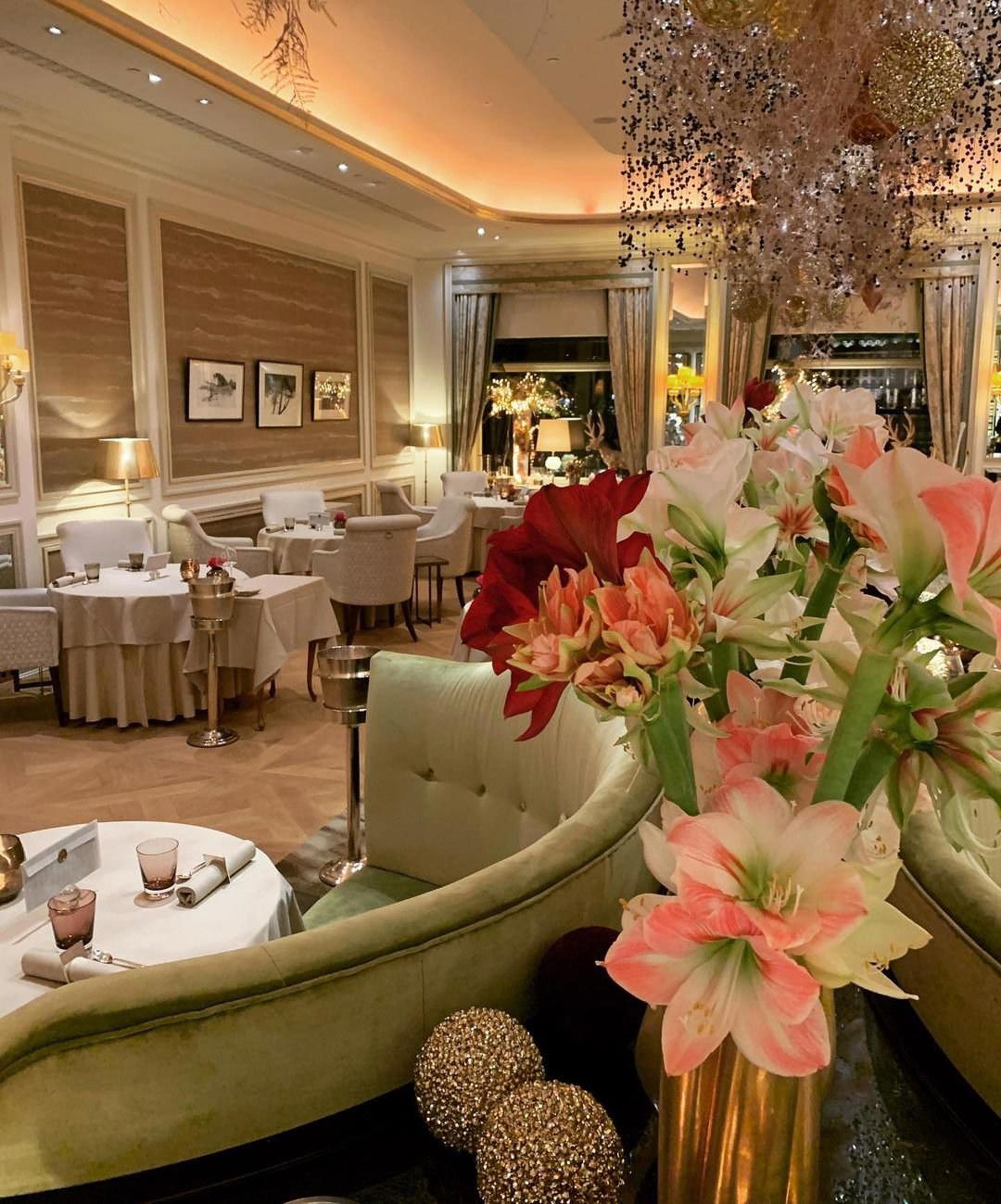
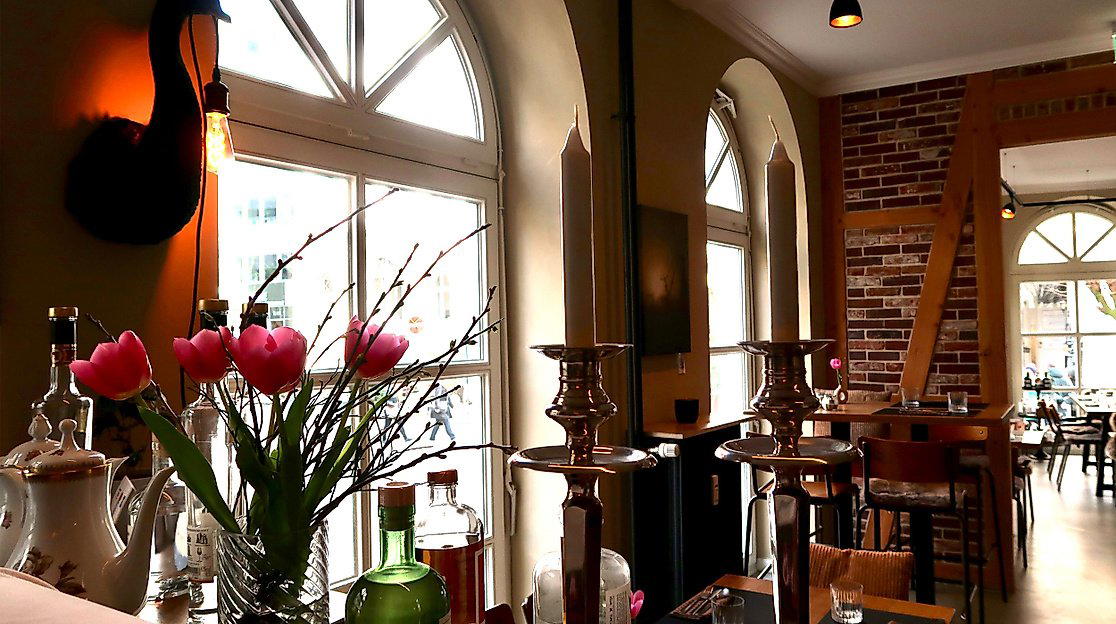
Bars in Hamburg
Browse all →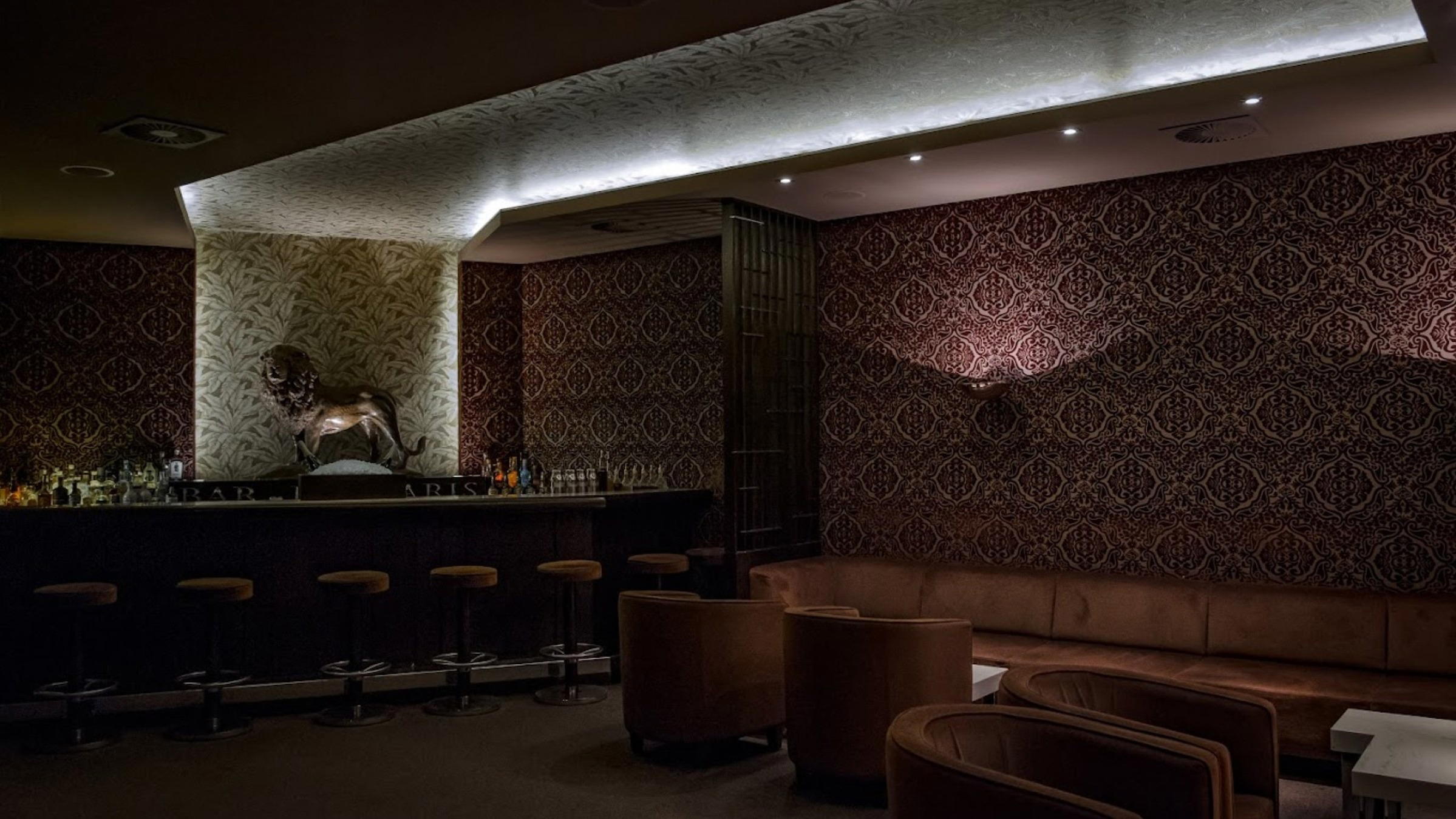
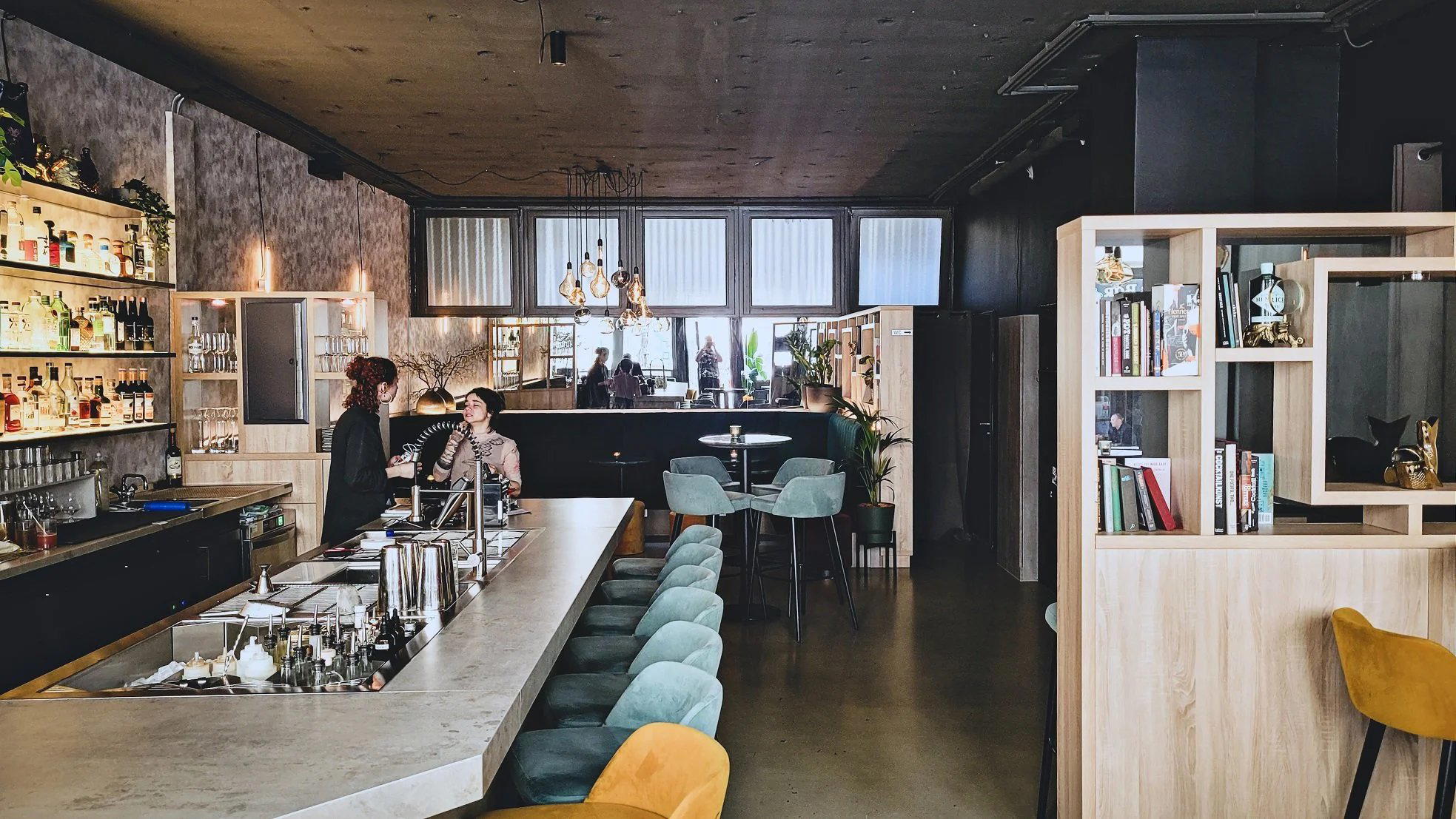
Hotels in Hamburg
Browse all →
Wineries in Hamburg
Browse all →
At a Glance
- Trendy
- Modern
- Lively
- Elegant
- Date Night
- After Work
- Casual Hangout
- Open Kitchen
- Historic Building
- Craft Cocktails
- Street Scene
Current opening hours
- Monday
- Closed
- Tuesday
- 11 AM–7 PM
- Wednesday
- 11 AM–7 PM
- Thursday
- 11 AM–10 PM
- Friday
- 11 AM–10 PM
- Saturday
- 11 AM–10 PM
- Sunday
- 11 AM–7 PM
Hours can change for holidays and private events. Last verified .
Retro-modern charm with exciting architecture, cool design, and meter-high windows creating a lively, creative atmosphere.
Know Before You Go
- Getting there
- Deichtorstraße 1/Deichtorhallen, Nordhalle, Deichtorstraße 1/Halle Nord, 20095 Hamburg, Germany