
A nine-seat Nagasaki dumpling counter in Dozamachi, selected for Tabelog 100 Dumplings 2024, Unryu Tei Douza ten belongs to the city’s compact after-dark gyoza culture rather than its formal dining circuit. The appeal is format as much as food: counter seating, take-out, sake and shochu, and a scale that suits solo diners as readily as small groups.
Pearl is the En Primeur Club membership app — saves, bookings, and concierge access live there. Same editors, same standards.
- Address
- 13-10 Dozamachi, Nagasaki, 850-0841, Japan
- Phone
- +81 95-824-1311
- Website
- tabelog.com
 Saves & bookings on Pearl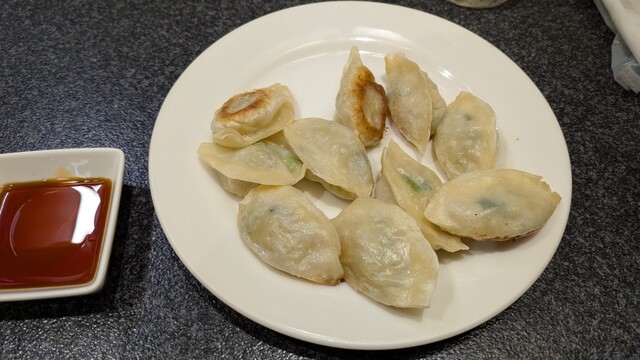
Dozamachi after dark is a tight urban stage: tram stops, narrow shopfronts, late dinners, and the particular rhythm of Nagasaki’s small counters. In that setting, dumplings are not a side note to the city’s Chinese-influenced cooking culture; they are a compact expression of it. Unryu Tei Douza ten belongs to the low-capacity, quick-turn end of that tradition, a nine-seat room where counter dining and take-out matter more than ceremony.
Nagasaki’s food identity has always been shaped by trade, port traffic, and the city’s long relationship with Chinese cooking. Champon and sara udon tend to claim the attention, but gyoza occupies a different lane: informal, drink-friendly, and built for short meals rather than long tasting menus. That makes the city’s dumpling counters useful for travelers who want local context without committing an entire evening to a banquet format.
A small dumpling counter inside Nagasaki's port-city food culture
The distinction here is not scale or theatricality. The point is the compressed format. Tabelog selected Unryu Tei Douza ten for its Tabelog 100 Dumplings 2024 list, placing it among Japan’s recognized gyoza specialists rather than general-purpose Chinese restaurants. That matters in a city where Chinese-influenced dining runs from Chinatown dining rooms to late-night counters: dumplings are judged as a craft category, not merely as something ordered before noodles.
The competitive set in Nagasaki is revealing. Hountei Honten Torifuku and Unryu Tei Honten sit in a slightly higher dinner bracket, while Kanro occupies a lower spend tier. Chinese Saikan Kozanro Chuukagai shinkan, also in Nagasaki, represents the broader Chinese restaurant lane, and Osaka Ya Hamachou ten belongs to a far more expensive night out. Against that spread, this Dozamachi counter reads as a focused stop: narrow category, modest spend, small room, and a format that rewards decisiveness.
That focus is also why the place makes sense within a wider Nagasaki itinerary. A traveler could build a city day around broader dining references such as Asa Honten, BEARD, bread A espresso, Chinese cuisine GUNRAIKEN, and Chinese Saikan Kozanro Chuukagai shinkan, then use a dumpling counter as the narrower lens on the city’s evening food habits. For the broader map, Our full Nagasaki restaurants guide is the natural starting point.
Why the format matters more than a long menu
Small Japanese dumpling shops tend to be read incorrectly by visitors who judge restaurants by menu length, room design, or reservation polish. The better comparison is with ramen counters, yakitori counters, and standing bars: the format tells the diner how to use the place. Counter seating signals speed and proximity; take-out signals neighborhood utility; sake and shochu signal an evening rhythm rather than a lunchtime-only snack. Unryu Tei Douza ten is useful because it keeps that grammar intact.
The nine-seat capacity changes the decision-making. This is not a venue for lingering groups or elaborate ordering rituals. It is closer to an efficient local meal, the kind that works before a second stop or after drinks nearby. Solo diners are an especially natural fit, not because the room is anonymous, but because the counter format makes a single seat the basic unit of the experience.
There is a broader Japan context here. Dumpling culture moves between regional specialization and everyday convenience: Utsunomiya and Hamamatsu have national reputations for gyoza, but cities like Nagasaki fold dumplings into a more hybrid Chinese-Japanese food identity. In Nagasaki, that hybrid character is the point. A dumpling counter in Dozamachi is not competing with grand Chinese dining on range; it is offering the city’s port-food inheritance in a smaller register.
Travelers comparing Nagasaki with other Japanese city food scenes can think across categories rather than cuisines. The decisiveness of a specialist counter has parallels with focused places elsewhere, from -Grilled beef Sukiyaki- KAMAKURA TANUKIAN 鎌倉 たぬき庵 in Kamakura to. 鮪と炭火焼き うお炭 秋葉原店 in Tokyo.cafe in Osaka.know in Kumamoto, (Shoku) Vietnam in Kawasaki, and [Curry Senmon Ten] Maruyama Kyoju. in Sapporo. Outside Japan, the same lesson applies at places such as Jōdo Saké Bar in Los Angeles and Onigiri Time in Pasadena: narrow formats often reveal more about dining culture than sprawling menus do.
How to place it in a Nagasaki evening
The editorial value of the restaurant is its specificity. It gives a traveler a clear answer to one common Nagasaki problem: how to eat locally without defaulting only to Chinatown’s larger dining rooms. The award recognition supplies the trust signal, while the counter scale and dumpling focus explain the use case. This is a short-format, food-led stop in a nightlife district, not a destination built around formality.
That distinction matters when planning the rest of a trip. Nagasaki rewards movement between categories: port history by day, Chinese-influenced dining at night, and smaller bars or counters after that. For lodging context, use Our full Nagasaki hotels guide; for drinking after dinner, Our full Nagasaki bars guide; for regional wine context, Our full Nagasaki wineries guide; and for cultural planning beyond the table, Our full Nagasaki experiences guide. The better Nagasaki itinerary does not treat dinner as a single grand event. It lets small, specialized rooms carry part of the story.
Cost Snapshot
Comparable venues by cuisine and price in the same metro.
| Venue | Cuisine | Price | Notes |
|---|---|---|---|
| Unryu Tei Douza tenThis venue — the venue you are viewing | Not listed | $ | Not listed |
| Kanro | Shianbashi, Chinese Noodle House | $ | Not listed |
| Unryu Tei Honten | Not listed | $$ | Shianbashi, Traditional Nagasaki bite‑sized gyoza shop |
| Primrose | Not listed | $$ | Furukawa-machi / Meganebashi, Yoshoku / Japanese-Western Cuisine |
| Shokan Do | Not listed | $ | Meganebashi Bridge, Nagasaki Castella & Japanese Sweets |
| Osaka Ya Hamachou ten | Not listed | $$$ | Shianbashi / Hamanomachi, Premium Kyushu Wagyu Yakiniku |
Recognition history
Dated appearances from independent guides and award organizations, with the underlying list record or original source where available.
Tabelog 100 #91 · No. 91
Tabelog · Tabelog 100 - Dumplings - 2024
Continue exploring
More in Nagasaki
Restaurants in Nagasaki
Browse all →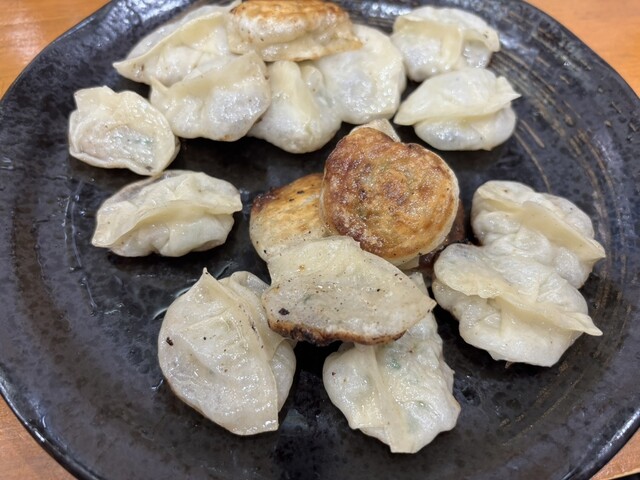
Hotels in Nagasaki
Browse all →
Wineries in Nagasaki
Browse all →
At a Glance
- Cozy
- Lively
- Intimate
- Solo
- Casual Hangout
- After Work
- Late Night
- Standalone
- Sake Program
- Beer Program
Current opening hours
- Monday
- 6–11 PM
- Tuesday
- 6–11 PM
- Wednesday
- 6–11 PM
- Thursday
- Closed
- Friday
- 6–11 PM
- Saturday
- 6–11 PM
- Sunday
- 6–11 PM
Hours can change for holidays and private events. Last verified .
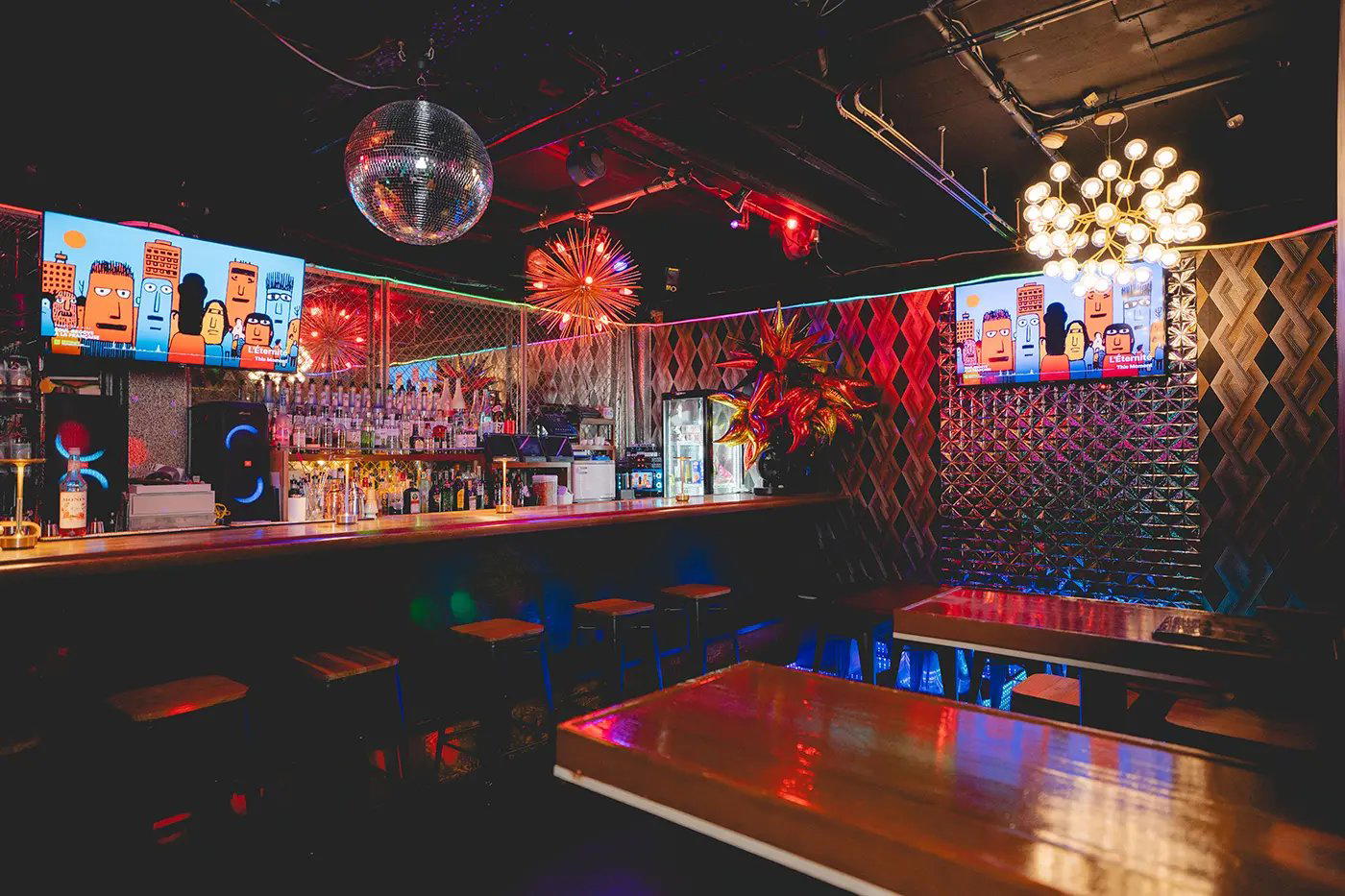
A compact, non-smoking gyoza shop with just nine seats, simple counter and table setup, and a bustling yet relaxed late-night atmosphere that suits solo diners grabbing drinks and dumplings.