
Kameya Yoshinaga Honten is a Kyoto wagashi stop in Shimogyo, selected for Tabelog’s Japanese traditional sweets and sweets cafe WEST 100 in 2023. The format is compact and low-friction: take-out leads, a four-seat tea room exists for a brief pause, and spending sits in the everyday wagashi range rather than the city’s formal kaiseki tier.
Pearl is the En Primeur Club membership app — saves, bookings, and concierge access live there. Same editors, same standards.
- Address
- Japan, 〒600-8498 Kyoto, Shimogyo Ward, Kashiwayacho, 17−19
- Phone
- +81 75-221-2005
- Website
- kameya-yoshinaga.com
 Saves & bookings on Pearl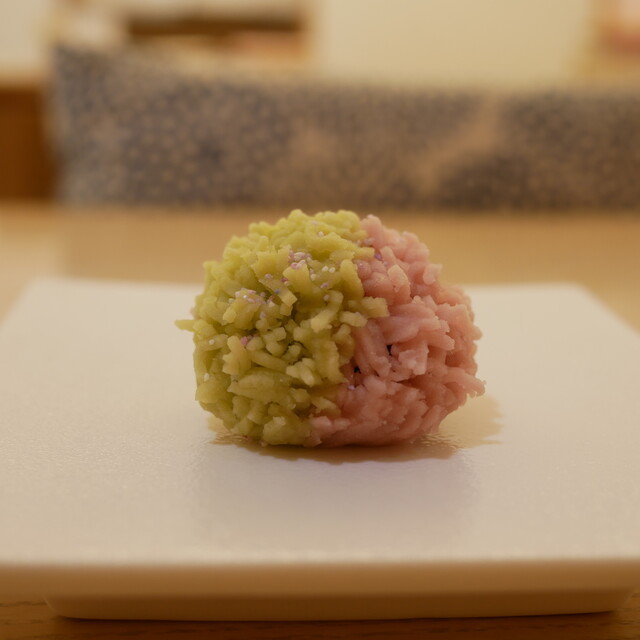
Shijo-dori changes character west of Karasuma: department-store Kyoto gives way to smaller shopfronts, old confectioners, neighbourhood errands, and the practical rhythm of a working avenue. In that setting, Kyoto wagashi reads less as dessert than as civic grammar. Sweets mark tea practice, seasonal observance, temple visits, gifting, and the small courtesies that structure a city where presentation carries social weight.
Kameya Yoshinaga Honten belongs to that grammar. Its 2023 selection in Tabelog’s Japanese traditional sweets and sweets cafe WEST 100 places it within a specialist category that is judged differently from restaurants built around dinner length, wine programs, or chef-led tasting menus. Wagashi shops compete on refinement of form, seasonality, packaging, texture, and the ability to make a modest purchase feel culturally specific without turning it into ceremony for ceremony’s sake.
Kyoto wagashi as daily culture, not restaurant theatre
Kyoto’s sweet shops occupy a category that travellers often misread. They are not cafes in the international sense, and they are not restaurants with dessert counters attached. The stronger comparison is with Kyoto’s tea rooms, gift counters, and temple-adjacent confectionery traditions, where a single sweet can carry a seasonal reference more precisely than a long menu description. That is why a small purchase can matter here: wagashi compresses calendar, craft, and etiquette into a format designed for exchange.
The Honten sits in Shimogyo, a ward that makes sense for this kind of stop. This is not the image of Kyoto built only around temple gates and riverside dining. It is commercial Kyoto: Shijo, Omiya, Karasuma, family businesses, commuter movement, and old specialist shops that survive because locals have repeat uses for them. For a broader eating day in the area, the contrast is useful. A casual route might place confectionery alongside nearby restaurant stops such as 3TOKU6MI Shijo karasuma ten, 551蓬莱, [ki:], or Abbesses, each pointing to a different side of central Kyoto’s dining habits.
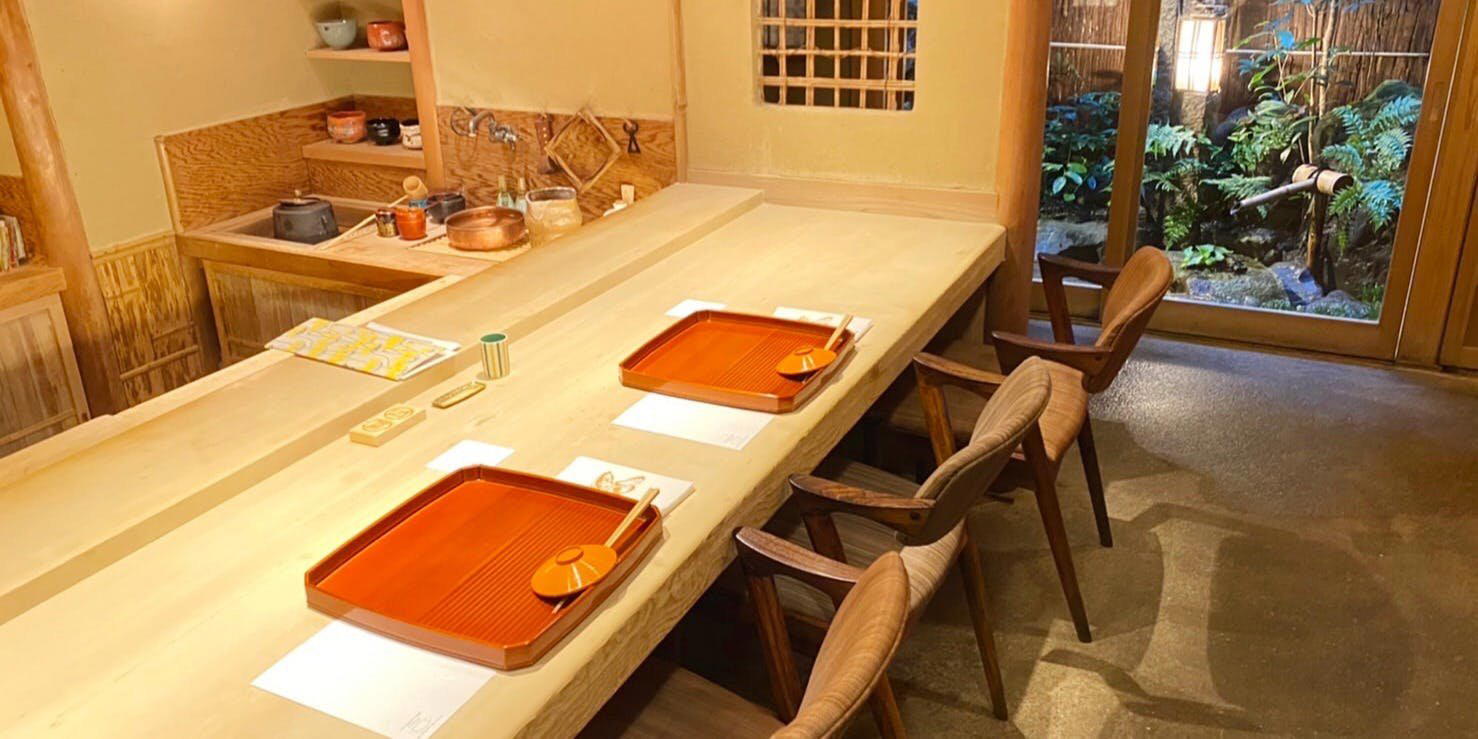
The category also explains the scale. A four-seat tea room is not a lounge built for lingering; it is a small extension of a shop culture led by take-out. That matters for planning and expectation. The reward is not a long seated meal, but the chance to read Kyoto through a confectionery counter: what is boxed, what is seasonal, what is meant for immediate eating, and what is meant to be carried across the city as a gift.
Why the recognition matters in a city crowded with sweets
Kyoto has dense wagashi competition, and that density makes third-party recognition more useful than generic praise. Tabelog’s 2023 WEST 100 selection for Japanese traditional sweets and sweets cafes is a category signal, not a luxury signal. It says the shop belongs in a regional conversation about craft sweets, rather than in the city’s more expensive dining brackets. That distinction is important: the point here is precision within a low-ticket format.
Price also frames the experience. With spending listed below JPY 999 and in the JPY 1,000 to JPY 1,999 range, this is one of Kyoto’s more accessible ways to engage with a formal food tradition. Compare that with Kyoto restaurant peers in other categories: Morita Ya Shijo inokuma honten sits in a far higher meal bracket, while Fujimura occupies a mid-priced dining tier. Even low-cost neighbours such as Croix-Rousse are playing a different game. Wagashi’s value is not measured by length of service, but by craftsmanship per bite and by the cultural usefulness of what leaves the shop in a box.
There is another Kyoto comparison worth making: aburi mochi, yokan, namagashi, and tea sweets all solve different social occasions. Aburi Mochi Honke Nemoto Kazariya points toward shrine-side sweet eating and a more immediate, grilled format. Kameya Yoshinaga Honten belongs to the broader wagashi counter tradition, where portability, gifting, and seasonal notation carry more weight. The difference is not hierarchy; it is use case.
How to fit it into a Kyoto day
The practical move is to treat the shop as a cultural stop rather than as the anchor meal. It opens through the day, with sales beginning in the morning and a tea room operating for a shorter daytime window. The nearest station is Omiya, and the address places it on the Shijo-Omiya side of central Kyoto, useful before or after shopping, hotel transfers, or a westward move toward less tour-heavy streets. Parking is not part of the equation, so rail, taxi, or walking from central Kyoto makes more sense.
Reservations are listed as available, but the format remains compact. With only four seats across two tables, seated time should be treated as a limited add-on rather than the default plan. Take-out is the safer expectation, especially for travellers building a day around multiple stops. Payment flexibility is stronger than many small traditional shops: credit cards, electronic money, and QR payments are accepted, which makes the shop easier to fold into a modern Kyoto itinerary without hunting for cash at the wrong moment.
For EP Club readers, the value is contextual. This is not the Kyoto of long tasting menus or hotel dining rooms; it is the Kyoto of edible seasonality at street level. Use our full Kyoto restaurants guide for meals around it, then widen the trip through our full Kyoto hotels guide, our full Kyoto bars guide, our full Kyoto wineries guide, and our full Kyoto experiences guide. For a wider Japan and diaspora food map, compare casual formats such as -Grilled beef Sukiyaki- KAMAKURA TANUKIAN 鎌倉 たぬき庵 in Kamakura,. 鮪と炭火焼き うお炭 秋葉原店 in Tokyo,.cafe in Osaka,.know in Kumamoto, (Shoku) Vietnam in Kawasaki, [Curry Senmon Ten] Maruyama Kyoju. in Sapporo, Jōdo Saké Bar in Los Angeles, and Onigiri Time in Pasadena.
Cost and Credentials
Comparable venues for context, by category and price tier.
| Venue | Cuisine | Price | Awards | Notes |
|---|---|---|---|---|
| Kameya Yoshinaga HontenThis venue — the venue you are viewing | $ | , | ||
| 京都 鶏白湯そば 純 | $ | , | Nakagyo-ku, Kyoto Creamy Chicken Broth Soba | |
| Fruit Parlour Yaoiso | $ | , | Shimogyō, Japanese fruit parlor & dessert café | |
| Amaguri no Shinise Hayashi Mansho Do Honten | $ | , | Nakagyō, Traditional Japanese chestnut sweets & cafe | |
| Jinba Do | $ | , | Kita, Traditional Japanese Yaki-Mochi & Wagashi | |
| Tama Ki Tei | Uji, Japanese bakery & pastry shop | $ | , |
Continue exploring
More in Kyoto
Restaurants in Kyoto
Browse all →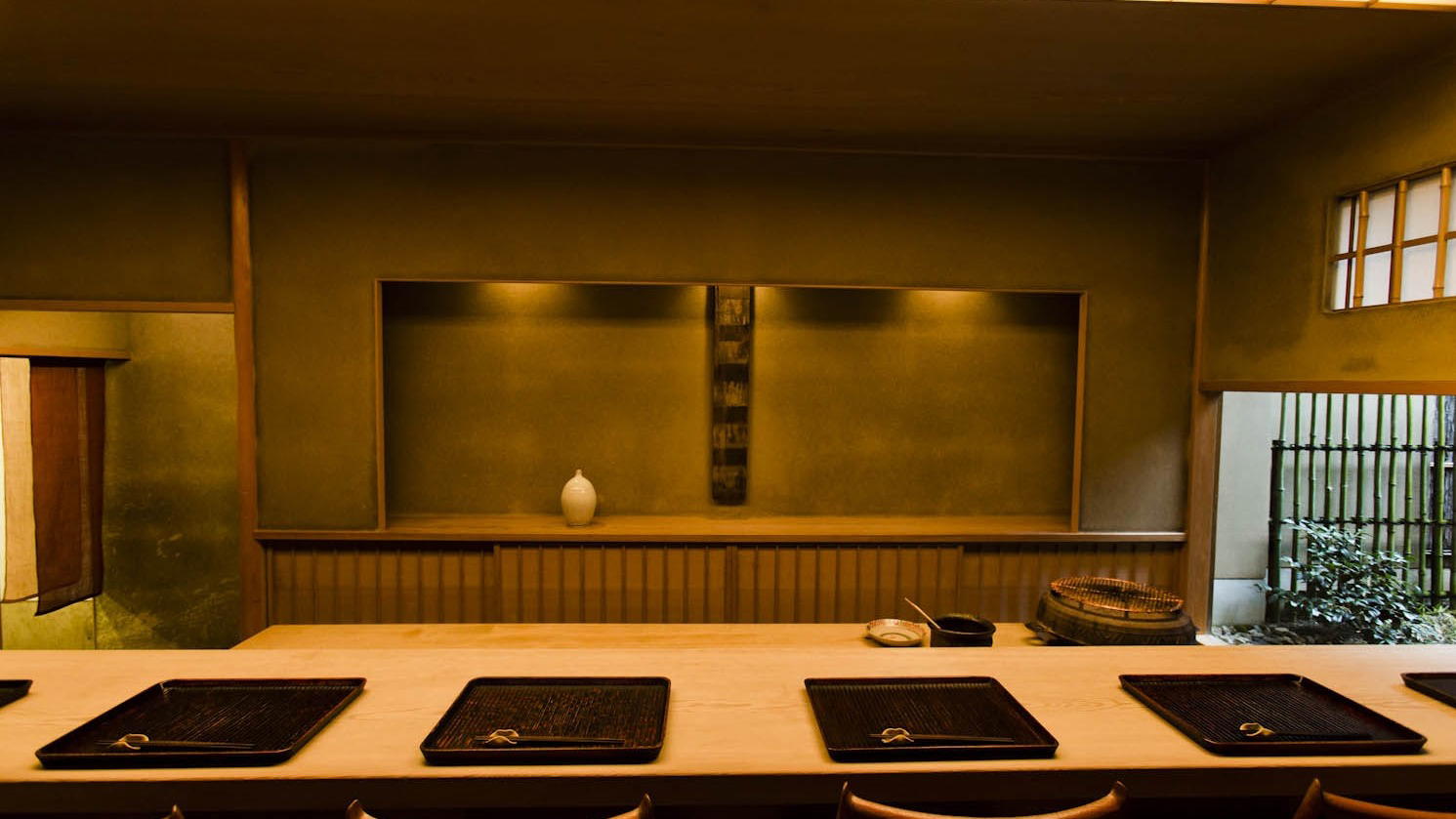
Bars in Kyoto
Browse all →
Hotels in Kyoto
Browse all →
Wineries in Kyoto
Browse all →
At a Glance
- Classic
- Iconic
- Quiet
- Cozy
- Solo
- Family
- Casual Hangout
- After Work
- Special Occasion
- Historic Building
- Design Destination
- Standalone
- Local Sourcing
A small, serene wagashi shop and tearoom with a refined, traditional Kyoto aesthetic; displays of seasonal sweets and elegant packaging create a classic yet slightly modern design feel, and the limited seating keeps the atmosphere calm and unhurried.