
Kyoto’s fruit-parlour tradition treats ripeness as the main event rather than an accessory to pastry. Fruit Parlour Yaoiso belongs to that lineage: a fruit parlour and cafe recognized in Tabelog Sweets WEST “Tabelog 100” in 2022 and 2023, better read as a daytime sweets stop than a conventional dessert counter.
Pearl is the En Primeur Club membership app — saves, bookings, and concierge access live there. Same editors, same standards.
- Address
- Japan, 〒600-8490 Kyoto, Shimogyo Ward, Tatsunakacho, 478
- Phone
- +81 75-841-0353
- Website
- yaoiso.com
 Saves & bookings on Pearl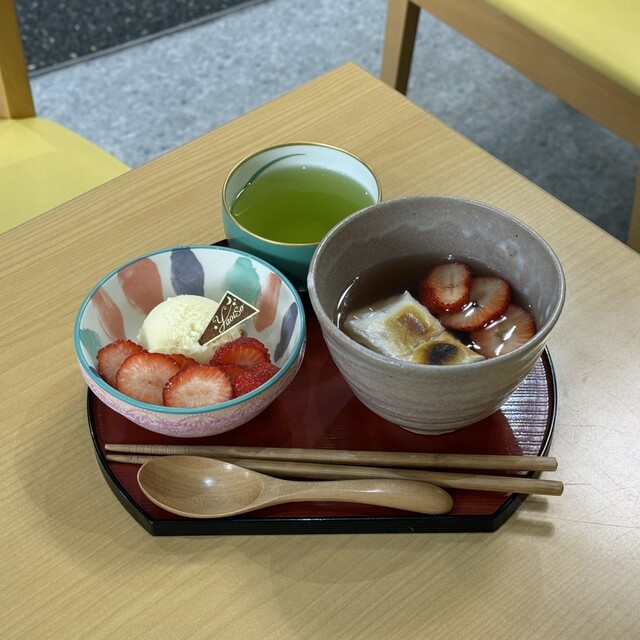
Approaching a Japanese fruit parlour is different from entering a patisserie. The visual grammar is produce first: colour, season, cut, arrangement. In Kyoto, where sweets culture is often discussed through wagashi, tea rooms, and temple-adjacent confections, the fruit parlour occupies a parallel tradition. It is less about sugar craft than timing, with ripeness doing the work that buttercream or chocolate might do elsewhere.
Fruit Parlour Yaoiso sits inside that category rather than the Western pastry lane. Its recognition in Tabelog Sweets WEST “Tabelog 100” in both 2022 and 2023 gives it a clear signal within Kansai’s sweets field, but the more interesting point is format. Kyoto visitors often plan dessert around matcha, mochi, or seasonal wagashi; a fruit parlour asks for a different reading of sweetness, one tied to Japan’s culture of premium fruit, gifting, and carefully handled produce.
Fruit as the sequence, not the garnish
The editorial mistake with fruit parlours is to treat them as cafes with fruit attached. The stronger reading is closer to a tasting progression: the meal moves through freshness, cream, bread, and chilled sweetness, with fruit setting the pace. A sandwich or parfait in this tradition is not just a vehicle for decoration; it is a structure designed to keep acidity, sugar, and texture in balance. That makes the category especially useful in Kyoto, where many dining days are built around long walks, temple visits, and meals that lean formal by evening.
Within Kyoto’s daytime sweets scene, this format also offers a counterpoint to the city’s heavier ceremonial associations. Wagashi asks the diner to think about season, symbolism, and tea; fruit parlours ask for attention to selection and timing. Both depend on restraint. The difference is that the fruit parlour’s pleasure is more immediate, and the pacing is easier for travellers who want a mid-day reset rather than a full tea-room appointment.
That is where Fruit Parlour Yaoiso earns its place in a Kyoto itinerary. The venue’s classification as a fruit parlour and cafe places it beside everyday formats, yet the repeated Tabelog sweets selection moves it into a more edited group of Kansai dessert addresses. It is not trying to compete with kaiseki counters, yakitori rooms, or beef-focused dinners; it belongs to the lighter daytime tier that can carry a morning or afternoon without taking over the day.
How Kyoto's sweets map changes around Omiya
Kyoto dining coverage often over-concentrates on Gion, Higashiyama, and the blocks around major hotel corridors. Omiya and Shijo-Omiya pull the map westward, into a part of the city where daily transit, shopping streets, and compact neighborhood eating are more visible. For visitors who already have temple routes and evening reservations fixed, that matters: the area supports a practical pause rather than a destination-only detour.
The comparison set makes the point. Morita Ya Shijo inokuma honten and Tori Kago operate in higher-spend savory registers, while Kameya Yoshinaga Honten represents Kyoto’s long-running confectionery vocabulary at a lower sweets budget. Fruit Parlour Yaoiso occupies the fruit-and-cafe lane between those poles. It is casual in format but award-noted within sweets, a combination that helps explain its usefulness for travellers who want Kyoto specificity without committing every meal to formality.
Kyoto’s appeal is often built through contrast: a refined lunch, a modest snack, a bar later, then a hotel lobby that understands silence. Readers building that rhythm can cross-reference the city more broadly through Our full Kyoto restaurants guide, Our full Kyoto hotels guide, Our full Kyoto bars guide, Our full Kyoto wineries guide, and Our full Kyoto experiences guide. Nearby restaurant planning can also include 3TOKU6MI Shijo karasuma ten, 551蓬莱, [ki:], Abbesses, and Aburi Mochi Honke Nemoto Kazariya, each serving a different role in the city’s eating day.
Where it fits in a serious Kyoto eating day
The case for a fruit parlour is strongest when the day needs calibration. Kyoto can punish overplanning: too many formal meals flatten the experience, while too many casual stops blur together. A fruit-focused cafe gives the itinerary a clean middle register. It works before a richer dinner, after a morning of walking, or as a sweets stop for travellers who prefer produce-led desserts to pastry-heavy ones.
Fruit Parlour Yaoiso’s Tabelog score of 3.67 and repeat inclusion in the Sweets WEST “Tabelog 100” place it in a recognized bracket, but the editorial value is not numerical alone. The useful signal is consistency across a category where freshness, turnover, and restraint matter. Japan’s fruit culture can be expensive at the luxury end, yet fruit parlours translate that culture into an accessible cafe format, which is why the genre remains important beyond novelty.
For readers comparing across Japan rather than only Kyoto, the broader EP Club restaurant map shows how local formats shift by city: -Grilled beef Sukiyaki- KAMAKURA TANUKIAN 鎌倉 たぬき庵 in Kamakura,. 鮪と炭火焼き うお炭 秋葉原店 in Tokyo,.cafe in Osaka,.know in Kumamoto, (Shoku) Vietnam in Kawasaki, and [Curry Senmon Ten] Maruyama Kyoju. in Sapporo all point to regional habits rather than a single national dining template. Outside Japan, Jōdo Saké Bar in Los Angeles and Onigiri Time in Pasadena show how Japanese formats travel and change.
The verdict is simple: treat this as a precision daytime sweets stop, not as a substitute for Kyoto’s formal dining traditions. The appeal lies in a clear progression built around fruit, a category with deep Japanese cultural logic and enough recognition to justify a place in a selective schedule.
Side-by-Side Snapshot
Side-by-side context: comparable cuisine and price.
| Venue | Cuisine | Price | Awards | Notes |
|---|---|---|---|---|
| Fruit Parlour YaoisoThis venue — the venue you are viewing | Japanese fruit parlor & dessert café | $ | , | |
| Kameya Mutsu | Traditional Kyoto wagashi (Japanese confectionery) | $ | , | Shimogyō |
| Rokuyosha Chika ten | Traditional Kyoto kissaten & coffee bar | $ | , | Nakagyō |
| Yamamoto Mambo | Kyoto-style okonomiyaki & teppanyaki | $ | , | Shimogyō |
| Men Dokoro Toritani | Kyoto chicken ramen | $ | , | Ukyō |
| Demachi Futaba | Traditional Kyoto wagashi & mochi shop | $ | , | Kamigyō |
Continue exploring
More in Kyoto
Restaurants in Kyoto
Browse all →
Bars in Kyoto
Browse all →


Hotels in Kyoto
Browse all →




Wineries in Kyoto
Browse all →
At a Glance
- Classic
- Cozy
- Lively
- Iconic
- Casual Hangout
- Family
- Solo
- After Work
- Brunch
- Standalone
- Local Sourcing
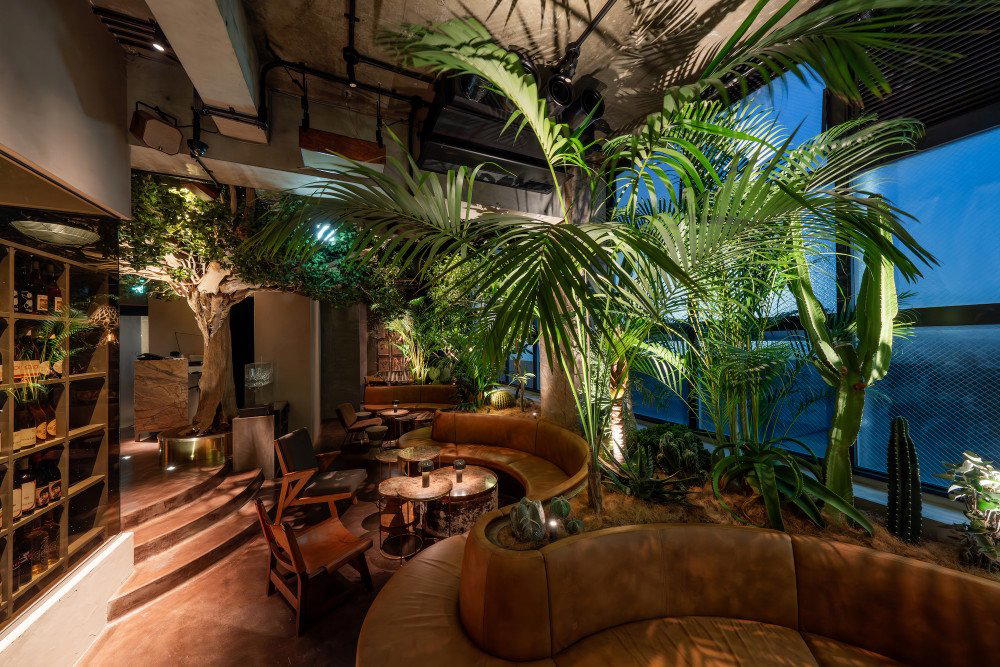
Bright, casual cafe-style room with around thirty seats, decorated with fruit motifs and blue fruit wall art, creating a nostalgic, family-friendly atmosphere where guests relax over colorful parfaits and fruit sandwiches.