Our verdict
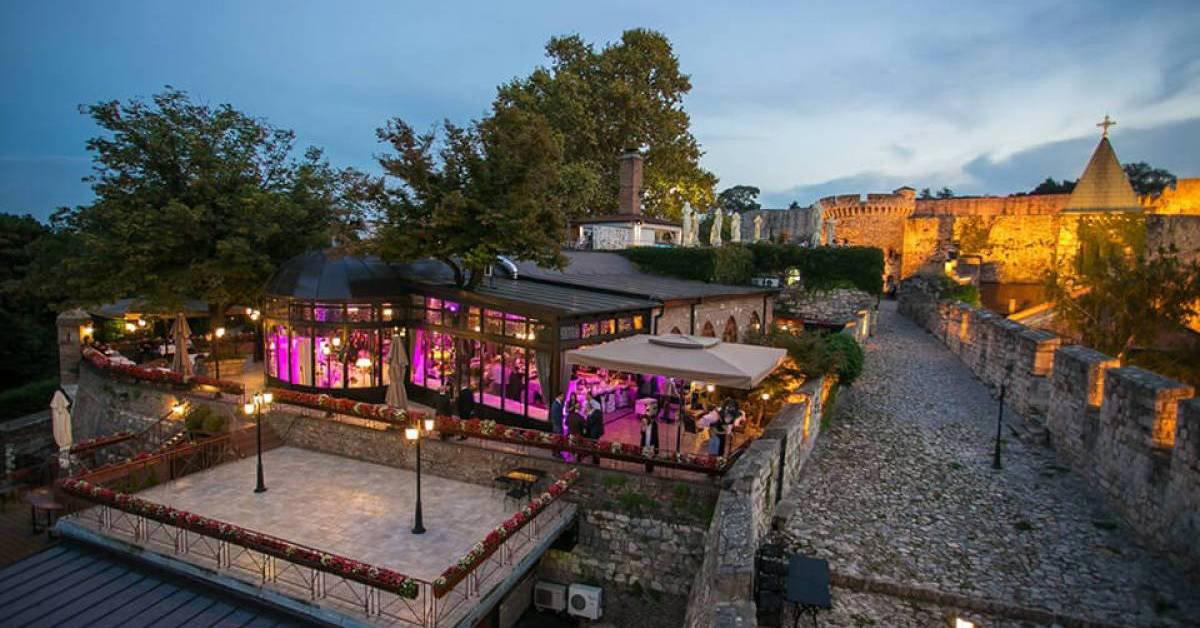
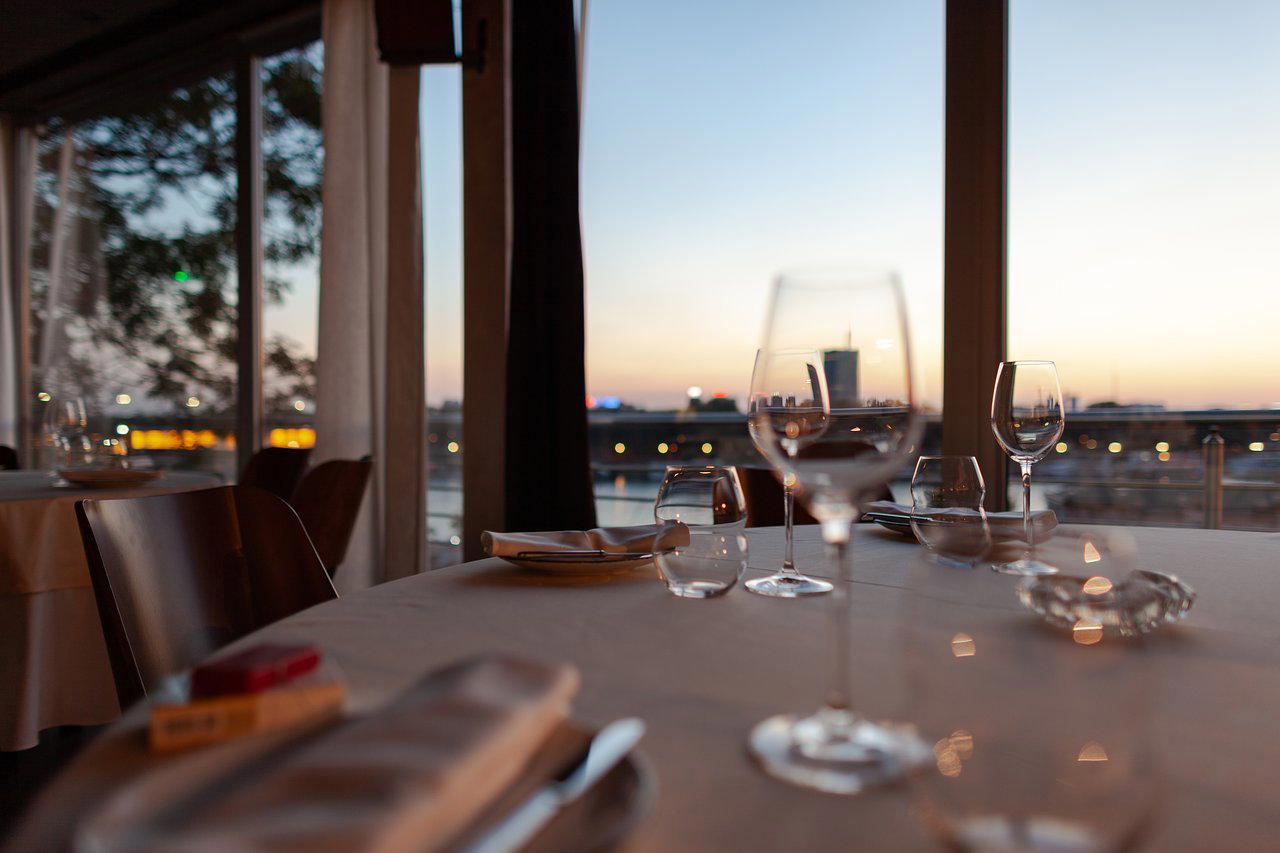
Perched on the walls of Kalemegdan fortress where the Sava meets the Danube, Kalemegdanska Terasa is Belgrade's most scenically positioned dining address. The terrace commands an unobstructed view across two rivers and into the flatlands of Vojvodina, making it the natural endpoint for an afternoon walk through the fortress park. Reserve well in advance for warm-weather evenings, when outdoor tables fill quickly.

Pearl is the En Primeur Club membership app — saves, bookings, and concierge access live there. Same editors, same standards.
- Address
- Mali Kalemegdan, bb, Beograd, Serbia
- Phone
- +381113282727
- Hours
- Daily 12–11 PM
- Website
- kalemegdanskaterasa.com
- Directions
- Get directions
- Booking
- Book on the venue's website
The menu
What to order
- Pork Fillet with Potatoes
- Ćevapi
Where the Fortress Walls Meet the Table
Few dining rooms in the Balkans carry as much geographical drama as the one at Kalemegdan. Approach from the Upper Town, past the Victor monument and the medieval ramparts, and the restaurant appears at the point where the fortification meets open sky — the confluence of the Sava and Danube rivers spread out below, the plains of Vojvodina dissolving into the distance on the far bank. This is not a manufactured view. Belgrade's two great rivers have been meeting at this precise spot for millennia, and the fortress built above them has changed hands between empires more than anyone cares to count. Kalemegdanska Terasa sits at the end of that long, layered history, which gives the setting a weight that no amount of interior design can replicate.
Belgrade's restaurant scene has developed sharply over the past decade, splitting between a technically ambitious modern tier — venues like Langouste and The Square pushing into contemporary European territory, and a parallel track of establishments that trade on location, atmosphere, and a more relaxed relationship with the clock. Kalemegdanska Terasa belongs to the second category, and it does so without apology. The draw here is the terrace itself: open-air tables positioned along the fortress walls, the kind of seat that makes ordering feel secondary to simply being present in the place.
Serbian Ingredients and the Logic of Place
The editorial angle that defines Serbian cuisine at its most coherent is the intersection of indigenous produce with techniques that arrived through successive waves of Ottoman, Austro-Hungarian, and more recently Western European influence. Serbia's agricultural interior, the Šumadija hills, the Morava valley, the flat Vojvodinian plains visible from this very terrace, produces lamb, pork, freshwater fish, plums, peppers, and dairy of genuine character. The question for any Belgrade kitchen is what to do with that material: whether to apply it within the kafana tradition of slow-cooked, communal formats, or to route it through the kind of contemporary European technique that has become visible across the city's newer dining addresses.
Kalemegdanska Terasa occupies territory that draws on both impulses. The location alone, a park restaurant on a historic fortification, sets expectations toward the convivial and the unhurried rather than the architectural tasting menu. Across Serbia more broadly, this kind of setting tends to produce menus anchored in roasted meats, river fish preparations, and the grilled formats that have defined Serbian hospitality since well before the restaurant as a concept existed. Visitors arriving from the more technique-forward end of the city's dining spectrum, perhaps from a lunch at Ambar, will find a different rhythm here: longer, looser, calibrated to the view as much as to the plate.
The broader Serbian tradition of čarda dining, open-air riverside restaurants that treat the landscape as the primary amenity, has deep roots in the Danube and Sava corridors. Čarda Zlatna Kruna in Apatin represents that tradition in its more rural, riverbank form. Kalemegdanska Terasa translates a version of that sensibility into an urban fortress context, which is a different proposition but one that draws on the same understanding: that in Serbia, the leading eating is often inseparable from where you are doing it.
The Belgrade Context: Park Dining and the Fortress Circuit
Kalemegdan park is the functional centre of Belgrade's outdoor life, and the restaurant sits at the apex of the most walked route through it. On summer evenings, the fortress fills with a cross-section of the city that few other venues capture: families, couples, visiting students, older residents who have been coming for decades. The terrace at Kalemegdanska Terasa absorbs all of this, which means the atmosphere shifts considerably depending on when you arrive. Midday in April is a quieter proposition than a Friday evening in July, when the outdoor tables operate at full capacity and the light over the rivers turns amber before eight o'clock.
For visitors constructing a wider picture of Serbian regional dining, the contrast between Belgrade's fortress-leading terrace culture and the country's interior restaurant traditions is instructive. Kod Brana in Čačak, Lovački dom in Valjevo, and Etno Kuća Dinar in Vršac each represent the rural and small-city end of the Serbian table, where the relationship between landscape and food is even more direct. The Belgrade end of that spectrum, at addresses like Kalemegdanska Terasa and Avala, translates that connection into an urban register without losing the underlying logic.
The comparison with Barrel House is useful in the other direction: where that address emphasises a particular product focus and interior atmosphere, Kalemegdanska Terasa puts the exterior first and treats the city's historic infrastructure as the dining room's defining feature.
Planning Your Visit
The seasonal logic at Kalemegdanska Terasa is direct: the terrace is the reason to come, which means spring through early autumn is the window that matters. May and June offer the most balanced conditions, warm enough for outdoor dining, before the peak summer crowds that July and August bring to the fortress park. Booking ahead is advisable for any warm-weather weekend evening; the combination of a prominent location and limited outdoor seating means that walk-in availability at prime hours is not guaranteed. For a broader exploration of where this venue sits within Belgrade's dining range, our full Belgrade restaurants guide maps the city's options across price points and formats. Those interested in the wider Serbian restaurant tradition will also find value in examining the Vojvodina and western Serbia tables, from Kafe Restoran Maša in Novi Sad and Windmill in Pančevo to Aleksandar Gold in Užice and Kafana Dukat in Pirot. Across those addresses, the same tension between local produce and applied technique that defines the best of Serbian dining appears in different regional accents. The address in Kalemegdan adds to that picture the particular advantage of a site that no other restaurant in the city can claim.
Frequently asked questions
Where is KALEMEGDANSKA TERASA in Belgrade?
KALEMEGDANSKA TERASA is located at Mali Kalemegdan, bb, Beograd, Serbia, Belgrade.
Is Kalemegdanska Terasa suitable for a dinner visit, or is it better experienced at lunch?
The terrace at Kalemegdanska Terasa sits at the apex of the Kalemegdan park circuit in Belgrade, and the view over the river confluence shifts considerably as daylight fades. An evening visit captures the city lights across the water and a slower pace once the daytime foot traffic through the fortress has thinned. Lunch, by contrast, offers the full geographic drama of the panorama in clear light, which is the defining feature of the location.
What dish is KALEMEGDANSKA TERASA famous for?
Kalemegdanska Terasa is associated with traditional Serbian cuisine, where grilled meats, slow-cooked stews, and seasonal produce from the broader Balkan region tend to anchor the menu. Given its position inside Kalemegdan park in Belgrade, the kitchen reflects the logic of the surrounding region rather than a single signature plate. Specific current menu details are best confirmed directly with the venue before visiting.
How far ahead should I plan for KALEMEGDANSKA TERASA?
During spring and summer, when the terrace overlooking the Sava and Danube confluence is at its most in demand, reservations made several days to a week in advance are a practical baseline for Belgrade visitors. The park setting draws both locals and travellers moving through the Kalemegdan fortress circuit, which concentrates demand on warm-weather weekends. For larger groups or specific table preferences, earlier contact with the restaurant is advisable.
Comparable Venues
Comparable venues nearby, for context on price, style, and recognition.
| Venue | Cuisine | Price | Notes |
|---|---|---|---|
| KALEMEGDANSKA TERASAThis venue — the venue you are viewing | Modern European Fine Dining | $50–100 | Not listed |
| Casa Nova | Italian-French Bistro | $20–30 | Dorćol |
| Insolita | Modern Italian Trattoria | $30–50 | Dorćol |
| Шаран | Traditional Serbian Seafood & River Fish | $30–50 | Zemun |
| Faro restoran Vračar | Modern Serbian | $30–50 | Vračar |
| Restaurant Venice | Mediterranean Seafood | $30–50 | Zemun |
Continue exploring
More in Belgrade
Restaurants in Belgrade
Browse all →
Bars in Belgrade
Browse all →
Hotels in Belgrade
Browse all →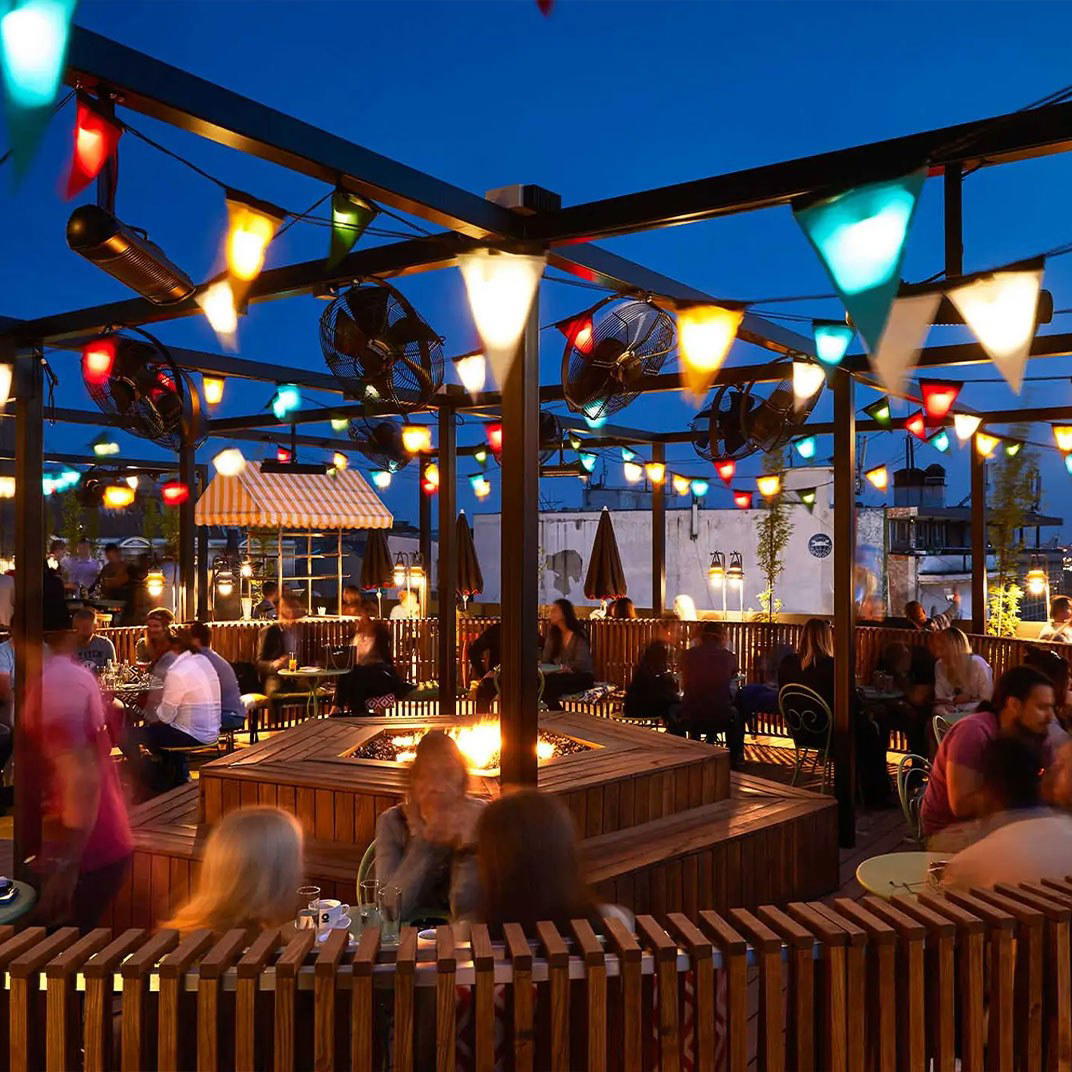

KALEMEGDANSKA TERASA
The wine
- Wine program
- Curated wine list
- Extensive wine list
Details
- Elegant
- Scenic
- Classic
- Sophisticated
- Date Night
- Special Occasion
- Celebration
- Rooftop
- Terrace
- Historic Building
- Panoramic View
- Extensive Wine List
- Waterfront
- Skyline
- A La Carte
- Vegetarian Friendly
Current opening hours
- Monday
- 12–11 PM
- Tuesday
- 12–11 PM
- Wednesday
- 12–11 PM
- Thursday
- 12–11 PM
- Friday
- 12–11 PM
- Saturday
- 12–11 PM
- Sunday
- 12–11 PM
Hours can change for holidays and private events. Last verified .
Classic and stylish decor blending traditional and modern elements, with a pleasing terrace atmosphere enhanced by scenic river views and occasional live entertainment.