Kaiserzeit occupies a striking position along the Augartenbrücke in Vienna's second district, where the city's imperial past and its contemporary dining ambitions converge. The address places it within reach of the Augarten park and the dense cultural fabric of Leopoldstadt, a neighbourhood that has shifted from overlooked to sought-after over the past decade. For visitors mapping Vienna's serious dining scene, this is a reference point worth tracking.
Pearl is the En Primeur Club membership app — saves, bookings, and concierge access live there. Same editors, same standards.
- Address
- Augartenbrücke, 1020 Wien, Austria
- Phone
- +436603602277
- Website
- kaiserzeit.wien
- Directions
- Get directions
 Saves & bookings on Pearl
Where the Danube Canal Meets the Dining Room
Kaiserzeit is a restaurant in Vienna, Austria, serving a Traditional Viennese Sausage Stand menu at about $8 per person. Along the Augartenbrücke in the 1020 district, Kaiserzeit sits at a crossing point, literally and figuratively, between the imperial geometry of the old city and the more fluid, less scripted energy that has been reshaping Leopoldstadt since the early 2010s.
The bridge address is worth pausing on. Vienna's second district carries a layered history: once the city's Jewish quarter, later scarred by the 20th century, now home to a generation of independent restaurants, wine bars, and cultural spaces that have moved in precisely because the rents and the symbolism allowed something different to take root. Kaiserzeit's position on the Augartenbrücke puts it at the edge of this neighbourhood, with the Augarten park to the north and the canal running below, a setting that, in a city as architecturally self-conscious as Vienna, is never incidental.
The Sensory Register of the Second District
Vienna's premium dining scene has historically concentrated in the first district and the Stadtpark axis, where venues like Steirereck im Stadtpark and Konstantin Filippou anchor a tier of creative and modern European cooking that competes with the continent's most awarded tables. The movement of serious dining into the second district reflects a broader European pattern: as central addresses become saturated and expensive, particularly interesting new openings migrate toward neighbourhoods with more physical and creative space.
What this means at street level is a different sensory register. The approach along the Augartenbrücke offers canal water and the sound of the city at a remove from the tourist pulse of the Innere Stadt. The Augarten itself, one of Vienna's oldest baroque gardens and home to the Wiener Sängerknaben rehearsal spaces, contributes a quiet institutional gravity to the area. Arriving at Kaiserzeit is not the same experience as arriving at a first-district address: the neighbourhood asks you to pay attention differently, to read the city rather than simply inhabit its most polished surface.
Vienna's Dining Tier in Context
Understanding where Kaiserzeit sits requires a sense of how Vienna's restaurant scene is currently structured. At the leading end, a cluster of €€€€ tasting-menu venues, Mraz & Sohn, Amador, and the Silvio Nickol Gourmet Restaurant among them, compete for Michelin attention and international recognition. Below that, a more accessible creative tier has been expanding, with venues like Doubek drawing a local audience that values craft without the full ceremony of a multi-course tasting format.
Austria's fine dining conversation extends well beyond the capital. The country's alpine restaurants have built serious reputations: Döllerer in Golling an der Salzach, Obauer in Werfen, and Ikarus in Salzburg each represent a strand of Austrian cooking that draws from the landscape in ways that are harder to replicate in a city context. Venues like Griggeler Stuba in Lech, Gourmetrestaurant Tannenhof in Sankt Anton am Arlberg, Kräuterreich by Vitus Winkler in Sankt Veit im Pongau, Schwarzer Adler in Hall in Tirol, Restaurant 141 by Joachim Jaud in Mieming, Landhaus Bacher in Mautern an der Donau, and Ois in Neufelden collectively illustrate that Austria's gastronomic ambition is not confined to its capital.
Vienna's response to that alpine tradition has been to develop a more urban, sometimes more international vocabulary. The city's proximity to Hungary, the Czech Republic, and the Balkans shows up in ingredient sourcing and flavour reference in ways that have no alpine equivalent. For visitors comparing Vienna's dining register to other European capitals, the closest frame of reference is probably not Paris or Copenhagen but rather the mid-sized central European city that takes its table culture seriously without needing external validation to do so. Internationally, the precise technical ambition visible at venues like Le Bernardin in New York City or the Korean-inflected tasting format of Atomix in New York City signals a global conversation about what serious dining looks and feels like; Vienna participates in that conversation on its own terms.
What the Address Signals
A venue positioned on a bridge in the second district is making a statement about its relationship to the city. The Augartenbrücke is not a destination in the tourist sense; it is a functional crossing used by people who live and work in Leopoldstadt. A restaurant here is, by default, a neighbourhood restaurant in the physical sense, whatever its ambitions at the table. That tension, between a name carrying imperial-era weight (Kaiserzeit translates roughly as "imperial era" or "time of the emperor") and an address that is resolutely contemporary in its neighbourhood character, is precisely the kind of productive friction that makes Vienna's dining scene worth following.
For a fuller map of where this fits within the capital's dining options, the EP Club Vienna restaurants guide covers the city's key tiers, neighbourhoods, and seasonal considerations in detail.
Know Before You Go
Know Before You Go
- Address: Augartenbrücke, 1020 Wien, Austria
- District: Leopoldstadt (2nd district), along the Danube Canal
- Nearest landmark: Augarten park, within walking distance north
- Booking: Walk-in friendly
- Pricing: About $8 per person
- Hours: Mon-Fri 11:30 AM-8 PM; Sat 3-8 PM; Sun 10 AM-8 PM
In Context: Similar Options
Comparable venues nearby, for context on price, style, and recognition.
| Venue | Cuisine | Price | Notes |
|---|---|---|---|
| KaiserzeitThis venue — the venue you are viewing | Traditional Viennese Sausage Stand | $ | Not listed |
| Zum Goldenen Würstel II | Viennese Sausage Stand | $ | Innere Stadt |
| Wiener Würstl | Austrian Sausage Stand | $ | Staatsoper |
| Zum Scharfen René | Spicy Austrian Sausage Stand | $ | Staatsoper |
| Würstelwaggon | Viennese Sausage Stand | $ | Simmering |
| Marienhof | Traditional Viennese Cuisine | $$ | Hofburg |
At a Glance
- Classic
- Well Known
- Rustic
- Casual Hangout
- After Work
- Late Night
- Historic Building
- Beer Program
- Local Sourcing
Current opening hours
- Monday
- 11:30 AM–8 PM
- Tuesday
- 11:30 AM–8 PM
- Wednesday
- 11:30 AM–8 PM
- Thursday
- 11:30 AM–8 PM
- Friday
- 11:30 AM–8 PM
- Saturday
- 3–8 PM
- Sunday
- 10 AM–8 PM
Hours can change for holidays and private events. Last verified .
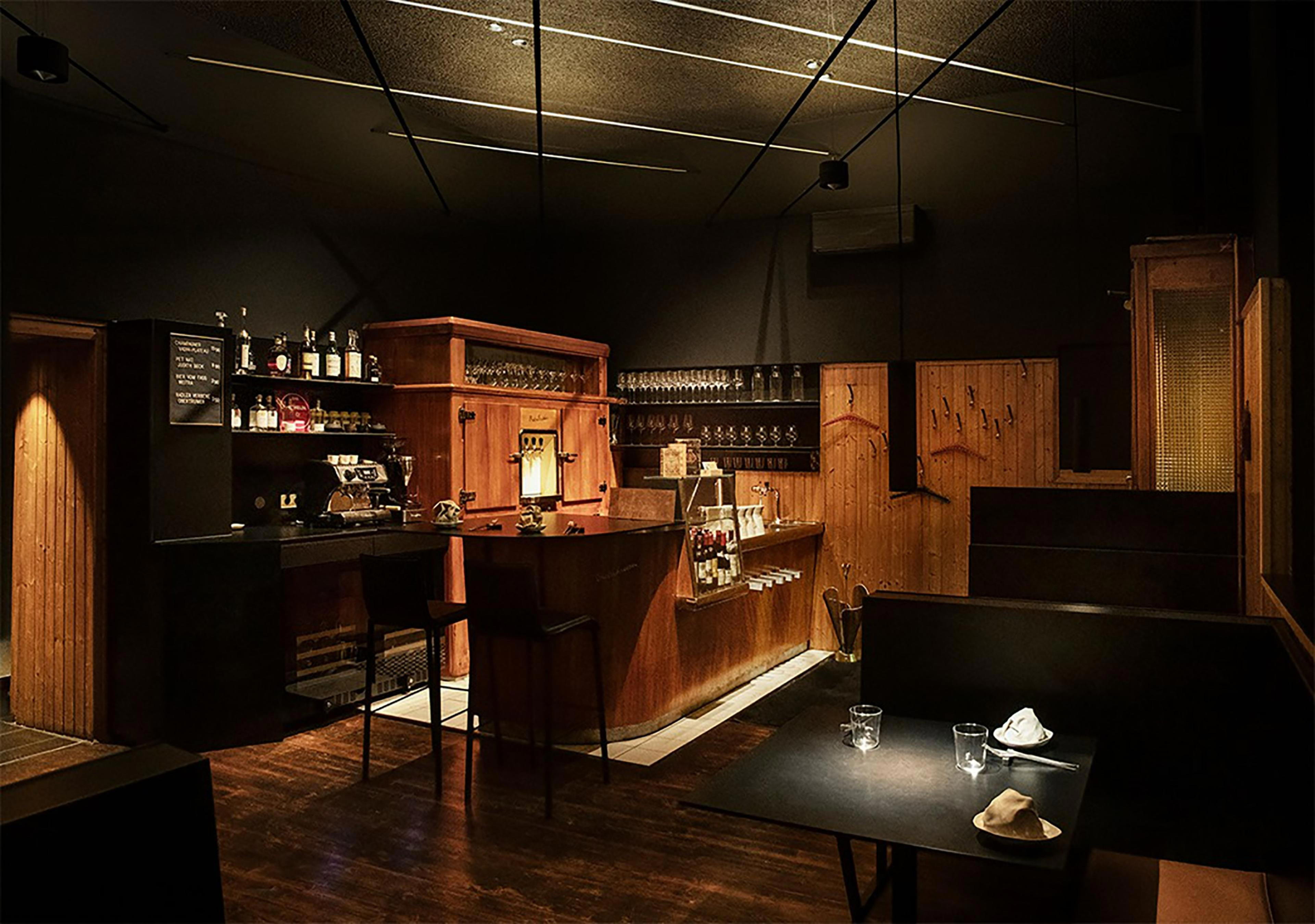
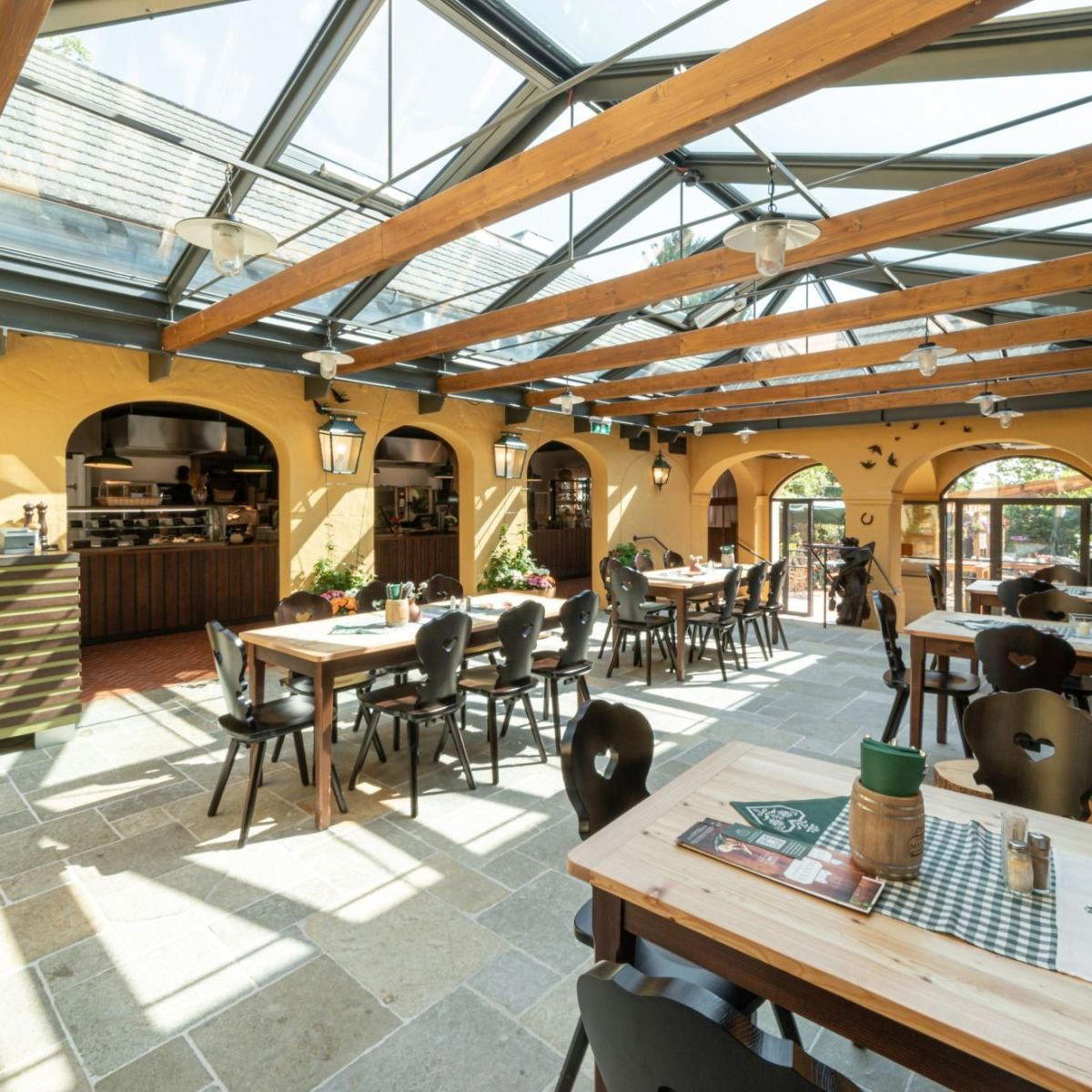
Nostalgic, casual street-side kiosk atmosphere with a focus on Vienna's imperial heritage and traditional working-class dining culture.