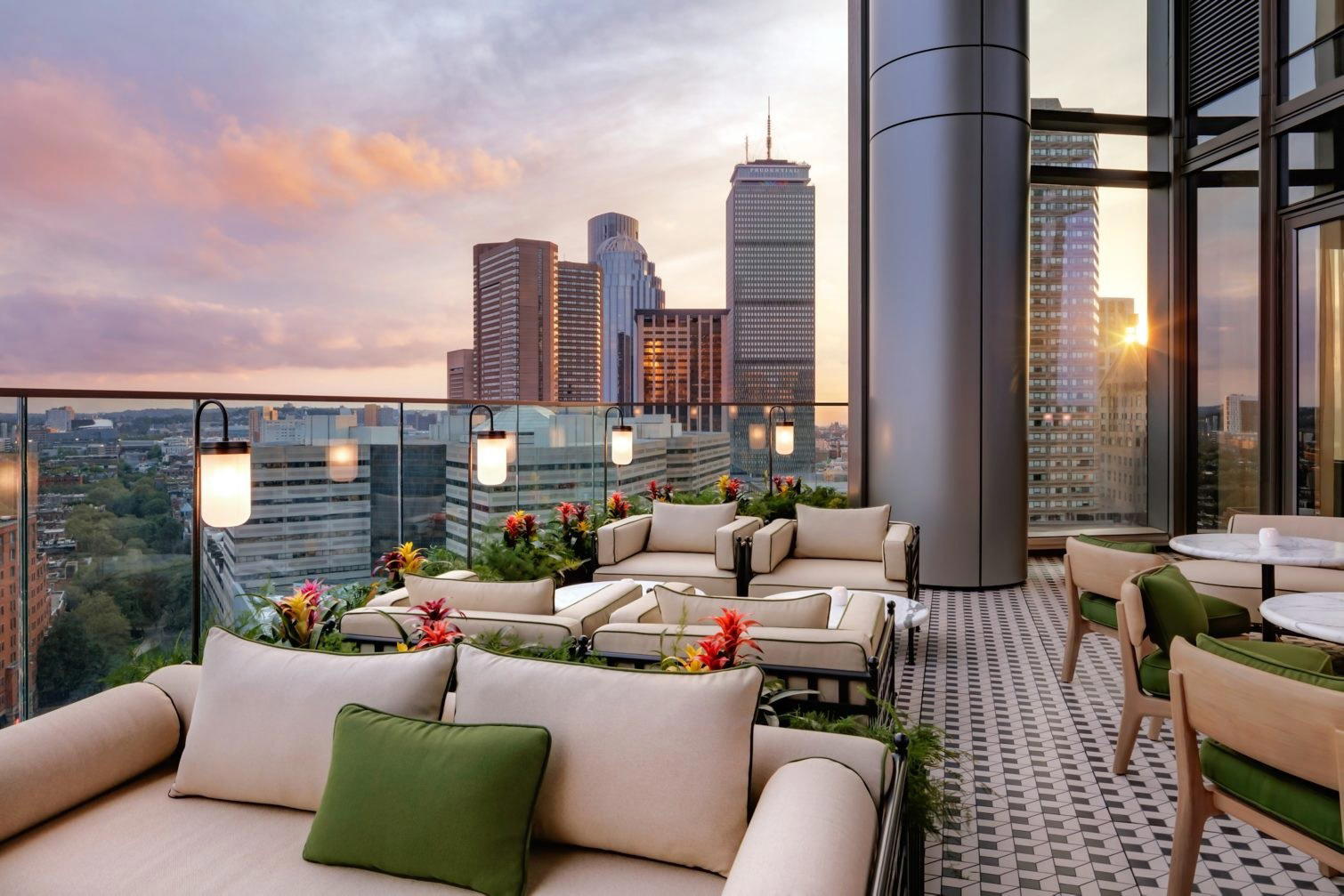
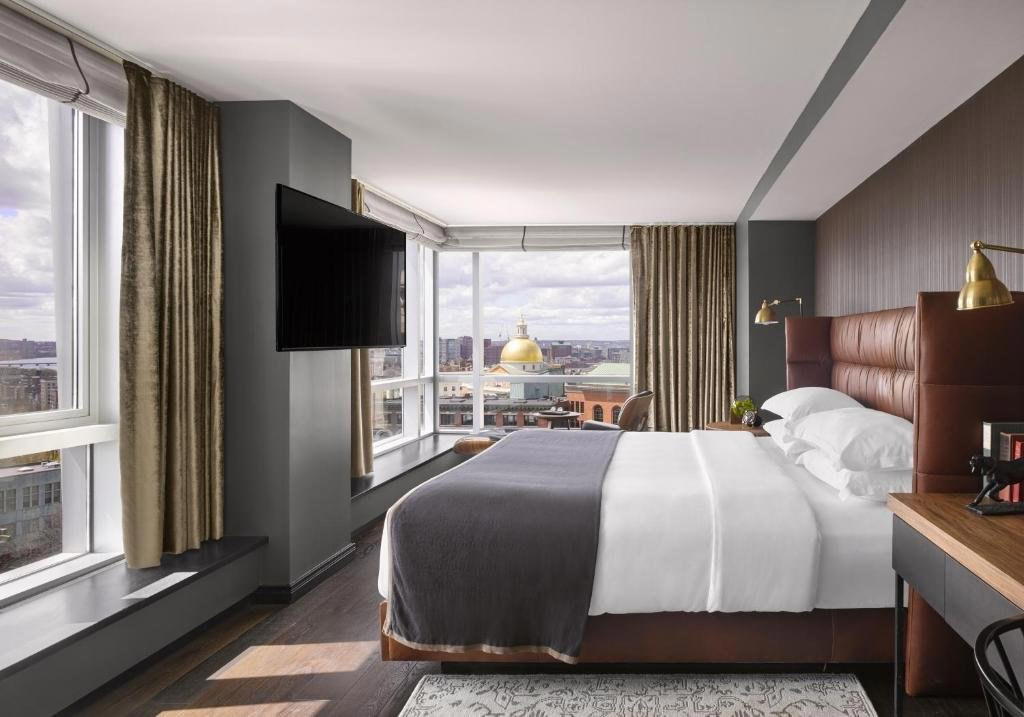
Kaia

Wine Enthusiast Best Wine Restaurants
Our verdict
Kaia occupies a Harrison Avenue address in Boston's South End, a neighborhood where ambitious cooking has consistently outpaced its surroundings. The restaurant sits within a dining corridor that rewards considered exploration, drawing guests who track the city's more serious tables. For those following Boston's evolving fine-dining conversation, Kaia is a name that surfaces with regularity.

Pearl is the En Primeur Club membership app, where members save venues, book tables and use the concierge.
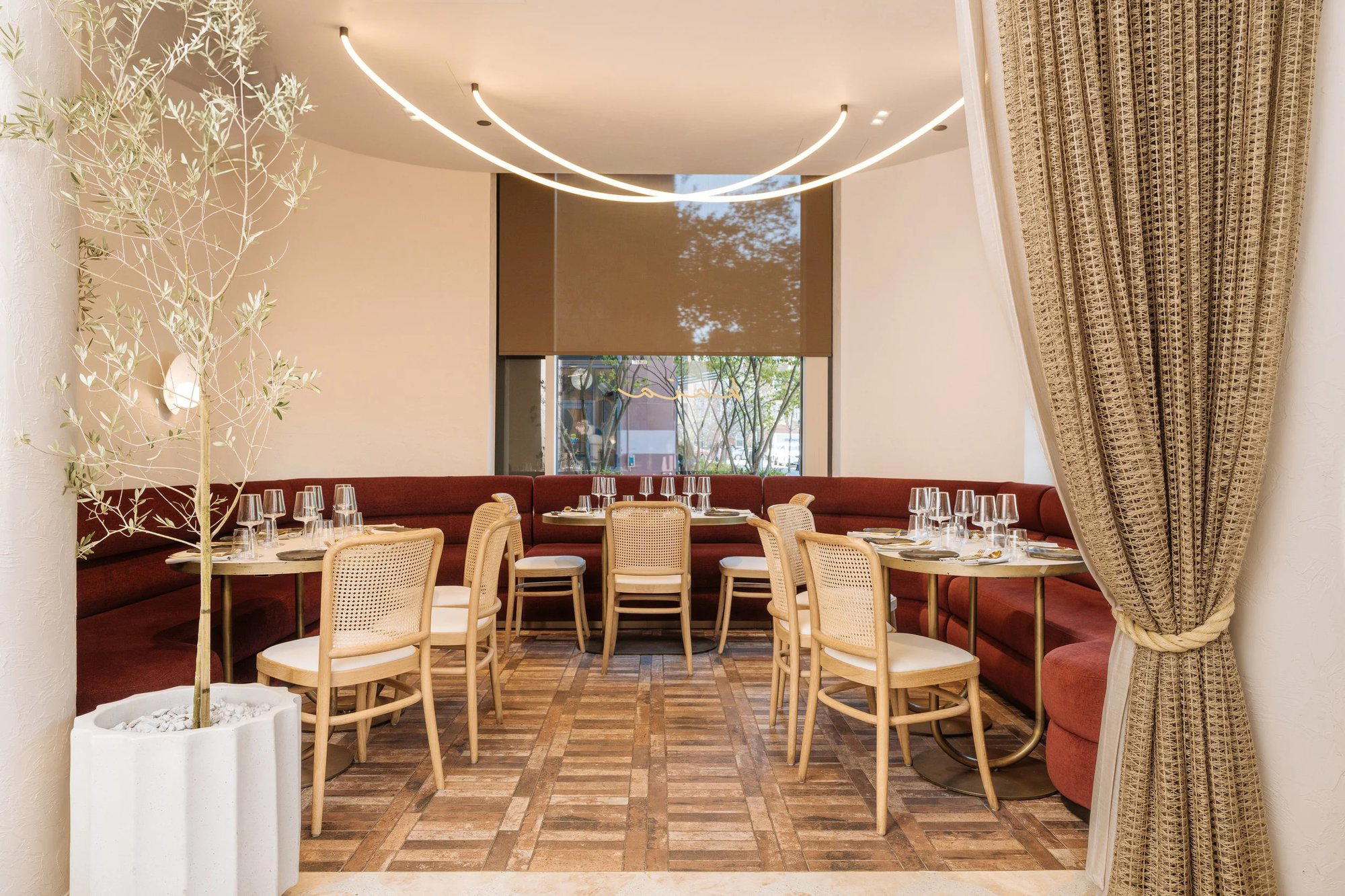
The menu
What to order
- Whole fish
- Crispy lamb-neck gyro
- Grilled octopus
Harrison Avenue and the South End's Culinary Weight
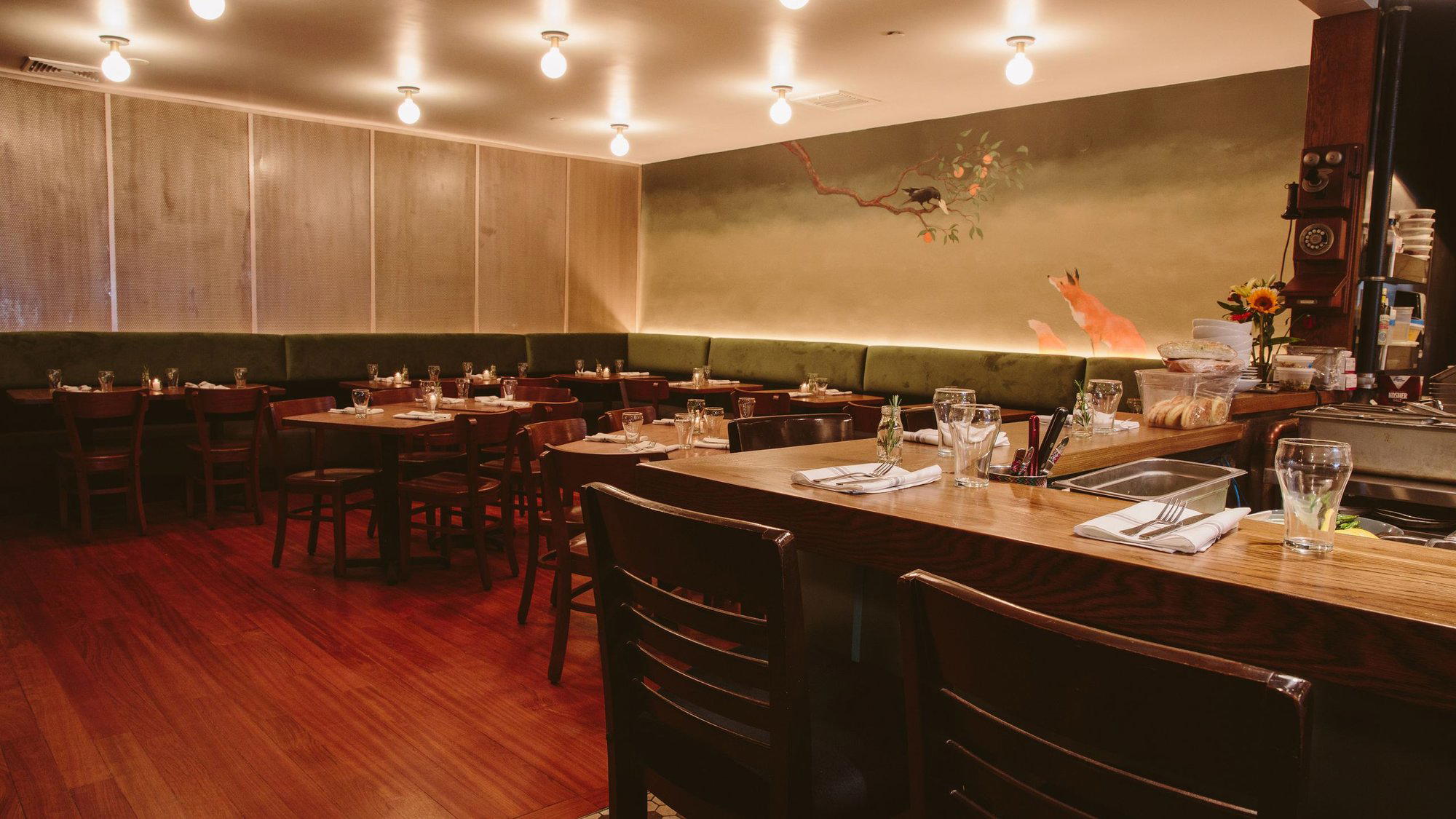
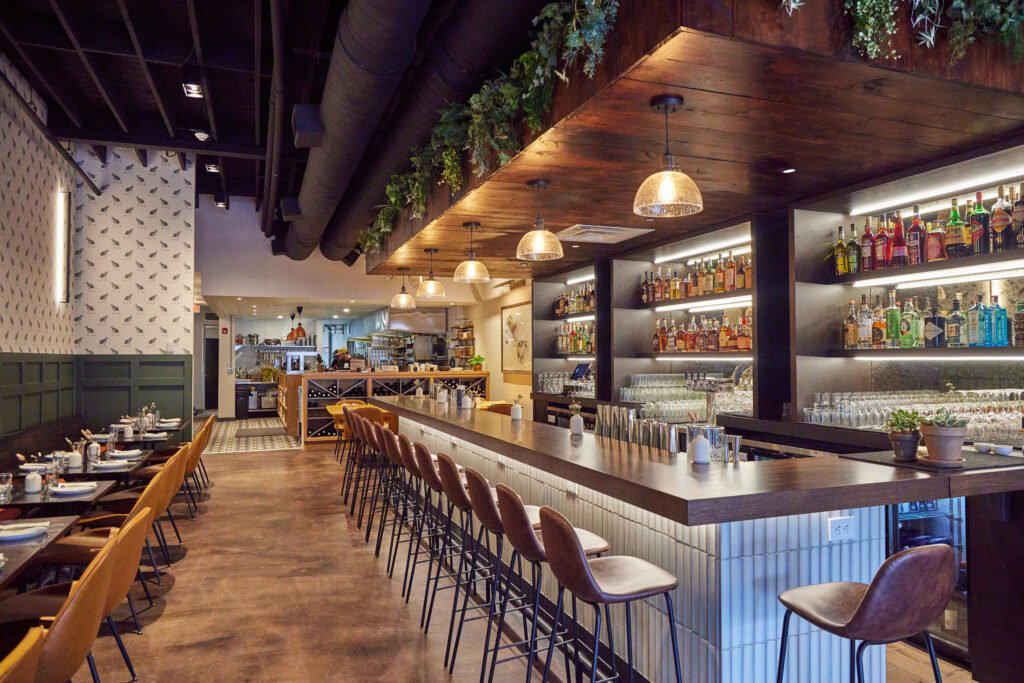
Boston's South End has spent the better part of two decades consolidating its position as the city's most serious dining neighborhood. The stretch of Harrison Avenue around the 370 block sits within that concentration, where a run of ambitious kitchens has produced the kind of density more commonly associated with Manhattan's lower avenues or Chicago's West Loop. Kaia holds an address inside that corridor, and the physical approach tells you something before the door opens: South End buildings of this era tend toward repurposed brick and ground-floor retail, and the neighborhood's dining rooms have learned to work with industrial bones rather than against them. It is the kind of block where the food, not the room's provenance, is expected to carry the argument.
Within Boston's broader dining map, the South End operates as the counterweight to the Harbor waterfront's louder, more tourist-facing tables. Properties like 75 on Liberty Wharf serve the waterfront's crowd and occasion-dining traffic; 1928 Rowes Wharf anchors hotel dining at the opposite end of the price-point spectrum. The South End, by contrast, has historically rewarded restaurants that build a local following over time rather than relying on visitor foot traffic. That dynamic shapes what operators on Harrison Avenue are willing to attempt.
The Collaborative Infrastructure Behind the Room
American fine dining has spent the last decade renegotiating the internal hierarchy of the restaurant. The model that positioned the head chef as sole author of a restaurant's identity has given way, in the more deliberate operations, to something closer to ensemble work. The front-of-house, the sommelier, and the kitchen function less as separate departments and more as a single delivery mechanism for a coherent dining point of view. This shift is visible across the country's more considered restaurants, from Atomix in New York City, where the service team carries as much of the conceptual weight as the kitchen, to Single Thread Farm in Healdsburg, where hospitality and cuisine are explicitly co-equal.
In Boston, the restaurants that have built the most durable reputations tend to operate with this kind of internal coherence. Agosto, the Portuguese-inspired chef's counter in the South End, is one example of a room where the tasting menu format requires every department to move in the same direction simultaneously. Kaia occupies the same neighborhood and draws from the same expectation set: guests who seek out Harrison Avenue are generally not looking for a disjointed experience where the wine program feels borrowed from a different restaurant and the service runs on autopilot. The collaboration between those functions is the structural condition that makes ambitious cooking land correctly.
What this means practically is that the team dynamic at a room like Kaia matters in ways that go beyond hospitality polish. A sommelier who understands the kitchen's sourcing logic can extend the meal's argument into the glass. A front-of-house that reads the room accurately determines whether a tasting format feels generous or pressured. When those elements align, the result is a dining experience that reads as authored rather than assembled. The American restaurants that have most consistently achieved this, including Blue Hill at Stone Barns, The French Laundry, and Alinea, share a commitment to that internal alignment as a non-negotiable operational condition.
Positioning Within Boston's Fine-Dining Tier
Boston's upper dining tier is smaller than the city's size might suggest. Nationally, cities with Boston's dining pedigree, including the markets that produced Providence in Los Angeles, Addison in San Diego, and The Inn at Little Washington, have demonstrated that regional fine dining can sustain genuine ambition without replicating the New York or Chicago blueprint directly.
Kaia's South End position places it within that national conversation at the neighborhood level. The comparison set for a Harrison Avenue address includes other South End operators rather than the waterfront or Back Bay establishments that run on different clientele logic. Compared to the raw bar and seafood-forward programming at Neptune Oyster or the steakhouse format at Abe and Louie's, a South End room like Kaia competes on the terms of ingredient sourcing, kitchen technique, and the coherence of the overall experience rather than format familiarity or crowd volume.
For context on what Boston's serious dining tables look like in the broader American frame, the relevant peer restaurants are those that have built recognition through sustained quality rather than celebrity positioning, more aligned with Lazy Bear in San Francisco or Le Bernardin in New York in terms of the standards they are implicitly measured against, even if the scale and format differ considerably. Emeril's in New Orleans and 8½ Otto e Mezzo Bombana in Hong Kong each show how a city's fine-dining ceiling is defined as much by ambition and consistency as by any single formal credential.
Planning a Visit
Kaia is located at 370 Harrison Avenue in Boston's South End, a walkable distance from the Back Bay and South End MBTA stops on the Orange Line. The South End's parking is limited on residential streets, and the neighborhood is better approached by transit or car service for evening reservations. For a broader view of what the city's serious tables are doing right now, EP Club's full Boston restaurants guide maps the current conversation across neighborhoods and formats.
Frequently asked questions
Where is Kaia in Boston?
Kaia is located at 370 Harrison Ave, Boston, MA 02118, Boston.
How does Kaia compare to other fine dining options in Boston's South End?
Kaia occupies 370 Harrison Avenue inside the South End's most competitive dining corridor, where it operates alongside a cluster of restaurants that have shaped Boston's serious dining identity over the past two decades. Its distinguishing factor appears to be the collaborative kitchen model, which differs structurally from the chef-forward rooms that dominate the neighborhood's upper tier. For diners already familiar with the South End's established tables, Kaia represents a version of that ambition organized around collective authorship rather than a single culinary voice.
What do regulars order at Kaia?
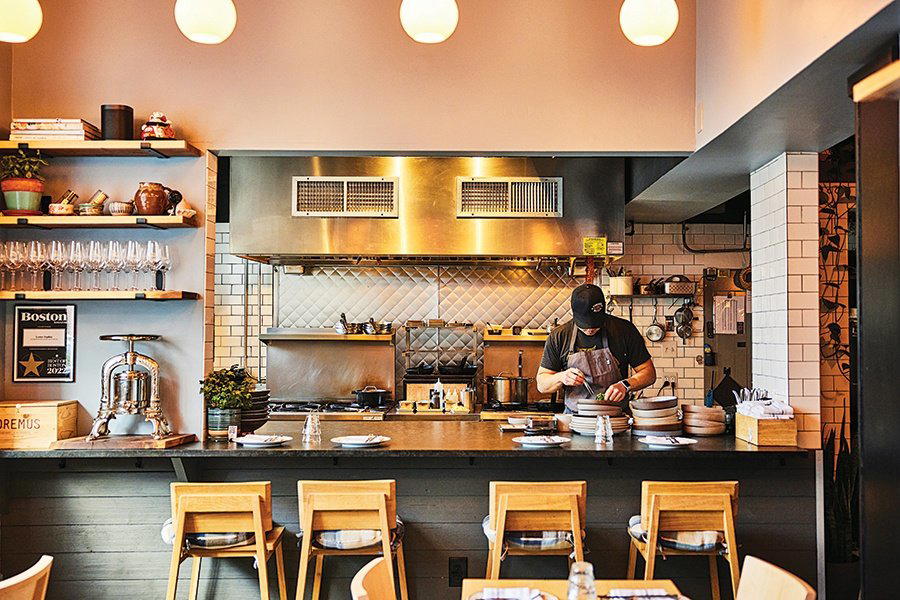
Regulars in the South End tend to defer to the counter staff for direction, which at this tier of Boston dining is generally the right call. Checking directly with the restaurant before your visit is the most reliable way to know what's current.
How far ahead should I plan for Kaia?
Kaia sits on Harrison Avenue in Boston's South End, a corridor where the most serious tables book two to four weeks out as a baseline during peak dining seasons. Without a publicly listed reservation window from the venue, the practical guidance is to reach out as early as possible, particularly for weekend sittings or larger parties. The South End's dining density means competition for prime slots across the neighborhood is consistent year-round.
What has Kaia built its reputation on?
Kaia's position at 370 Harrison Avenue places it within the South End's upper dining tier, a neighborhood that has spent roughly two decades becoming Boston's most concentrated address for serious restaurants. The venue's approach emphasizes a collaborative kitchen structure, moving away from the single-chef hierarchy that defined American fine dining for much of the twentieth century. That infrastructure, rather than any single dish or personality, appears to be the organizing principle behind how the room operates.
How does Kaia handle allergies?
No specific allergy policy is documented in Kaia's public record. At this level of South End Boston dining, kitchen accommodation for dietary restrictions is standard practice, but the specifics vary by venue. Contact Kaia at 370 Harrison Ave directly before booking to confirm what the kitchen can accommodate, this is the only reliable step given the absence of a published policy.
Is Kaia worth the price?
What is clear is that 370 Harrison Avenue is a deliberate address: the South End commands a premium across its serious dining options, and kitchens operating with a collaborative model at this neighborhood tier are not pricing casually. Visiting with the expectation of a fully realized, structured meal is the appropriate frame.
Quick Comparison
Comparable venues nearby, for context on price, style, and recognition.
| Venue | Cuisine | Price | Awards | Notes |
|---|---|---|---|---|
| KaiaThis venue (the venue you are viewing) | Modern Aegean Greek | $50–100 | Wine Enthusiast Best Wine Restaurants | Not listed |
| Committee | Modern Mediterranean Greek Meze | $50–100 | Not listed | South Boston Waterfront |
| The Fed at The Langham, Boston | Elevated American Pub Fare | $50–100 | Not listed | Financial District |
| Aujourd 'hui | French / Contemporary | Not listed | Not listed | Public Garden |
| Davio's - Boston Seaport | Northern Italian Steakhouse | $50–100 | Star Wine List · Wine Spectator Best of Award of Excellence | Inner Harbor |
| Moro Mou | Greek-Japanese Omakase | Not listed | Star Wine List | Seaport District |
Recognition history
Dated appearances from independent guides and award organizations, with the underlying list record or original source where available.
Wine Enthusiast Best Wine Restaurants
Wine Enthusiast