Lenox Sophia



Michelin Plate · James Beard Award Semi Finalist · Resy Best of the Hit List
Our verdict
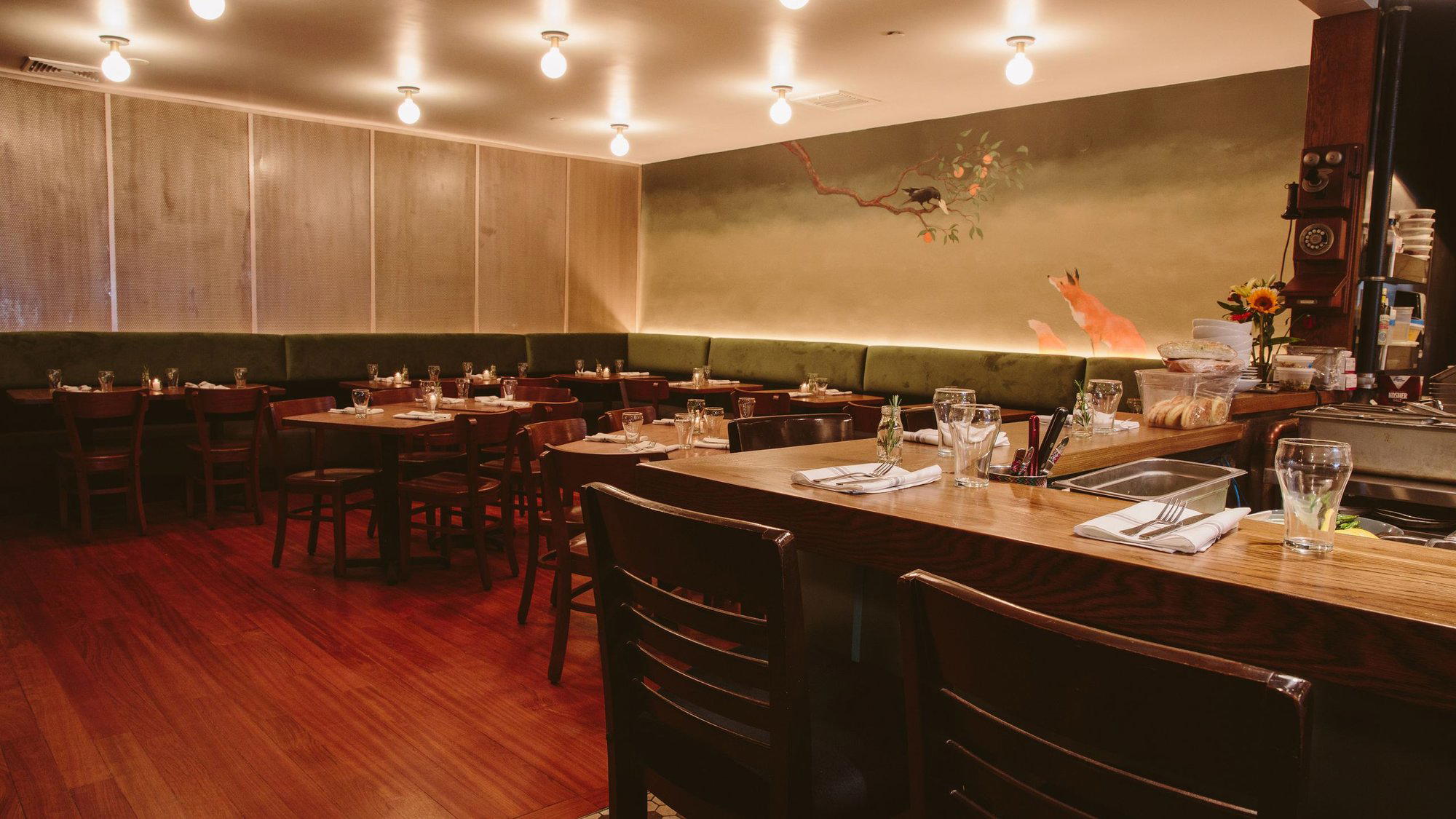
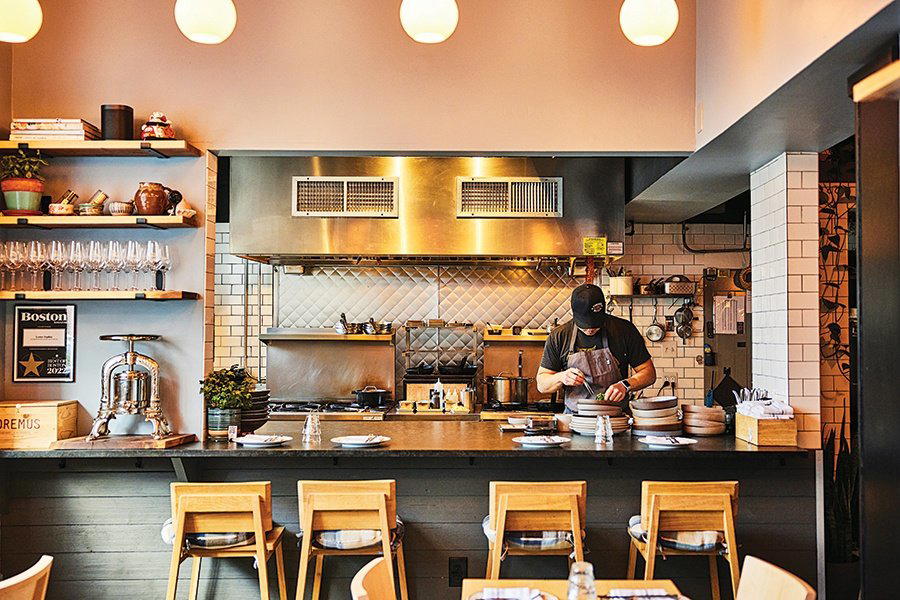
On a quiet South Boston corner, Lenox Sophia operates from a dining room barely large enough to hold a secret. Chef Shi Mei runs seasonal tasting menus — both meat and vegetarian — without regional allegiance, in a BYOB format that strips away formality and invites the table to set its own pace. Named to Resy's Best of the Hit List in 2025.

Pearl is the En Primeur Club membership app — saves, bookings, and concierge access live there. Same editors, same standards.
- Address
- 87 A St, Boston, MA 02127
- Phone
- (617) 597-2170
- Hours
- Mon–Tue ClosedWed–Sat 5–10 PMSun Closed
- Website
- lenoxsophia.com
- Directions
- Get directions
- Booking
- Book on Resy
The menu
What to order
- King trumpet mushrooms with honey-fermented garlic and elderflower miso
- Arroz negro with squid and bottarga
- Sancocho de pollo
- Chickpea panisse
- Duck press preparations
South Boston's Counter-Intuitive Approach to Fine Dining
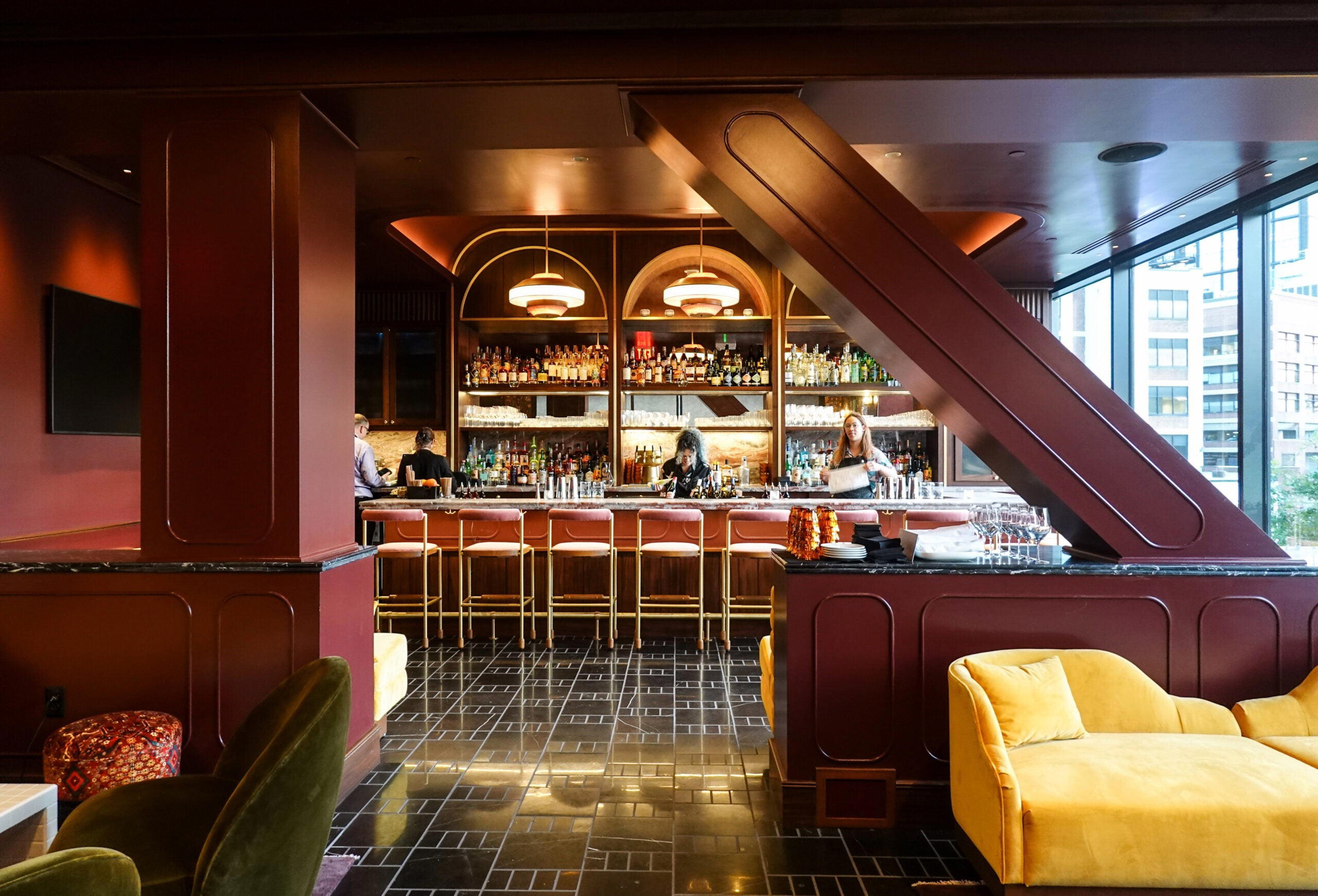
In most American cities, the tasting menu format carries specific baggage: high ceilings, white tablecloths, a choreographed procession of servers, and a price tag calibrated to match the ceremony. Boston is no different — from the polished seafood programs at Bar Mezzana to the precise Japanese counter work at 311 Omakase, the format typically signals a certain theatrical ambition. Lenox Sophia, at 87 A Street in South Boston, operates on different logic entirely. The dining room is small enough that the cooking and the conversation feel inseparable, and that compression is the point rather than a compromise.
South Boston has shifted considerably over the past decade, moving from a working-class neighborhood with few dining options to a corridor that now houses some of the city's more interesting small-format restaurants. Lenox Sophia sits on the quieter end of that transformation — not a destination in the neighborhood's busiest stretch, but the kind of address that spreads through word of mouth rather than foot traffic. The Resy Hit List recognition in 2025 gave the restaurant wider visibility, but the format hasn't scaled to meet it: the room remains intimate, the experience personal, and the cooking consistent with what earned the attention in the first place.
A Menu Without a Passport
The cultural context of tasting menus in America tends to follow predictable lines. A kitchen with French training signals one kind of progression; a Japanese-influenced counter implies another. The more interesting contemporary development, visible in a handful of restaurants across the country, is the deliberately regionless menu, one where the organizing principle is the season and the ingredient rather than any single culinary tradition. Chef Shi Mei's tasting menus at Lenox Sophia work this way. Courses shift as the calendar moves, drawing from whatever combination of techniques and influences serves the ingredient at hand.
The menu structure offers both a meat tasting and a vegetarian tasting, a division that reflects genuine kitchen investment in both tracks rather than the token accommodation that vegetarian tasting options often represent elsewhere. Dishes like scallop crudo with rose, rutabaga soup with truffle, and parsnip panna cotta represent the kind of seasonal specificity that places like Lazy Bear in San Francisco or Single Thread Farm in Healdsburg have built larger reputations around, though Lenox Sophia operates at a fraction of the scale and with none of the institutional weight. The comparison is useful for calibrating the cooking style, not the ambition.
What the regionless format demands of a kitchen is genuine fluency across techniques. It's easy to pull dishes from multiple traditions when each one is simplified; the harder task is maintaining depth across different approaches within a single meal. The fact that the menu has earned sustained recognition in Boston, a city with technically accomplished competition at restaurants like Asta and Bar Volpe, suggests the kitchen manages that balance without flattening either tradition it draws from.
The Chef-Led Dining Room
At counters like Atomix in New York City or in the more theatrical environments of Alinea in Chicago, the chef's presence is often mediated through service staff, structured narrative, or elaborate presentation. At Lenox Sophia, the mediation is much thinner. Chef Shi Mei engages directly with the room, not as performance, but as a function of scale. When a dining room holds as few seats as this one, the boundary between kitchen and table collapses organically. That dynamic makes the experience feel less like a restaurant transaction and more like a dinner where the cook happens to be in the room.
This format has precedents in the broader American dining scene, though it remains uncommon at the tasting menu tier. Places like Le Bernardin in New York City or The French Laundry in Napa operate with layers of hospitality infrastructure that make chef proximity a deliberate choice rather than a structural feature. At Lenox Sophia, it's structural, which means the quality of that engagement is built into every service rather than reserved for occasions when the chef chooses to visit the floor.
BYOB as Hospitality Philosophy
The bring-your-own-wine policy at Lenox Sophia is not primarily a cost-reduction mechanism, though it does lower the overall spend relative to restaurants with full beverage programs. More significantly, it rebalances the power dynamic of the tasting menu format. Guests who bring their own bottles arrive with a stake in the evening, and the instruction to share a glass with a nearby table encourages a kind of informal communality that formal wine service typically suppresses. The result is closer to a dinner party than a restaurant in the conventional sense, and that atmosphere is deliberate.
For comparison, see how the wine program anchors the cost and atmosphere at Abe and Louie's or how beverage pairing shapes the overall spend at 8 1/2 Otto e Mezzo Bombana in Hong Kong. Lenox Sophia's BYOB structure puts those decisions entirely in the guest's hands, which suits the format's broader philosophy: arrive with intent, set your own pace, and let the cooking carry the structure of the evening.
Planning a Visit
Lenox Sophia is located at 87 A Street in South Boston, a neighborhood accessible by the MBTA's Red Line (Broadway station is the nearest stop, with a short walk to the address). Given the small dining room size and the 2025 Resy Hit List designation, booking well in advance is advisable, small rooms at this recognition level in Boston fill quickly. The BYOB policy means arriving with a bottle is part of the preparation; corkage arrangements are best confirmed at the time of booking.
For broader planning around a Boston trip, Boston hotels guide, Boston bars guide, Boston wineries guide, and Boston experiences guide.
Frequently asked questions
Where do I go for Lenox Sophia?
Lenox Sophia is located at 87 A St, Boston, MA 02127, Boston.
What do regulars order at Lenox Sophia?
The menu changes with the seasons, so there is no fixed signature dish to return to. Past courses have included scallop crudo with rose, rutabaga soup with truffle, and parsnip panna cotta. Both the meat and vegetarian tasting menus rotate, so repeat visitors encounter different progressions each time.
Do they take walk-ins at Lenox Sophia?
The dining room is described as the size of a postage stamp, which makes walk-in availability unpredictable. Given the format and scale, booking ahead is the practical approach. Check current reservation availability through Resy, where Lenox Sophia appeared on the 2025 Hit List.
What's the standout thing about Lenox Sophia?
The combination of a BYOB policy and a regionless tasting menu in a counter-scale South Boston dining room is what sets Lenox Sophia apart from the city's more conventional fine-dining format. Chef Shi Mei cooks with what observers describe as refined casualness, engaging the room directly rather than operating behind a kitchen divide. Resy named it to the Best of the Hit List for 2025.
Can Lenox Sophia accommodate dietary restrictions?
The kitchen offers both meat and vegetarian tasting menus, so vegetarian diners have a dedicated route through the meal. For other dietary requirements, the counter-scale format and chef-led service mean specific needs are best communicated at the time of booking.
Budget Reality Check
A quick peer reference to anchor this venue in its category.
| Venue | Cuisine | Price | Awards | Notes |
|---|---|---|---|---|
| Lenox SophiaThis venue — the venue you are viewing | Modern French-Asian Tasting Menu | $50–100 | Michelin Plate · James Beard Award Semi Finalist | Not listed |
| La Brasa | Global Grill with Mexican & Mediterranean Influences | $50–100 | Not listed | Mexican |
| Neptune Oyster | Modern New England Seafood Oyster Bar | $50–100 | Michelin Plate | Raw Bar-Seafood |
| O Ya | Modern Japanese Omakase | $200–300 | James Beard Award Semi Finalist | Japanese |
| Oishii Boston | Modern Creative Japanese Sushi | $100–150 | Wine Spectator Award of Excellence | Sushi |
| Ostra | Mediterranean Seafood | $100–150 | James Beard Award Semi Finalist · Wine Spectator Award of Excellence | Seafood Grill |
Recognition history
Dated appearances from independent guides and award organizations, with the underlying list record or original source where available.
Michelin Plate
Michelin
James Beard Award Semi Finalist
James Beard Award
Resy Best of the Hit List
Resy