311 Omakase

1 Michelin Star
Our verdict
Tucked into a South End rowhouse at 605 Tremont St, 311 Omakase is Boston's most ingredient-focused chef's counter, where nigiri built on Japanese imports, fluke, striped beakfish, goldeneye snapper, arrives alongside cooked courses that spotlight a single technique. Chef Wei Fa Chen's intimate room, set with Kyoto and Asheville ceramics, operates at the serious end of the city's small but growing omakase tier.

Pearl is the En Primeur Club membership app, where members save venues, book tables and use the concierge.
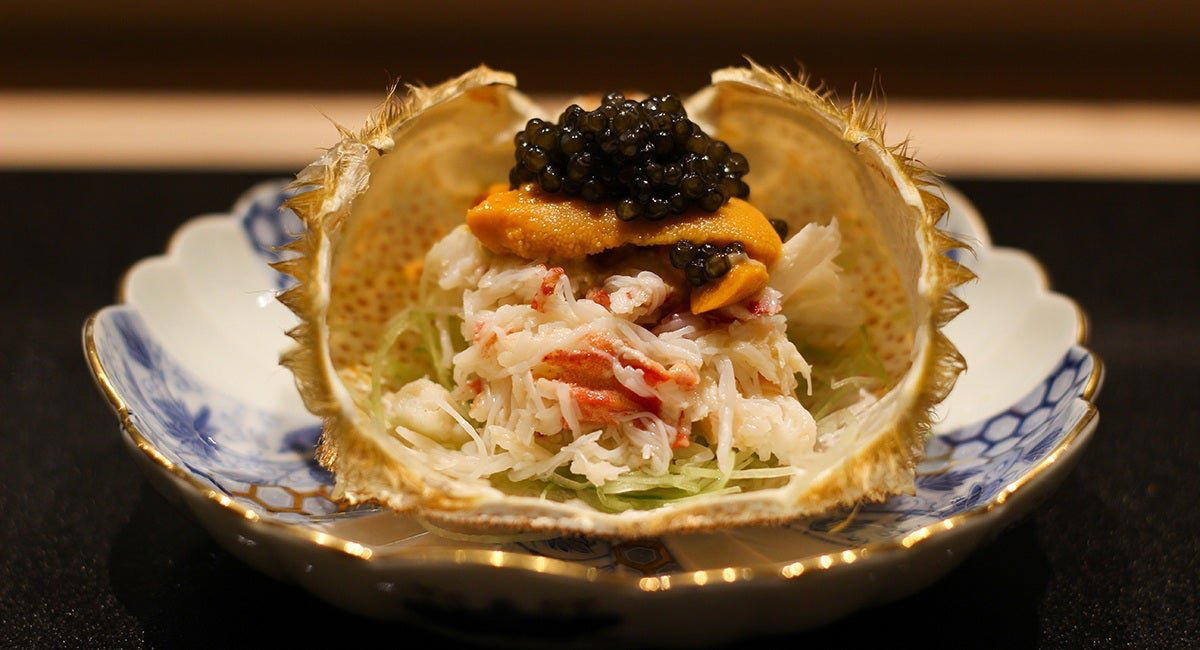
A South End Counter in a City Still Defining Its Omakase Scene
Boston has never been a natural omakase city in the way Tokyo, New York, or even Los Angeles have been. The raw-bar tradition runs deep here, Neptune Oyster's queue on Union Street is a civic ritual, but the disciplined, course-driven sushi counter has arrived more recently and in smaller numbers. That scarcity makes the choices that do exist more legible. Asta and Bar Mezzana represent the European-leaning side of Boston's serious dining, while O Ya and Oishii Boston have held the Japanese end of the spectrum for years. 311 Omakase occupies a different register: a compact chef's counter in the South End that reads less like a restaurant and more like a private dining room built around sourcing discipline.
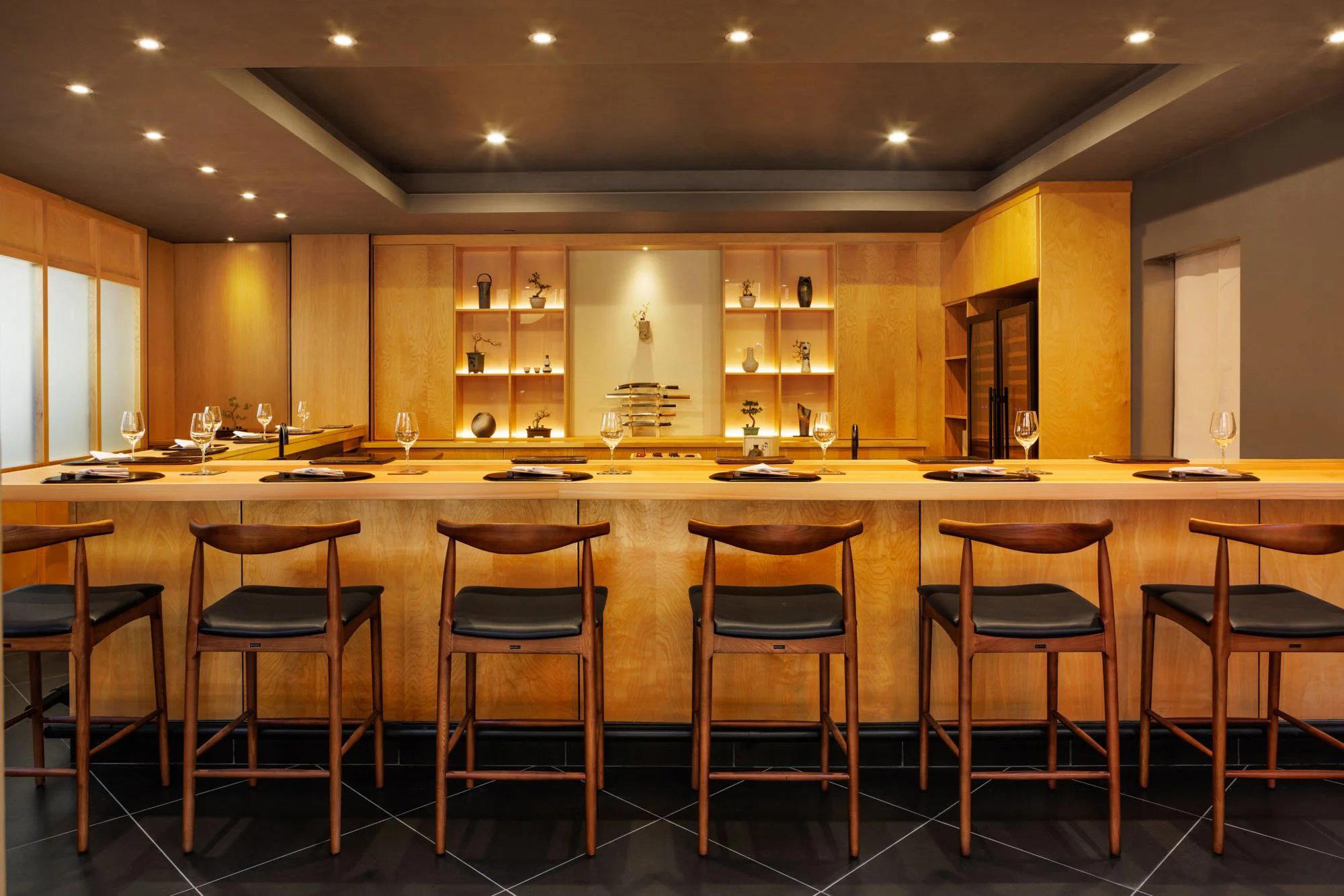
The address, 605 Tremont Street, ground floor of a South End rowhouse, sets a tone before you sit down. The neighbourhood has long attracted the kind of independent operators who prioritise craft over foot traffic, and the physical space follows that logic. Pale walls, light wood, custom-made tatami coasters, and ceramic platters sourced from Kyoto and Asheville create a room that communicates restraint without minimalism becoming an affectation. When the room itself does little to compete for attention, the food has to carry the evening, which is precisely the point.
Where the Ingredients Come From and Why That Shapes the Menu
The premise of premium omakase in a non-coastal-Japanese city depends almost entirely on supply chain. A counter in Tokyo draws from Toyosu Market; a counter in Boston draws from what can be sourced, imported, and transported to the plate in peak condition. At 311 Omakase, much of the fish is imported directly from Japan, a practical necessity at the top end of the American omakase market, where the reference points are Japanese species and Japanese handling standards rather than local alternatives.
That sourcing approach shows up directly in the nigiri selection. Fluke, striped beakfish, and goldeneye snapper are not proteins that Boston diners encounter at standard seafood counters like Bar Volpe or Abe & Louie's. These are species chosen for their textural and flavour properties within the nigiri format, each one asking for a different rice temperature, a different pressure in the hand, a different progression within the sequence. The counter format gives Chef Wei Fa Chen the flexibility to adjust based on what arrived and in what condition, which is exactly the operational logic that makes omakase worth the premium over à la carte sushi.
Comparable sourcing commitments appear at the highest tiers of Japanese-influenced counters across the United States. Atomix in New York City operates with similar ingredient-first discipline, as does Single Thread Farm in Healdsburg, where the sourcing logic extends to the farm level.
The Cooked Courses: Technique as the Point
Omakase sequences at serious counters use cooked courses to accomplish something the raw nigiri progression cannot: they demonstrate range, and they give the chef a canvas for heat-dependent technique. At 311 Omakase, the cooked section that precedes the sushi is built around a specific cooking method per visit rather than a rotating set of crowd-pleasing preparations. This is an editorial choice about what a meal should teach, not just deliver.
The examples documented in the record, fried longtooth grouper with ponzu sauce, and a simmered bowl of amadai and abalone in dashi, illustrate the range well. The frying course deploys controlled heat to produce a crunchy exterior on a fish (longtooth grouper) that would lose definition under less precise timing. The simmered course moves in the opposite direction: low, slow heat, a dashi base, abalone as the textural anchor. Neither preparation is showy in a way that reads as competition for the nigiri section. They function as an argument about technique, establishing the chef's vocabulary before the raw sequence begins.
This structure mirrors what you see at counter-format restaurants operating at the serious end of the American tasting-menu spectrum, from Lazy Bear in San Francisco to Alinea in Chicago, where the sequence itself is a statement about how a meal should be paced and what the diner should notice at each stage.
How 311 Omakase Sits Within Boston's Broader Dining Tier
Boston's premium dining scene has historically been anchored by steakhouses and seafood restaurants, formats that translate well to the city's business-dining and special-occasion calendars. The arrival of serious tasting-menu and counter formats over the past decade has created a smaller, higher-commitment tier alongside that mainstream. Black Ruby, Asta, and 311 Omakase each occupy parts of that tier with different cuisine orientations. What they share is a format that requires the diner to surrender the menu to the kitchen, a different social contract than ordering à la carte.
At the international reference level, the omakase counter format has produced some of the most precisely engineered dining experiences available: Le Bernardin in New York City applies comparable ingredient rigour to French seafood; 8½ Otto e Mezzo Bombana in Hong Kong imports Italian product to a non-Italian context with similar logic. The sourcing challenge that defines 311 Omakase is a version of the same problem those operations solve at larger scale.
For visitors building a Boston itinerary around serious dining, the broader EP Club guides cover the full range of options: our full Boston restaurants guide, our full Boston bars guide, our full Boston hotels guide, our full Boston wineries guide, and our full Boston experiences guide map the city's premium options across categories.
Planning a Visit
311 Omakase is located at 605 Tremont Street in the South End, accessible from the Back Bay or South End T stops. The counter format and intimate scale mean reservations are a practical requirement rather than a suggestion; chef's counter seats in this city tier tend to book several weeks ahead, particularly for weekend sittings. Visiting during shoulder periods, early weeknights, or late in the week before the weekend rush, gives slightly more flexibility, though the menu does not change to accommodate the quieter room. The cooked courses and nigiri sequence require a two-hour commitment minimum; this is not a format suited to pre-theatre pacing. For context on comparable counter-format experiences across the United States, Emeril's in New Orleans and The French Laundry in Napa represent the premium end of the American tasting-menu booking challenge, 311 Omakase operates at a similar forward-planning horizon within Boston's narrower pool.
Frequently asked questions
How do I find 311 Omakase?
311 Omakase is located at 605 Tremont St, Boston, MA 02118, United States, Boston.
What kind of recognition has 311 Omakase received?
311 Omakase has received recognition including: Located on the ground floor of a South End rowhouse, this intimate chef's counter is the vision of Chef Wei Fa Chen. Pale walls and light wood provide a blank canvas to show off the chef's seasonal selection of ceramic platters (from Kyoto ….
What's the signature dish at 311 Omakase?
The menu is built as a progressive sequence rather than anchored to a single plate. Cooked courses come first, showcasing a specific technique per visit, fried longtooth grouper with ponzu or simmered amadai and abalone in dashi are documented examples, followed by a nigiri run featuring Japanese imports such as fluke, striped beakfish, and goldeneye snapper.
How far ahead should I plan for 311 Omakase?
The counter occupies the ground floor of a South End rowhouse, which constrains seat count considerably. Chef's counters at this scale in Boston regularly book out weeks in advance; reserving at least four to six weeks ahead is a reasonable baseline, with more lead time advisable for weekend seatings.
Side-by-Side Snapshot
Comparable options at a glance, pulled from our tracked venues.
| Venue | Cuisine | Price | Awards | Notes |
|---|---|---|---|---|
| 311 OmakaseThis venue (the venue you are viewing) | Edomae-style Omakase | $200–300 | 1 Michelin Star | Not listed |
| La Brasa | Global Grill with Mexican & Mediterranean Influences | $50–100 | Not listed | Mexican |
| Neptune Oyster | Modern New England Seafood Oyster Bar | $50–100 | Michelin Plate | Raw Bar-Seafood |
| O Ya | Modern Japanese Omakase | $200–300 | James Beard Award Semi Finalist | Japanese |
| Oishii Boston | Modern Creative Japanese Sushi | $100–150 | Wine Spectator Award of Excellence | Sushi |
| Ostra | Mediterranean Seafood | $100–150 | James Beard Award Semi Finalist · Wine Spectator Award of Excellence | Seafood Grill |
Recognition history
Dated appearances from independent guides and award organizations, with the underlying list record or original source where available.
Michelin 1 Star
Michelin
Continue exploring
More in Boston
Restaurants in Boston
All restaurants in Boston →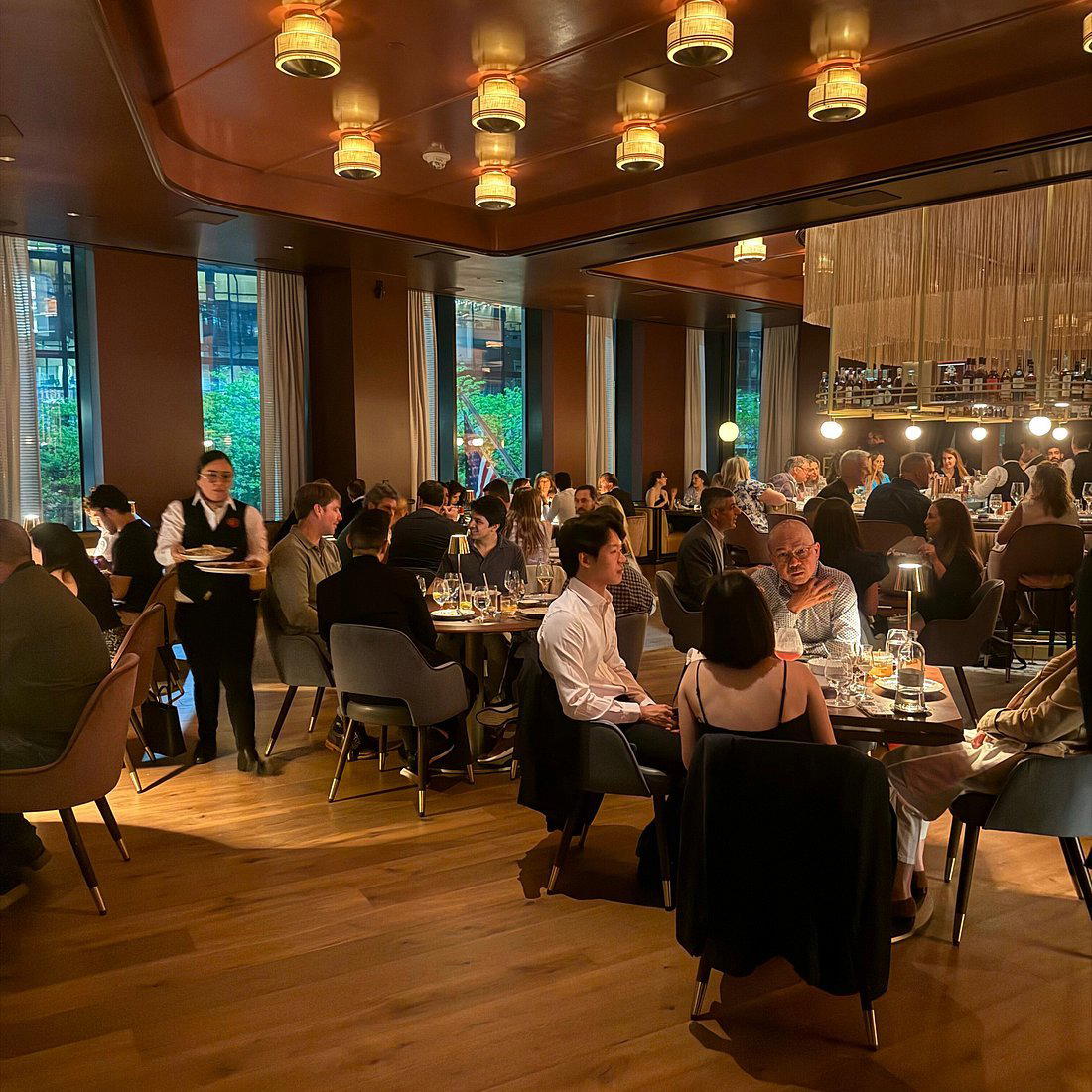
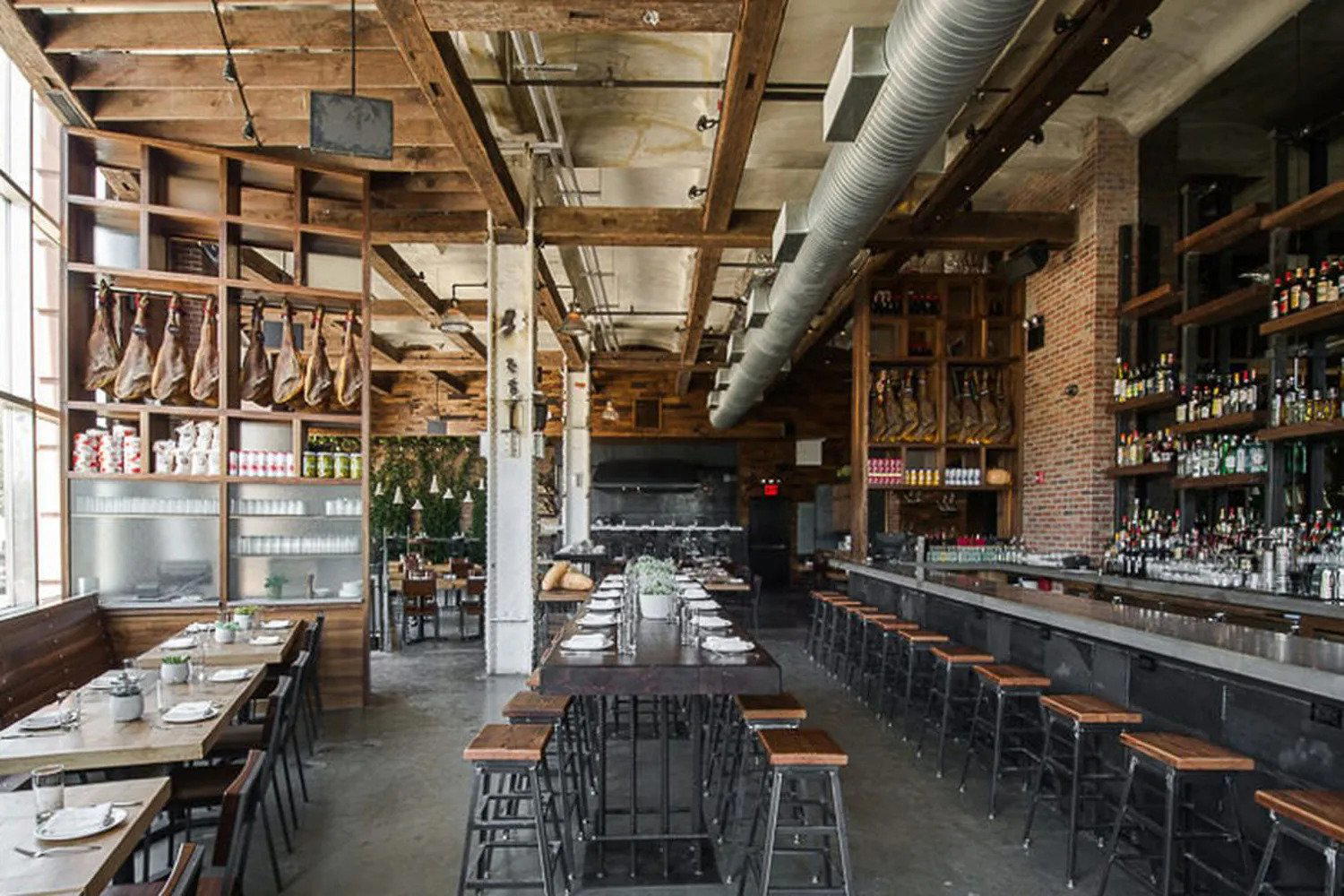
Bars in Boston
All bars in Boston →
Details
- Minimalist
- Intimate
- Elegant
- Serene
- Sophisticated
- Date Night
- Special Occasion
- Chefs Counter
- Sake Program
- Sustainable Seafood
- Omakase
- Counter Dining
- Sake
Current opening hours
- Monday
- Closed
- Tuesday
- 5:30–11 p.m.
- Wednesday
- 5:30–11 p.m.
- Thursday
- 5:30–11 p.m.
- Friday
- 5:30–11 p.m.
- Saturday
- 5:30–11 p.m.
- Sunday
- 5:30–11 p.m.
Hours can change for holidays and private events. Hours as of .
Minimalist serene decor with pale walls, light wood, hinoki counter, and a welcoming intimate atmosphere enhanced by polished service.