Agosto

Star Wine List
Our verdict
Agosto brings Portuguese-inspired fine dining to Boston's South End through a chef's counter tasting-menu format, placing Iberian ingredient philosophy at the center of a neighborhood that increasingly trades in precision over volume. The Washington Street address situates it within walking distance of the South End's broader dining corridor, where format-driven restaurants have replaced the neighborhood's earlier casual profile.

Pearl is the En Primeur Club membership app, where members save venues, book tables and use the concierge.
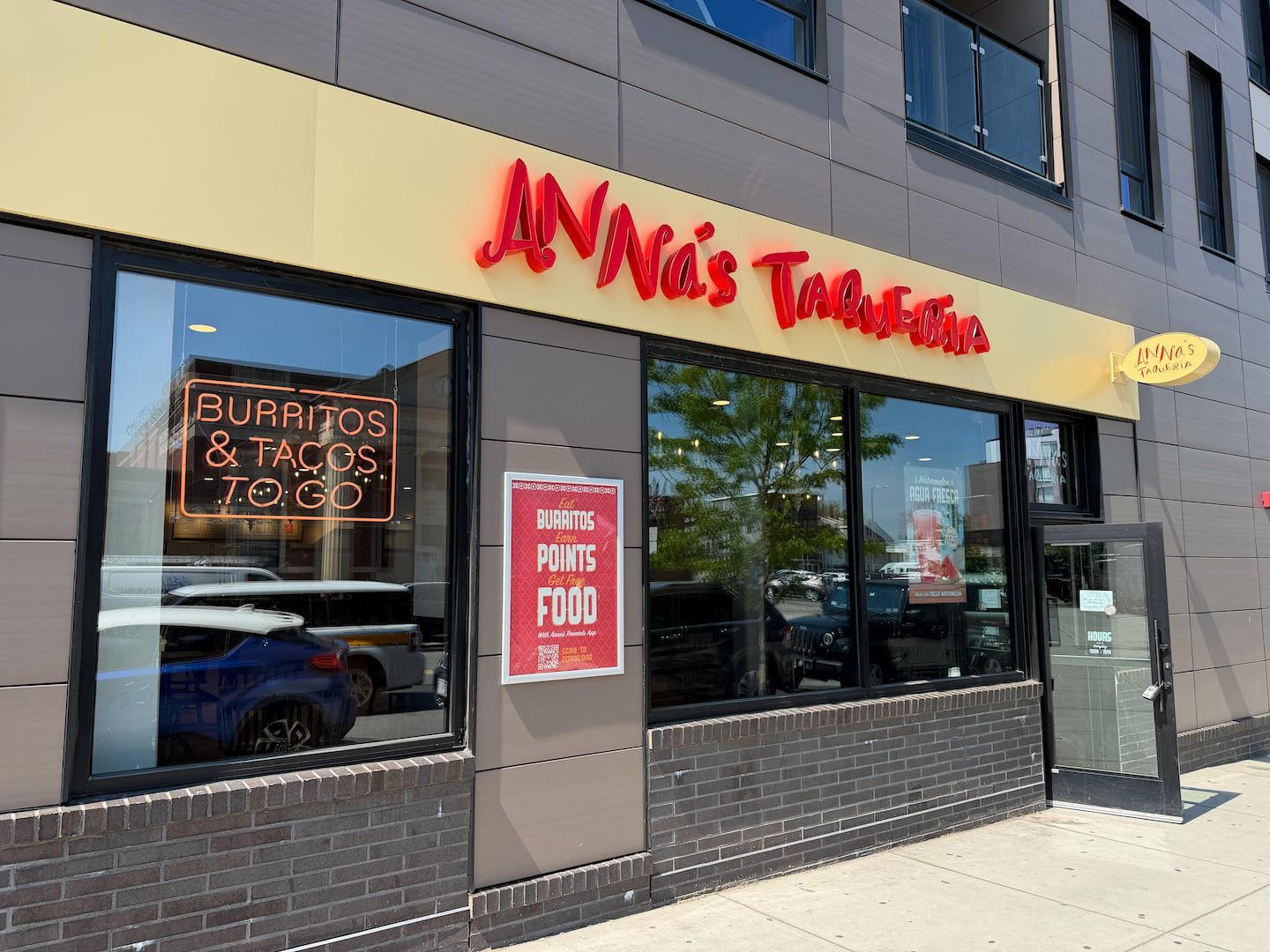
South End's Counter Format and Where Agosto Sits Within It
Boston's South End has reorganized its dining identity over the past decade. What was once a corridor of reliable neighborhood bistros and weekend-only destination spots has developed a second tier of format-driven restaurants, where the chef's counter or tasting-menu structure signals a different kind of commitment from both kitchen and guest. Agosto, at 1673 Washington Street, belongs to that second tier: a Portuguese-inspired fine dining counter where the format itself communicates something before the first course arrives. In a neighborhood where Ama at the Atlas pursues globally inspired comfort food and Alcove holds a different register entirely, Agosto occupies a more concentrated, counter-led niche.
The counter format matters here because it is not merely a design choice. At a chef's counter tasting menu, the sourcing conversation is embedded into the experience: you see the ingredients, you watch the preparation, and the sequence of courses is built around what arrived that week, not what was printed months ago. This places Agosto in a category alongside operators like 311 Omakase, where the low-capacity, high-engagement model is the product. The peer comparison is instructive: in Boston, counter-format precision dining remains a smaller subset than in cities like San Francisco, where Lazy Bear has spent years refining the communal tasting-menu grammar, or Chicago, where Alinea operates at the far end of format discipline. Agosto's Portuguese inflection gives it a distinct position within that national conversation.
The Iberian Sourcing Logic
Portuguese cuisine, when practiced seriously outside Portugal, tends to resolve into one of two modes: the nostalgic diaspora approach, which anchors itself in bacalhau and piri piri, or the ingredient-forward approach, which draws from the same Atlantic larder that Lisbon's more progressive restaurants now use as a foundation. The latter mode is philosophically more demanding. It requires sourcing relationships, not just recipes.
The Atlantic coastline that defines Portuguese culinary identity produces some of the most precisely managed seafood in the Western world: line-caught fish from cold, clean waters; bivalves from estuaries with strong tidal exchange; preserved ingredients (salt cod, tinned fish, smoked meats) that carry centuries of practical preservation knowledge encoded into their production. When a chef's counter in Boston reaches for Portuguese-inspired framing, the sourcing challenge is specific: how much of that Atlantic ingredient logic translates, and through what supply relationships, to the New England market?
New England's own larder has genuine overlap with the Iberian Atlantic tradition. The cold North Atlantic waters off Maine and Massachusetts produce clams, oysters, and fin fish that share more with their Portuguese counterparts than with anything from warmer southern waters. Neptune Oyster, a few neighborhoods north in the North End, has built an entire identity around that raw-bar tradition. Agosto's Portuguese framing applies a different organizational logic to similar raw material: the sourcing is local in geography but Iberian in interpretive frame. That gap between provenance and tradition is where the kitchen's editorial voice lives.
For context on how a different European coastal tradition handles the same tension between regional sourcing and classical frame, Le Bernardin in New York City offers the French comparison case. The sourcing discipline there, built around relationship-driven fish procurement, produces a similar conversation about where the ingredient ends and the technique begins. Single Thread Farm in Healdsburg pushes the farm-to-counter logic further, with an in-house agricultural operation that removes the supply chain intermediary entirely. Agosto's version is less vertically integrated but no less deliberate in its sourcing orientation.
What the Tasting-Menu Counter Format Demands of the Guest
A chef's counter tasting menu asks more of the diner than a la carte dining does. The sequence is set, the timing is the kitchen's, and the experience is structured to accumulate rather than satisfy individual selections. In return, the guest receives something that a larger, more flexible dining room cannot easily produce: a meal built around what is actually available and interesting rather than what is permanently on the menu.
This format has become a structuring principle for Boston's most focused dining rooms. It concentrates attention on the kitchen's current thinking rather than on a greatest-hits roster. The tradeoff is predictability: you cannot return expecting the same dishes, and the investment, both financial and temporal, is higher per visit than at a neighborhood restaurant. Abe and Louie's operates at a very different register, where the steakhouse format delivers consistency as its primary value. The tasting-counter model at Agosto offers the opposite proposition.
Internationally, the chef's counter tasting menu has produced some of the most discussed restaurants of the past two decades. The French Laundry in Napa remains the American reference point for what a multi-course counter-adjacent tasting format can achieve at sustained altitude. Alain Ducasse at Louis XV in Monte Carlo and 8½ Otto e Mezzo Bombana in Hong Kong represent European and Asian iterations of the same formal precision, where the ingredients and their sourcing are non-negotiable parts of the narrative. Agosto enters that broader conversation from a smaller, less internationally profiled position, but the format logic is the same.
The Washington Street Address and Its Neighborhood Context
Washington Street through the South End has become one of Boston's more compositionally interesting dining corridors. The stretch runs through a neighborhood that has been through several cycles of commercial evolution, and the current dining mix reflects that layering: long-standing neighborhood institutions alongside newer format-driven rooms and a scattering of coffee and spirits operations. Arwa, a Yemeni coffee shop nearby, sits at the casual end of that spectrum. Agosto occupies the opposite pole in terms of format commitment.
The South End's dining density means that guests arriving for a tasting counter experience are likely passing a wide range of alternatives on the same street. That context, rather than being a distraction, clarifies what a format like Agosto's is actually selling: a deliberate departure from optionality, a meal that asks you to commit rather than browse. For anyone building an evening around the neighborhood, the Boston bars guide and Boston experiences guide provide context for what sits alongside and after a dinner of this format and duration.
Planning a Visit
Agosto sits at 1673 Washington Street in the South End, accessible by the Orange Line at Back Bay or Massachusetts Avenue stations. As a chef's counter tasting-menu format, it operates on a reservation model standard to that category: seats are finite, evenings are structured, and last-minute availability is limited. Prospective guests should check directly through the restaurant's current booking channel. For broader Boston dining context, the full Boston restaurants guide maps the city's current dining scene by neighborhood and format. Those planning a multi-day stay should also consult the Boston hotels guide, and wine-focused visitors may find value in the Boston wineries guide.
Frequently asked questions
How do I find Agosto?
Agosto is located at 1673 Washington St, Boston, MA 02118, Boston.
Is Agosto's menu focused on a particular region of Portuguese cuisine, or does it draw broadly from Iberian tradition?
Agosto describes its approach as Portuguese-inspired fine dining, which positions it closer to an Iberian sourcing logic than strict regional fidelity to, say, the Algarve or the Minho. That distinction matters in Boston's South End, where the chef's counter format demands a cohesive tasting sequence rather than a survey of regional dishes. The Portuguese-inspired framing gives the kitchen latitude to move across Iberian traditions while maintaining a structured progression through the meal.
What do regulars order at Agosto?
Agosto operates as a tasting-menu chef's counter at 1673 Washington Street, which means there is no a la carte menu for regulars to navigate. The kitchen sets the sequence, and the menu follows the sourcing logic of Portuguese-inspired fine dining rather than a fixed rotating roster of dishes. Repeat guests come back for the format and the Iberian sourcing approach, not a signature dish they can request by name.
Do they take walk-ins at Agosto?
Chef's counter tasting-menu formats at this tier in Boston operate on advance reservations, and Agosto's South End location is no exception. The counter format by definition limits covers per service, which makes walk-in availability rare. Booking ahead through their reservations channel is the standard approach for securing a seat.
In Context: Similar Options
Comparable venues nearby, for context on price, style, and recognition.
| Venue | Cuisine | Price | Awards | Notes |
|---|---|---|---|---|
| AgostoThis venue (the venue you are viewing) | Tasting Menu Fine Dining | Not listed | Star Wine List | Not listed |
| Davio's Northern Italian Steakhouse - Liberty | Northern Italian Steakhouse | $50–100 | Star Wine List · Wine Spectator Best of Award of Excellence | South Boston Waterfront |
| Mariel | Cuban-Inspired Latin Fusion | Not listed | Star Wine List · Wine Spectator Award of Excellence | Financial District |
| Avra Estiatorio Boston | Upscale Greek seafood with Mediterranean influence | Not listed | Not listed | Back Bay |
| Sorellina | Modern Italian-Mediterranean | $100–150 | Wine Spectator Award of Excellence | Back Bay |
| Common Craft | Modern American Gastropub | Not listed | Star Wine List | South Boston |
Recognition history
Dated appearances from independent guides and award organizations, with the underlying list record or original source where available.
Star Wine List
Star Wine List
Continue exploring
More in Boston
Restaurants in Boston
All restaurants in Boston →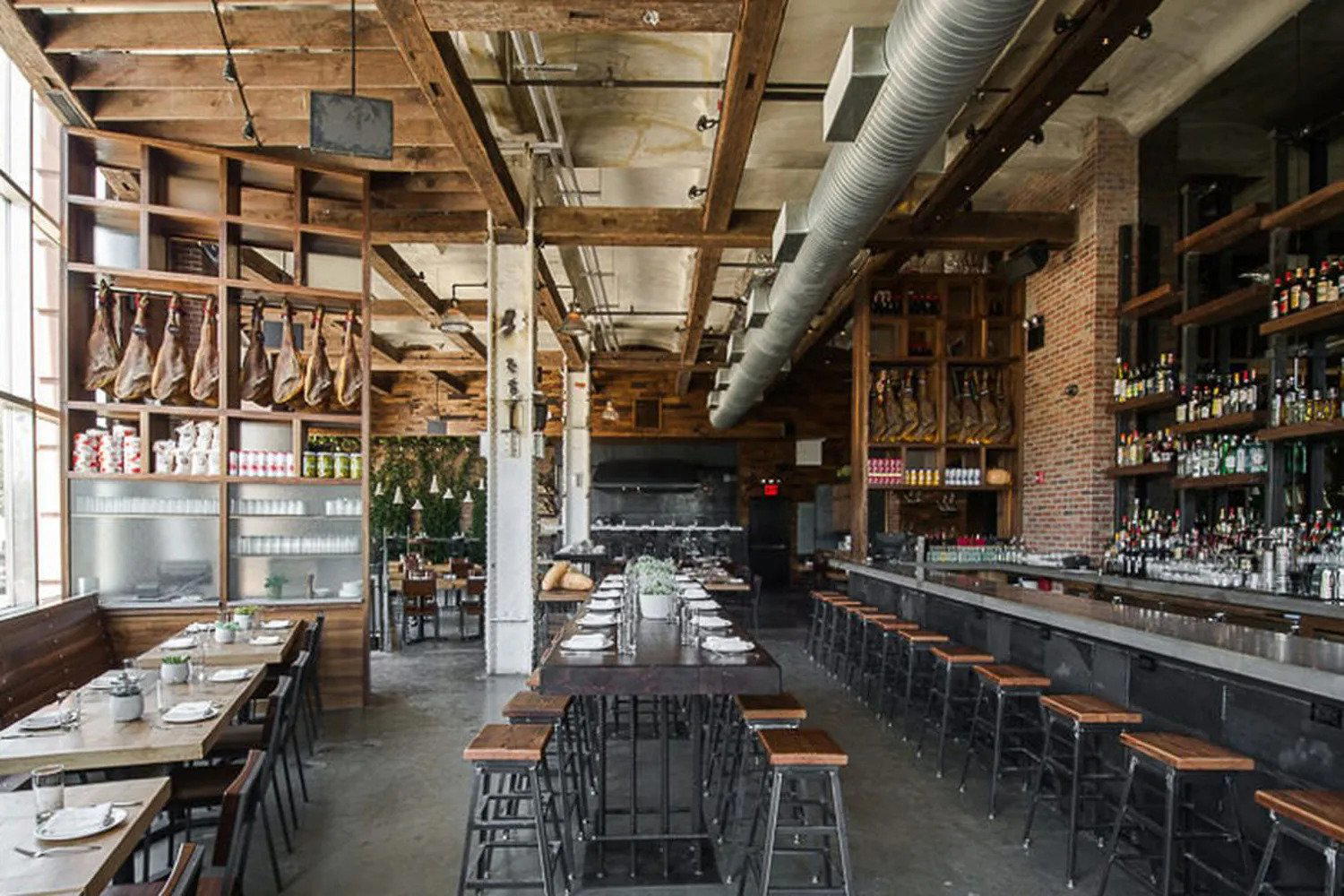
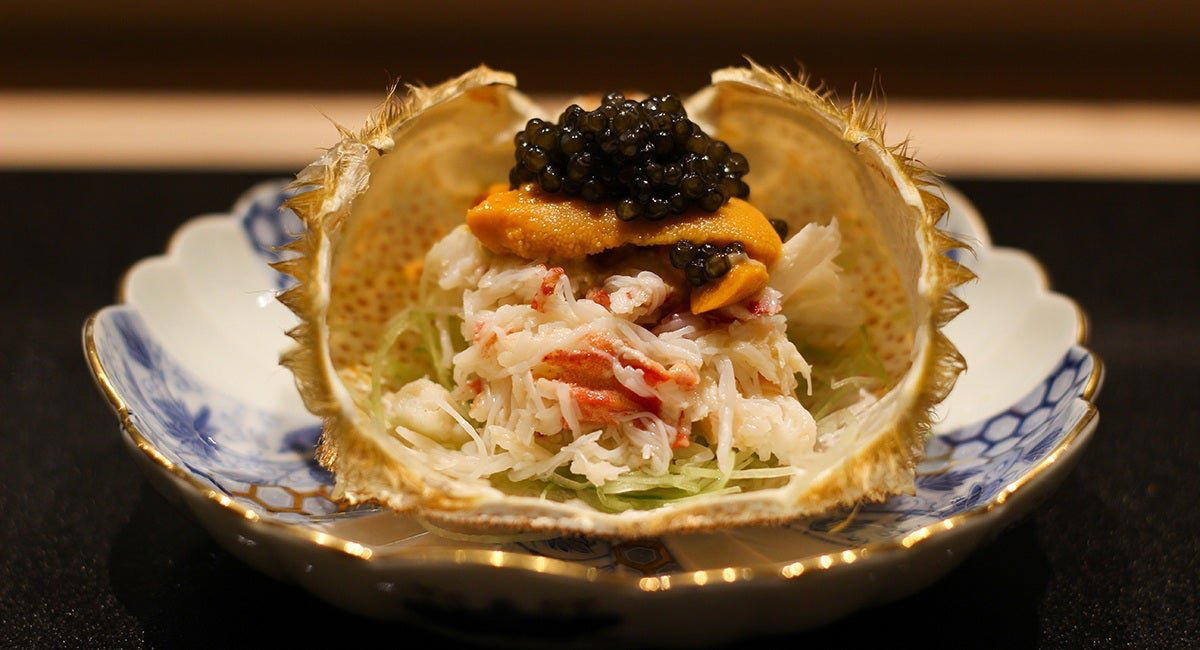
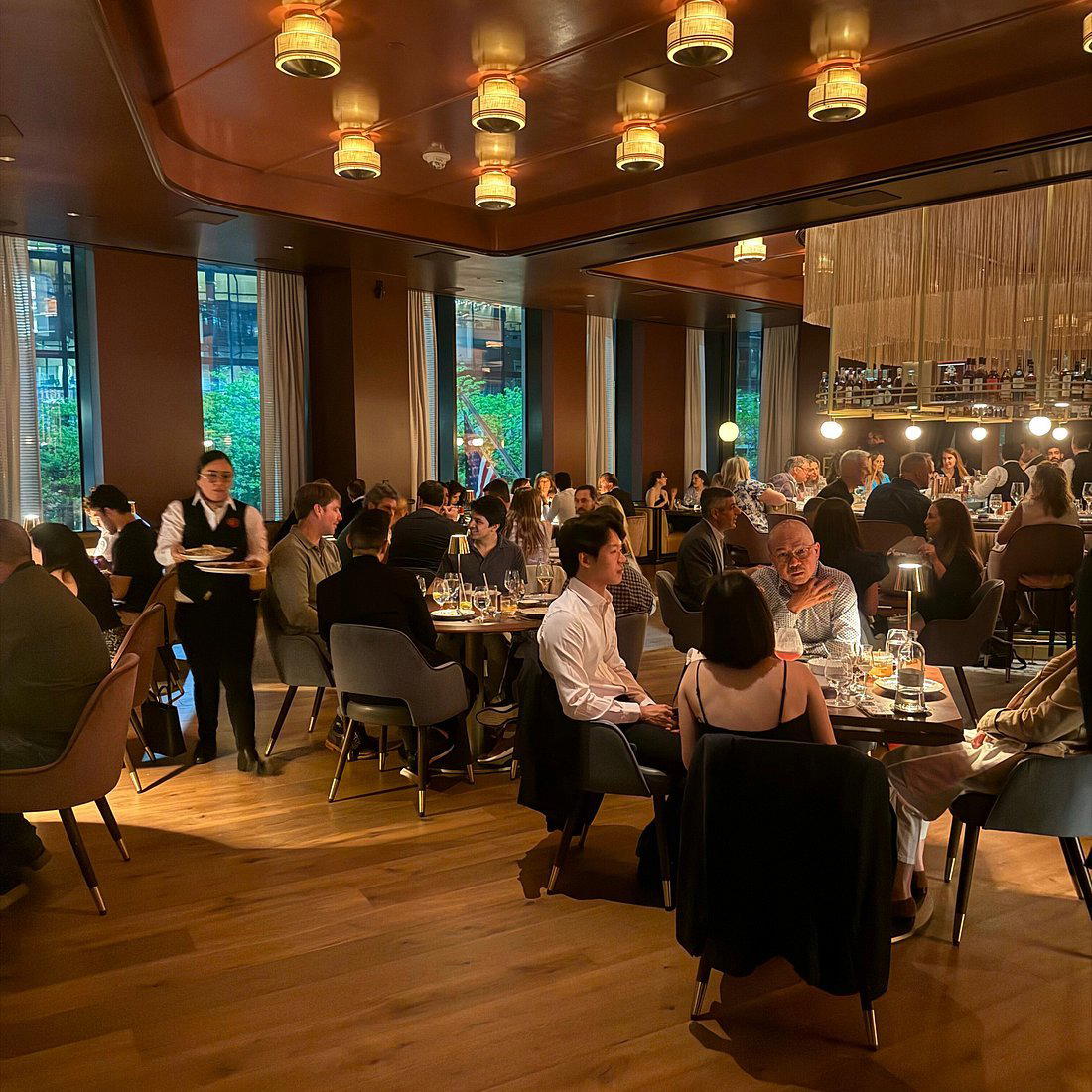
Bars in Boston
All bars in Boston →






Details
- Intimate
- Sophisticated
- Special Occasion
- Date Night
- Chefs Counter
- Tasting Menu
- Counter Dining
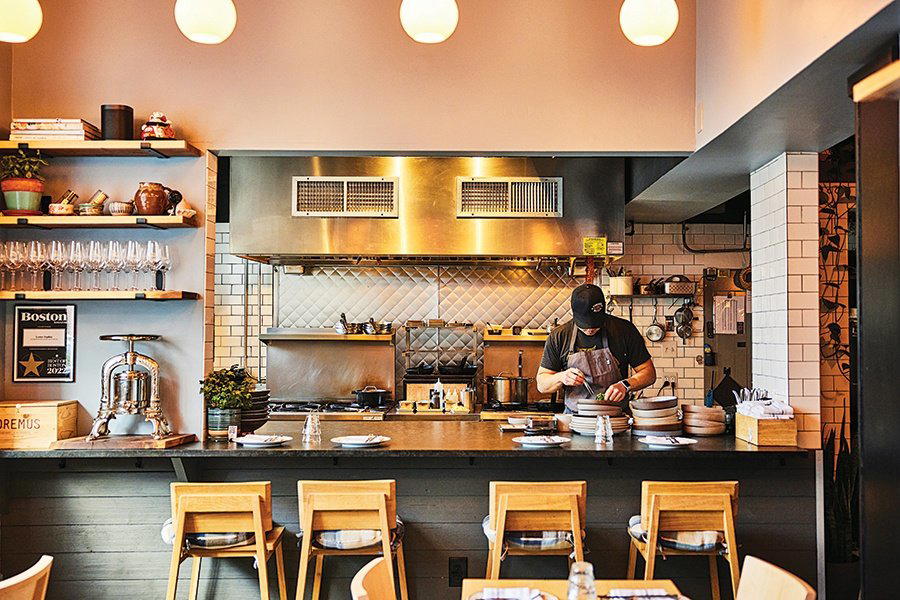
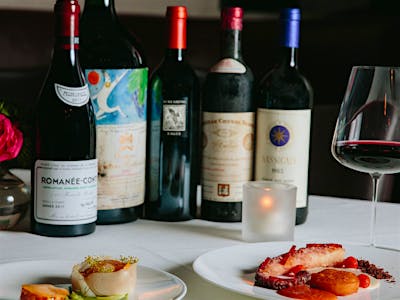
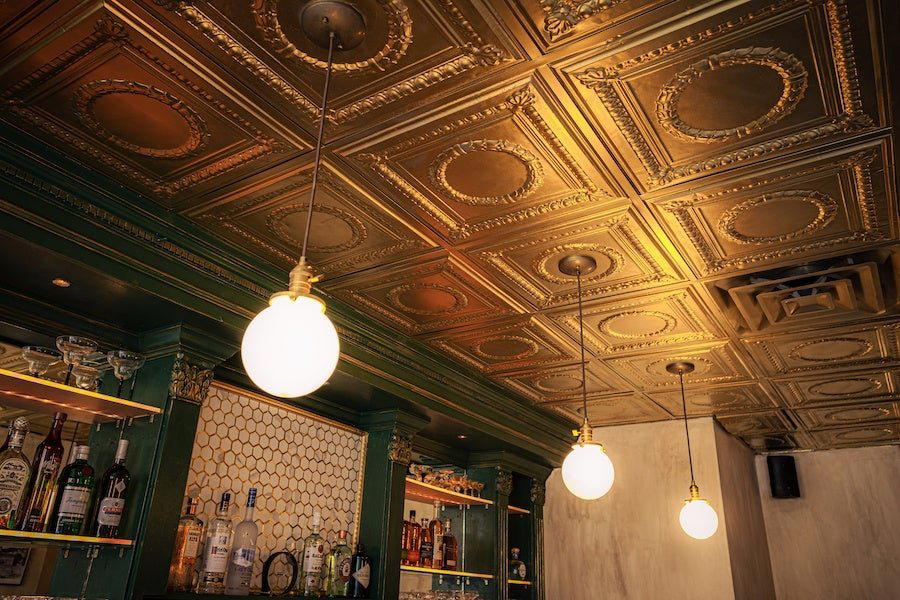
Intimate chef's counter setting focused on the tasting menu experience.