Google: 4.5 · 3,198 reviews
Barcelona Wine Bar
Barcelona Wine Bar on Tremont Street sits inside Boston's South End wine-bar tradition, where Spanish-inflected small plates and a deep, curated bottle list define the format. The back bar leans into Iberian producers and lesser-known European regions, making it a reference point for the neighborhood's serious drinking crowd. Practical access via the South End's walkable blocks keeps it in regular rotation for both residents and visitors.
 Discover on Pearl
Pearl is the En Primeur Club membership app — saves, bookings, and concierge access live there. Same editors, same standards.
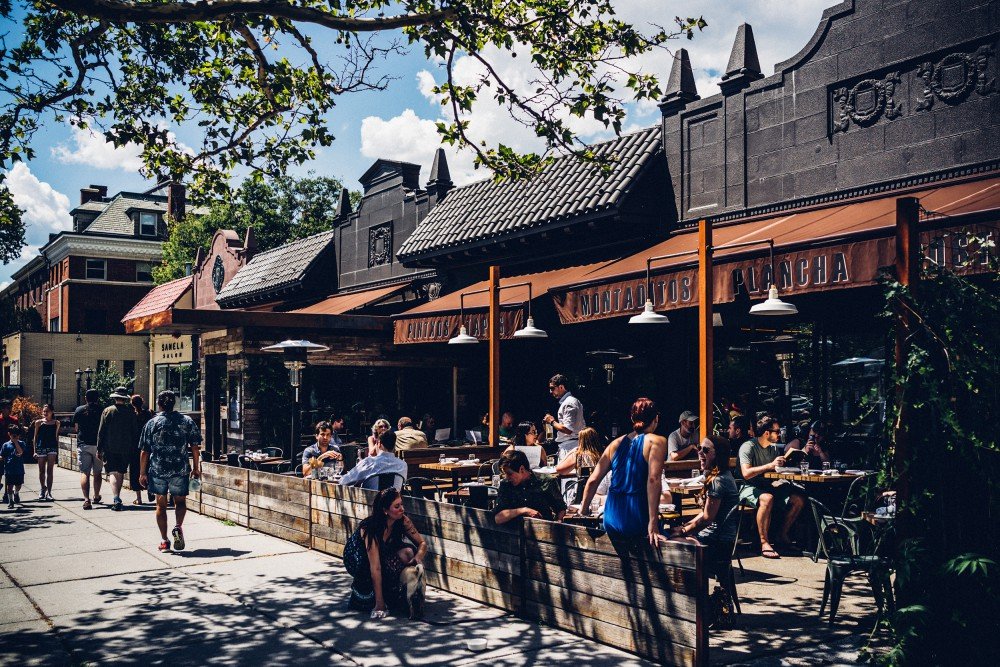
The South End's Approach to Wine Bar Culture
Boston's South End has spent two decades building one of the city's most coherent dining neighborhoods, and its wine bar scene reflects that maturity. The format that works here is not the cursory bottle list appended to a cocktail menu, but a dedicated, region-literate program where the wine is the editorial point and the food earns its place alongside it. Barcelona Wine Bar on Tremont Street sits squarely inside that tradition, occupying a stretch of the neighborhood where the dining room density is high enough that operators have to commit to a clear identity to hold their position.
The broader Boston bar and restaurant scene has split between high-concept cocktail programs, typified by places like Equal Measure and Asta, and more traditional drink-first hospitality anchored by rooms like Abe & Louie's. Barcelona sits in a different lane: the wine-and-small-plates format that draws from Spanish tapas culture without cosplaying as a Madrid bodega. The distinction matters because it sets the expectations correctly. This is a Boston interpretation of an Iberian format, with all the editing decisions that implies.
The Back Bar as Curatorial Statement
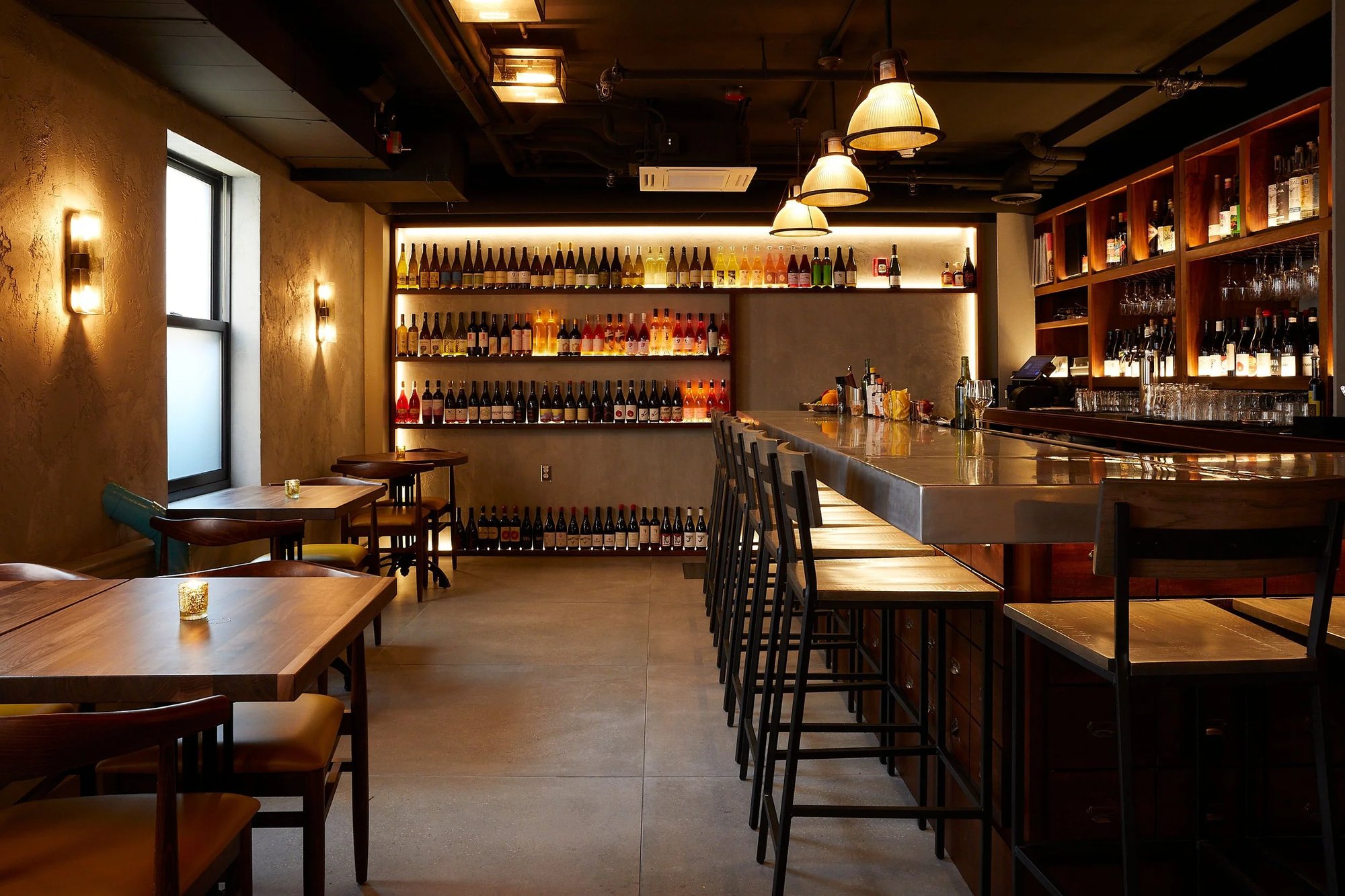
The signal that separates a serious wine program from a decorative one is not bottle count but selectivity. A back bar that moves through Iberian producers with genuine depth, from lesser-known Galician whites to structured reds from the interior appellations, tells you something about how the program is built. Spanish wine's diversity is its own argument: Rias Baixas Albariño and Ribeira Sacra Mencía operate in entirely different registers from Rioja or Priorat, and a list that acknowledges this spread is working from a considered position rather than a crowd-pleasing shortlist.
Wine-bar formats that commit to a geographic identity the way this one does tend to attract a different kind of regular: guests who come specifically because the list teaches them something, rather than guests who could just as easily order a generic Sauvignon Blanc at any neighborhood spot. That orientation shapes the entire room experience, from how servers talk about the list to which bottles get positioned at accessible price points and which sit higher as conversation starters. In that sense, the bottle program functions as the venue's editorial voice, the equivalent of what a rare spirits collection does for a bar program at places like Bar Leather Apron in Honolulu or Kumiko in Chicago, where the curation itself signals intent.
Small Plates and the Iberian Framework
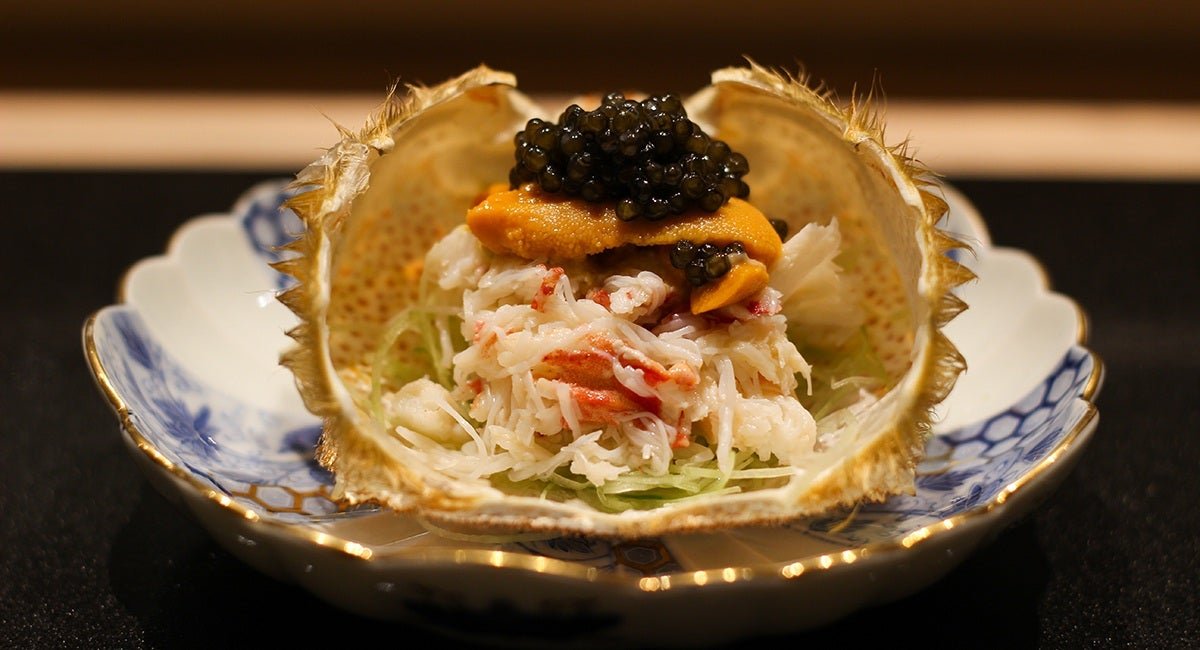
The small-plates format has become sufficiently common in American cities that it no longer signals anything by itself. What distinguishes the better Spanish-inflected programs is whether the kitchen uses the format to actually cook in the tapas tradition or simply to portion down a larger menu. Cured meats, cheese boards, and egg-based preparations anchor the genuine version; arbitrary shareable portions of non-Iberian dishes anchor the imitation. The format at Barcelona aligns with the former, giving the wine program the right kind of food counterweight: flavors that are built for wine pairing because they come from the same culinary tradition as the bottles on the list.
South End diners have enough exposure to this format to notice the difference, which raises the bar for any operator working in the category. The neighborhood draws guests who have eaten through comparable programs in New York, at places like Superbueno, or in San Francisco at ABV, and who bring those reference points with them. Holding a position against that kind of informed comparison requires a kitchen and wine program that are genuinely coordinated.
Tremont Street in Context
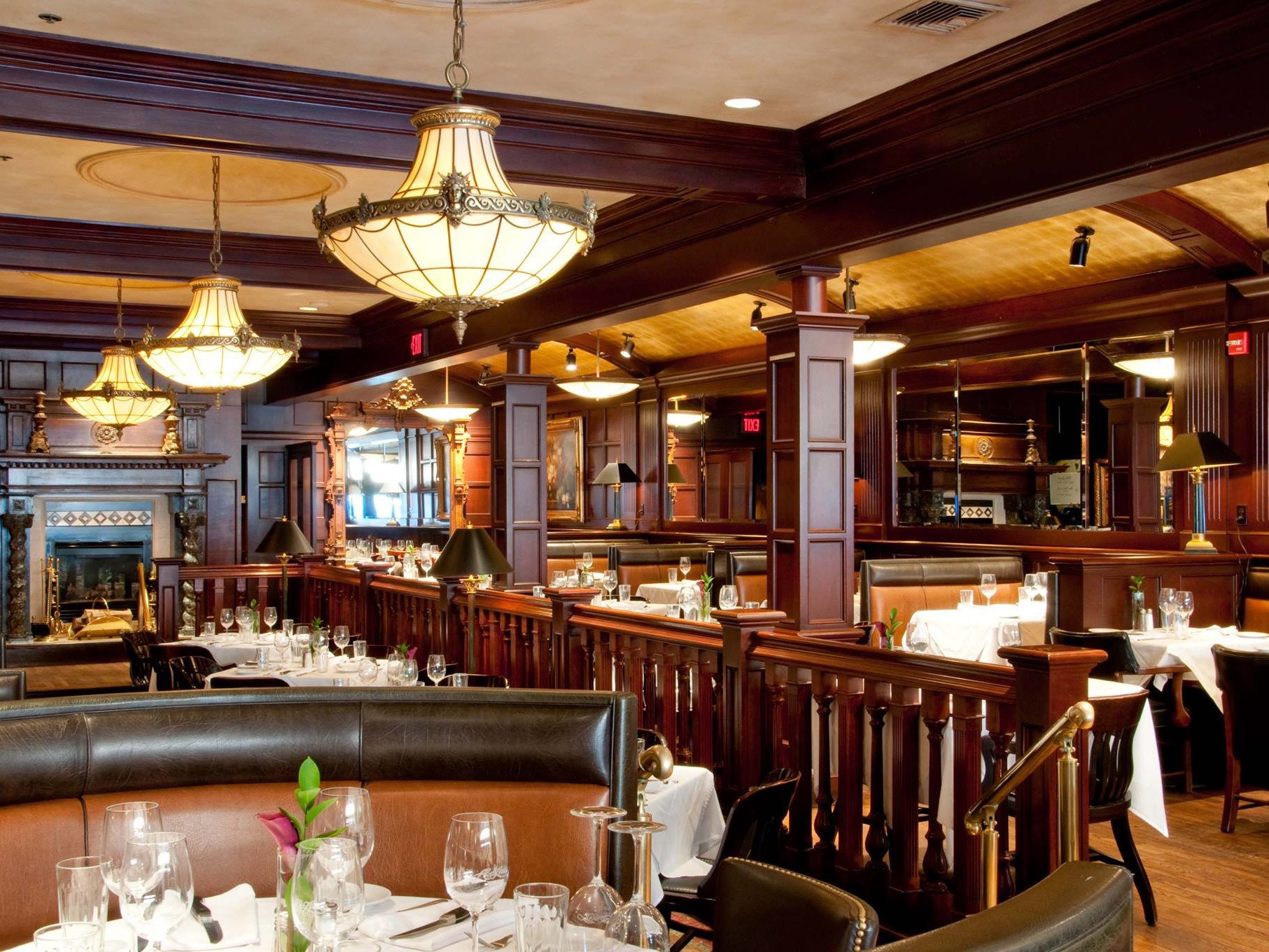
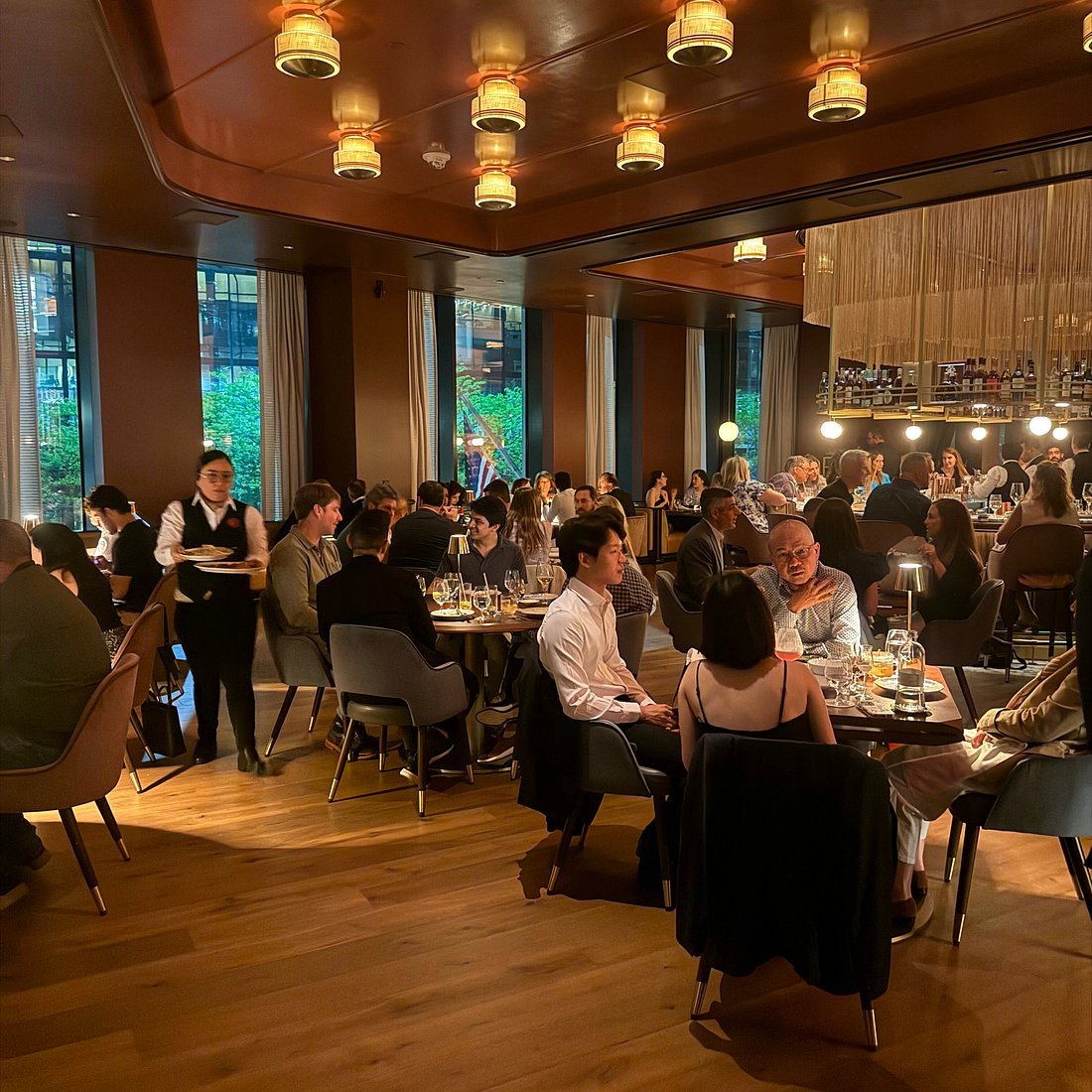
525 Tremont Street sits on the western spine of the South End, a stretch that connects the neighborhood's residential blocks to its restaurant corridor. The physical room reflects the South End's architectural character, where nineteenth-century brick rowhouses and narrow facades create dining rooms that feel compressed by design rather than by accident. That compression tends to produce a certain acoustic register, closer to animated than quiet, which shapes how the room works for different occasions. A long wine-focused dinner plays differently here than it would in a larger, more formal dining room.
For visitors approaching from the Back Bay or downtown, the South End is accessible on foot or via the Orange Line to Back Bay Station, putting Tremont Street within a short walk of most central hotel locations. The neighborhood's restaurant density means that arrival well before a reservation is worth the time, particularly if the plan is to walk the block and assess the room before committing to the evening's pace. Other nearby options on the South End's wine and drinks circuit include Baleia, which works a different register of European influence on the same streets.
Where Barcelona Sits in the Wider Wine-Bar Conversation
American wine-bar culture has matured considerably over the past decade, and the formats that have sustained themselves tend to share a common characteristic: a specific point of view that makes the program coherent rather than comprehensive. The Iberian model is one of the more defensible positions in that field because it has genuine culinary depth behind it, a wine tradition that stretches across dozens of appellations and grape varieties, and a food culture with enough range to support a full evening of eating.
Comparable wine-focused programs in other cities, like Jewel of the South in New Orleans or Julep in Houston in their respective drink-focused niches, demonstrate that regional specificity is a more durable competitive position than breadth. Barcelona's decision to anchor to the Spanish and broader Mediterranean tradition rather than expand to a global list reflects the same logic. In a Boston neighborhood with enough dining options to support genuine comparison shopping, a defined identity is not a limitation; it is the reason to return. For a broader map of where Barcelona fits within the city's drinking and dining scene, see our full Boston restaurants guide.
Internationally, the discipline of building a program around a specific regional tradition rather than aggregating for range is visible in places like The Parlour in Frankfurt on the Main, where curatorial restraint is itself the differentiating signal. Boston's wine-bar circuit benefits from the same principle applied locally.
Planning Your Visit
Barcelona Wine Bar is located at 525 Tremont St in the South End. The neighborhood is walkable from Back Bay Station, making it reachable without a car from most central Boston accommodations. Given the South End's dining density and the format's popularity with both residents and visitors, reservations are the practical choice for Thursday through Saturday evenings; weekday seatings tend to have more availability but are worth booking in advance to secure a preferred time. The small-plates format makes it suited to either a full dinner or a wine-focused session without a full meal, which gives the room flexibility that works across different kinds of evening plans.
Fast Comparison
Comparable venues for orientation, based on our database fields.
| Venue | Cuisine | Price | Awards | Notes |
|---|---|---|---|---|
| Barcelona Wine Bar | This venue | |||
| Equal Measure | World's 50 Best | |||
| Blossom Bar | Cocktail bar (referenced as alum) | Cocktail bar (referenced as alum) | ||
| NAMU Distilling Company | Korean-American distillery and snacks (soju, gin, makgeolli-based spirits, anju) | Korean-American distillery and snacks (soju, gin, makgeolli-based spirits, anju) | ||
| Swingers | Activity-bar with Detroit-style pizza | Activity-bar with Detroit-style pizza | ||
| My Girl | Cocktail lounge / small bites | Cocktail lounge / small bites |
At a Glance
- Rustic
- Lively
- Cozy
- Trendy
- Date Night
- Group Outing
- Casual Hangout
- Standalone
- Seated Bar
- Communal Tables
- Conventional Wine
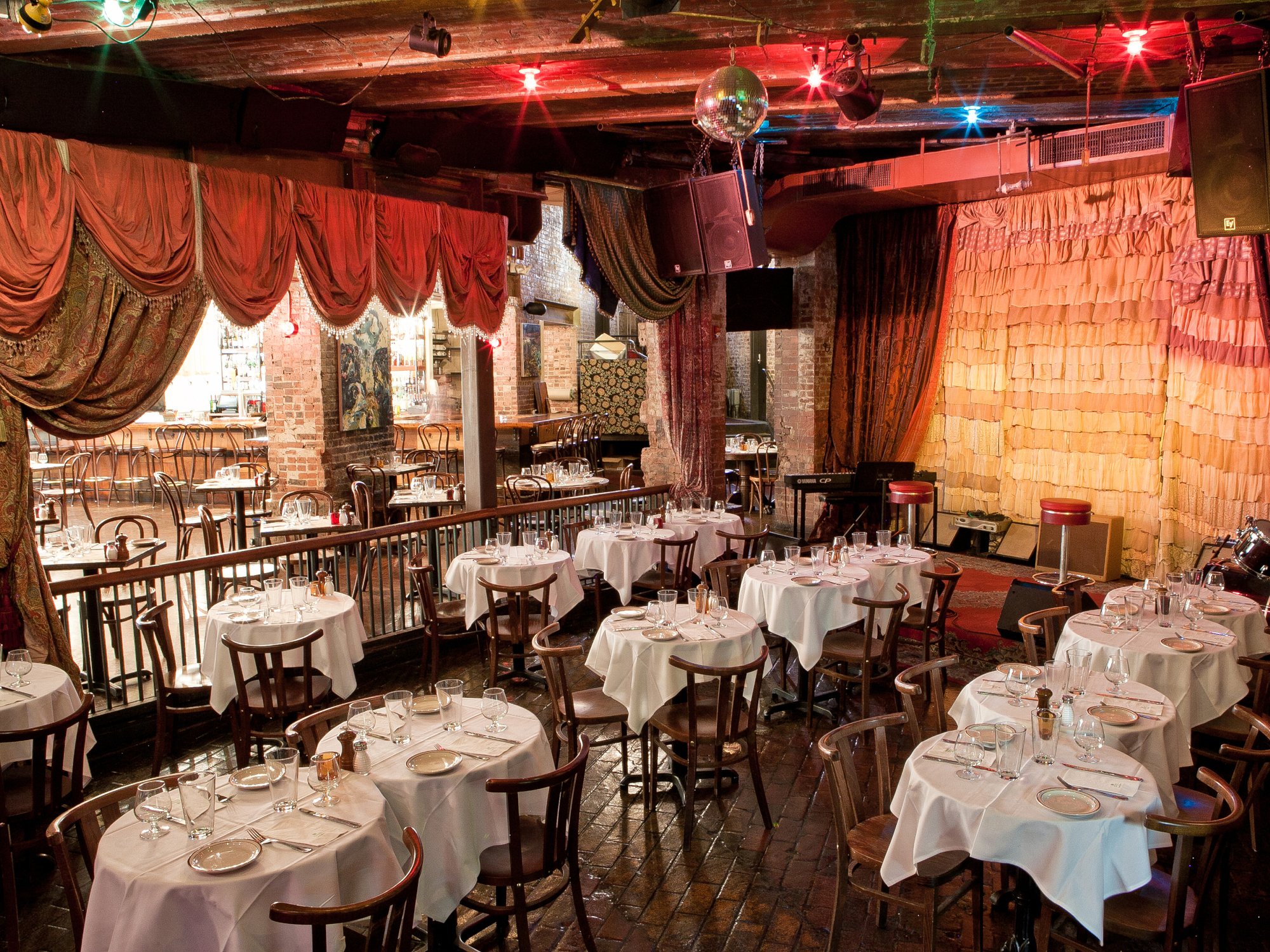
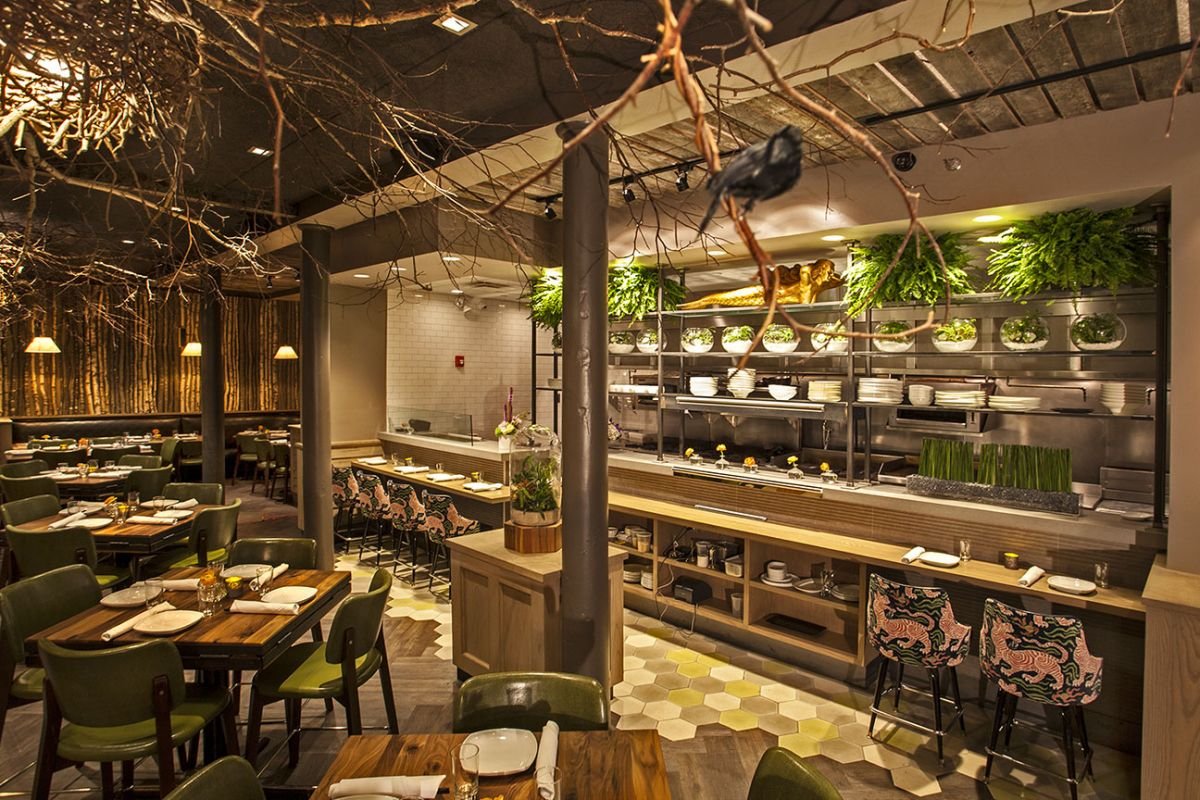
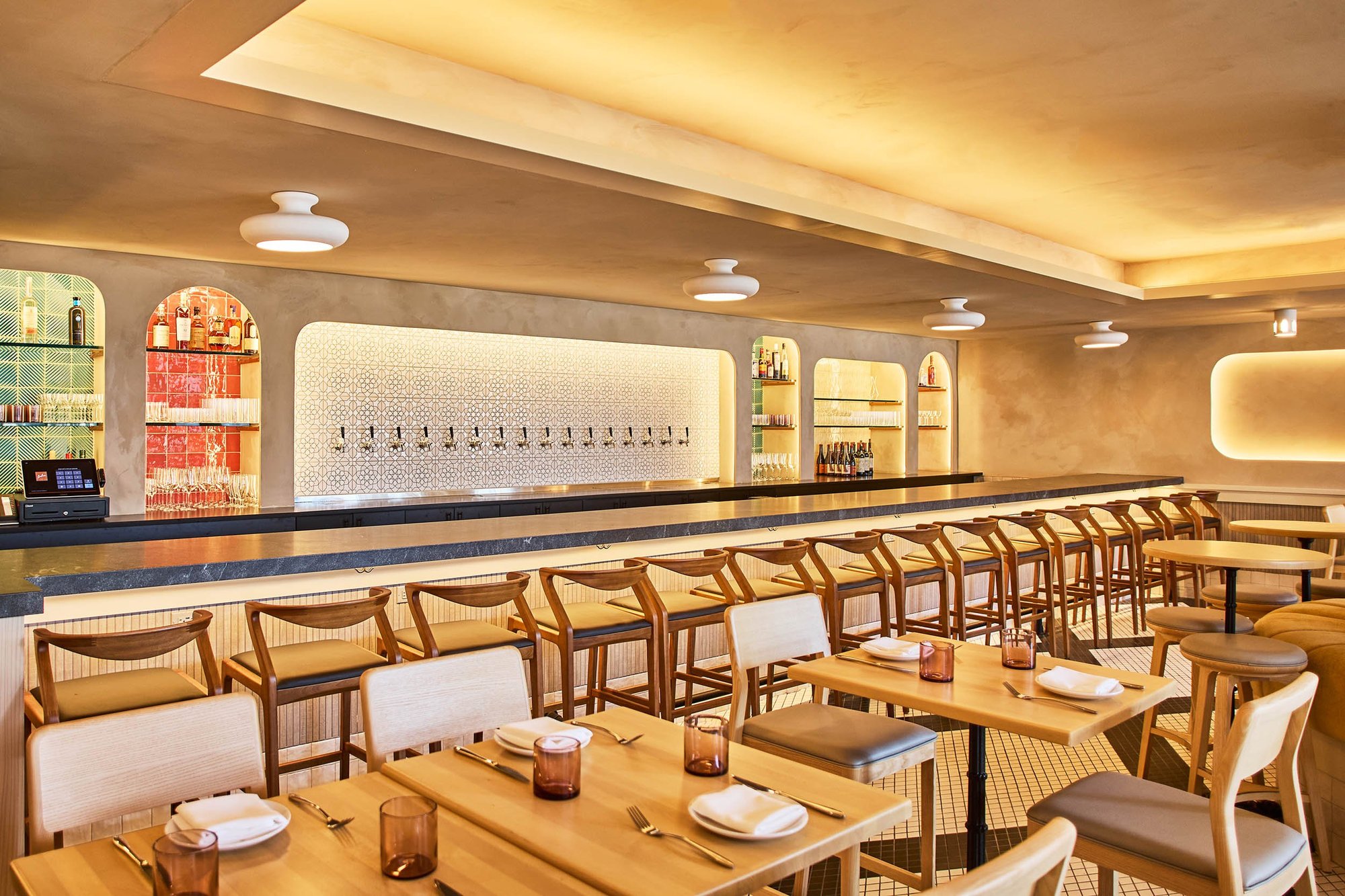
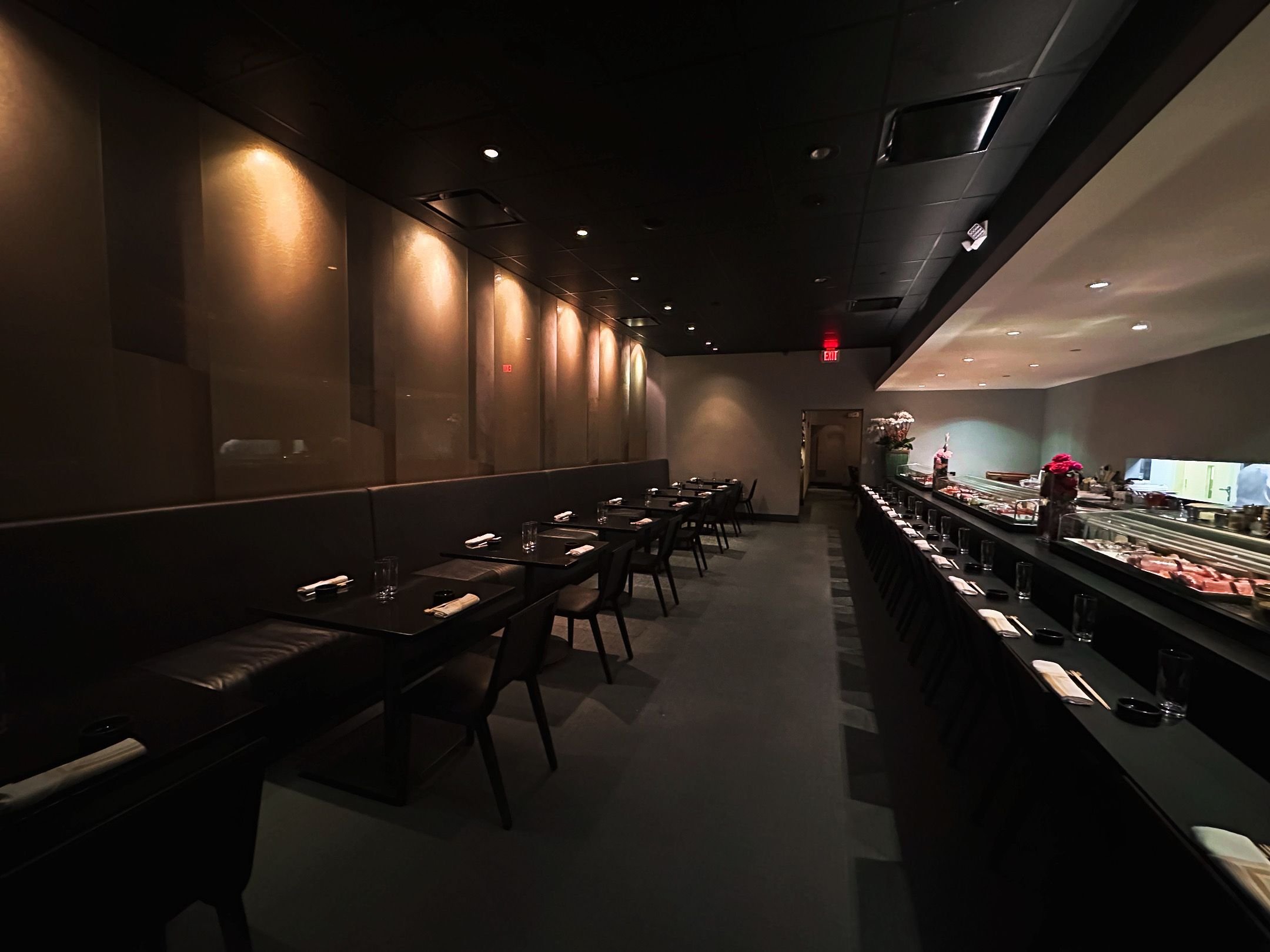
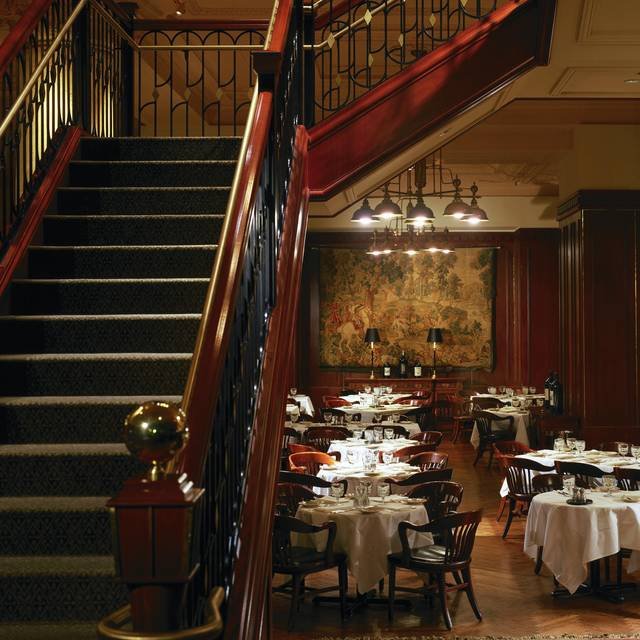
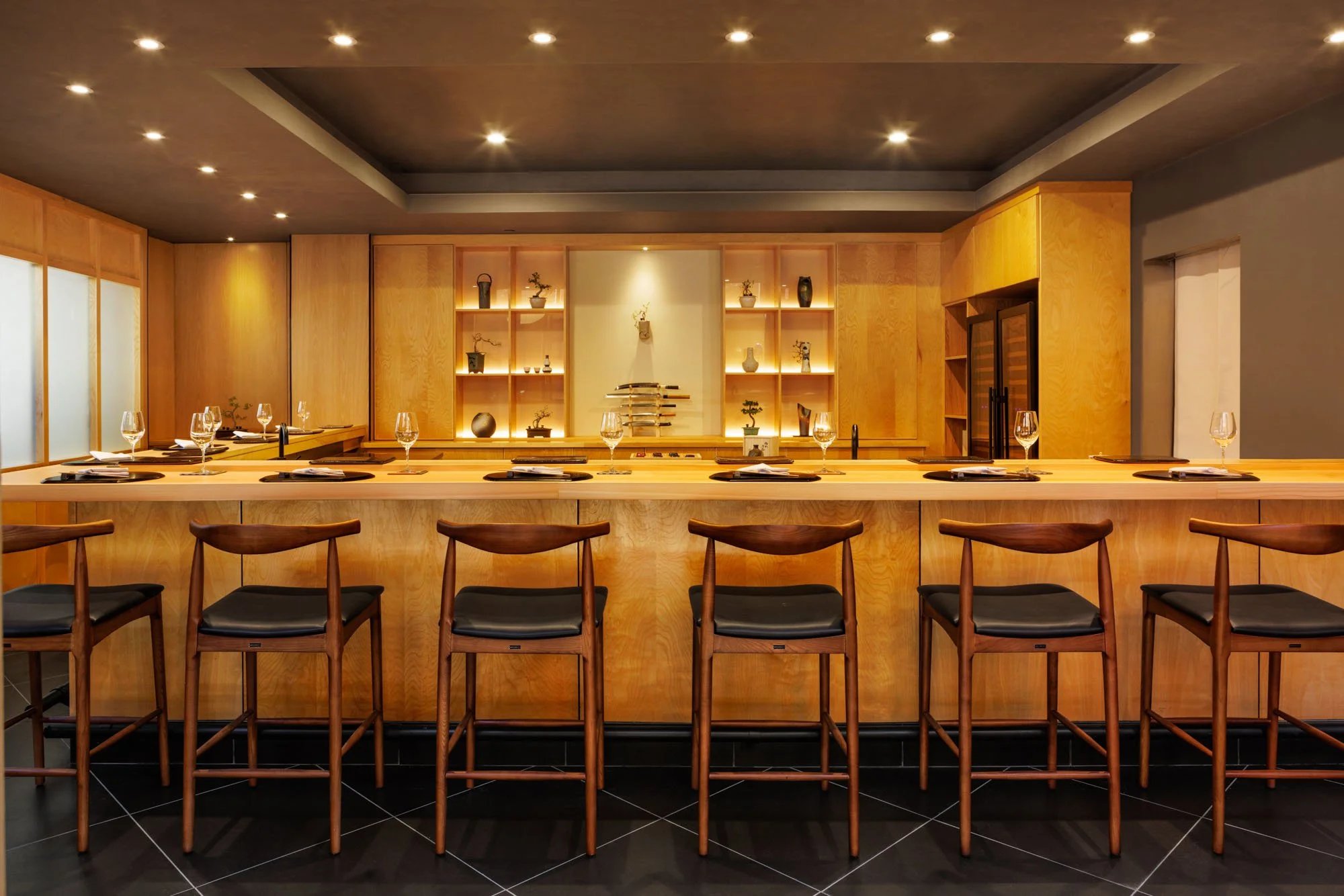
Warm and welcoming with rustic wood elements, large bar, and lively tapas atmosphere.