Banyan Bar + Refuge
Banyan Bar + Refuge at 553 Tremont St sits in Boston's South End, a neighborhood whose bar scene has shifted steadily toward serious cocktail programming over the past decade. The name signals both a gathering-point instinct and a deliberate retreat from louder, higher-volume formats. It holds a position in the South End's mid-tier cocktail corridor alongside neighbors who take the craft seriously.

Pearl is the En Primeur Club membership app, where members save venues, book tables and use the concierge.
South End, Serious Drinks, and the Slow Shift in Boston's Bar Identity
Boston's cocktail scene spent much of the 2010s closing the gap with New York and Chicago, not by imitation but by developing its own institutional memory. Neighborhoods like the South End became the proving ground for that shift: close enough to downtown to draw a wider crowd, residential enough to reward regulars who return on a Wednesday. Tremont Street, running through that neighborhood's western spine, accumulated a tier of bars that positioned themselves somewhere between neighborhood-lounge comfort and genuine craft ambition. Banyan Bar + Refuge at 553 Tremont St is part of that formation.
The name carries its own logic. A banyan tree spreads outward from a central trunk, sending down roots that become new trunks, widening the canopy rather than growing taller. Applied to a bar, the image suggests lateral hospitality: a place that expands to accommodate rather than narrows to impress. Refuge points in the same direction. Together, they frame an expectation before you walk through the door, and the South End address makes that framing coherent. This is not a destination bar built around a headline cocktail or a chef-driven concept that happens to pour drinks. It operates in the register of the well-appointed neighborhood room, a format that Boston has learned to execute with more consistency than it managed fifteen years ago.
How the Format Has Evolved in This Part of the City
The broader arc of South End drinking has moved through several phases. The mid-2000s brought gastropub energy and wine-bar density. The early 2010s introduced cocktail-forward operations with printed menus and house syrups. By the mid-2010s, the question shifted from whether a bar took spirits seriously to how it communicated that seriousness without alienating the neighborhood's less programmatically obsessed drinkers. Equal Measure, one of the more technically disciplined operations in the city, represents one answer to that question. Banyan pursues a different register: the refuge frame positions warmth and access ahead of technical demonstration.
That evolution mirrors what has happened in serious cocktail cities across North America. In Honolulu, Bar Leather Apron built its reputation around restrained precision in a city not typically associated with cocktail depth. In New Orleans, Jewel of the South anchors its identity in historical continuity. In Houston, Julep frames Southern spirits through a specific regional lens. What connects these programs across different cities is a refusal to let craft become a barrier to entry. The room and the welcome are part of the product. Boston's better South End bars have internalized the same logic.
The Physical Environment and What It Signals
Tremont Street bars that survive past a first lease cycle tend to share certain physical characteristics: rooms that feel assembled rather than installed, lighting calibrated for conversation rather than social-media documentation, bar tops long enough to seat a full range of solo drinkers and small groups without either feeling crowded. Banyan's positioning on that street puts it in a walk-in or planned-visit zone, accessible from the Back Bay Amtrak and Orange Line stops and within reasonable distance of the South End's restaurant corridor. For visitors staying in the Back Bay or downtown financial district, the venue is a 10 to 15-minute walk or a short rideshare, placing it in the plausible evening-extension category rather than a dedicated expedition.
The South End's residential character means that bars here serve a more mixed temporal crowd than those in the Theater District or downtown. Early-evening is quieter and suited to longer conversation; the room shifts register as the night progresses. That rhythm suits the refuge framing well. Programs like Asta and Baleia occupy adjacent positions in the neighborhood's hospitality fabric, with different format emphases: Asta runs a more food-integrated program, while Baleia tilts toward wine. Banyan holds the cocktail-and-atmosphere corner of that same triangle.
Where It Sits in the Wider Craft Cocktail Map
Across North America, bars operating in the comfort-forward craft tier have multiplied faster than the headline-grabbing technical programs. Kumiko in Chicago represents the precise, Japanese-influenced end of the spectrum. Superbueno in New York City anchors itself in Latin American flavor references and high energy. ABV in San Francisco built its identity around a deep spirits selection and a bottle-shop adjacency. The Parlour in Frankfurt shows how the format translates into European contexts. In each case, the operative distinction is between bars where the drink is the point and bars where the drink is part of a broader proposition about how the room feels to be in. Banyan reads as the latter, which is neither a limitation nor a compromise. It is a different editorial argument made in poured form.
Boston's craft cocktail conversation has historically centered on a handful of programs with strong individual voices, Blossom Bar's Thai-inflected menu being the most cited example regionally. Banyan doesn't compete on that kind of signature-concept axis. Its competition is the general-quality tier of South End and lower Back Bay bars, and its argument is that warmth and consistency over time are their own form of craft.
Planning a Visit
553 Tremont St places Banyan in the southern stretch of the South End, walkable from the Back Bay station and accessible via rideshare from most central Boston hotel clusters. The neighborhood's dining-and-drinking corridor runs parallel, meaning a pre- or post-dinner visit is structurally easy to incorporate into a broader South End evening. For a fuller map of where Banyan sits within Boston's broader drinking and dining options, the EP Club Boston guide provides neighborhood-by-neighborhood context. Reservations, current hours, and pricing are best confirmed directly with the venue, as operating details in this tier of the South End market shift with seasonal demand and staffing patterns. Walk-ins during weekday early evening tend to land the leading seat selection; weekend late-night arrivals should expect a fuller room.
Standing Among Peers
Comparable venues nearby, for context on price, style, and recognition.
| Venue | Cuisine | Price | Awards | Notes |
|---|---|---|---|---|
| Banyan Bar + RefugeThis venue (the venue you are viewing) | cocktail_bar | $30–50 | Not listed | Not listed |
| nathálie | wine_bar | Not listed | Not listed | West Fens |
| Sabina Mezcaleria | mezcaleria | $30–50 | Not listed | Back Bay |
| Foxglove Terrace | rooftop_bar | Not listed | Star Wine List | Allston |
| The Essex Boston | rooftop_bar | Not listed | Not listed | South Boston |
| Baleia | cocktail_bar | Not listed | Not listed | South End |
Continue exploring
More in Boston
Bars in Boston
All bars in Boston →
Restaurants in Boston
All restaurants in Boston →
Banyan Bar + Refuge
The drinks
- Craft cocktails
Signature drinks: Brancolada, Slushy Kirin Ichiban, El Diablo.
Details
- Cozy
- Trendy
- Bohemian
- Intimate
- Date Night
- Group Outing
- Casual Hangout
- Live Music
- Lounge Seating
- Outdoor Terrace
- Craft Cocktails
- Frozen
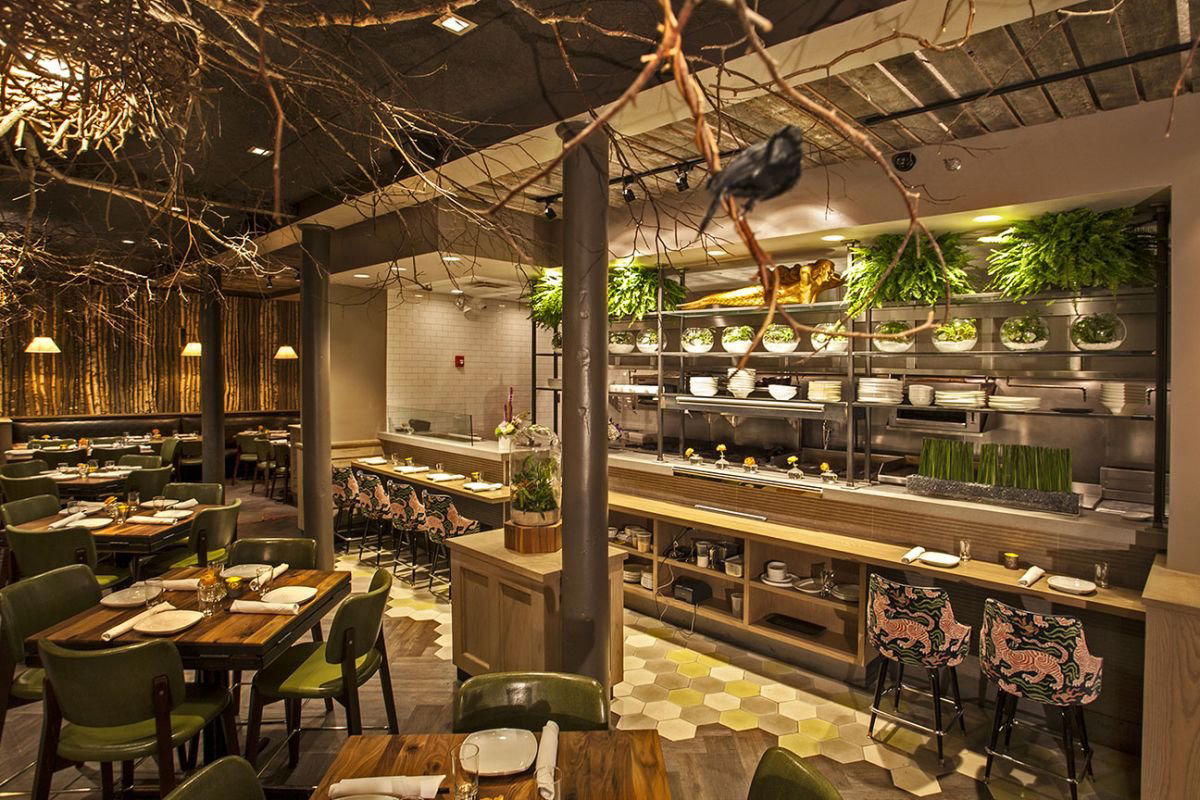
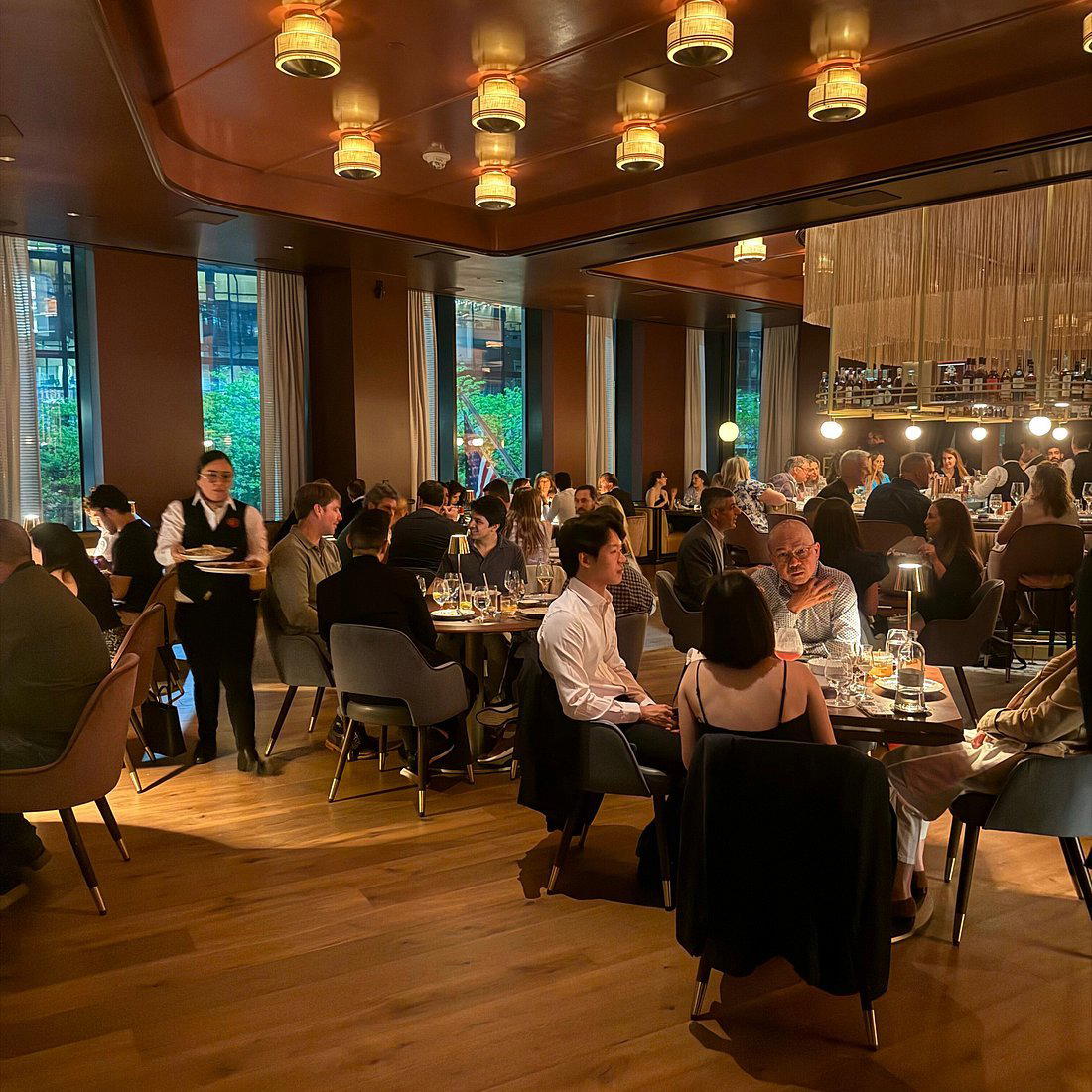
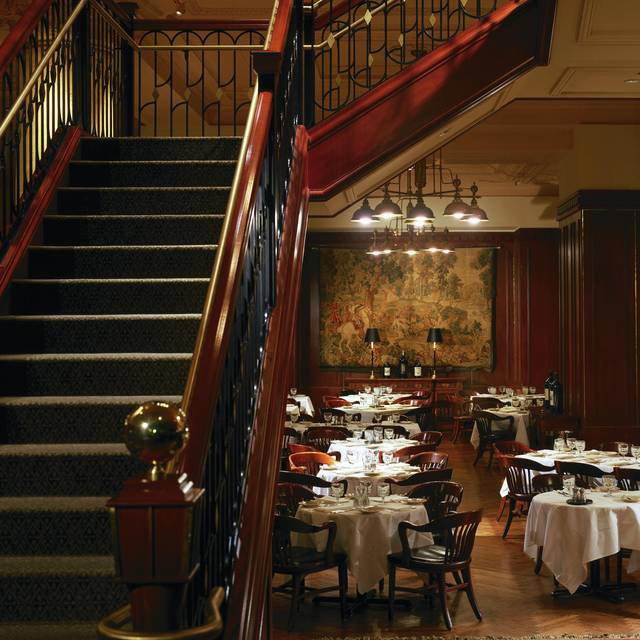
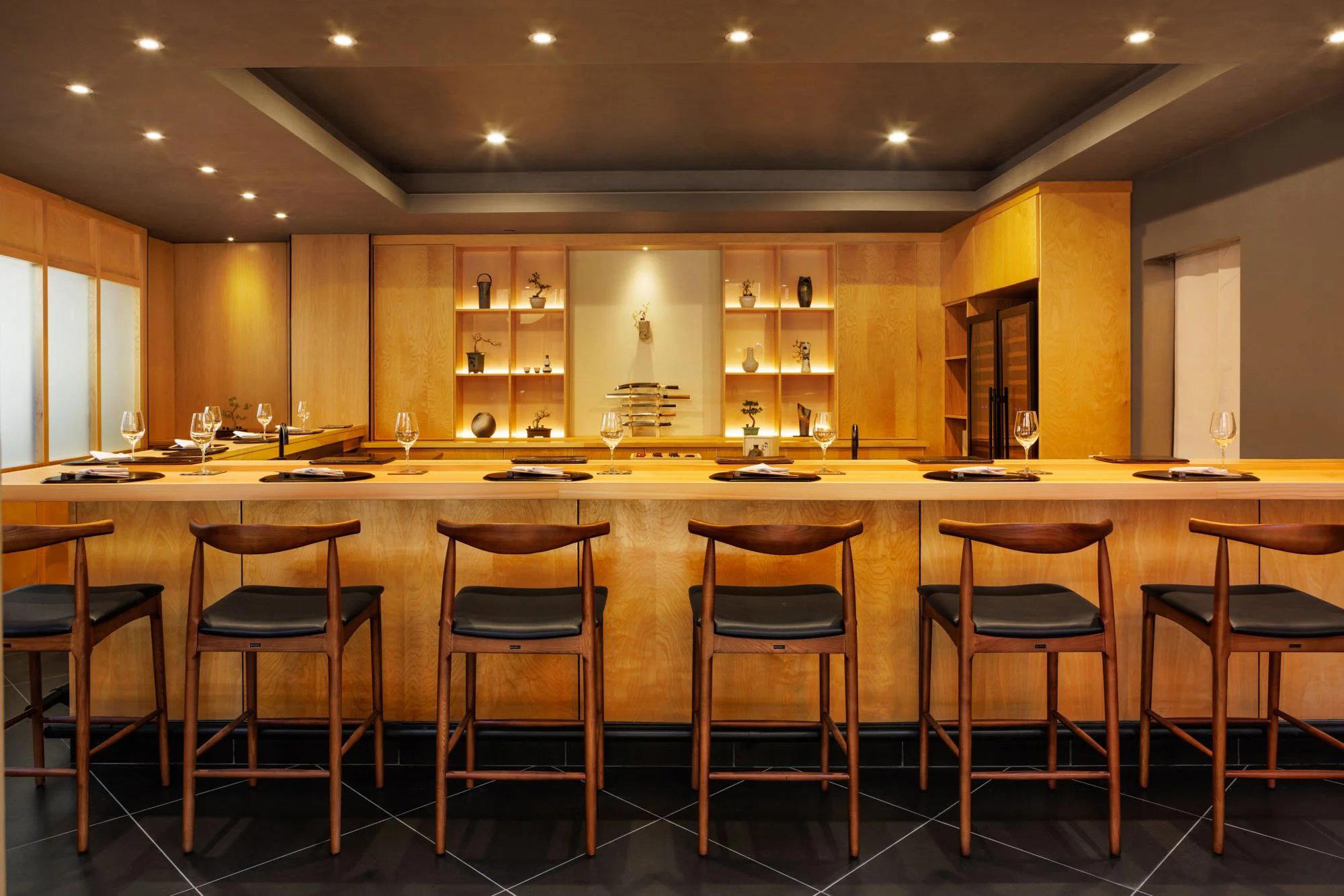
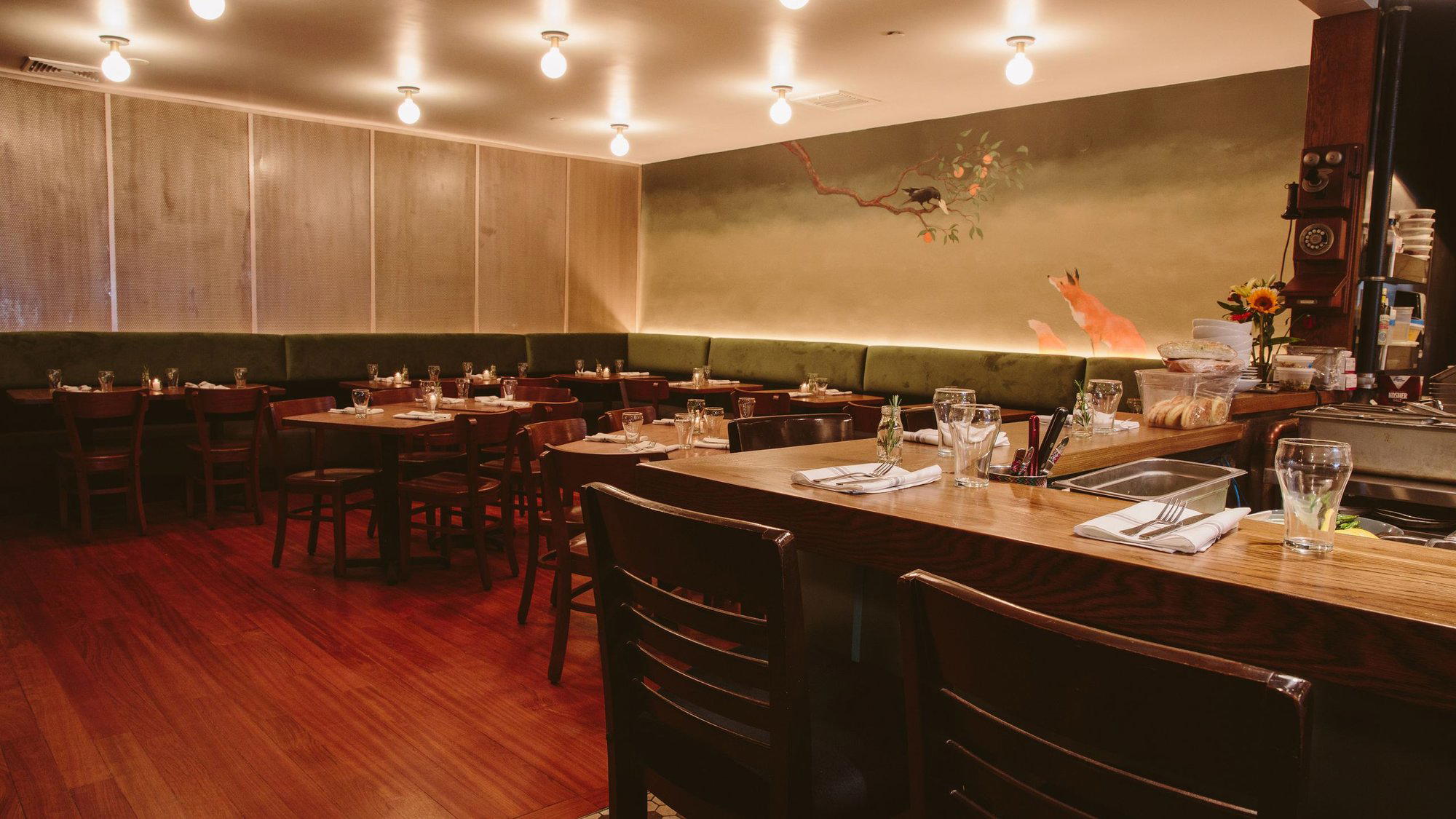
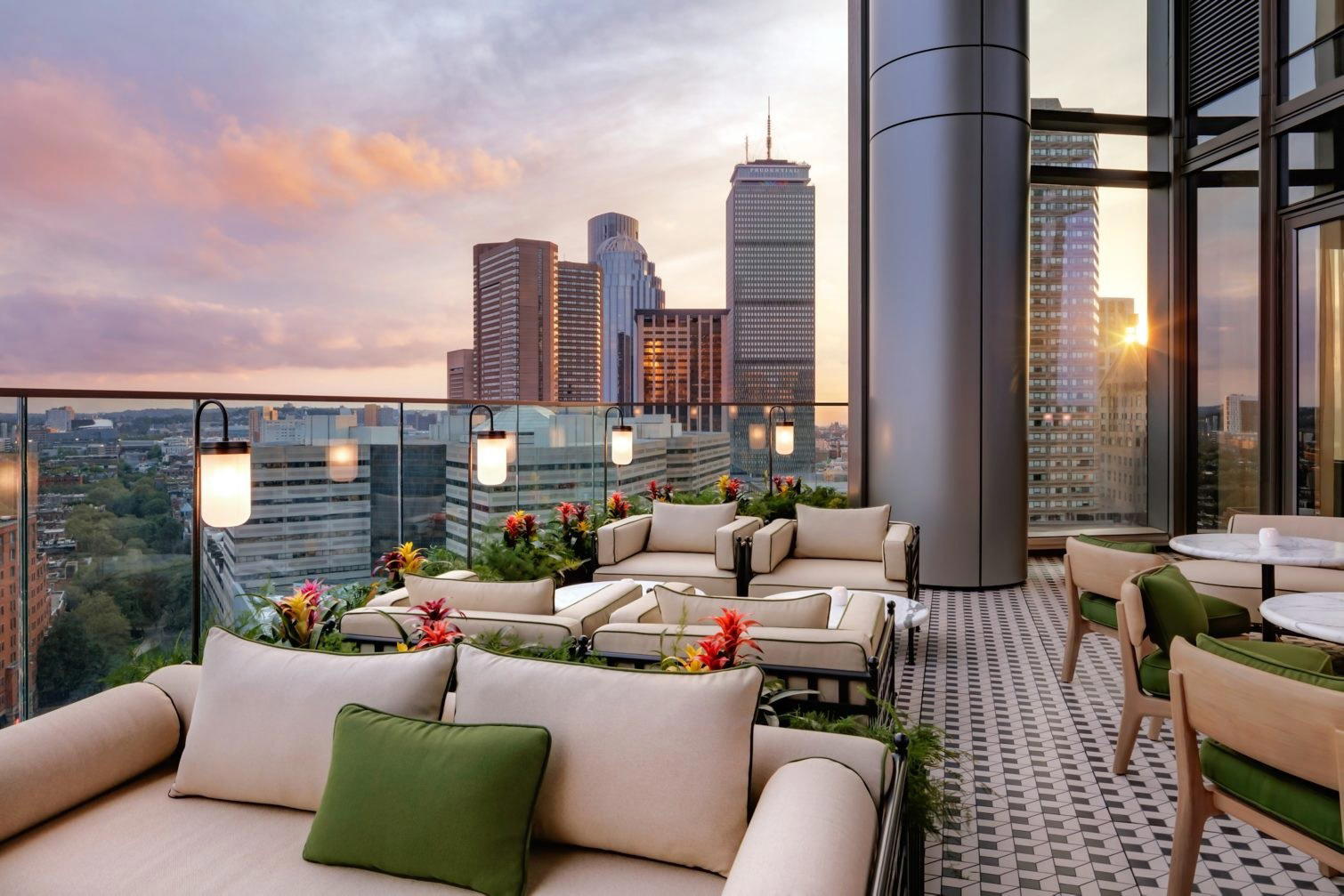
Warm lighting, energetic music, relaxed vibe with treelike ceiling sculptures and reptile-print upholstery.