Baleia
On East Berkeley Street in Boston's South End, Baleia occupies a stretch of the neighborhood that has become one of the city's more considered dining corridors. The address places it squarely in a scene where sourcing transparency and program coherence carry more weight than scale, and where a thoughtful approach to ingredients and waste has become a distinguishing marker among the South End's better-regarded spots.

Pearl is the En Primeur Club membership app, where members save venues, book tables and use the concierge.
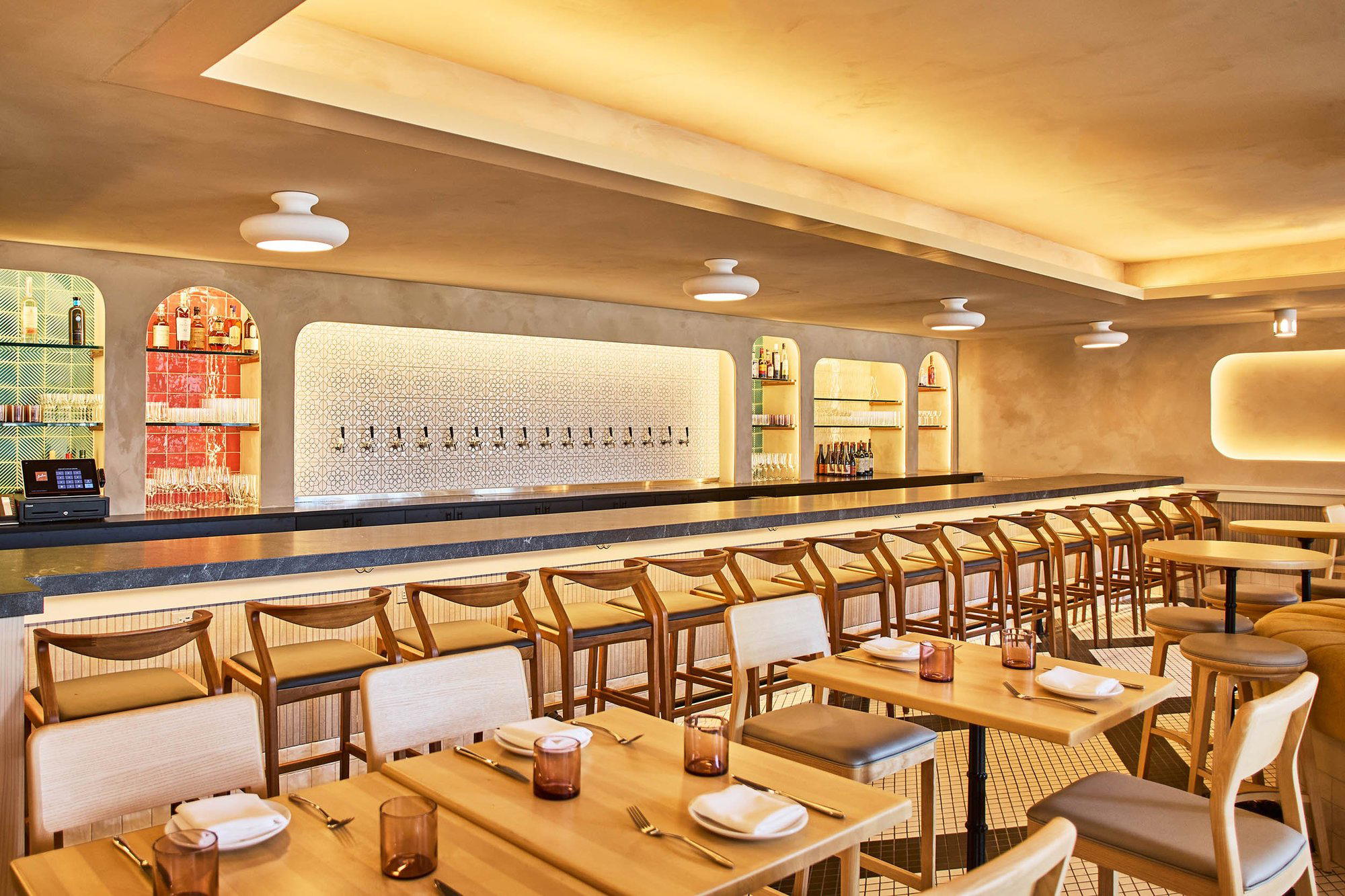
South End, Where the Sourcing Conversation Got Serious
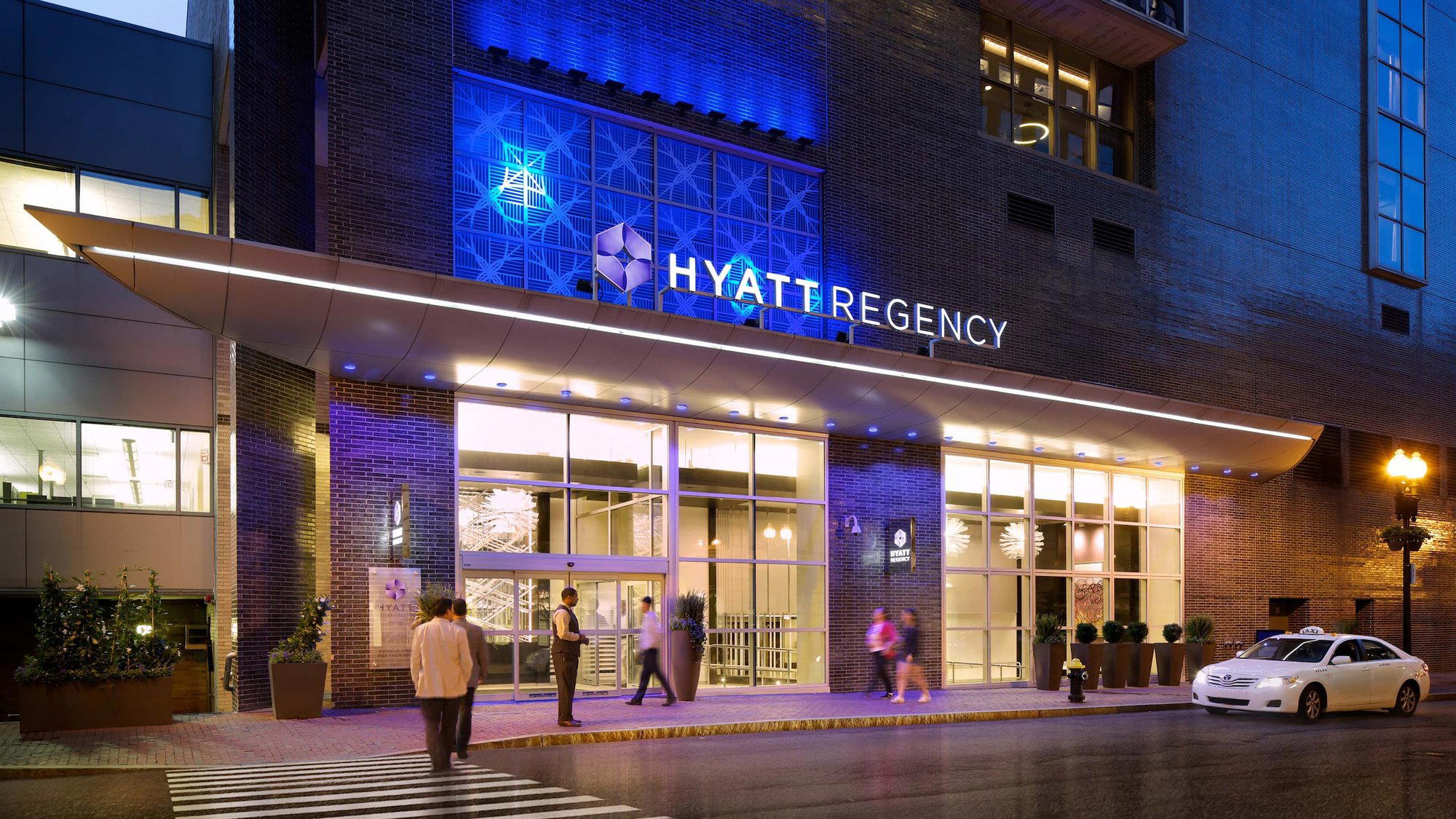
Boston's South End has spent the better part of a decade sorting itself into two broad tiers: venues that treat sustainability as a marketing footnote, and those that have embedded it into how they buy, prep, and build a menu. The second group is smaller. It tends to cluster around independent operators on the neighborhood's quieter blocks, and 264 E Berkeley Street sits on one of those blocks. Baleia occupies a position in the South End where the physical setting already signals something about intent: the street-level presence is low-key, the neighborhood foot traffic is residential rather than tourist-driven, and the pace is calibrated for a slower, more deliberate kind of evening.
That calibration matters in a city where the dining conversation has shifted noticeably toward provenance and process. Boston's better independent restaurants now compete less on spectacle and more on the coherence of their sourcing story, and the South End has become one of the primary addresses for that kind of operation.
The Sustainability Frame: Ethics as Operating Logic
Across American independent dining, the sustainability conversation has matured past recycling bins and vague farm-to-table signage. The venues that carry real credibility in this space are the ones where ethical sourcing shapes purchasing decisions at the ingredient level, where waste reduction appears in the prep workflow rather than the press release, and where the relationship between kitchen and supplier is specific enough to name a farm, a fisher, or a region. Boston's geography gives its restaurants a structural advantage here: the access to Northeast fishing grounds, New England agricultural producers, and regional foragers is unusually direct compared to inland markets.
Baleia, positioned on the South End's E Berkeley corridor, operates within that broader regional infrastructure. The name itself, Portuguese for whale, points toward an oceanic orientation that carries implicit implications about how seafood is sourced and handled. In coastal New England, that connection between naming, identity, and actual sourcing accountability is a signal worth reading carefully. Restaurants that anchor their identity to the sea and operate with any seriousness tend to think hard about catch provenance, seasonal availability, and the ethics of what lands on the pass.
Placing Baleia in Boston's Cocktail and Dining Scene
Boston's independent bar and restaurant scene has grown more technically sophisticated over the past several years, with a cohort of venues building programs that can hold comparison with peer cities. Equal Measure has become a reference point for the city's cocktail program depth, while Asta represents a more austere, produce-forward approach to tasting menu dining. Banyan Bar + Refuge occupies a different register, leaning into Southeast Asian-inflected hospitality. Abe & Louie's anchors the more traditional steakhouse end of the spectrum. Together, these venues map a range of what Boston independent hospitality looks like in practice, and Baleia fits into the more ingredient-led, lower-intervention part of that range.
Nationally, the conversation around ethics-first drinking and dining has produced a recognizable cohort of venues. Kumiko in Chicago brought a Japanese-influenced precision to sustainable cocktail-making, sourcing with a specificity that extended to the spirits themselves. Jewel of the South in New Orleans treats classic American cocktail tradition with historical rigor. Julep in Houston built a Southern-sourcing framework into every aspect of its program. ABV in San Francisco has long operated with a transparency about ingredients that the city's tech-adjacent food culture both demands and rewards. Superbueno in New York City approaches Latin-American ingredients with a sourcing seriousness that reframes what agave-based cocktail programs can look like. Bar Leather Apron in Honolulu has built one of the Pacific's more considered cocktail programs in a market that doesn't always reward that level of investment. Even internationally, venues like The Parlour in Frankfurt on the Main are demonstrating that ethical sourcing in bar programs is no longer a coastal American story. Baleia's positioning in Boston puts it in conversation with this wider pattern, even if its scale and market differ.
Reading the Address: East Berkeley and the South End's Dining Geography
E Berkeley Street sits south of the South End's most trafficked restaurant corridor, which gives venues on this stretch a slightly different operating reality. The foot traffic is less impulse-driven, which means the audience skews toward intentional visitors rather than walk-ins browsing a busy block. For a venue with a specific sourcing orientation, that self-selecting audience is an advantage: the guests who arrive at 264 E Berkeley are more likely to have sought the place out, which creates the conditions for a more engaged, less transactional evening.
Boston's South End, as a dining neighborhood, rewards that kind of specificity. The area's restaurant density is high enough that generic positioning gets lost; what survives and builds a following tends to have a clear point of view. The ethical sourcing frame is one of the more durable points of view available to an independent operator here, partly because it connects to real regional infrastructure (New England fisheries, local agriculture) and partly because the South End's residential base has a higher-than-average appetite for that kind of transparency. For a broader orientation to what the city offers across neighborhoods and price tiers, our full Boston restaurants guide maps the current scene in more detail.
Planning a Visit
Baleia sits at 264 E Berkeley Street in Boston's South End, accessible from multiple MBTA lines given the neighborhood's central position. Given the venue's address on a quieter residential block and its apparent positioning as a deliberate-dining destination rather than a high-volume cover operation, reservations are the safer approach for a weeknight dinner.
A Tight Comparison
Comparable venues nearby, for context on price, style, and recognition.
| Venue | Price | Notes |
|---|---|---|
| BaleiaThis venue (the venue you are viewing) | Not listed | Not listed |
| Longwood Grille & Bar | $20–30 | Longwood, sports_bar |
| Jadu Cafe and Wine Bar | $10–20 | Pondside, wine_bar |
| The Essex Boston | Not listed | South Boston, rooftop_bar |
| Sam Adams Downtown Boston Taproom | $20–30 | Downtown, beer_bar |
| Bully Boy Distillers | $20–30 | Roxbury, cocktail_bar |
Continue exploring
More in Boston
Bars in Boston
All bars in Boston →

Restaurants in Boston
All restaurants in Boston →



Details
- Elegant
- Cozy
- Sophisticated
- Date Night
- Special Occasion
- Standalone
- Seated Bar
- Craft Cocktails
Current opening hours
- Monday
- 5–9 PM
- Tuesday
- 5–9 PM
- Wednesday
- 5–9 PM
- Thursday
- 5–9 PM
- Friday
- 5–10 PM
- Saturday
- 5–10 PM
- Sunday
- 5–9 PM
Hours can change for holidays and private events. Hours as of .