Beehive Restaurant
Beehive Restaurant on Tremont Street sits at the south end of the South End, where Boston's arts corridor meets its most densely layered dining neighborhood. The room doubles as a live music venue, and the menu reads accordingly: broad enough to serve the crowd that comes for jazz, specific enough to reward those who came for the food.
 Discover on Pearl
Pearl is the En Primeur Club membership app — saves, bookings, and concierge access live there. Same editors, same standards.
- Address
- 541 Tremont St, Boston, MA 02116
- Phone
- +1 617 423 0069
- Website
- beehiveboston.com
The South End's Stage-and-Table Formula
Boston's South End has consolidated its identity over the past two decades as the city's most dining-focused residential neighborhood, with Tremont Street as its spine. The blocks running south from Copley toward Massachusetts Avenue carry a density of independent restaurants that few American urban corridors outside Manhattan or Chicago's Randolph Street can match on a per-block basis. Within that stretch, a specific subtype has emerged: the venue that functions as restaurant and performance space simultaneously, where the menu has to hold its own against the distraction of live sound. Beehive Restaurant at 541 Tremont St operates squarely inside that format, and the menu's architecture reflects the demands of that dual brief.
What the Room Tells You Before You Order
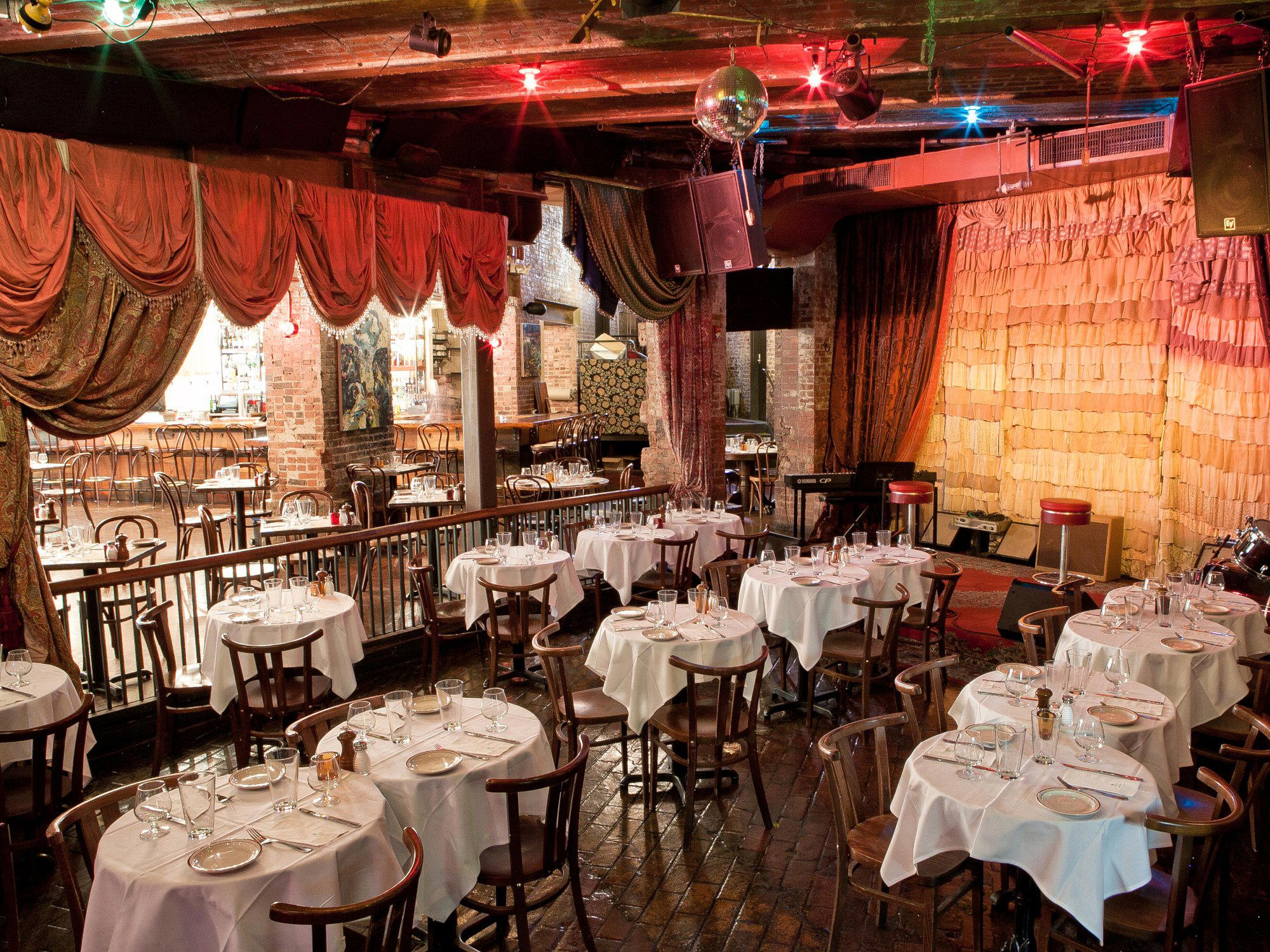
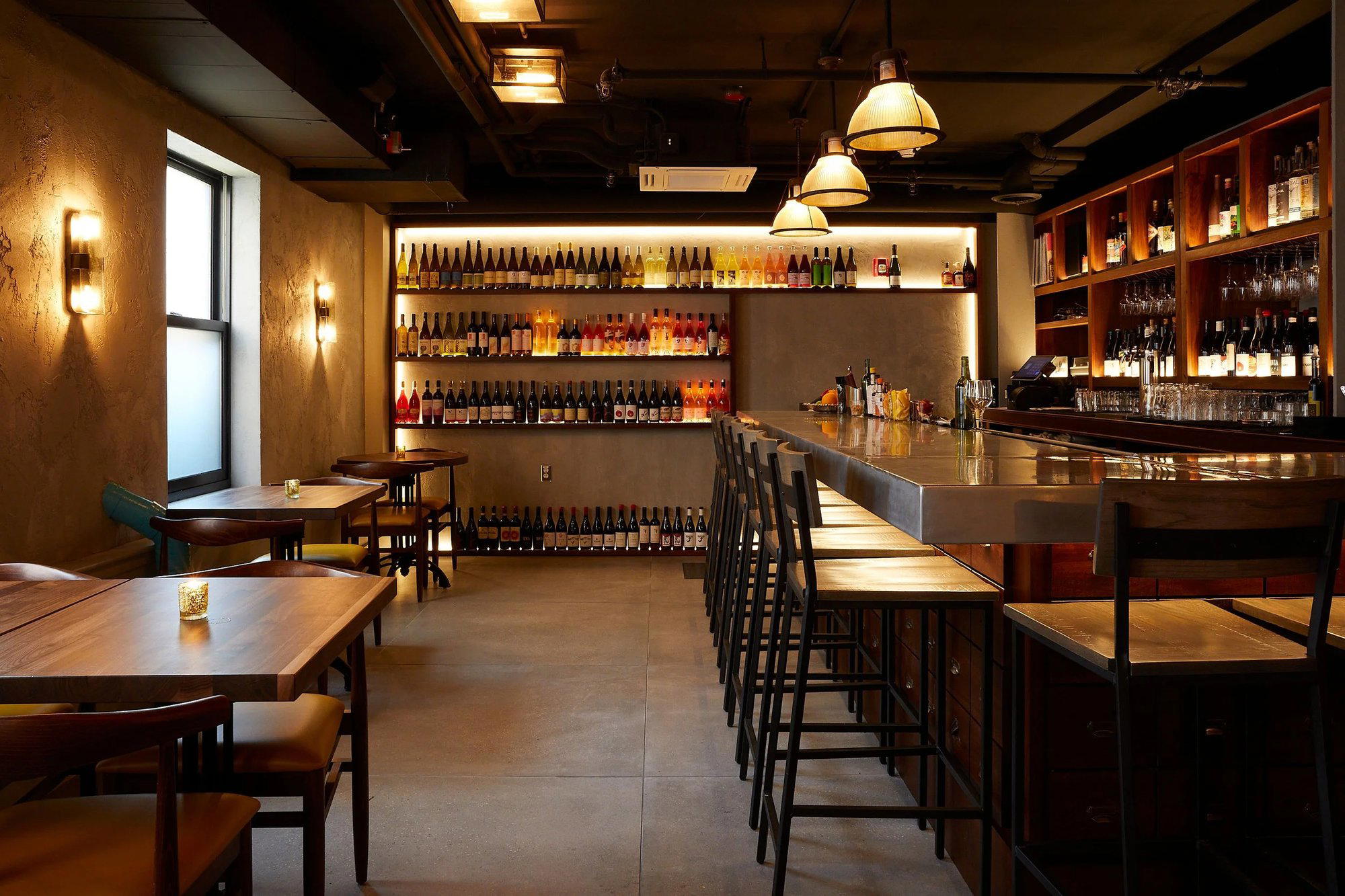
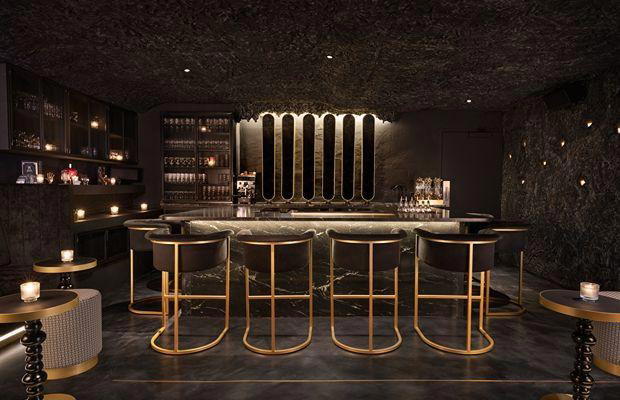
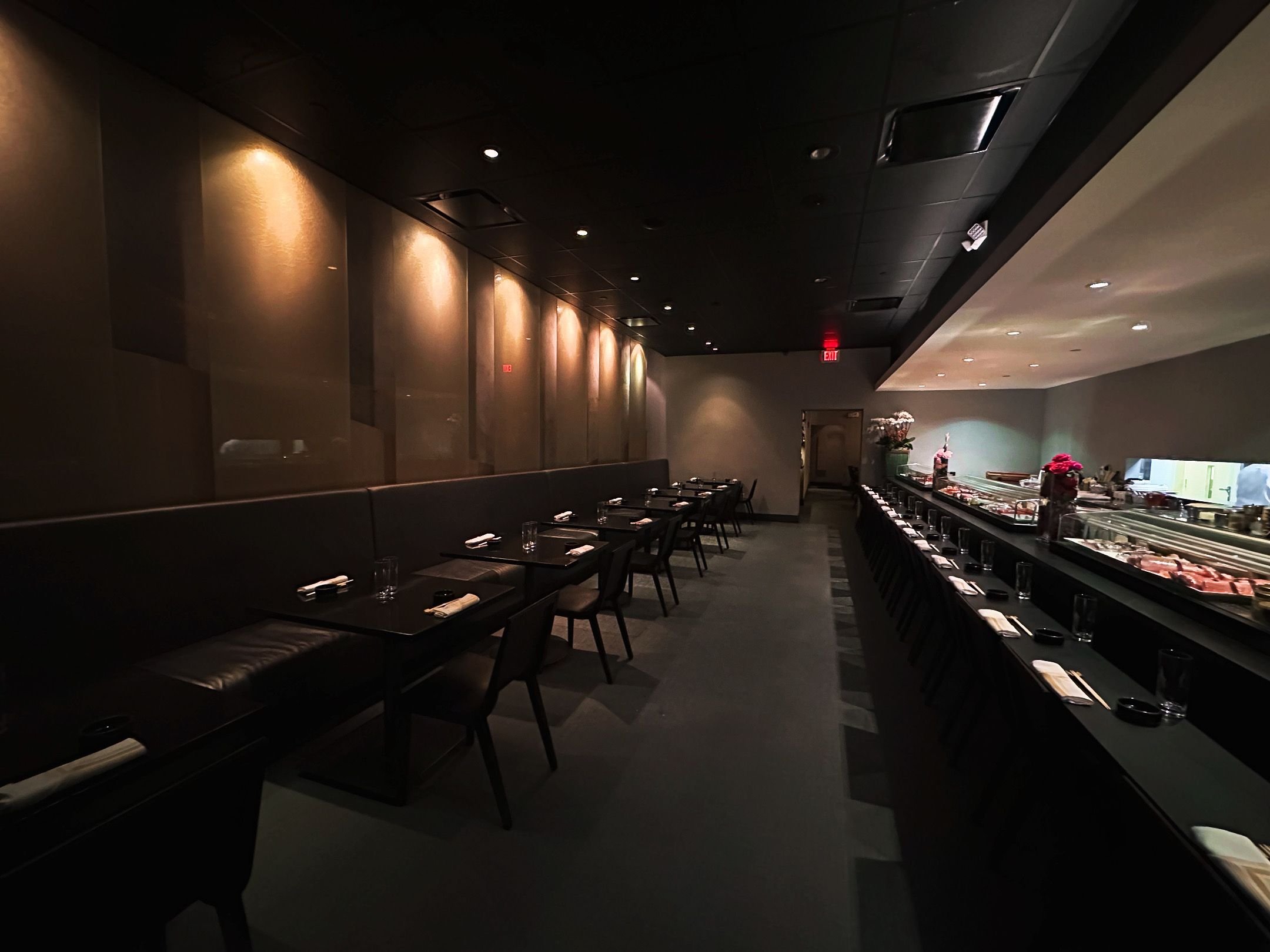
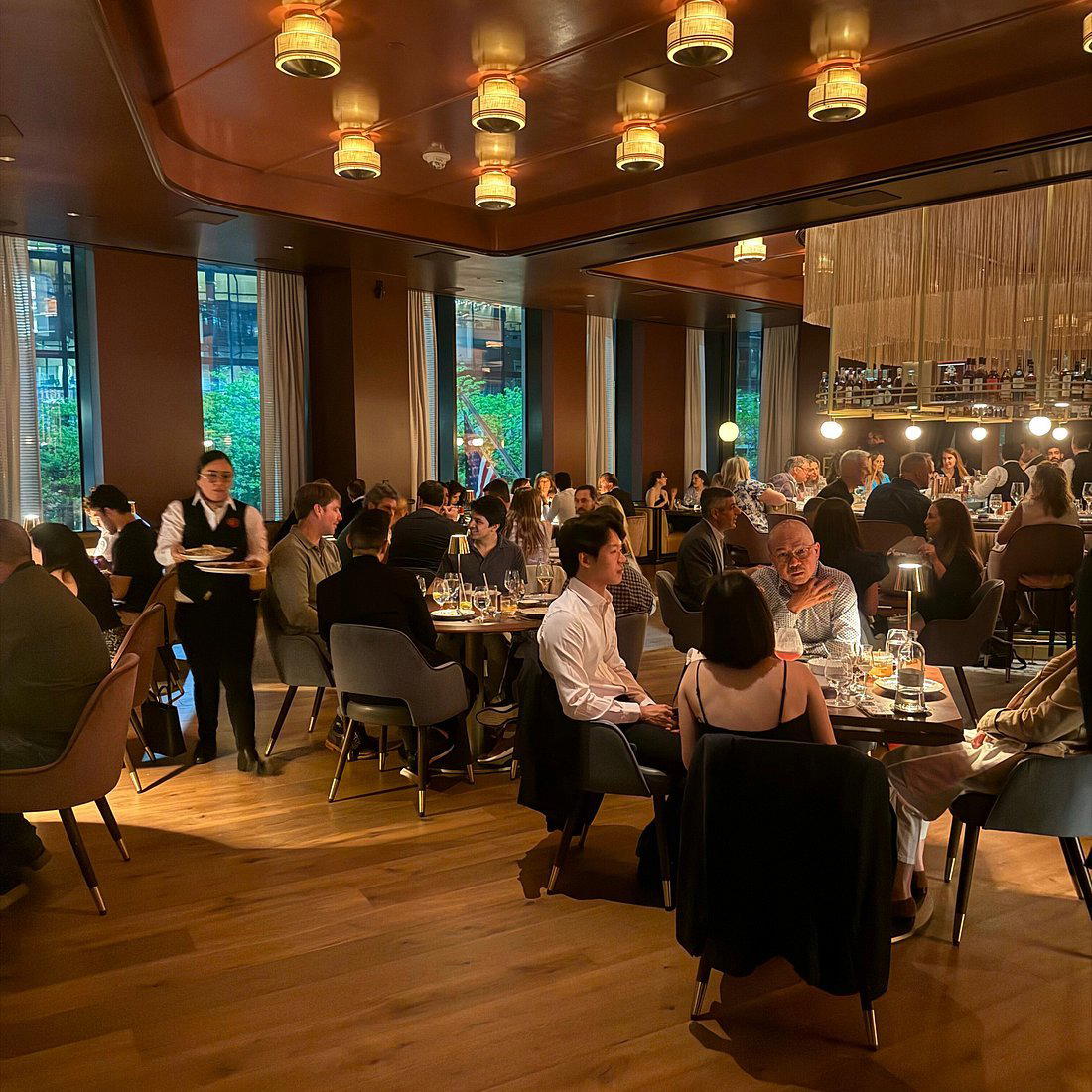
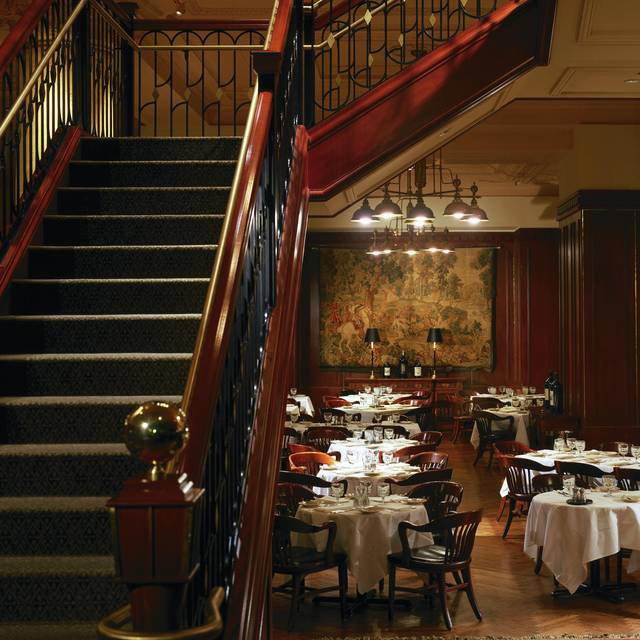
The space at 541 Tremont descends into a basement-level room that opens wider than its entrance suggests. The design language is vintage American supper club filtered through a downtown arts-bar sensibility: exposed brick, warm low light, and a stage positioned so that most seats carry a sightline to the performers. This is not incidental. The physical arrangement commits the kitchen to a particular menu logic: dishes need to work for tables that are half-watching a jazz set, which means the menu skews toward shareable formats, approachable proteins, and a drinks list deep enough to anchor a two-hour stay. Menu architecture in this kind of room is a constraint as much as a creative choice, and the venues that handle it well are the ones that treat the constraint honestly rather than fighting it.
In Boston's dining scene, that honesty is rarer than it sounds. The city's fine-dining tier has largely separated itself from live entertainment; the supper-club format sits in a different tier. Beehive positions itself differently: the entertainment program is structural to the offer, not decorative.
Reading the Menu as a Document
Menus in venues like this tend to reveal their priorities through their proportions. A room that leads with eight pages of cocktails and two pages of food is making a statement about what it thinks you're actually there for. A room with a food menu that spans small plates, larger mains, and a dessert section of similar weight is signaling that the kitchen expects to feed you, not just sustain you through a second drink. The menu structure at Beehive aligns with the latter model: this is a restaurant that also has music, not a bar that also has food.
That distinction matters for how you plan the visit. The South End's dining rhythm runs later than many Boston neighborhoods; the area's professional-residential demographic supports post-work tables that extend well into the evening. Venues like Abe & Louie's on Boylston pull a more conventional dinner-service crowd, but Tremont Street's restaurants including Beehive absorb a later, more fluid wave of diners who arrive after a gallery opening or a first drink elsewhere.
The Cocktail Program in Context
American cities have spent the last decade building serious cocktail programs into restaurant formats that previously treated drinks as a revenue category rather than an editorial one. In Boston, that shift is visible across the South End and the adjacent Fort Point neighborhood, where bars like Equal Measure have developed programs with the same structural ambition as their food menus. The national reference points are venues like Kumiko in Chicago, where the drinks menu operates with tasting-menu precision, or Jewel of the South in New Orleans, where historical cocktail research shapes the list. Julep in Houston and ABV in San Francisco represent the West and South variations on the same pattern. In that national context, Beehive's cocktail program belongs to the entertainment-venue tier rather than the dedicated cocktail-bar tier, which means it prioritizes accessibility and volume over esoteric depth. That is not a criticism; it is the correct strategic position for a room running live music six nights a week.
For comparison, venues like Bar Leather Apron in Honolulu, Superbueno in New York City, and The Parlour in Frankfurt each operate cocktail programs where the drink is the primary reason to visit. Beehive inverts that hierarchy: the music and the room are the primary draw, the menu is the infrastructure that makes a full evening possible.
Where It Sits in the South End's Dining Tier
Boston's South End operates across a wide price spread, from the $15-a-plate lunch counters on Washington Street to tasting menus that clear $200 per person before wine. The entertainment-restaurant hybrid format typically occupies the accessible middle: prices set at a point that supports a full table spend without requiring the commitment of a tasting menu. This positions Beehive alongside the city's more casual creative-district venues rather than its reservation-essential dining rooms. The neighborhood's gentrification arc means that accessible pricing is increasingly relative, but the supper-club format structurally resists the extreme upper tier because the entertainment component sets expectations about value and duration that a $300-per-head meal cannot comfortably meet.
For visitors orienting around Boston's dining map, Beehive belongs on an evening that starts with a drink nearby, moves into dinner with music, and ends late.
Planning the Visit
The venue's position at the arts-corridor end of Tremont means the surrounding block has enough bars and galleries to fill a pre-dinner hour without crossing into a different neighborhood.
Where It Fits
Comparable venues nearby, for context on price, style, and recognition.
| Venue | Cuisine | Price | Awards | Notes |
|---|---|---|---|---|
| Beehive RestaurantThis venue — the venue you are viewing | lounge | $$ | , | |
| Vee Vee | beer_bar | $$ | , | Pondside |
| Birds of Paradise | cocktail_bar | $$ | , | North Brighton |
| Cunard Tavern | rooftop_bar | $$ | , | Jeffries Point |
| Korean Garden | Bar | $$ | , | Allston |
| Suya Joint | lounge | $$ | , | Roxbury |
At a Glance
- Bohemian
- Cozy
- Lively
- Intimate
- Date Night
- Casual Hangout
- Live Music
- Historic Building
- Lounge Seating
- Booth Seating
- Classic Cocktails
- Craft Cocktails
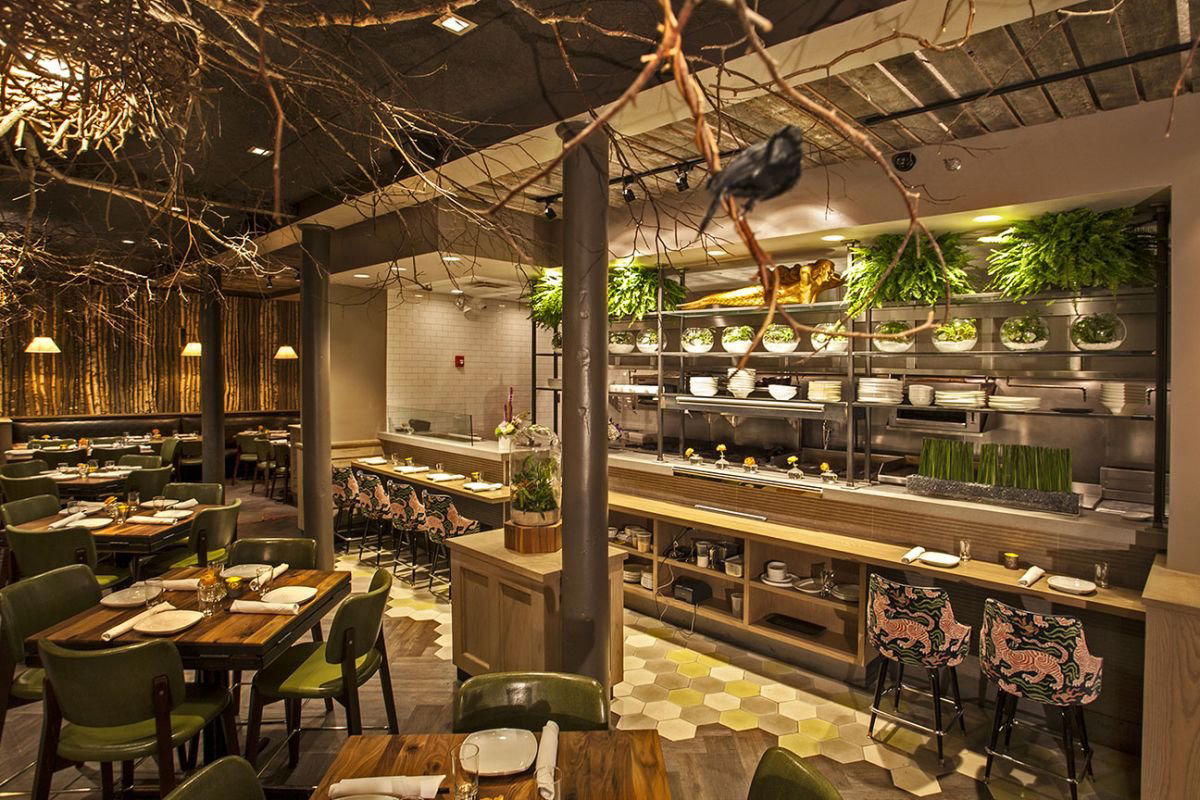
Cozy and elegant with exposed brick, sparkling chandeliers, velvet drapes, and vibrant live performances.