1928 Rowes Wharf
Our verdict
Positioned on one of Boston Harbor's most historically charged stretches of waterfront, 1928 Rowes Wharf occupies a setting where the city's maritime past and contemporary dining appetite converge. The address places it within reach of the Financial District and the ferry terminals that have defined this wharf since the early twentieth century. Visitors can check the EP Club Boston guide for full context on where it sits among the city's broader dining options.

Pearl is the En Primeur Club membership app, where members save venues, book tables and use the concierge.
The menu
What to order
- 1928 Burger
- Deviled Eggs with Caviar
- Braised Short Ribs
- Seafood Tower
- Shrimp Scampi
Where the Harbor Shapes the Table
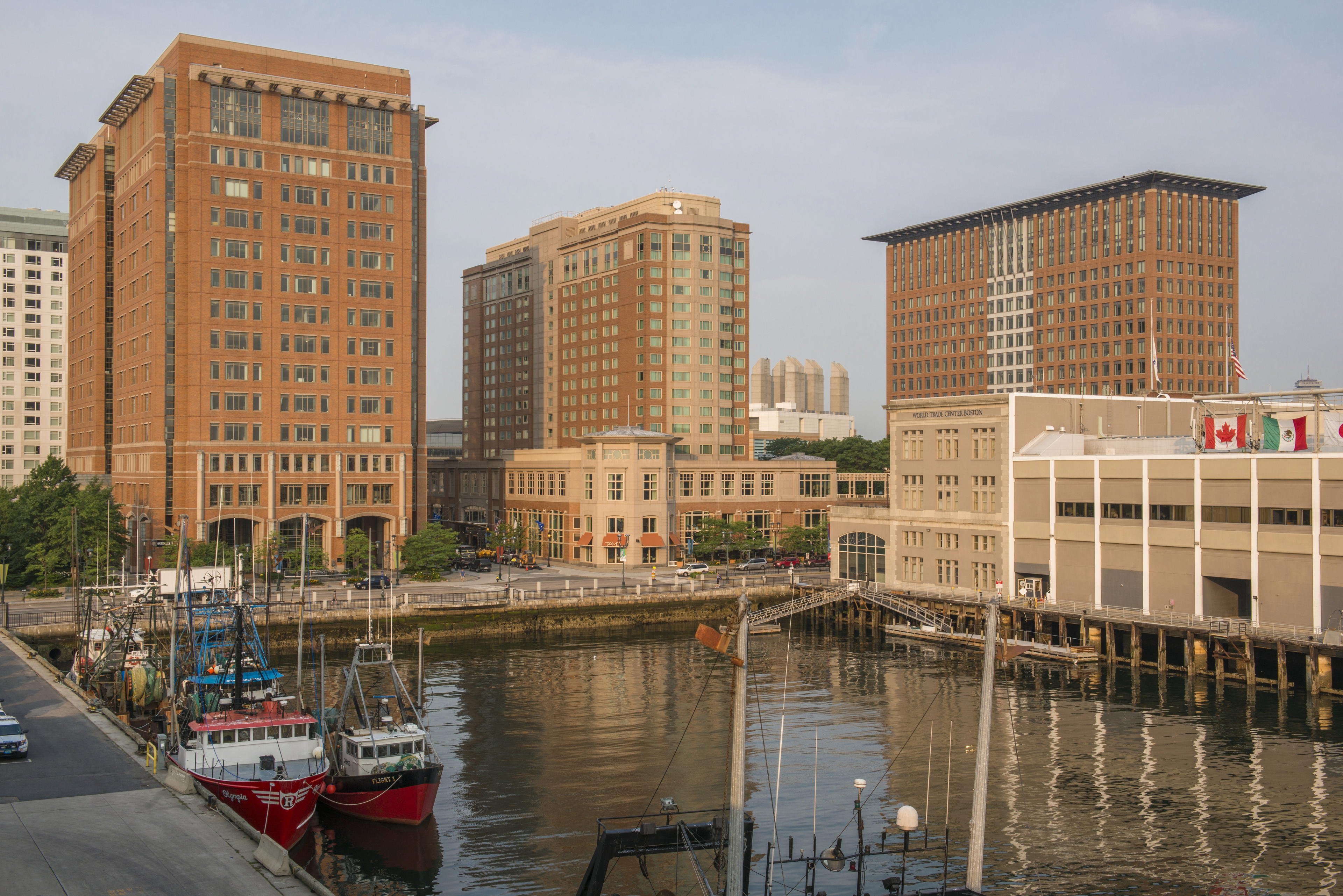
Boston's waterfront dining has always carried a particular weight, not the manufactured atmosphere of tourist-facing fish shacks, but the earned authority of a city that built its commercial identity on the water. Rowes Wharf, running along Atlantic Avenue at the edge of the Financial District, sits at the more composed end of that tradition. The 1928 address refers to a stretch of harbor-facing real estate where the Boston skyline and the open water compete for attention in roughly equal measure. Arriving by foot from the Rose Kennedy Greenway, or by ferry from Logan Airport across the inner harbor, produces two entirely different first impressions of the same address, which says something about how the wharf functions as both a working transit node and a destination in its own right.
New England seafood, at its considered end, has spent the last two decades pulling away from the butter-and-breadcrumb tradition that defined it through much of the twentieth century. The shift has been gradual rather than dramatic: raw bars with serious sourcing protocols, preparation that trusts the ingredient rather than masking it, and wine programs designed around the briny salinity of shellfish rather than defaulting to generic whites. Boston's harbor restaurants that sit in the upper tier of this movement occupy a narrower category than their sheer volume of seafood options might suggest. For context on how the city's raw-bar and seafood tradition compares at different price points, Neptune Oyster defines the no-reservations, high-turnover end of the market, while Ostra occupies the more formal seafood grill tier.
The Cultural Weight of the Wharf Address
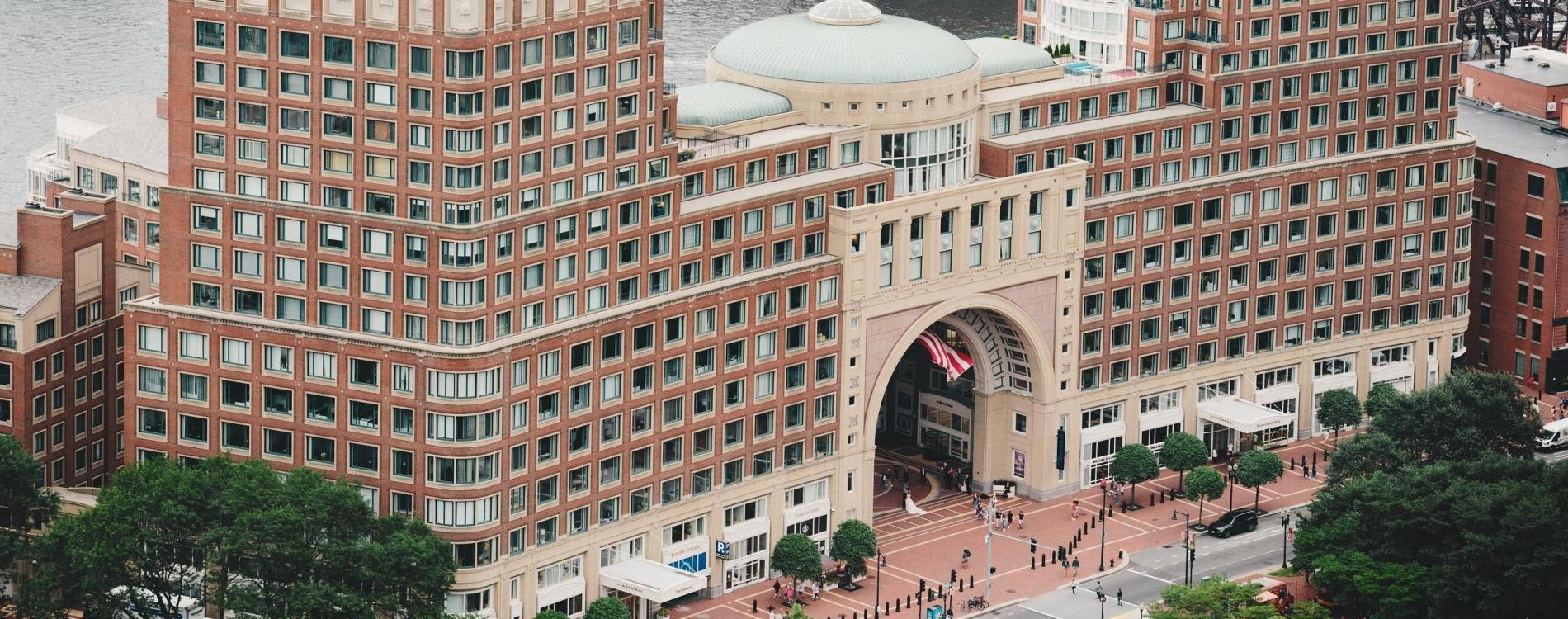
The number 1928 carries its own resonance along this stretch of harbor. Rowes Wharf has been a working waterfront address since the nineteenth century, and the infrastructure visible today, the arched brick gateway, the hotel tower behind it, dates from a 1987 development that preserved the wharf's civic scale while converting it into a mixed-use property. The tension between that preserved industrial character and the contemporary programming it now houses is precisely what makes the address interesting from a dining perspective. Boston's most historically grounded restaurant settings tend to produce a version of hospitality that leans into the city's self-awareness about its own past, and Rowes Wharf provides that backdrop with more architectural conviction than most.
New England's culinary roots run through Portuguese fishing communities in New Bedford and Provincetown, through French Canadian influence in the mill cities to the north, and through the Yankee tradition of cooking what the season allows rather than what fashion demands. The most persuasive dining on this waterfront tends to acknowledge at least one of those threads. For a sense of how Portuguese culinary roots translate into a more contemporary fine-dining register in Boston, Agosto offers the chef's counter tasting menu format as a comparison point.
Setting 1928 Rowes Wharf in Its Competitive Tier
Boston's harbor-adjacent dining now spans a range from the casual waterside positioning of 75 on Liberty Wharf to the more format-driven ambition of venues like 311 Omakase, which applies the counter-format discipline of Japanese omakase to seafood in a way that has no direct predecessor in the city. The 1928 Rowes Wharf address positions itself somewhere in this range, with the harbor setting functioning as a contextual asset rather than a marketing device. That distinction matters: waterfront venues that rely on the view as their primary offering tend to underperform on the plate, while those that treat the geography as background rather than foreground more often earn sustained attention.
On a national scale, the top tier of American seafood-driven fine dining, Le Bernardin in New York City and Providence in Los Angeles among them, operates with Michelin recognition and tasting-menu formats that have defined the category's ceiling. Boston's equivalent ambition, while genuine, has historically expressed itself differently: fewer multi-course seafood progressions, more emphasis on sourcing transparency and ingredient-first simplicity. The city's dining identity has never fully aligned with the tasting-menu orthodoxy that drives recognition at venues like Alinea in Chicago or The French Laundry in Napa, and that distinction shapes what a serious waterfront address here can reasonably aim for.
What to Know Before You Go
Rowes Wharf is accessible from the Financial District on foot, Atlantic Avenue runs directly along the harbor edge, and the water taxi from Logan Airport docks at the wharf itself, making it a plausible first stop after arrival if timing allows. The surrounding blocks include the Boston Harbor Hotel, and the wharf's public promenade is active in warmer months, which affects both the ambient noise level of dining rooms facing the water and the general pace of service. Visitors planning a broader evening in this part of the city might consider how 1928 Rowes Wharf connects to the South Boston waterfront corridor, where venues like Al Dente Ristorante and the steakhouse tier represented by Abe and Louie's extend the evening's options in a different culinary direction.
For those calibrating Boston against the broader American fine-dining map, it is worth noting that the waterfront tradition here differs meaningfully from what you find at coastal-adjacent properties elsewhere. Single Thread Farm in Healdsburg and Blue Hill at Stone Barns in Tarrytown operate with a farm-to-table ideology that has shaped how high-end American restaurants position sourcing. Boston's waterfront addresses have their own version of that conversation, rooted in fishing community relationships and seasonal catch cycles rather than agricultural land. The full context for where 1928 Rowes Wharf sits within Boston's current dining moment is covered in our full Boston restaurants guide.
Frequently asked questions
What part of town is 1928 Rowes Wharf in?
1928 Rowes Wharf is located at 30 Rowes Wharf, Boston, MA 02110, Boston.
What dish is 1928 Rowes Wharf famous for?
The name 1928 signals a deliberate nod to the wharf's working history, which tends to shape menus oriented around regional and maritime produce.
Can I walk in to 1928 Rowes Wharf?
Rowes Wharf sits along Atlantic Avenue at 30 Rowes Wharf, Boston, and is reachable on foot from the Financial District in a matter of minutes. The water taxi connection from Logan Airport also makes this address accessible without crossing the city by road.
What has 1928 Rowes Wharf built its reputation on?
The venue draws on one of Boston's most consequential harbor addresses, Rowes Wharf has operated as a working waterfront since the nineteenth century, and the 1928 reference in the name anchors it to that documented history. Within Boston's harbor-adjacent dining tier, the address itself carries weight that newer waterfront openings on purpose-built piers do not have. Specific awards or critical recognition have not been confirmed in the record, but the location's historical standing is its primary credential.
Price Lens
Comparable venues nearby, for context on price, style, and recognition.
| Venue | Cuisine | Price | Awards | Notes |
|---|---|---|---|---|
| 1928 Rowes WharfThis venue (the venue you are viewing) | Classic New England American with French Influences | $50–100 | Not listed | Not listed |
| Eastern Standard | New England Brasserie | $30–50 | Wine Spectator Best of Award of Excellence | Kenmore, New England Brasserie |
| University of Massachusetts Club | Contemporary American Seafood | Not listed | Not listed | Downtown, Contemporary American Seafood |
| Blu | Contemporary American Fine Dining | $50–100 | Not listed | Downtown Crossing, Contemporary American Fine Dining |
| STK - Boston | Modern Steakhouse | Not listed | Wine Spectator Award of Excellence | Back Bay, Modern Steakhouse |
| Bostonia Public House | Contemporary American / New England | $30–50 | Not listed | Downtown, American Contemporary Gastropub |
Continue exploring
More in Boston
Restaurants in Boston
All restaurants in Boston →
Bars in Boston
All bars in Boston →
1928 Rowes Wharf
The wine
- Extensive wine list
- Craft cocktails
- Beer program
Details
- Elegant
- Intimate
- Classic
- Scenic
- Date Night
- Business Dinner
- Special Occasion
- Private Event
- Waterfront
- Private Dining
- Historic Building
- Hotel Restaurant
- Extensive Wine List
- Craft Cocktails
- Beer Program
- Farm To Table
- Sustainable Seafood
- Local Sourcing
- Waterfront
- A La Carte
- Small Plates
- Craft Cocktails
- Wine
- Spirits
- Pescatarian Friendly
Current opening hours
- Monday
- 4 PM–12 AM
- Tuesday
- 4 PM–12 AM
- Wednesday
- 4 PM–12 AM
- Thursday
- 4 PM–12 AM
- Friday
- 4 PM–12 AM
- Saturday
- 11 AM–12 AM
- Sunday
- 11 AM–12 AM
Hours can change for holidays and private events. Hours as of .
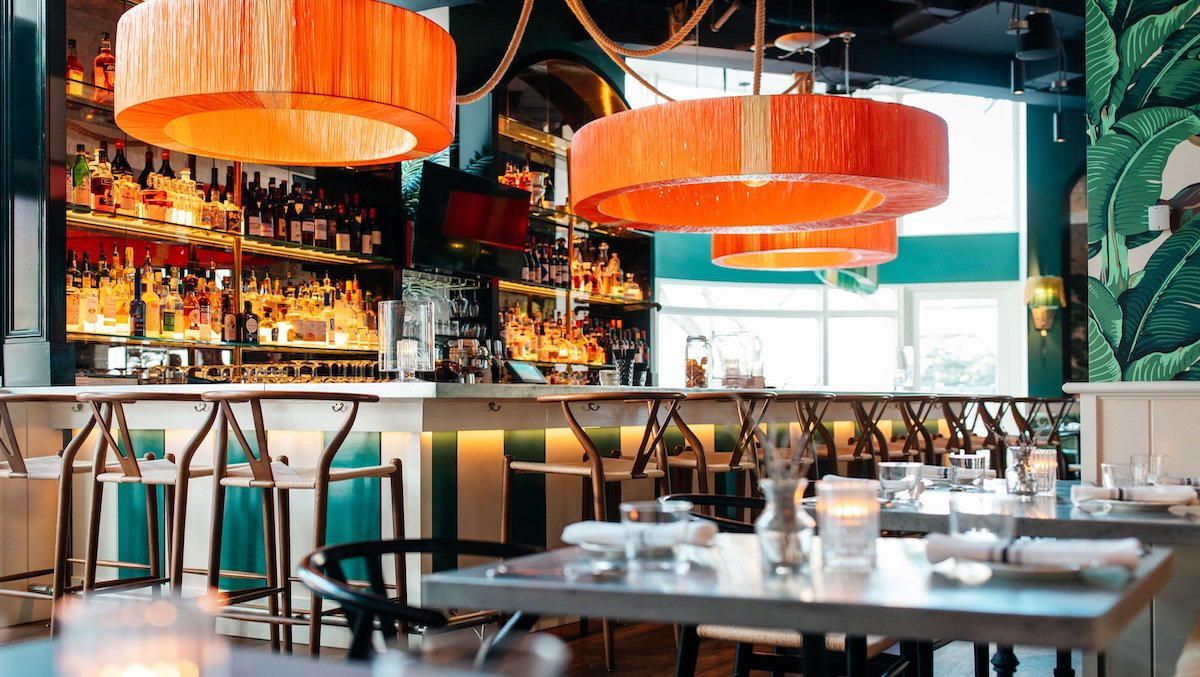
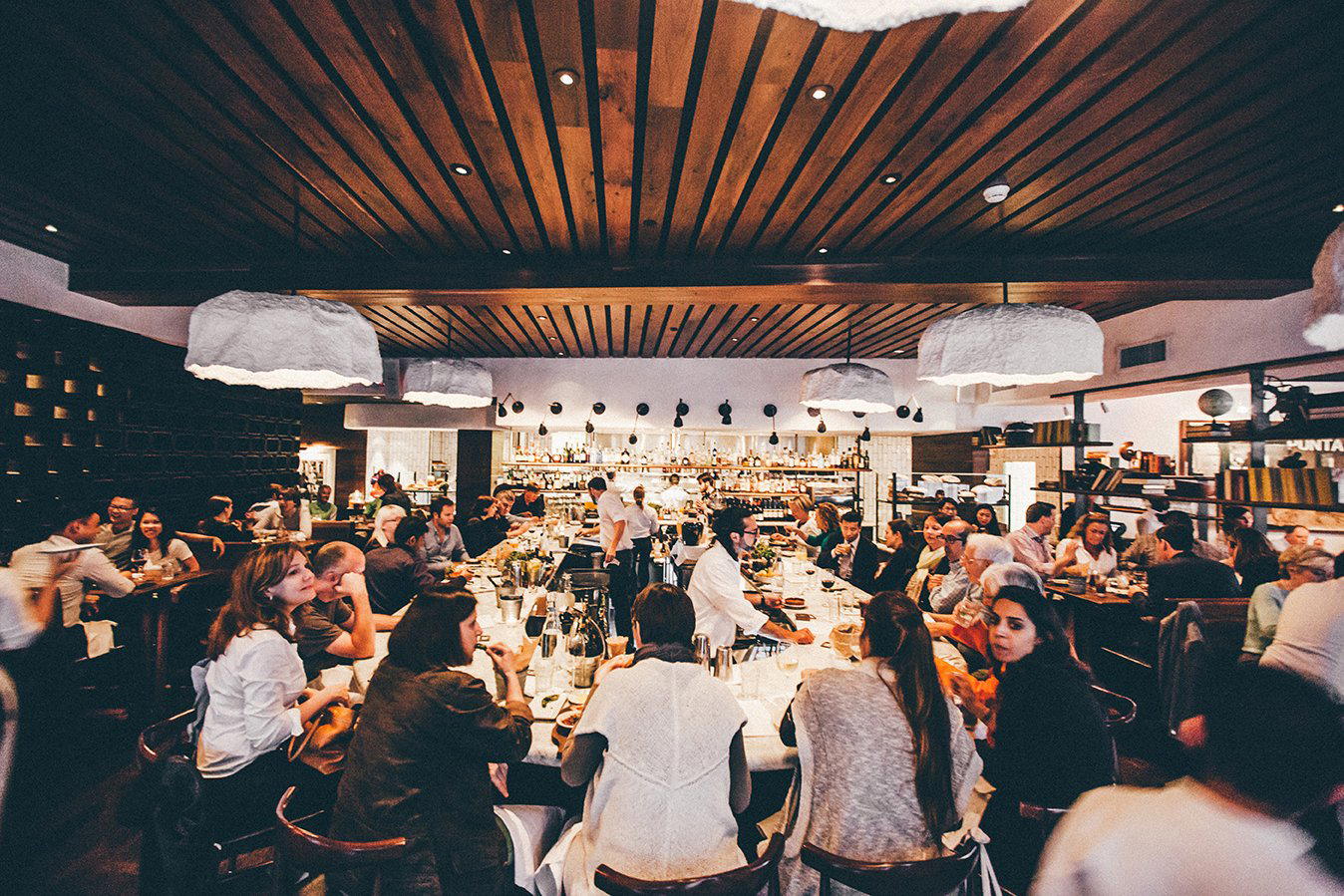
Intimate and inviting with warm hospitality, featuring distinct semi-private spaces that balance seclusion with lively energy.