
Jo Kigen belongs to Tokyo’s tachinomi tradition: compact standing-bar drinking built around sake, shochu, seafood, and regulars who understand the rhythm of a small room. Its 2025 Tabelog 100 Tachinomi selection places it in a sharper category than casual after-work drinking, with a format that rewards small parties, patience, and an appetite for the unwritten rules of Shinbashi.
Pearl is the En Primeur Club membership app — saves, bookings, and concierge access live there. Same editors, same standards.
- Address
- REVERIE SHINBASHI, 9階, 4 Chome-21-8 Shinbashi, Minato City, Tokyo 105-0004, Japan
- Phone
- +81 3-6453-0088
- Website
- tabelog.com
 Saves & bookings on Pearl
Shinbashi after dark sounds like train brakes, office shoes on pavement, and quick counter greetings before anyone has sat down. The standing-bar tradition here is not novelty; it is how Tokyo drinks after work: fast, close, and impatient with indecision. Jo Kigen sits inside that culture, a compact sake-and-seafood address where the regulars’ advantage is not a secret menu but fluency in the room’s tempo.
Tachinomi can be misread from outside Japan as cheap drinking with snacks. In Tokyo, the stronger examples are disciplined. The format compresses everything: fewer seats, shorter exchanges, tighter ordering, and a closer bond between drink and food. A 2025 Tabelog 100 Tachinomi selection gives Jo Kigen a formal marker, but the clearer signal is its combination of stand-up bar, seafood, and Japanese sake bar. This is not a cocktail-led bar borrowing izakaya language. It belongs to a lineage where sake and shochu are the centre of gravity, and seafood gives them structure.
Shinbashi tachinomi, read through regulars rather than spectacle
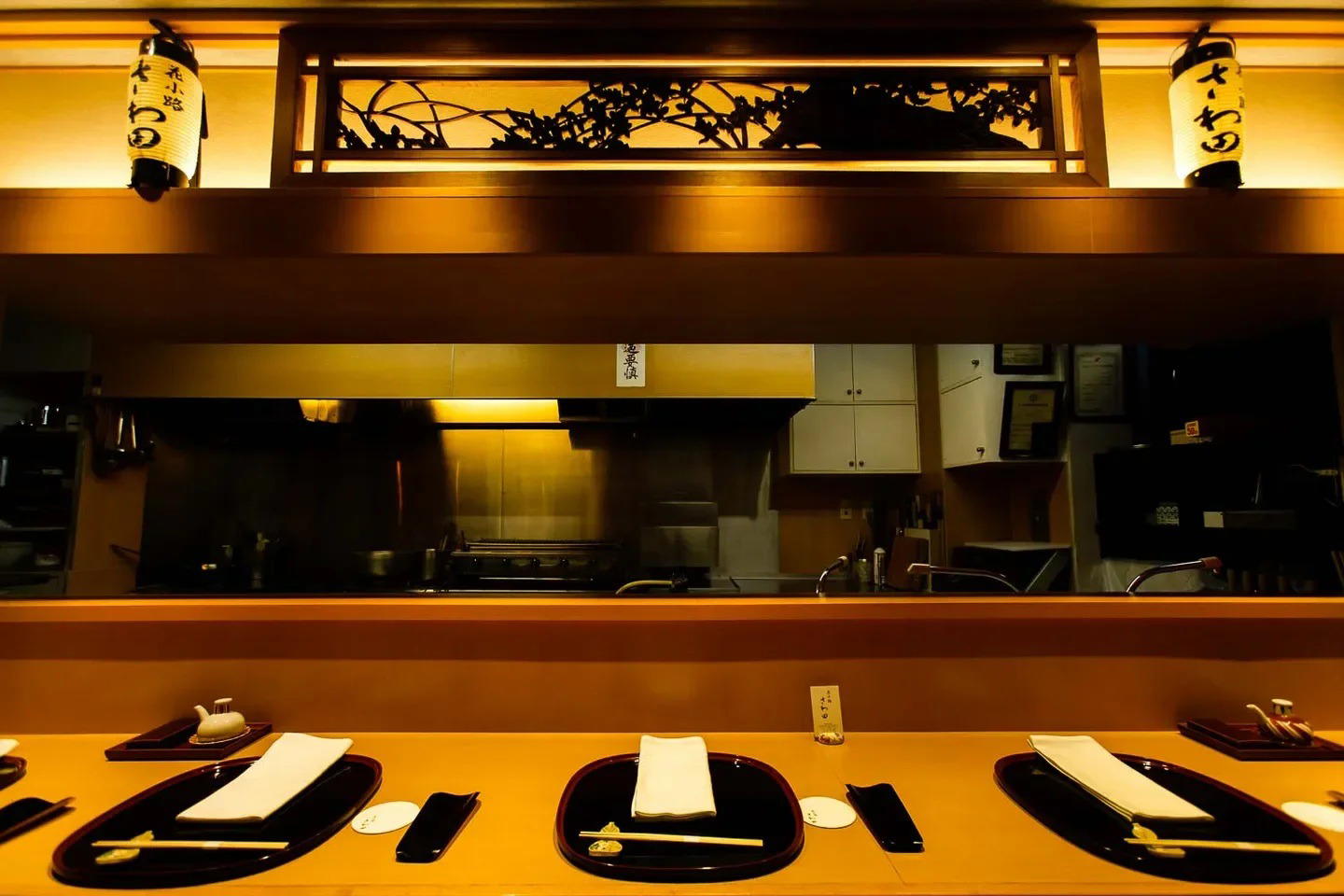
Tokyo’s premium dining conversation often favours counters with long deposits, tasting menus, and international trophy hunting. Shinbashi offers another seriousness. Its after-work rooms prize repeat behaviour: knowing when to order, how much space to take, and when to move on. Jo Kigen’s small format, with standing tables and counter seating, makes that contract visible. The room suits parties that fold into the flow, not large groups treating the evening as private.
That regulars’ perspective matters because tachinomi is less discovery than rhythm. First-timers may seek a defining plate; returning drinkers read the blackboard, bottles, counter pacing, and balance between food orders and poured alcohol. The draw is cumulative. In this tier, distinction is not luxury service but precision under constraint: seafood handled as bar food without becoming an afterthought, sake chosen with more intent than a generic drinks list, and a room small enough that inefficient ordering affects everyone.
Tabelog’s tachinomi selection also shows how the category has moved. Stand-up bars are no longer judged only as inexpensive, informal stops between stations. Sharper addresses now compete on curation, crowd discipline, and turning a narrow footprint into a complete evening. The restaurant’s price band keeps it in Shinbashi’s democratic drinking zone, while its recognition lifts it above interchangeable beer-and-fried-food circuits.
Sake, shochu and seafood form the grammar
The menu identity is clear without naming a signature dish: seafood and Japanese alcohol set the frame. That matters in Tokyo, where many izakaya-style rooms sprawl across grilled meat, fried food, noodles, and casual drinking. Here the appeal is narrower. Sake and shochu are not supporting characters; they set the meal’s pace. Seafood anchors the counter, especially for drinkers wanting a lighter, sharper progression than meat-heavy izakaya ordering.
There is no need to force a chef-led narrative onto this kind of place. Tachinomi culture is built less on auteur language than repeatable judgement: what is in condition, what pairs naturally with the bottle in front of the guest, and how a small room stays coherent through a busy evening. The absence of a public chef profile does not weaken the story. In this category, authority often appears through operations rather than biography.
Compared with higher-spend Tokyo rooms such as Umezu or Mitsumasa, this is a different decision. Those price bands suggest a more expansive night and different duration. Ganesha, at a lower price point, sits closer to everyday casual eating. The restaurant occupies the middle lane: affordable for a spontaneous Shinbashi evening, yet selective enough in format and recognition to reward drinkers who care about sake-bar discipline. It is not a substitute for sushi counters such as Sugita, nor for a French dining room such as Restaurant La FinS. It answers a separate question: where can Tokyo drinking culture feel precise without becoming ceremonial?
How to place it in a Tokyo itinerary
For travellers, treat Shinbashi as its own drinking district, not a prelude to Ginza or Roppongi. Its strength is density: compact bars, quick decisions, and a clientele that often knows what it wants before crossing the threshold. The restaurant fits an evening built around movement rather than one long booking. Its small-party bias is part of the appeal, because the room’s energy depends on turnover, restraint, and attention to the counter.
That makes it a useful corrective to Tokyo itineraries overloaded with reservation-only meals. The city’s food culture is not only omakase and kaiseki. It is also the after-work sake bar, seafood counter, and unwritten etiquette of standing shoulder to shoulder without turning the room into theatre. Visitors who understand that distinction will get more than those seeking a grand arrival.
For a broader Tokyo food map, compare this small-format drinking with casual Japanese dining at . 鮪と炭火焼き うお炭 秋葉原店, urban comfort formats such as 12/10 Shinjuku ten, grill-focused rooms like 124. KAGURAZAKA (Yakitori), visual café culture at 2D Cafe, and curry specialization at 3 Chome no Curry Ya San. The wider planning lens sits in Our full Tokyo restaurants guide, with parallel city guides for Our full Tokyo hotels guide, Our full Tokyo bars guide, Our full Tokyo wineries guide, and Our full Tokyo experiences guide.
Japan’s casual-specialist spectrum also extends beyond Tokyo: beef sukiyaki in Kamakura at -Grilled beef Sukiyaki- KAMAKURA TANUKIAN 鎌倉 たぬき庵 in Kamakura, café culture at.cafe in Osaka, Kumamoto’s contemporary dining at.know in Kumamoto, Vietnamese cooking in Kawasaki at (Shoku) Vietnam in Kawasaki, Sapporo curry at [Curry Senmon Ten] Maruyama Kyoju. in Sapporo, and Kyoto’s tighter-format dining at [ki:] in Kyoto. For the overseas echo of Japanese drinking and snack culture, compare Los Angeles sake-bar language at Jōdo Saké Bar in Los Angeles and casual rice-ball specialization at Onigiri Time in Pasadena.
The editorial verdict is simple: this is a Tokyo drinking address for people who want the city’s everyday precision rather than staged dining performance. Its value lies where Shinbashi regulars’ culture, seafood-led bar food, and sake-focused drinking meet, with Tabelog’s 2025 tachinomi recognition confirming that the category has its own serious hierarchy.
Peers Worth Knowing
Comparable venues by cuisine and price in the same metro.
| Venue | Cuisine | Price | Notes |
|---|---|---|---|
| Jo KigenThis venue — the venue you are viewing | Standing Japanese sake & seafood bar | $$ | Not listed |
| Tengoku | Retro Japanese Cafe | $$ | Asakusa |
| Kayanoya (茅乃舎) | Dashi Oden Japanese | $$ | Roppongi |
| Yamacho (黒うどん 山長) | Black Udon (Kuro Udon) | $$ | Harajuku |
| Shimbashi Ippashi | Seafood-focused Japanese Izakaya | $$ | Minato |
| Teuchi Soba Narutomi | Traditional Ginza soba & tempura | $$ | Chūō |
Recognition history
Dated appearances from independent guides and award organizations, with the underlying list record or original source where available.
Tabelog 100 #29 · No. 29
Tabelog · Tabelog 100 - Tachinomi - 2025










At a Glance
- Cozy
- Intimate
- After Work
- Casual Hangout
- Solo
- Date Night
- Standalone
- Sake Program
- Beer Program
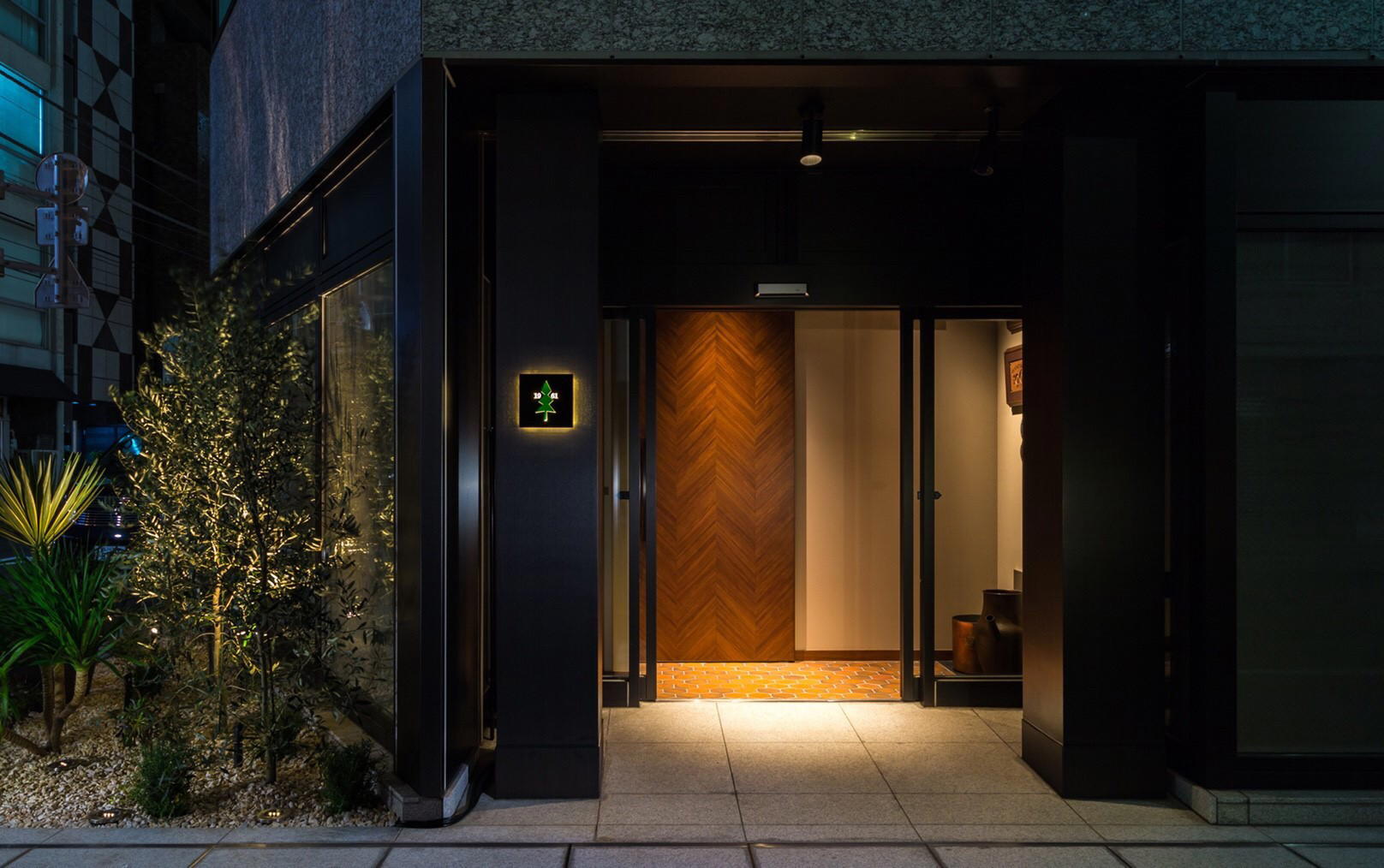
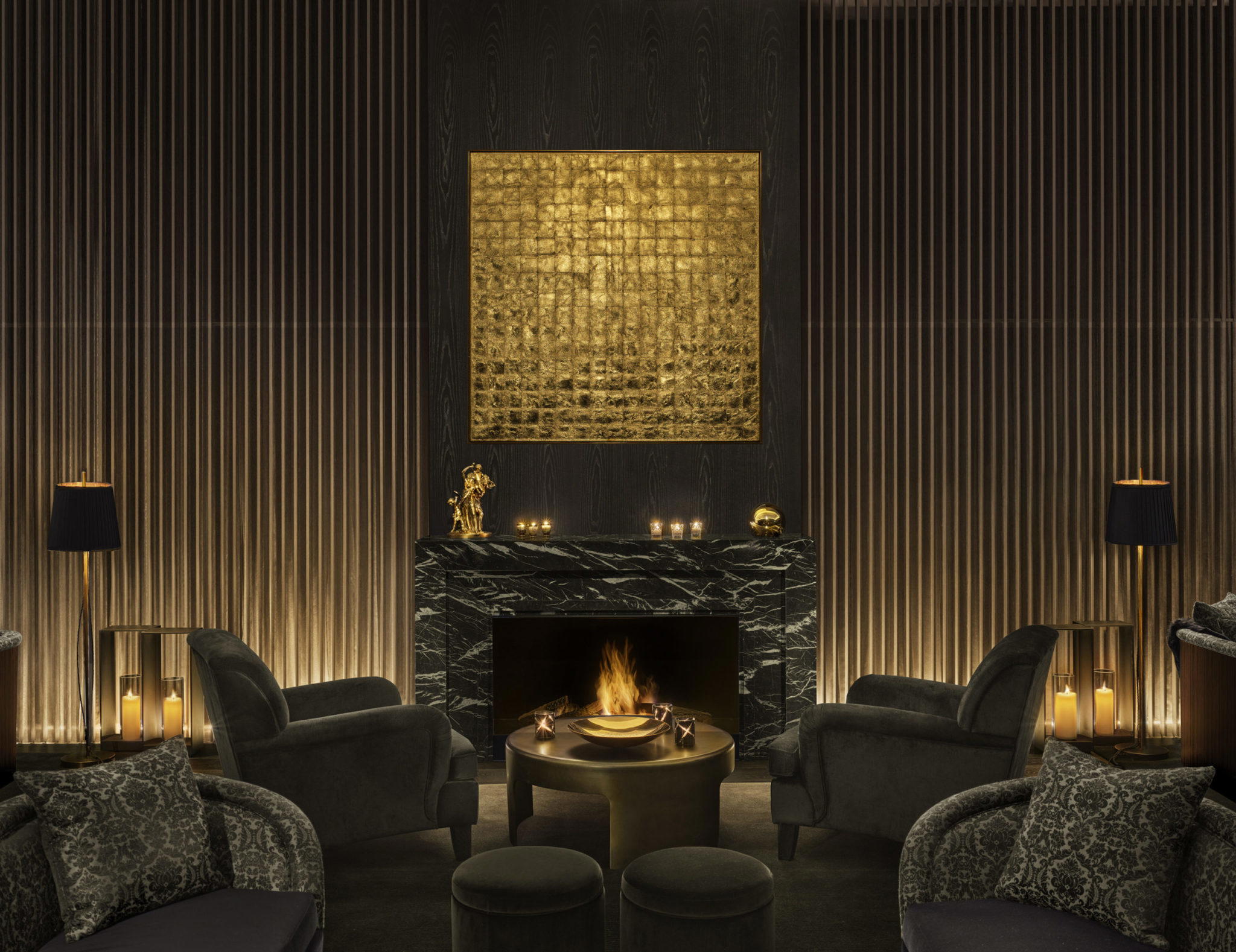
Compact, no-smoking standing bar with about a dozen counter and standing spots, warm and casual lighting, and a relaxed local feel focused on drinking sake with simple seafood dishes rather than lingering large groups.