
Shimbashi Ippashi sits in Tokyo’s after-work izakaya belt with a fish-led Japanese menu, serious sake and shochu positioning, and recognition in Tabelog’s Izakaya EAST 100 for 2025. The draw is not ceremony but value: a compact Shinbashi tavern format where seafood, drinks, counter seats, tables, and private rooms place it above casual chain drinking rooms without entering kaiseki territory.
Pearl is the En Primeur Club membership app — saves, bookings, and concierge access live there. Same editors, same standards.
- Address
- 東京都港区新橋1-18-11 一松ビル B1F
- Phone
- +81362054321
- Website
- ippashi.jp
- Directions
- Get directions
 Saves & bookings on Pearl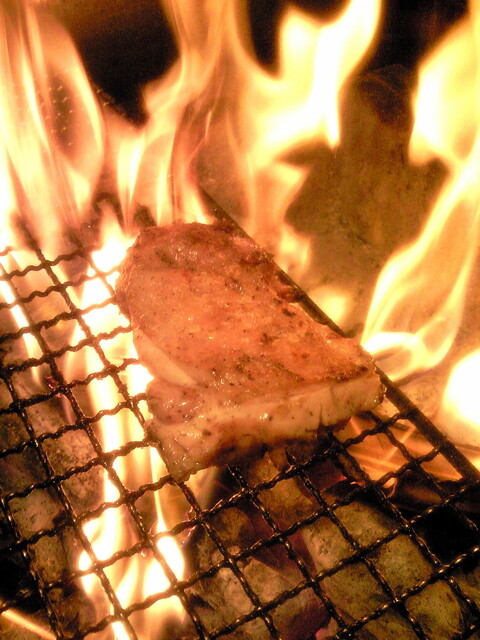
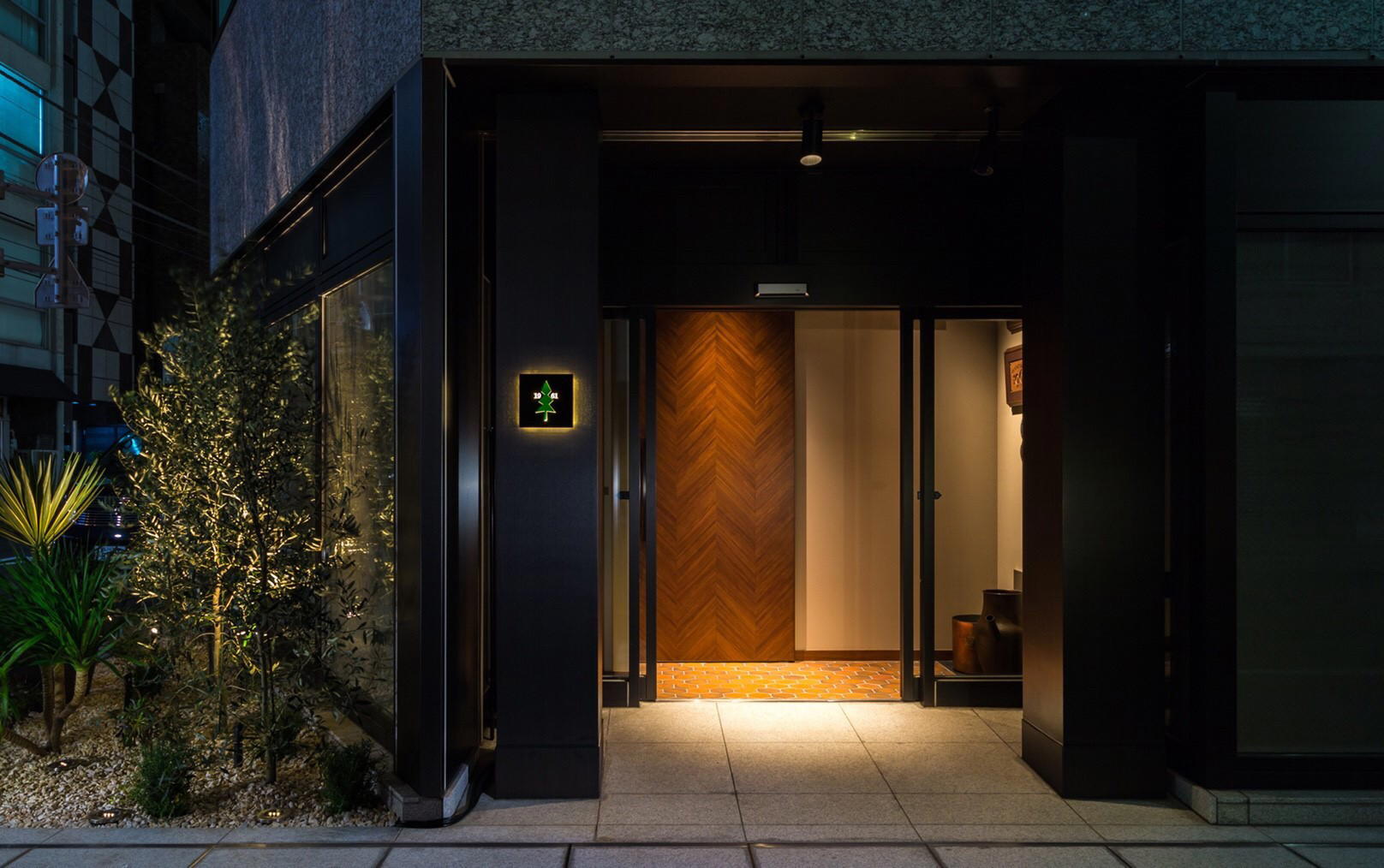
Descending to a basement izakaya in Shinbashi shifts the register of Tokyo dining. Street-level salaryman traffic gives way to a tighter rhythm: counter seats, table groups, private rooms, quick drinks, and seafood as anchor rather than side order. That is the useful lens for Shimbashi Ippashi: not grand ceremony, but Tokyo’s harder-to-parse middle tier, where serious cooking meets post-office-hour drinking culture.
That tier matters. Visitors often split Tokyo between sushi counters with long booking cycles and casual izakaya where food trails beer. Shinbashi’s better taverns sit between: judged on range, freshness, drink compatibility, and how efficiently a room handles small parties and larger groups without losing its spine. Shimbashi Ippashi’s selection for Tabelog’s Izakaya EAST 100 in 2025 places it in that competitive bracket, especially for diners wanting a meal that behaves like dinner rather than a snack sequence.
Fish-led izakaya value in Shinbashi's after-work district
The value proposition is clearest when the category is understood. This is not kaiseki with a loosened collar, nor a drinking room with incidental fried food. The public positioning is izakaya, Japanese cuisine, and seafood, with explicit fish emphasis. In Tokyo terms, that means shared plates, sake and shochu compatibility, and enough structure for an intentional evening.
Shinbashi has long been one of Tokyo’s pressure valves: office workers, media people, railway traffic, and Ginza spillover compress into a district where drinking rooms compete on reliability as much as personality. Stronger izakaya kitchens earn loyalty by avoiding two failures: overextended menus without discipline, and rooms treating food as ballast for alcohol. A fish-first stance gives this address a clearer identity, especially for diners preferring seafood and Japanese drinks over beef-heavy or yakitori-focused nights.
Comparison helps. Torishige, also in Tokyo, sits in a pork-focused lane, while Hyakuyaku by Tokuyamazushi occupies a higher-priced Japanese category. Newばし しみづ, Sotoroku, and Tsuruhachi point to narrower specialist traditions Tokyo diners pursue when the evening has a single culinary target. Shimbashi Ippashi occupies another decision point: broader than a specialist counter, tighter than a generic tavern, and useful for groups wanting seafood, drinks, and a room that can carry a full evening.
For readers mapping Tokyo by category rather than neighborhood, this is where the city gets interesting. A fish-oriented izakaya in Shinbashi answers a different need than curry, café culture, yakitori, or high-ceremony Japanese dining. Nearby or broader Tokyo reference points such as 3 Chome no Curry Ya San, 124. KAGURAZAKA (Yakitori), 12/10 Shinjuku ten, 2D Cafe, and . 鮪と炭火焼き うお炭 秋葉原店 show how segmented Tokyo dining can be. Choose the format before the address.
A compact room built for drinks, seafood, and group flexibility
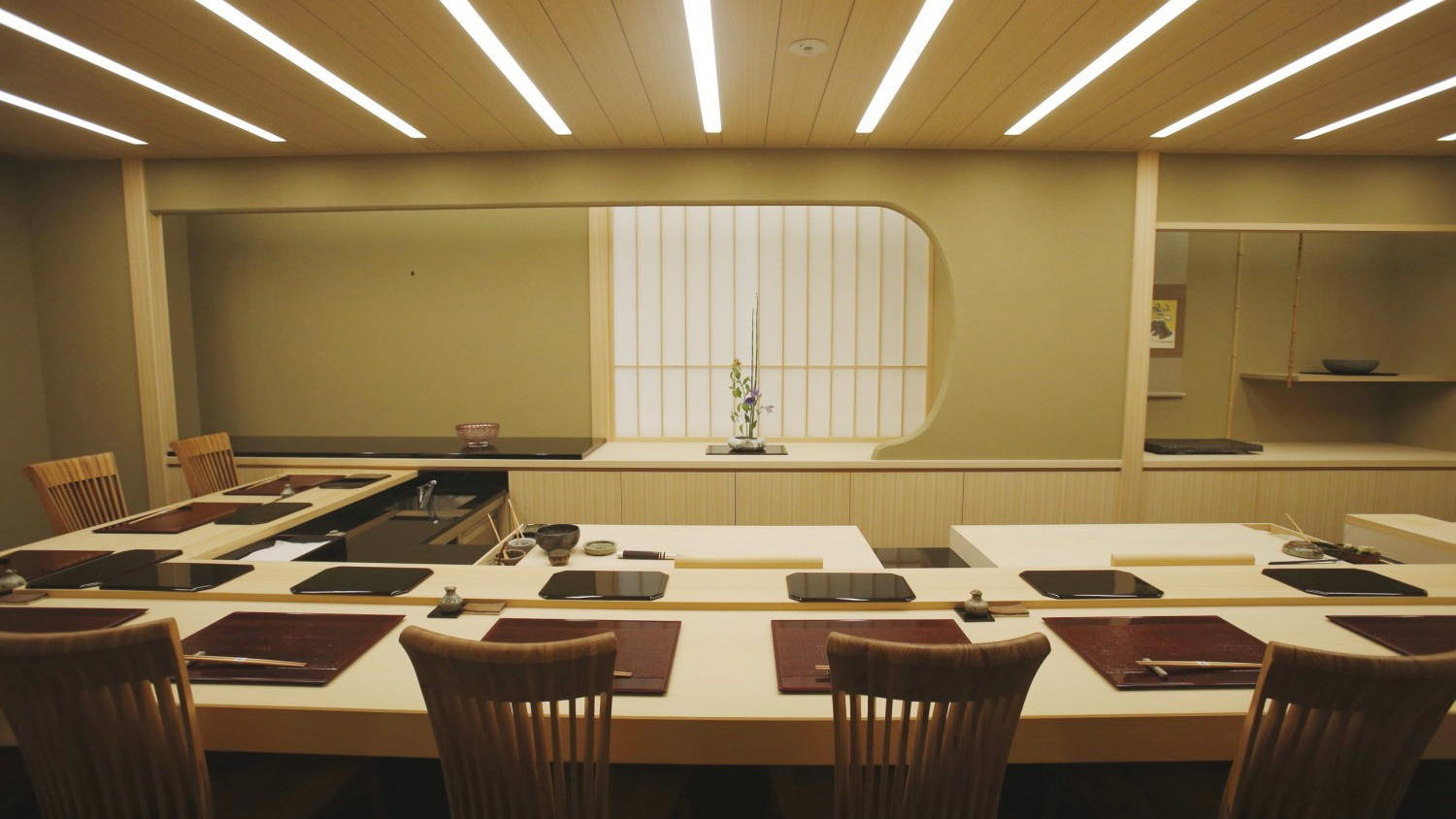
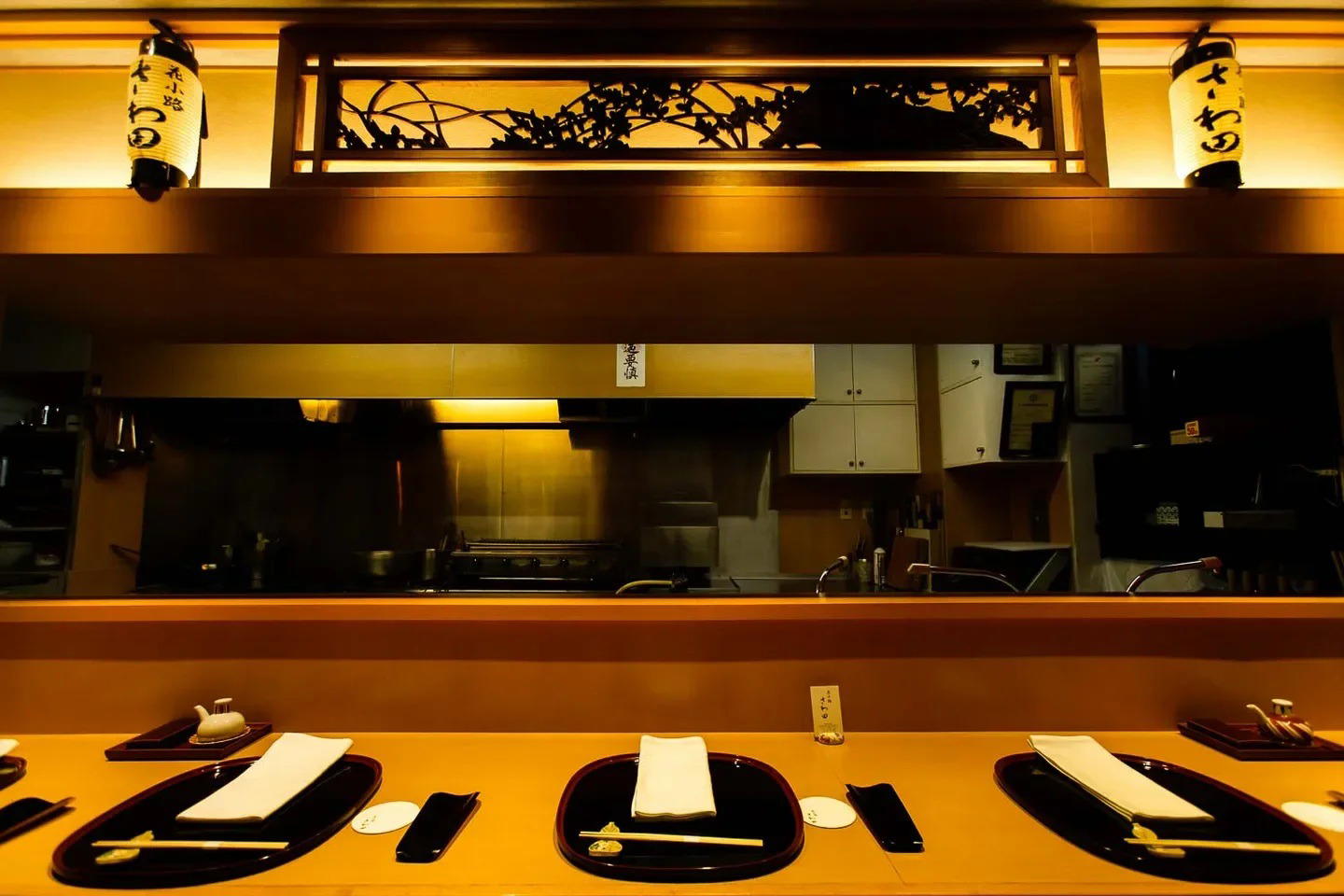
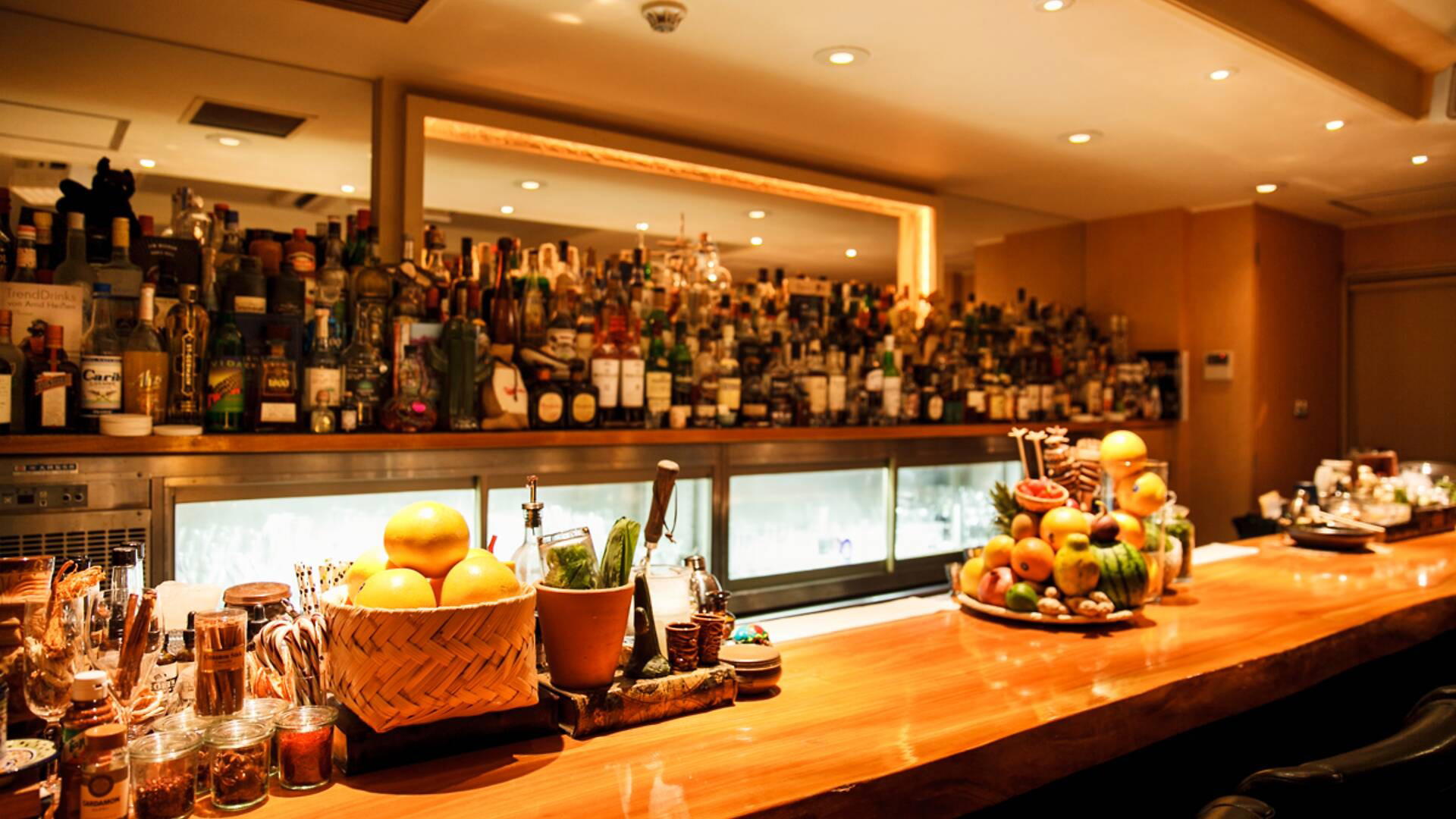
The room format explains much of the appeal. Counter seating, tables, and private rooms allow different evenings without changing category. Counter seats suit diners wanting a direct kitchen-facing tempo; tables and private rooms suit colleagues or small groups needing conversation as much as cooking. That mix is valuable in Shinbashi, where many better dinners are social rather than solitary pilgrimages.
The drinks program places the venue in a mature izakaya lane. Sake and shochu are not cosmetic; they are part of the stated identity, with wine and cocktails also available. In Tokyo izakaya culture, such breadth can warn of unfocused food. Here, the seafood emphasis keeps the frame from becoming shapeless: a group can drink across categories while dinner stays grounded in Japanese tavern cooking.
There is also a behavioral code. Scent restraint, a no-smoking policy, and an adult-only stance point to a dining environment where shared space is managed with more discipline than the average after-work drinking room. That matters for travelers wanting izakaya energy without cheap chain tavern chaos. The charge structure, late-night fee policy, and reservation conditions are not decorative fine print; they show how Tokyo’s stronger small rooms protect capacity and pacing.
For wider itineraries, Shimbashi works as the grounded Tokyo restaurant night between specialized bookings. It can sit alongside destination meals, bar-focused evenings, and hotel-led downtime without making the trip revolve around it. Use Our full Tokyo restaurants guide for dining context, then pair the night with Our full Tokyo bars guide if drinks are next. For trip structure beyond dinner, Our full Tokyo hotels guide, Our full Tokyo experiences guide, and Our full Tokyo wineries guide help separate lodging, culture, and drinking decisions.
Where it fits in a Japan dining itinerary
The reason to choose this kind of izakaya is not scarcity theater. It is calibration. Tokyo rewards diners who know when to spend heavily and when to choose a mid-range room with selection signals. Tabelog recognition, seafood focus, and drink depth make this a stronger bet than a random Shinbashi tavern, while the format stays less formal than a set-course counter. That balance is the point.
Across Japan, the same itinerary logic applies: match the meal to the city, format, and hour. A Tokyo izakaya night has little in common with -Grilled beef Sukiyaki- KAMAKURA TANUKIAN 鎌倉 たぬき庵 in Kamakura.cafe in Osaka.know in Kumamoto, (Shoku) Vietnam in Kawasaki, [Curry Senmon Ten] Maruyama Kyoju. in Sapporo, or [ki:] in Kyoto. Even overseas Japanese formats such as Jōdo Saké Bar in Los Angeles and Onigiri Time in Pasadena underline the lesson: Japanese dining is not one category, but formats with different expectations.
The restaurant is strongest for diners wanting the Tokyo izakaya form with more assurance than chance. It offers the pleasures that make Shinbashi useful, drinks, seafood, conversation, pace, without forcing the evening into a luxury template. For the money, that is often the smarter Tokyo night.
- Assorted sashimi with 10 kinds of seafood
- Obanzai set with clay pot rice and 10 small dishes
- Grilled aged fish collar
- Stewed beef soaked in dashi
- Spicy potato
- Avocado with dashi soy sauce
Peers Worth Knowing
Side-by-side context: comparable cuisine and price.
| Venue | Cuisine | Price | Notes |
|---|---|---|---|
| Shimbashi IppashiThis venue — the venue you are viewing | Seafood-focused Japanese Izakaya | $$ | Not listed |
| Tenfusa (天房) | Tempura & Tendon | $$ | Toyosu |
| Kayanoya (茅乃舎) | Dashi Oden Japanese | $$ | Roppongi |
| Ginza Kagari - Soba | Chicken Tori Paitan Ramen | $$ | Chūō |
| 銀座 小十 | japanese | Not listed | Chūō |
| Renga Tei | Classic Ginza Yoshoku (Japanese-style Western) | $$ | Chūō |
Recognition history
Dated appearances from independent guides and award organizations, with the underlying list record or original source where available.
Tabelog 100 #91 · No. 91
Tabelog · Tabelog 100 - Izakaya - EAST - 2025





At a Glance
- Lively
- Cozy
- Energetic
- After Work
- Group Dining
- Casual Hangout
- Solo
- Date Night
- Standalone
- Chefs Counter
- Sake Program
- Beer Program
- Local Sourcing
- Sustainable Seafood
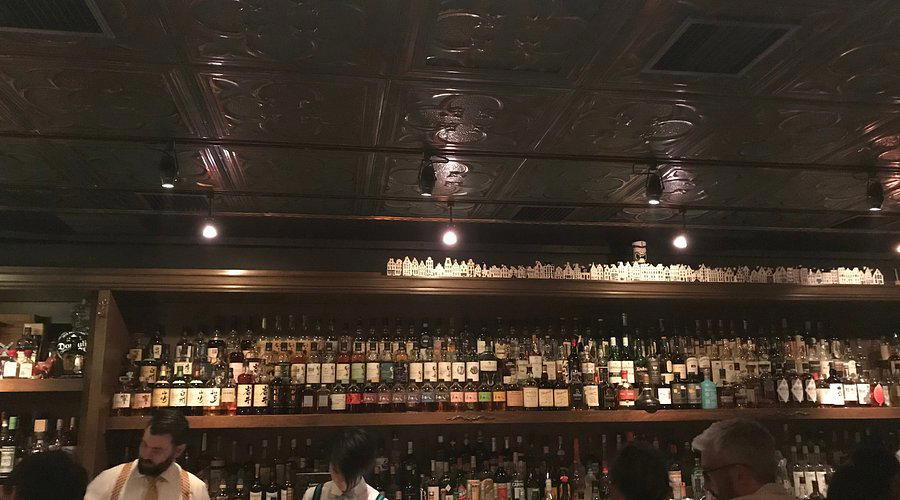
Bustling, salaryman-heavy basement izakaya with warm lighting, closely set tables and counter seating, creating an energetic yet cozy atmosphere ideal for after-work drinking and shared plates.