
Yamaki gives Kuji-gun a serious regional marker for chicken cookery, with Tabelog 100 - Chicken cuisine - 2025 recognition and a menu orbiting chicken dishes, unagi, and Japanese cooking. The appeal is not metropolitan theatre; it is a rural Ibaraki dining tradition where ingredient identity carries the meal more than decoration.
Pearl is the En Primeur Club membership app — saves, bookings, and concierge access live there. Same editors, same standards.
- Address
- 741 Daigo, Kuji District, Ibaraki 319-3526, Japan
- Phone
- +81 295-72-0208
- Website
- daigo-yamaki.sakura.ne.jp
 Saves & bookings on Pearl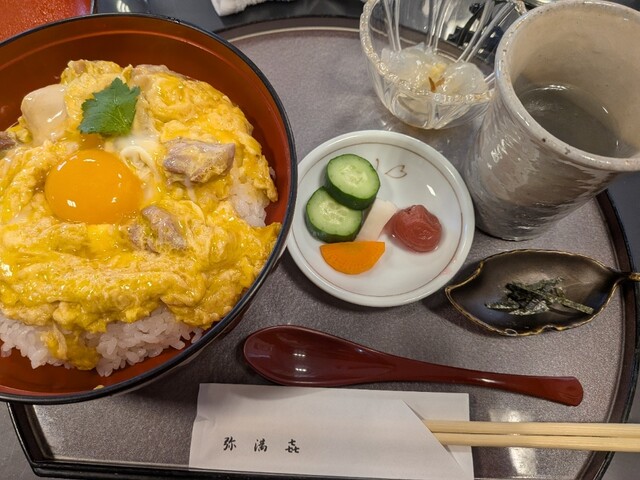
Approaching a country restaurant in Daigo is a different proposition from arriving at a city counter. The rhythm is set by rail lines, local roads, parking, and the practical tempo of a town in northern Ibaraki rather than by late-night restaurant districts. In that setting, Yamaki belongs to a category Japan does particularly well: specialist regional dining where the ingredient is the argument.
Chicken cuisine has a long Japanese vocabulary, from charcoal skewers and hot pots to set meals built around stock, skin, liver, and thigh. The serious versions are not about luxury signals. They depend on sourcing, handling, and the confidence to let a familiar ingredient carry the table. Yamaki’s selection for Tabelog 100 - Chicken cuisine - 2025 puts it inside that national conversation, a useful signal in a field where many strong restaurants sit outside the usual tourist dining map.
Chicken cookery as regional evidence, not city spectacle
Daigo and the wider Kuji-gun area sit far from the restaurant density of Tokyo, Osaka, or Kyoto, and that distance changes the dining equation. In a rural market, a restaurant does not need a long concept statement to make sense. It needs a clear relationship with what people travel to eat. Here, the listed categories, chicken dishes, unagi, and Japanese cuisine, point toward a meal grounded in domestic Japanese appetites rather than international tasting-menu grammar.
That matters because chicken in Japan can be deceptively broad. At the casual end, it is everyday comfort; at the specialist end, it becomes a test of butchery, heat control, broth, fat, and texture. Tabelog’s chicken-cuisine list is useful precisely because it separates this tradition from the wider wash of Japanese restaurants. Yamaki’s 2025 inclusion and 3.59 score place it in a documented specialist bracket without forcing it into a fine-dining template.
The ingredient-sourcing angle is also where rural Ibaraki has an advantage. Regional Japanese restaurants often trade less on imported prestige and more on proximity: poultry, river fish, rice, vegetables, and local drinking culture. The drinks listed here, sake, shochu, and wine, align with that sort of table. This is not a cocktail-led or wine-pairing-first format; the food carries the centre of gravity, and the beverages read as support rather than performance.
For travellers building a broader food route, the contrast with higher-priced metropolitan dining is instructive. YOSHIKI FUJI, listed in the comparison set as an innovative restaurant at JPY 20,000 to JPY 29,999, sits in a different spending and format category. Kurumi Tei and Kujira So Shiomachi Kan occupy lower price bands. Yamaki’s position is more specific: a recognised chicken-cuisine address in a town where the meal is tied to place, not to a national luxury circuit.
The room reads as practical, local, and meal-focused
The strongest rural restaurants in Japan often feel more functional than theatrical. Private rooms are available, private use is available, children are welcome, and the room is non-smoking. Those facts say a lot about the likely audience: family meals, small groups, and travellers who have made a deliberate detour rather than diners chasing a dramatic room. The occasion markers, family and friends, reinforce that reading.
That practicality should not be mistaken for lack of seriousness. In Japan, some of the more compelling regional tables are built for repeat local use first and outside attention second. The recognition arrives because the cooking holds up within its category, not because the restaurant has been staged for visitors. Yamaki is better understood as a place to read Ibaraki’s food culture through poultry and Japanese cooking than as a destination designed around ceremony.
The presence of unagi alongside chicken also broadens the frame. Eel restaurants in Japan tend to carry their own rhythms of sourcing, preparation, and pricing, and when unagi appears with poultry and Japanese cuisine, the meal moves closer to a regional Japanese dining house than a single-format urban counter. That makes the restaurant useful for travellers who want a meal with local context but do not want the rigidity of a tasting-only format.
How to place it in a Kuji-gun itinerary
Kuji-gun rewards slower planning. This is not a neighbourhood where diners drift between ten late-night options after failing to secure a table. The more sensible approach is to build a day around Daigo, the rail stop, countryside movement, and a meal that has enough local identity to justify the stop. Reservations are available, and the restaurant’s parking provision matters in a region where car travel often makes more sense than station-to-station dining.
Payment is another practical signal: major credit cards are accepted, while electronic money and QR code payments are not. That combination is common enough in regional Japan to be worth respecting. The point is not inconvenience; it is a reminder that rural dining operates on different assumptions from central Tokyo. Plan the meal as part of the day, not as an afterthought between attractions.
EP Club readers mapping the area can use Our full Kuji-gun restaurants guide as the main dining frame, then widen the trip through Our full Kuji-gun hotels guide, Our full Kuji-gun bars guide, Our full Kuji-gun wineries guide, and Our full Kuji-gun experiences guide. For contrast across Japan’s restaurant range, compare rural poultry cooking with -Grilled beef Sukiyaki- KAMAKURA TANUKIAN 鎌倉 たぬき庵 in Kamakura, . 鮪と炭火焼き うお炭 秋葉原店 in Tokyo, .cafe in Osaka, .know in Kumamoto, (Shoku) Vietnam in Kawasaki, [Curry Senmon Ten] Maruyama Kyoju. in Sapporo, [ki:] in Kyoto, #肉といえば松田 奈良本店 in Kashihara, 1/3 HAMBURGER FACTORY in Kanazawa, 1000 in Yokohama, 1000mヒュッテ 1000m Hut in Kutchan, Jōdo Saké Bar in Los Angeles, and Onigiri Time in Pasadena.
The editorial case for Yamaki is clear: it gives a Kuji-gun trip a food anchor with national category recognition, a grounded Japanese menu, and a format that fits families, friends, and travellers who care about ingredient-led regional cooking. Go for the poultry tradition and the Ibaraki context rather than for urban restaurant theatrics.
Fast Comparison
Comparable venues by cuisine and price in the same metro.
| Venue | Cuisine | Price | Awards | Notes |
|---|---|---|---|---|
| YamakiThis venue — the venue you are viewing | Traditional Japanese chicken restaurant featuring Okukuji Shamo | $$ | , | |
| 北のうまいもん碧水 | 北海道ローカルフード | $$ | , | 支笏湖温泉 |
| Kawakami-an (軽井沢 川上庵) | Traditional Japanese Soba | $$ | , | Karuizawa |
| かねかつ | Traditional Shoyu Ramen & Abura Soba | $$ | , | 北浦和 (Kita-Urawa) |
| Rekka (烈火) | Yamagata-Style Mazesoba Ramen | $$ | , | 庄内 |
| 麺処くるり 市ヶ谷本店 | Miso Ramen Specialist | $$ | , | Ichigaya |
At a Glance
- Classic
- Cozy
- Rustic
- Hidden Gem
- Family
- Group Dining
- Casual Hangout
- Solo
- After Work
- Standalone
- Historic Building
- Local Sourcing
- Farm To Table
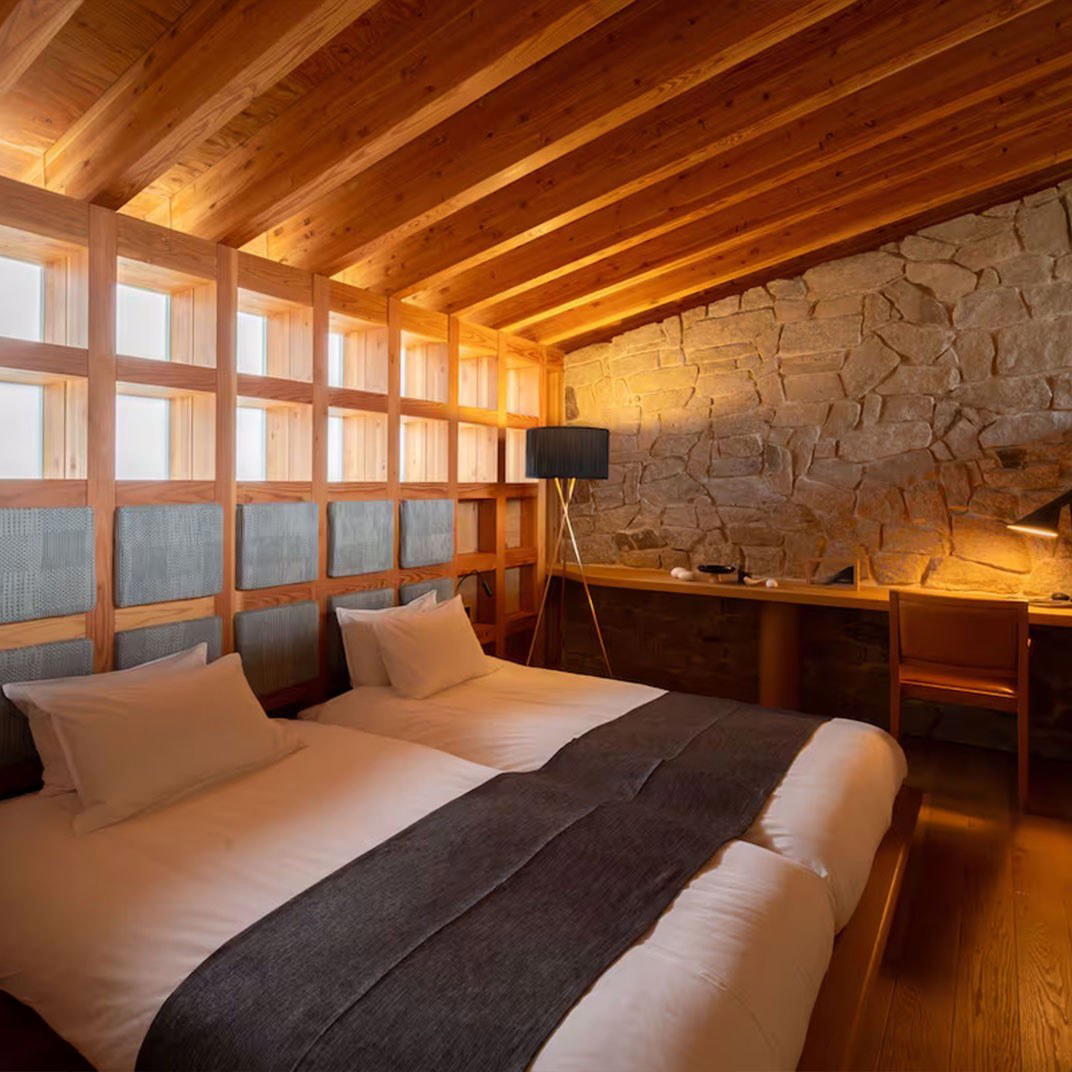
A warm, classic Japanese atmosphere in a relocated 200-year-old kominka, with tatami and wood creating a cozy, nostalgic feel suited to relaxed meals with family or small groups.