Kujira So Shiomachi Kan

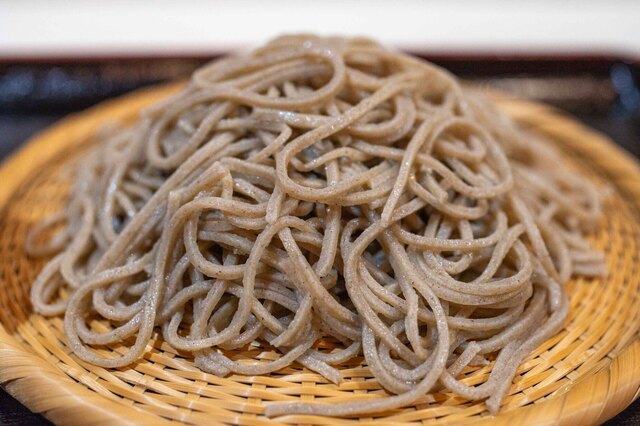
Kujira So Shiomachi Kan belongs to the ingredient-led side of Ibaraki soba culture, where grain choice, milling and noodle texture carry more weight than ceremony. Its repeated Tabelog 100 Soba selections place it in a serious regional conversation, but the appeal is grounded: coarse Hitachi Aki buckwheat, stone-milled udon wheat from Ibaraki and a house-restaurant setting in Hitachiota.
Pearl is the En Primeur Club membership app — saves, bookings, and concierge access live there. Same editors, same standards.
- Address
- 2325-1 Nishiichicho, Hitachiota, Ibaraki 313-0056, Japan
- Phone
- +81 294-72-5911
- Website
- jikyuan.co.jp
 Saves & bookings on Pearl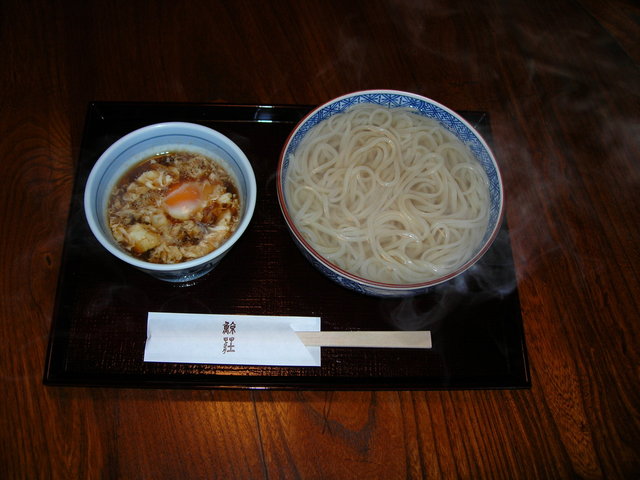
Approach in Hitachiota and the meal reads first as countryside routine rather than urban performance: a house-restaurant setting, a small room, and a noodle tradition built around grain rather than decoration. In Ibaraki, soba has always had a practical relationship with place. Buckwheat grows where rice is less obliging, and the better shops treat milling, water and timing as the real architecture of the meal.
Kujira So Shiomachi Kan sits inside that tradition with a sourcing brief that is unusually explicit for a casual-price noodle house. The soba is made from coarse-ground Hitachi Aki buckwheat, while the udon uses the Ibaraki-grown wheat variety Kinu no Nami, hand-harvested and sun-dried before stone milling. That matters because soba and udon often get discussed as comfort categories, when the more revealing distinction is agricultural: what grain, how it is milled, and how much texture survives the process.
Coarse buckwheat and stone-milled udon frame the meal
Japan’s soba culture splits between polish and grain. Some counters chase delicacy: pale noodles, fine milling, a quiet aroma carried by restraint. Others make a stronger case for texture, especially in rural and regional settings where buckwheat identity is tied to the field as much as the technique. This Hitachiota address belongs to the second camp. Coarse-ground Hitachi Aki buckwheat signals a preference for bite and aroma over smooth neutrality, while stone-milled udon places wheat in the same ingredient-first argument.
The inclusion in Tabelog 100 Soba EAST 2025 gives that local approach a wider benchmark. The same recognition also appears across earlier years, including 2024, 2022, 2021, 2019, 2018 and 2017, which points to consistency rather than a single season of attention. Tabelog’s Hyakumeiten lists are not Michelin-style starred criticism, but for soba they carry weight because they identify shops that specialists and repeat diners continue to follow across regions.
The useful comparison is not with high-budget tasting-menu Japan. YOSHIKI FUJI, listed outside the metro at JPY 20,000 to JPY 29,999, sits in another dining economy entirely. A closer frame is the regional noodle shop where price, grain sourcing and repeat local use shape the experience. Kobiki An, also outside the metro and operating in a similar casual price band, underlines how much of Japan’s serious noodle culture exists below luxury restaurant pricing. The lesson is simple: cost is not the same as ambition when the craft is milling and dough.
Hitachiota rewards diners who care where noodles begin
Hitachiota is not a city built around destination dining choreography. Its appeal is quieter: agricultural proximity, small-room restaurants and a slower relationship between ingredient and plate. That context suits soba. The noodle is unforgiving precisely because it looks plain. A poor version has nowhere to hide; a better one makes the grain legible without needing ceremony around it.
That is why the udon detail deserves attention. Soba houses often list udon as a secondary option, but here the wheat is part of the identity rather than an afterthought. Kinu no Nami, grown in Ibaraki, hand-harvested, sun-dried and stone-milled, places udon beside soba as a parallel expression of local grain. The distinction is useful for mixed tables: one diner can follow buckwheat texture, another can read the wheat, and both are still eating from the same regional logic.
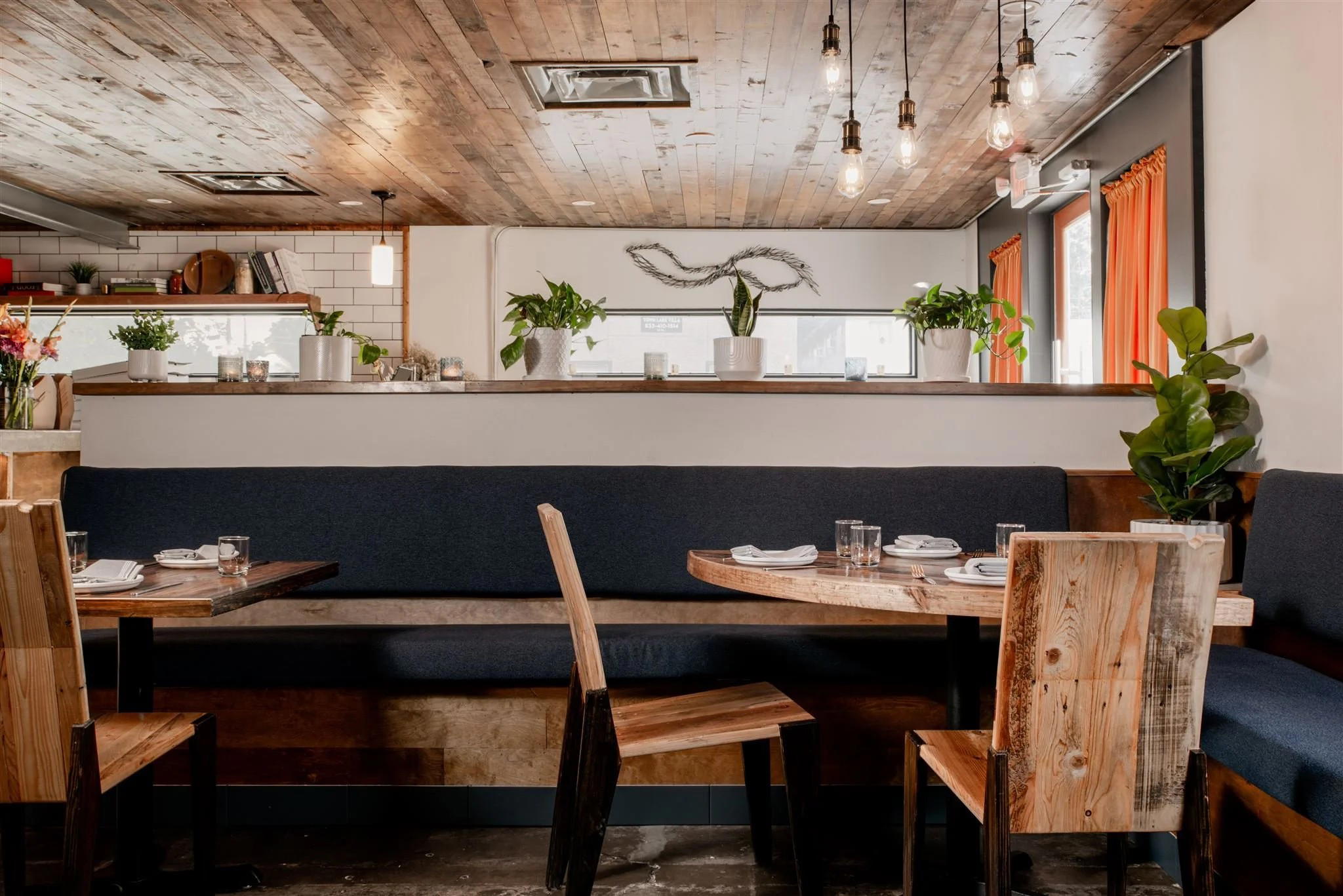
The room’s scale reinforces that argument. A 22-seat house-restaurant format keeps the meal closer to neighbourhood noodle culture than to a staged counter experience. Private rooms and private use are not part of the format, and the non-smoking policy makes it easier to read the grain and broth without distraction. Drinks lean Japanese, with sake and shochu listed, including a stated attention to shochu, which fits the casual regional rhythm better than a formal wine program would.
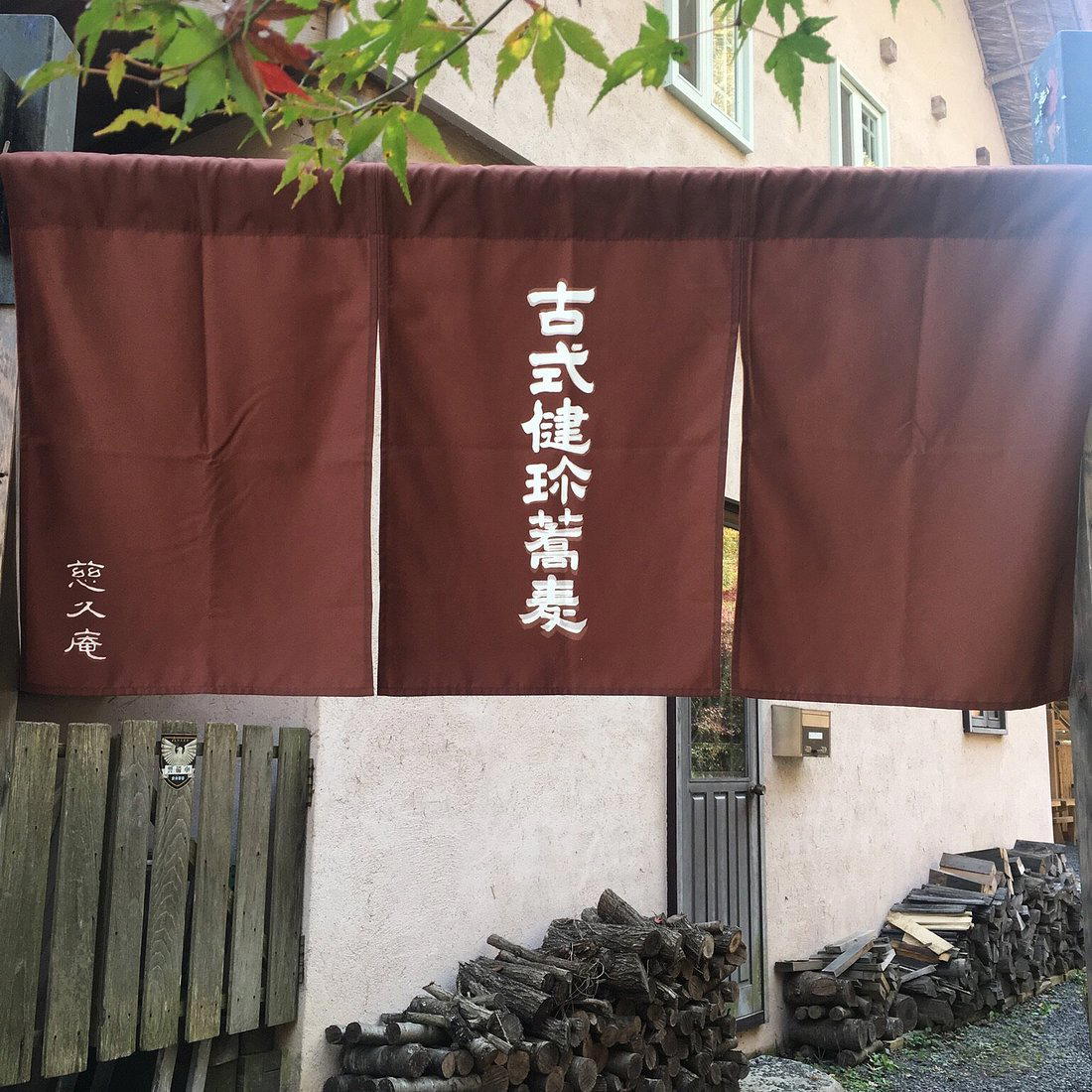
For a broader Hitachiota itinerary, the city rewards clustering rather than treating one lunch as a standalone trophy. Jikyu An gives another local reference point, while Our full Hitachiota restaurants guide is the natural starting place for mapping meals around the area. Travellers building a longer stay can cross-check Our full Hitachiota hotels guide, Our full Hitachiota bars guide, Our full Hitachiota wineries guide and Our full Hitachiota experiences guide rather than forcing the city into a single-meal detour.
How to read this address within Japan's casual dining tier
The value of Kujira So Shiomachi Kan is not scarcity theatre. Reservations are unavailable, the format is compact, and the cooking belongs to a daily-use price category. That combination makes timing and expectations more important than status. The right lens is a serious soba stop with a regional grain thesis, not a luxury restaurant disguised as a noodle shop.
Across Japan, casual dining contains an enormous range: beef specialist rooms, café formats, curry counters, sake bars and noodle houses all sit under the same broad low-to-mid-price umbrella, but they ask different things of the diner. For contrast, see -Grilled beef Sukiyaki- KAMAKURA TANUKIAN 鎌倉 たぬき庵 in Kamakura, . 鮪と炭火焼き うお炭 秋葉原店 in Tokyo, .cafe in Osaka,.know in Kumamoto, (Shoku) Vietnam in Kawasaki, [Curry Senmon Ten] Maruyama Kyoju. in Sapporo, [ki:] in Kyoto, #肉といえば松田 奈良本店 in Kashihara, 1/3 HAMBURGER FACTORY in Kanazawa and 1000 in Yokohama. Outside Japan, Jōdo Saké Bar in Los Angeles and Onigiri Time in Pasadena show how Japanese formats travel differently when removed from their agricultural base.
The editorial call is clear: come for grain clarity, not spectacle. The repeated soba recognition, the Ibaraki sourcing and the compact house format make this a sharper read on regional noodle culture than its modest category suggests. In a country where high-end dining often absorbs attention, this is the kind of address that explains why soba remains one of Japan’s great tests of restraint.
Comparable Spots, Quickly
Comparable venues by cuisine and price in the same metro.
| Venue | Cuisine | Price | Awards | Notes |
|---|---|---|---|---|
| Kujira So Shiomachi KanThis venue — the venue you are viewing | Japanese Soba | $$ | , | |
| Jikyu An | Traditional Hand-Made Soba | $$ | , | Naka, Hitachiota |
| Yamaki (弥満喜) | 奥久慈しゃも専門割烹料理 | $$ | , | 大子町 |
| Tengoku | Retro Japanese Cafe | $$ | , | Asakusa |
| Japanese Ramen Tomita (日本の中華そば富田) | Traditional Japanese Tsukemen Ramen | $$ | , | Narita |
| Sonmin Shokudo (村民食堂) | Shinshu Regional Japanese | $$ | , | Hoshino Area |
Continue exploring
More in Hitachiota
At a Glance
- Classic
- Quiet
- Rustic
- Hidden Gem
- Casual Hangout
- Family
- Solo
- Historic Building
- Standalone
A quiet, classic, old-building atmosphere with a traditional Japanese feel.