
Michelin Plate
Our verdict
A long-standing Japanese contemporary address on Corso Lodi, Izu holds consecutive Michelin Plate recognition for 2024 and 2025, with a menu that moves from classic sushi and sashimi through house-original creations and Mediterranean-inflected dishes. A knowledgeable sommelier oversees a wine and sake list that rewards the curious. At the €€€ price point, it represents a considered option within Milan's growing Japanese dining tier.

Pearl is the En Primeur Club membership app — saves, bookings, and concierge access live there. Same editors, same standards.
- Address
- C.so Lodi, 27, 20135 Milano MI, Italy
- Phone
- +39 02 5990 0221
- Hours
- Mon ClosedTue–Sun 12–2:30 PM, 7–11:30 PM
- Website
- izumilano.com
- Directions
- Get directions
- Booking
- Book on the venue's website
The menu
What to order
- Yuzu and umeboshi scallop carpaccio
- Yaki Tori Sbagliato
- Tuna tartare
A Corso Lodi Address That Has Earned Its Footing
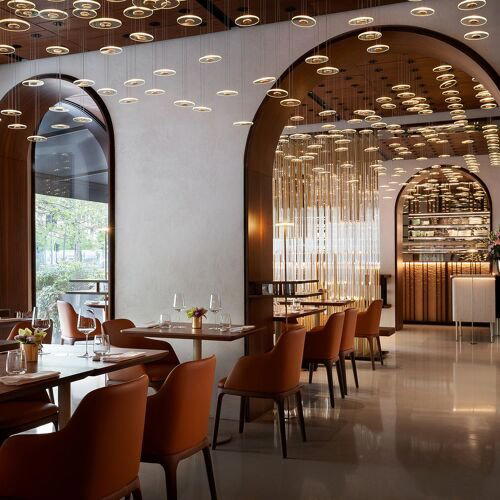
Corso Lodi sits southeast of the centre, running through a neighbourhood that carries none of the self-conscious glamour of Brera or the Quadrilatero. The buildings are residential and unremarkable, the foot traffic domestic rather than tourist. It is precisely the kind of street where a restaurant has to earn repeat custom on food and consistency alone, and Izu has been doing that long enough to have recently undergone a full refurbishment that shifted its feel from functional to something closer to an elegant bistro. The bones are now lighter, more composed, the kind of room where a long dinner does not feel like an endurance event.
The ownership here is Chinese, which places Izu in a category that Milan's dining conversation rarely pauses to examine: Japanese restaurants conceived and operated by people whose culinary background runs through East Asia rather than Japan specifically. What matters, practically, is whether the food is well-executed and consistently delivered. On both counts, the Michelin Plate recognition in 2024 and again in 2025 suggests the answer is yes. The Plate is not a star, but consecutive recognition from the Guide represents a credible signal of kitchen discipline within a city where Japanese contemporary dining has become genuinely competitive.
Where Izu Sits in Milan's Japanese Tier
Milan's appetite for Japanese food has grown considerably over the past decade, moving from the sushi-delivery model that dominated the early 2010s toward more considered restaurant formats. The city now has a range of options: omakase counters charging premium prices for chef-led sequences, mid-market sushi restaurants competing on volume and familiarity, and a smaller group of places attempting something more hybrid, drawing on Japanese technique while acknowledging the Mediterranean context of their location. Izu belongs to that third group.
At €€€, it prices between the entry-level sushi chains and the higher end of the city's Japanese fine-dining tier, which puts it in direct conversation with places like Nobuya, another Japanese contemporary address in Milan. For reference, the city's top-end Italian tables, including Enrico Bartolini (three Michelin stars), Andrea Aprea and Seta (both two stars), and Cracco in Galleria (one star), operate at the €€€€ level. Izu's price tier is a meaningful distinction for a diner who wants Michelin-recognised quality without committing to the full outlay those rooms require.
The Menu: Classical Structure With Room to Move
The menu at Izu does not abandon the classical architecture of Japanese restaurant dining. Sushi, uramaki, and sashimi are all present and constitute the reliable core of what most tables order. These are not treated as afterthoughts to more ambitious dishes; they appear to be executed with care, which is where many hybrid restaurants of this type lose credibility.
What sets Izu apart from a standard Japanese menu is a series of house-original dishes, listed as Izu special creations, alongside preparations that bring in Mediterranean ingredients and references. This is not an unusual strategy in Southern European cities with Japanese kitchens: the proximity of excellent local produce, from olive oil to seasonal vegetables to Italian seafood, creates real opportunities for a kitchen that is willing to treat them as materials rather than intrusions. Whether the Mediterranean thread at Izu reads as fully integrated or as a separate menu section is something a visit would need to settle, but the structural intent is clear enough.
The wine list adds another dimension that separates this from the average Japanese restaurant in Italy. An experienced sommelier oversees a selection that includes both conventional wine choices and a focused sake offering. In a city where wine knowledge is a given at serious Italian tables, bringing that same level of curatorial attention to a Japanese list requires a different kind of expertise. The sake component is the more telling detail: it suggests a kitchen that is making a genuine argument for the Japanese side of the menu rather than treating it as a vehicle for Italian hospitality.
The Value Argument, Made Plainly
The editorial angle here is not complicated. A restaurant with back-to-back Michelin Plate recognition, more than 1,000 ratings averaging 4.3, a proper sommelier, and a menu that moves between Japanese classics and house-original cooking sits at the €€€ tier in a city where comparable seriousness in Italian cuisine typically costs more. The refurbished room adds a level of environmental comfort that the original space apparently lacked. For a dinner that asks something of the kitchen and something of the diner without demanding a four-figure bill, Izu makes a coherent case.
For broader context on where this fits within Milan's wider dining offer, the full Milan restaurants guide covers the range from neighbourhood trattorias to starred tables. If you are building a longer trip around the dining scene, the Milan hotels guide, bars guide, wineries guide, and experiences guide give the practical infrastructure to plan around a meal here.
For those interested in Japanese contemporary cooking in other European or global contexts, The Japanese Restaurant in Andermatt and Eika in Taipei offer reference points in different settings. Italy's own fine-dining tier, represented by Osteria Francescana in Modena, Dal Pescatore in Runate, Enoteca Pinchiorri in Florence, Le Calandre in Rubano, Piazza Duomo in Alba, and Atelier Moessmer Norbert Niederkofler in Brunico, sets the ceiling against which Izu's price positioning looks genuinely reasonable.
Planning a Visit
Izu is at Corso Lodi 27, in the southeastern quadrant of Milan, accessible by metro and tram from the centre.
What Do Regulars Order at Izu?
The menu is structured around a classical Japanese framework, so returning guests typically anchor their order in the sushi, uramaki, and sashimi sections, which represent the kitchen's core competency and the dishes that have built the restaurant's long-standing reputation. The Izu special creations, listed separately on the menu, attract diners who want to move beyond the familiar and see what the kitchen does when it is not working from a Japanese standard template. The sake list, curated by a sommelier with wine experience, is worth engaging with rather than defaulting to wine, particularly if the order is weighted toward raw preparations. The Mediterranean-inflected dishes provide a useful third tier for a table that wants range across a longer dinner.
A Quick Peer Check
| Venue | Cuisine | Price | Awards | Notes |
|---|---|---|---|---|
| IzuThis venue — the venue you are viewing | Japanese Creative Fusion | $50–100 | Michelin Plate | Not listed |
| Enrico Bartolini | Modern Italian Fine Dining | $300–500 | 3 Michelin Stars · World's 50 Best #85 | Creative |
| Cracco in Galleria | Modern Italian Fine Dining | $150–200 | 1 Michelin Star · World's 50 Best #33 | Modern Cuisine |
| Andrea Aprea | Modern Italian Fine Dining | $200–300 | 2 Michelin Stars · La Liste Top Restaurants | Modern Italian, Italian Contemporary |
| Seta | Modern Italian Fine Dining | $150–200 | 2 Michelin Stars · La Liste Top Restaurants | Modern Italian |
| Contraste | Modern Italian Fine Dining | $150–200 | 1 Michelin Star · La Liste Top Restaurants | Progressive Italian, Modern Cuisine |
Recognition history
Dated appearances from independent guides and award organizations, with the underlying list record or original source where available.
Michelin Plate
Michelin
Full recognition history (3 entries)
Michelin Plate
Michelin
Michelin Plate
Michelin
Continue exploring
More in Milan
Restaurants in Milan
Browse all →
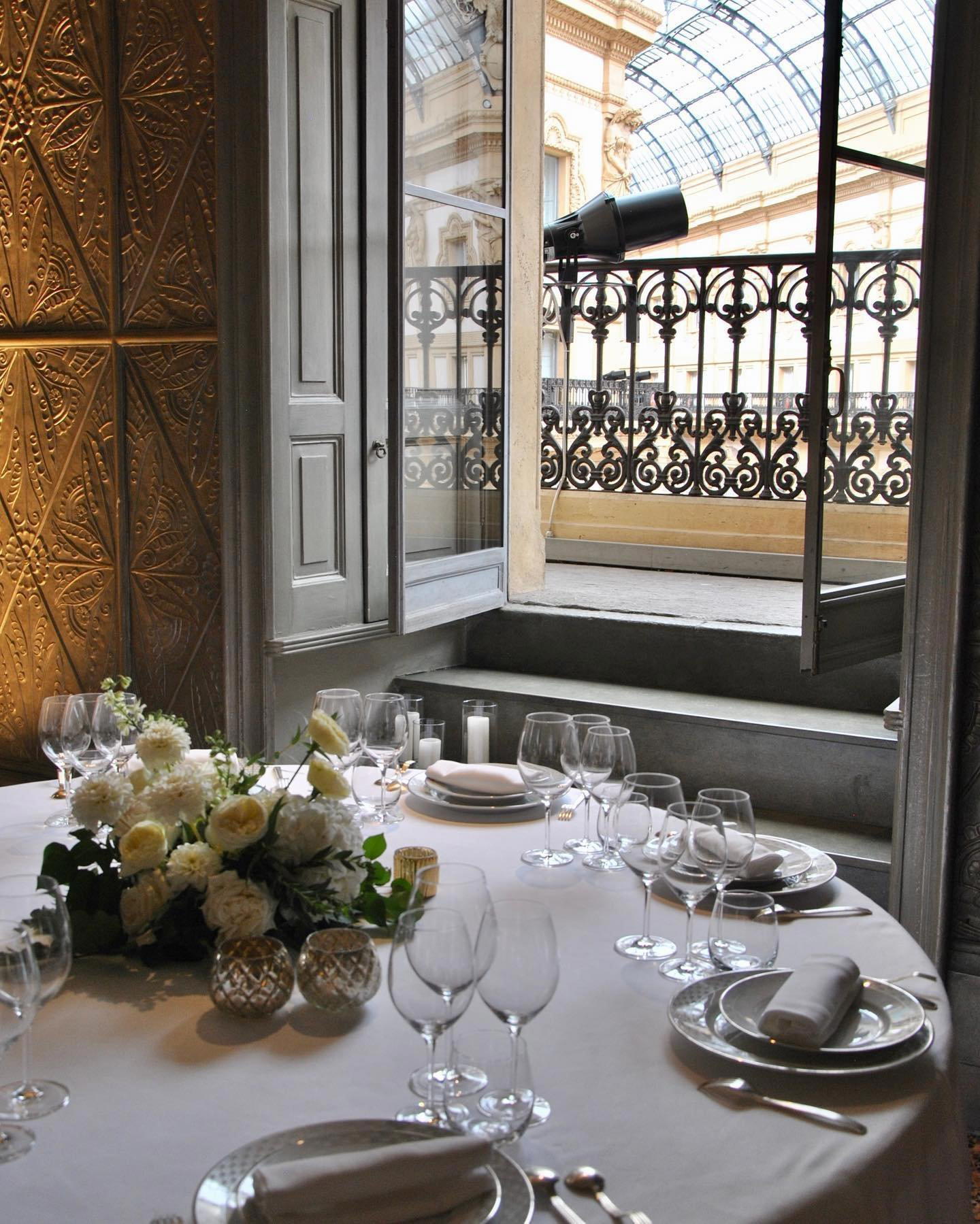
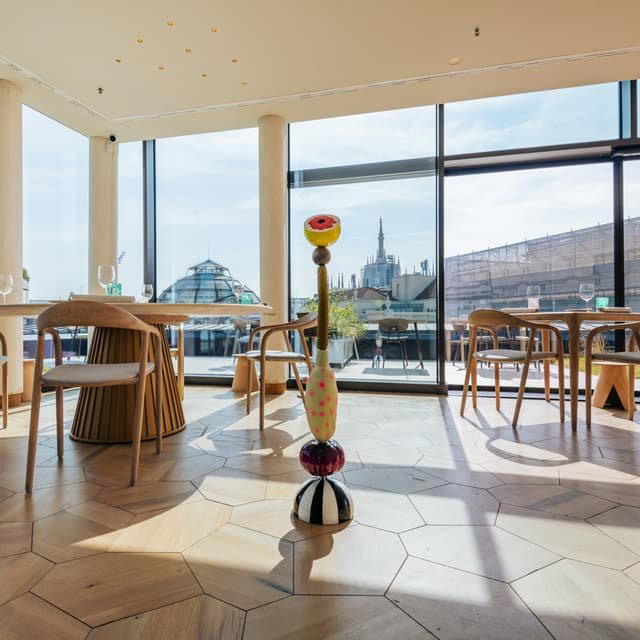
Bars in Milan
Browse all →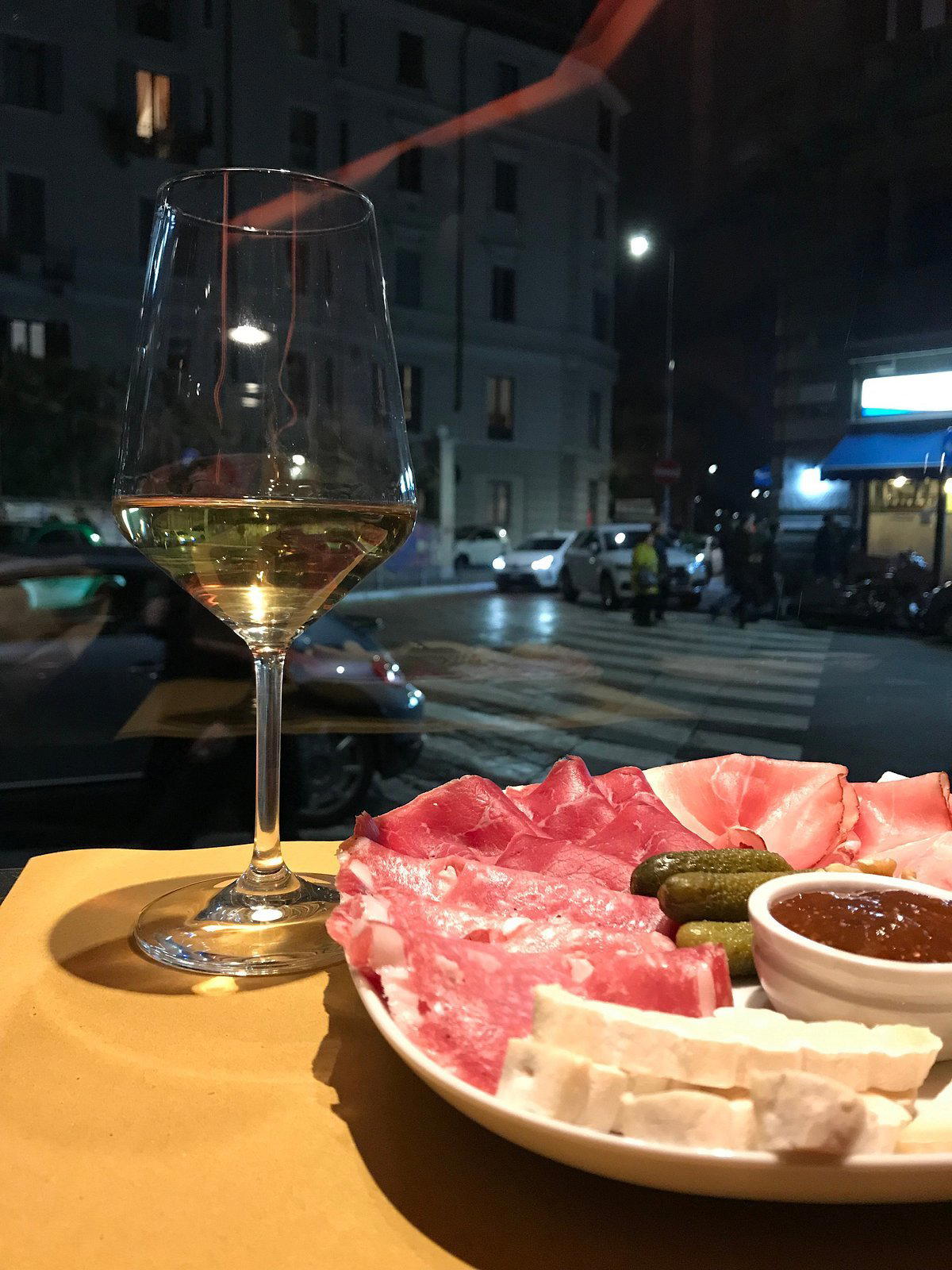
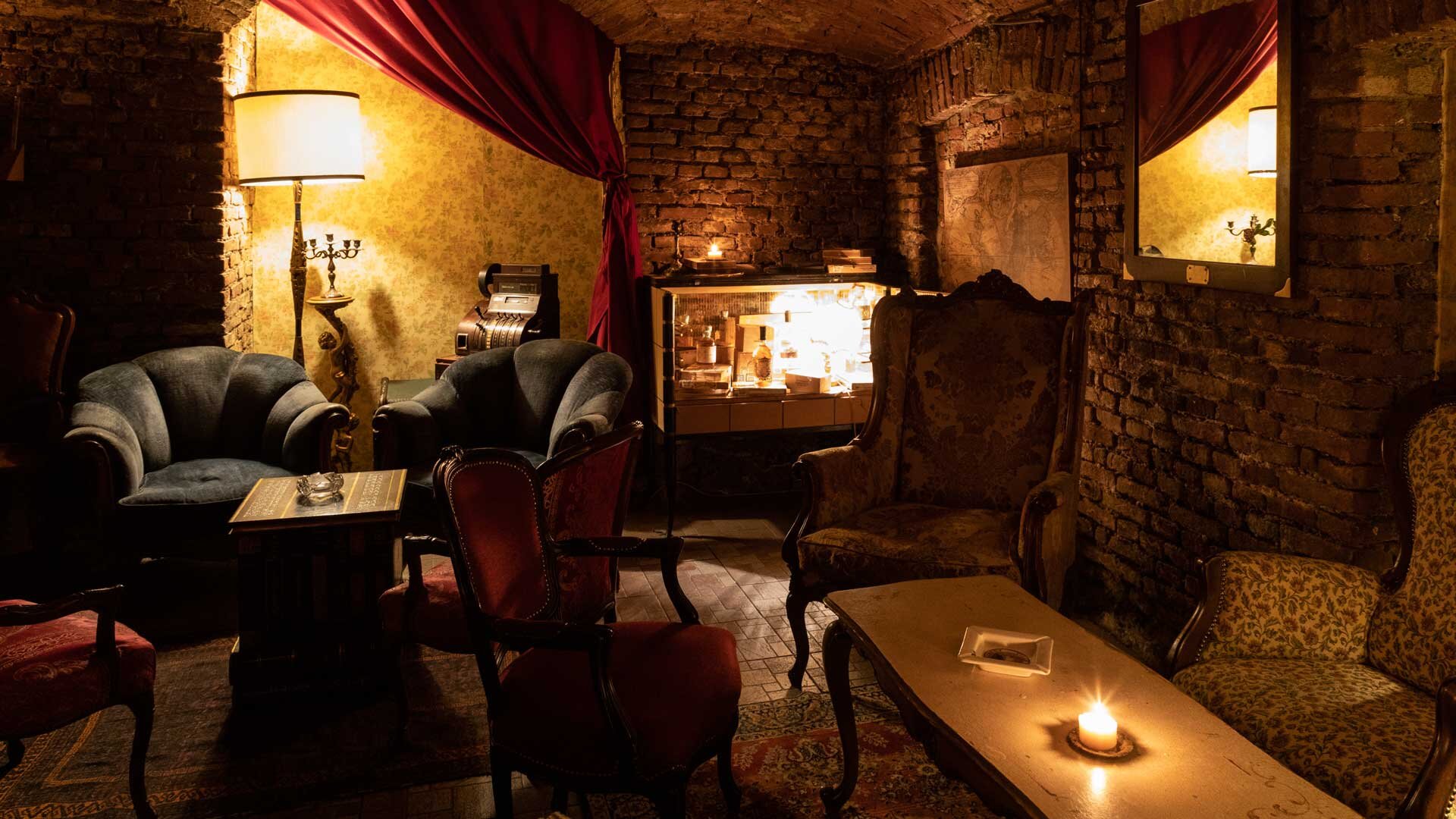
Hotels in Milan
Browse all →
Details
- Elegant
- Romantic
- Modern
- Sophisticated
- Date Night
- Special Occasion
- Open Kitchen
- Sake Program
- Extensive Wine List
- A La Carte
- Small Plates
- Sake
- Wine
- Vegetarian Friendly
- Gluten Free Options
Current opening hours
- Monday
- Closed
- Tuesday
- 12–2:30 PM, 7–11:30 PM
- Wednesday
- 12–2:30 PM, 7–11:30 PM
- Thursday
- 12–2:30 PM, 7–11:30 PM
- Friday
- 12–2:30 PM, 7–11:30 PM
- Saturday
- 12–2:30 PM, 7–11:30 PM
- Sunday
- 12–2:30 PM, 7–11:30 PM
Hours can change for holidays and private events. Last verified .
Elegant and refined atmosphere with soft lighting, relaxing music, and a zen contemporary touch post-renovation.