The Japanese Restaurant



2 Michelin Stars · La Liste Top Restaurants
Our verdict
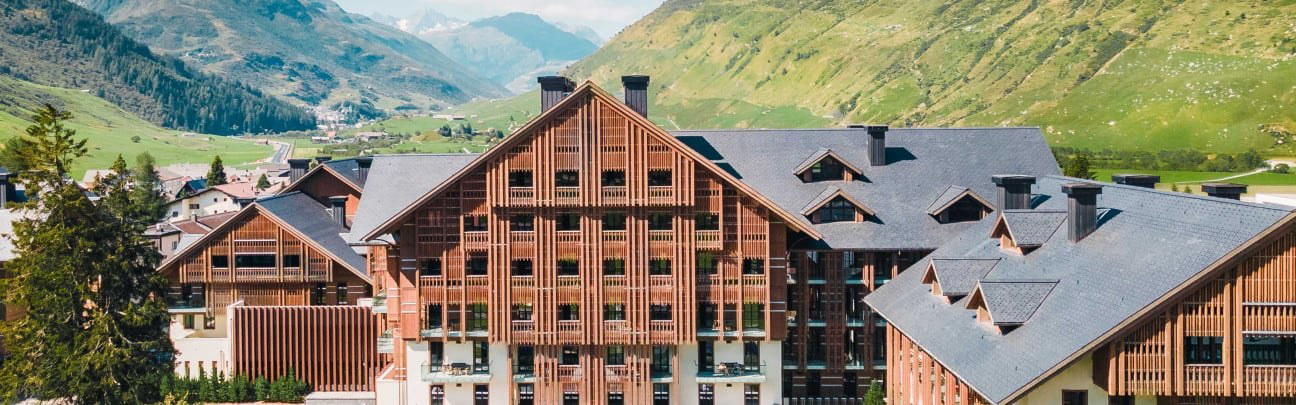
Set at 2,344 metres above sea level in Andermatt's Chedi hotel, The Japanese Restaurant holds two Michelin stars and a 90-point La Liste rating for its omakase kaiseki menus shaped by twin chefs Fabio Toffolon and Dominik Sato. The Gütsch Express cable car connects the mountain setting to the resort below, making the approach part of the experience. Sushi, sashimi, N25 caviar, and a Shidashi Bento round out a menu that pairs Japanese technique with measured European influence.

Pearl is the En Primeur Club membership app, where members save venues, book tables and use the concierge.
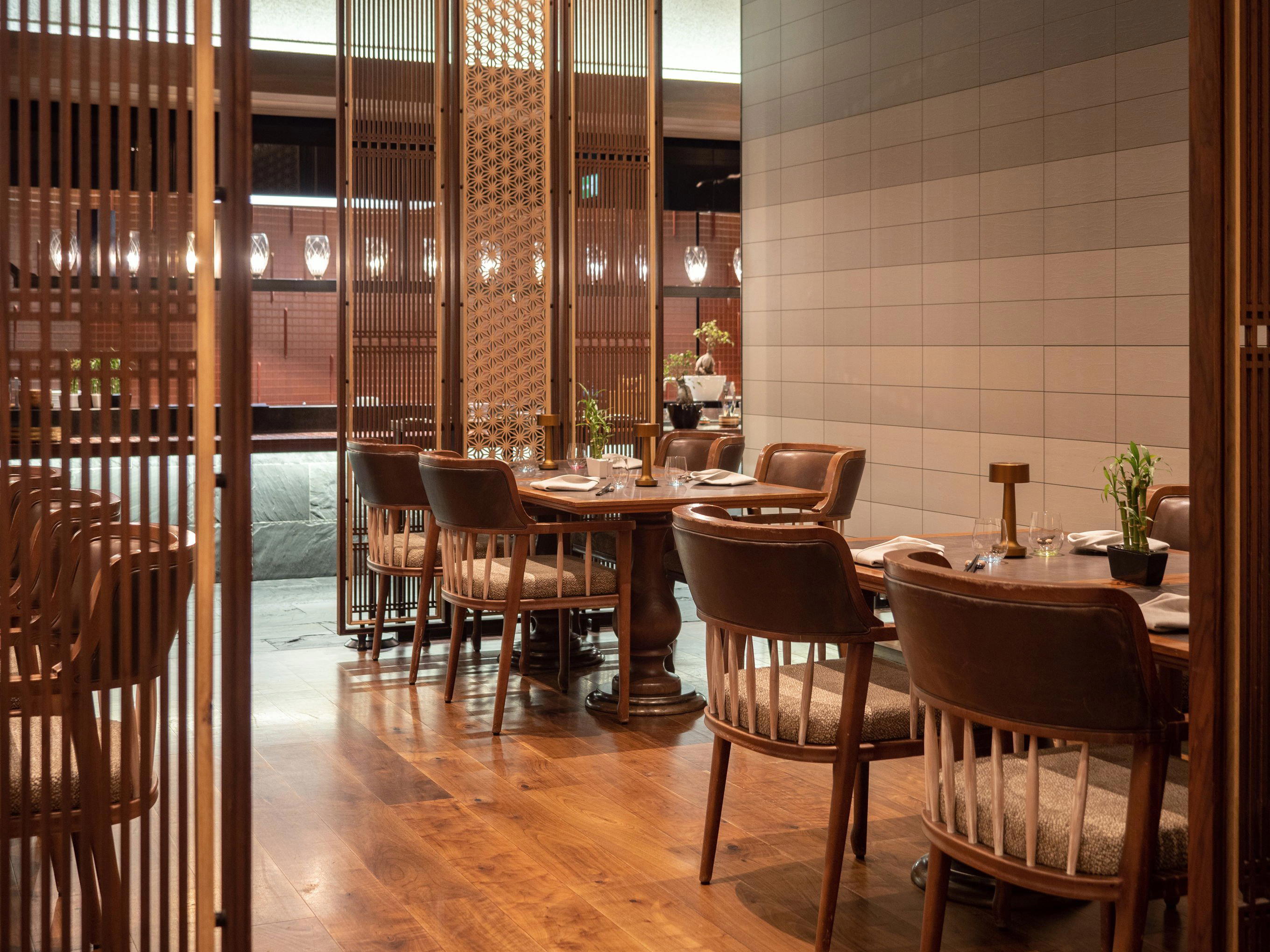
Altitude and Precision: Japanese Cuisine at 2,344 Metres
There are very few places on earth where a kaiseki menu and a cable car are part of the same reservation. The Japanese Restaurant, set within The Chedi in Andermatt and reachable via the Gütsch Express from the lower terminal at Andermatt railway station, occupies a position that most fine-dining venues cannot credibly claim: genuine geographical remoteness, combined with two Michelin stars and a 90-point La Liste score for 2025 and 2026. The approach by gondola over the Alpine valley below does something to the appetite that no city arrival quite replicates.
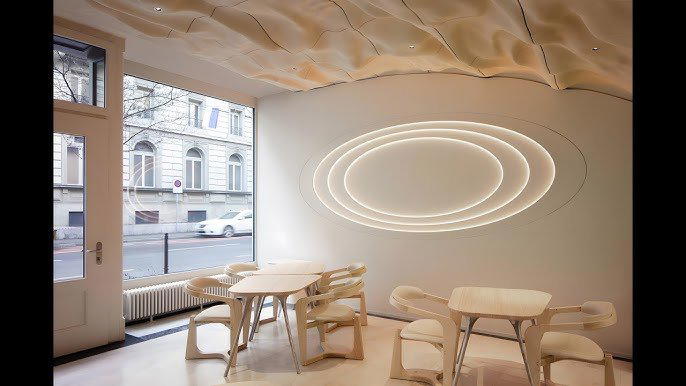
At this elevation, the open kitchen functions as the visual anchor of a spare, deliberately minimal interior. Warm materials soften what might otherwise read as clinical, and the terrace, when weather permits, positions diners against a backdrop of snowfields and ridgelines that no amount of interior design can compete with. The restaurant sits within Switzerland's broader two-star tier, alongside properties such as Memories in Bad Ragaz and Cheval Blanc by Peter Knogl in Basel, but its category separation is total: there is no peer in Switzerland combining this cuisine type with this altitude and this level of recognition.
Kansai Sensibility at a European Address
The tension at the centre of The Japanese Restaurant's menu is a productive one. Classical Japanese cuisine, in its most codified form, divides along regional lines: the Kanto tradition, centred on Tokyo and Edo-style technique, leans on sharper vinegar profiles in sushi rice, bolder soy application, and a more confrontational use of umami. Kansai cuisine, shaped by Osaka and Kyoto, tends toward subtlety, lighter dashi, a preference for ingredient transparency, and the kaiseki format itself, which originated in Kyoto's tea ceremony culture as a sequence of small, precisely seasonal dishes.
The omakase kaiseki format that anchors this menu reads as Kansai in its architecture. Kaiseki, at its most traditional, is not a tasting menu in the Western sense. It is a progression governed by season, texture, temperature, and visual discipline, where each course addresses a different cooking method: a simmered dish, a grilled dish, a raw preparation, a steamed element. Here, twin chefs Dominik Sato and Fabio Toffolon apply that structure while introducing European technique at specific, considered moments. The reference in the awards text to a beurre blanc paired with Asian flavours and king crab is exactly the kind of move that Kansai's more integrative spirit permits. A Kanto purist approach would resist that intrusion; the Kansai inclination toward harmony over contrast allows the fusion to stay coherent.
This positioning places The Japanese Restaurant in a broader pattern visible across European fine dining: Japanese-trained or Japanese-fluent kitchens using kaiseki's sequential logic as a frame for local ingredients and continental technique. What distinguishes the stronger examples of this format from weaker fusion exercises is restraint. The European element should function as seasoning, not as the main argument. Based on its sustained Michelin and La Liste recognition, and ranking at number 290 in Opinionated About Dining's 2025 European list, the balance here appears to hold.
For comparison across Japanese contemporary cuisine in other markets, Eika in Taipei and Murakami in São Paulo each demonstrate how kaiseki structure travels across geographies with different degrees of local inflection.
The Menu Architecture
Three formats define the offering here. The omakase kaiseki menu, available in a vegetarian version, is the primary proposition: a chef-directed progression with no à la carte substitution, the kind of format that requires a kitchen operating at consistent precision because every diner at the table receives the same sequence. The Shidashi Bento represents a more compact version of the kitchen's range, the bento format originates in Japan's tradition of composed packed meals and, at high-end restaurants, has evolved into a structured selection of small preparations arranged in lacquered compartments. The third track is sushi and sashimi, which operates alongside N25 caviar, the German brand that has become a standard-bearer for European farmed caviar in high-end restaurant programs across the continent.
A children's menu is available, which at this price point and altitude is a practical decision worth noting for families planning an Andermatt ski trip around a special meal. The wine and sake list is noted for its range, and the service team carries recommendations across both with apparent fluency. In kaiseki dining, sake pairing carries as much weight as wine pairing in French fine dining, the interaction between rice wine and dashi-based preparations is structural, not decorative, so a sommelier team capable of navigating both lists is operationally significant.
Andermatt's Fine Dining Tier
Andermatt has undergone a deliberate transformation over the past decade, repositioning from a modest military town into a high-end Alpine resort with a density of serious restaurants that would be unusual for a settlement of this size. Within that concentration, the top end of the dining tier covers considerable stylistic range. GÜTSCH by Markus Neff holds the Classic French position; IGNIV by Andreas Caminada occupies the sharing-format segment associated with Caminada's broader Swiss network, which includes Schloss Schauenstein in Fürstenau. The Japanese Restaurant holds the Japanese contemporary position without internal competition at this level in the region.
Switzerland's broader range of four-price-bracket restaurants with Michelin recognition now stretches from Basel to Graubünden, and includes Hotel de Ville Crissier in Crissier, focus ATELIER in Vitznau, and Einstein Gourmet in Sankt Gallen, as well as Alpine-adjacent properties like 7132 Silver in Vals and Da Vittorio in St. Moritz. The Japanese Restaurant's two-star status places it in clear company within this tier, and its La Liste 90-point score over two consecutive years confirms a kitchen operating with consistency rather than single-season form.
The Opinionated About Dining ranking at number 290 in Europe in 2025 adds a useful calibration point. OAD rankings are crowd-sourced from a population of experienced restaurant-goers rather than anonymous inspectors, meaning the score reflects a diner's perspective on value, pleasure, and distinctiveness alongside technical execution. Holding that position for a Japanese kitchen operating at altitude in a mountain resort, where logistics alone complicate supply chain and staffing, is a meaningful signal.
Planning the Visit
Reaching the restaurant requires the Gütsch Express cable car, departing from the lower terminal at Andermatt railway station. This logistical step is not incidental; it sets the time frame for the evening and makes self-timing essential, particularly in winter when last departures have hard cutoffs. Andermatt is accessible by rail from Zurich, with the Matterhorn Gotthard Bahn providing the connection into the village. For those staying locally, The Chedi hotel is the natural base, but the restaurant draws visitors from across the Central Alps on longer trips. The price bracket sits at the top tier of Swiss fine dining, and the omakase format means budget should be planned for the full menu rather than selective ordering. Those visiting the broader resort area can consult our full Andermatt restaurants guide, hotels guide, bars guide, wineries guide, and experiences guide for broader orientation across the destination.
Frequently asked questions
What does dinner at The Japanese Restaurant typically cost?
Pricing at The Japanese Restaurant is listed as €€€€.
What's The Japanese Restaurant's location?
The Japanese Restaurant is located at Gotthardstrasse 4, 6490 Andermatt, Switzerland, Andermatt.
Cuisine and Recognition
| Venue | Cuisine | Price | Awards | Notes |
|---|---|---|---|---|
| The Japanese RestaurantThis venue (the venue you are viewing) | Modern Japanese Omakase | $500+ | 2 Michelin Stars · La Liste Top Restaurants | Not listed |
| Schloss Schauenstein | Creative Swiss Country Fine Dining | $300–500 | 3 Michelin Stars · World's 50 Best #52 | Modern European, Creative |
| Memories | Modern Swiss Alpine Cuisine | $300–500 | 3 Michelin Stars · La Liste Top Restaurants | Modern Swiss |
| focus ATELIER | Modern French Fine Dining | $200–300 | 2 Michelin Stars · La Liste Top Restaurants | Modern Swiss, Creative |
| IGNIV Zürich by Andreas Caminada | Modern Swiss Fusion Sharing | $150–200 | 2 Michelin Stars · La Liste Top Restaurants | Sharing |
| La Table du Lausanne Palace | Contemporary French Fine Dining | $200–300 | 2 Michelin Stars · La Liste Top Restaurants | Modern French |
Recognition history
Dated appearances from independent guides and award organizations, with the underlying list record or original source where available.
Michelin 2 Stars
Michelin
La Liste Top Restaurants
La Liste
Opinionated About Dining Top Restaurants in Europe Ranked #290
Opinionated About Dining
Full recognition history (5 entries)
La Liste Top Restaurants
La Liste
Michelin 1 Star
Michelin
Continue exploring
More in Andermatt
Restaurants in Andermatt
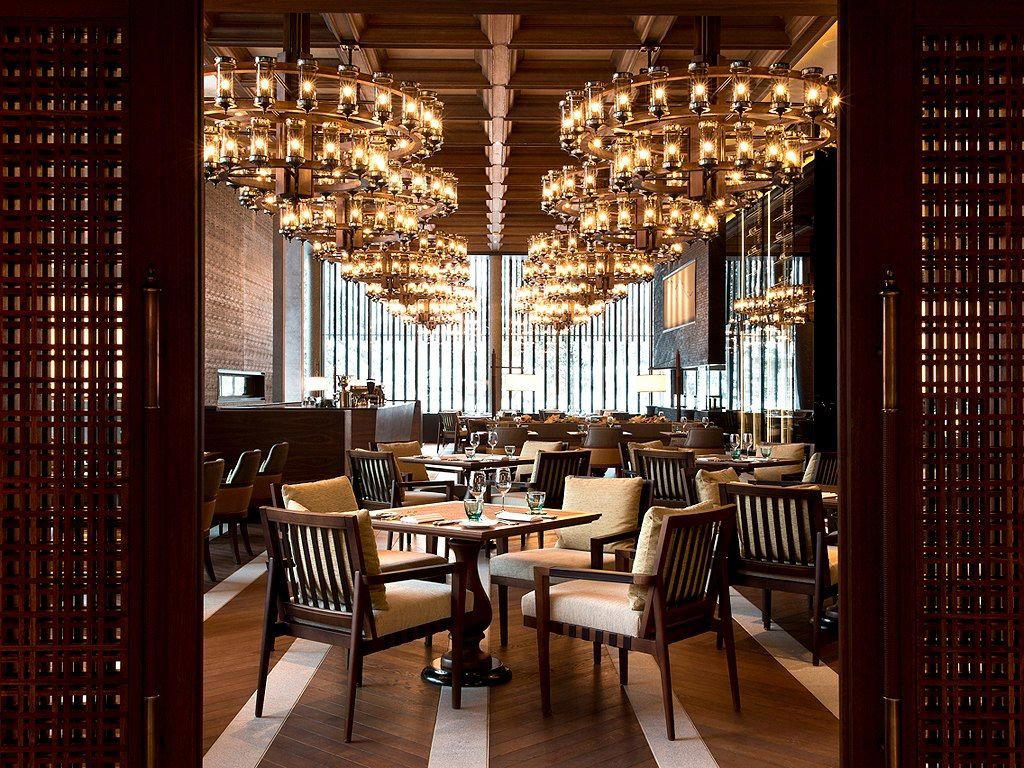
All restaurants in Andermatt →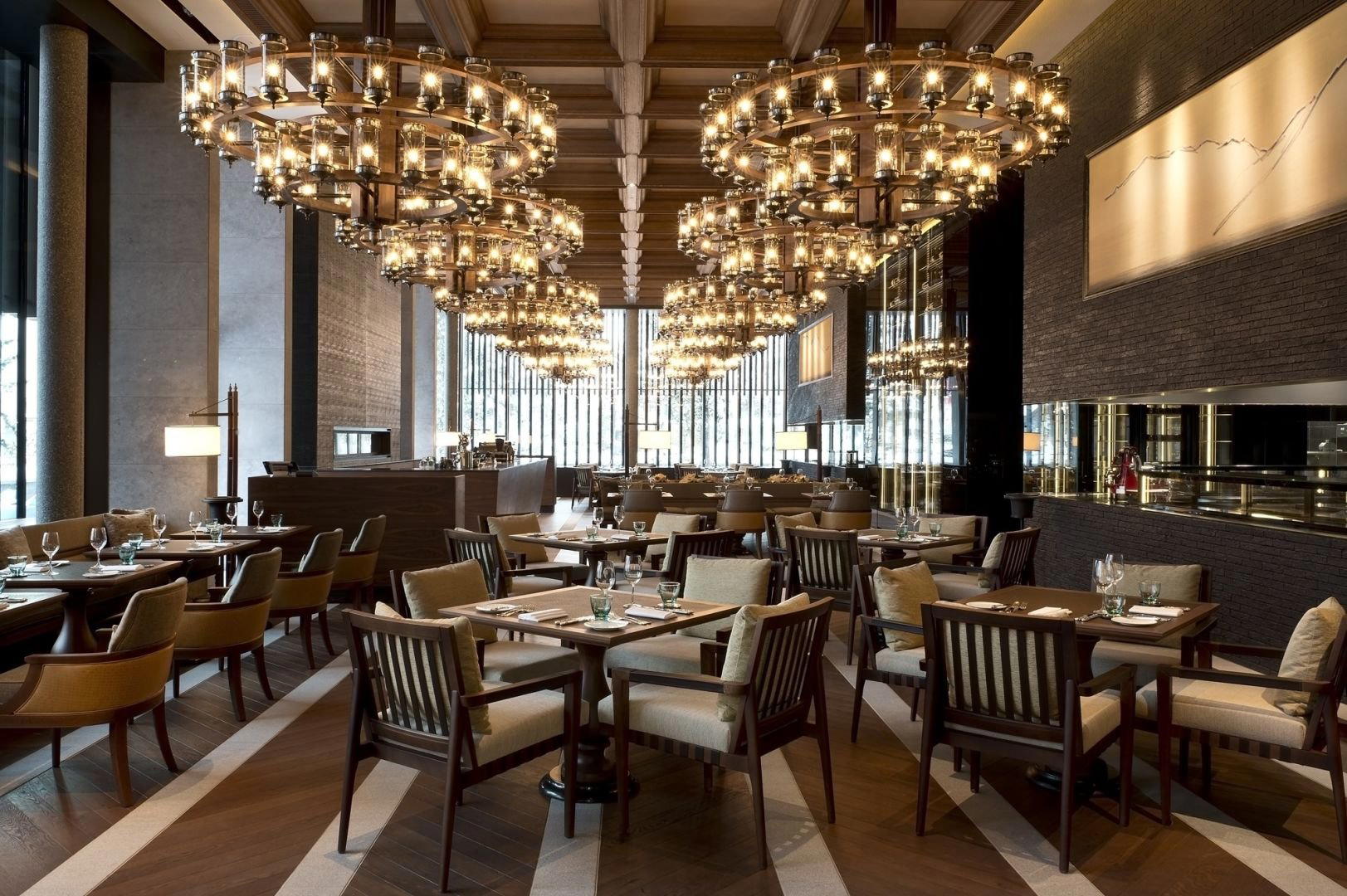
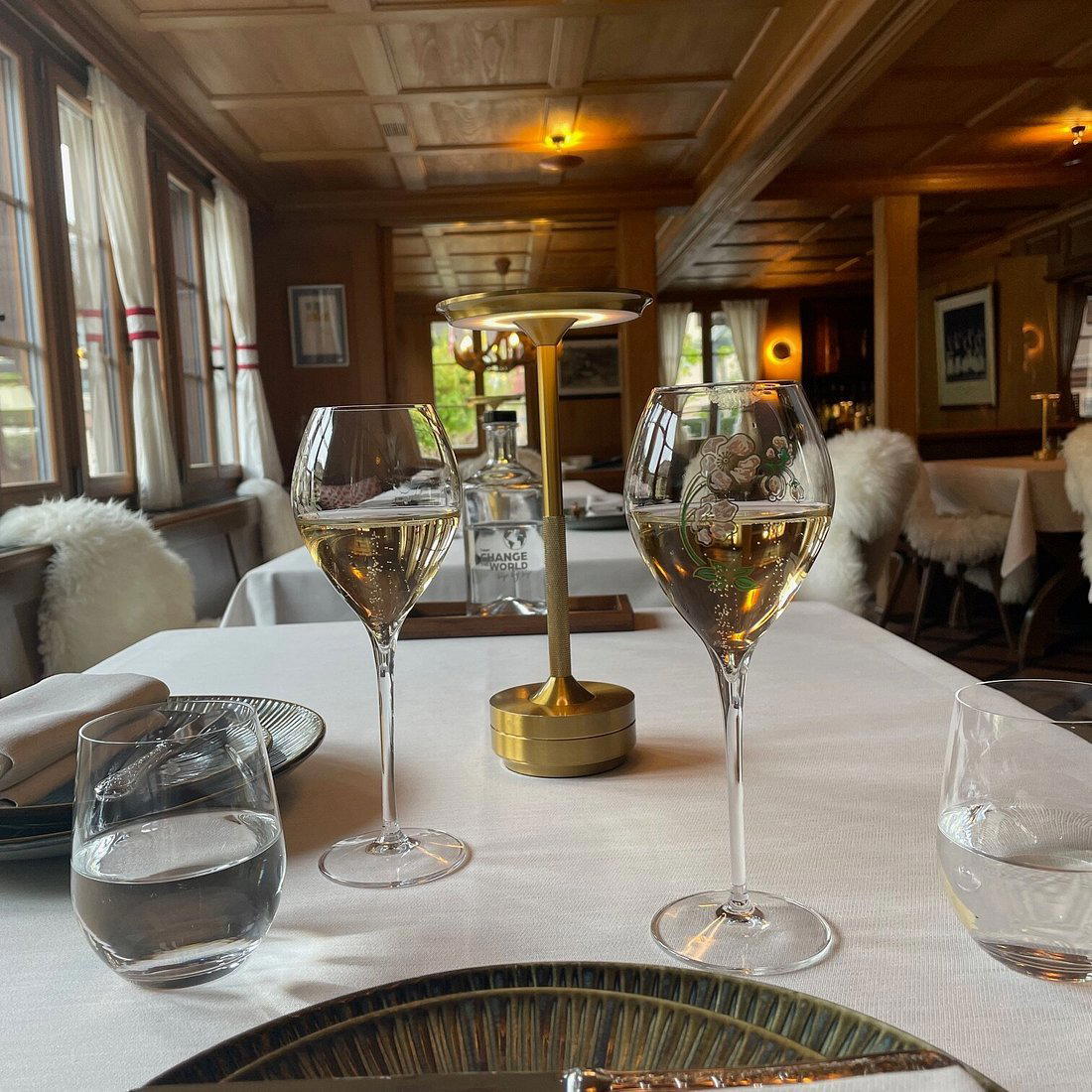
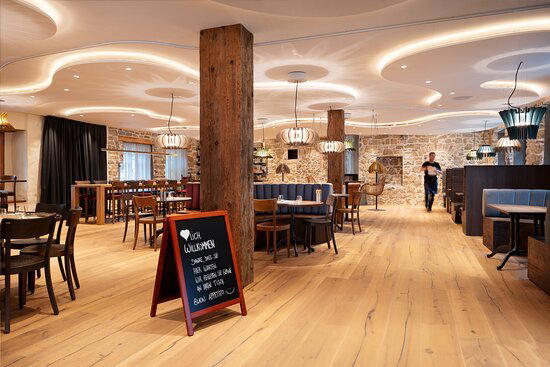
Bars in Andermatt
All bars in Andermatt →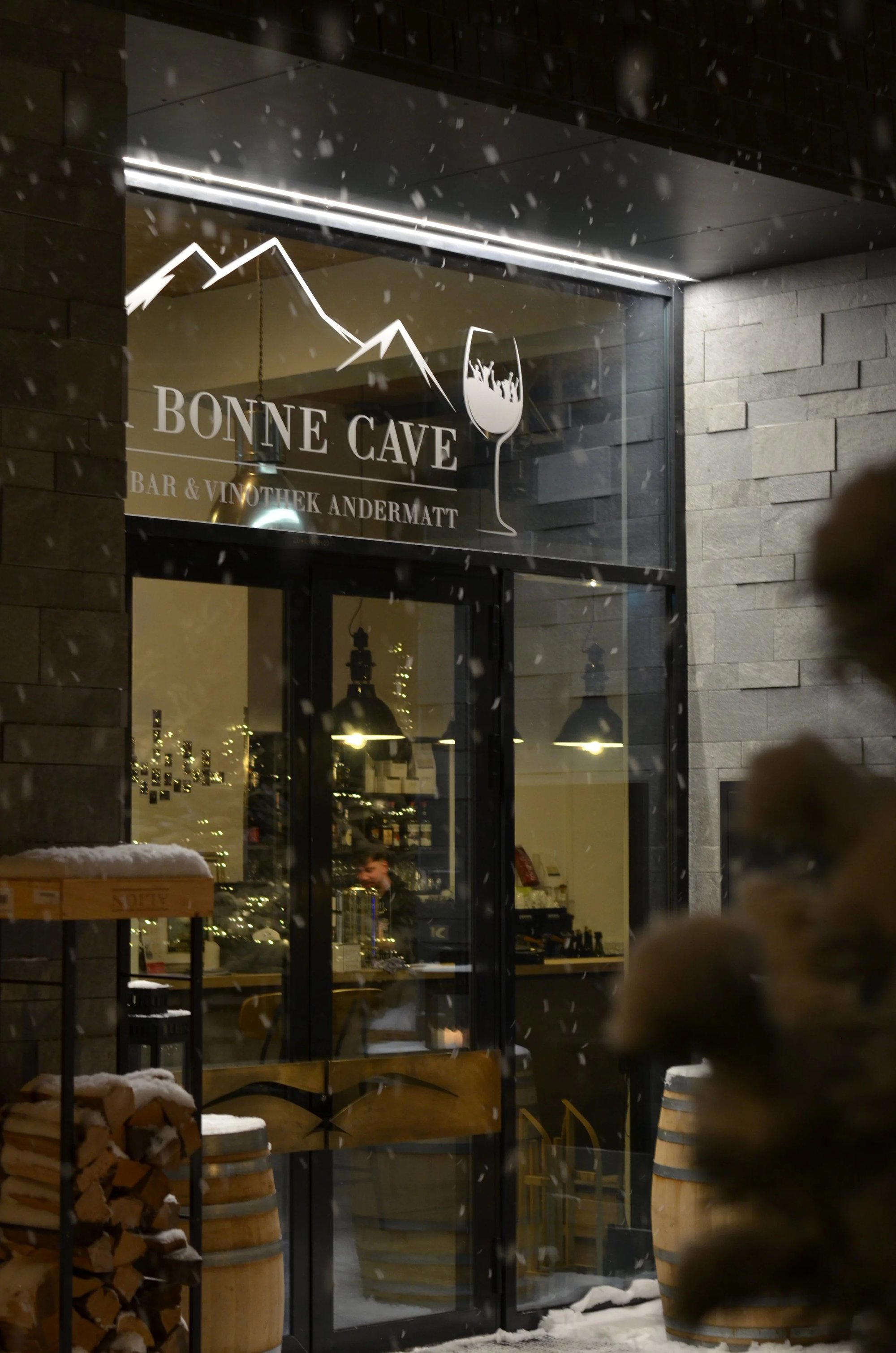
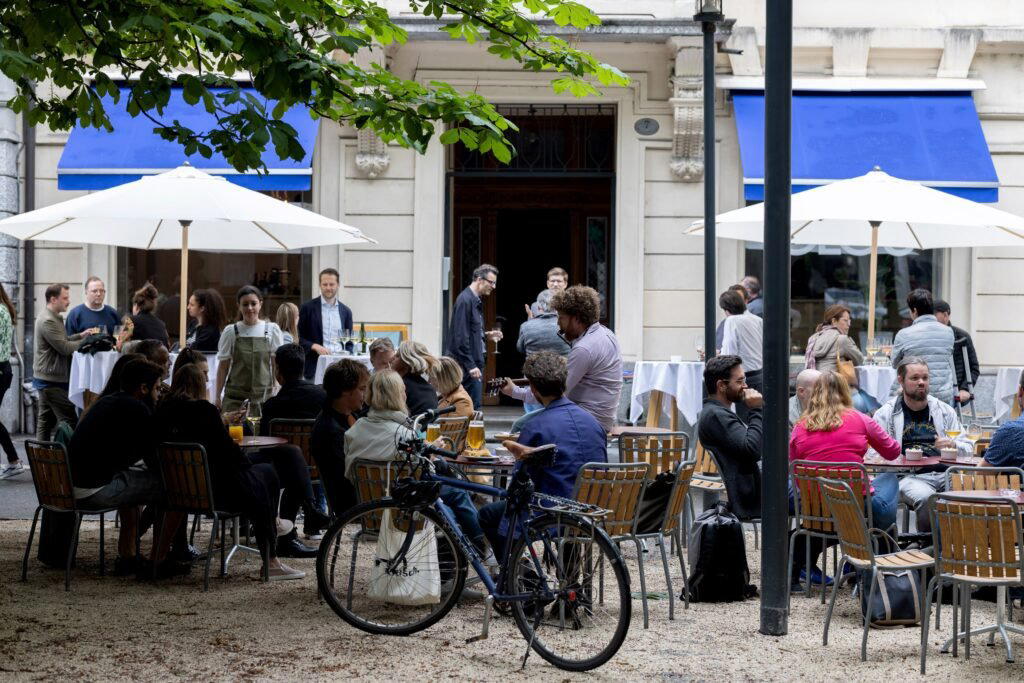

Details
- Elegant
- Minimalist
- Sophisticated
- Intimate
- Special Occasion
- Date Night
- Business Dinner
- Open Kitchen
- Hotel Restaurant
- Sake Program
- Extensive Wine List
- Omakase
- Tasting Menu
- Sake
- Wine
- Vegetarian Friendly
- Vegan Options
- Gluten Free Options
Current opening hours
- Monday
- Closed
- Tuesday
- Closed
- Wednesday
- 6:30–11 PM
- Thursday
- 6:30–11 PM
- Friday
- 6:30–11 PM
- Saturday
- 6:30–11 PM
- Sunday
- 6:30–11 PM
Hours can change for holidays and private events. Hours as of .
Sleek, chic, and minimalist with elegant decor creating a calm, meditative atmosphere.