Ippudo's Shanghai outpost at Disneytown, Pudong, brings the Hakata-born ramen chain's precision tonkotsu methodology into one of the city's most high-traffic leisure destinations. The format translates a deeply regional Japanese noodle tradition for a cosmopolitan crowd without diluting the technical core. For visitors combining Shanghai Disney Resort with a serious bowl, it sits at a useful crossroads of convenience and craft.
Pearl is the En Primeur Club membership app — saves, bookings, and concierge access live there. Same editors, same standards.
- Address
- Disneytown 迪士尼小镇 (Shanghai Disney Resort 上海迪士尼度假区), 浦东, 上海市
 Saves & bookings on Pearl
Ramen at the Resort: Where Japanese Noodle Precision Meets Shanghai's Theme-Park Circuit
Disneytown, the retail and dining precinct attached to Shanghai Disney Resort in Pudong, operates at a different register from the city's restaurant neighbourhoods. The crowds are larger, the pace faster, and the dining decisions are often made on the move. Within that context, Ippudo (一風堂) represents something more deliberate: a Japanese ramen brand that built its reputation on Hakata-style tonkotsu methodology, transplanted into one of mainland China's most footfall-intensive leisure environments. The question worth asking is not whether you'd expect to find serious ramen here, but what it means that you do.
A Global Ramen Format and What It Carries Into China
Ippudo is a restaurant serving Hakata-Style Tonkotsu Ramen at Disneytown 迪士尼小镇 (Shanghai Disney Resort 上海迪士尼度假区), 浦东, 上海市. That expansion arc matters when reading the Shanghai Disneytown location.
In Shanghai more broadly, Japanese ramen sits at an interesting intersection. The city has a substantial Japanese dining population and a consumer base that distinguishes between ramen styles, from shoyu and shio to miso and the pork-bone-heavy tonkotsu that Ippudo brought to international attention. Tonkotsu broth, with its milky opacity and collagen-heavy texture, requires a specific preparation discipline: bones are boiled at high heat for many hours, a technique that produces the fat emulsification responsible for the broth's characteristic body. Executing that at consistent quality across high-volume service is the core technical challenge any tonkotsu-focused chain faces, and it is the benchmark against which Ippudo's Shanghai locations are reasonably measured.
The Disneytown Setting and Its Dining Logic
Disneytown is designed for dwell time, not just transit. Visitors to Shanghai Disney Resort who use the precinct for meals are often managing a full-day itinerary, which shapes what they want from a restaurant: speed that doesn't feel rushed, flavour that can hold its own against an afternoon of sensory saturation, and a format clear enough to order from quickly. Ippudo's menu architecture, built around a small number of ramen variants with customisable intensity and toppings, fits that logic without requiring lengthy deliberation.
The location also places it among a different comparable set than Ippudo's city-centre Shanghai locations. Here, the comparisons are not with Pudong's financial district dining or the independent ramen shops of Jing'an. They are with other resort-adjacent restaurant formats, where the challenge is maintaining product consistency at volume. For a brand whose reputation rests on broth precision, the Disneytown environment is a genuine operational test, not a softened one.
Japanese Technique in a Chinese Context: What the Intersection Reveals
The editorial angle that makes Ippudo in Shanghai genuinely interesting is the one that runs through much of the city's Japanese-origin dining: what happens when a technique developed in response to very specific regional ingredients and climate is applied in China. Tonkotsu broth is, at its root, a product of Kyushu's pork farming traditions and the practical cooking habits of a port city. In Shanghai, the pork supply chain is different, water chemistry varies, and the consumer palate, while increasingly fluent in Japanese food, brings its own reference points around richness and sodium.
Established Japanese brands operating in China typically address this in one of two ways: strict sourcing replication, importing key ingredients to maintain flavour consistency, or calibrated local adaptation, adjusting seasoning and richness to regional preference. Neither approach is inherently superior; they reflect different commercial and culinary priorities. How Ippudo navigates this at the Shanghai level is part of what a ramen-literate visitor will assess instinctively on first taste.
This kind of imported-technique, local-context dynamic plays out across Shanghai's dining culture. At the more formal end of the spectrum, venues like Taian Table and 8 1/2 Otto e Mezzo Bombana approach the same question from a European technique standpoint. At the Cantonese end, 102 House works within a Chinese culinary tradition that has its own long history of absorbing and reframing outside influence. Even plant-focused formats like Fu He Hui and precision-driven tasting menus such as Xin Rong Ji (West Nanjing Road) are, in different ways, negotiating between inherited method and contemporary Shanghai appetite. Ippudo does the same, at a different price point and with a more casual frame, but the underlying negotiation is structurally similar.
Planning Your Visit: Practical Considerations
Ippudo at Disneytown sits within the Shanghai Disney Resort precinct in Pudong, which means access follows the resort's traffic patterns. Weekend and public holiday periods bring significant crowds to the entire area, and dining waits across Disneytown can extend substantially during peak hours, particularly at lunch and early dinner. Visiting on a weekday reduces pressure across the precinct. Ippudo is walk-in friendly, and weekend and public holiday periods bring the heaviest foot traffic through Disneytown, so arriving during off-peak dining hours helps reduce waits.
For those building a broader Shanghai itinerary around serious dining, the Pudong location of Ippudo is a reasonable stop within a Disney visit rather than a destination in its own right. The city's more destination-focused restaurant scene concentrates in Jing'an, the Former French Concession, and the Bund-adjacent blocks.
Beyond Shanghai, the same imported-technique dynamic appears in formats across the region. Comparable conversations are happening at Xin Rong Ji in Beijing, Chef Tam's Seasons in Macau, Xin Rong Ji in Chengdu, Ru Yuan in Hangzhou, Imperial Treasure Fine Chinese Cuisine in Guangzhou, Dai Yuet Heen in Nanjing, Dingshan·Jiangyan in Suzhou, Fleurs Et Festin in Xiamen, Jiangnan Wok·Rong in Fuzhou, and Shang Palace in Yangzhou, each working through the same fundamental tension between inherited culinary logic and local conditions. Le Bernardin in New York and Atomix in New York offer instructive parallels in how tradition travels without dilution.
City Peers
Comparable venues nearby, for context on price, style, and recognition.
| Venue | Cuisine | Price | Notes |
|---|---|---|---|
| Ippudo (一風堂)This venue — the venue you are viewing | Hakata-Style Tonkotsu Ramen | $$ | |
| Tie Wu | High-End Japanese Yakiniku | $$$ | Hongqiao / Minhang |
| Ginza Onodera | Traditional Japanese Sushi Omakase | $$$$ | Lan Ni Du |
| 滴水洞湘菜馆 | Authentic Hunan Cuisine | $$ | Da Pu Qiao |
| Trattoria Palatino | Traditional Roman Italian Trattoria | $$ | Huangpu |
| Xi Kang Lu | Northeastern Chinese Dumplings | $$ | Jing'an |

At a Glance
- Modern
- Trendy
- Casual Hangout
- After Work
- Open Kitchen
- Sake Program
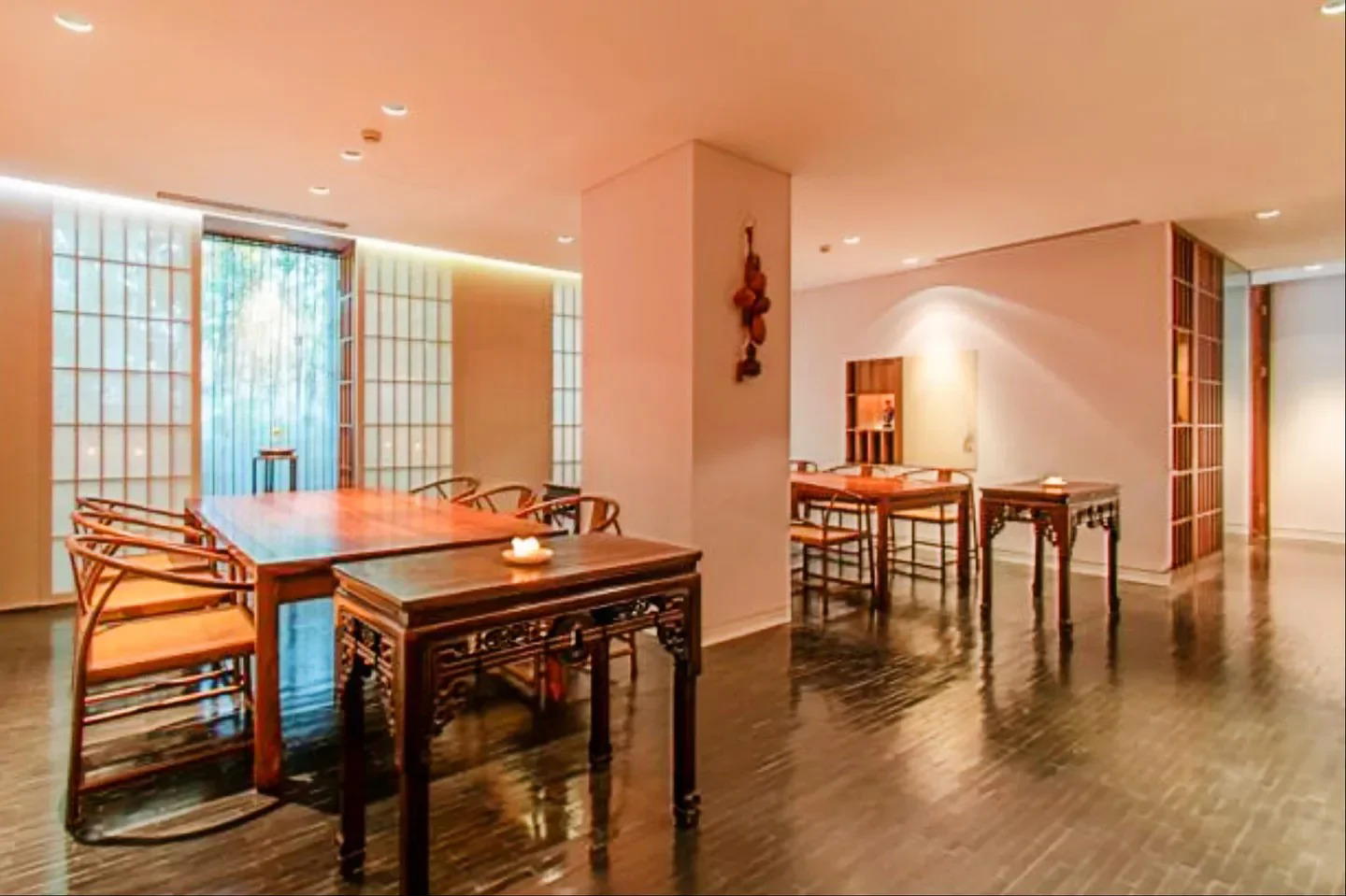
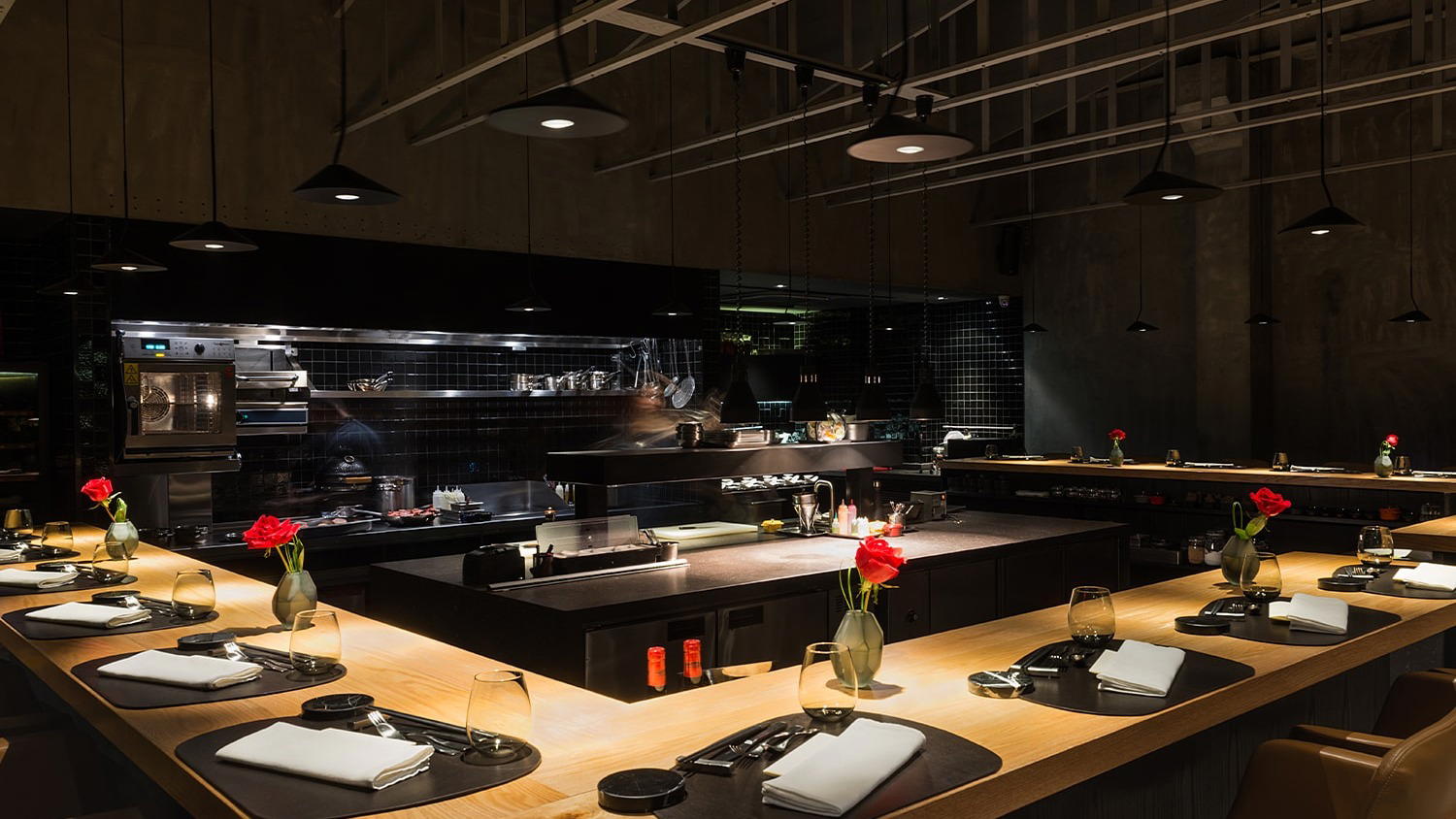
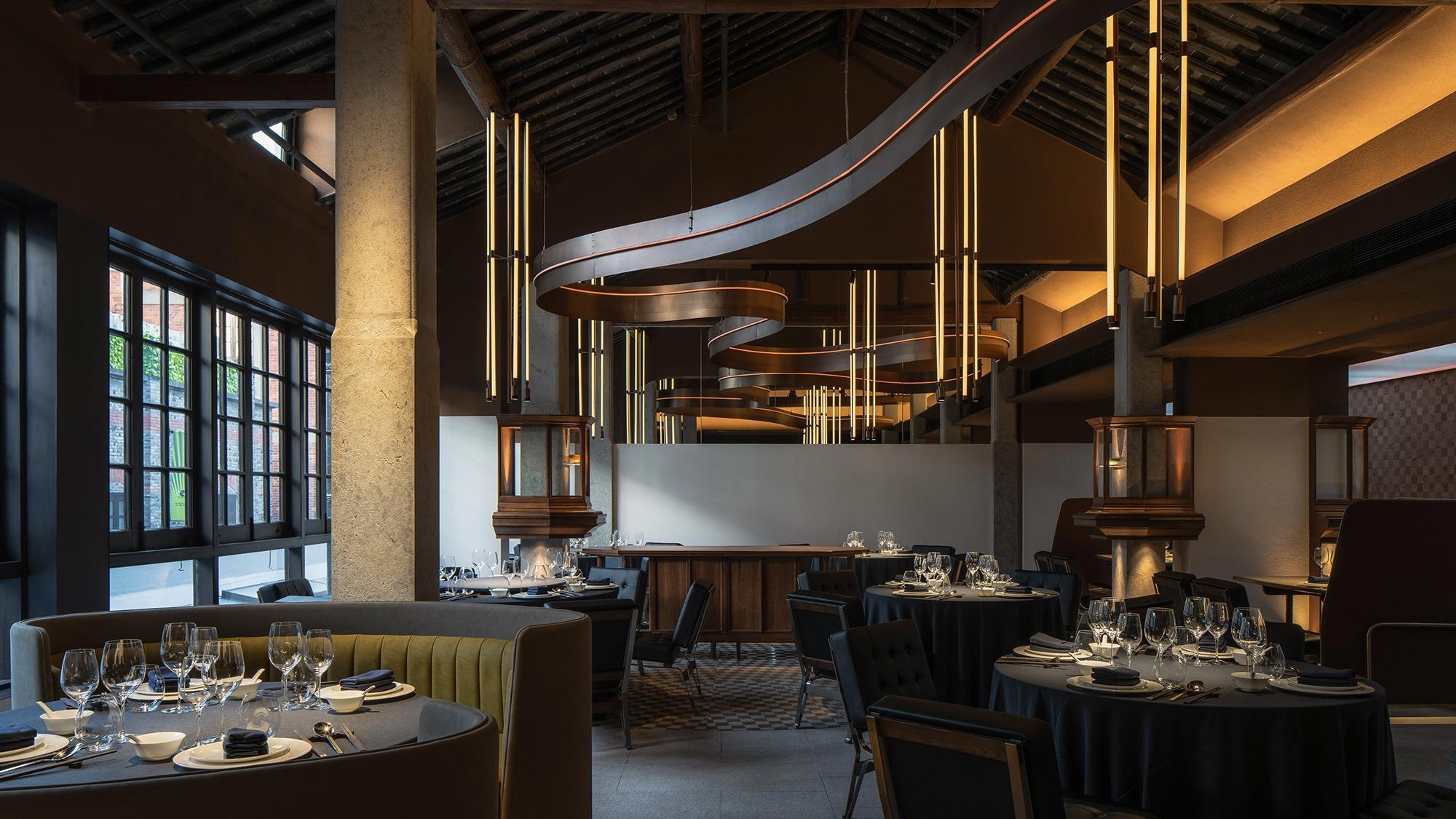
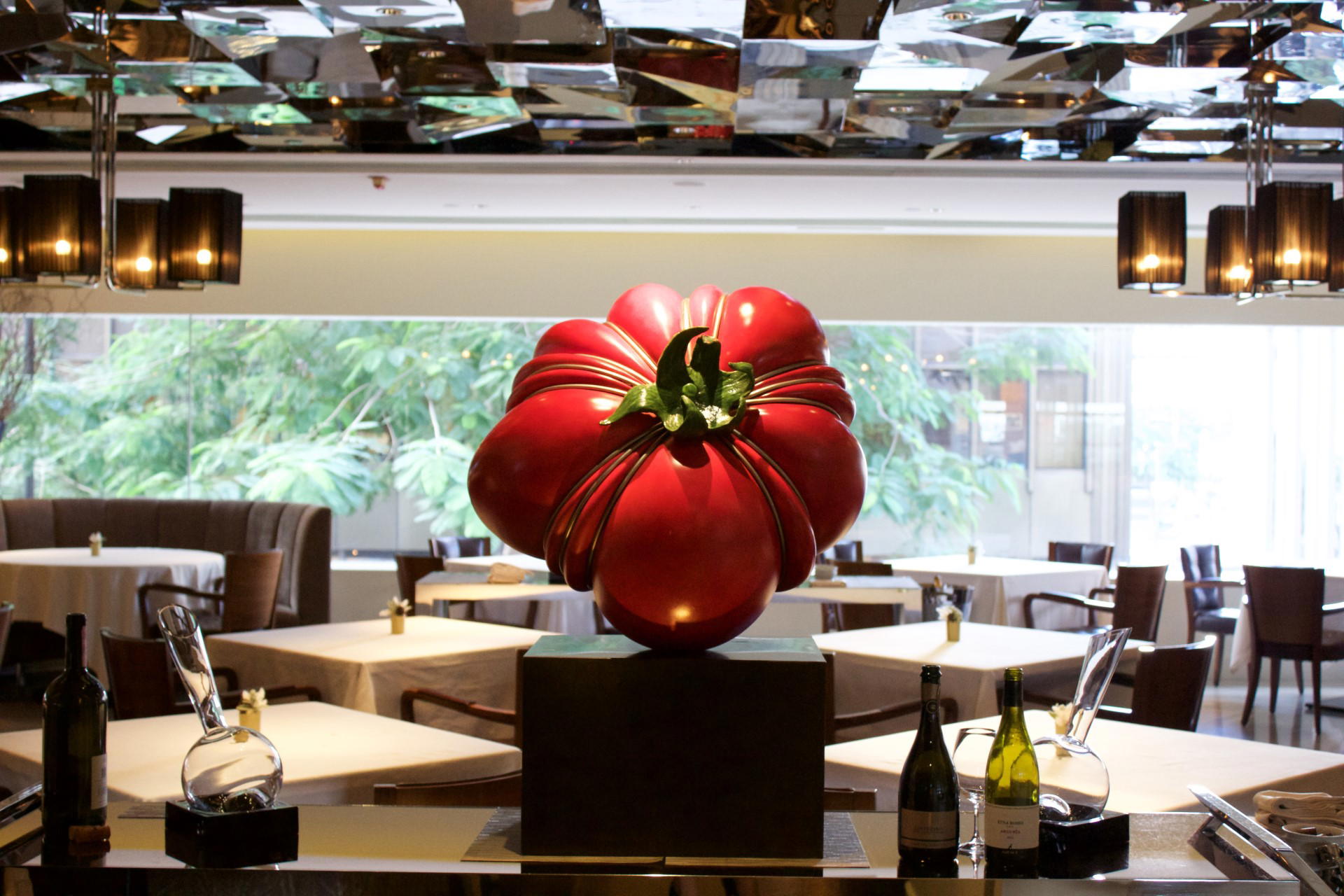
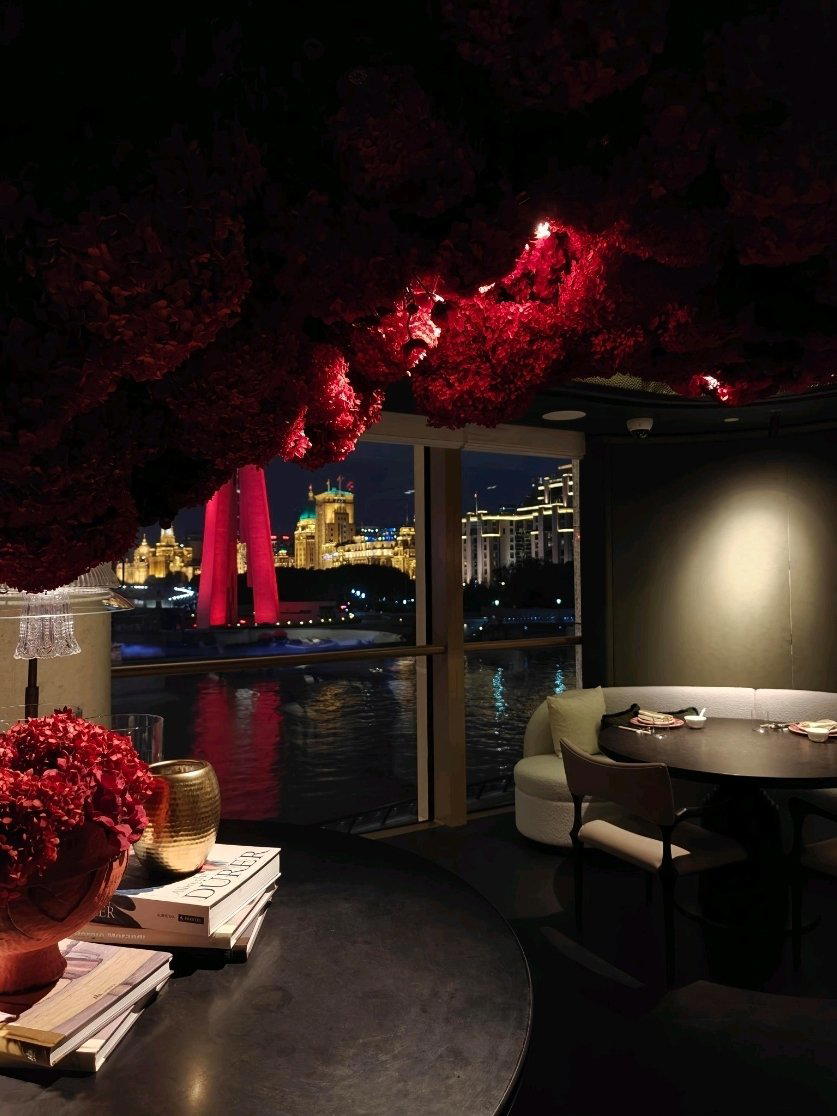
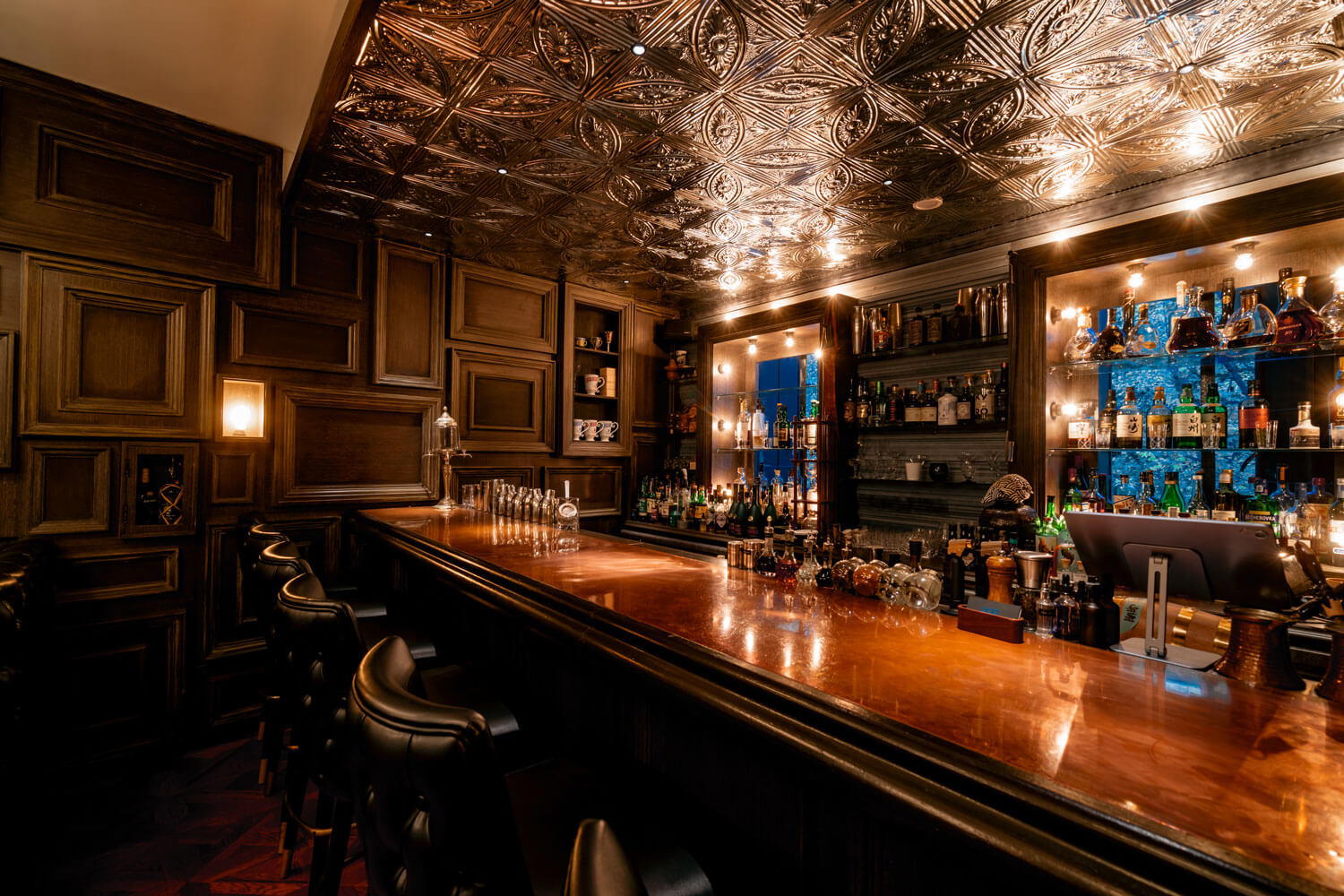
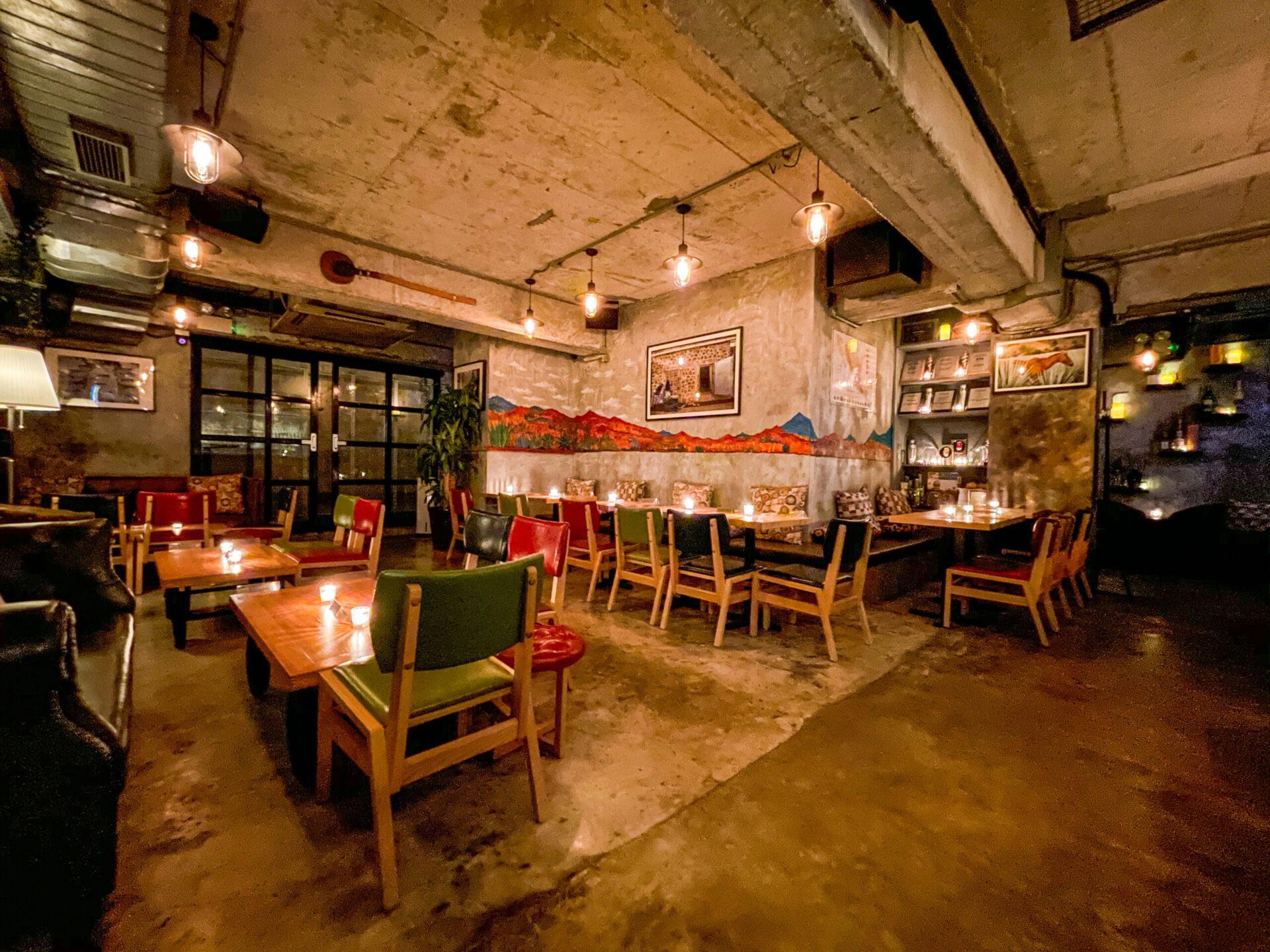
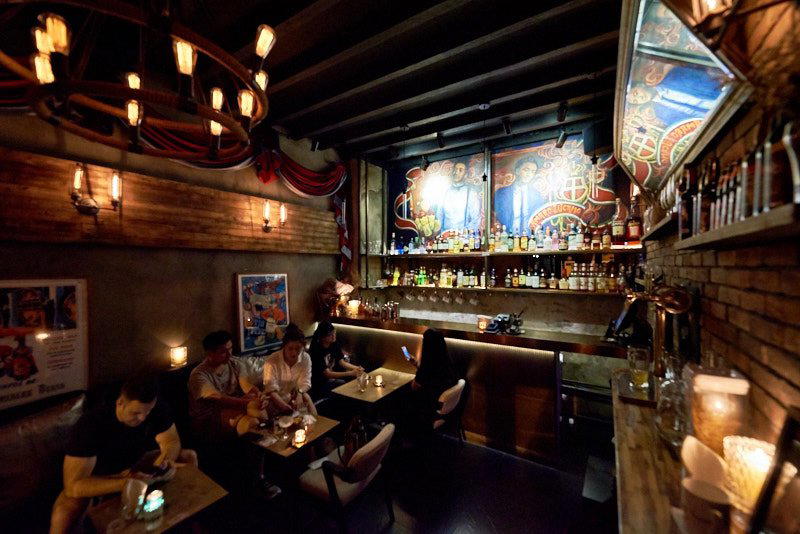
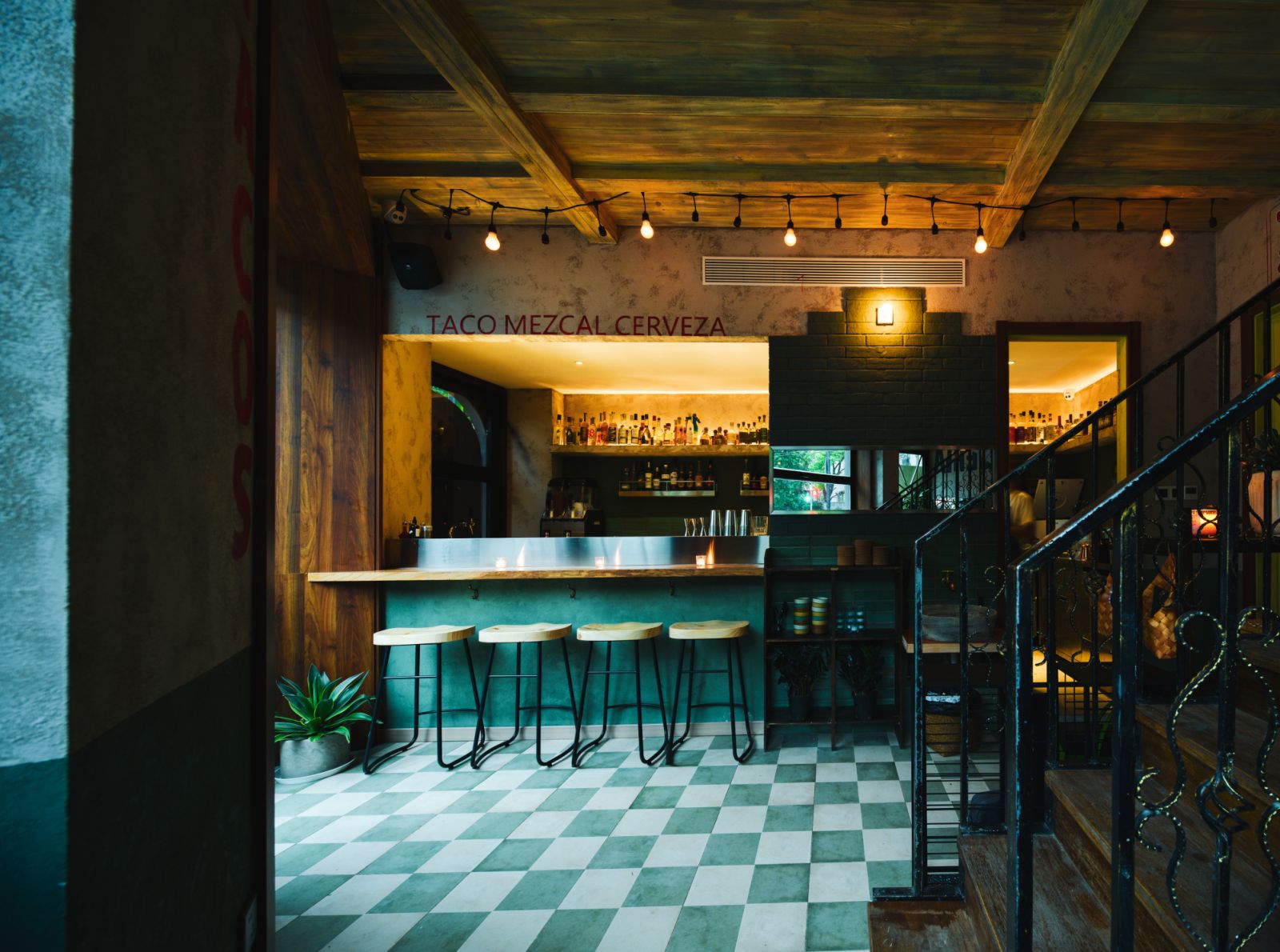
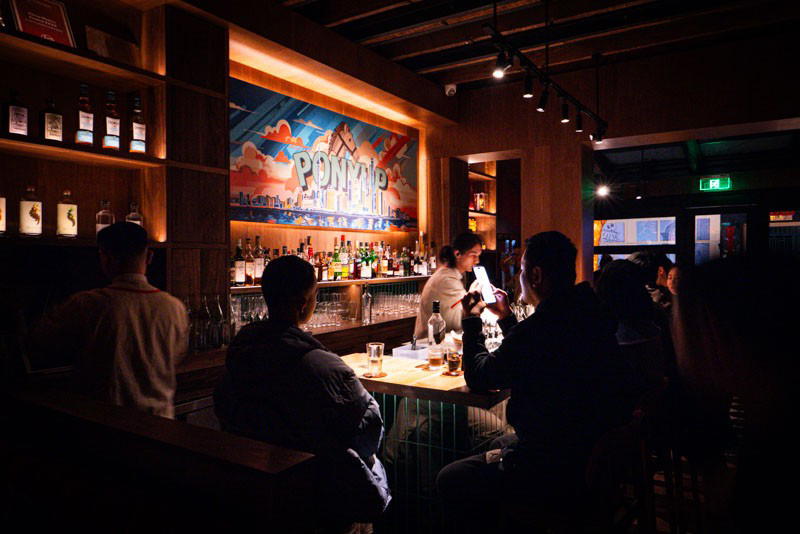
Clean Japanese interior with a modern and trendy atmosphere.