Ginza Onodera brings the precision of Tokyo's high-end Japanese dining tradition to Shanghai's Huangpu district, operating within a city where premium omakase counters now form a distinct competitive tier of their own. The restaurant sits at the intersection of Japanese culinary craft and Shanghai's appetite for formally structured dining, making it a reference point for how Japanese fine dining has taken root in mainland China.
Pearl is the En Primeur Club membership app — saves, bookings, and concierge access live there. Same editors, same standards.
- Address
- China, 楼303éº18-3å·CN ä¸æµ·å¸ é»æµ¦åº ä¸å±±ä¸ä¸è·¯ é®æ¿ç¼ç
- Phone
- +862163339818
 Saves & bookings on Pearl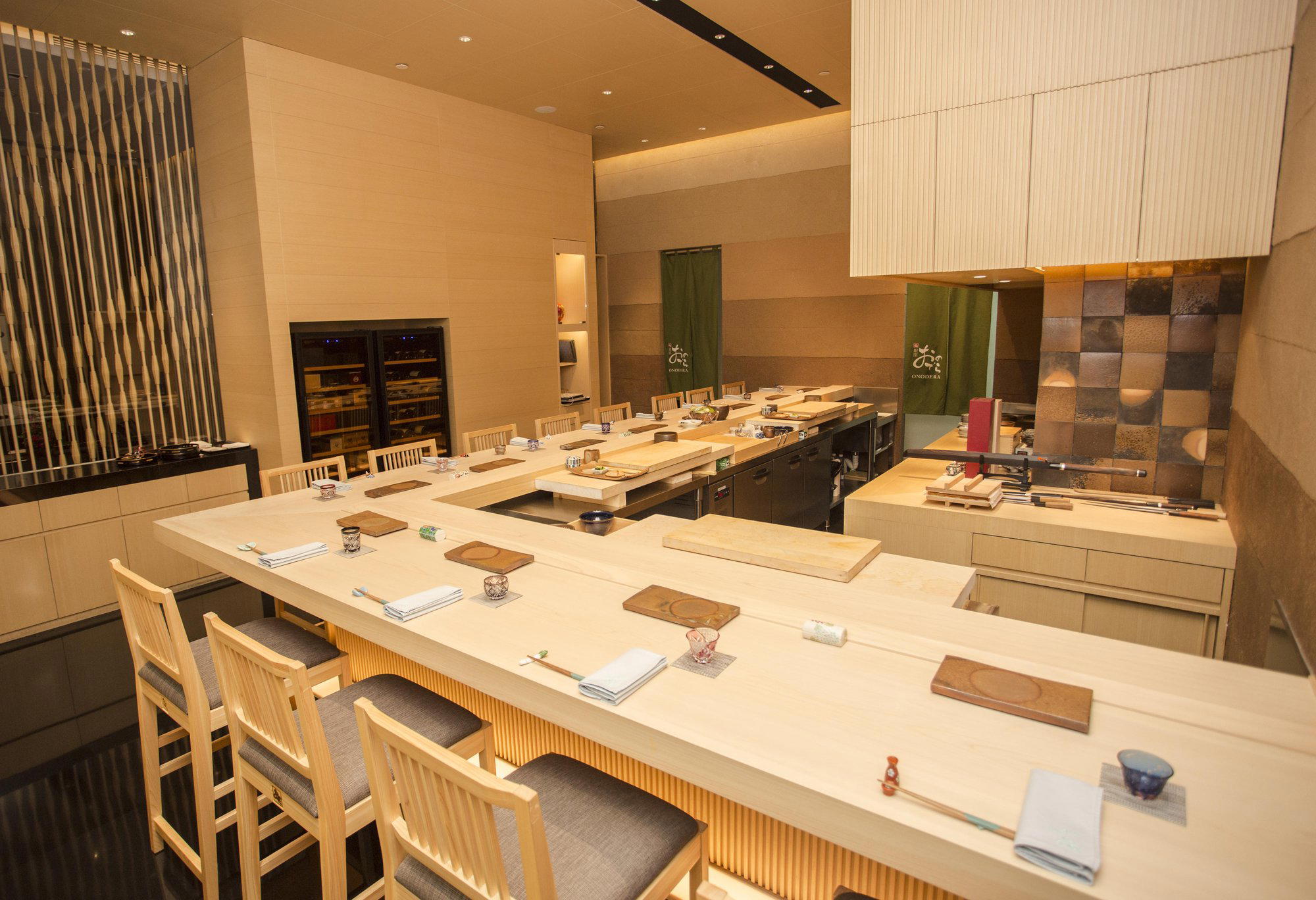
Where Tokyo Precision Meets Shanghai Appetite
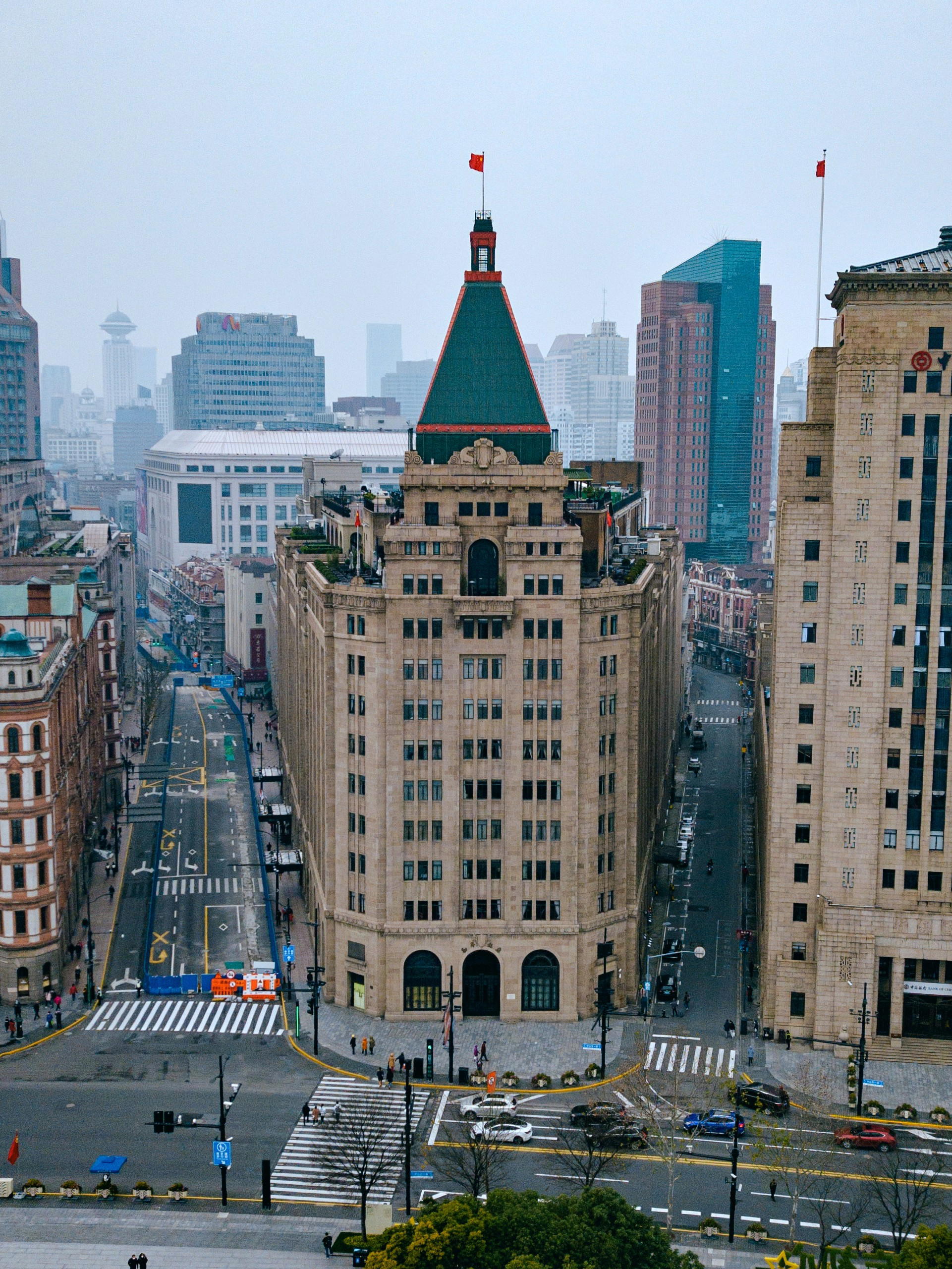
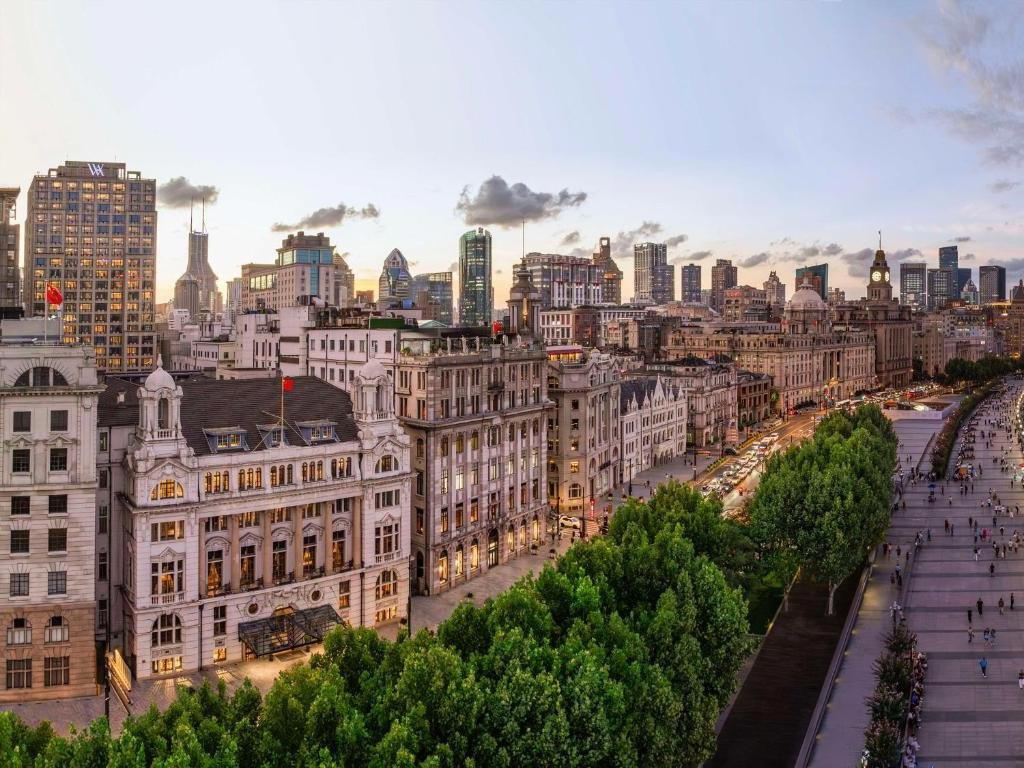
Shanghai's premium Japanese dining scene has undergone a significant structural shift over the past decade. What was once a handful of expat-oriented sushi bars has consolidated into a recognisable tier of high-commitment omakase counters, kaiseki rooms, and kappo formats that price and position themselves against Tokyo peers rather than local Chinese restaurants. Ginza Onodera is a traditional Japanese sushi omakase restaurant in Shanghai's Huangpu district, with a price point of about $150 per person. Operating under the lineage of its Tokyo flagship on the Ginza strip, it sits firmly inside that upper bracket. Its address in the Huangpu district places it within reach of the city's financial and luxury retail core, where the clientele for this kind of dining is densest and the competition for that clientele is sharpest.
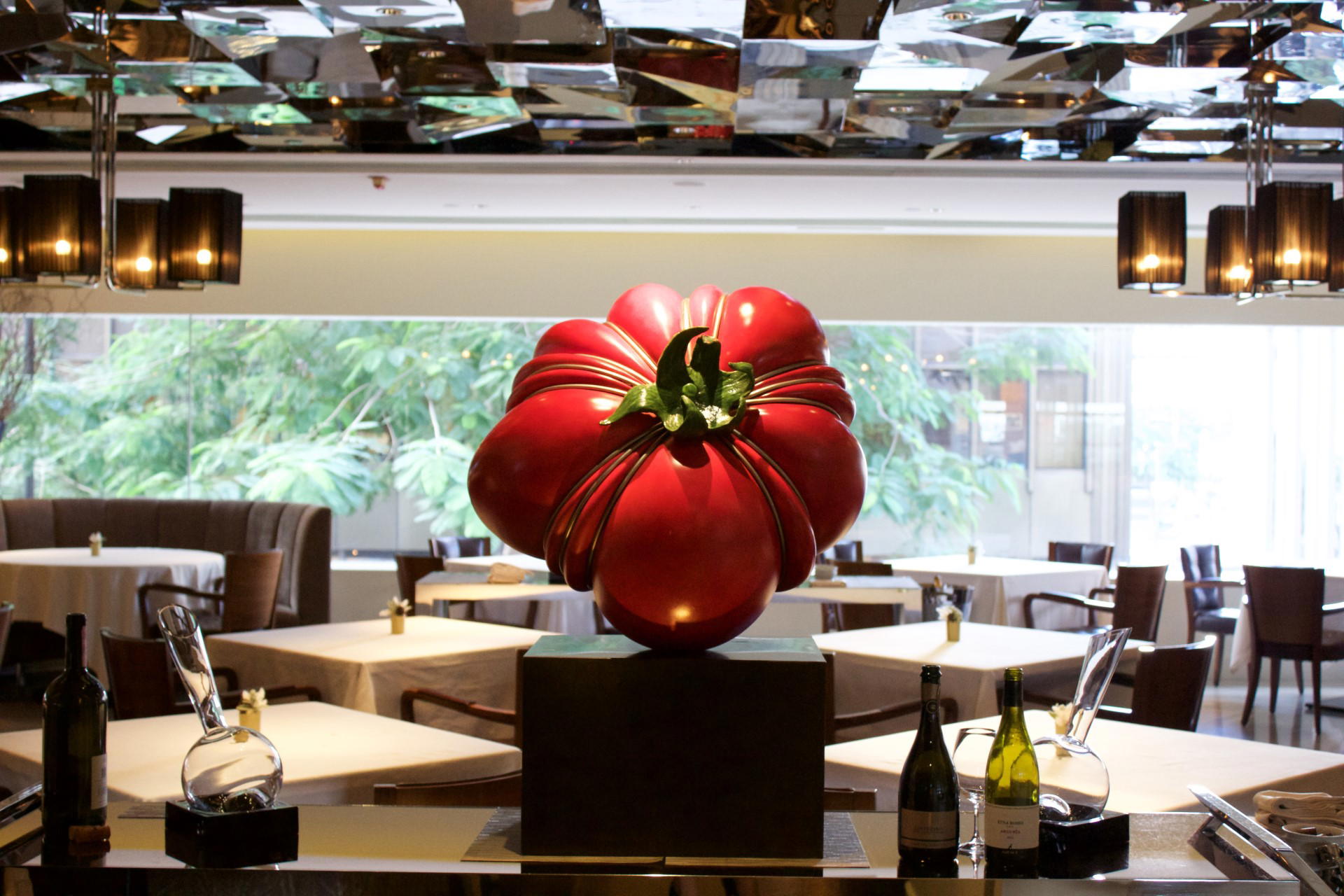
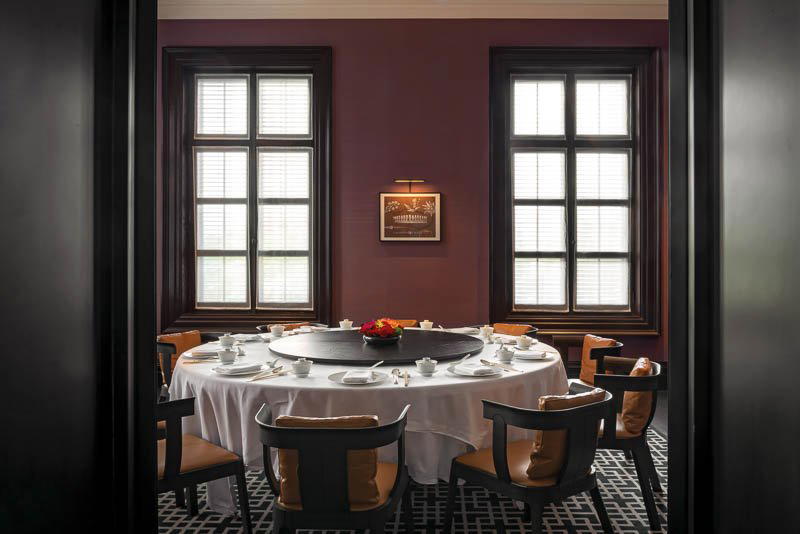
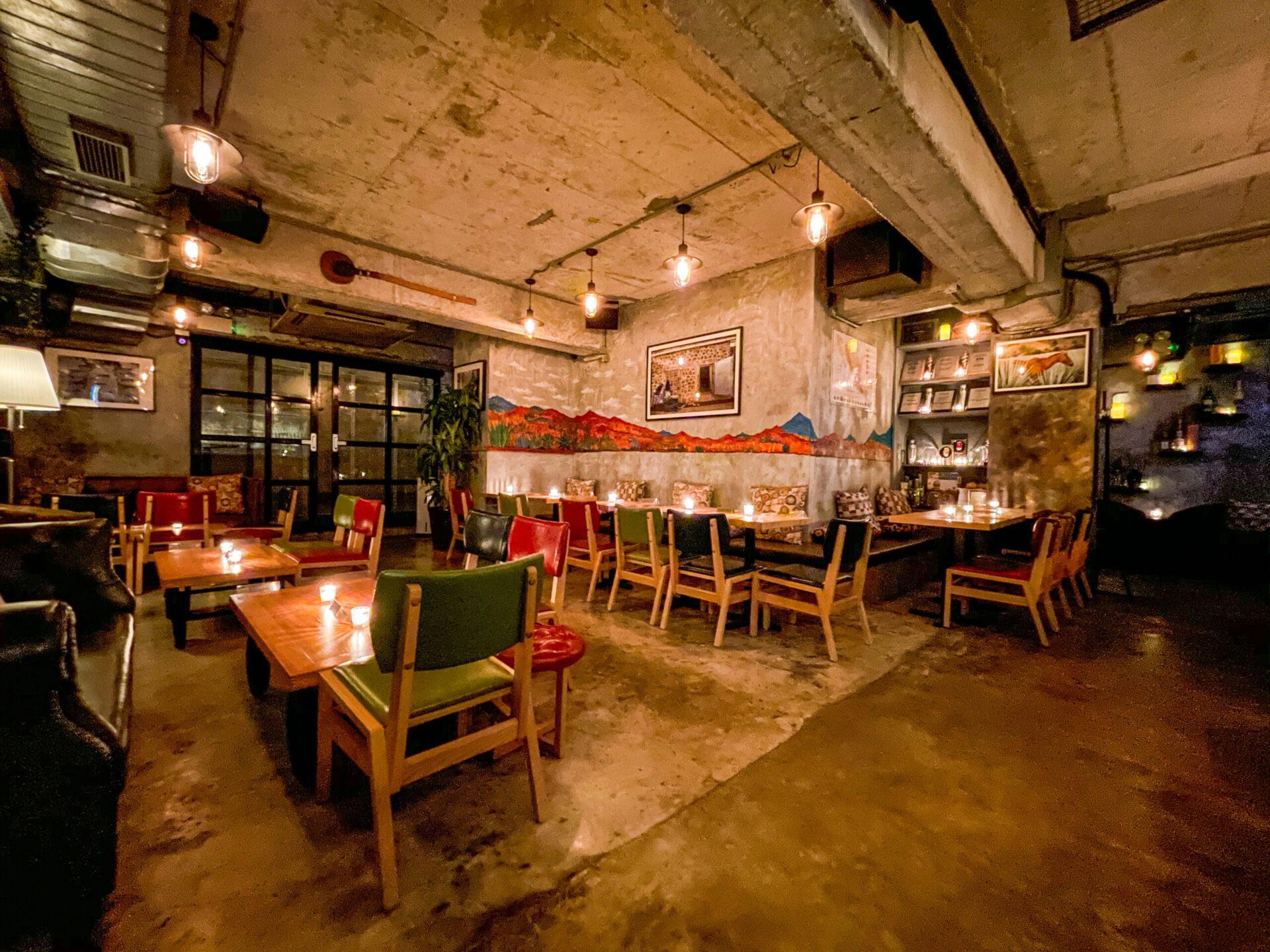
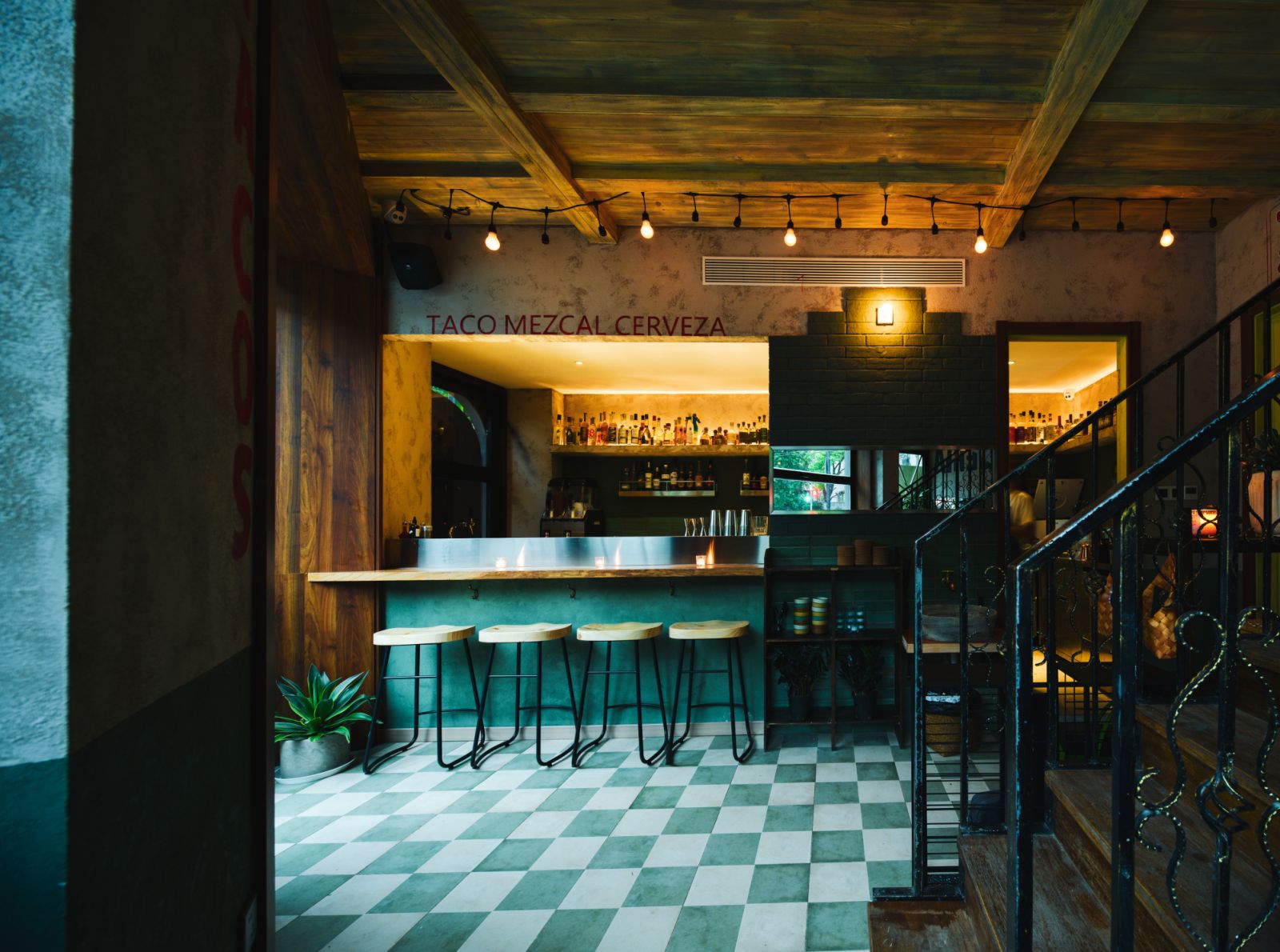
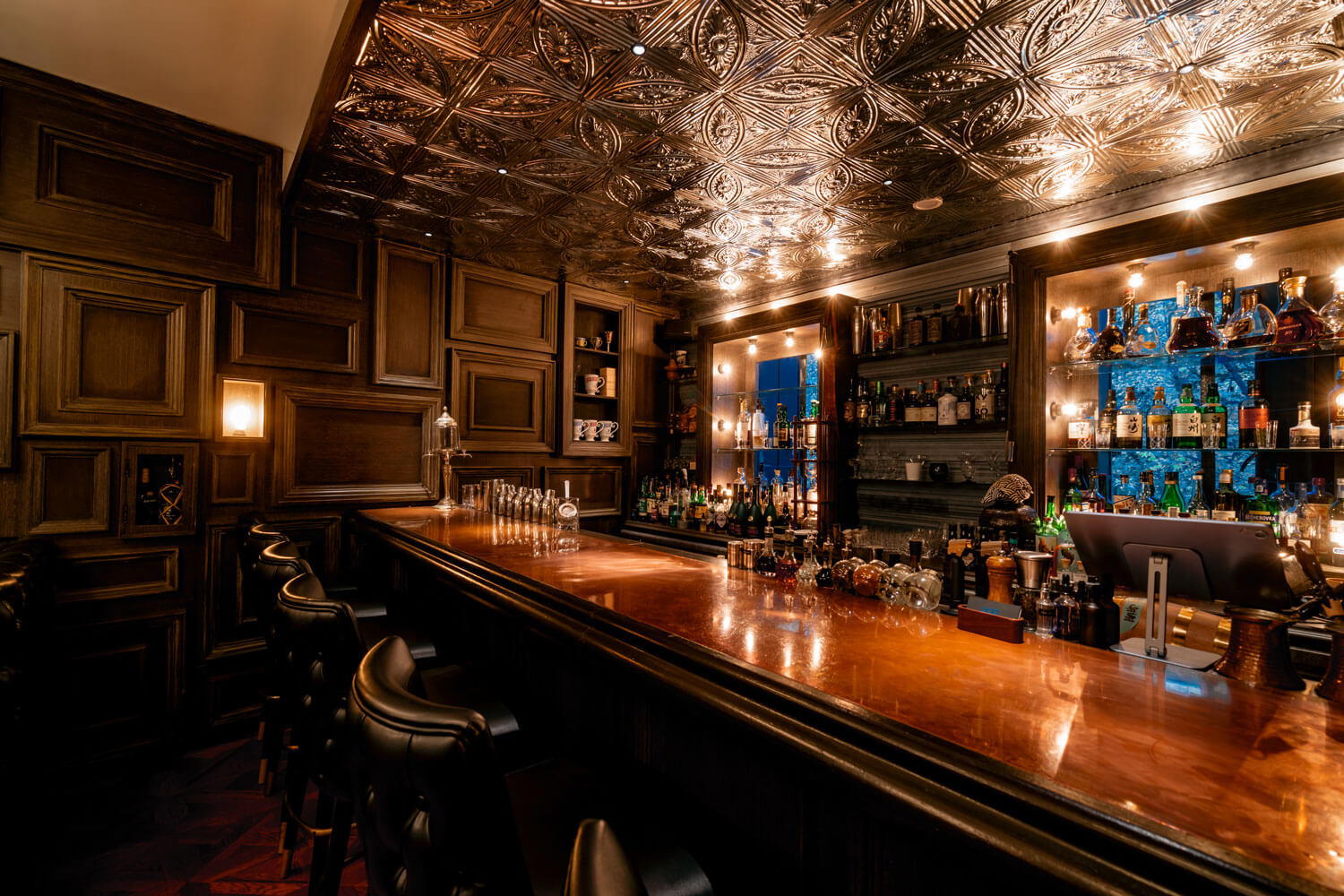
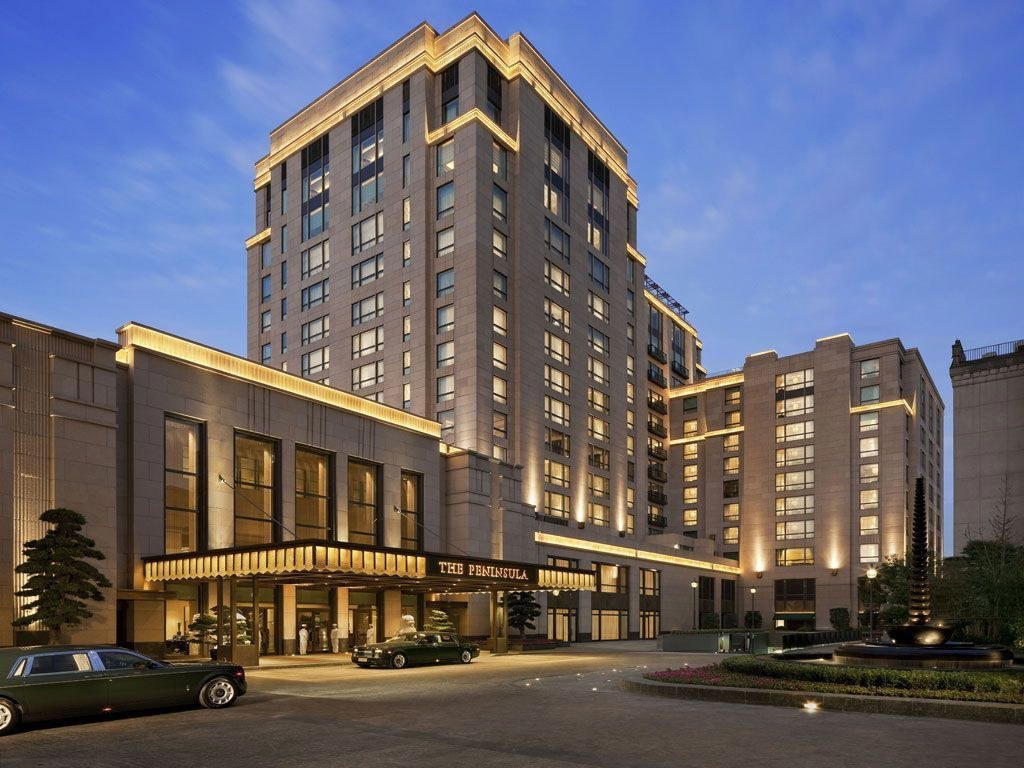
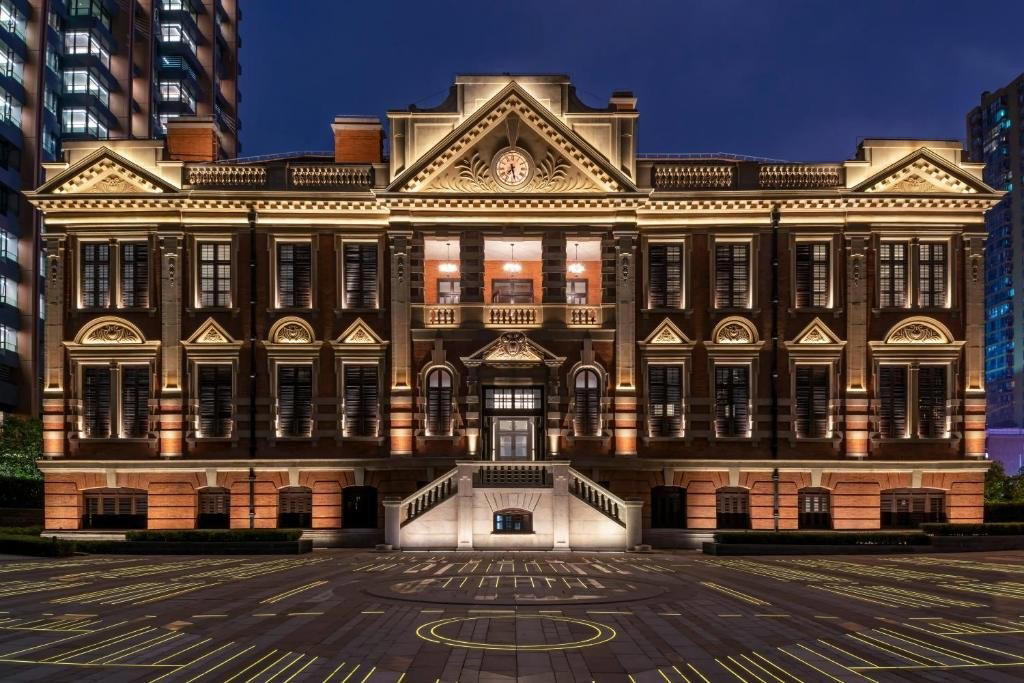
Approaching the space, the visual language signals restraint rather than spectacle. This is consistent with how the Ginza Onodera brand operates across its international locations: the interior grammar draws from the same vocabulary as high-end Tokyo counters, where the craft on the plate is expected to do the communicating. In a city like Shanghai, where some premium restaurants lean into theatrical design to justify their price positioning, that discipline is itself a statement about where this restaurant sits in its comparable set.
The Logic of the Counter: How the Team Works
What defines the experience at counters operating in the Ginza Onodera format is the tight choreography between the chef at the counter, the floor team managing pace and guest orientation, and any drinks program running alongside the food. This is not incidental; it is the operational architecture that separates high-performing omakase counters from technically competent but atmospherically flat ones. The collaborative precision required, chef reading the room, floor staff calibrating interval timing, sake or wine service threaded between courses without interrupting momentum, is the product that guests are actually paying for, as much as any individual dish.
In Shanghai specifically, this team dynamic has become a meaningful differentiator. The city's premium Japanese restaurants have learned that hiring technically skilled kitchen staff is achievable; building a floor team that can translate a distinctly Japanese hospitality register for a predominantly Chinese clientele requires a different kind of institutional investment. The leading counters in this tier have developed bilingual service teams that can hold a conversation about the sourcing logic behind a course in Mandarin without breaking the rhythm of the meal. Where Ginza Onodera succeeds in this regard, it operates as a model for how Japanese fine dining brands can extend internationally without flattening into generic luxury-hotel Japanese restaurant territory.
For context on how Shanghai's broader fine dining tier operates across different culinary traditions, the city's high-end rooms span everything from the plant-based tasting menu format at Fu He Hui to the Italian fine dining positioning of 8 1/2 Otto e Mezzo Bombana and the modern European precision of Taian Table. Chinese cuisine at the premium end is represented by operators like 102 House and Xin Rong Ji (West Nanjing Road). Ginza Onodera positions itself within this competitive field not by competing across categories but by occupying the specific niche of brand-name Tokyo-lineage Japanese fine dining, a niche with a defined and loyal audience in Shanghai.
Shanghai as a Stage for Japanese Fine Dining
Shanghai's relationship with Japanese cuisine is longer and more textured than its recent omakase boom might suggest. Japanese culinary influence has been present in the city for generations, and the current wave of premium counter dining builds on an existing fluency in the cuisine among local diners. This is part of what makes Shanghai a more sophisticated market for Japanese fine dining than many other Chinese cities: guests arrive with reference points, opinions, and sometimes direct experience of the Tokyo originals they are being measured against.
That dynamic creates pressure on imported brands. A restaurant operating under Tokyo lineage in Shanghai cannot rely on novelty. It is being compared, often directly, to the flagship. Ginza Onodera's brand architecture, which extends across Tokyo, Los Angeles, Honolulu, and Paris among other locations, means it enters each market with established credentials but also with the expectation that the Shanghai execution will hold up under that comparative scrutiny. The Huangpu address, the counter format, and the service philosophy all carry that weight.
For those interested in how Japanese-influenced premium dining plays out across other Chinese cities, the regional picture is varied. Ru Yuan in Hangzhou represents one end of the spectrum, while Macau's formal dining scene, anchored by rooms like Chef Tam's Seasons, shows how premium Chinese and Japanese influences coexist in gaming-resort formats. In Guangzhou, Imperial Treasure Fine Chinese Cuisine illustrates the regional Cantonese fine dining alternative.
Planning Your Visit
Ginza Onodera occupies a formal dining register that aligns with the conventions of its Tokyo parent: counter seating, structured progression, and a service pace that assumes the meal is the evening rather than part of it. Reservations are essential. Dress expectations follow the Japanese fine dining convention: smart, considered, and nothing that draws attention away from the room's deliberate quietude. Pricing sits at about $150 per person, consistent with the restaurant's premium positioning.
For international reference points on how counter dining of this kind operates at the very best of the format, Le Bernardin in New York City and Lazy Bear in San Francisco offer useful comparisons in terms of commitment-level dining where the team dynamic is central to the experience. Elsewhere in the region, Xin Rong Ji in Beijing, Xin Rong Ji in Chengdu, Dai Yuet Heen in Nanjing, Fleurs Et Festin in Xiamen, Shang Palace in Yangzhou, Wenru No.9 in Fuzhou, and Pingjiangsong in Suzhou represent the breadth of premium dining options across the broader region for those travelling widely.
A Quick Peer Check
Comparable venues nearby, for context on price, style, and recognition.
| Venue | Cuisine | Price | Awards | Notes |
|---|---|---|---|---|
| Ginza OnoderaThis venue — the venue you are viewing | Traditional Japanese Sushi Omakase | $$$$ | , | |
| MIYAHATO | Modern Japanese Fine Dining | $$$$ | Shanghai | |
| Kanpai Classic (Huangpu) | Premium Yakiniku Wagyu | $$$$ | Michelin Plate | Lan Ni Du |
| Da Vittorio | Modern Italian Fine Dining | $$$$ | , | Lu Jia Du |
| Table Bistro | Innovative German-Asian Fusion Fine Dining | $$$$ | , | Tianlin R.a. |
| Sheng Yong Xing 晟永兴 | Beijing Peking Duck | $$$$ | Huangpu |
At a Glance
- Elegant
- Sophisticated
- Intimate
- Business Dinner
- Special Occasion
- Date Night
- Chefs Counter
- Sake Program
- Street Scene
Authentically Japanese with an elegant and sophisticated atmosphere, highlighted by impressive chef techniques and fresh sushi preparation.