
Tie Wu sits in Shanghai’s Black Pearl one-diamond tier for 2026, a useful signal in a city where Chinese fine dining is increasingly judged by regional specificity rather than hotel polish alone. With public details kept lean, the draw is less a checklist of chef biography or named dishes than its position inside Shanghai’s current appetite for serious, culturally rooted dining.

Pearl is the En Primeur Club membership app — saves, bookings, and concierge access live there. Same editors, same standards.
Shanghai dining often announces itself before the first plate arrives: polished lobbies, hushed rooms, private dining corridors, and a crowd that reads recognition almost as closely as the menu. Tie Wu belongs to that part of the city’s restaurant culture, where a meal is not framed as casual refreshment but as a deliberate evening. The 2026 Black Restaurant Guide places it among its one-diamond restaurants, a credential that matters in China because it is built around local critical infrastructure rather than imported prestige alone.
That distinction is useful. Shanghai has long absorbed outside influence, from treaty-port dining rooms to contemporary hotel restaurants, yet its current high-end Chinese restaurant scene is increasingly concerned with cultural fluency: regional references, banquet logic, private-room expectations, and the balance between refinement and recognisable tradition. A Black one-diamond listing does not tell the whole story, but it does place Tie Wu within a judged national conversation about where Chinese dining is heading in 2026.
Shanghai's serious Chinese tables now compete on cultural fluency
The city’s premium restaurant audience is unusually literate. Diners move easily between Cantonese seafood rooms, Shanghainese private kitchens, luxury hotel grills, and regional Chinese addresses, so a restaurant has to do more than look expensive. It needs to make sense within a broader pattern: how formal the room feels, how much the cooking leans on regional memory, and whether the experience suits business dining, family occasions, or destination-led restaurant planning.
Tie Wu’s public profile is restrained, which shifts attention back to the recognition it has earned. The Black one-diamond mark is the page’s firmest trust signal, and in Shanghai that carries practical editorial weight. Black has become a domestic shorthand for restaurants that can be evaluated inside Chinese dining norms: service rhythm, table culture, ingredient seriousness, and the expectations around occasion dining. Michelin and international lists remain influential, but Black often reads closer to how affluent Chinese diners actually sort the room.
For travellers, that makes Tie Wu a different proposition from a restaurant selected only for scenery or online noise. It sits inside a city where the meal’s cultural code matters: pacing, hosting, shared dishes, and the social choreography of the table. Shanghai can make that choreography feel effortless, but it is not casual. The better reading is to approach Tie Wu as part of the city’s formal Chinese dining circuit, not as a drop-in address defined by a single dish or chef anecdote.
The Black signal is the useful filter here
With no public chef narrative or named signature dishes to anchor the page, the award matters because it supplies a cleaner frame than speculation. One-diamond recognition is not the apex of the Black hierarchy, but it is a meaningful inclusion in a crowded market. In a city the size of Shanghai, where restaurant openings can be amplified quickly and forgotten just as quickly, surviving critical attention requires more than novelty.
The sensible expectation is a polished Chinese restaurant experience rather than a personality-driven counter or tasting-menu theatre. That matters for planning. Shanghai’s fine-dining culture often rewards groups who understand the occasion: business dinners, family tables, and travellers who want a meal that reflects contemporary Chinese restaurant standards without reducing the evening to a photo-led checklist. The absence of public menu detail also argues against over-prescribing the order. The stronger move is to let the restaurant’s current menu structure guide the table rather than arrive with a rigid list of imagined classics.
EP Club readers mapping the city should treat Tie Wu as one point in a wider Shanghai dining itinerary. For Cantonese-leaning choices, see 100 Century Avenue Cantonese, 102 House (Cantonese), and 102 House Shanghai. For Western-leaning dining rooms, 100 Century Avenue Steakhouse and 1515 West Chophouse (Steakhouse) show another side of the city’s premium appetite. Broader planning sits in our full Shanghai restaurants guide, alongside our full Shanghai hotels guide, our full Shanghai bars guide, our full Shanghai wineries guide, and our full Shanghai experiences guide.
Where it fits in a China-wide dining itinerary
Shanghai is only one lens on contemporary Chinese dining. A serious itinerary can run across regional capitals and coastal cities, using recognised restaurants to understand how local cuisines express status differently. Chengdu brings Sichuan intensity into a dining culture built around heat, fragrance, and pacing; see #8 in Chengdu. Fuzhou and Xiamen point toward Fujian’s coastal and banquet traditions through 167 Shan Hai Li in Fuzhou, 1927 Dong Yuan Si Chu in Xiamen, and 1980烧肉粽 in 厦门市. Hangzhou’s literati-inflected dining culture appears through 1913 in Hangzhou, while Beijing’s capital-city theatre is represented by 1949 - Duck de Chine in Beijing. Even outside China, diaspora and Japanese-adjacent casual formats such as Jōdo Saké Bar in Los Angeles and Onigiri Time in Pasadena help show how Asian dining codes shift when they cross cities.
The editorial value of Tie Wu is therefore not a claim of supremacy. It is a Shanghai address with a 2026 Black one-diamond credential, useful for readers who want contemporary Chinese dining with recognised local authority. In a city where status dining can tilt toward spectacle, that is enough to make it a serious planning candidate, provided expectations remain anchored in the culture of the table rather than a hunt for named trophy dishes.
Reputation & Price
Comparable venues nearby, for context on price, style, and recognition.
| Venue | Cuisine | Price | Notes |
|---|---|---|---|
| Tie WuThis venue — the venue you are viewing | Not listed | $$$ | Not listed |
| WANYAN | Not listed | $$$ | Changning, Refined Hui (Anhui) Cuisine |
| 楼上火锅 | Huangpu District, Hong Kong-Style Hotpot | $$$ | Not listed |
| MOOSE | Not listed | $$$ | Changning, Michelin-starred Huaiyang & Jiangzhe Banquet Cuisine |
| Mingge | Xintiandi, Modern Cantonese | $$$ | Not listed |
| Imperial Treasure (Shanghai) | Huangpu, Fine Cantonese Cuisine | $$$ | Not listed |
Recognition history
Dated appearances from independent guides and award organizations, with the underlying list record or original source where available.
Black Pearl 1 Diamond
Black Pearl
At a Glance
- Cozy
- Elegant
- Intimate
- Date Night
- Special Occasion
- After Work
- Casual Hangout
- Standalone
- Design Destination
- Local Sourcing
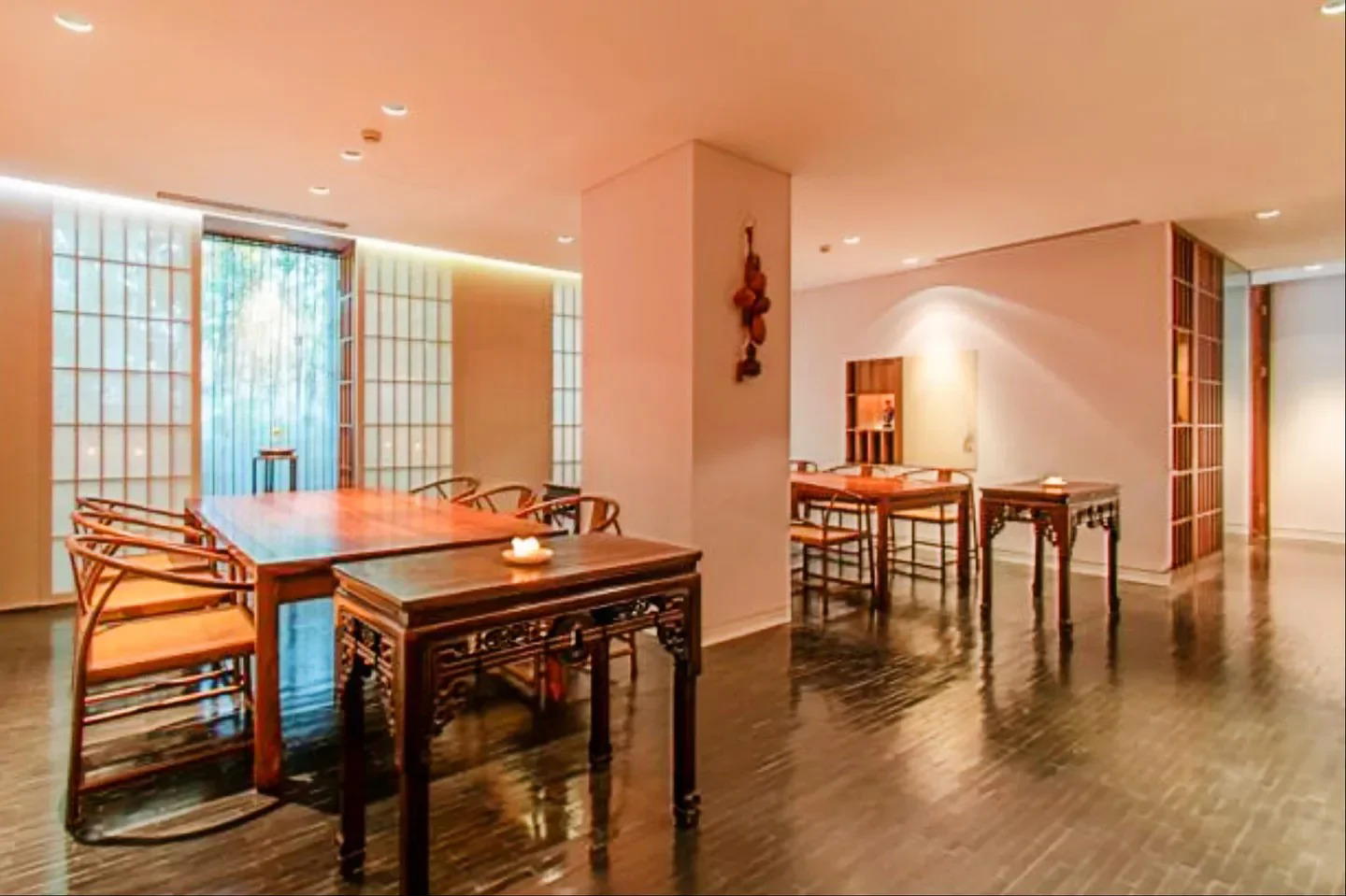
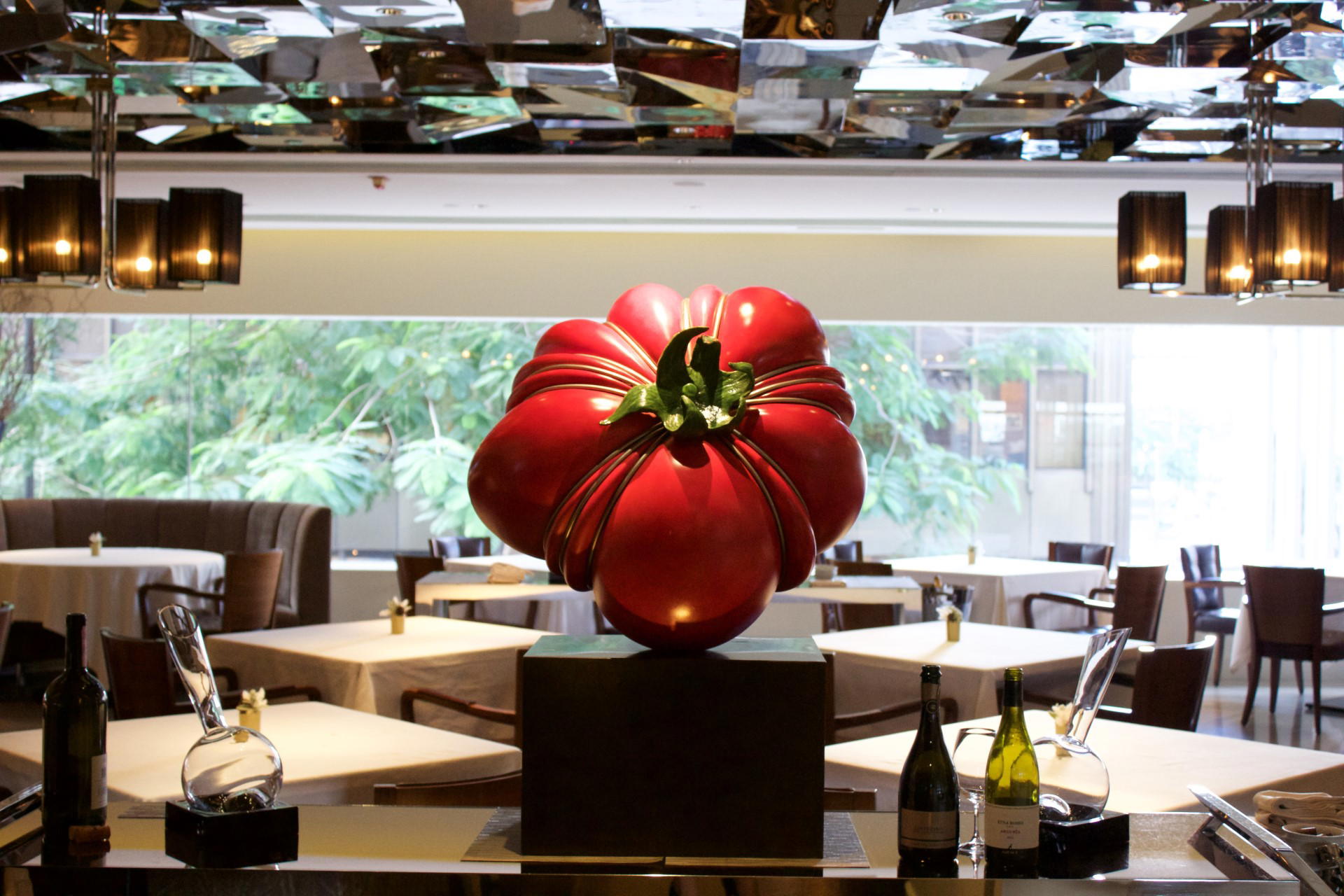
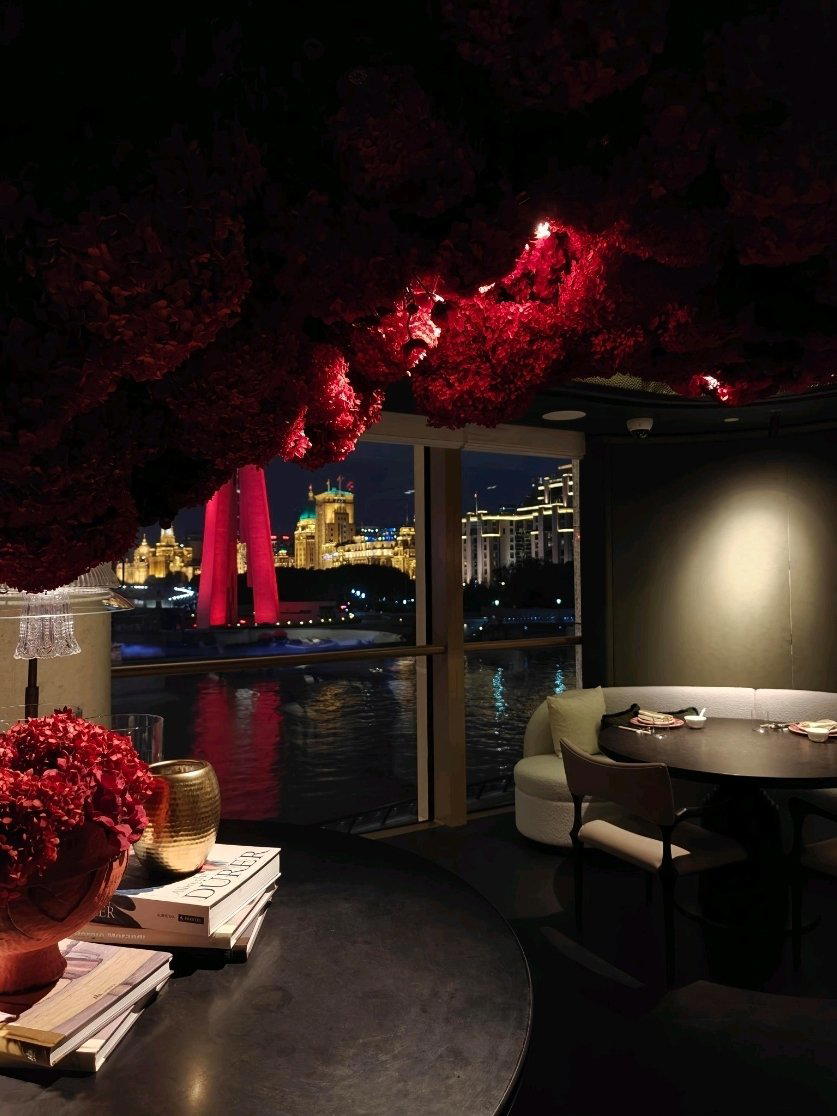
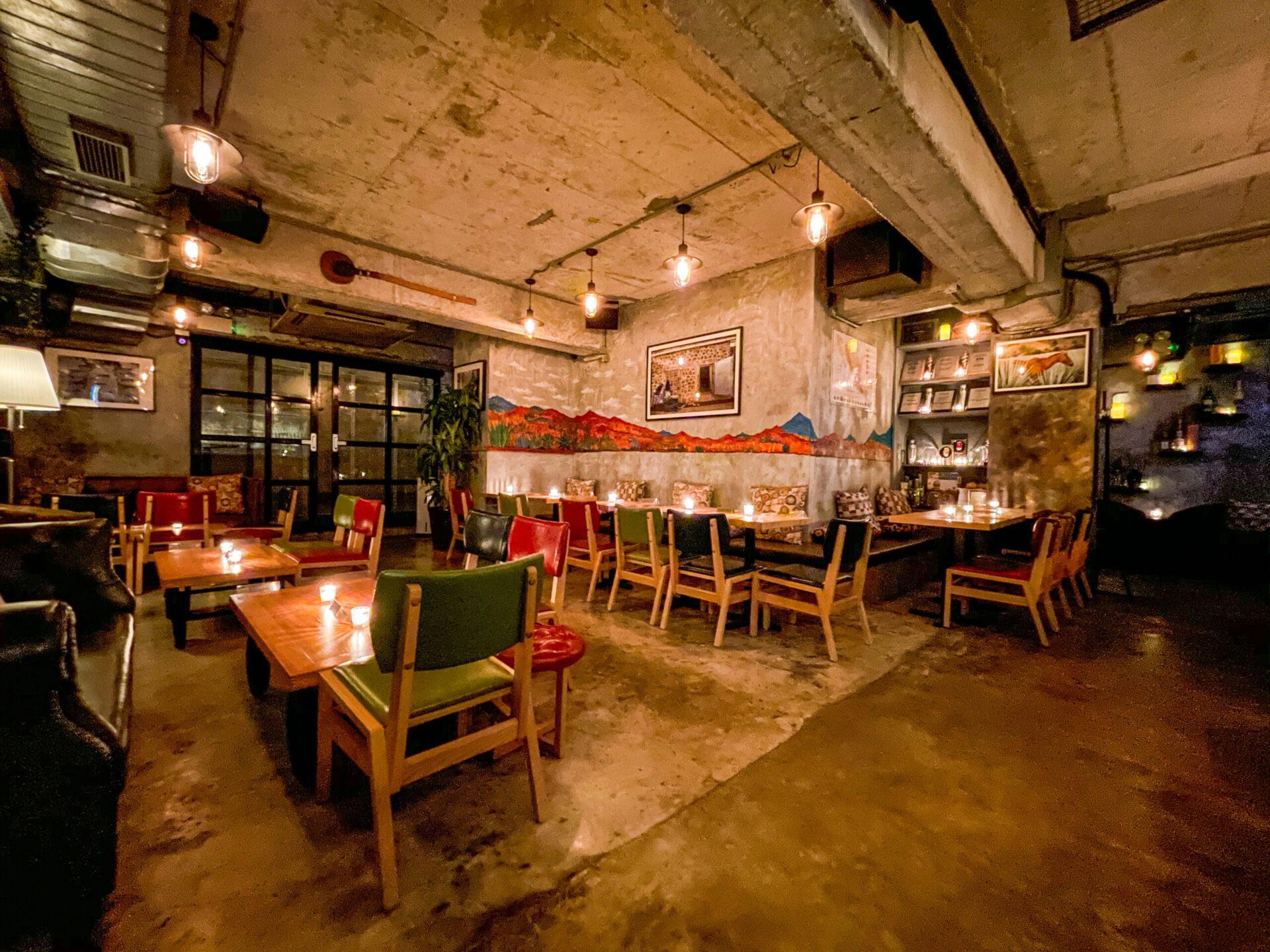
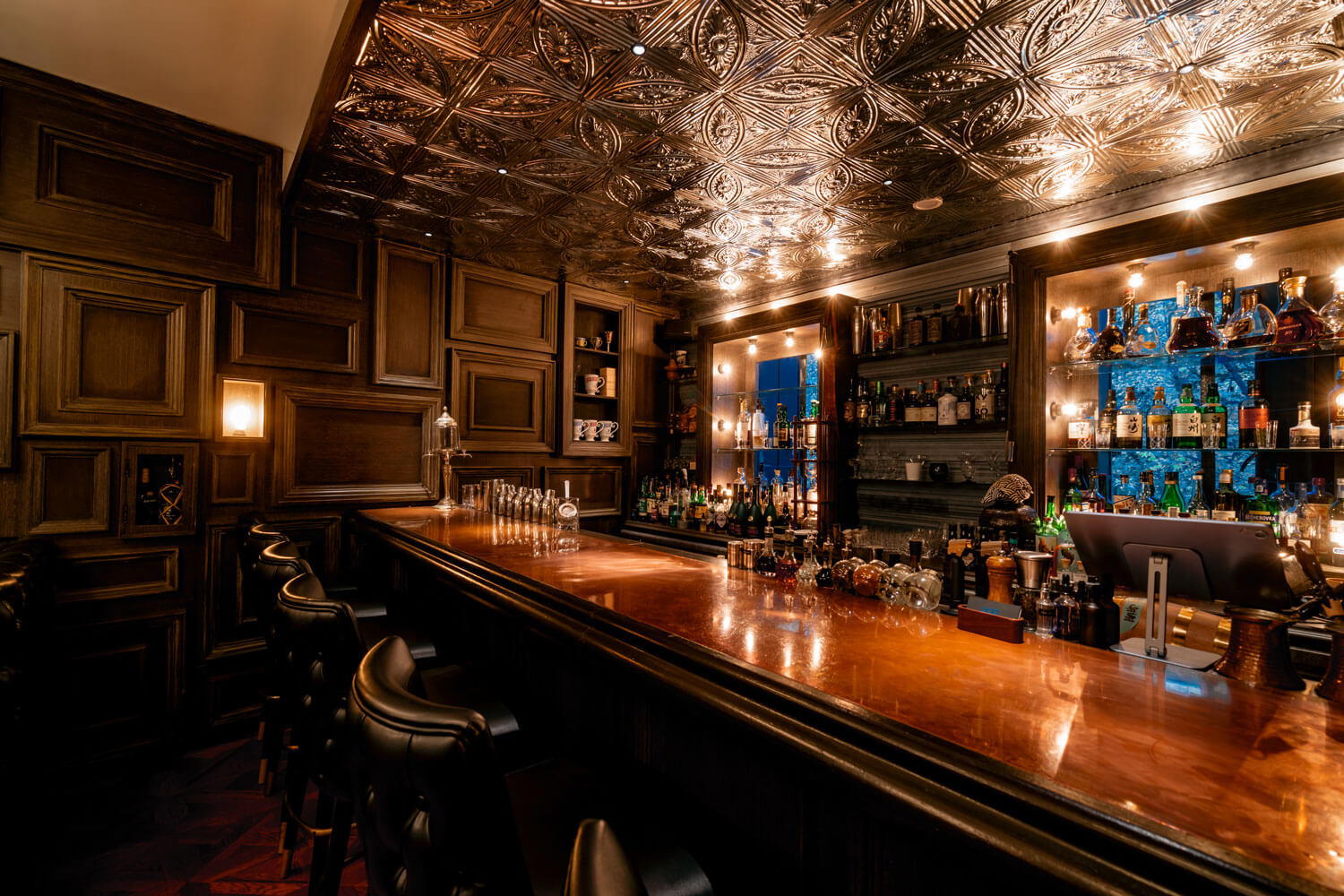
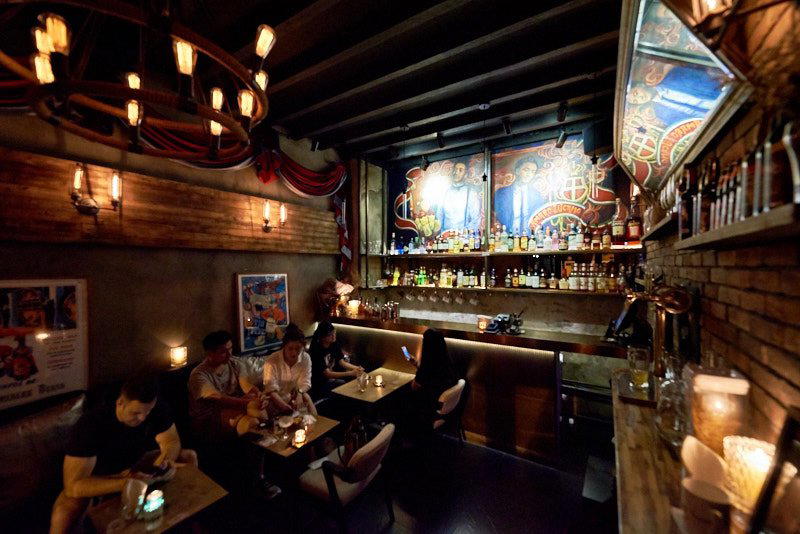
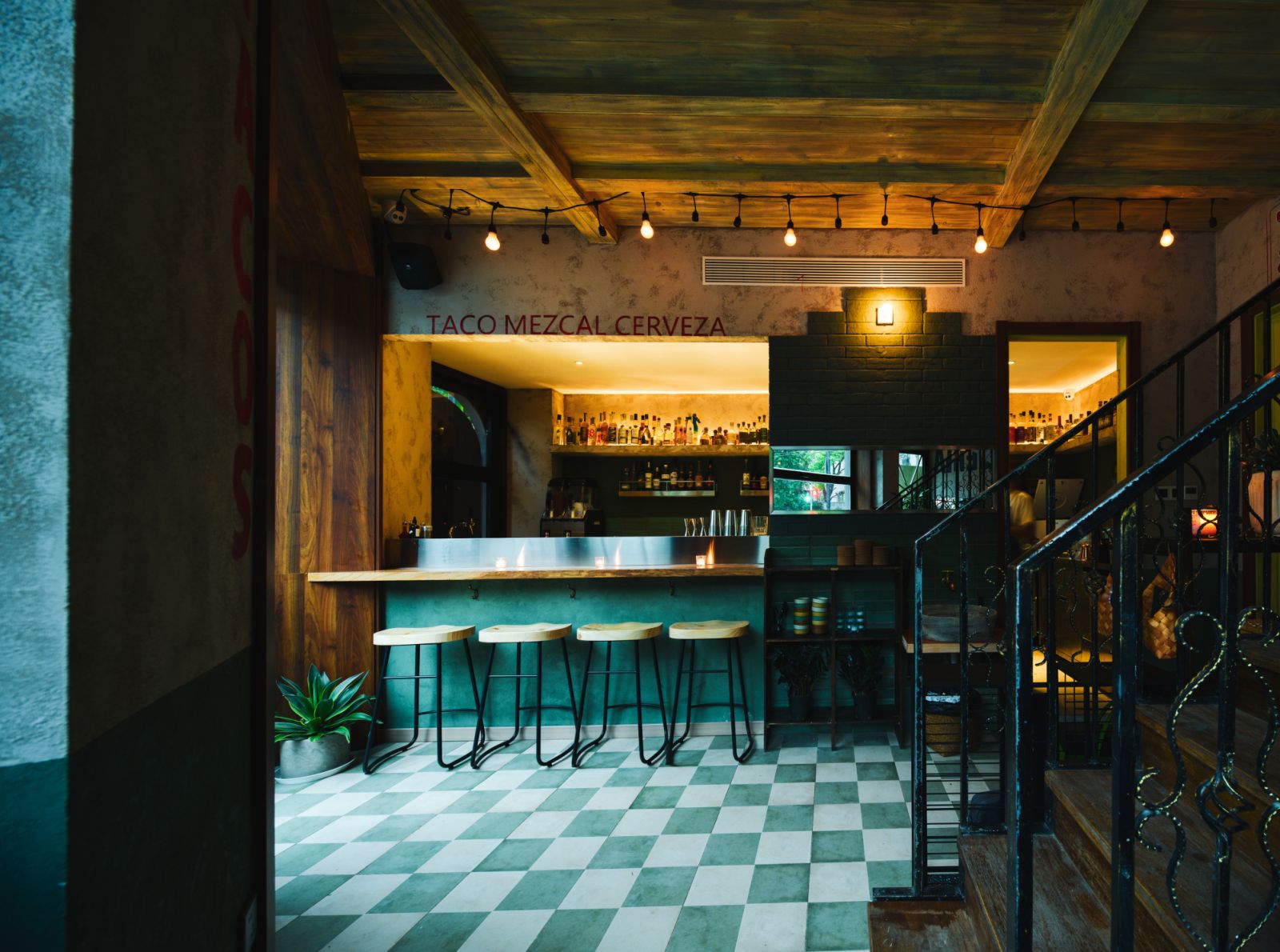
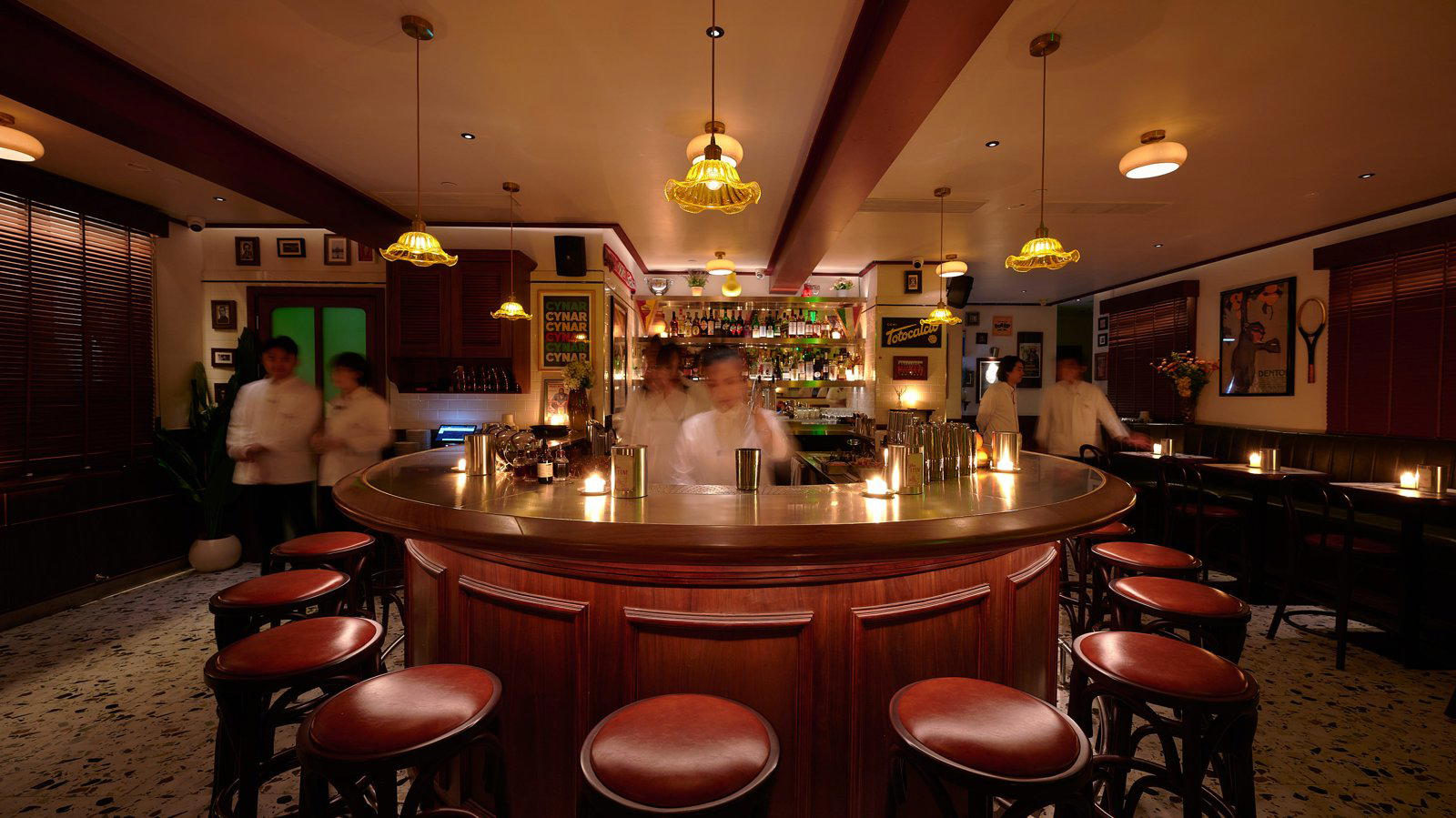
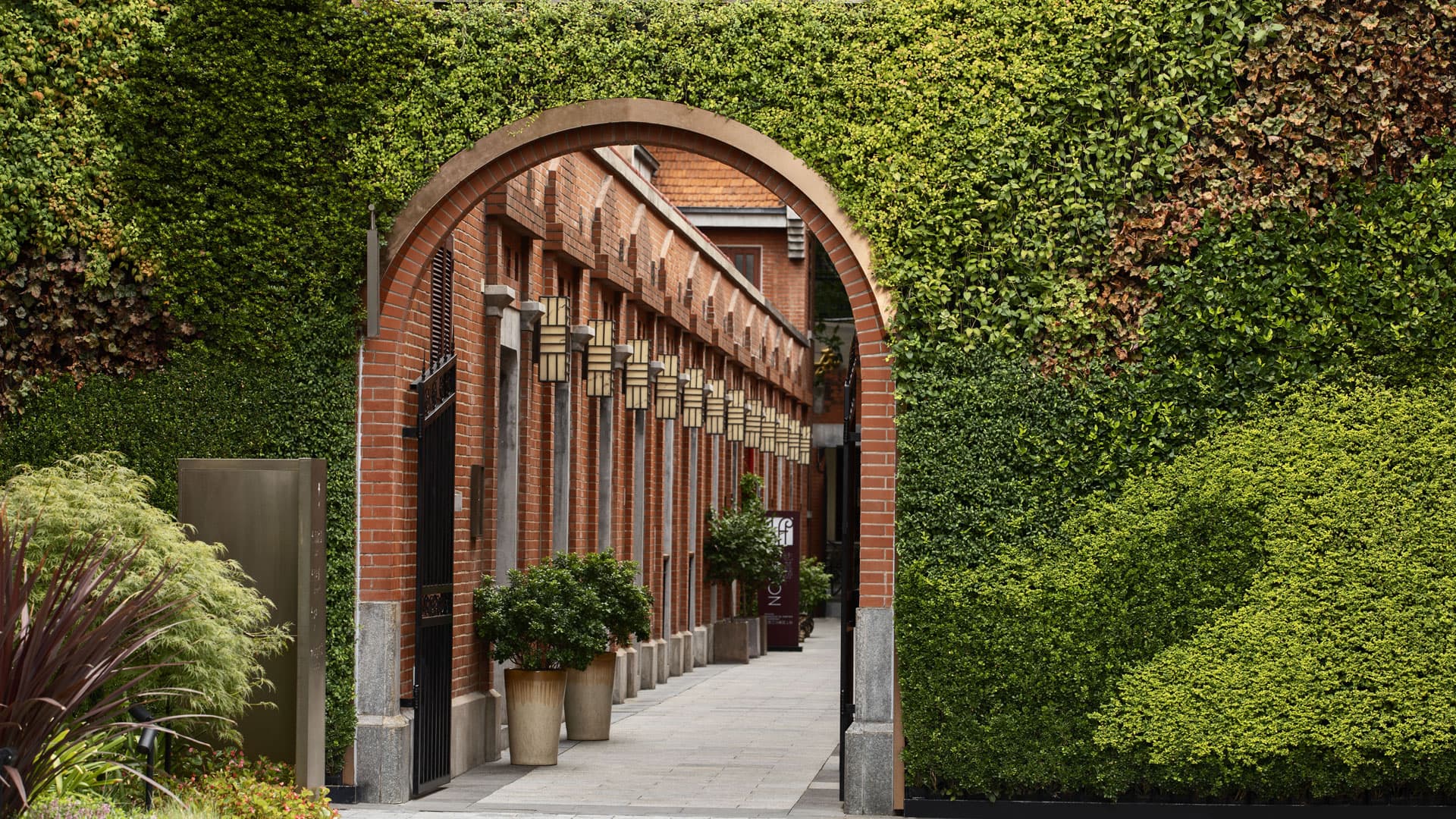
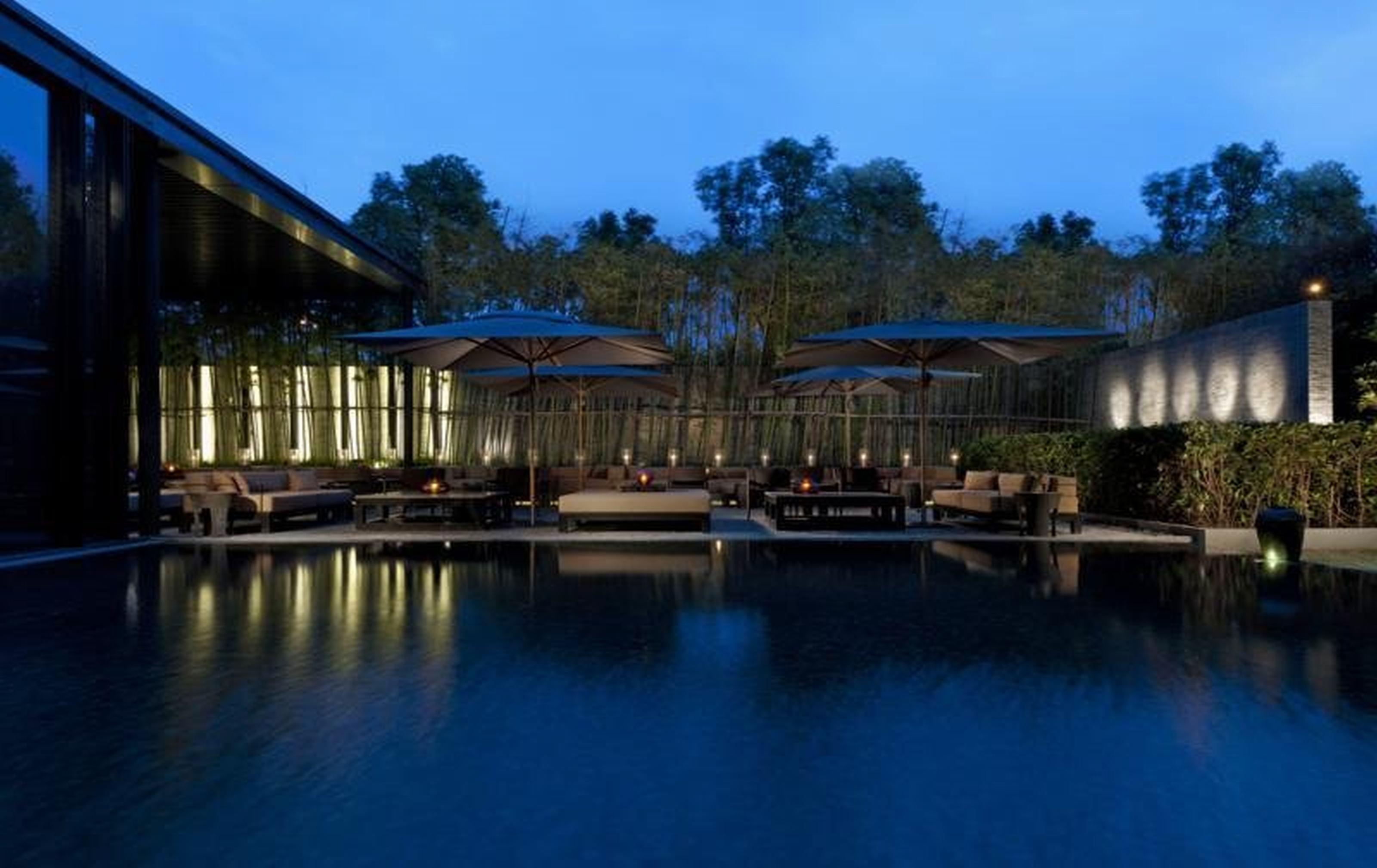
A quiet, polished Japanese-style townhouse space where guests remove their shoes, with gleaming wooden floors and furniture, soft natural light through glass, and attentive, kneeling service that creates an upscale yet calm atmosphere.