On a quiet stretch of Gaoyou Road in Xuhui, Epic occupies a corner of Shanghai's dining scene where the neighbourhood's tree-lined residential calm meets serious kitchen ambition. The address places it among a cluster of independently minded restaurants that have made Xuhui a counterweight to the Bund's more ceremonial fine dining. Contact the venue directly for current hours and reservation details.
Pearl is the En Primeur Club membership app — saves, bookings, and concierge access live there. Same editors, same standards.
- Address
- 17 Gaoyou Rd, Xuhui District, Shanghai, China, 200031
- Phone
- +862154111189
- Website
- instagram.com
 Saves & bookings on Pearl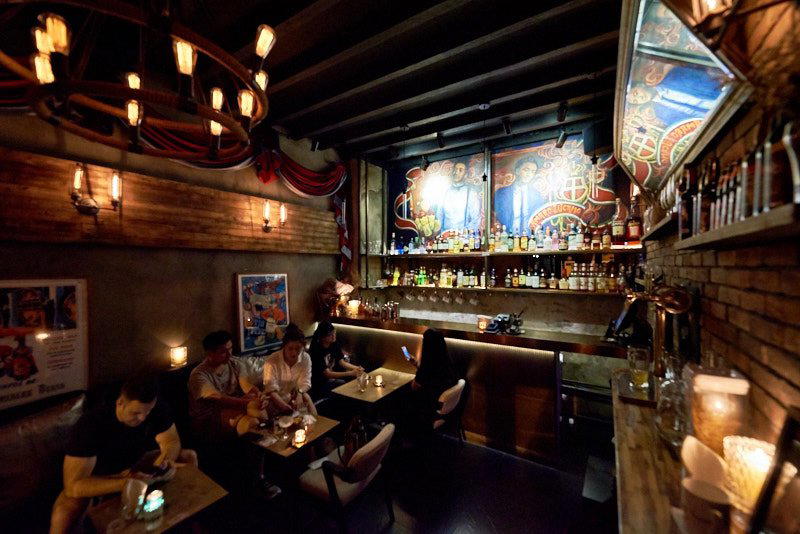
Xuhui's Quieter Register
Shanghai's fine dining map has two distinct gravitational pulls. The first runs along the Bund and Huangpu waterfront, where restaurants perform against a backdrop of colonial architecture and river light, and where the room itself is often as much the draw as the plate. The second sits further inland, in residential pockets like Xuhui, where the street scale drops, the plane trees thicken, and restaurants tend to earn their following through food rather than spectacle. Epic is a cocktail bar at 17 Gaoyou Rd in Xuhui District, Shanghai, with a Google rating of 4.4 and average pricing around $12 per person. Gaoyou Road belongs firmly to that second current. It is a short street in the French Concession-adjacent part of Xuhui, lined with the kind of low-rise buildings that still carry the proportions of the pre-war city. Restaurants that set up here are making a statement about priority: the address does not flatter, so the table has to.
Epic sits at 17 Gaoyou Road inside that logic. The surrounding block draws a mix of local residents and food-literate visitors who have moved past the obvious addresses. This is the same neighbourhood instinct that has made Fu He Hui, a few kilometres north in Jing'an, one of Shanghai's reference points for high-minded vegetarian cooking at the ¥¥¥¥ tier, and that has sustained 102 House as a quiet Cantonese counterpoint to louder competitors. Location in Shanghai, at a certain level of seriousness, is increasingly a conceptual choice rather than a commercial one.
What the Address Implies About the Menu
It suggests a venue that has not positioned itself through the conventional shorthand of category labels. In a city where Taian Table has built its reputation around a tightly controlled modern European tasting format, and where 8½ Otto e Mezzo Bombana anchors the Italian tier with the weight of its Hong Kong heritage behind it, a restaurant that resists easy categorisation occupies a different register entirely.
Menu architecture in this context matters more than individual dishes. The structure of what a kitchen offers, and in what sequence, reveals more about a restaurant's self-understanding than its price point or its awards tally. A counter-format tasting menu signals one philosophy; a à la carte spread with strong regional anchors signals another. Restaurants that build menus around a single primary technique, or around a single sourcing relationship with a farm or region, communicate a third set of values.
Shanghai's Mid-City Fine Dining Tier
The tier of Shanghai dining that operates away from the Bund waterfront and the Xintiandi hotel clusters is genuinely competitive. Xin Rong Ji on West Nanjing Road has demonstrated that Taizhou cuisine, executed with precision and premium sourcing, can hold its own against any format in the city. The comparison is useful: Xin Rong Ji's success in Shanghai opened a conversation about what counts as fine dining when the reference cuisine is deeply regional rather than internationally legible. That conversation is ongoing across the city's mid-tier and upper-mid-tier restaurant scene.
Internationally, the menu architecture question cuts across formats. Le Bernardin in New York built its identity around the conviction that a menu could be organised entirely around a single protein family, fish, and that doing so at sufficient depth was a complete statement. Lazy Bear in San Francisco took a different route, structuring the meal as a communal tasting event where the menu's social logic was as considered as its culinary one. Both approaches ask the same underlying question: what is the menu for, beyond feeding people? Shanghai's most interesting restaurants in 2024 and into 2025 are asking versions of that question with increasing rigour.
The Wider Region in Context
Xuhui's dining scene does not exist in isolation from the broader Yangtze Delta food culture. The region that stretches from Shanghai south through Hangzhou and west toward Suzhou produces some of China's most technically refined cuisine: the delicate lake fish preparations of Ru Yuan in Hangzhou, the classical garden-setting dining at Pingjiangsong in Suzhou, and the long Cantonese fine dining tradition represented by venues like Dai Yuet Heen in Nanjing. Shanghai absorbs and refracts all of this. A serious restaurant on a Xuhui side street is, consciously or not, in dialogue with that entire regional archive.
Further afield, the Chinese fine dining circuit connects through Macau, where Chef Tam's Seasons operates in the territory's particular luxury register, and through Guangzhou, where Imperial Treasure Fine Chinese Cuisine holds the Cantonese formal dining standard. Chengdu adds a third vector with its own premium tier, including Xin Rong Ji. Shanghai's restaurant industry is aware of all of it, and addresses like Gaoyou Road are where that awareness tends to produce the most considered responses. For coastal China's wider independent restaurant scene, Fleurs Et Festin in Xiamen and Wenru No.9 in Fuzhou illustrate how the same instinct, quiet address, deliberate menu, plays out beyond the major commercial centres. And in Yangzhou, Shang Palace holds a different position, anchored to hotel infrastructure in the way that Xuhui independents deliberately are not.
Those considering regional comparisons in Beijing should note Xin Rong Ji on Xinyuan South Road as a useful reference for how the same brand calibrates itself for a different city's expectations.
Planning a Visit
Epic is at 17 Gaoyou Road, Xuhui District, Shanghai. The address is walkable from the Jiashan Road metro station on Line 9, and the surrounding block is easily navigable on foot. Given the venue's low public profile and the absence of a listed phone number or website in standard directories, reaching out through current local reservation platforms or arriving with flexibility on timing is advisable. Hours are not listed, and reservations are recommended. For context on the Xuhui dining cluster, the EP Club Shanghai guide covers the neighbourhood's current restaurant landscape in depth.
The Short List
Comparable venues nearby, for context on price, style, and recognition.
| Venue | Cuisine | Price | Notes |
|---|---|---|---|
| EpicThis venue — the venue you are viewing | Xujiahui, Cocktail Bar | $$ | |
| Shanghai Film Art Center Popcorn | Xujiahui, Popcorn | $ | |
| Top Pot | Huangpu, European-Style Bakery | $$ | |
| Malt Fun | Xujiahui, Whisky Bar | $$$ | |
| 馋三尺蟹粉小笼 | $$ | Yang Jia Du, Shanghai Crab Roe Xiaolongbao | |
| Wu Kang Lu | Xujiahui, French Bistro & Cafe Culture | $$ |
At a Glance
- Lively
- Trendy
- Cozy
- Energetic
- Date Night
- Casual Hangout
- After Work
- Terrace
- Craft Cocktails
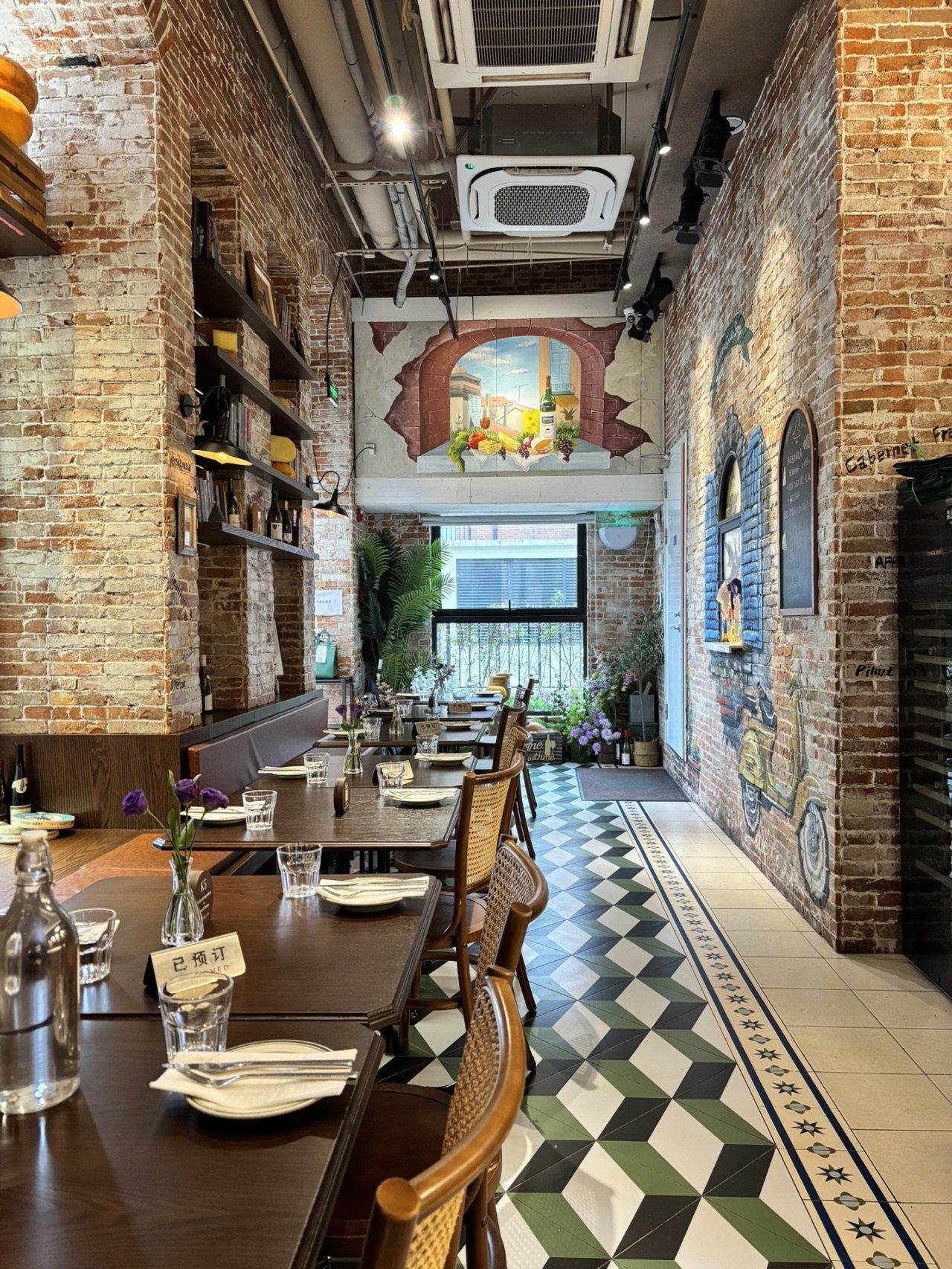
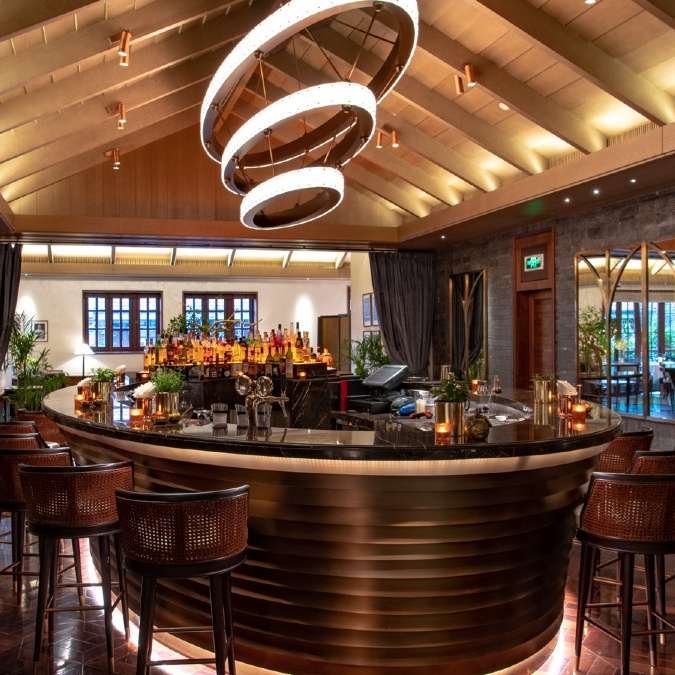
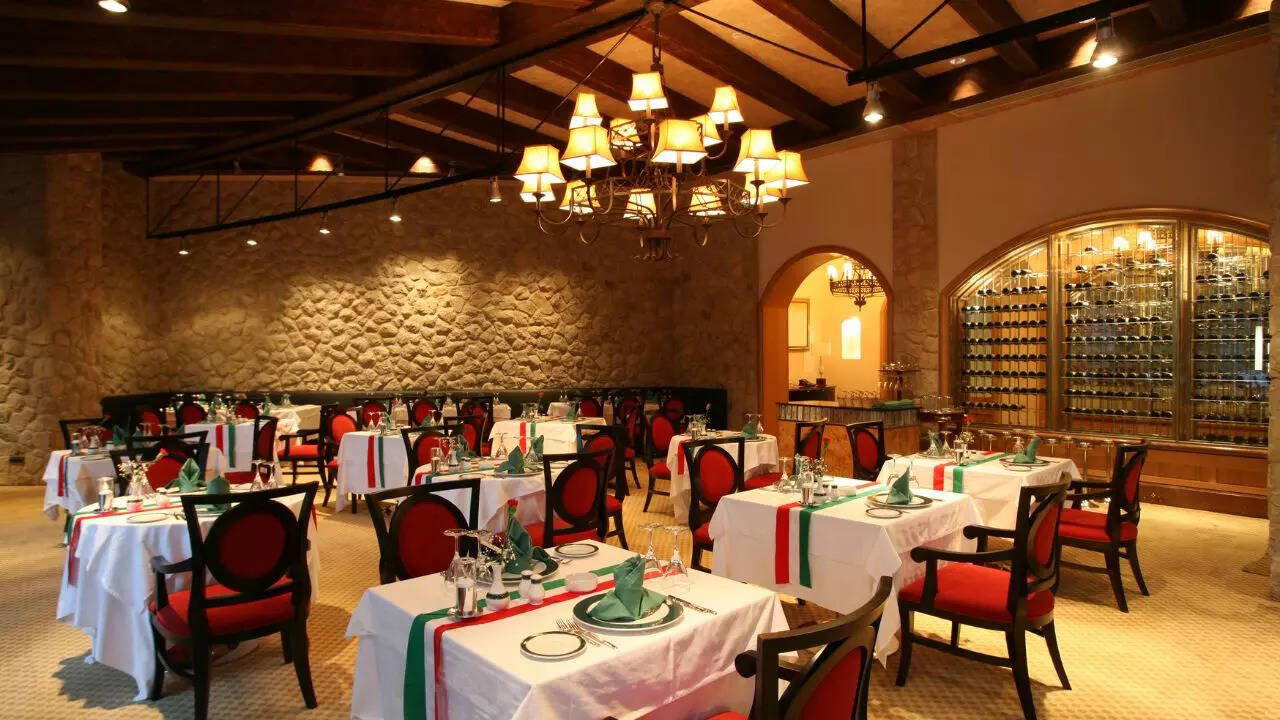
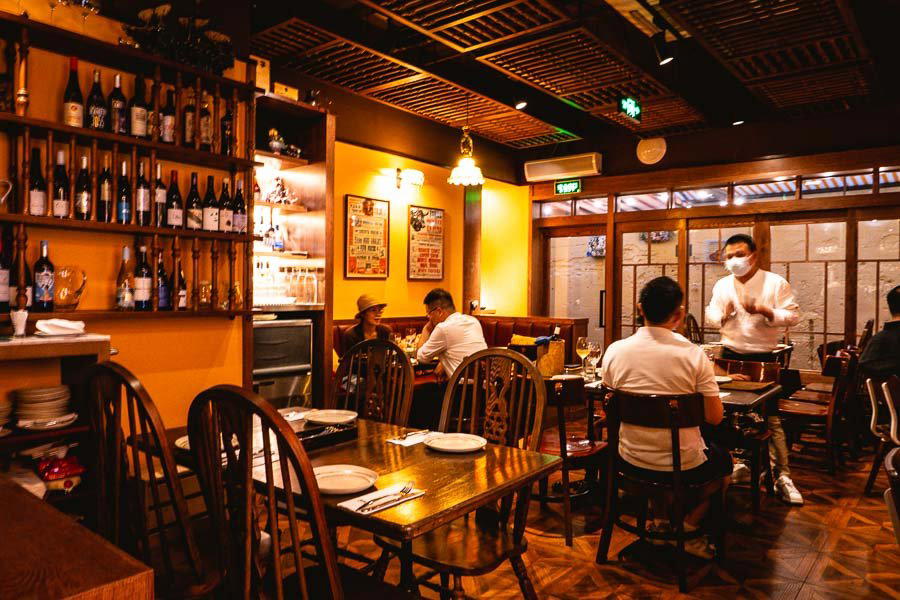
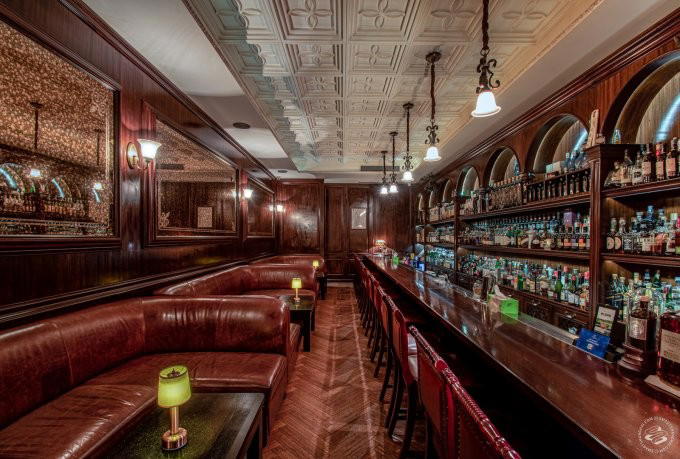
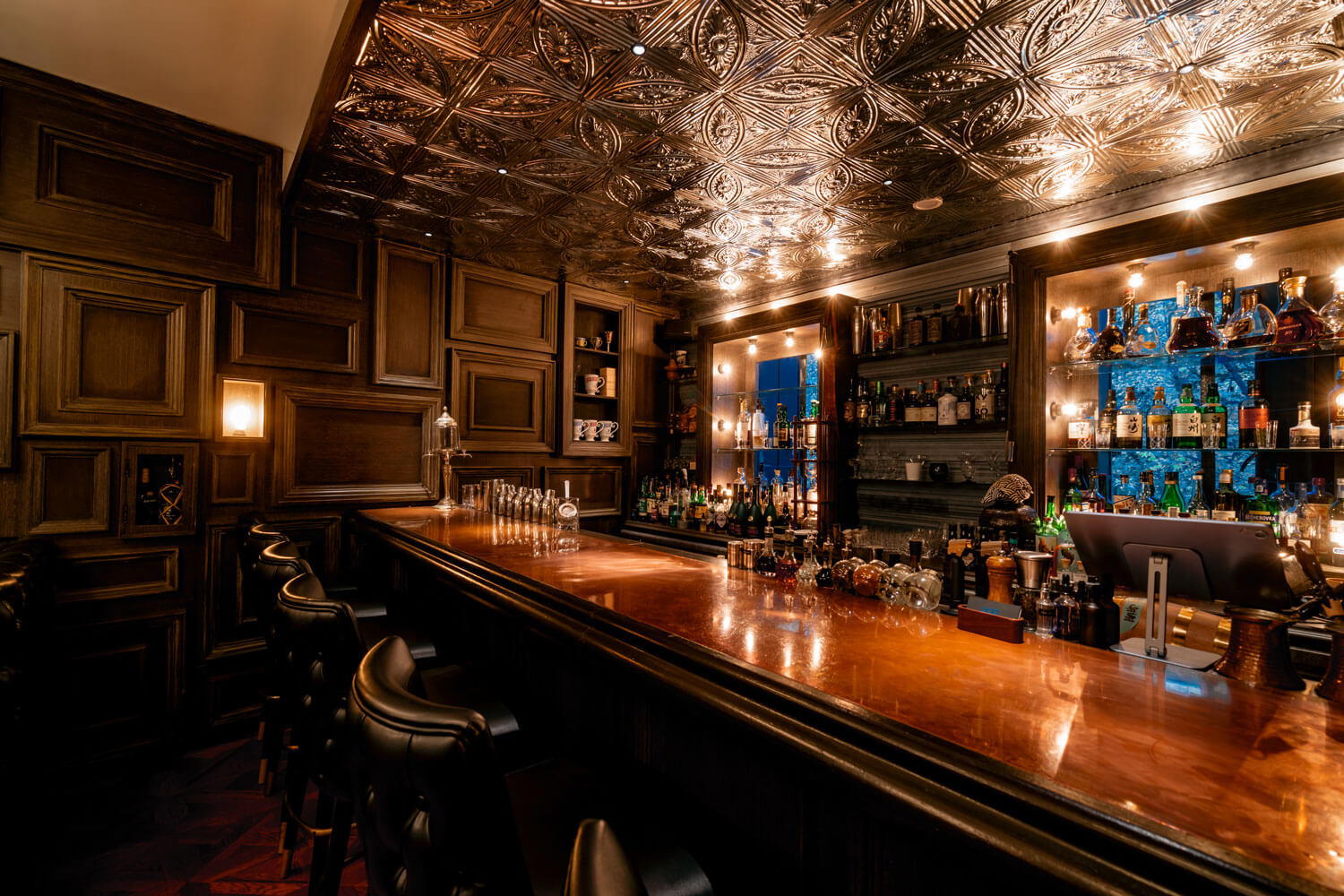
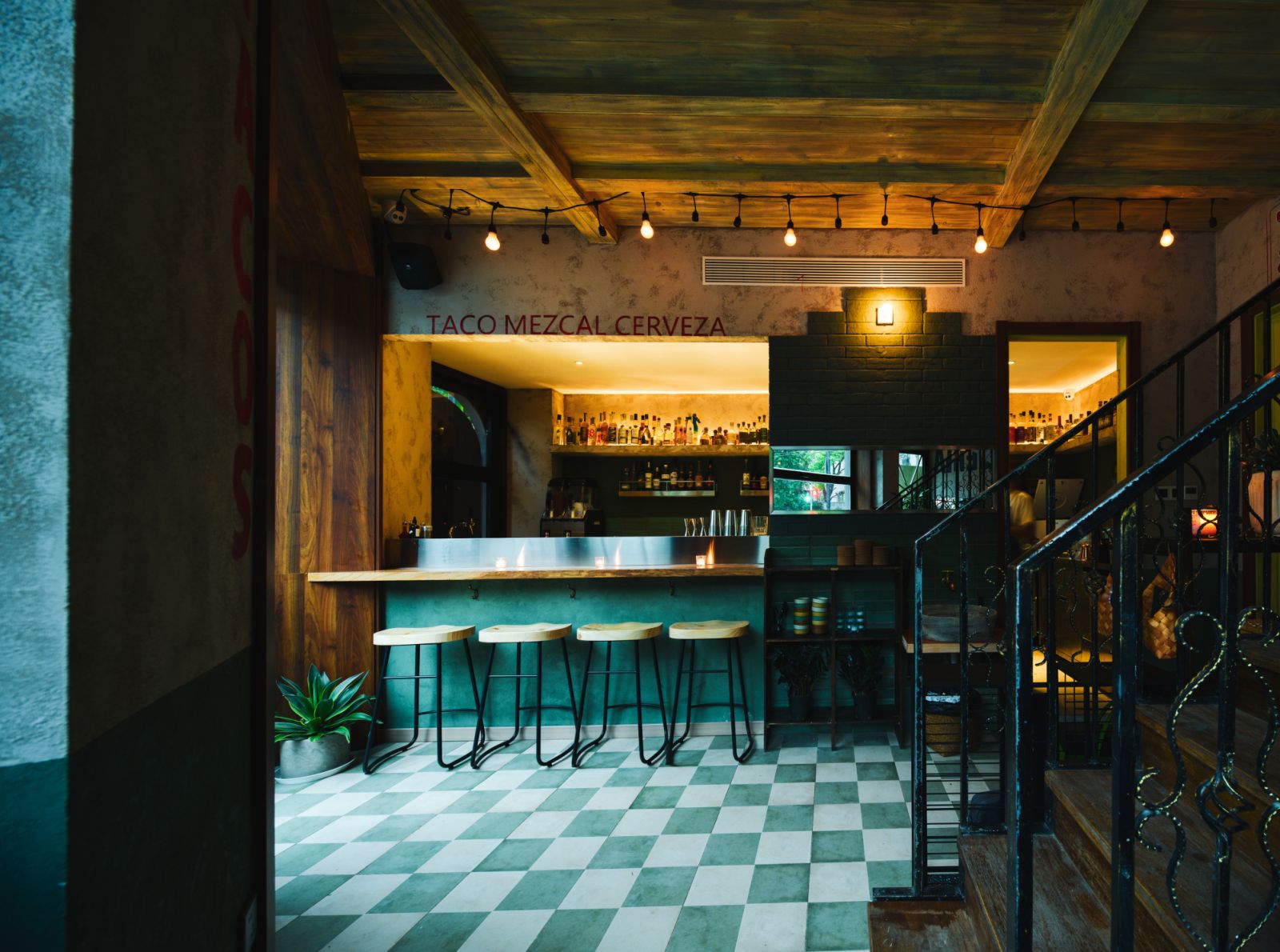
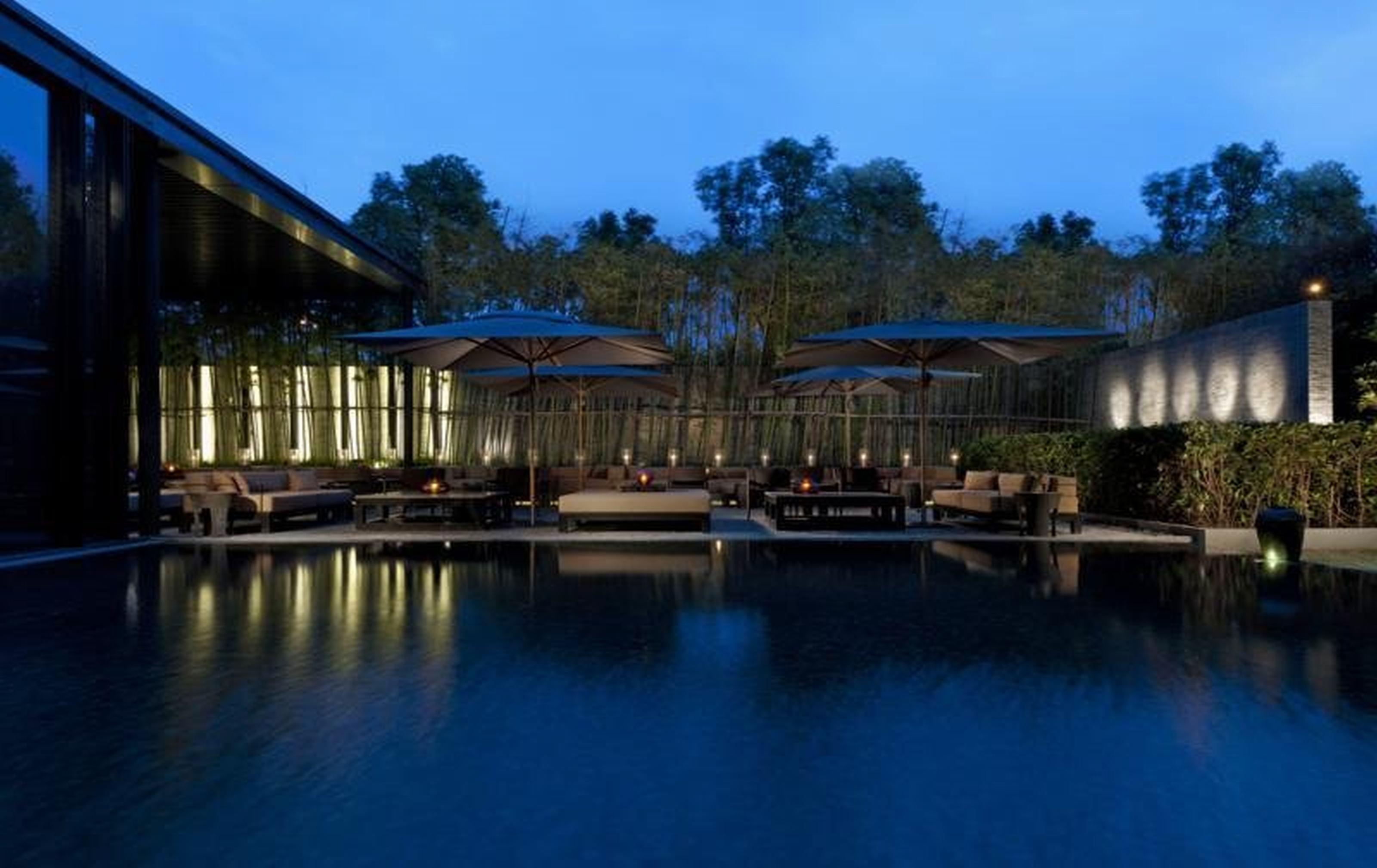
Cozy ground-floor bar with exposed brick and stained wooden shelves, high-energy vibe on weekends, bohemian-inspired top-floor lounge with small terrace.